
Poaching
Cooking in water that trembles but never boils. Delicate proteins such as fish, eggs and chicken breast toughen at a boil and stay tender in this range.
The mechanism
Boiling water sits at 100 °C, but its real harm is motion more than heat: the bubbles batter the surface and cook the outer layer far faster than the middle. At 70–85 °C the water is still and the heat goes in evenly. On the protein side the thresholds are clear: egg white begins to thicken near 62 °C and sets fully by 80 °C; fish muscle turns opaque at 50–60 °C; chicken breast sheds water quickly above 60 °C. Holding the liquid under the boil lets the centre reach its target without overcooking the outside. A spoonful of vinegar in the water gathers egg white faster, and salt keeps the taste in the fish.
The thresholds that define it
“Medium heat” is not a technique. Every line below is a point where something starts or stops.
- 70–85 °C The working window: small bubbles form on the bottom but do not rise.
- 62–80 °C Egg white’s range from thickening to fully set.
- 63 °C iç sıcaklık Safe minimum internal temperature for fish (USDA FSIS).
- 74 °C iç sıcaklık Safe minimum internal temperature for chicken (USDA FSIS).
- 3–4 dakika A poached egg: the white sets and the yolk stays runny.
How to read it by hand
Look at the bottom of the pot: small bubbles clinging there with a still surface means you are in the right place. A shivering surface with the odd bubble breaking means the top of the range. If it reaches a full boil, turn it down and add a glass of cold water.
The three mistakes people make
01 The fish fell apart and dried out ⌄
Why
The water boiled; the bubbles battered the fillet and overcooked the outside.
What to do
Hold the water at 75 °C, or start the fish in cold liquid and bring them up together.
02 The poached egg white feathered into the water ⌄
Why
The egg was old; the white thins with age and will not gather.
What to do
Use fresh eggs and drain the loose white through a fine sieve first.
Where it comes from
Çılbır is Turkish cooking’s best-known poach: the eggs cook in trembling, vinegared water, are laid on garlic yoghurt and finished with butter and chilli flakes.
Giving the heat another way
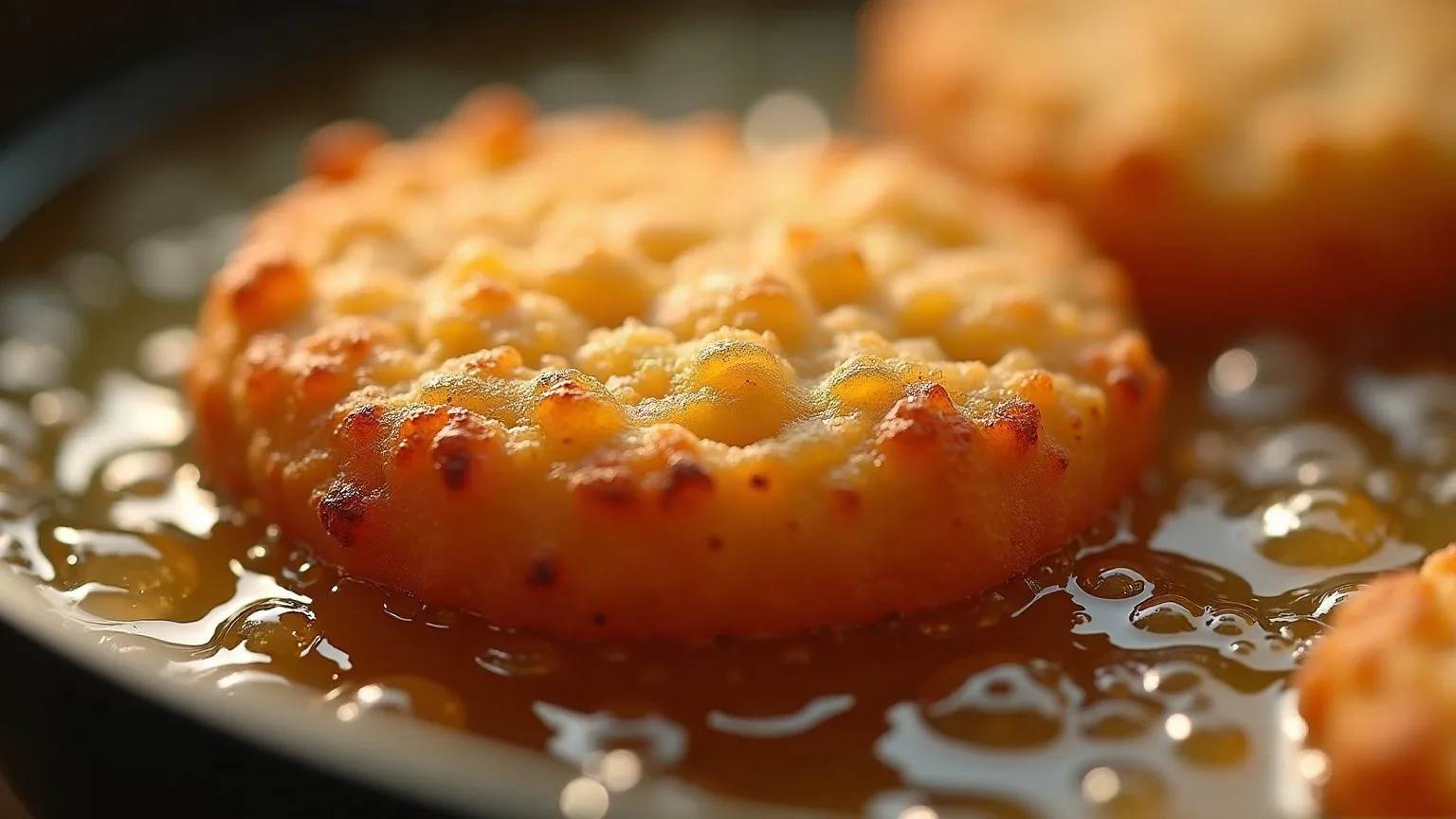
Deep frying
Surface water flashes to steam and pushes outward — that is the shield keeping oil out. Cold oil never builds it, and the food drinks the fat instead.
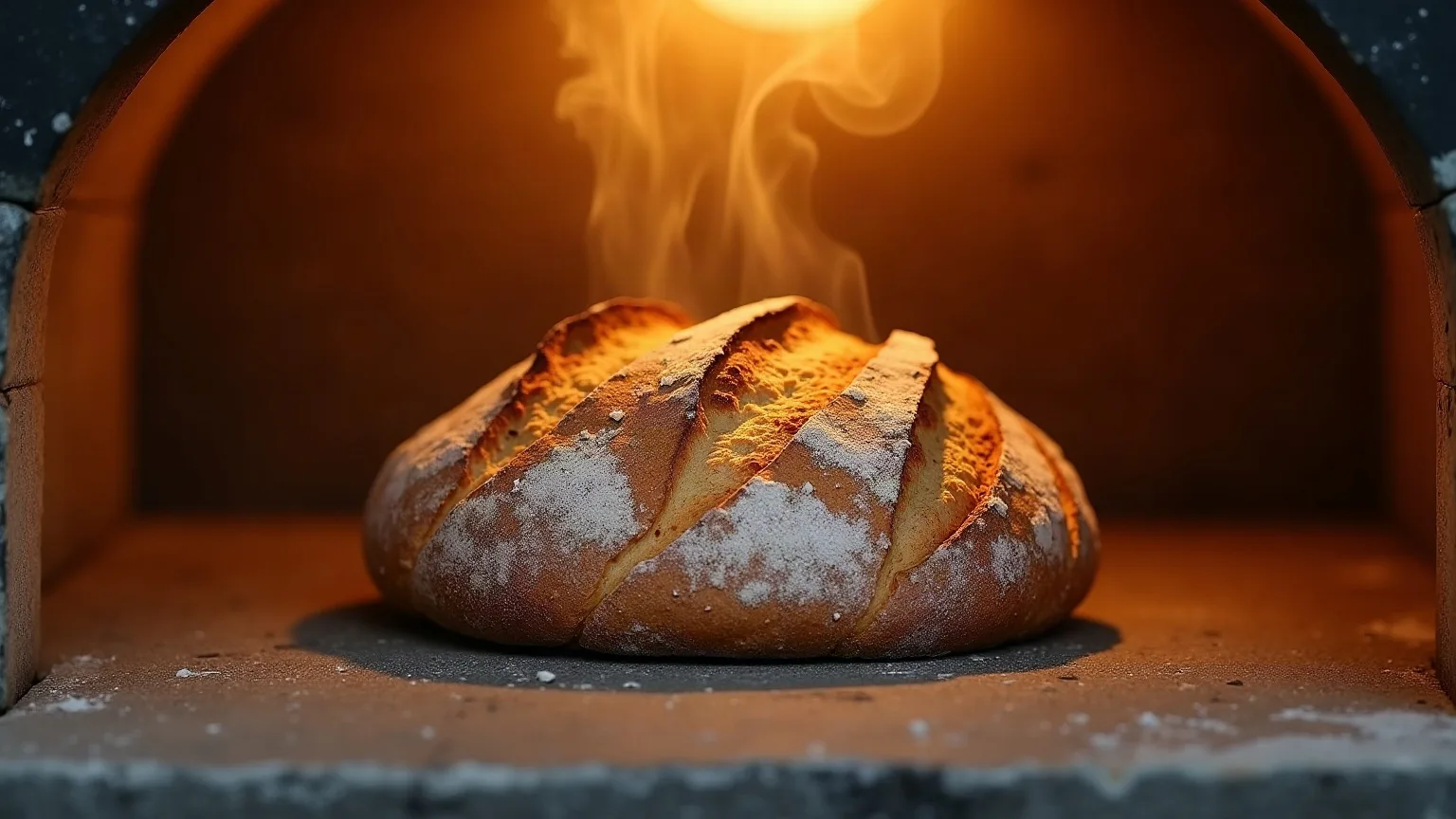
The oven
Air carries heat badly, so a 200 °C oven does not make 200 °C food. The inside stays where water boils, at 100 °C.
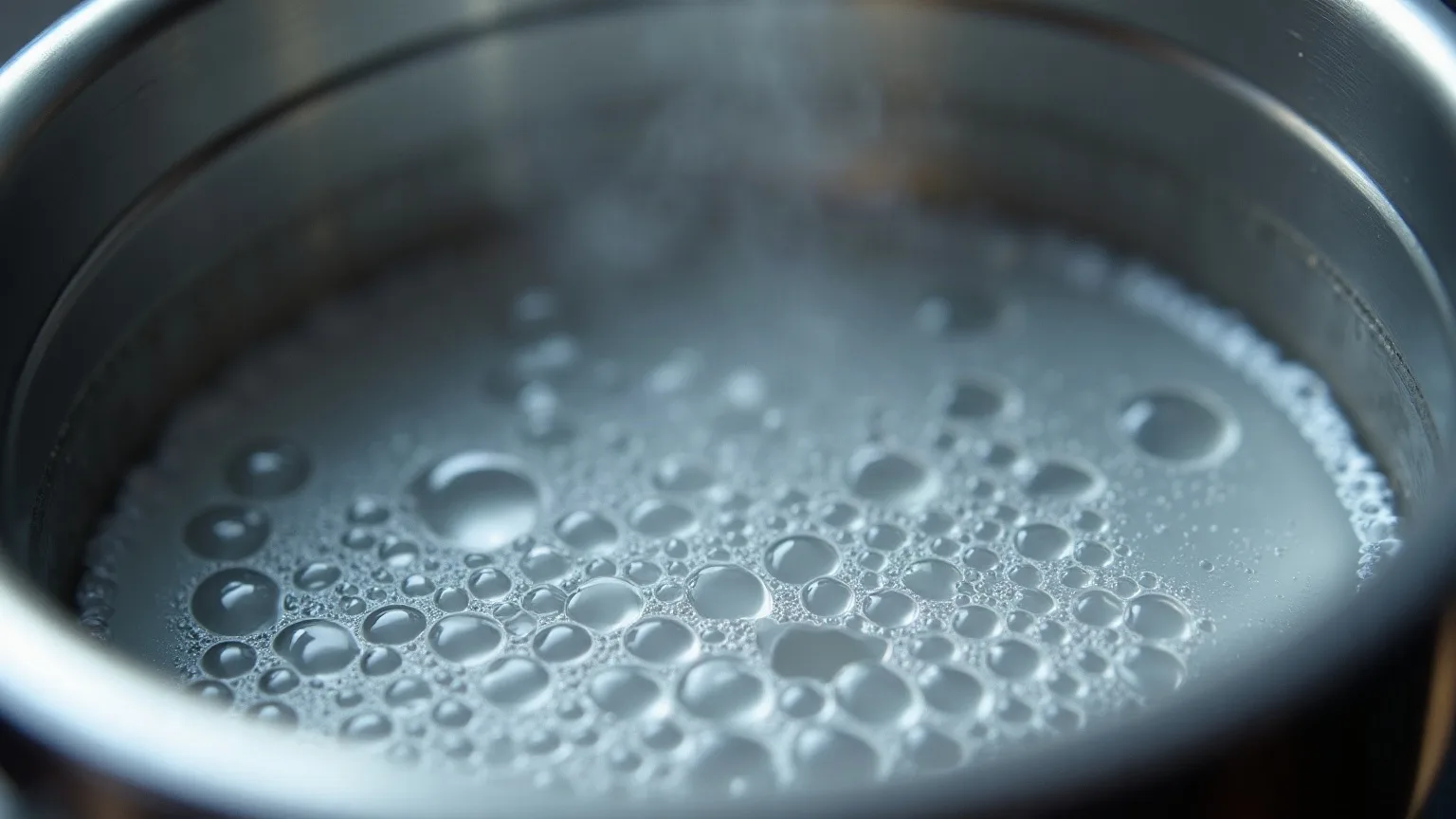
Boiling & poaching
Water cannot pass 100 °C, so turning the flame up changes nothing. Boiling is set by time and salt, not by temperature.