
Brining
Resting meat in salt water at a set strength wins back in advance part of the water it will lose in cooking. Strength and time decide the result on their own.
The mechanism
When muscle meets 5–8% salt water the salt moves in slowly and partly dissolves proteins such as myosin. The loosened proteins bind more water, which is why a brined breast gains roughly 5–10% of its weight. In cooking the fibres contract above 60 °C and squeeze water out, but the water bound during brining makes up part of the loss. Past 10% the surface over-salts and the texture turns ham-like. A dry brine is another road to the same place: salt first draws liquid out, then dissolves in it and is drawn back in, which takes at least 12 hours.
The thresholds that define it
“Medium heat” is not a technique. Every line below is a point where something starts or stops.
- %5–8 Wet brine strength: 50–80 grams of salt per litre of water.
- 1 saat / 500 g Rough time for thin cuts such as chicken breast; a whole turkey needs 12–24 hours.
- %10 üstü The surface over-salts and the texture turns ham-like.
- 5 °C altı Brining happens in the fridge, not on the counter (FSA).
How to read it by hand
With no scale, three heaped tablespoons of fine salt in a litre of water is about 5%. Rinse and dry the meat afterwards, then fry one slice and taste: if it reads salty, halve the time next round.
The three mistakes people make
01 The meat is too salty and spongy ⌄
Why
The brine was over 10% or the time ran long.
What to do
Drop to 6% and set the time by weight.
02 The skin stayed soft and pale ⌄
Why
The surface water from the brine never dried.
What to do
Air-dry uncovered in the fridge for 4–8 hours, then cook.
Where it comes from
In Turkish kitchens brine is known mostly for cheese and olives; white cheese itself matures in salt water. The light brine used for meat is a younger, lower-salt sibling of that old preserving method, aimed at cooking rather than keeping.
Giving the heat another way
Deep frying
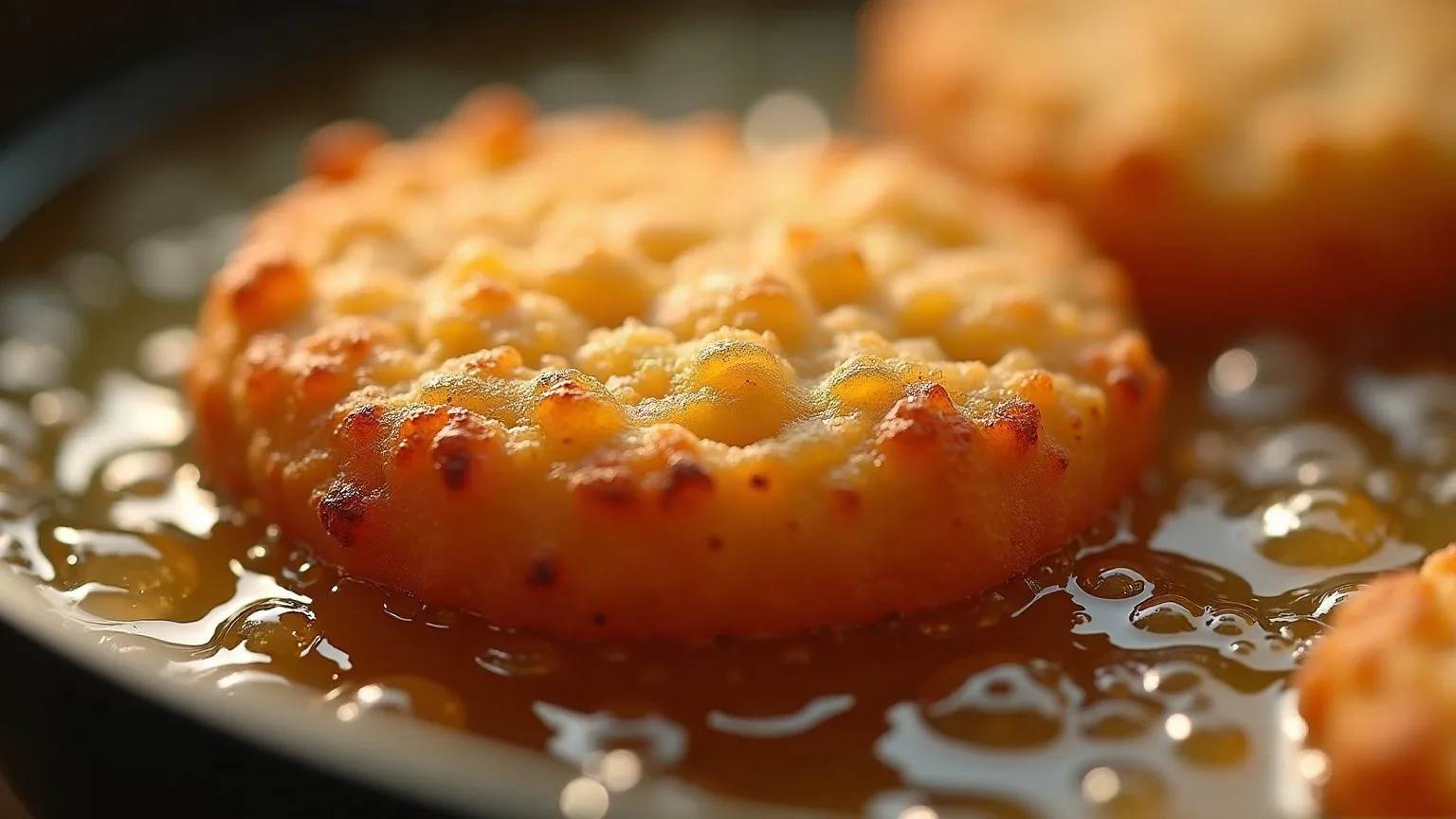
Surface water flashes to steam and pushes outward — that is the shield keeping oil out. Cold oil never builds it, and the food drinks the fat instead.
The oven
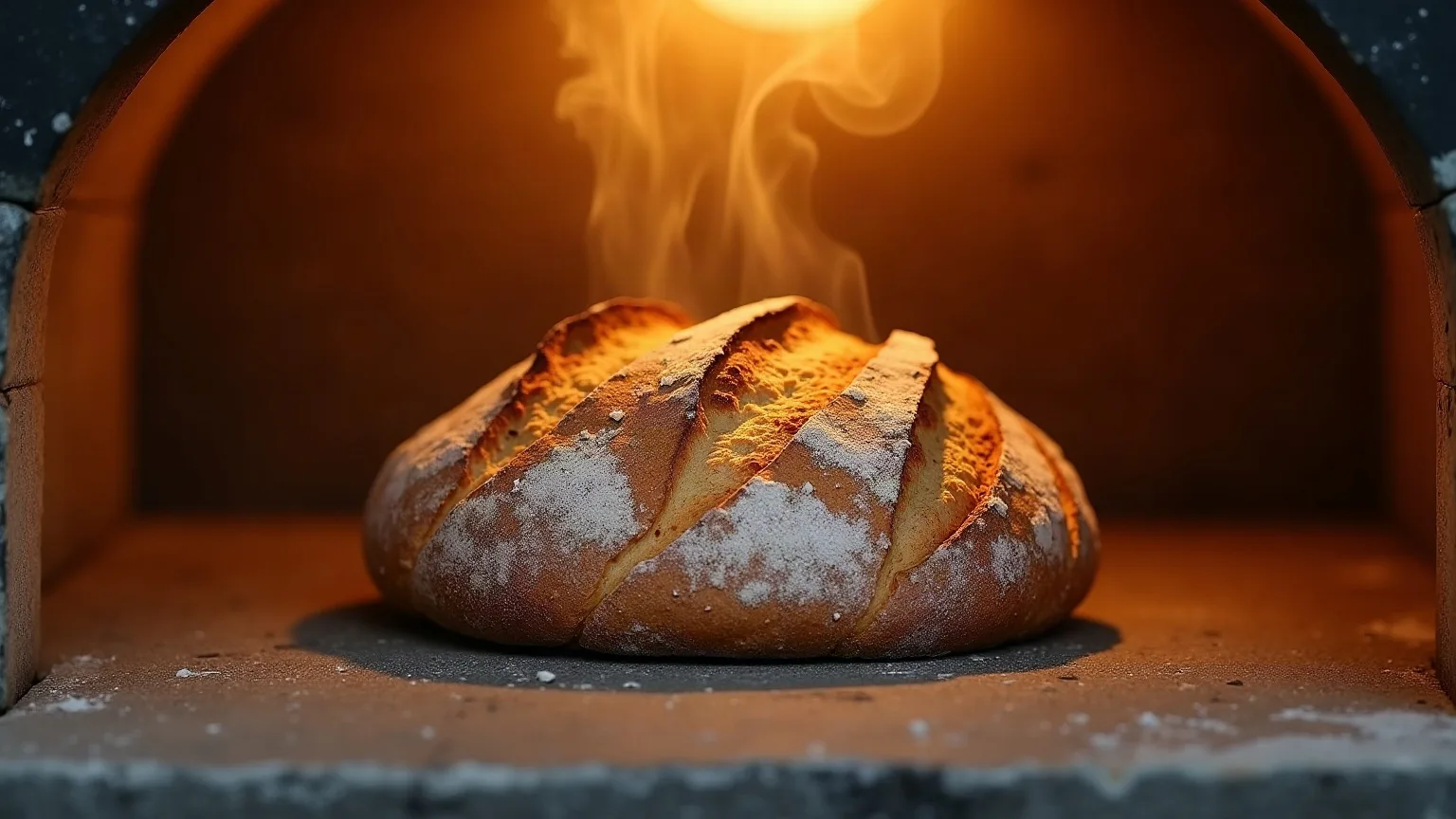
Air carries heat badly, so a 200 °C oven does not make 200 °C food. The inside stays where water boils, at 100 °C.
Boiling & poaching
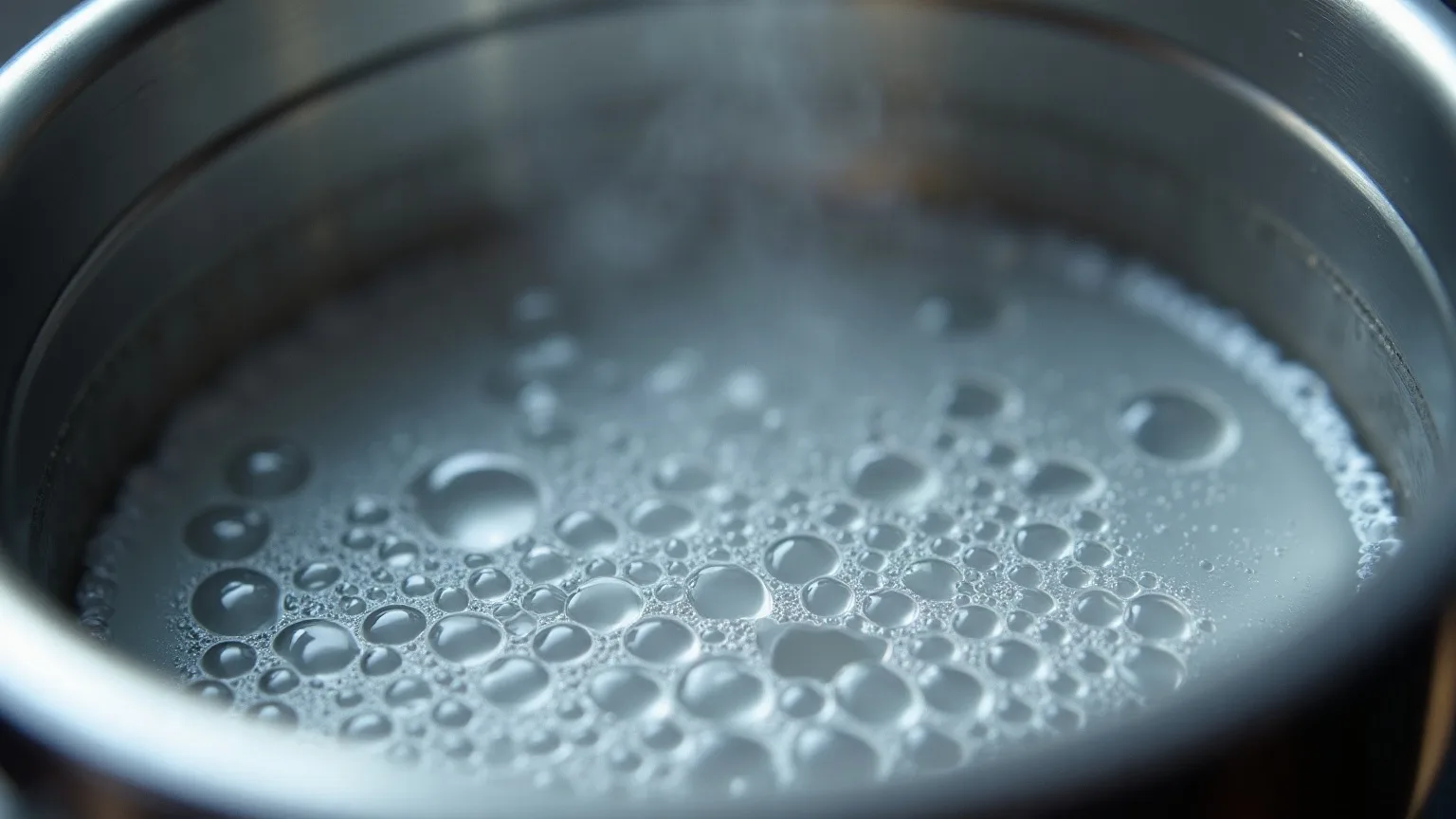
Water cannot pass 100 °C, so turning the flame up changes nothing. Boiling is set by time and salt, not by temperature.