
Laminating dough
Folding dough and fat over each other until there are hundreds of thin layers. In the oven the water between them turns to steam and pushes the layers apart.
The mechanism
In laminated dough every fold multiplies the layers: a letter fold triples them each time, so four folds give 81 layers of fat. Puff pastry with six letter folds reaches 729. The butter acts as a barrier between the layers; in the oven above 200 °C the roughly 15–18% water in butter flashes to steam and pushes the sheets apart while gluten and starch set to hold that height. The secret is temperature: at 12–16 °C butter rolls out with the same give as the dough. Colder and it shatters, breaking the layers; above 20 °C it melts into the dough and the layering disappears. The gluten fights back as it stretches, which is why each fold needs 20–30 minutes of rest.
The thresholds that define it
“Medium heat” is not a technique. Every line below is a point where something starts or stops.
- 12–16 °C The range where butter rolls out with the dough instead of cracking.
- 20 °C üstü The butter smears into the dough and the layers are lost.
- 3⁴ = 81 Layers of fat after four letter folds.
- 20–30 dakika Rest in the fridge between each fold.
- 200–220 °C Baking heat; if the butter melts before steam lifts the layers, the pastry sits in grease.
How to read it by hand
Press the butter with a finger: it should take the print without sticking. If butter tears show through the surface as you roll, the fat is too cold; if it oozes from the edges it is too warm, and the dough goes straight back into the fridge.
The three mistakes people make
01 The pastry did not rise and baked like a biscuit ⌄
Why
The butter passed 20 °C during rolling and blended into the dough.
What to do
Keep the bench cool, rest after every fold and chill more often in a warm kitchen.
02 Butter pooled on the tray in the oven ⌄
Why
The pastry went in before the oven reached 200 °C.
What to do
Preheat the oven for at least 20 minutes.
Where it comes from
Baklava pastry is another road to lamination: the layers are not folded but rolled one by one and stacked, with melted butter brushed between them. Puff pastry and baklava tell the same physics by two different hands; in the Ottoman palace kitchen the thinness of baklava sheets was the measure of a master.
Giving the heat another way
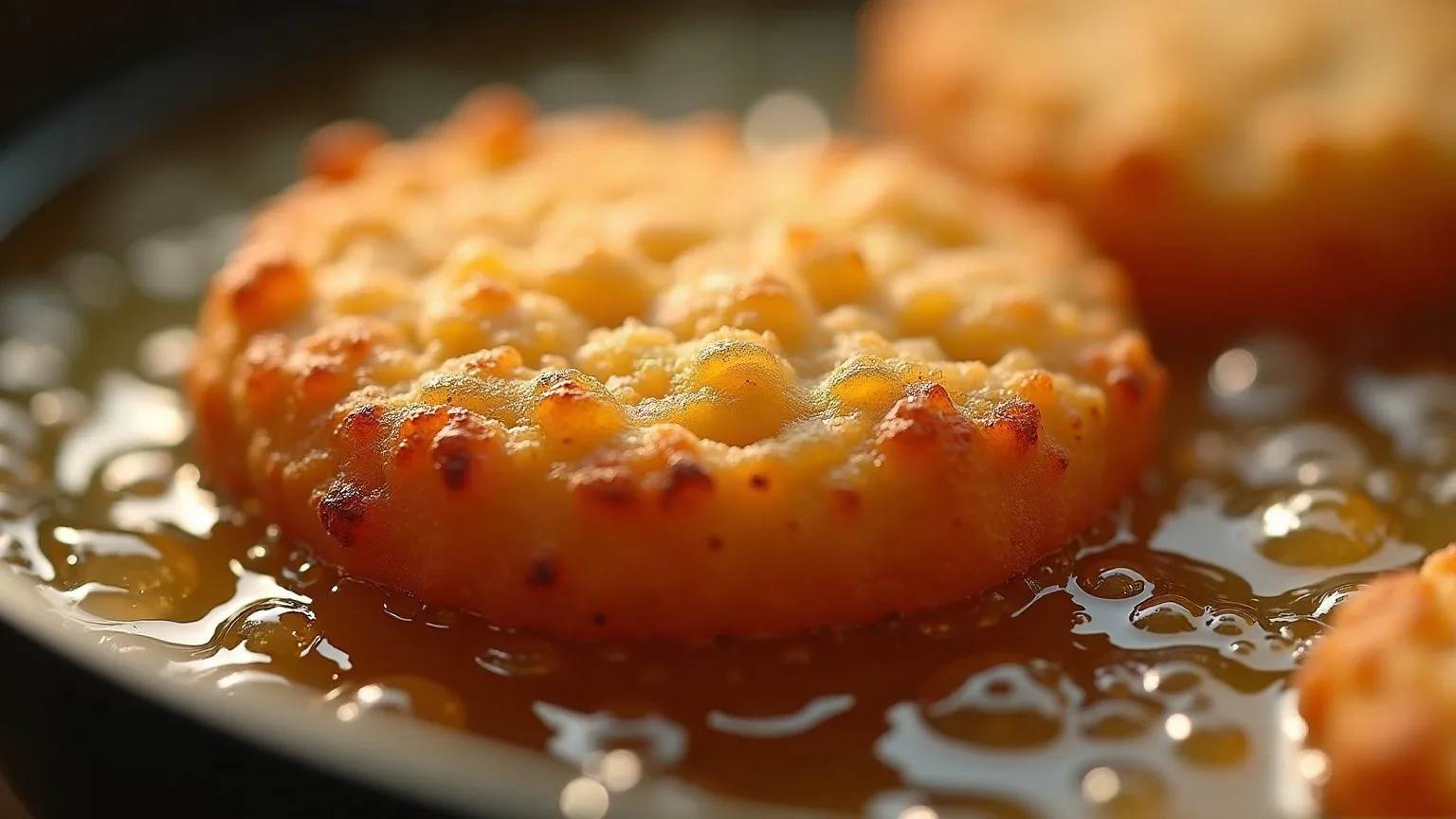
Deep frying
Surface water flashes to steam and pushes outward — that is the shield keeping oil out. Cold oil never builds it, and the food drinks the fat instead.
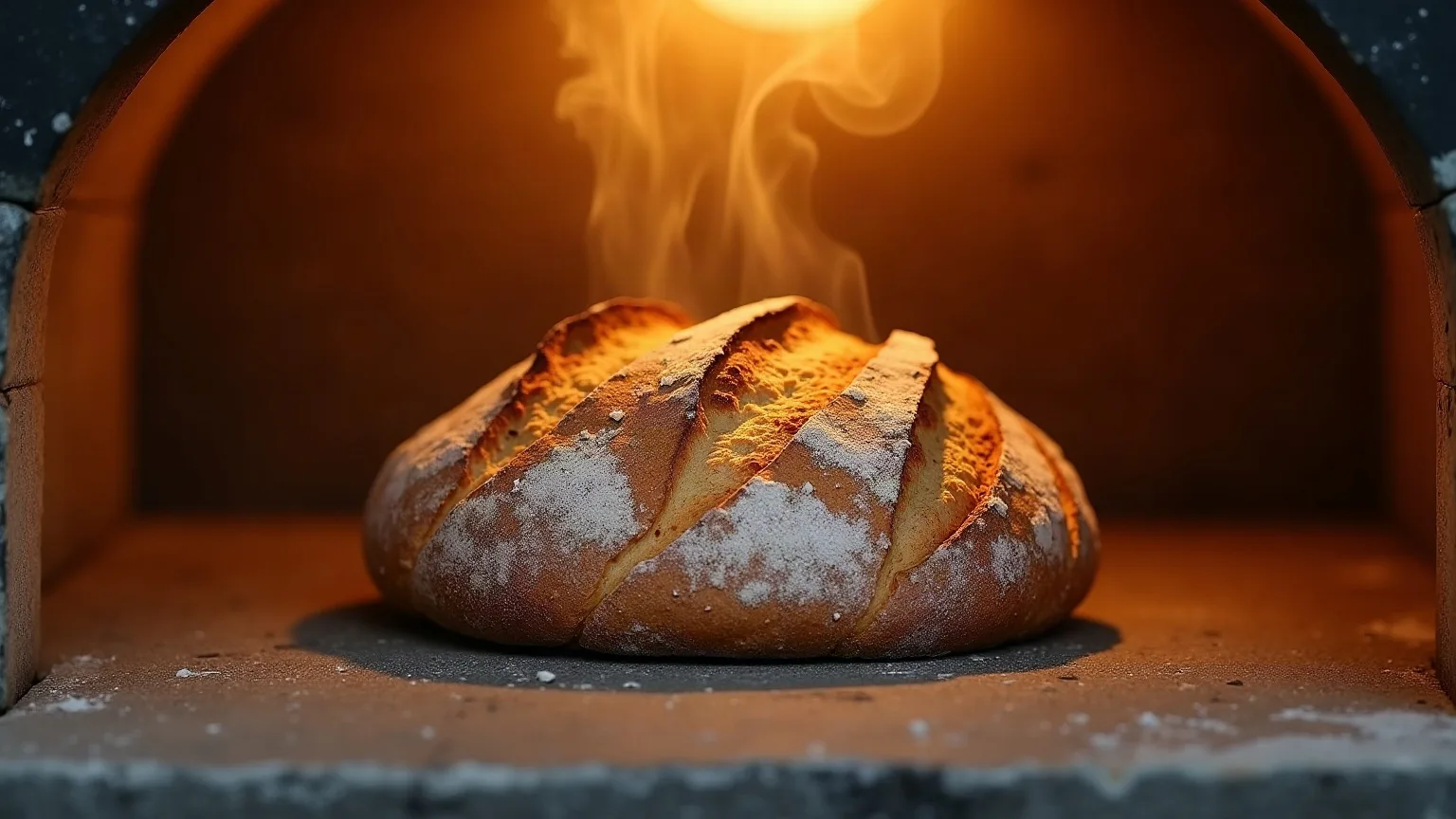
The oven
Air carries heat badly, so a 200 °C oven does not make 200 °C food. The inside stays where water boils, at 100 °C.
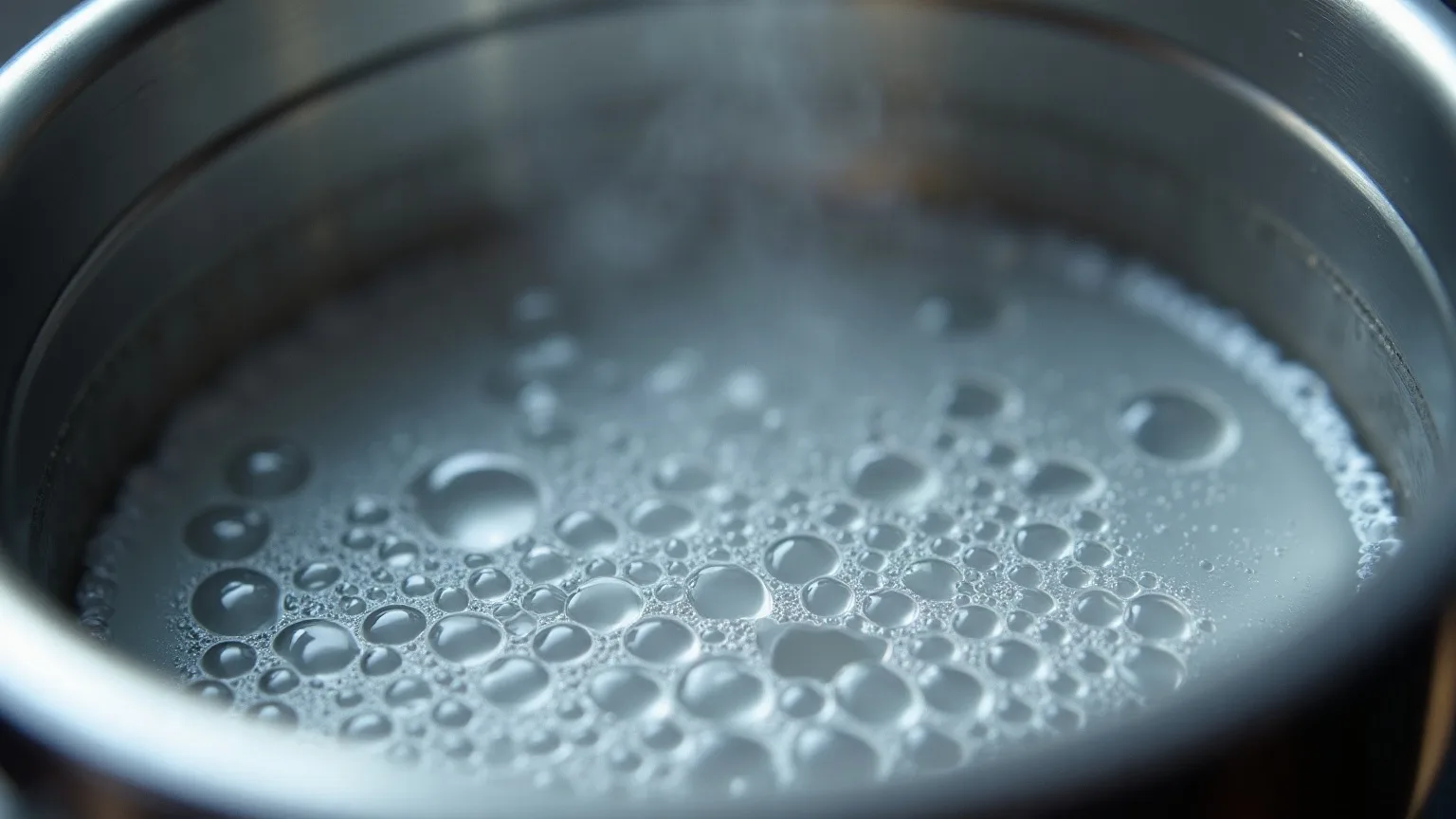
Boiling & poaching
Water cannot pass 100 °C, so turning the flame up changes nothing. Boiling is set by time and salt, not by temperature.