
Tempering chocolate
Cocoa butter can set in six crystal forms, and only one gives chocolate that shines and snaps. Tempering steers the chocolate into that one.
The mechanism
Cocoa butter’s crystal forms are numbered I to VI and each melts at a different temperature. The one you want, form V, melts at about 34 °C; lower forms are soft and dull, while form VI slowly leaves a grey-white bloom. Tempering first melts the chocolate completely so every crystal is gone: 45–50 °C for dark. It is then cooled to 27–28 °C, where both stable and unstable crystals form. Finally it is warmed gently to 31–32 °C, which melts the unstable ones and leaves only form V seeds. As it sets, those seeds pull the rest of the chocolate into their own order. In milk chocolate the milk fat interferes, so each step runs about 2 °C lower.
The thresholds that define it
“Medium heat” is not a technique. Every line below is a point where something starts or stops.
- 45–50 °C Full melt for dark chocolate; every crystal is erased.
- 27–28 °C The cooling step, where crystal seeds form.
- 31–32 °C Working temperature for dark. Milk 29–30 °C, white 28–29 °C.
- 34 °C Form V’s melting point; pass it and the temper is lost.
- %25–30 The share of chopped chocolate added in the seeding method.
How to read it by hand
Dip the tip of a knife and leave it in an 18–20 °C room. If it sets glossy and unstreaked within five minutes and snaps cleanly, the temper is right. If it is still soft after half an hour, or sets streaky, the crystals have not formed properly.
The three mistakes people make
01 The chocolate set dull with grey streaks ⌄
Why
The working temperature passed 34 °C and melted the form V seeds.
What to do
Melt again to 45 °C and repeat the steps with a thermometer.
02 The chocolate seized into a grainy lump ⌄
Why
A few drops of water or steam got in; the sugar grabbed it and clumped.
What to do
Dry the bowl and spatula; use the seized chocolate for ganache or sauce.
Where it comes from
Tempering became a necessary craft when solid eating chocolate appeared in the nineteenth century. The tradition of spreading and gathering chocolate on marble to cool it survives today; the cool, heavy stone is how the 27 °C cooling step was done without a thermometer.
Giving the heat another way
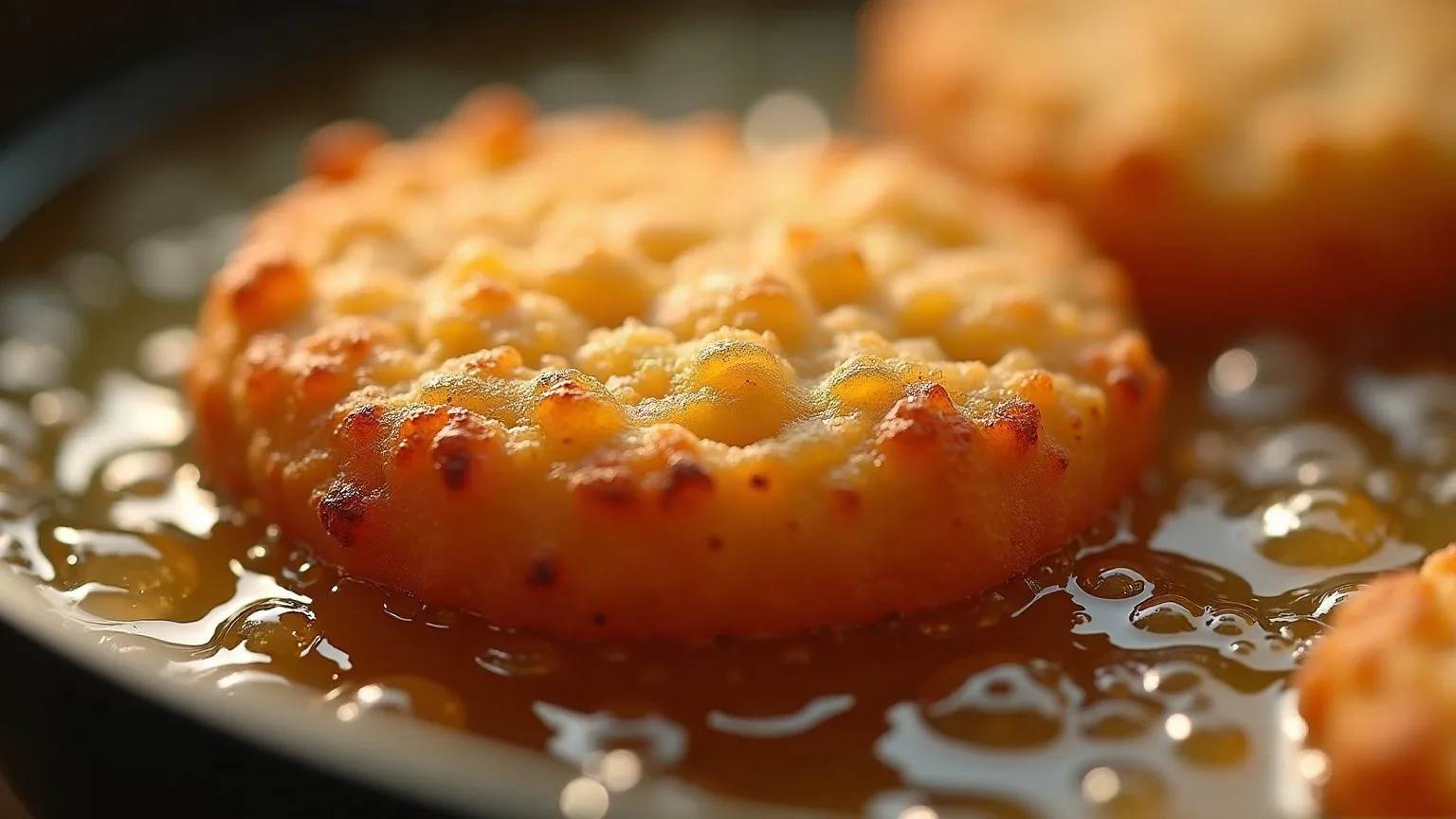
Deep frying
Surface water flashes to steam and pushes outward — that is the shield keeping oil out. Cold oil never builds it, and the food drinks the fat instead.
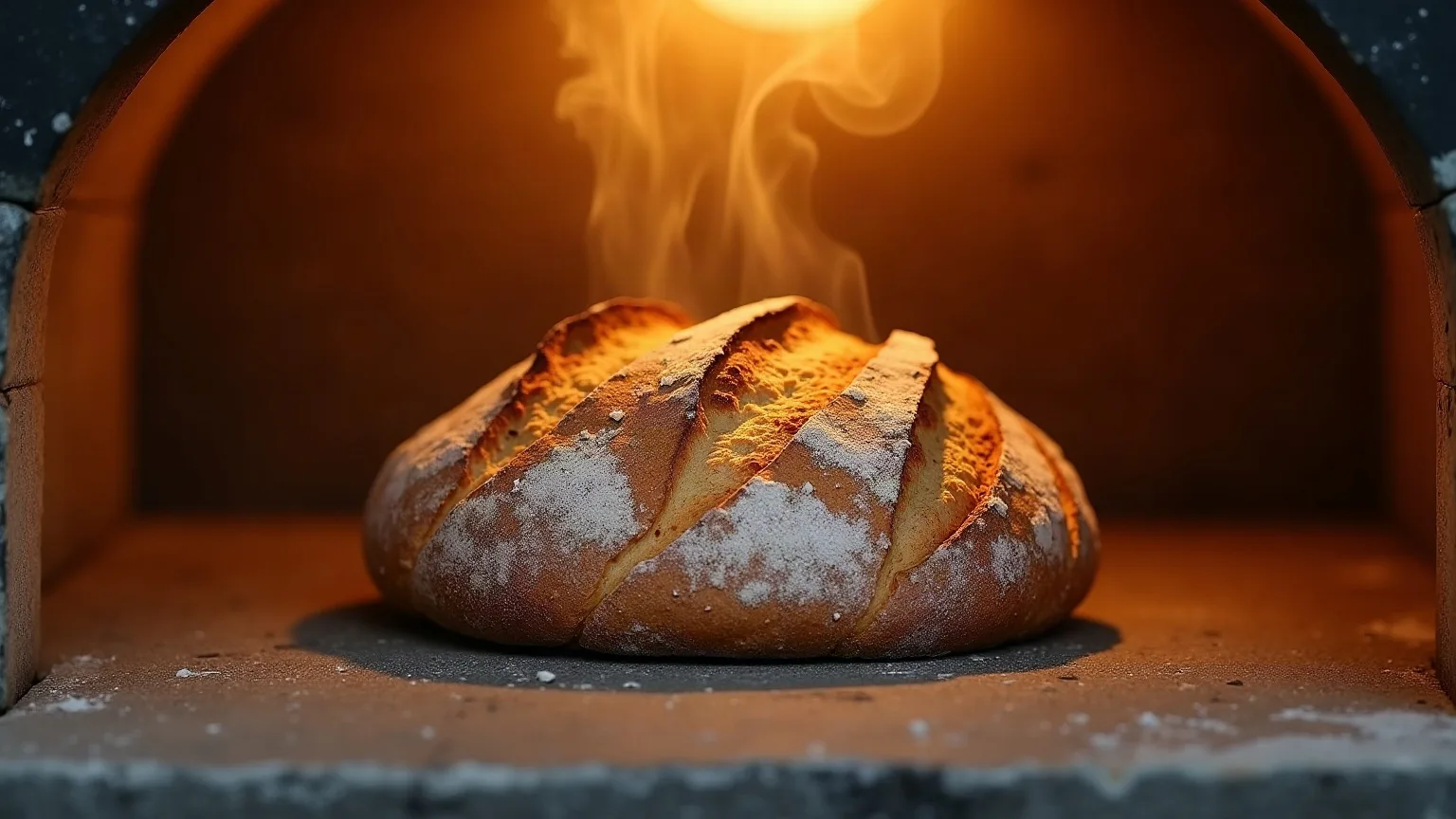
The oven
Air carries heat badly, so a 200 °C oven does not make 200 °C food. The inside stays where water boils, at 100 °C.
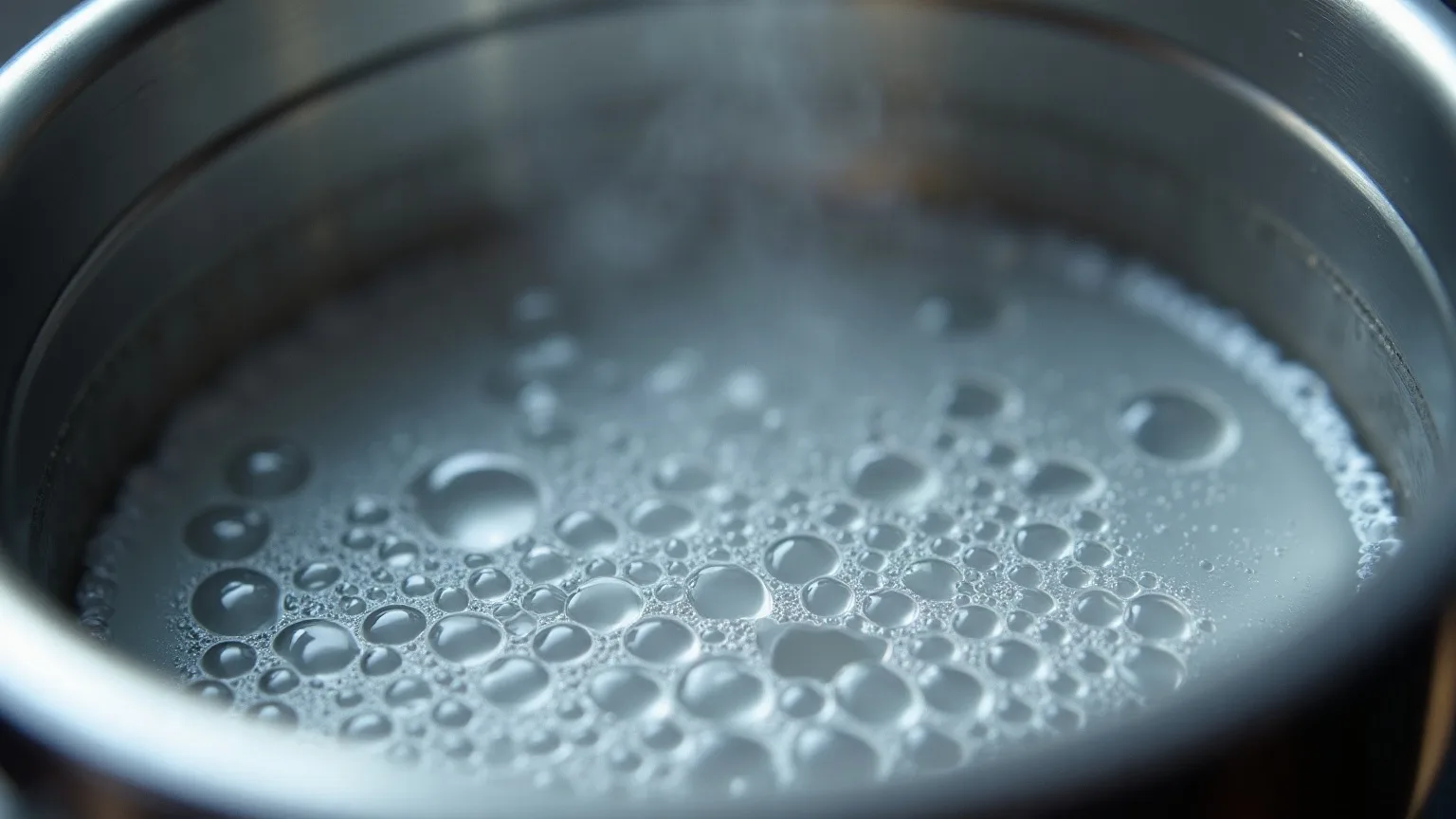
Boiling & poaching
Water cannot pass 100 °C, so turning the flame up changes nothing. Boiling is set by time and salt, not by temperature.