What to cook In the mood Workshop Scenarios Actually easy Techniques Dishes Ingredients Diets Recipes
Home · Who you cook for
Who you cook for

One table, different needs.

A table can be two adults, a child and a baby, and the interesting question is where their needs disagree. These pages say what changes for each; once you set your table, the suggestions, the portions and the safety warnings genuinely follow it.

Set your table →

The first year For a baby

For a baby

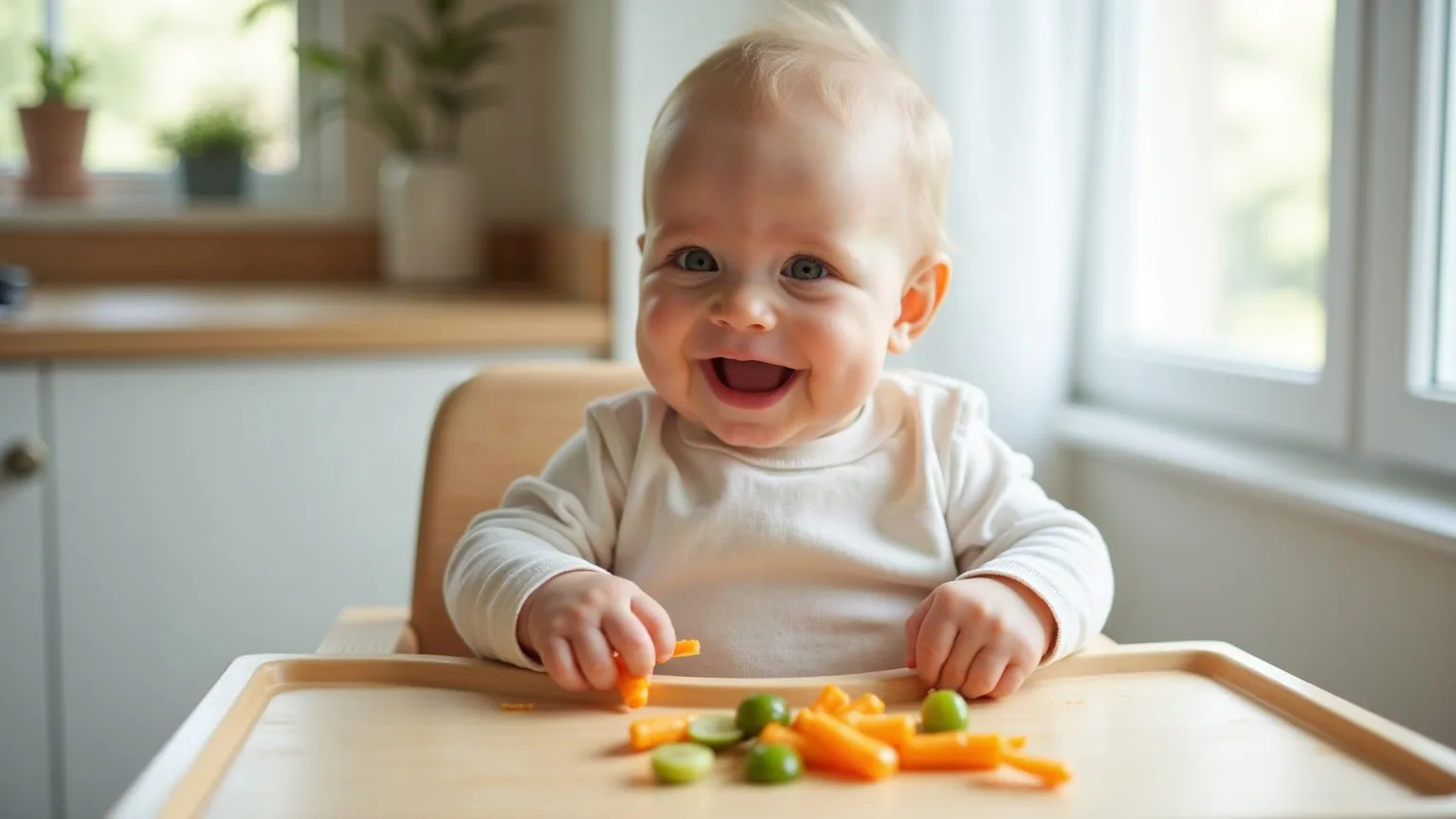
The first year is less about when things start than about what never appears: honey, whole round things, added salt and added sugar — none of which is a matter of timing.

  • Breast milk alone for the first six months; complementary foods begin around the sixth month. 6 months Context established
  • No honey until one year old; cooking does not kill the spores. 12 months Context established
  • Added salt and sugar at this age are not a question of how much but of whether.
  • Anything round and firm is a choking risk: the problem is the shape, not the ingredient. Context established

See cooking for a baby →

Sharing the table For a child

For a child

A child usually wants the same dish, taken out earlier — not a different one. Tell us the ingredients and textures they refuse and the suggestions route around them, and we show you where to lift their portion out before the salt and the spice.

  • Free sugars, for adults and children alike, below 10% of daily energy. 10% Context established
  • There is no gram figure specific to a child: the adult limit is adjusted down by energy requirement. 5 g Context established
  • No whole nuts before five years old — the reason is choking, not allergy. 5 years Context established
  • We print no number for how many times a child must try something; we do not have one.

See cooking for a child →

By the goal For an athlete

For an athlete

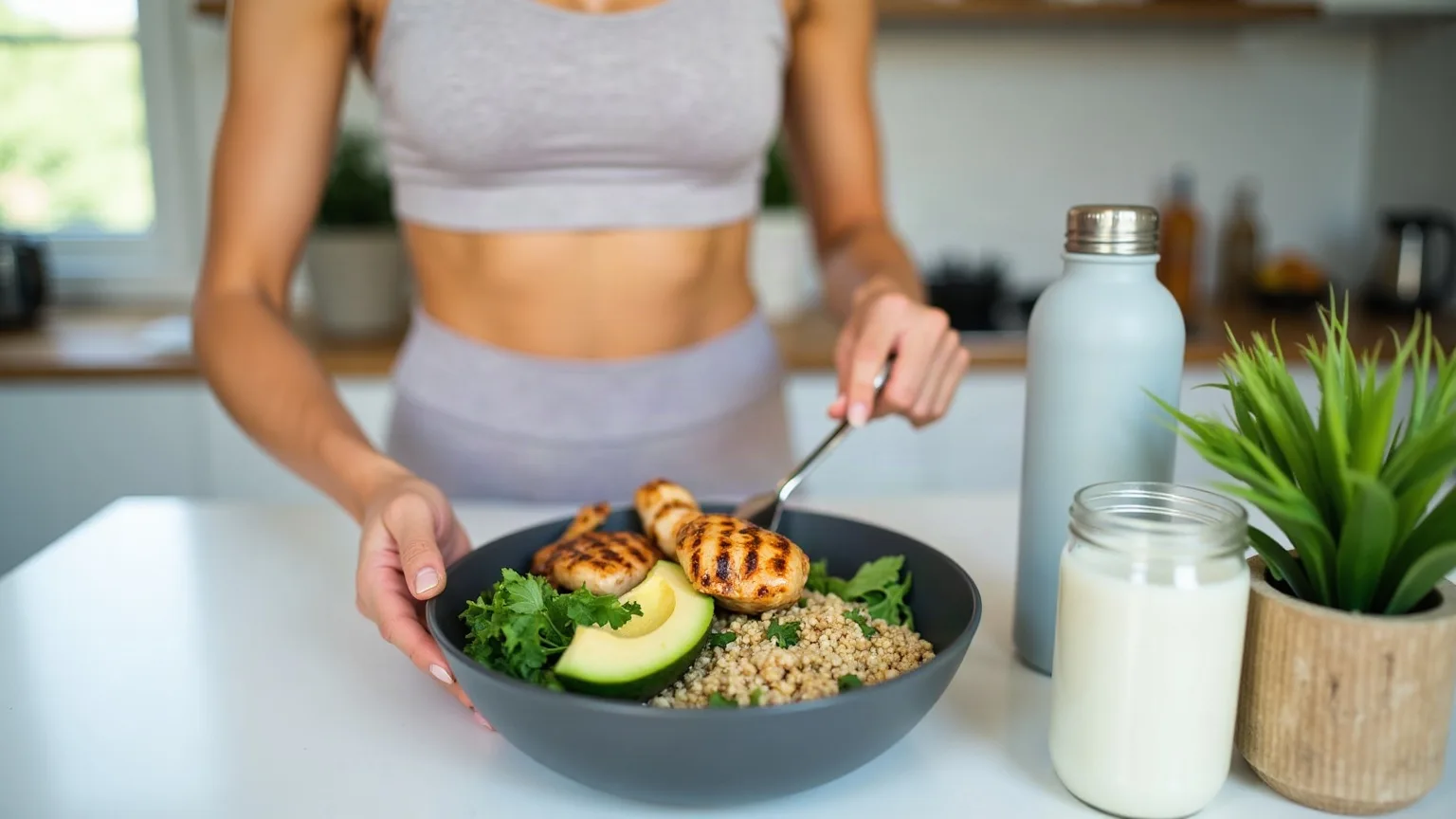
Training does not make food dangerous, so there is no safety warning here. What there is: tell us the goal and the hour you train, and the suggestions order themselves around it while the portion maths counts you in.

  • The adult protein reference intake is 0.83 g per kilogram of body weight per day. 0.83 g/kg Context established
  • That is a floor rather than a target: the amount that prevents a shortfall.
  • We do not print the 1.2–2.0 g/kg range usually quoted for athletes: we could not read its primary source.
  • Meal timing, carbohydrate around training and supplements are not on this site.

See cooking for an athlete →

What changes

What happens once the table is set

  1. 01 The suggestionsWhat to cook today, what you are in the mood for and the recipe lists set aside anything carrying an allergen at your table, and push what somebody refuses down the order.
  2. 02 The split pointOn a recipe we work out which step a baby’s or a child’s portion has to come out BEFORE — the step where the salt, the honey or an allergen goes into the pot.
  3. 03 PortionsHow many portions to cook comes from who is at the table. It is a count of servings rather than a nutrition target.
  4. 04 SafetyThe union of the rules rather than their intersection: a dish that is fine for three people and dangerous for the fourth is dangerous.
  5. 05 The shopping listThe list that falls out of the weekly plan marks what your table has to keep separate.

Nothing about your table reaches an analytics service, goes into a URL or is written to a log. As a guest it lives only in this browser; as a member it is kept on your account only when you say so, and one button deletes all of it.