

Vegetarian
No meat, but dairy and eggs stay. In Turkish cooking that means most of the table already qualifies.
26 dishes in the database satisfy it.
Most plant proteins are limiting in one or two amino acids, and eating pulses with grains across the same day completes the picture. Chickpeas with bulgur, lentils with rice: the classic pairings exist for a reason.
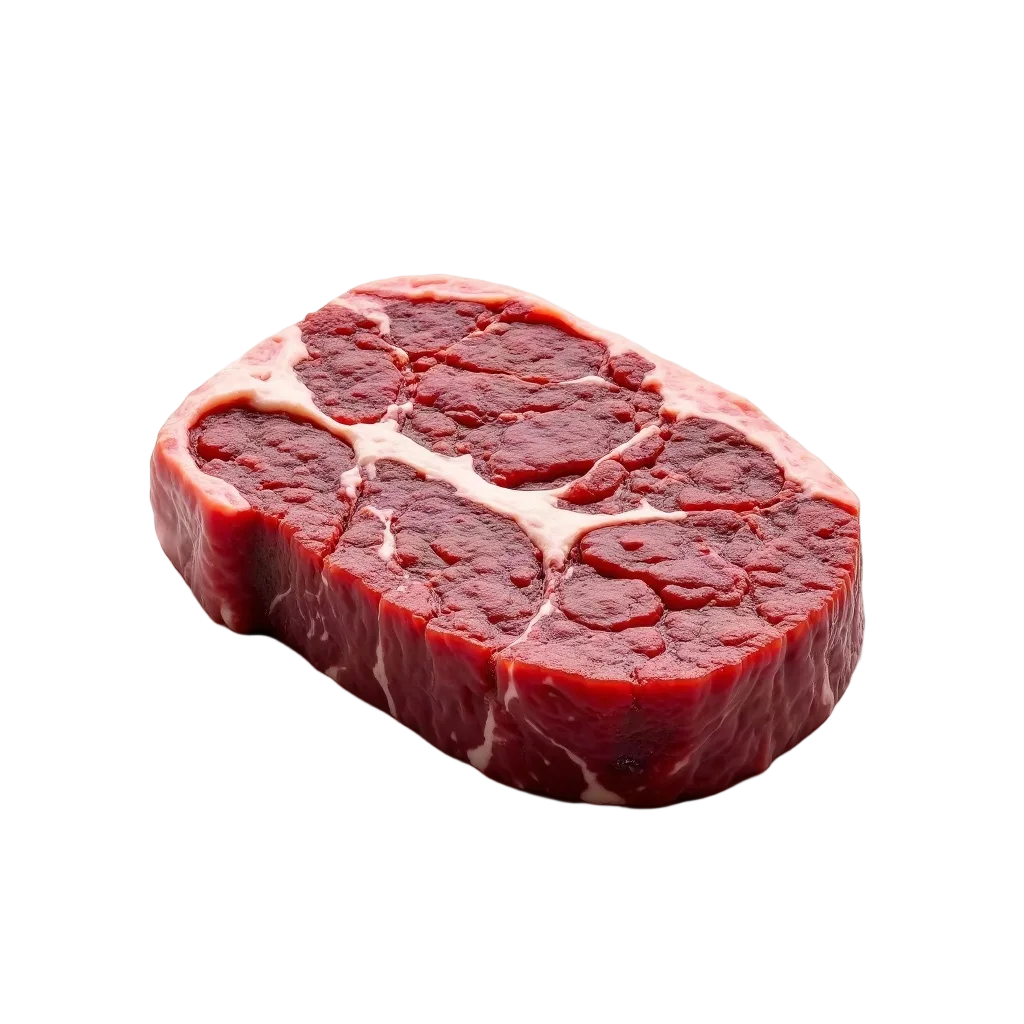 Red meat
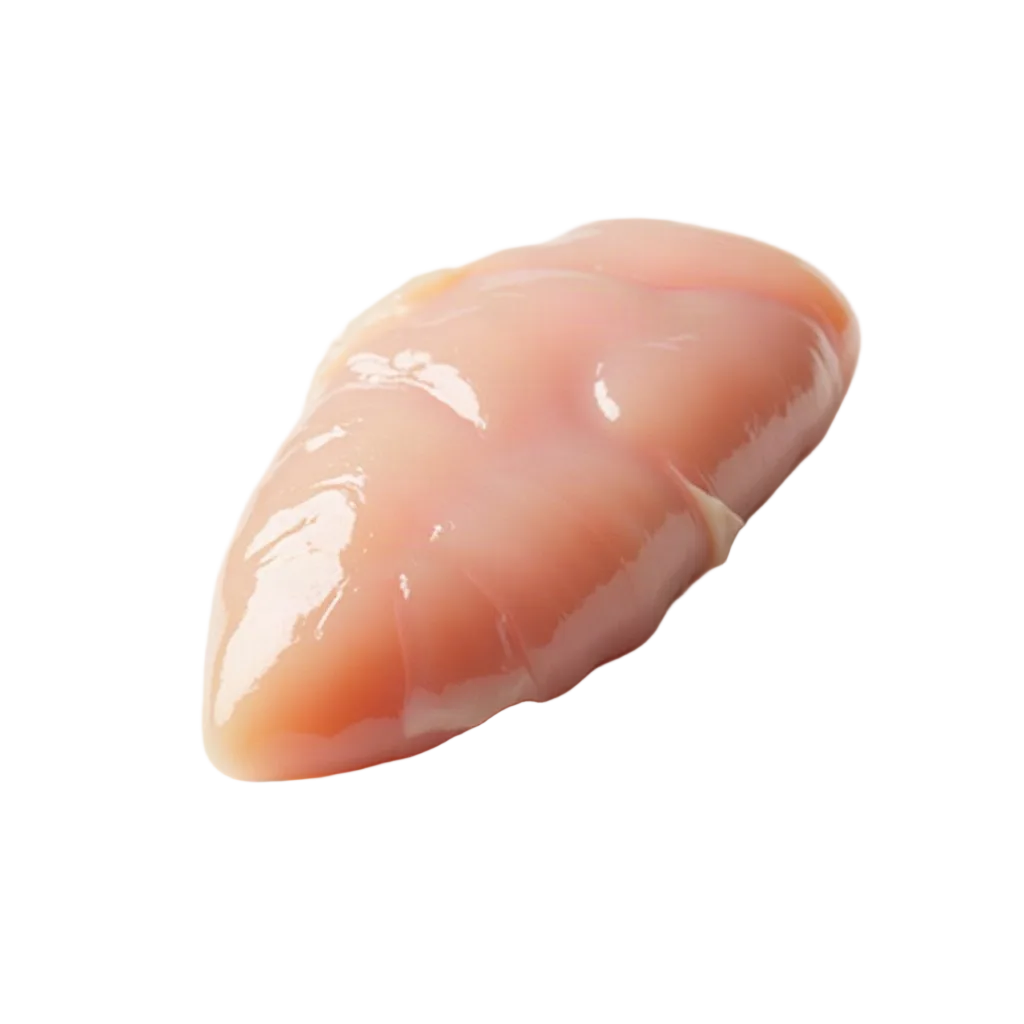 Chicken
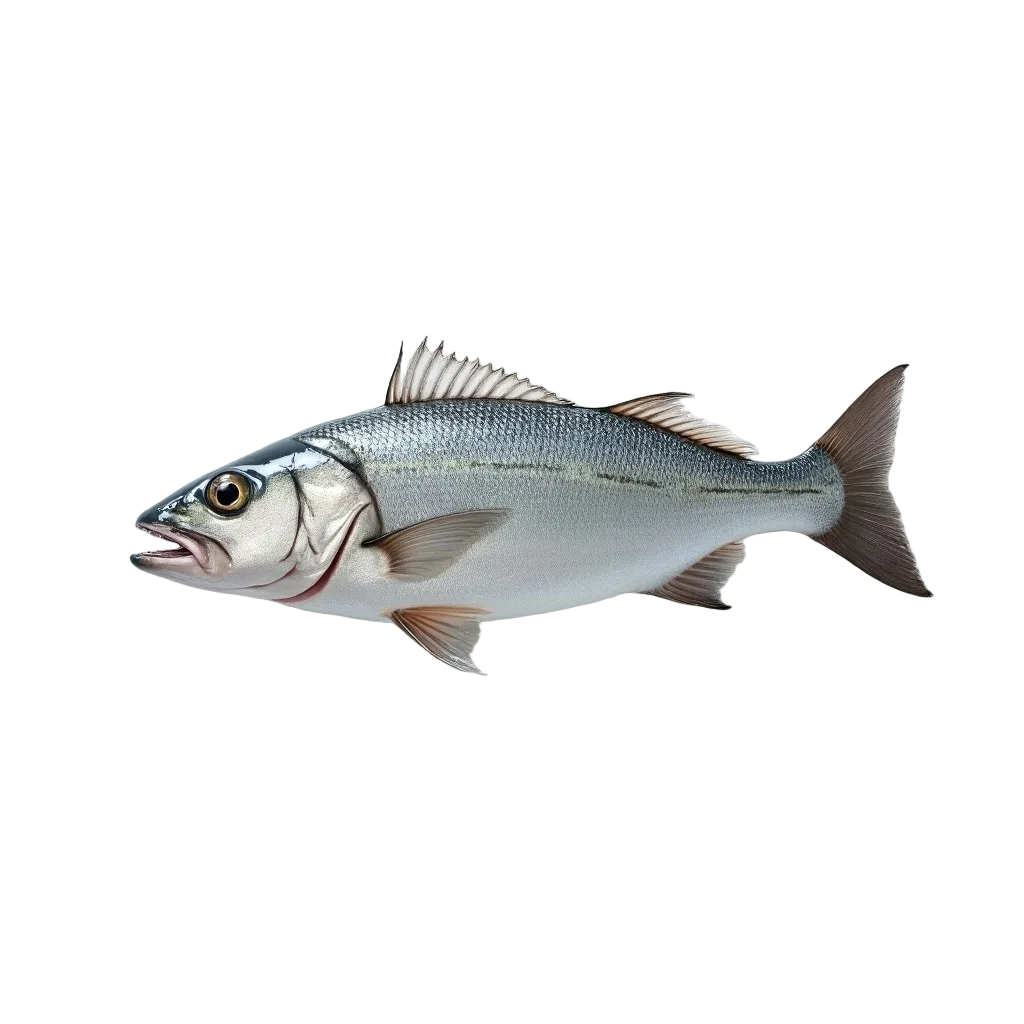 Fish
Fish
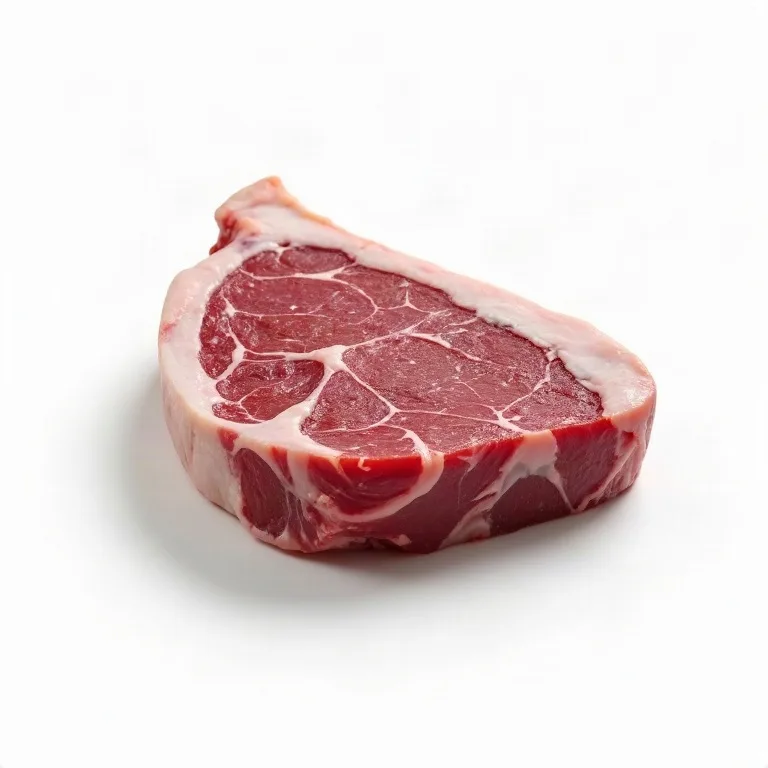 Lamb
Lamb
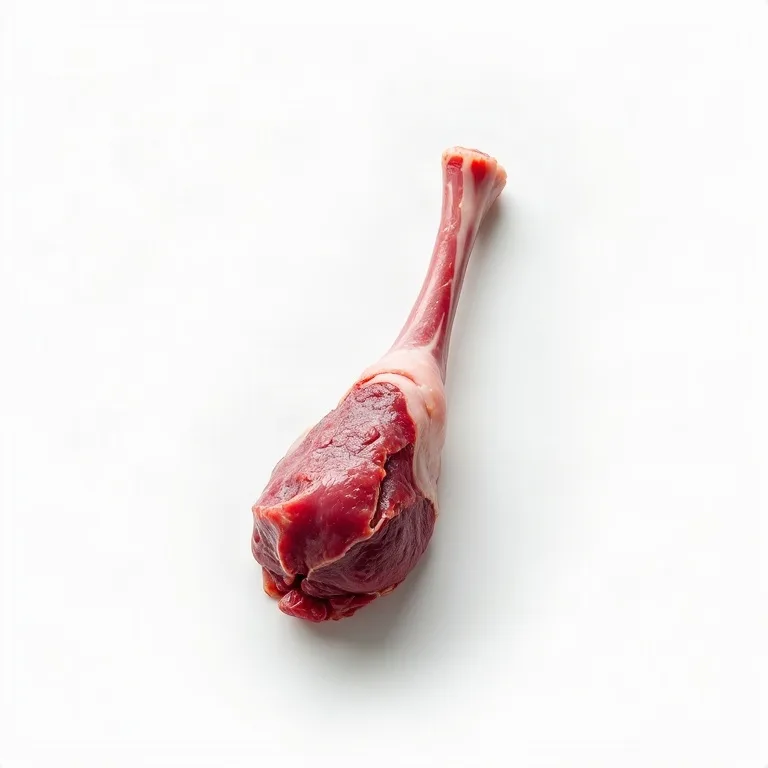 Lamb foreshank
 Beef mince (15% fat)
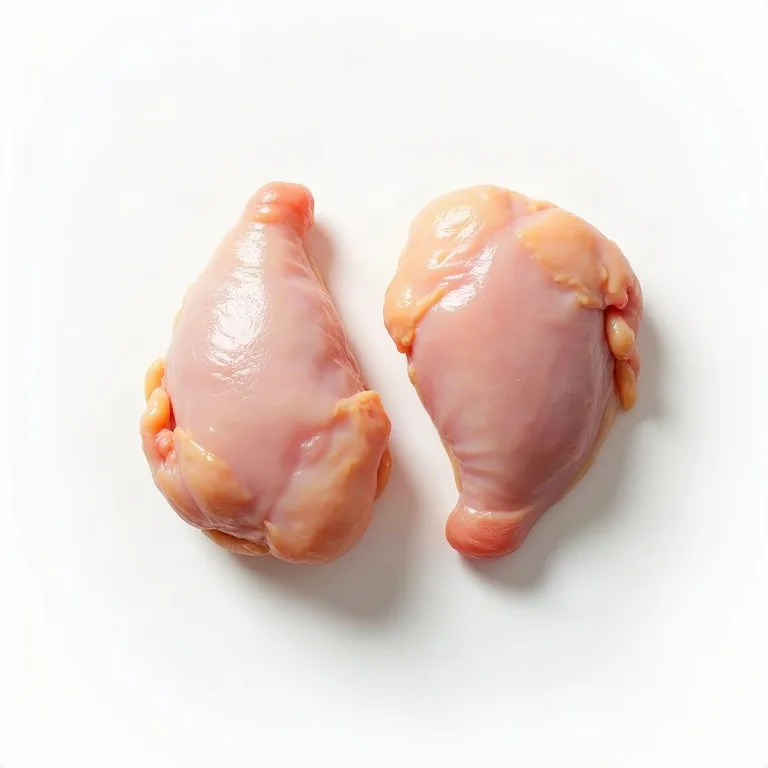 Chicken thigh (skin on)
 Turkey meat (skinless)
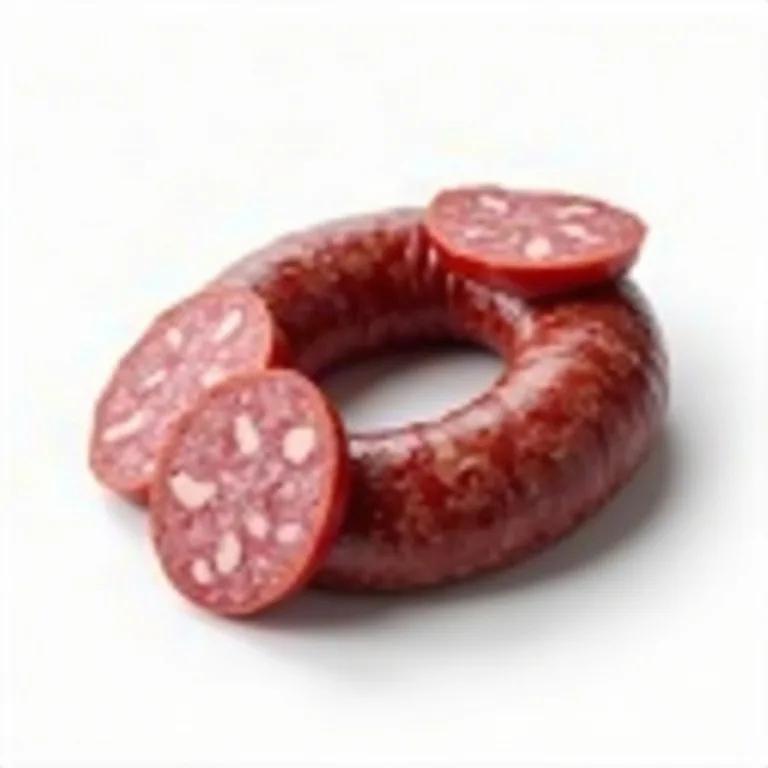 Beef sucuk
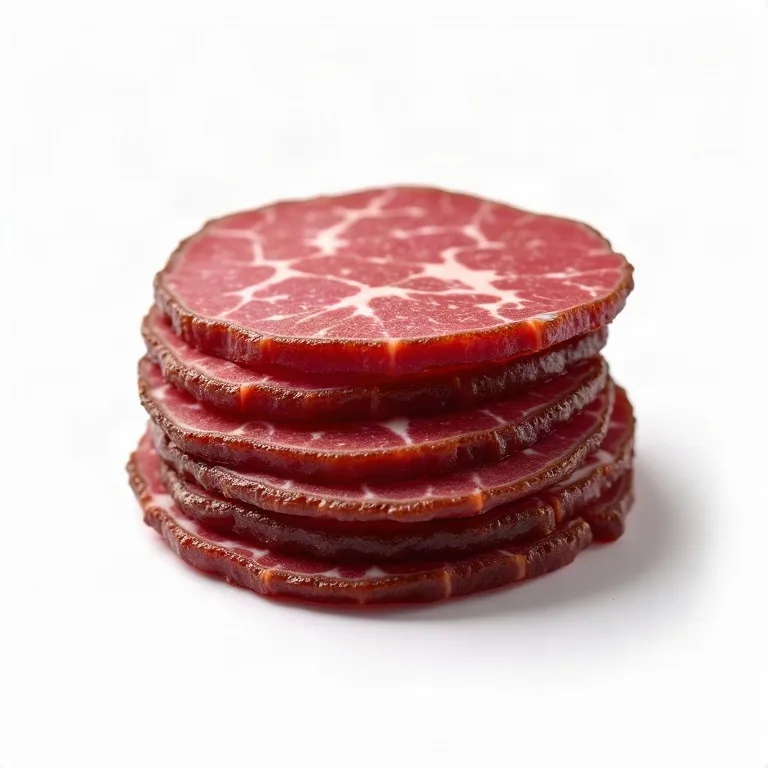 Pastırma cured beef
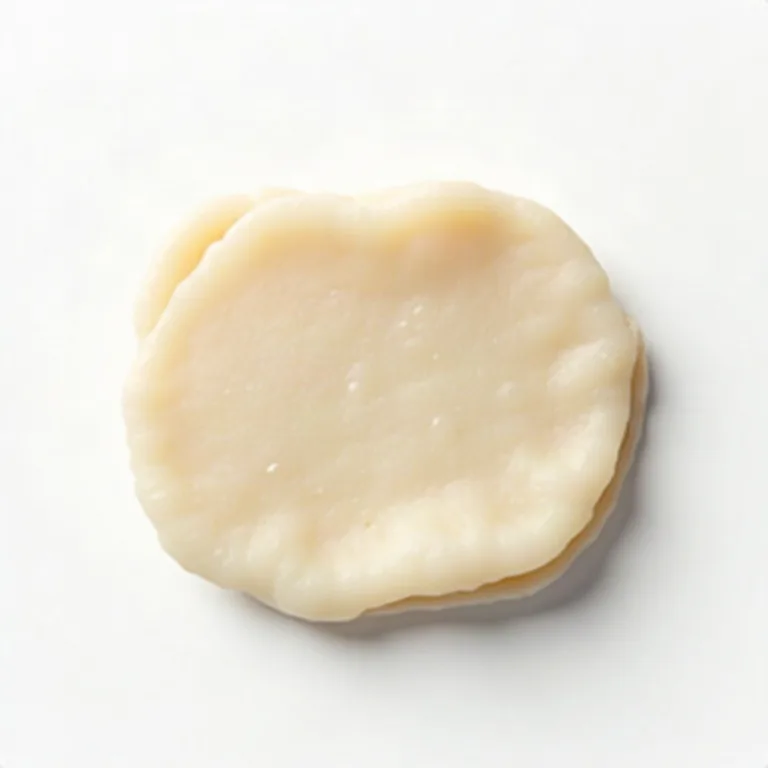 Beef tripe
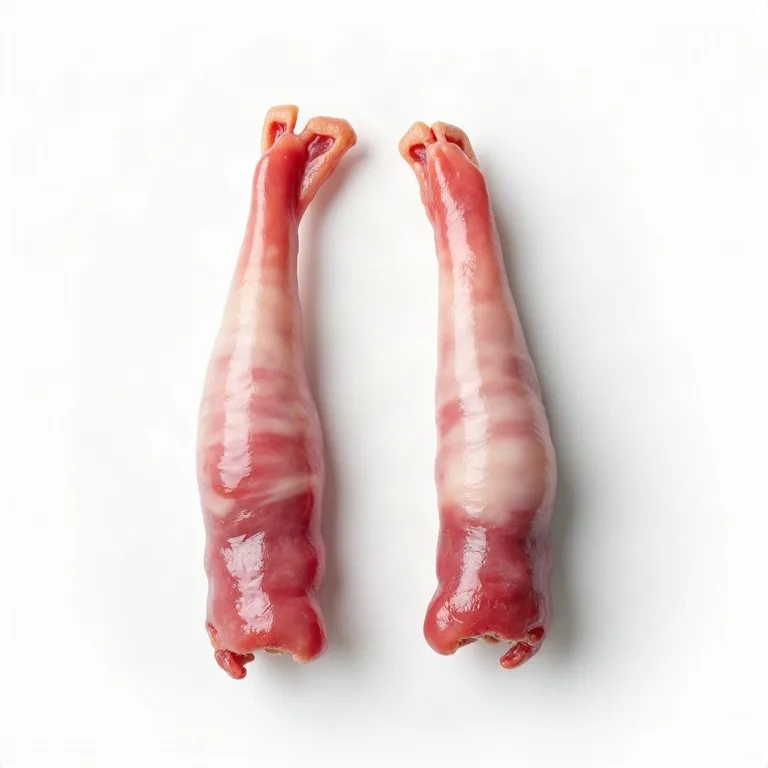 Lamb trotters
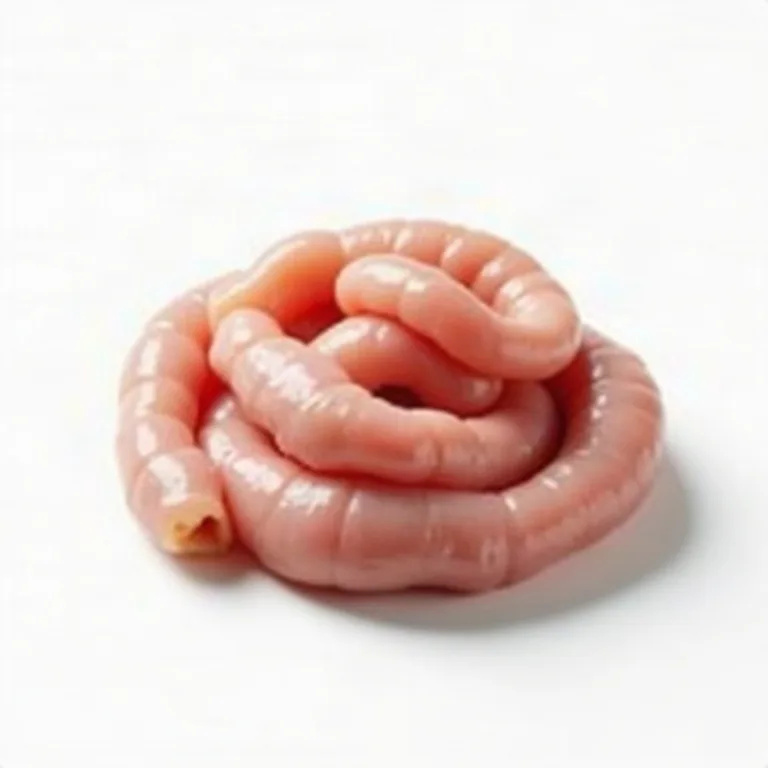 Sheep intestine
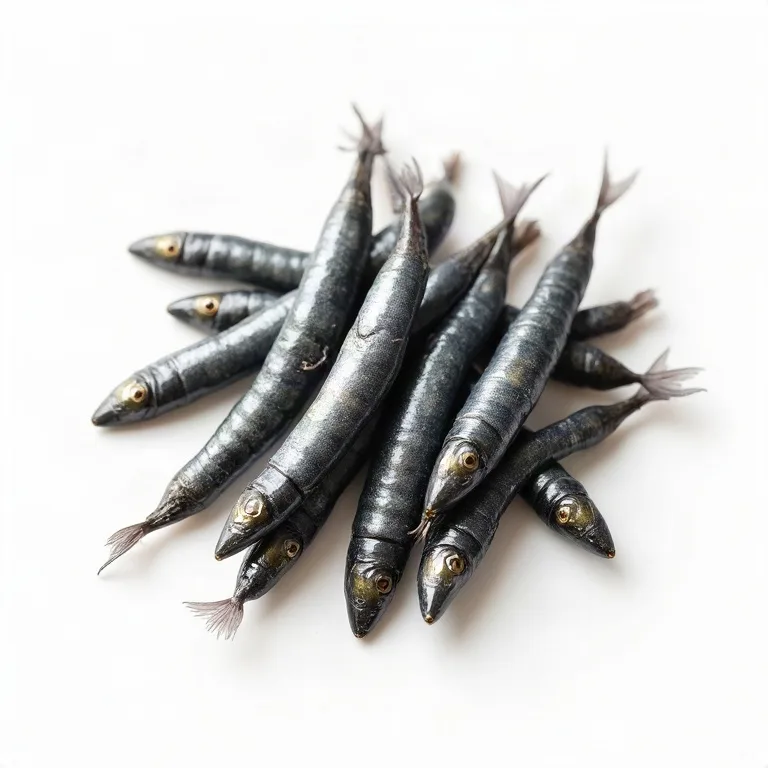 European anchovy
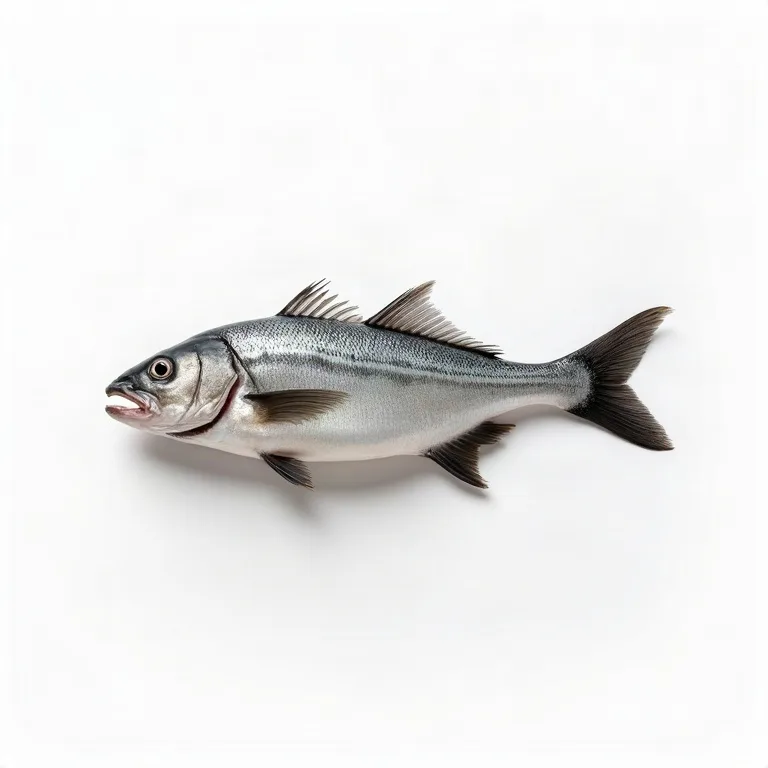 European sea bass
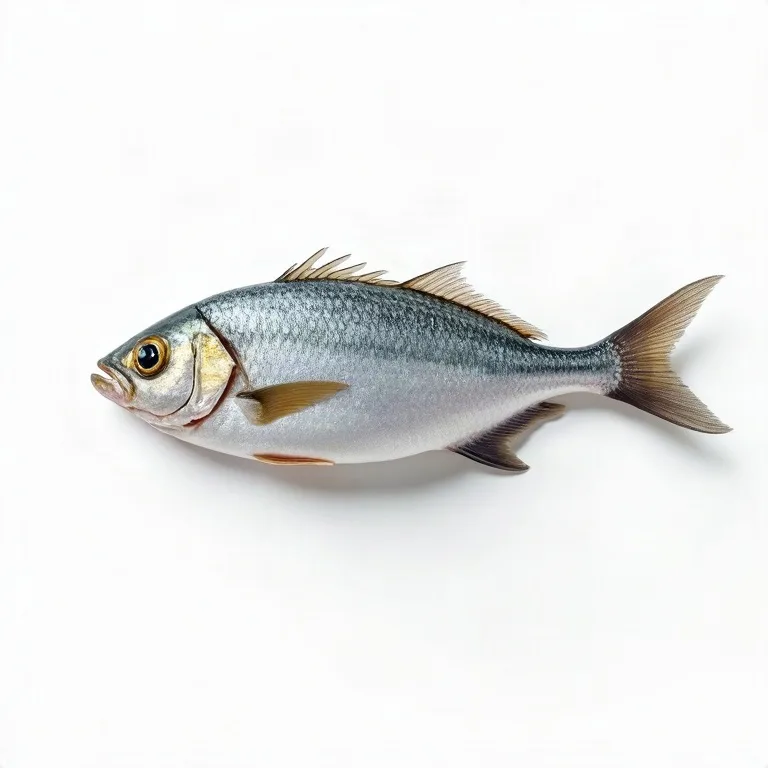 Gilthead sea bream
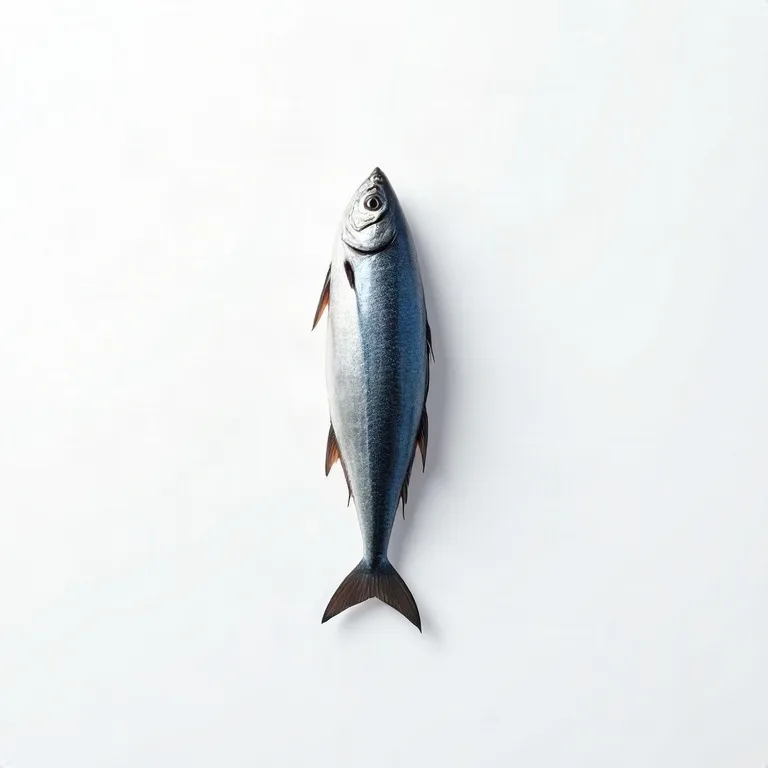 Atlantic bonito
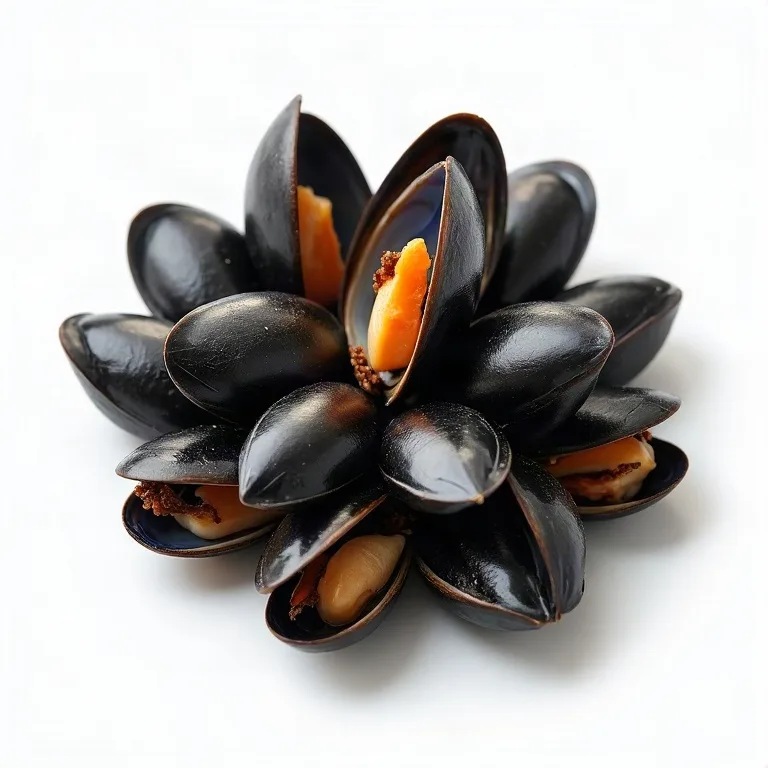 Mussels (raw meat)
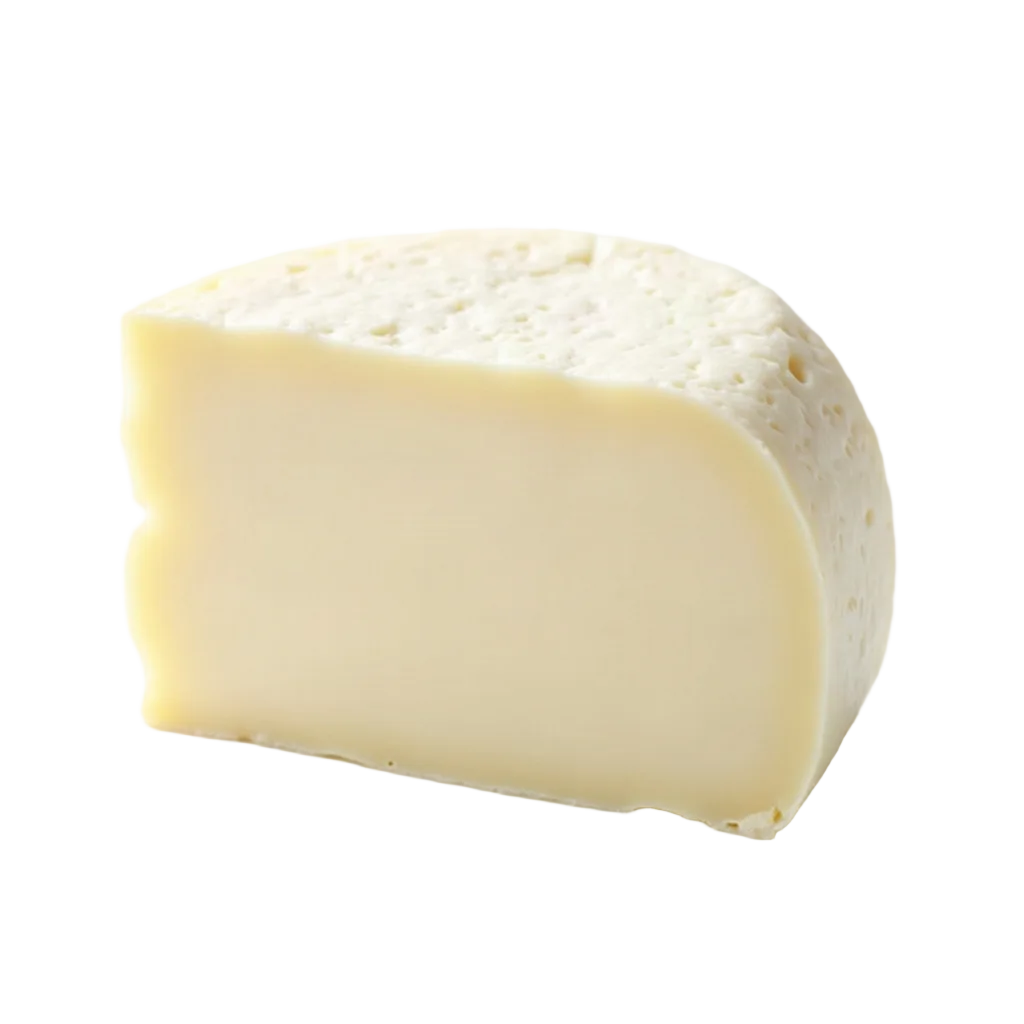 White cheese
 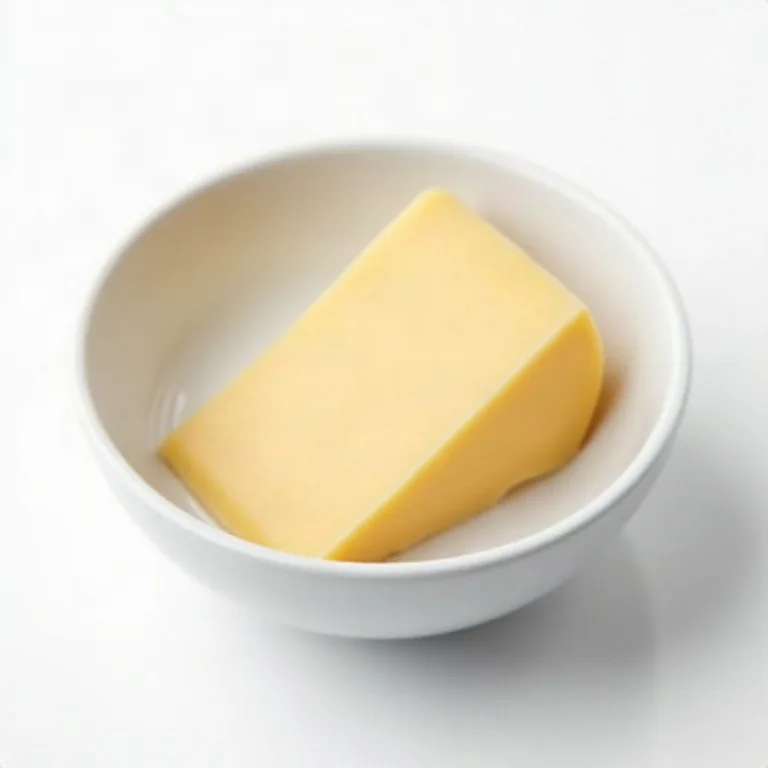 İzmir tulum cheese
 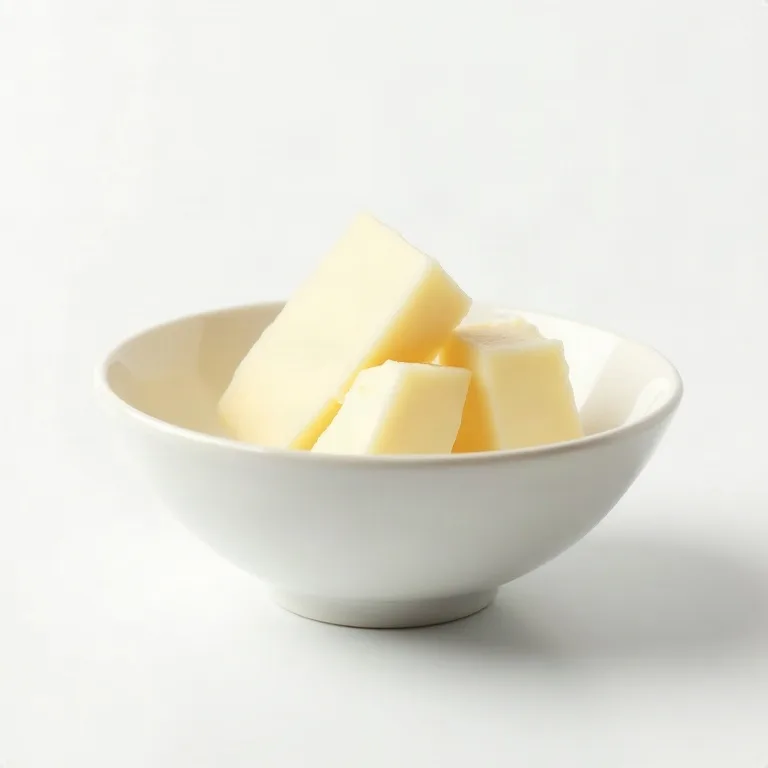 Fresh kaşar cheese
 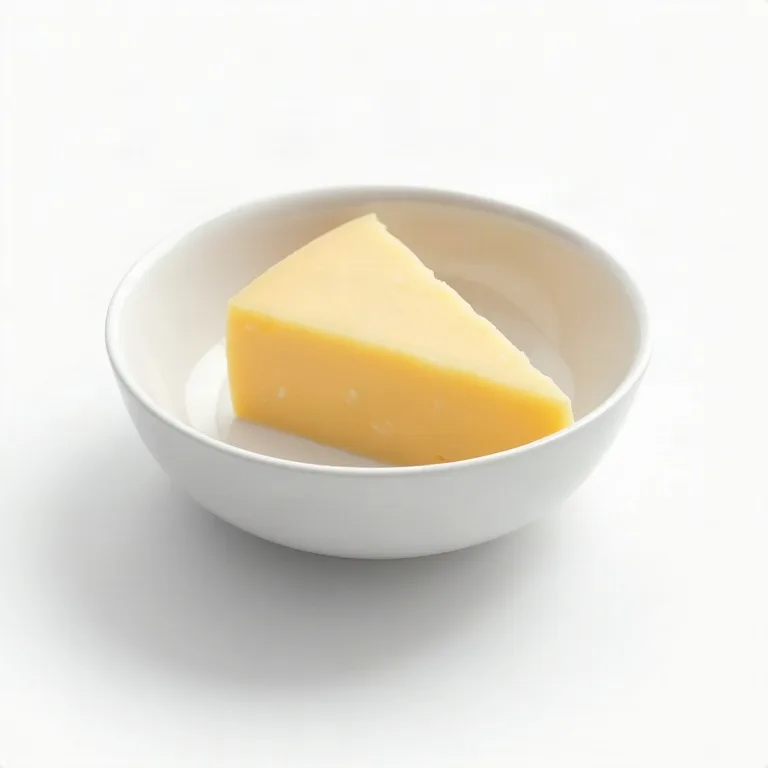 Van herbed cheese
 Cheese is assumed to be vegetarian and most of it is not. Classic beyaz peynir and kaşar are set with animal rennet from a calf’s stomach; unless the packet says microbial or vegetable rennet, assume it is animal. The same goes for gelatine: lokum, marshmallow and many ready-made desserts are built on cattle or pig collagen.
Dishes that qualify
This is not a list of things that work if you modify them. Under each dish is the reason it qualifies: some as they are, some in one of their own forms, some only once you have read the packet. A dish with an ingredient we cannot verify is left out, because a wrong badge is a health risk.
Soups 6
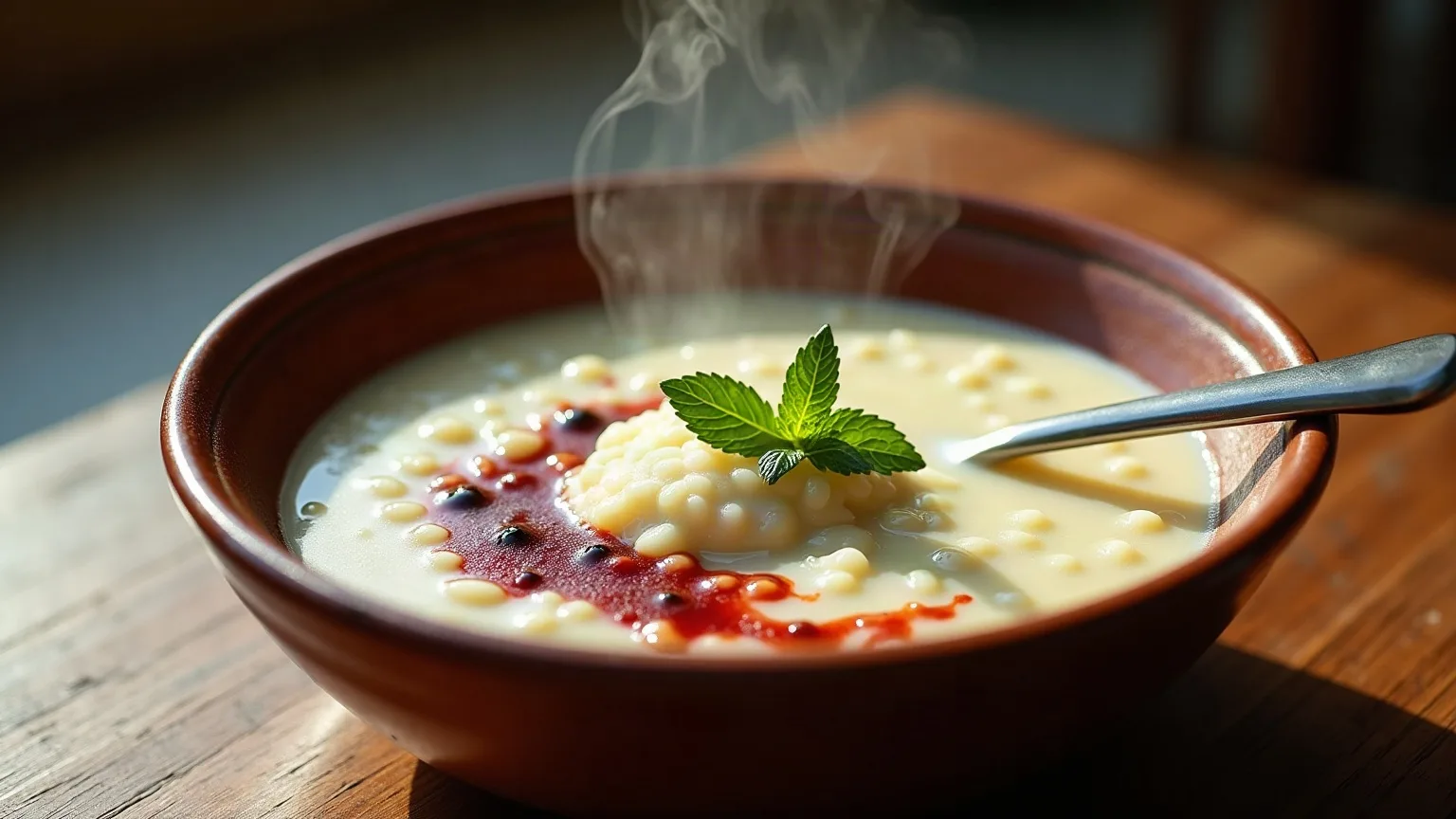
Highland yoghurt soup
The default Turkish yoghurt soup and the textbook terbiyeli çorba. Rice simmers in water, yoghurt, flour and egg yolk are beaten separately, tempered with hot broth, returned to the pot and thickened without ever boiling. Finished with dried mint bloomed in butter.
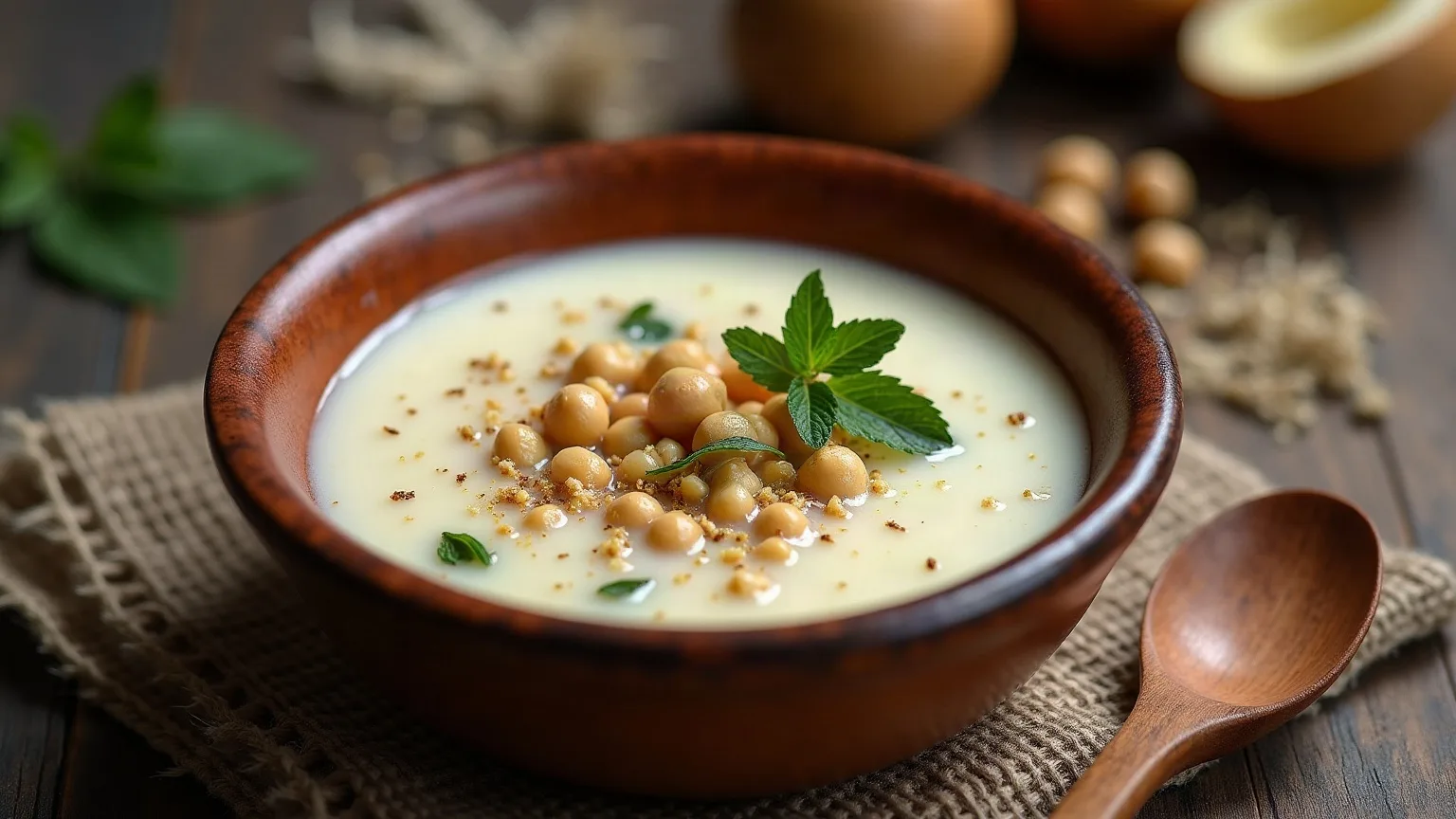
Toyga soup
A thicker, more archaic cousin of yayla çorbası: hulled wheat instead of rice, strained yoghurt instead of plain. A hospitality dish made in big pots at religious holidays, eaten hot or cold.
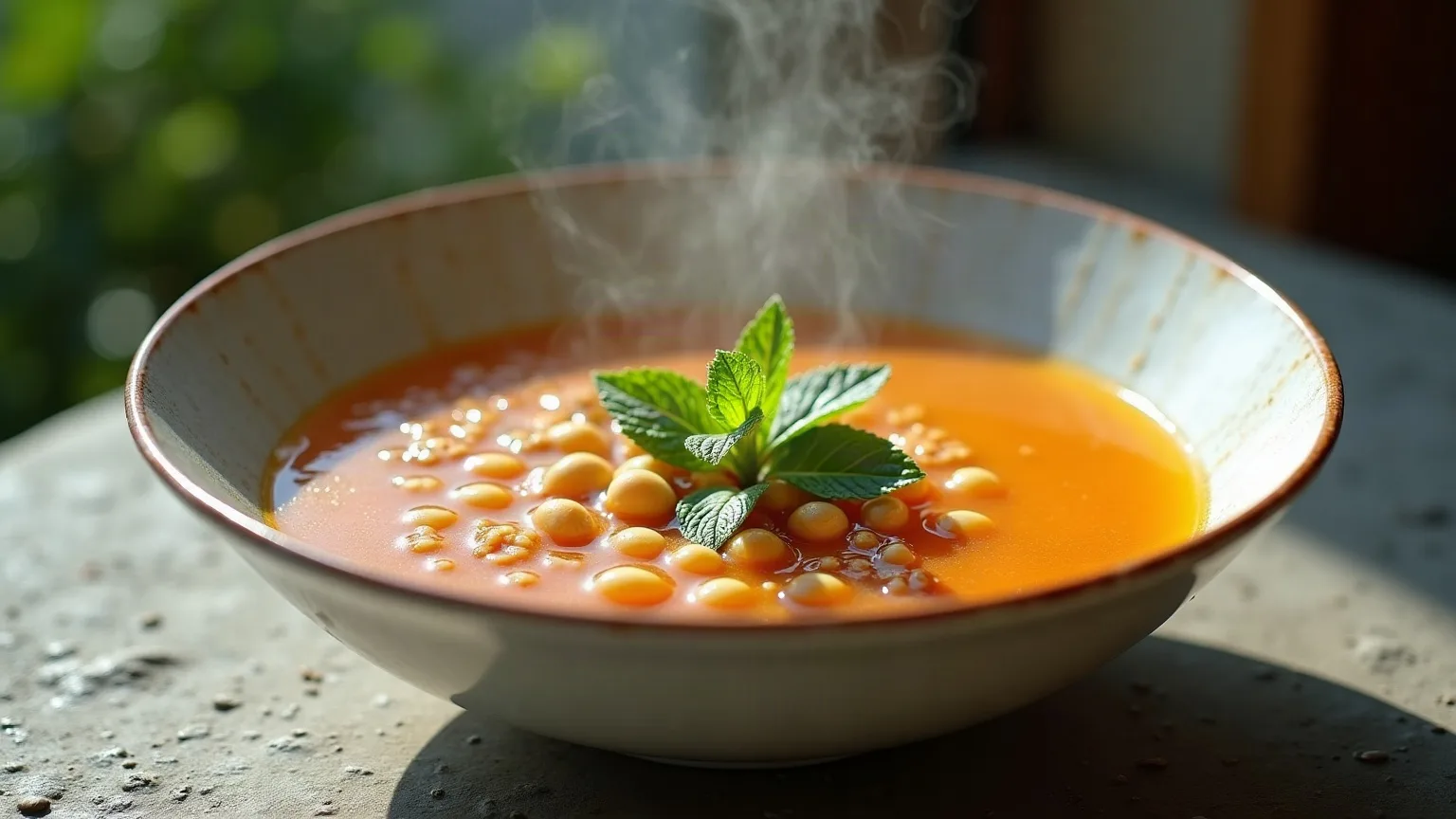
Ayran soup
A grain and pulse soup carried on thinned yoghurt. Wheat and chickpeas are soaked overnight, boiled separately, then folded into salted, watered yoghurt. Made hot in some regions and cold in others.
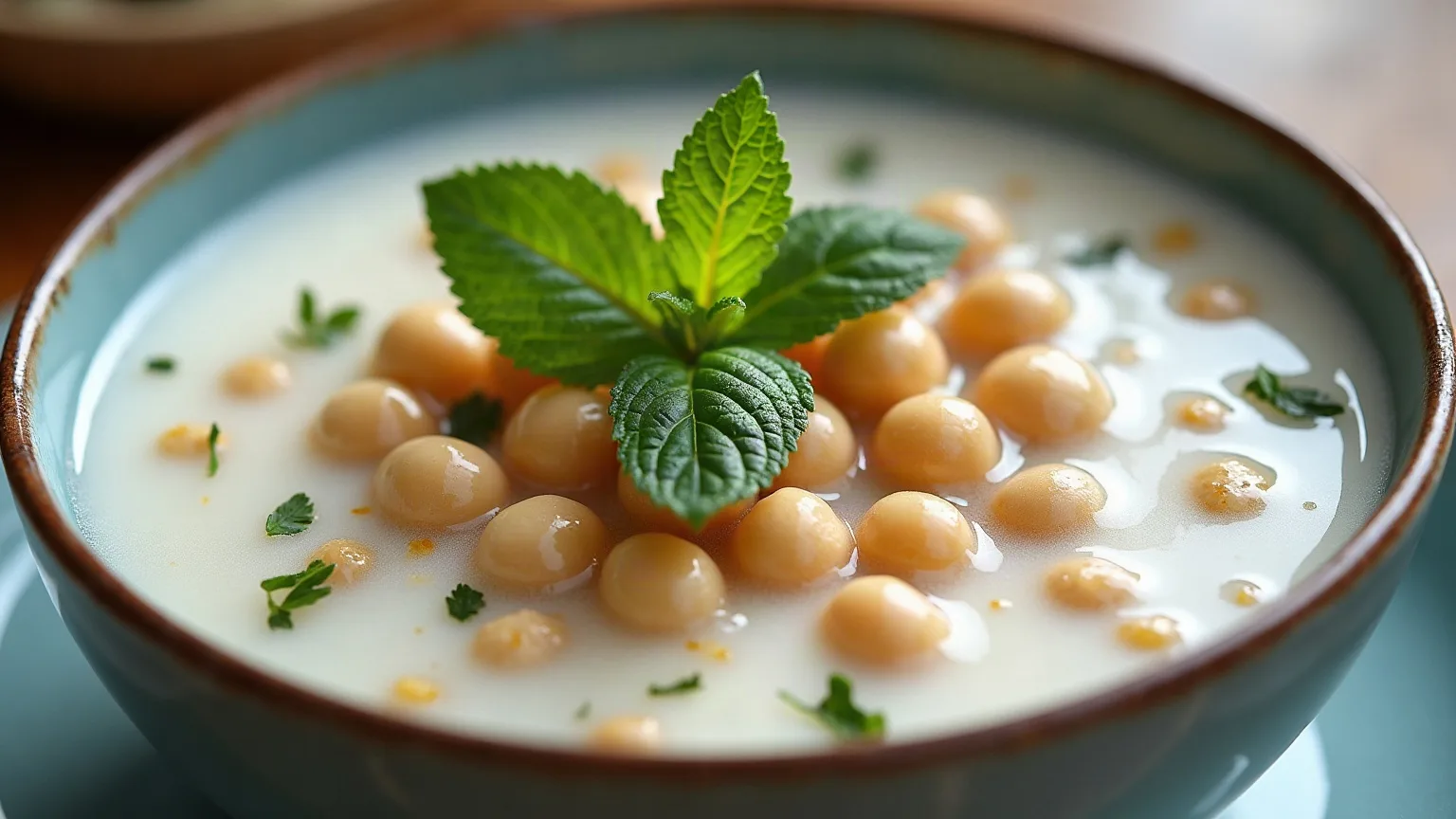
Cold ayran soup
It deserves its own record because the technique is categorically different: nothing is heated. Boiled and cooled chickpeas and wheat are stirred into yoghurt thinned with cold water and salted, then dill, dried mint and ice go in.
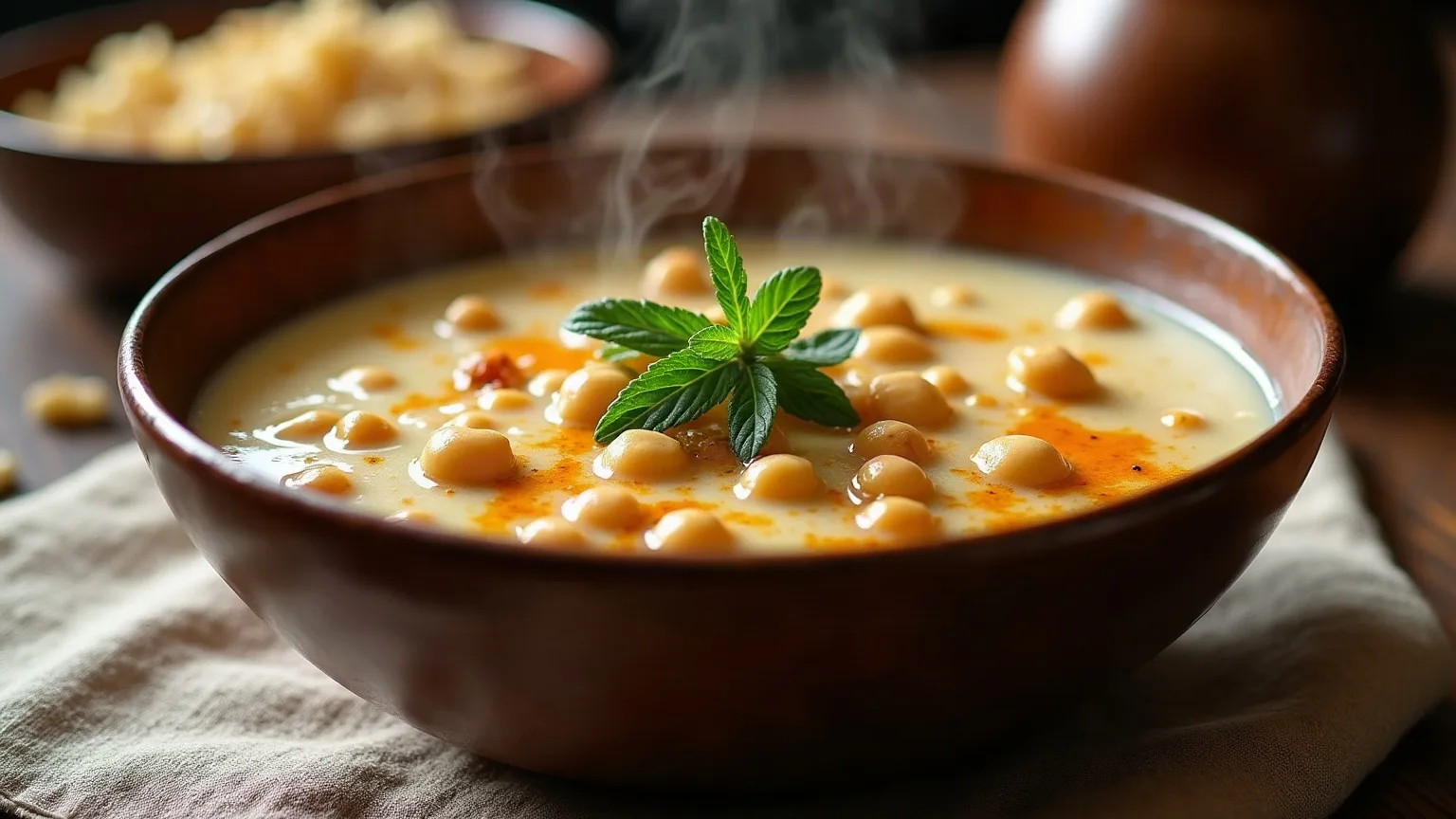
Lebeniye soup
A yoghurt soup thickened with chickpeas and hulled wheat, finished with garlic and mint in butter. The Antep version adds small köfte. In Mardin it goes by çoban çorbası.
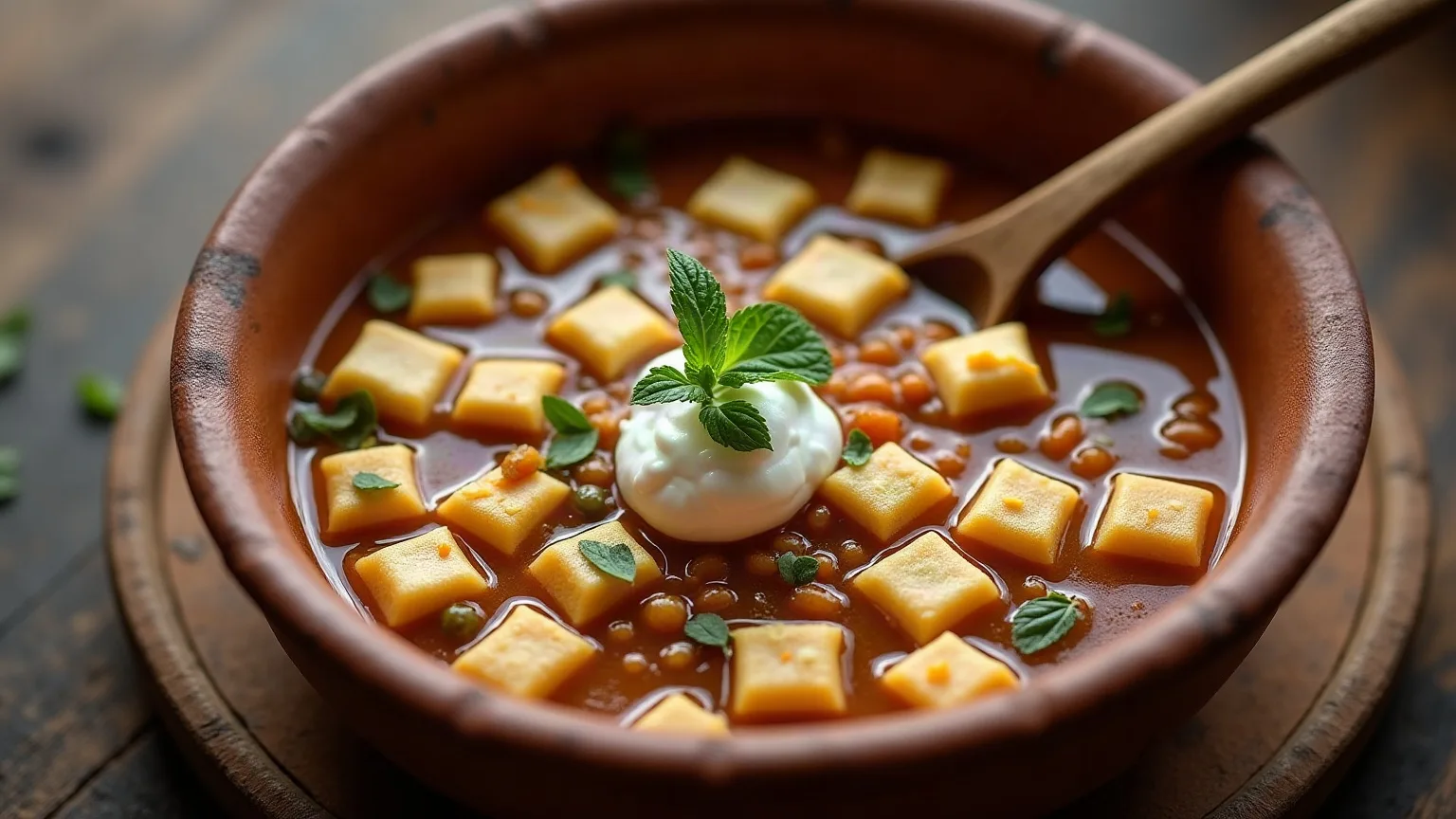
Tutmaç
Small cut noodles cooked with meat or lentils, with garlic yoghurt poured over at the plate rather than stirred into the pot. This is a far older and far simpler answer to the curdling problem than terbiye.
Mezze 2
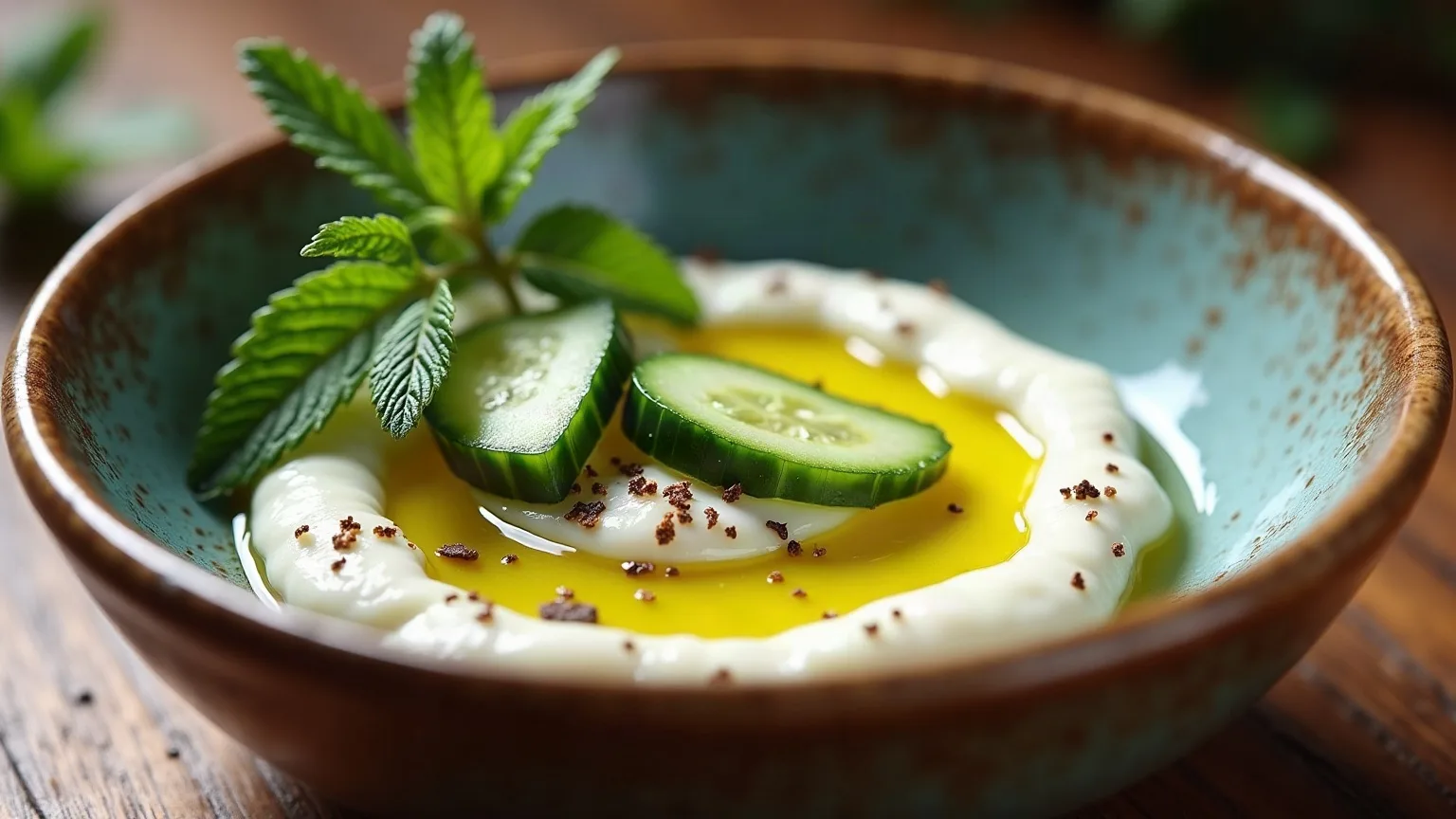
Cacık
A Turkish mezze of yoghurt, cucumber, garlic, salt, water and olive oil. A hot-weather dish whose consistency runs from thick enough to spoon to loose enough to drink — both are correct, and it varies by region.
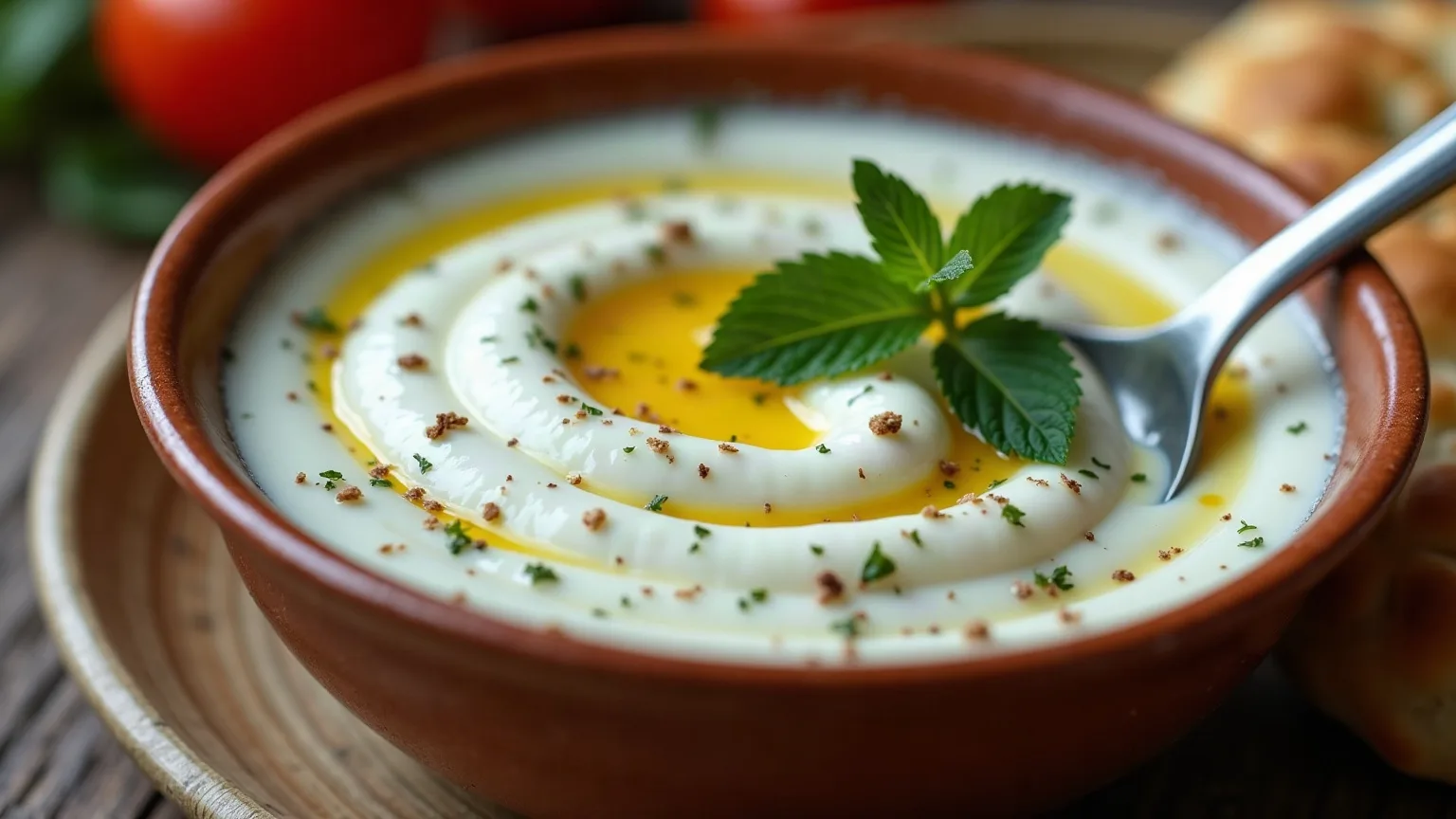
Haydari
A thick mezze of strained yoghurt, garlic and herbs. One thing separates it from cacık and it is decisive: haydari has no cucumber and the yoghurt is strained, so a spoon stands up in it.
Mains 1
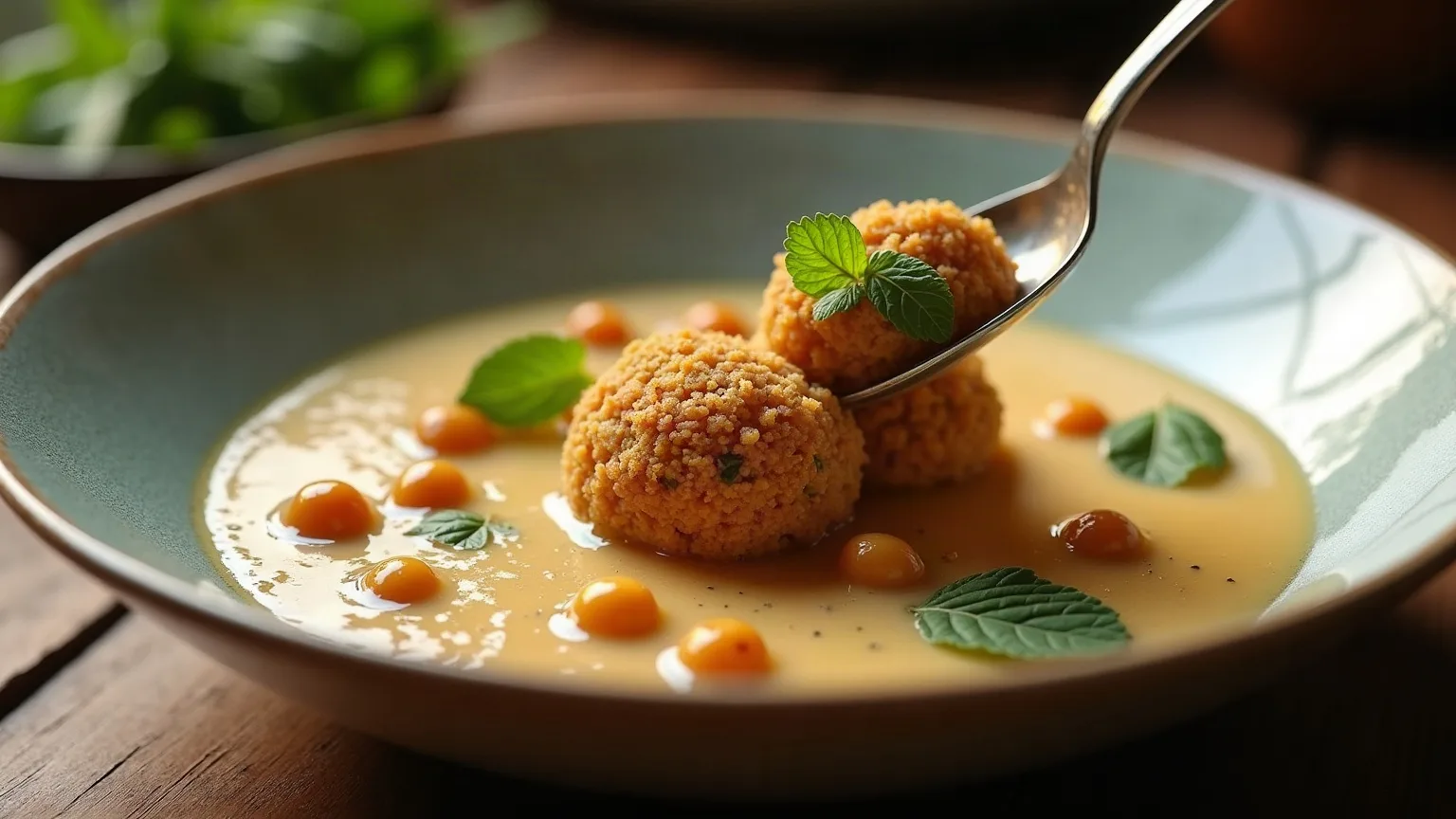
Breads & pastry 1
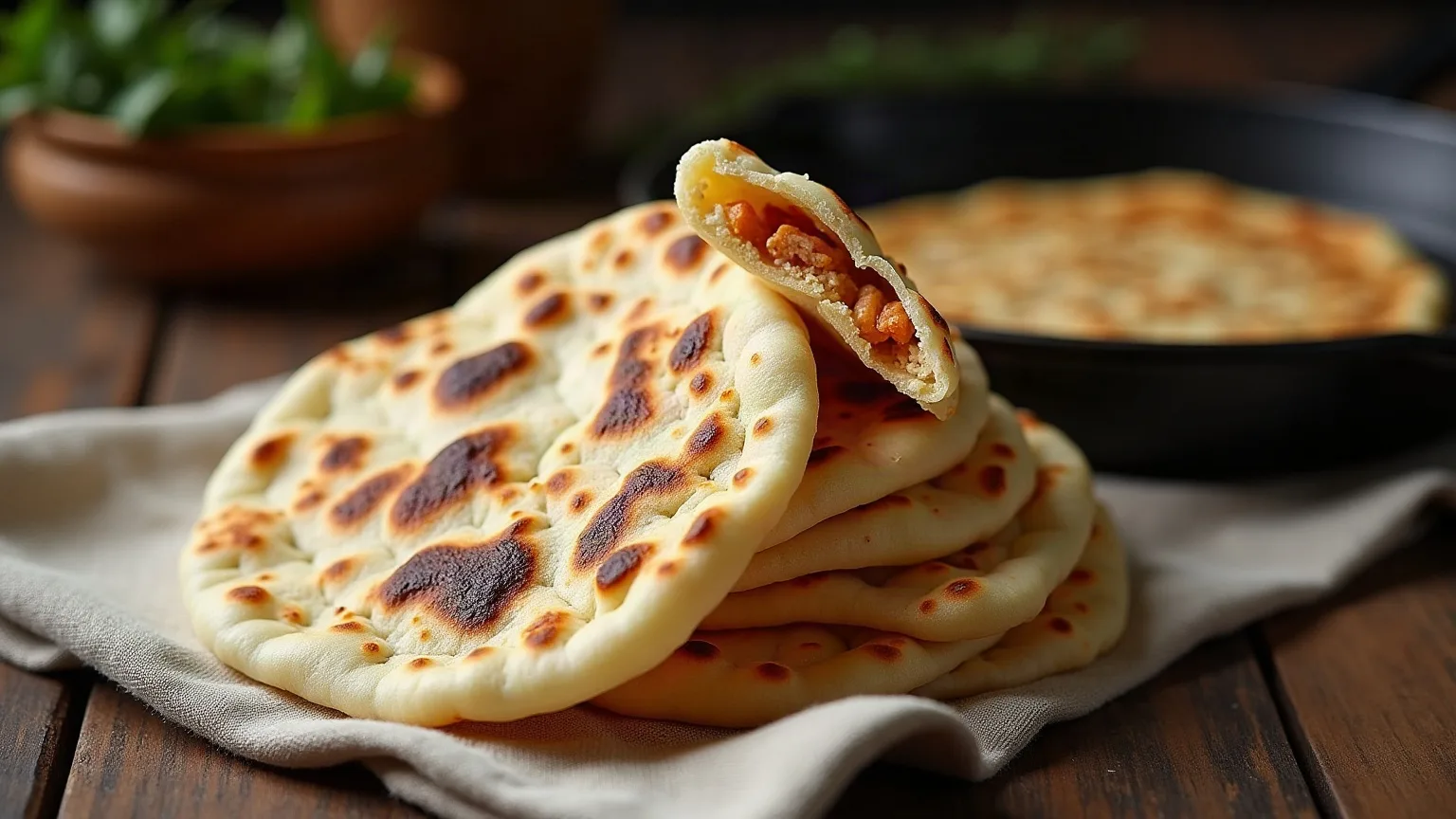
Desserts 4
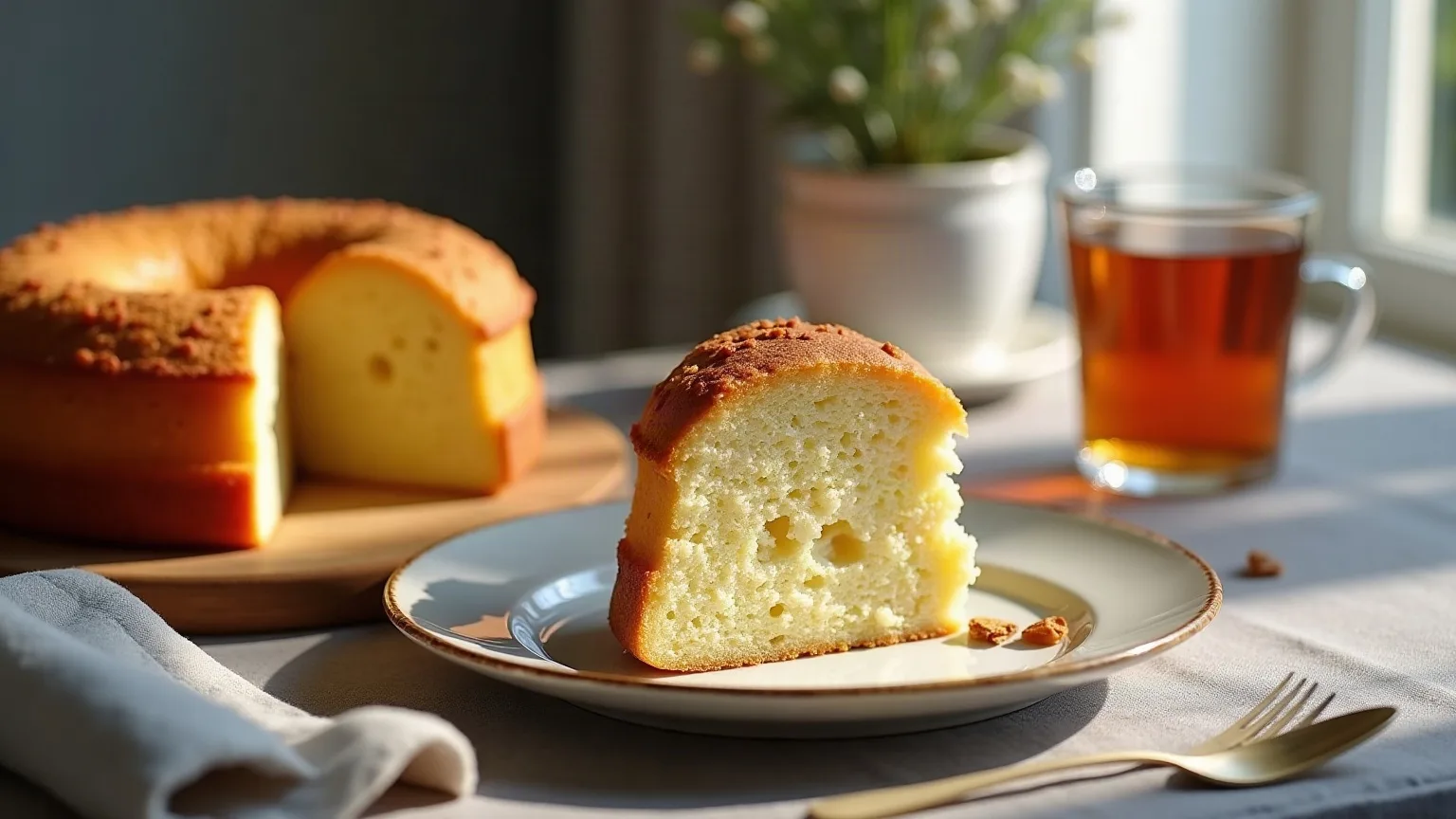
Yoghurt cake
Turkey’s everyday tea cake. The yoghurt is both the liquid phase and the acid half of the chemical leavening.
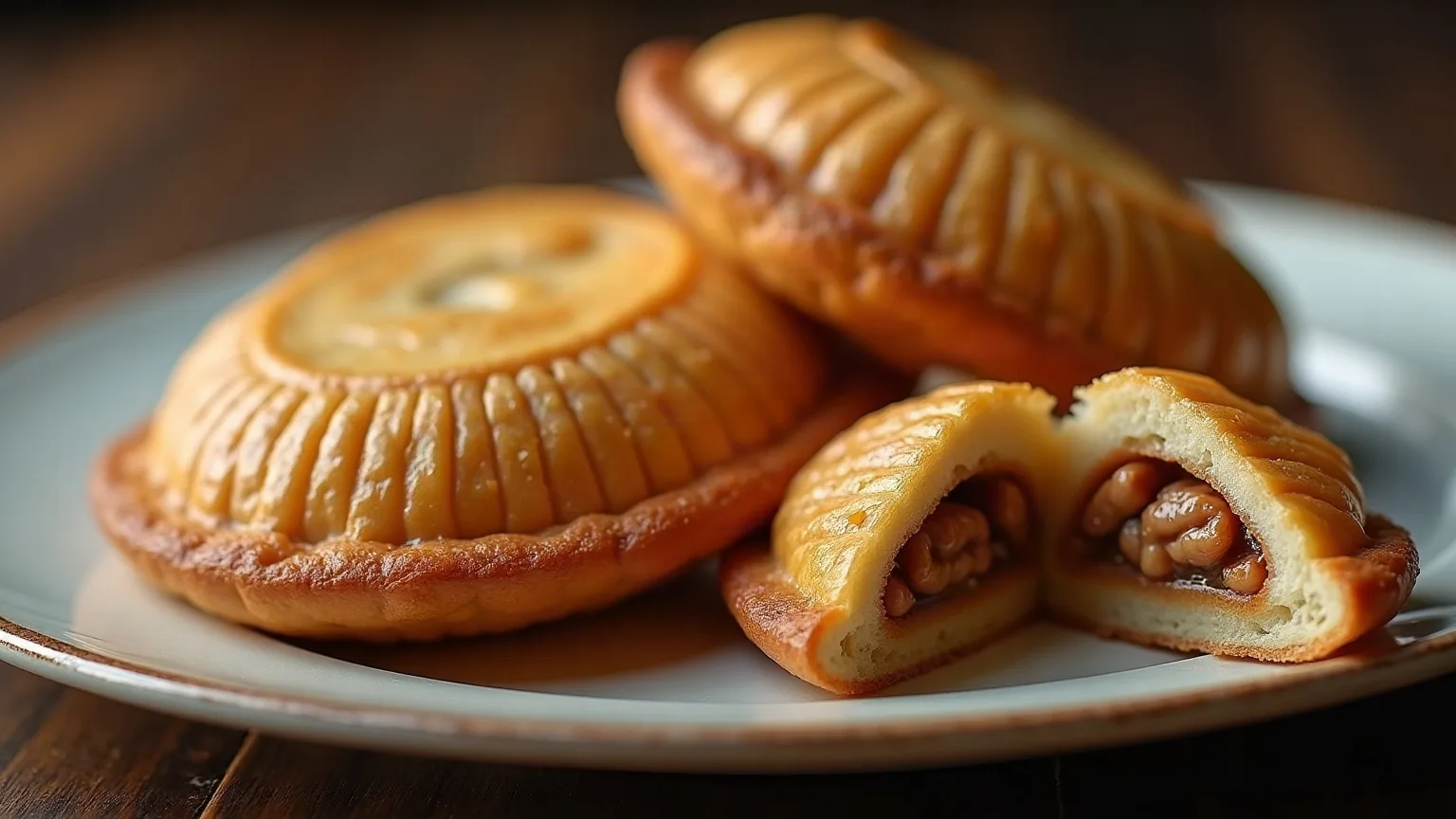
Kalburabastı
Walnut-filled dough ovals are pressed against a sieve to emboss ridges, baked and soaked in syrup. The name comes straight from that gesture.
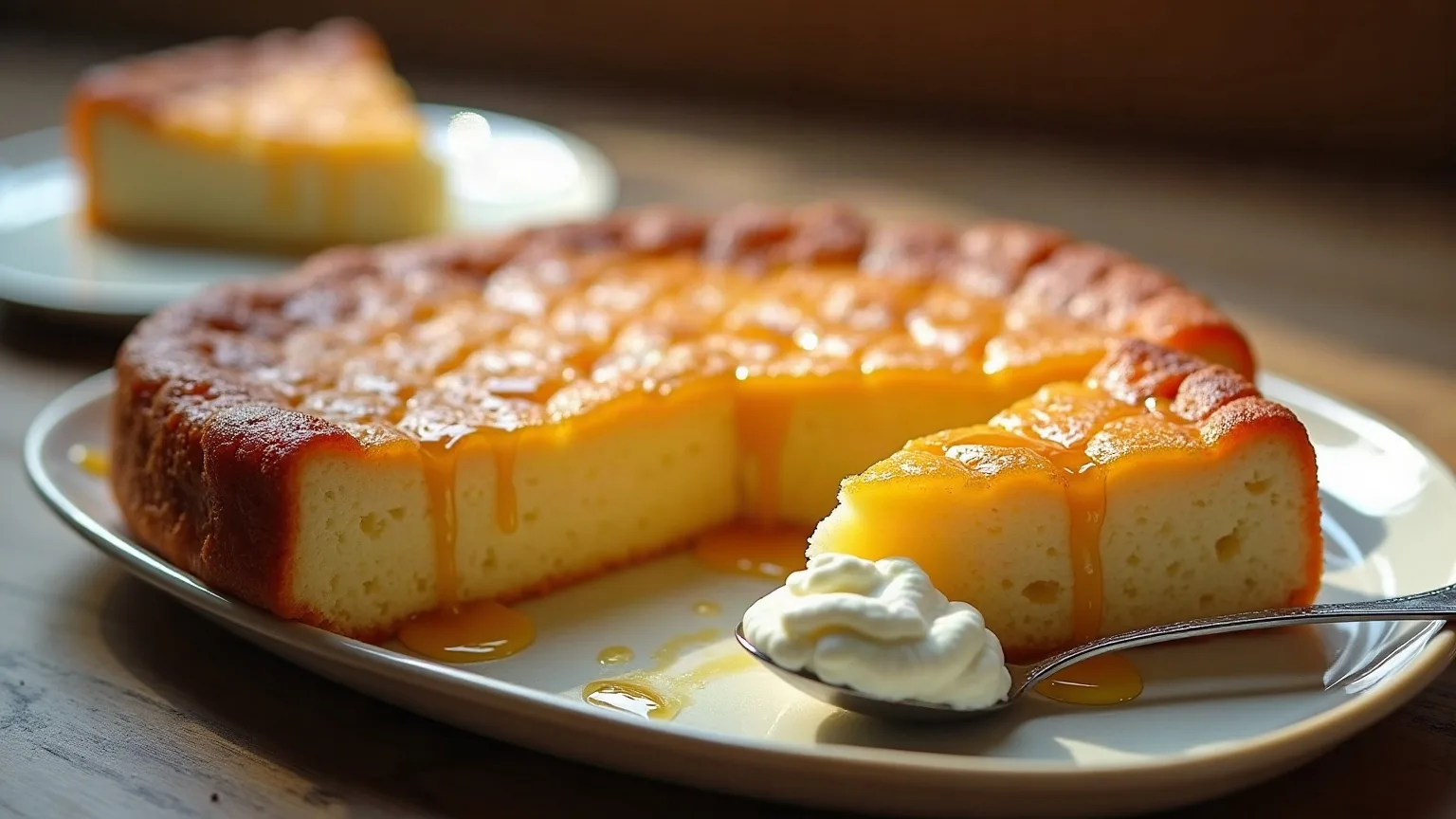
Yoghurt syrup cake
A pale tray bake cut into squares or diamonds and drenched in cold syrup. It looks like revani but is made with flour rather than semolina, and the yoghurt is genuinely in the batter.
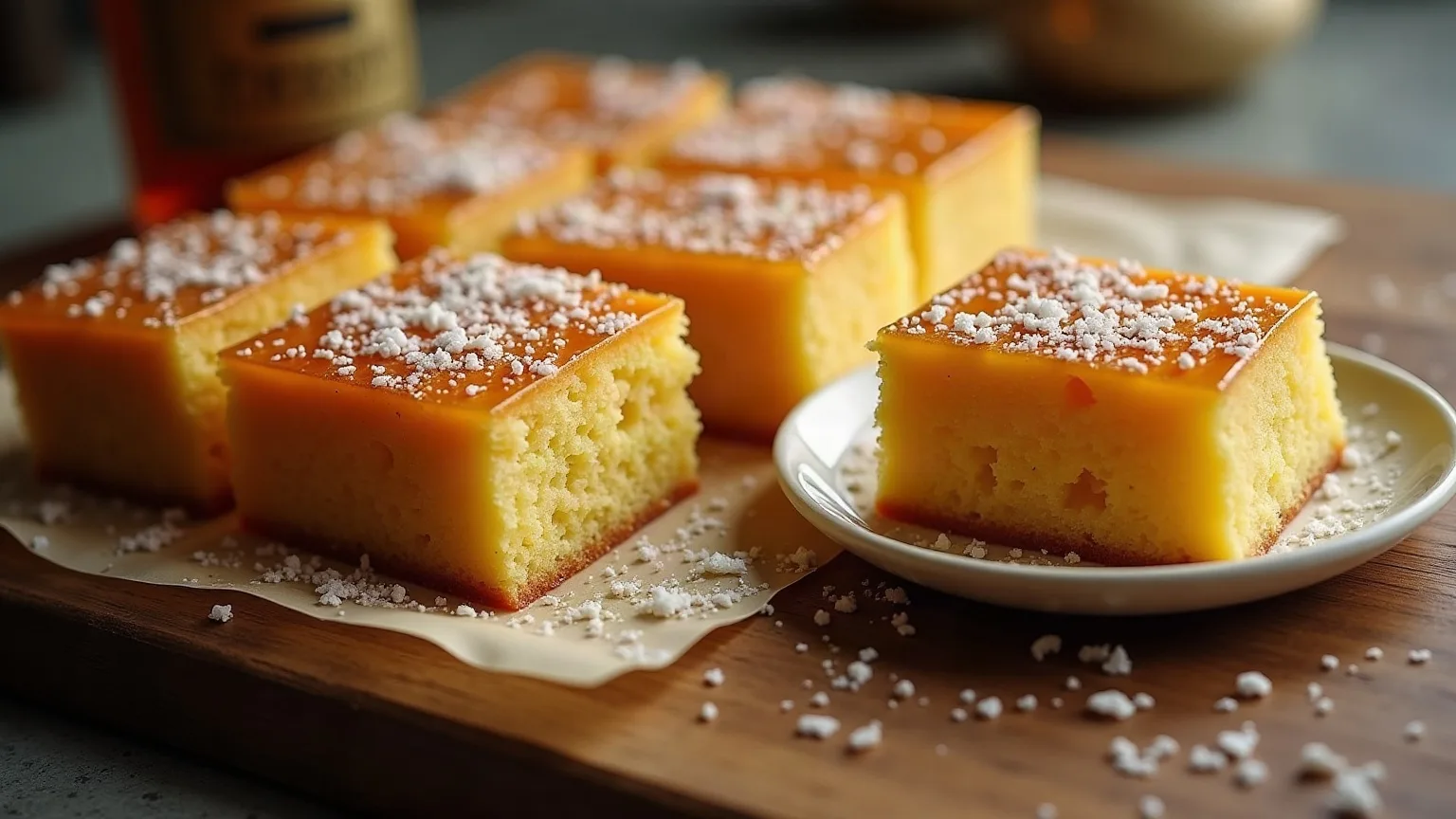
Revani
A semolina syrup cake. Butter is whipped to a foam, then eggs, sugar and semolina go in; baked at 165 °C and soaked with light syrup while still warm.
Drinks 3
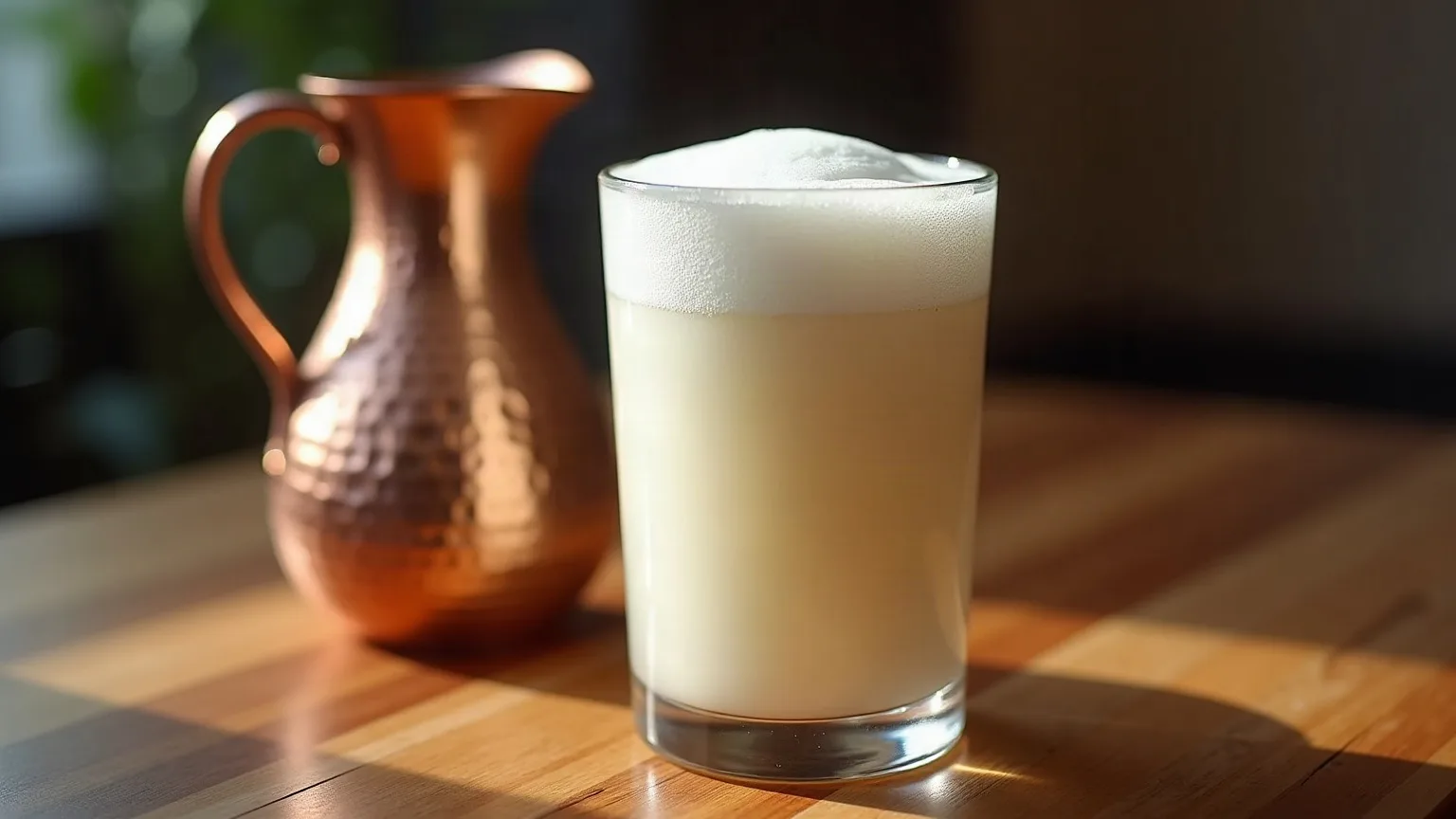
Ayran
Yoghurt let down with water and salted. Turkey’s national drink, and really yoghurt made portable: on the move it both slowed spoilage in heat and replaced the salt lost through sweat.
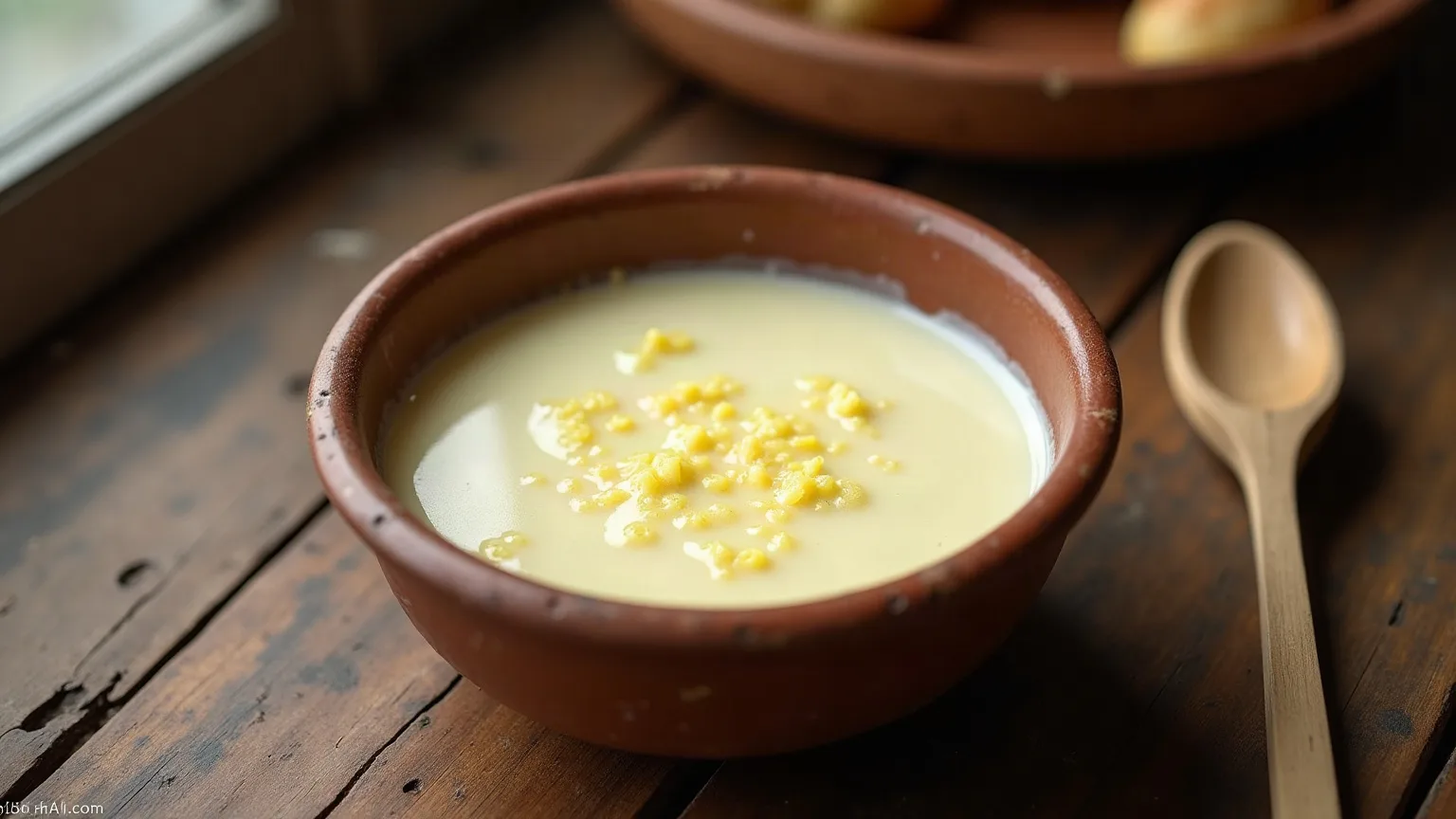
Churn buttermilk
Not to be confused with ordinary ayran — it is a different substance: the liquid left after butter has been churned out of yoghurt. Yoghurt destined for butter is deliberately fermented longer, which is why churn ayran is markedly sourer.
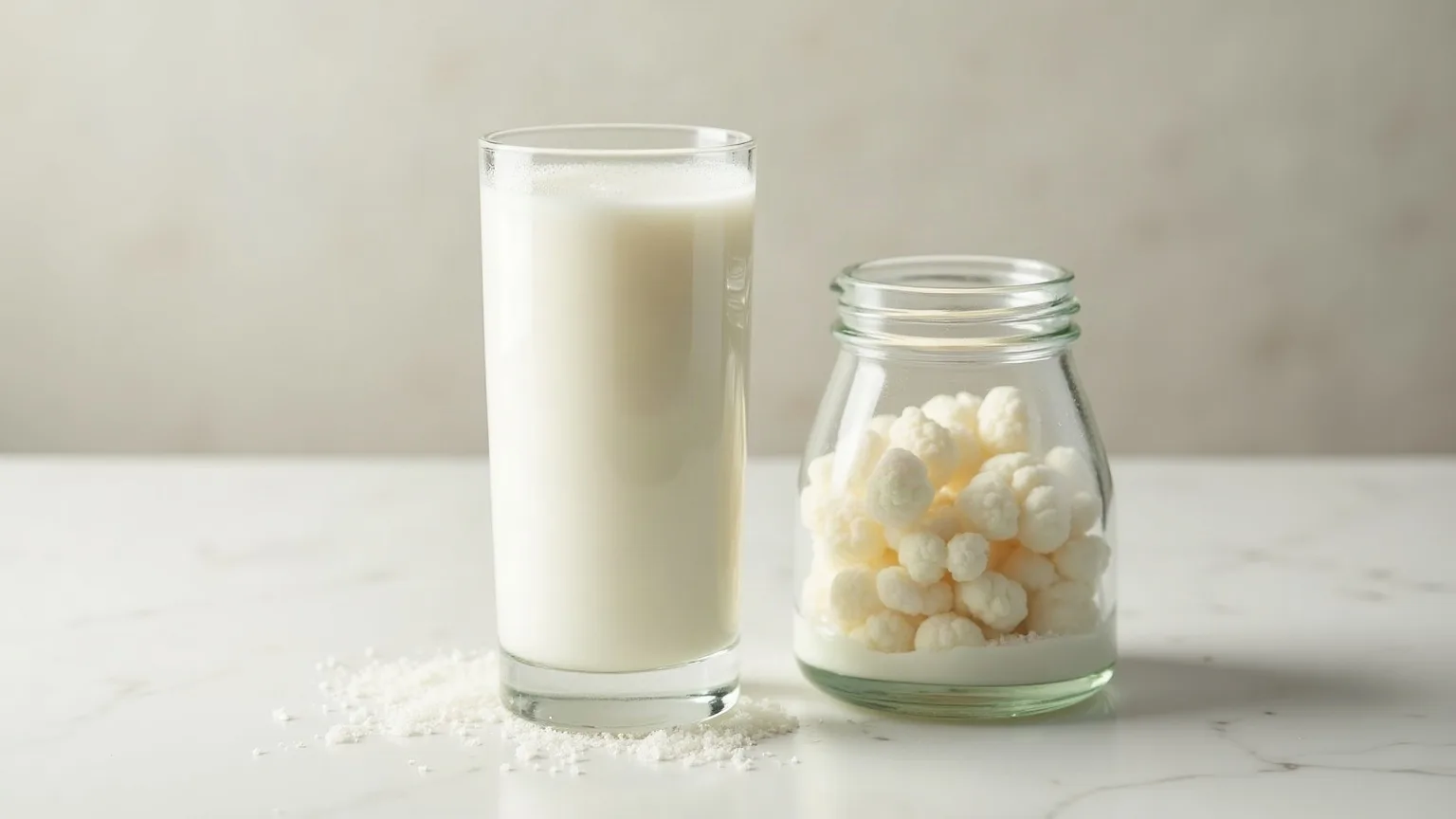
Kefir
A tangy, slightly effervescent fermented milk drink made with kefir grains — cauliflower-like living granules of bacteria and yeasts in a polysaccharide matrix, recovered and reused.
Preserving & fermentation 7
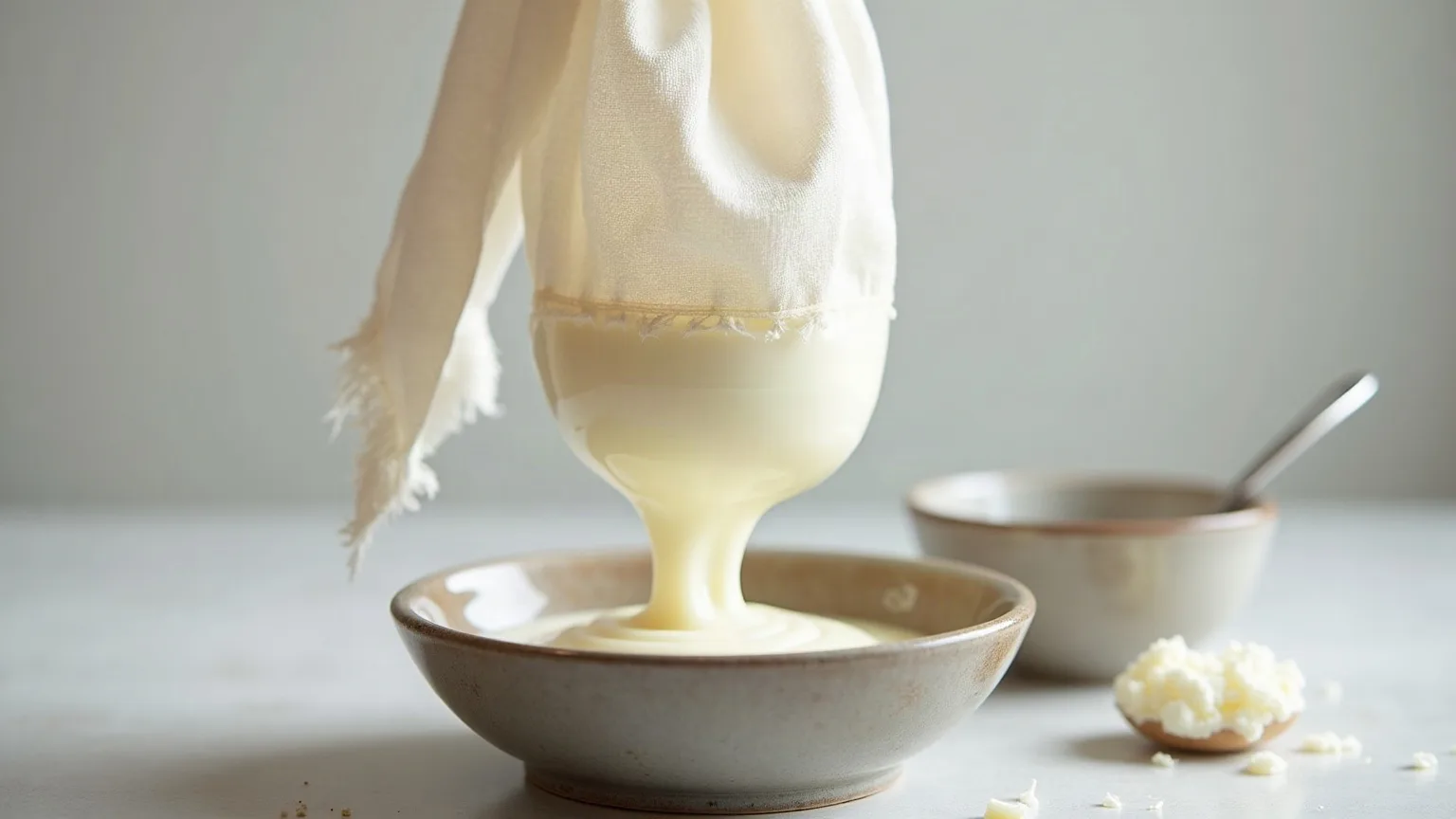
Strained yoghurt
Yoghurt drained in a cloth bag to remove the whey. The base for mezes, and the terbiye of toyga and düğün çorbası.
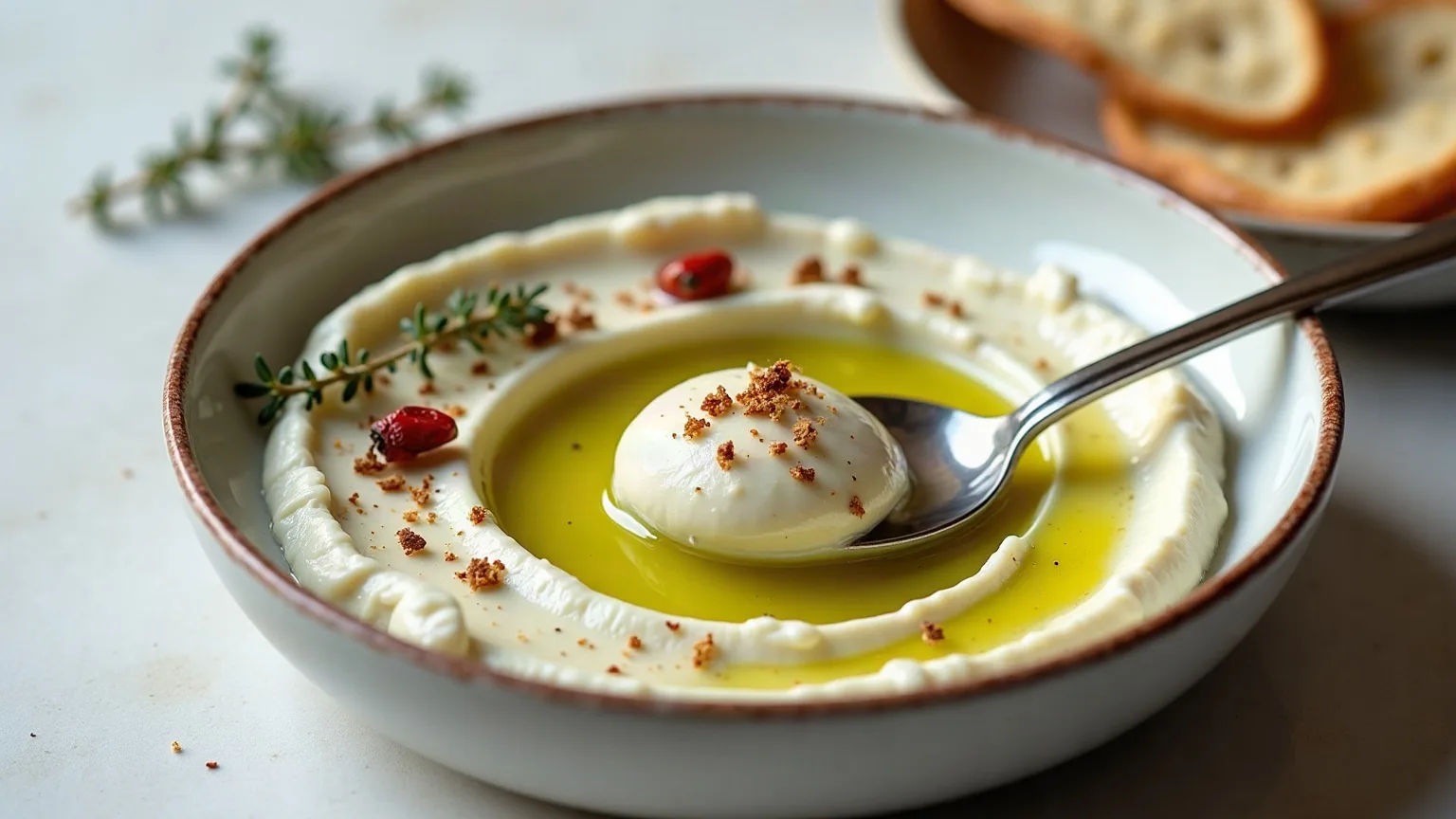
Labneh
Yoghurt strained further than süzme, salted, and taken to a spreadable consistency. Süzme is lighter and silkier; labne is denser and sharper, and is served with olive oil.
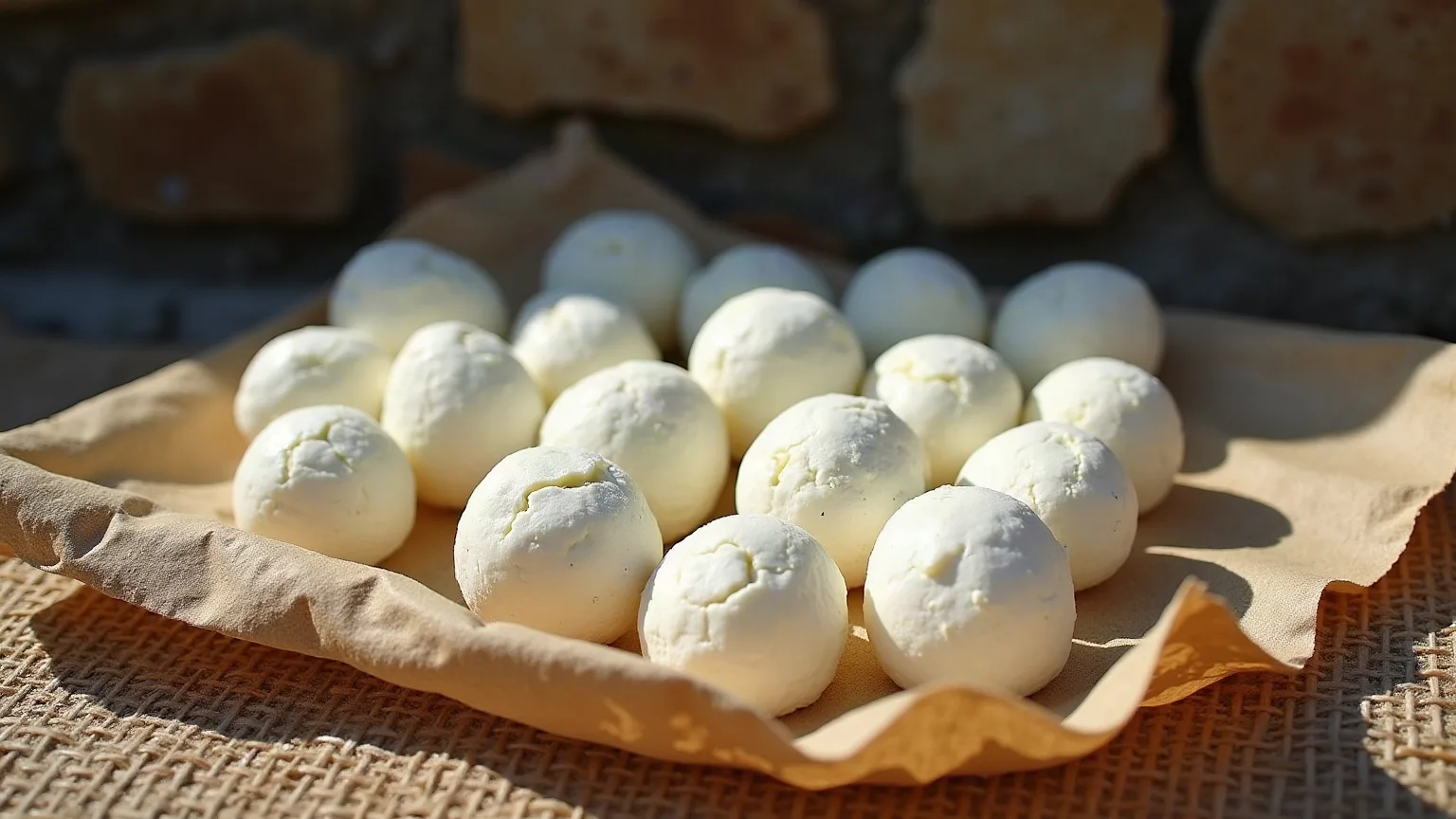
Dried yoghurt balls
Skimmed yoghurt or churn buttermilk is strained, kneaded hard with salt, formed into egg-sized balls and sun-dried until rock hard. It rehydrates into a sour paste or is grated into soups.
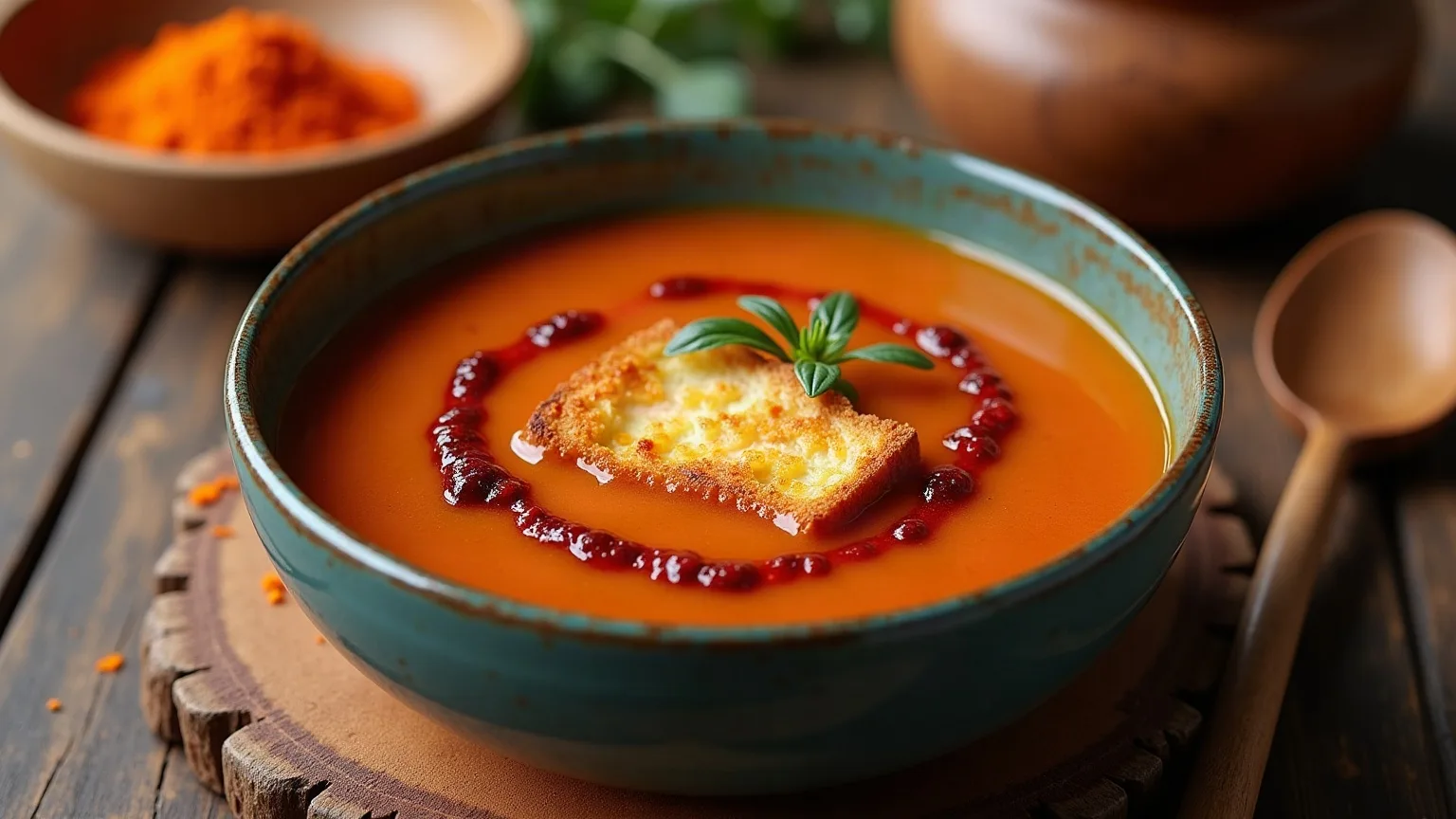
Tarhana
A winter store made by fermenting, drying and milling a dough of flour, yoghurt, vegetables and spices. One of the few doubly fermented cereal-dairy composites in the world: both lactic acid bacteria and yeasts are at work.
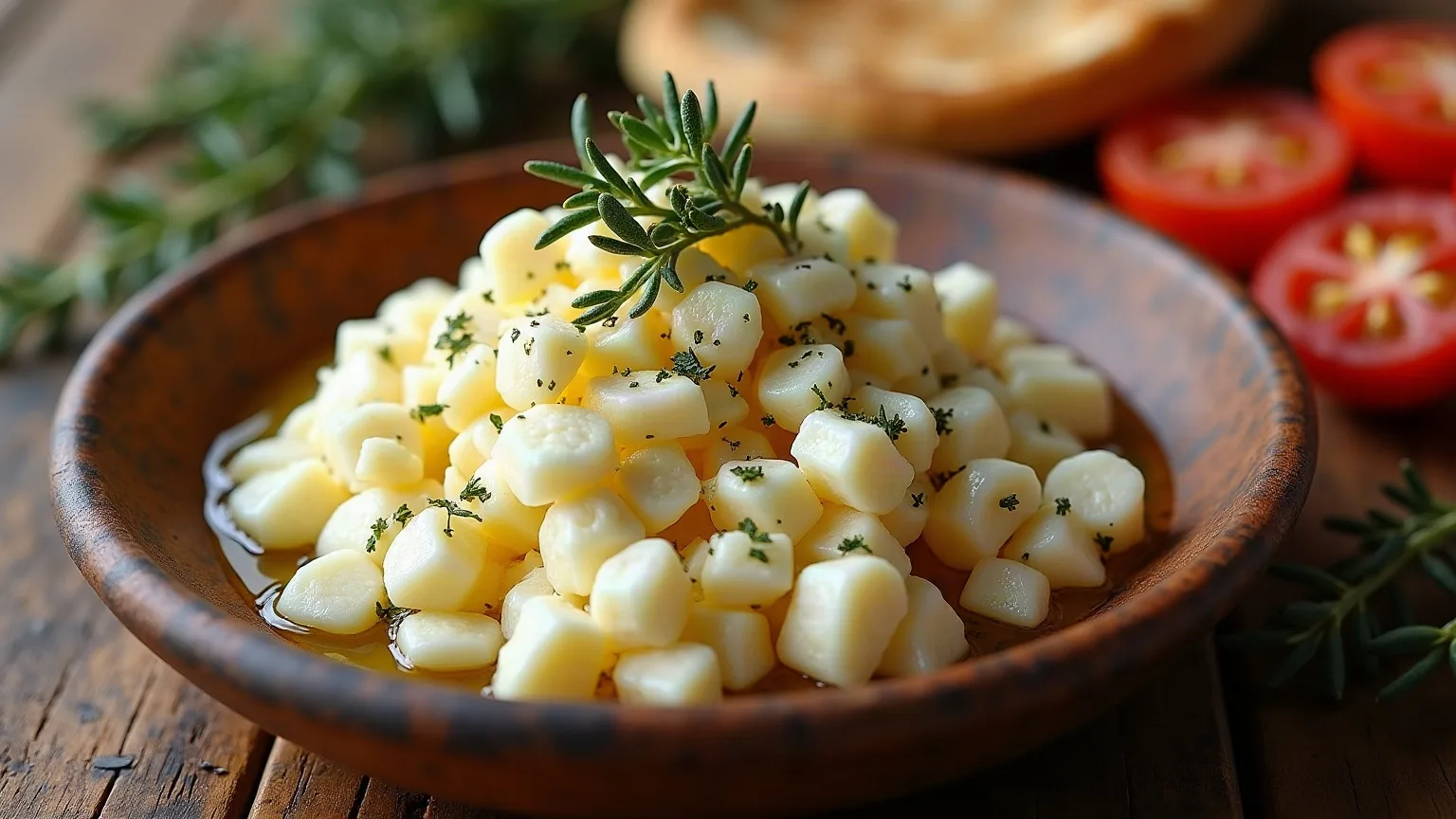
Çökelek
The curd that precipitates when de-fatted ayran or churn buttermilk is heated. In some regions it is made from whey instead, so çökelek is a product class defined by its acid-and-heat coagulation rather than by one starting material.
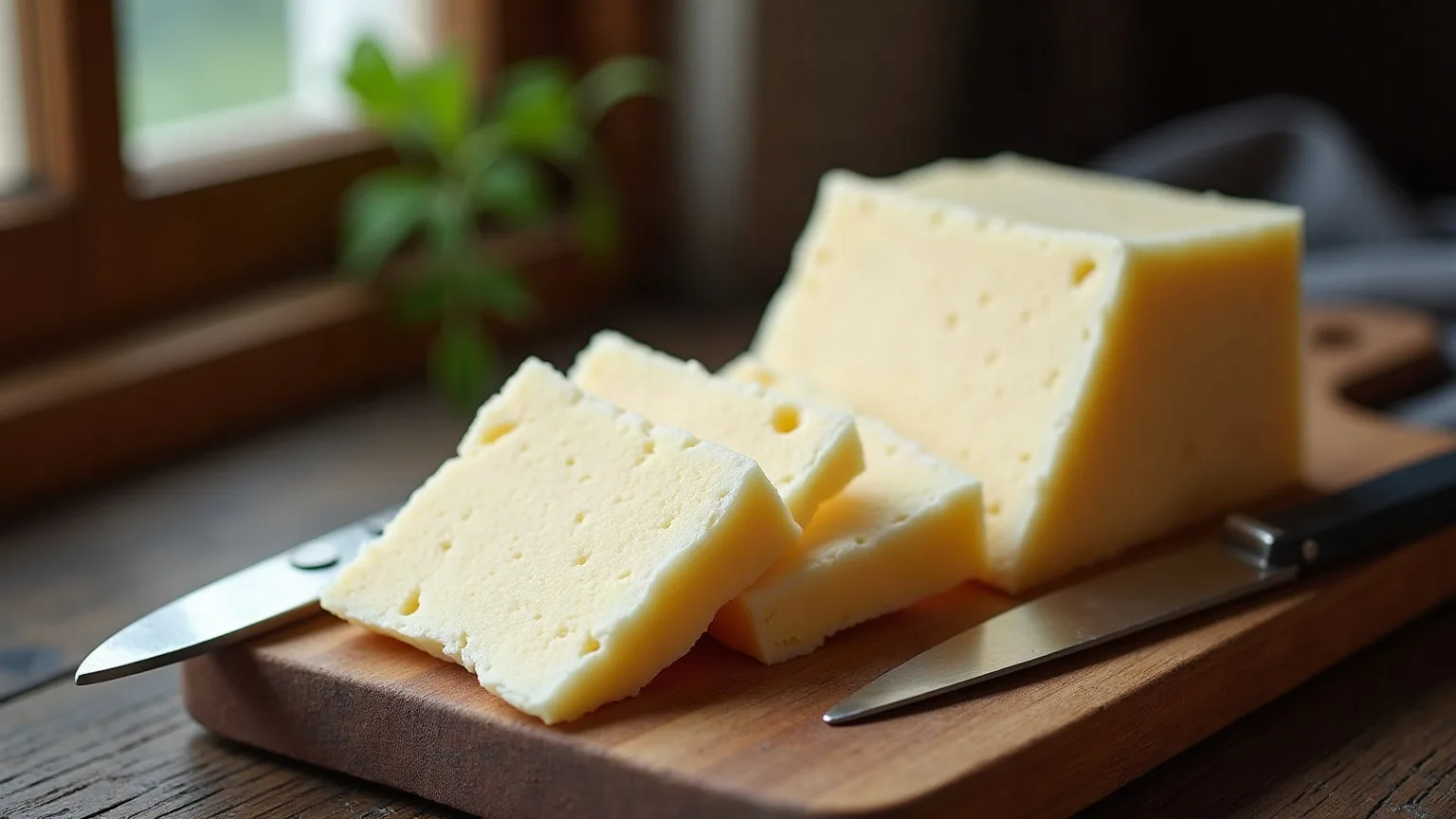
Keş
A hard cheese made from strained yoghurt and put through a ten-day drying. Bolu keş comes in blocks; the related katık keşi is shaped like a spinning top.
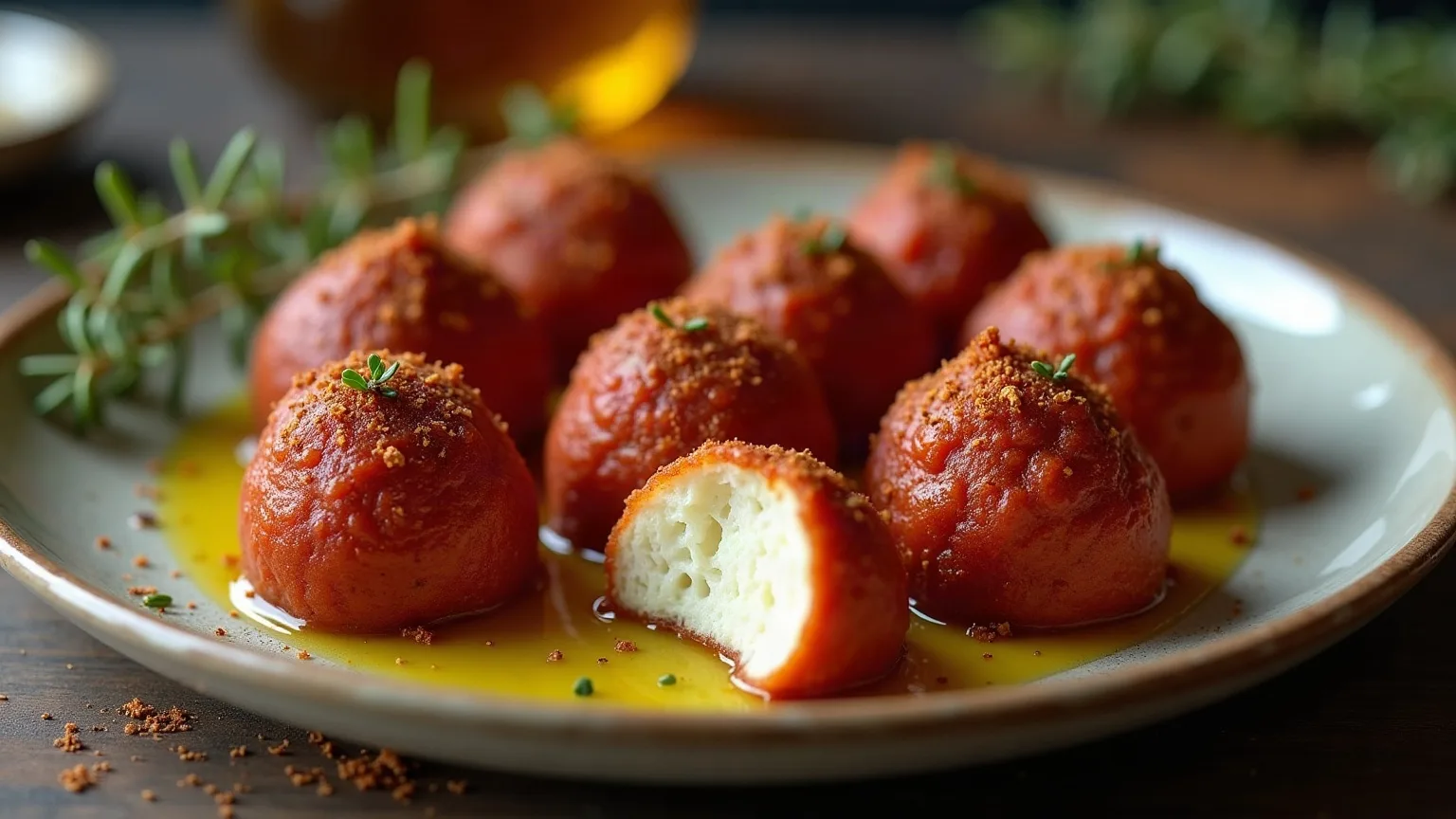
Antakya sürk
The most heavily spiced member of the çökelek family. The curd is kneaded with pepper paste and a broad spice battery led by wild thyme, then formed into cones and matured.
Sauces & finishes 2
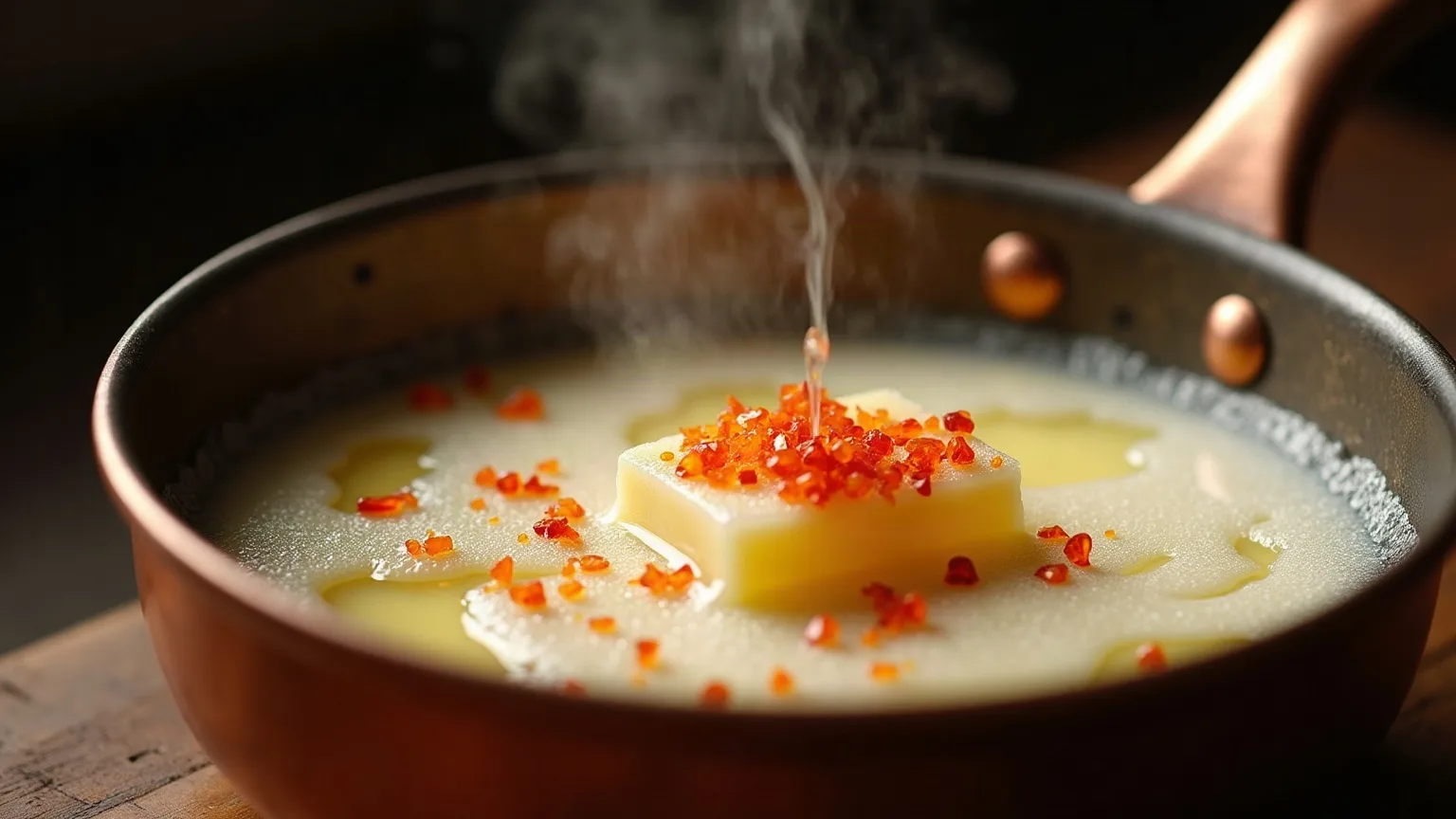
Sizzled butter
Butter heated in a small pan until it foams, met with chilli flakes and poured over cold garlic yoghurt. The most characteristic Turkish finish there is: mantı, yayla çorbası, Ali Nazik, çılbır.
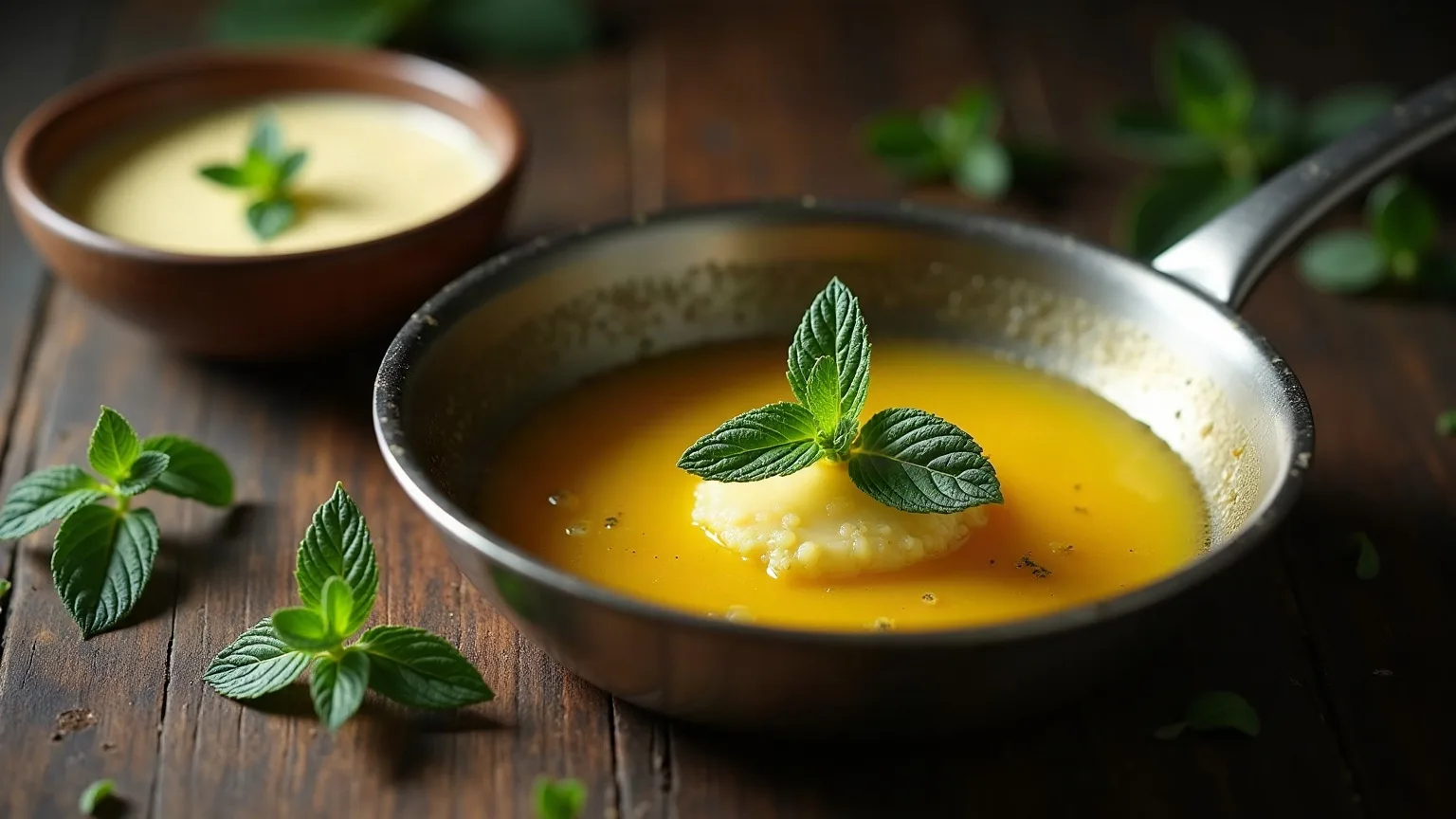
Dried mint in butter
Dried mint bloomed briefly in hot butter and poured over a yoghurt dish. Standard on yayla çorbası, mantı, cacık and haydari.