
Kalburabastı
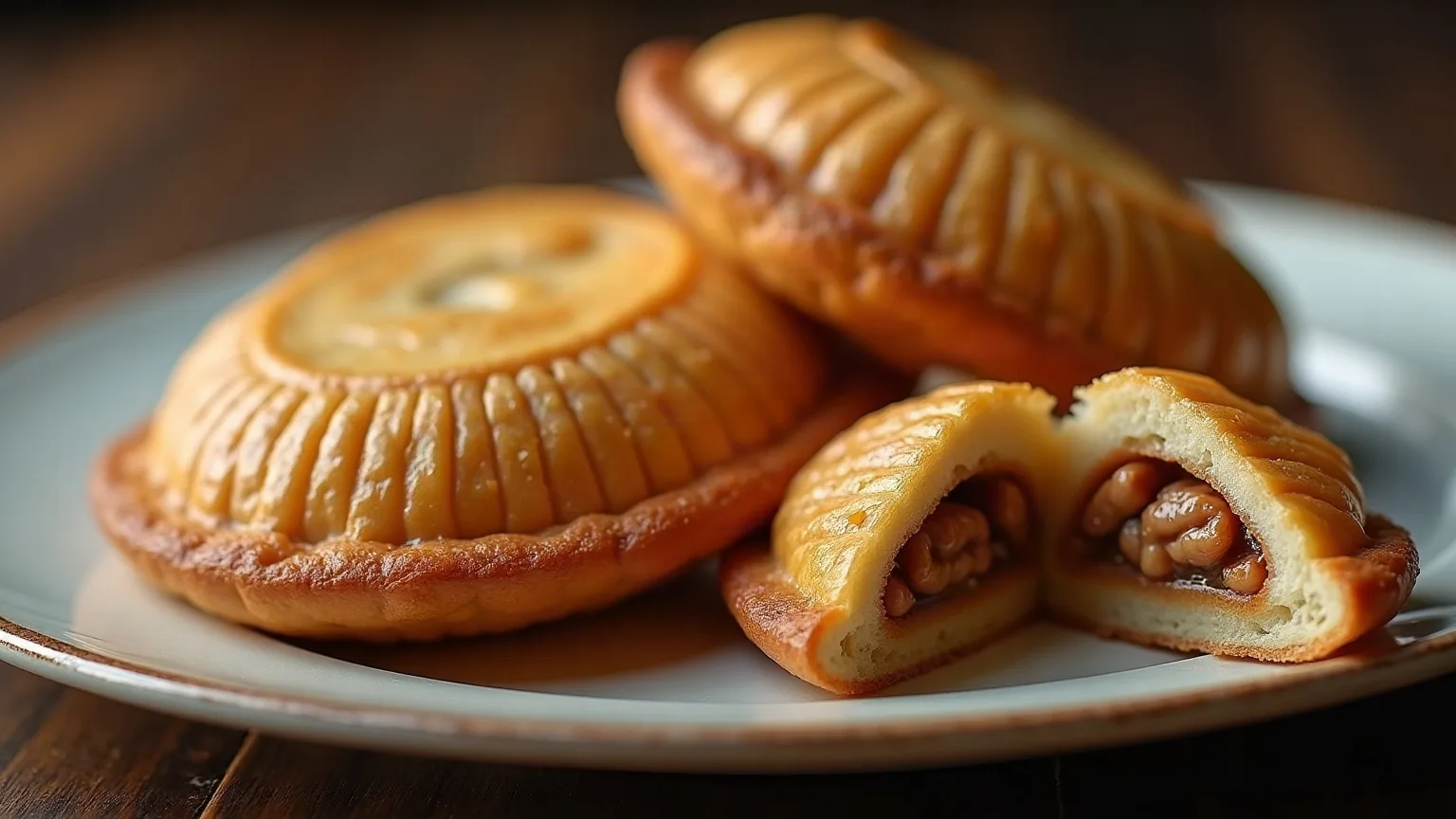
Walnut-filled dough ovals are pressed against a sieve to emboss ridges, baked and soaked in syrup. The name comes straight from that gesture.
The ridges are not decoration: they greatly increase surface area so the syrup is absorbed faster and more evenly. The yoghurt works in the dough as both acid and tenderiser.
What it is made of
 Yoghurt
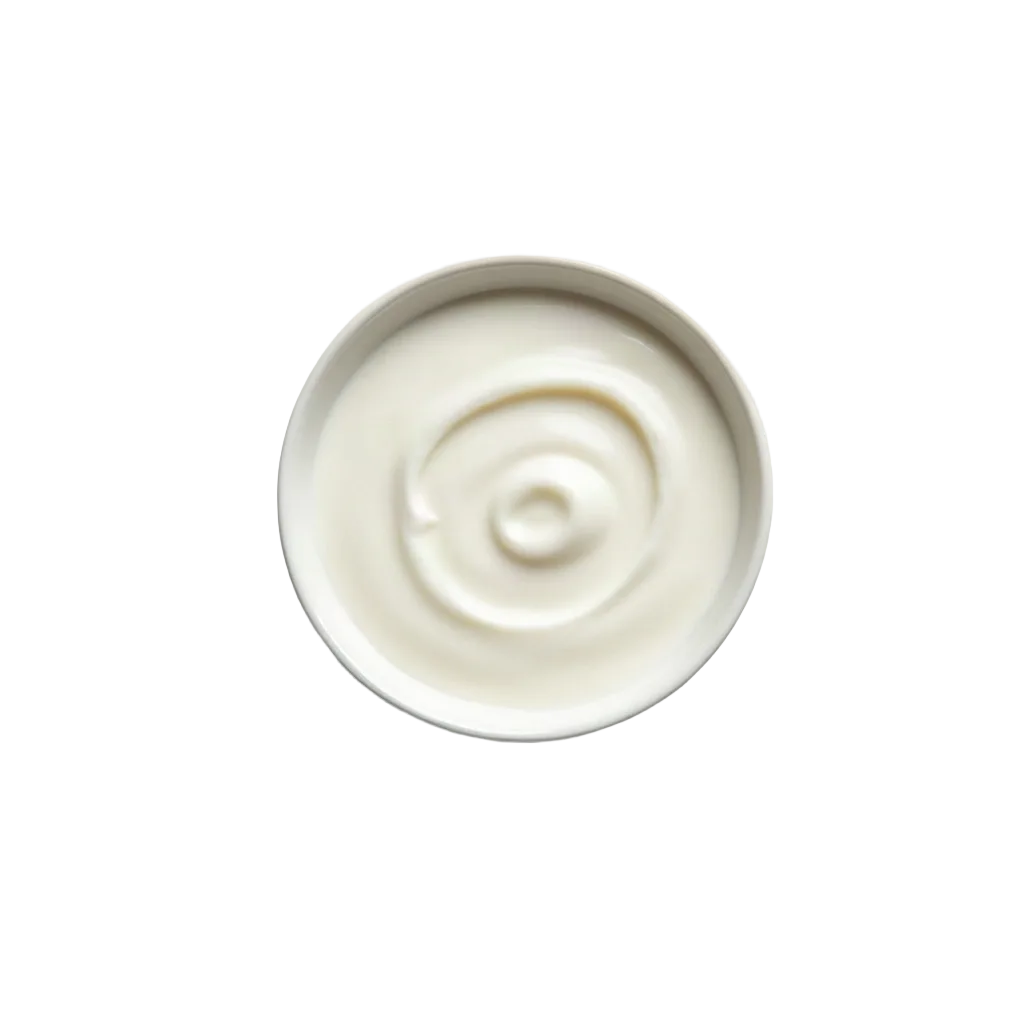
pH 4.4 · splits above 85 °C
Dairy: it brings creaminess, protein and calcium.
Temper it with a few spoons of the hot liquid before it goes in; added straight, it splits.
Fl
Yoghurt
pH 4.4 · splits above 85 °C
Dairy: it brings creaminess, protein and calcium.
Temper it with a few spoons of the hot liquid before it goes in; added straight, it splits.
Fl
 Flour
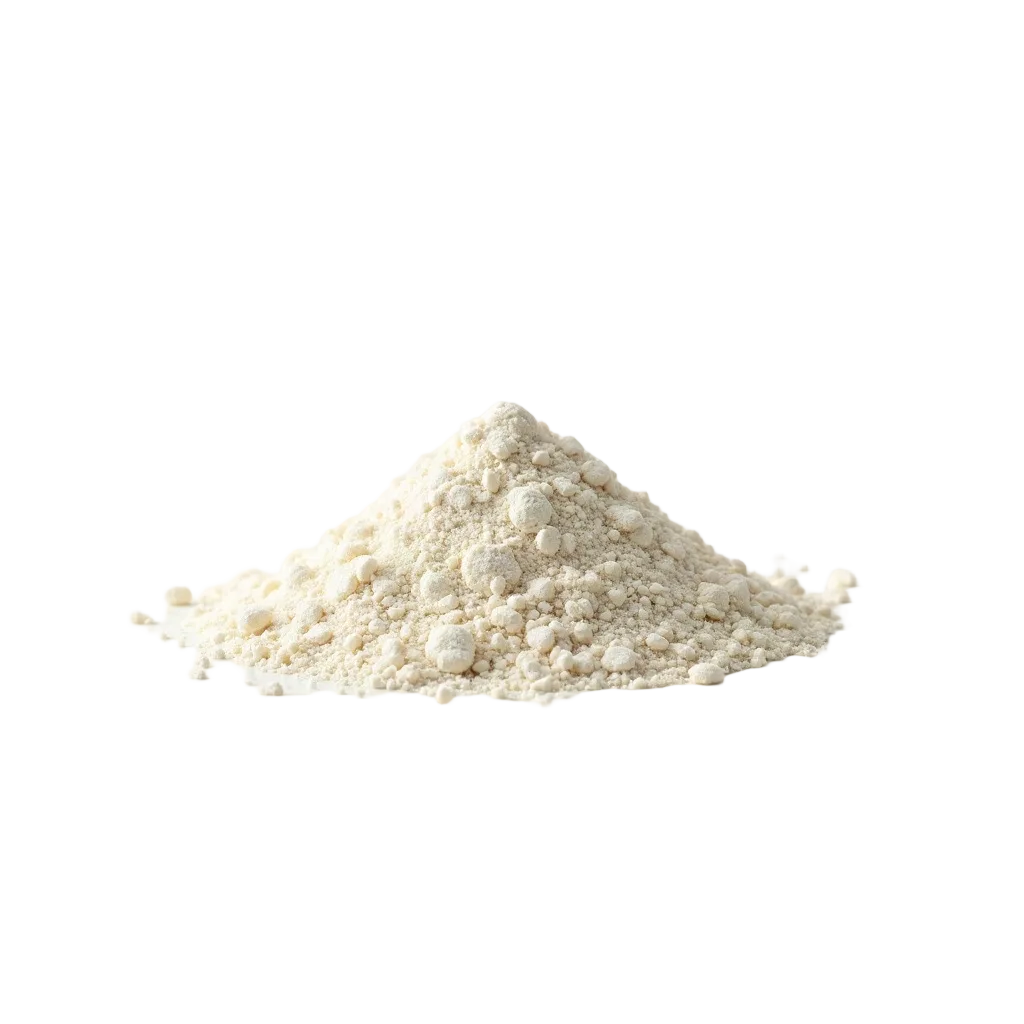
Protein 10–12% · builds gluten
Binds: it builds the structure and holds the water.
Sifting does not remove lumps, it aerates: the same weight takes more space. Weigh it, never scoop it.
Eg
Flour
Protein 10–12% · builds gluten
Binds: it builds the structure and holds the water.
Sifting does not remove lumps, it aerates: the same weight takes more space. Weigh it, never scoop it.
Eg
 Egg
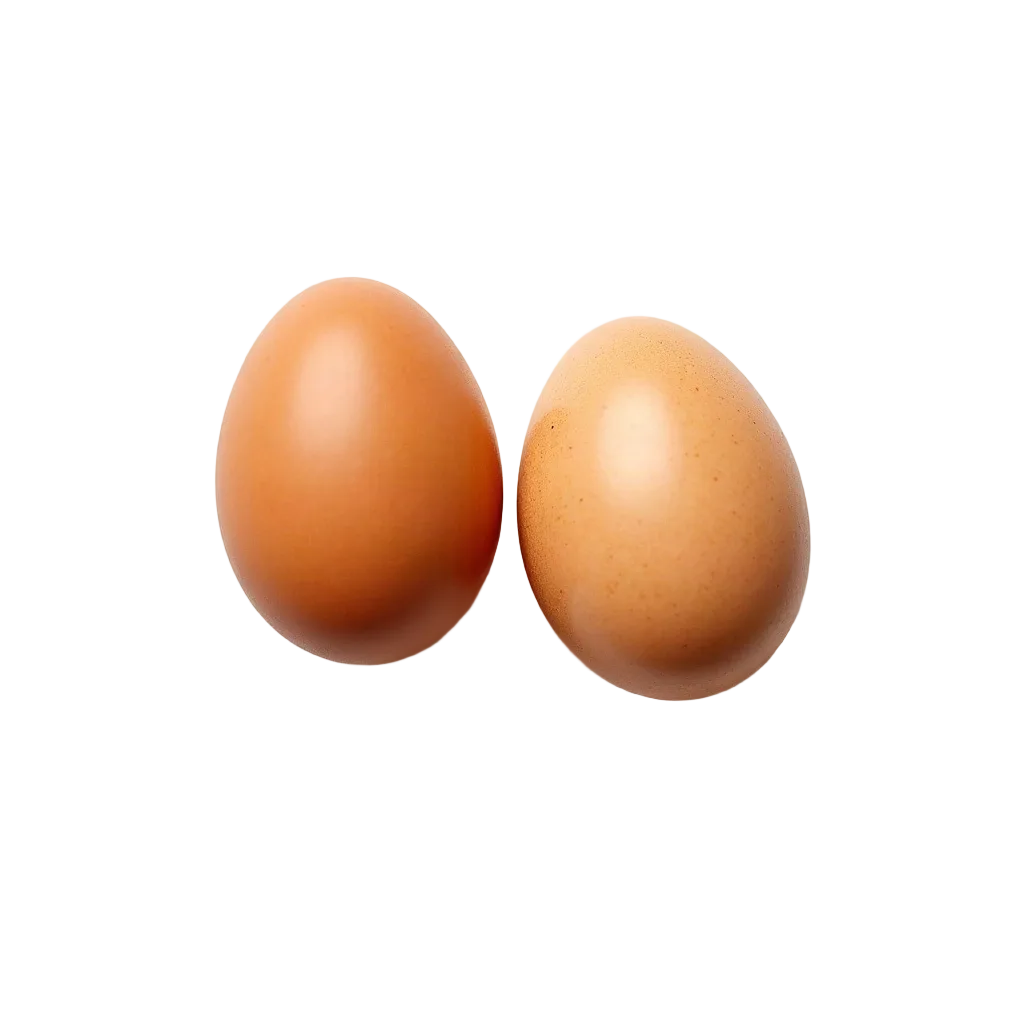
White 62 °C · yolk 65 °C
Gives body: the bulk of the plate and its starch.
Crack it on a flat surface, not the rim of the bowl: a sharp edge drives shell into the egg.
Wa
Egg
White 62 °C · yolk 65 °C
Gives body: the bulk of the plate and its starch.
Crack it on a flat surface, not the rim of the bowl: a sharp edge drives shell into the egg.
Wa
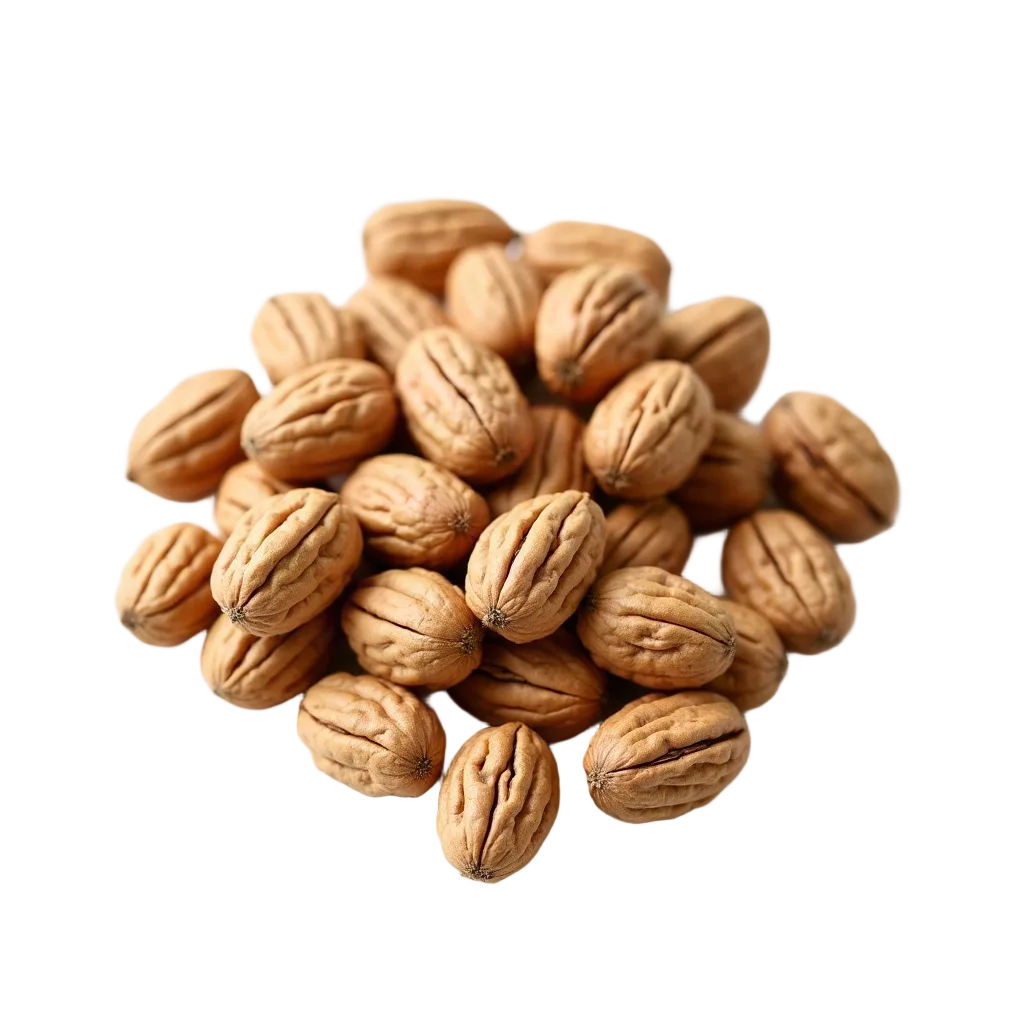 Walnut
65% fat · goes rancid fast, freeze it
Produce: water, fibre and freshness.
Toast it dry for two minutes before using: the oil comes to the surface and the aroma nearly doubles.
Sg
Walnut
65% fat · goes rancid fast, freeze it
Produce: water, fibre and freshness.
Toast it dry for two minutes before using: the oil comes to the surface and the aroma nearly doubles.
Sg
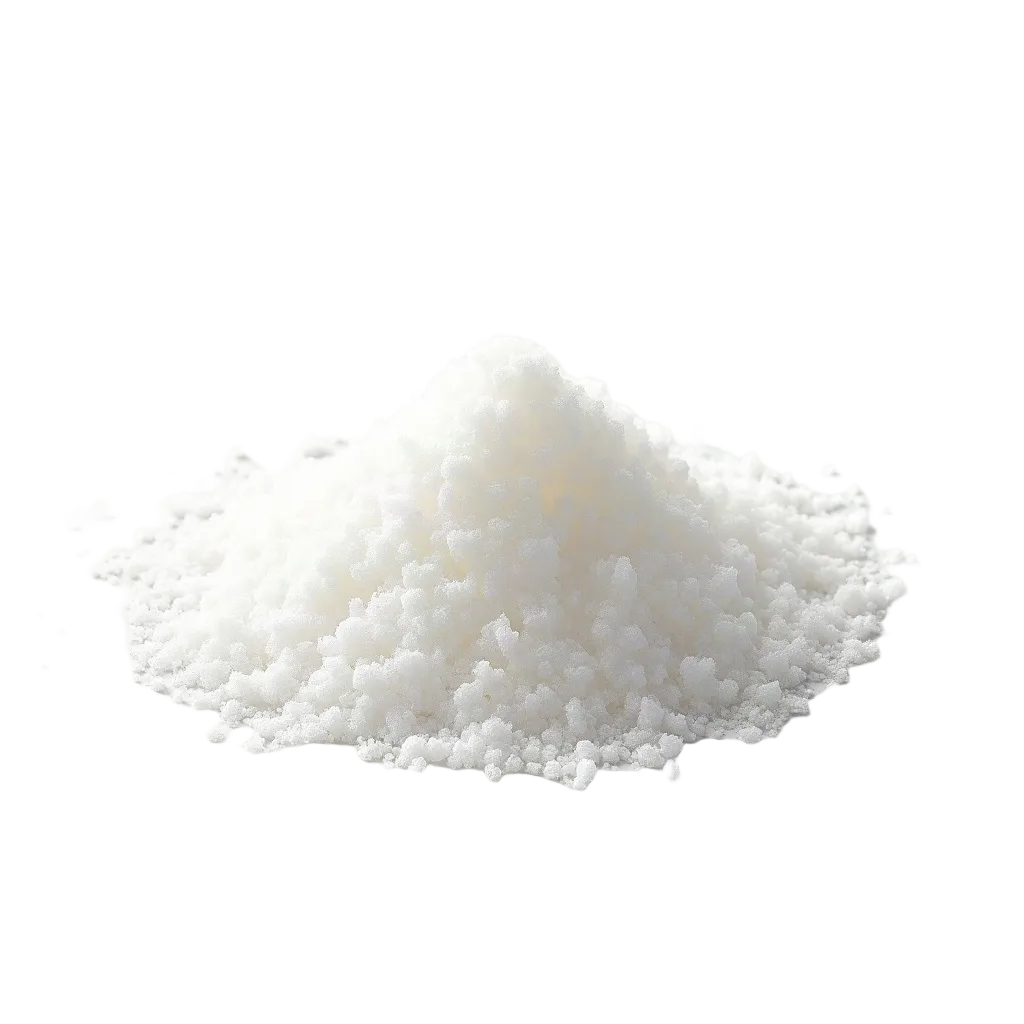 Sugar
Caramelises at 160 °C
Sweetens: it binds water and caramelises.
A teaspoon in a tomato dish does not sweeten it; it takes the edge off the acid.
Le
Sugar
Caramelises at 160 °C
Sweetens: it binds water and caramelises.
A teaspoon in a tomato dish does not sweeten it; it takes the edge off the acid.
Le
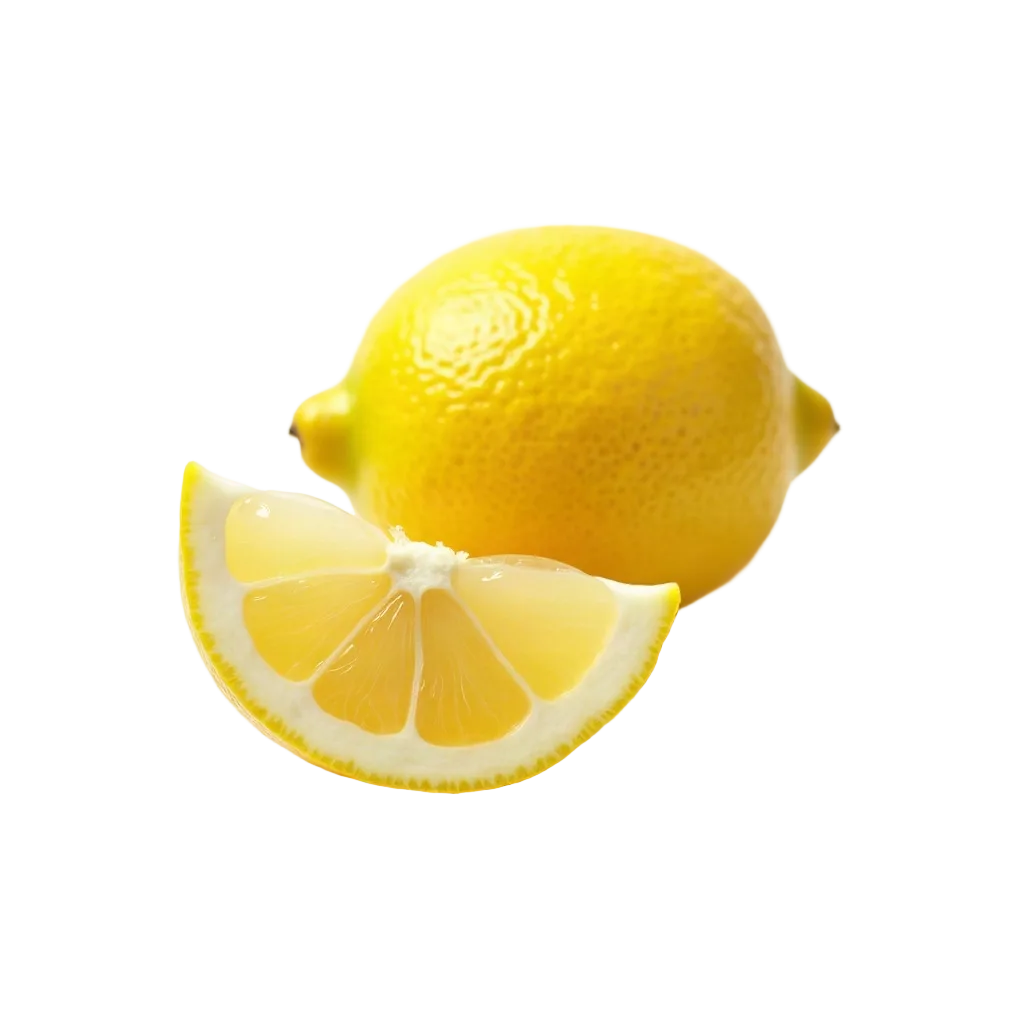 Lemon
pH 2.2 · 5% citric acid
Brings acid: it cuts protein and lifts the taste.
Roll it on the counter before juicing: the cell walls break and the same lemon gives noticeably more juice.
Bs
Lemon
pH 2.2 · 5% citric acid
Brings acid: it cuts protein and lifts the taste.
Roll it on the counter before juicing: the cell walls break and the same lemon gives noticeably more juice.
Bs
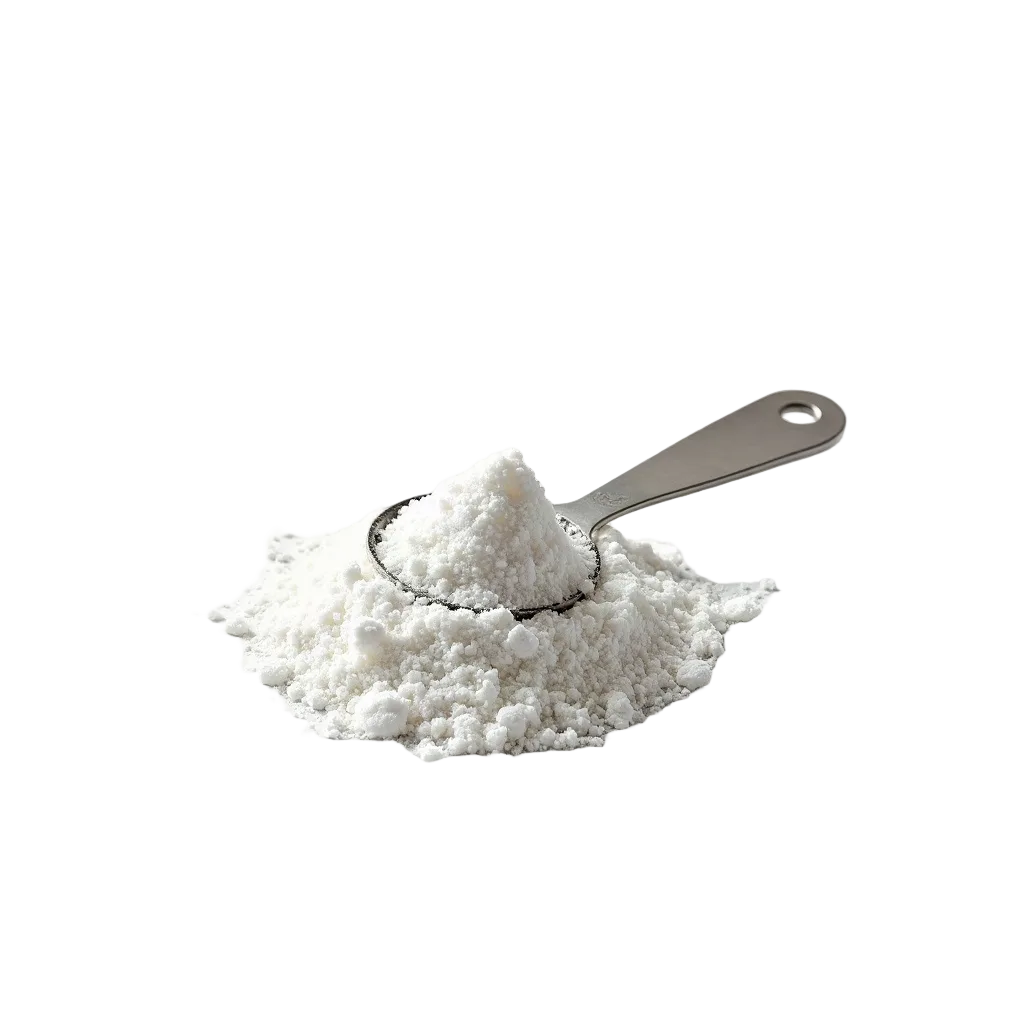 Baking soda
pH 8.4 · does nothing without acid
Leavens: it makes gas and lifts the dough.
A teaspoon is about 4 g, and it always needs an acid beside it; without one it leaves a soapy taste.
Baking soda
pH 8.4 · does nothing without acid
Leavens: it makes gas and lifts the dough.
A teaspoon is about 4 g, and it always needs an acid beside it; without one it leaves a soapy taste.
What it tastes like
The axes that define this dish: sweet 33, sour 26, aroma 46 — the ones sitting clearly above the average.
This profile is computed rather than measured: the role-weighted average of its ingredients’ taste vectors, shifted by what the cooking does. The thin line is the database average on that axis.
How it is made
-
Knead a soft dough from yoghurt, butter, semolina and flour and rest it for twenty minutes.
-
Mix the walnuts with sugar and cinnamon.
-
Enclose the filling in an oval and press each one against a sieve to emboss the ridges.
Why The name comes from this step, and the pattern is not decoration: the ridges give the syrup more surface to cling to. -
Bake at 180 °C for 25 to 30 minutes, until golden.
-
Pour cold syrup over the hot pastries.
Why Both hot and the pastry falls apart instead of drinking; the difference in temperature drives the absorption.
Where it comes from
Its earliest known recipe appears as *Hurma* in Melceü’t-Tabbâhîn, the first printed Ottoman cookbook.