
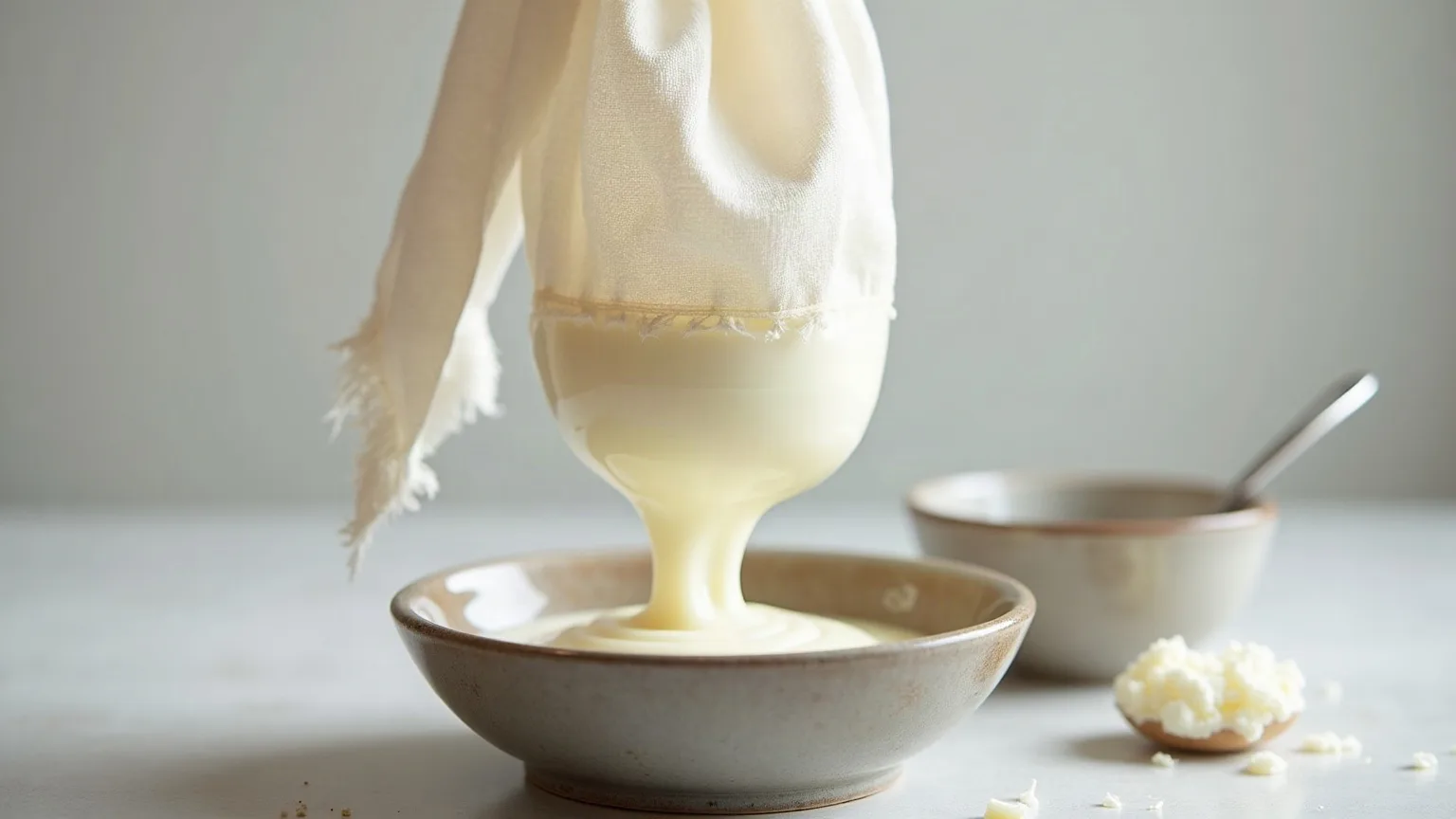
Strained yoghurt
Yoghurt drained in a cloth bag to remove the whey. The base for mezes, and the terbiye of toyga and düğün çorbası.
Straining removes roughly 70% of the water. Solids rise to 20–24%, protein to 6.7–8.2%, fat to 7.8–10.5%, and the FAO minimum for strained yoghurt is 5.6% protein. One detail matters for baking: straining also removes water-soluble lactose, so gram for gram it browns less. Swapping strained for plain changes three variables at once.
What it is made of
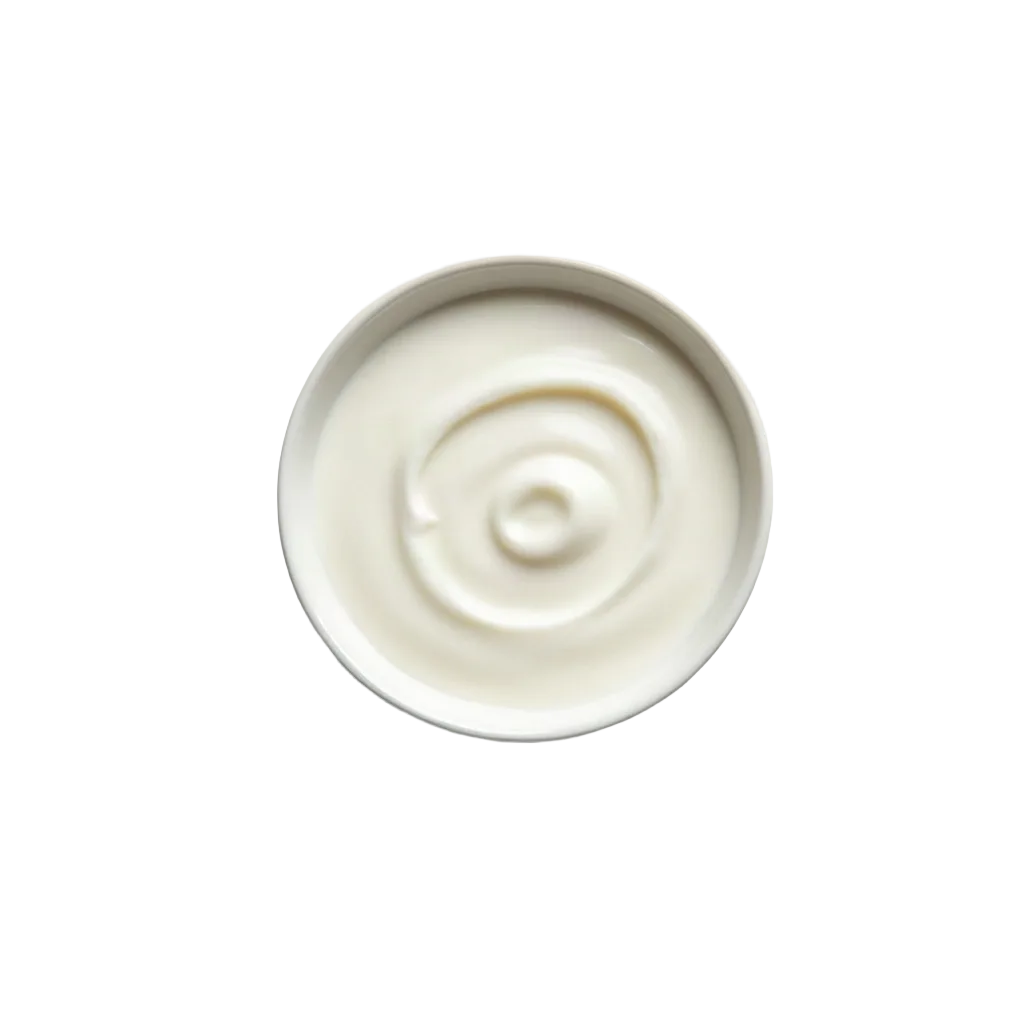 Yoghurt
pH 4.4 · splits above 85 °C
Dairy: it brings creaminess, protein and calcium.
Temper it with a few spoons of the hot liquid before it goes in; added straight, it splits.
Sa2
Yoghurt
pH 4.4 · splits above 85 °C
Dairy: it brings creaminess, protein and calcium.
Temper it with a few spoons of the hot liquid before it goes in; added straight, it splits.
Sa2
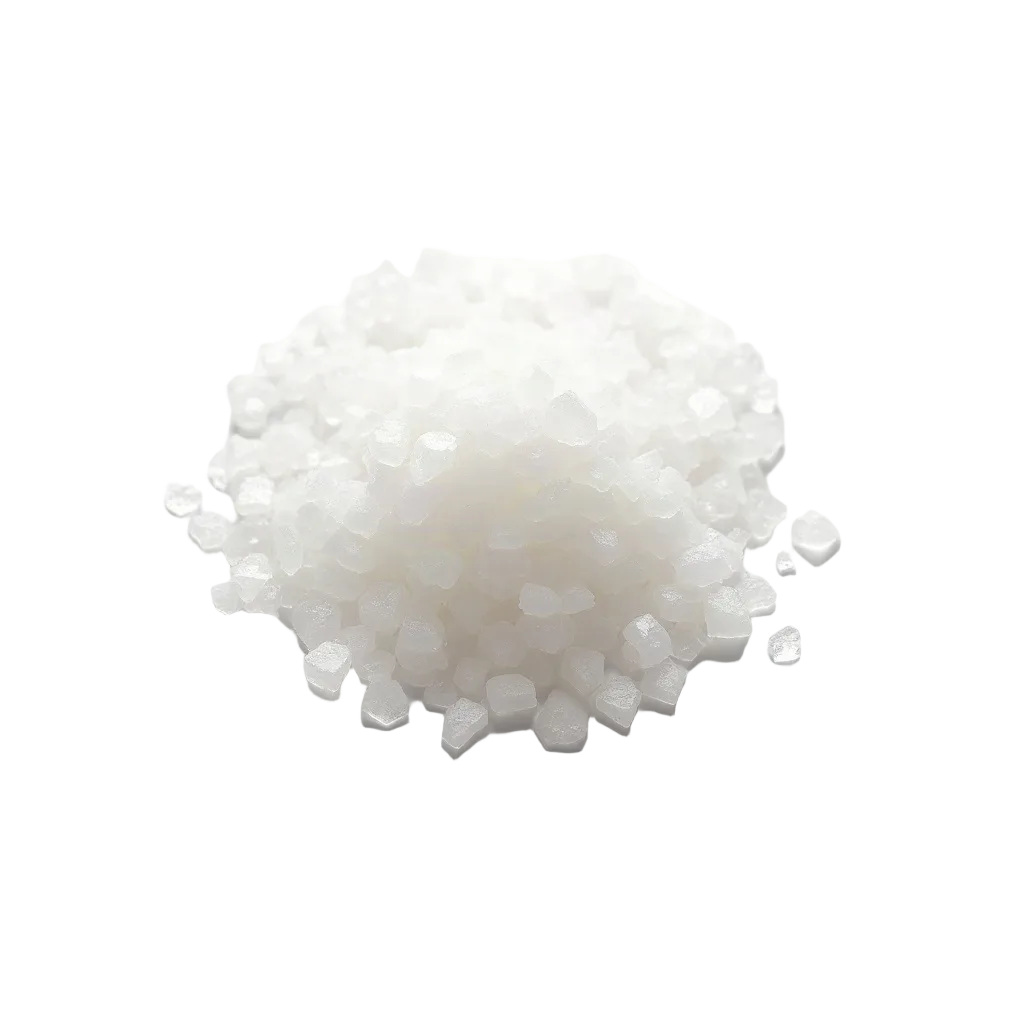 Salt
0.8–1.5% of the weight of the food
Seasoning: it sets the perception and balances the salt.
0.8–1.5% of the weight of the food. Coarse and fine salt do not weigh the same by the spoon, so weigh it.
Salt
0.8–1.5% of the weight of the food
Seasoning: it sets the perception and balances the salt.
0.8–1.5% of the weight of the food. Coarse and fine salt do not weigh the same by the spoon, so weigh it.
What it tastes like
The axes that define this dish: sour 42, salty 38 — the ones sitting clearly above the average.
This profile is computed rather than measured: the role-weighted average of its ingredients’ taste vectors, shifted by what the cooking does. The thin line is the database average on that axis.
How it is made
-
Salt the yoghurt lightly.
Why Salt pulls water out by osmosis, making the drain both faster and more even. -
Tip it into muslin, tie the corners and hang it over a bowl.
-
Leave it six hours in the fridge. Longer than that and it becomes labneh.
-
Keep the whey — it belongs in bread dough and soup.
Where it comes from
Torba yoğurdu and kese yoğurdu are other names for the same product.