
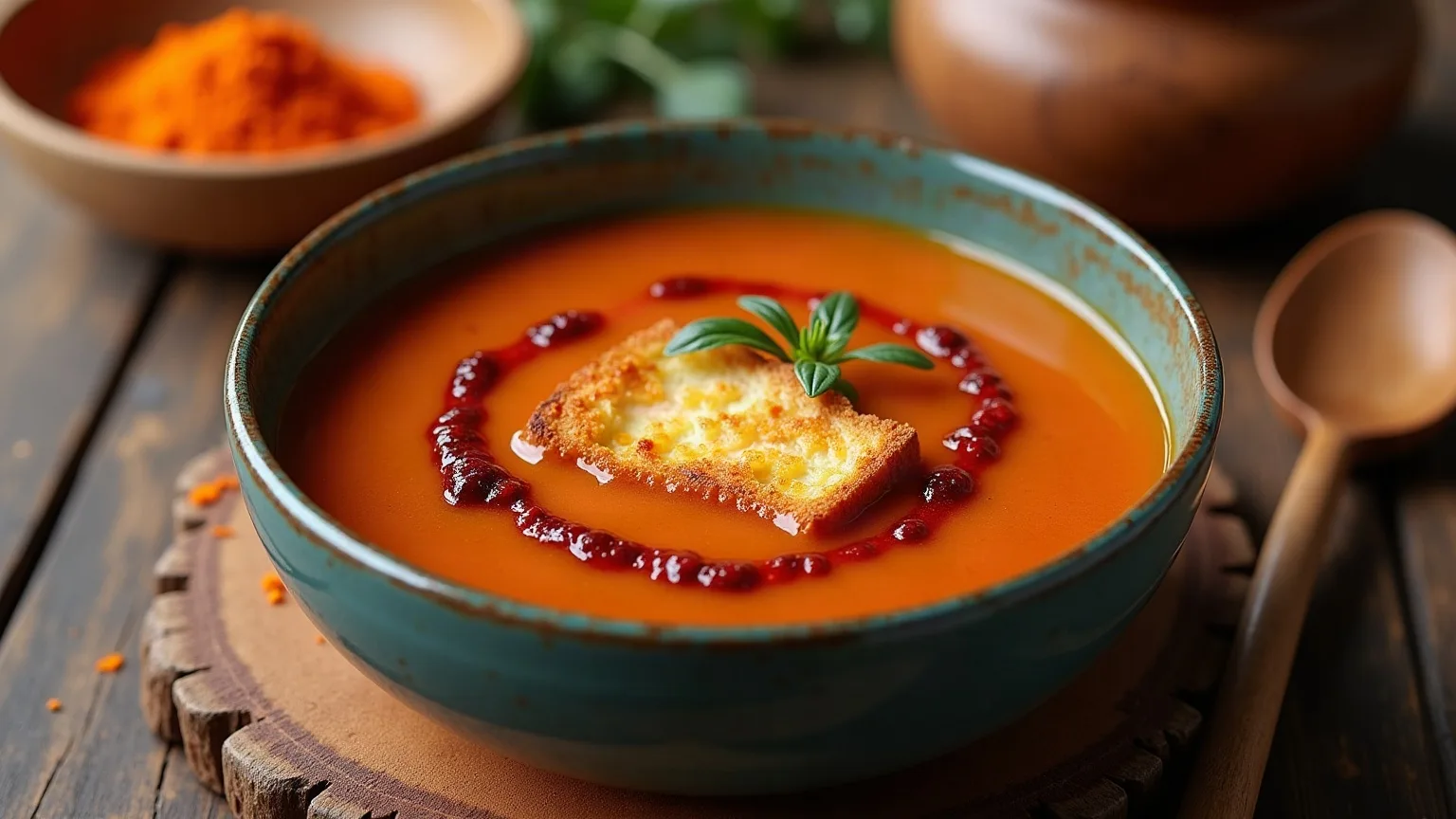
Tarhana
A winter store made by fermenting, drying and milling a dough of flour, yoghurt, vegetables and spices. One of the few doubly fermented cereal-dairy composites in the world: both lactic acid bacteria and yeasts are at work.
Over a seven-day ferment the pH falls from 5.22 to 4.13, titratable acidity rises from 1.10% to 3.25% and moisture drops from 70.12% to 26.15%. The finished product sits at 3–9% moisture and pH 4.0–4.5, and it is precisely that pair which makes it bacteriostatic against pathogens and spoilage organisms.
What it is made of
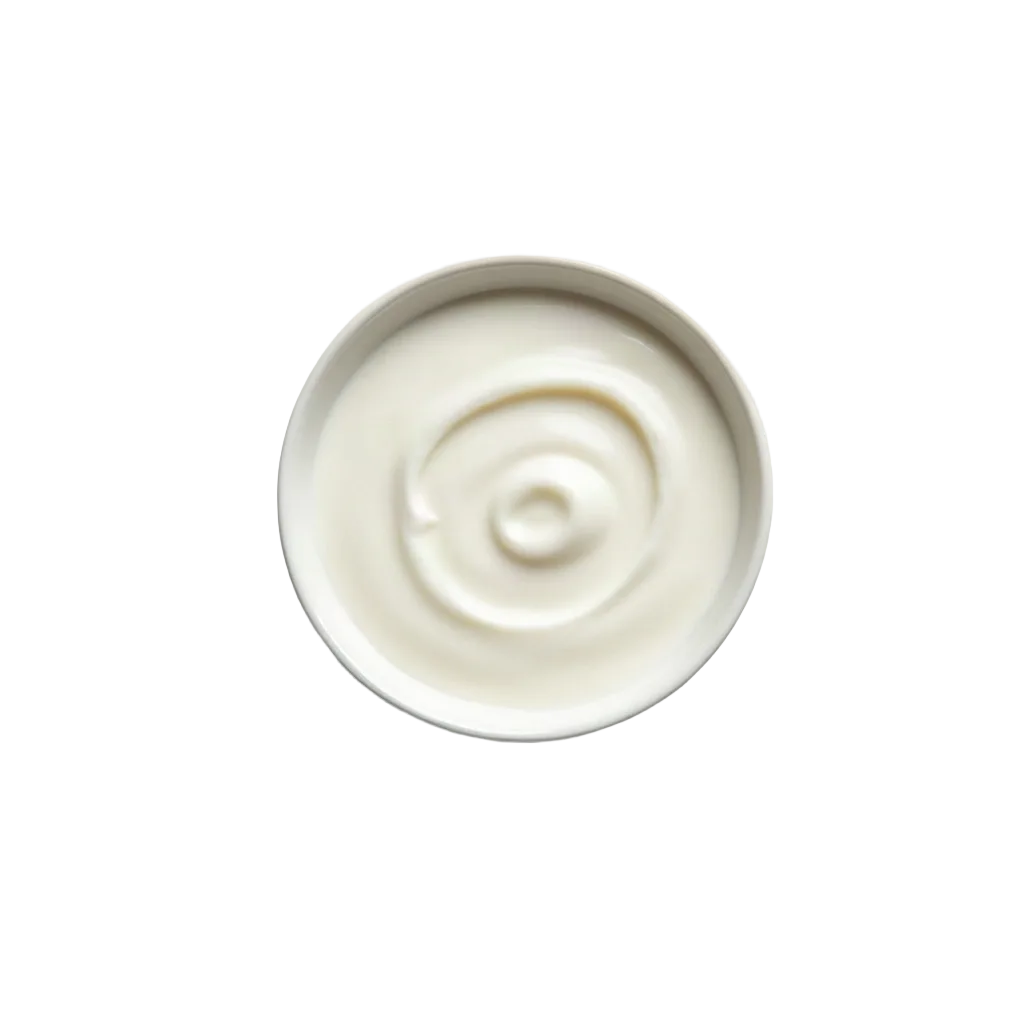 Yoghurt
pH 4.4 · splits above 85 °C
Dairy: it brings creaminess, protein and calcium.
Temper it with a few spoons of the hot liquid before it goes in; added straight, it splits.
Fl
Yoghurt
pH 4.4 · splits above 85 °C
Dairy: it brings creaminess, protein and calcium.
Temper it with a few spoons of the hot liquid before it goes in; added straight, it splits.
Fl
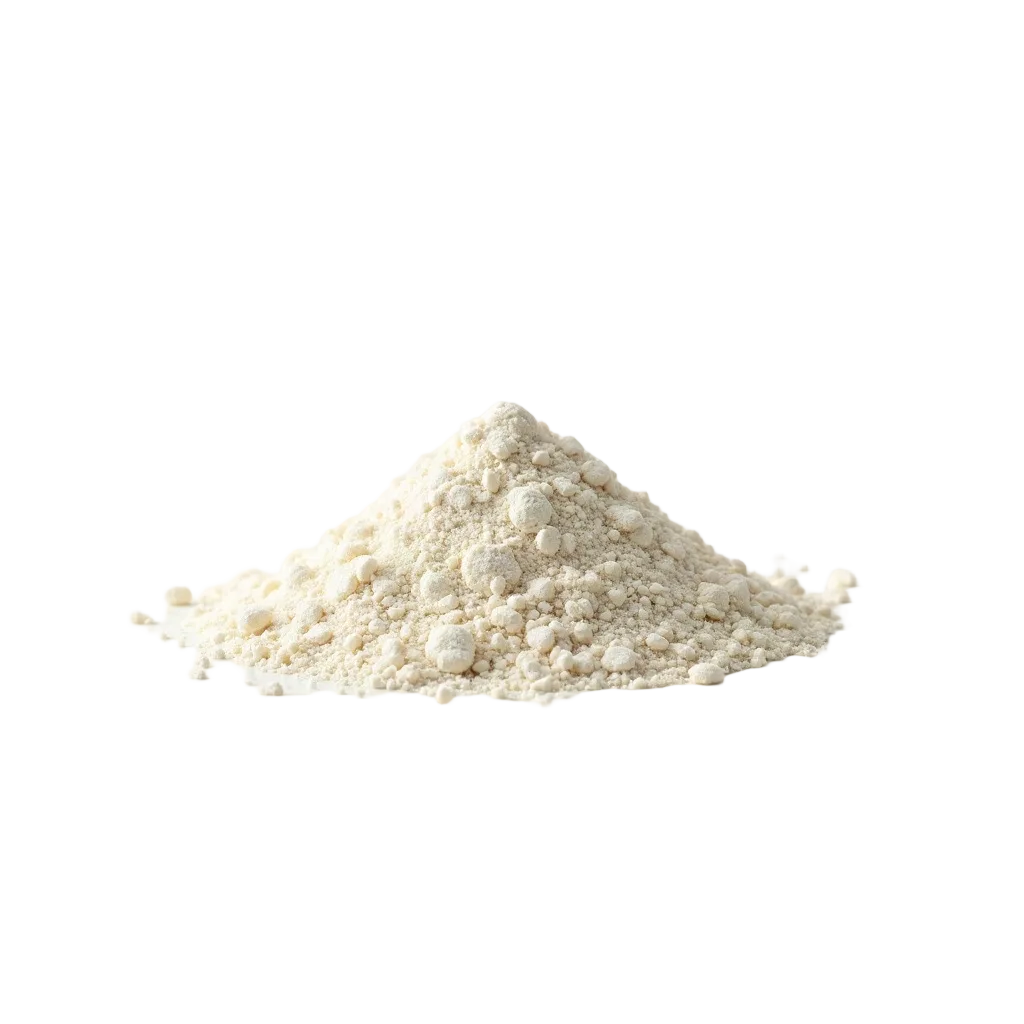 Flour
Protein 10–12% · builds gluten
Binds: it builds the structure and holds the water.
Sifting does not remove lumps, it aerates: the same weight takes more space. Weigh it, never scoop it.
Tp
Flour
Protein 10–12% · builds gluten
Binds: it builds the structure and holds the water.
Sifting does not remove lumps, it aerates: the same weight takes more space. Weigh it, never scoop it.
Tp
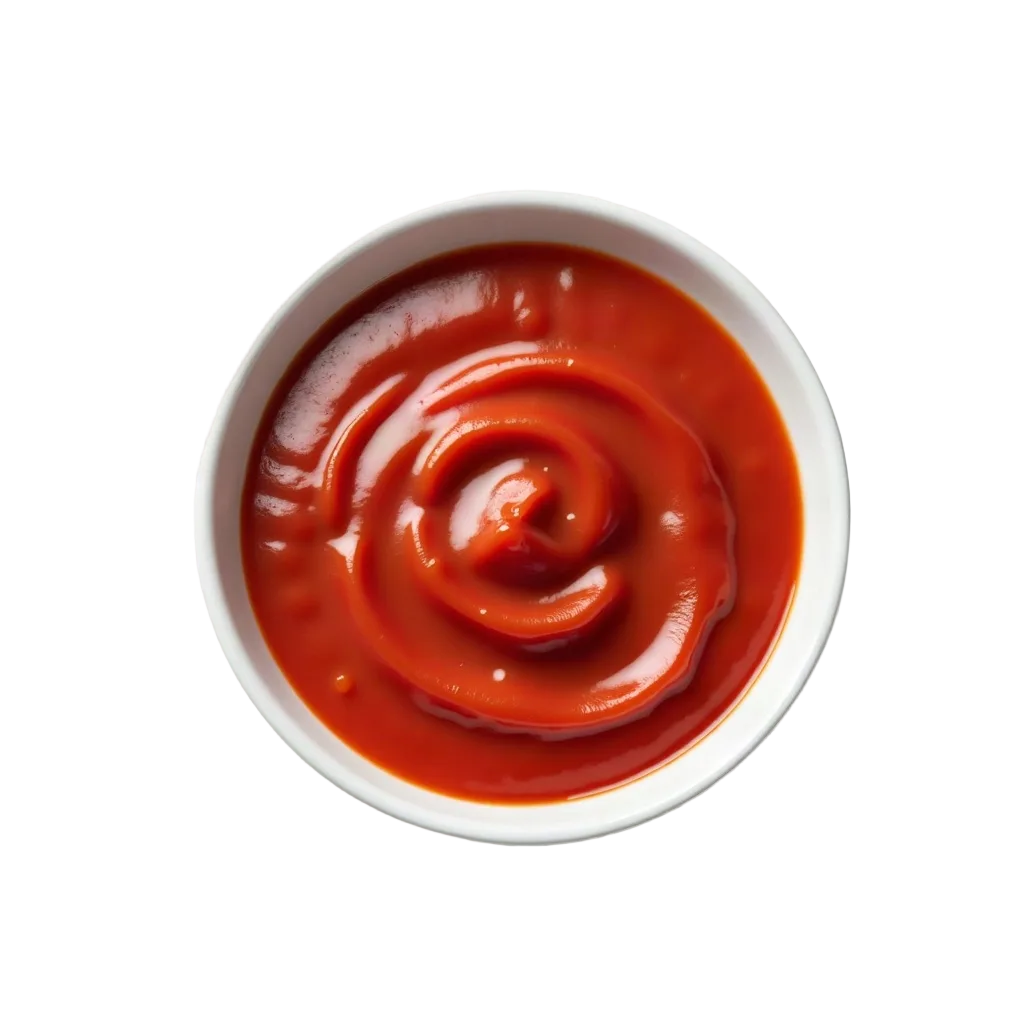 Tomato paste
pH 4.3 · glutamate 250 mg/100 g
A base: it neutralises acid and shifts colour and lift.
Fry it in oil for a minute before any liquid: that is the only step that removes the raw taste and opens the colour.
Pp
Tomato paste
pH 4.3 · glutamate 250 mg/100 g
A base: it neutralises acid and shifts colour and lift.
Fry it in oil for a minute before any liquid: that is the only step that removes the raw taste and opens the colour.
Pp
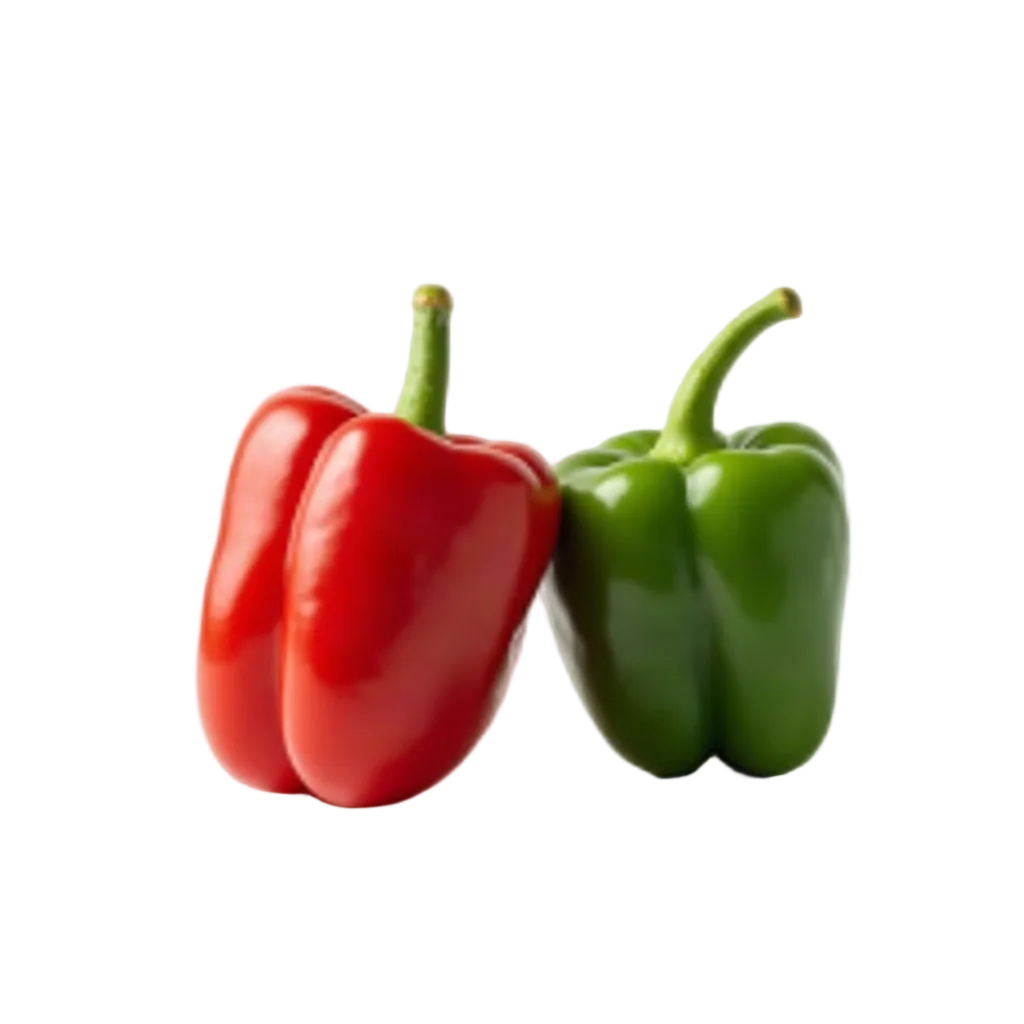 Pepper
Twice the vitamin C when red
Produce: water, fibre and freshness.
Sauté it before the tomato goes in: it can only sweeten while the pan is still dry.
Mi
Pepper
Twice the vitamin C when red
Produce: water, fibre and freshness.
Sauté it before the tomato goes in: it can only sweeten while the pan is still dry.
Mi
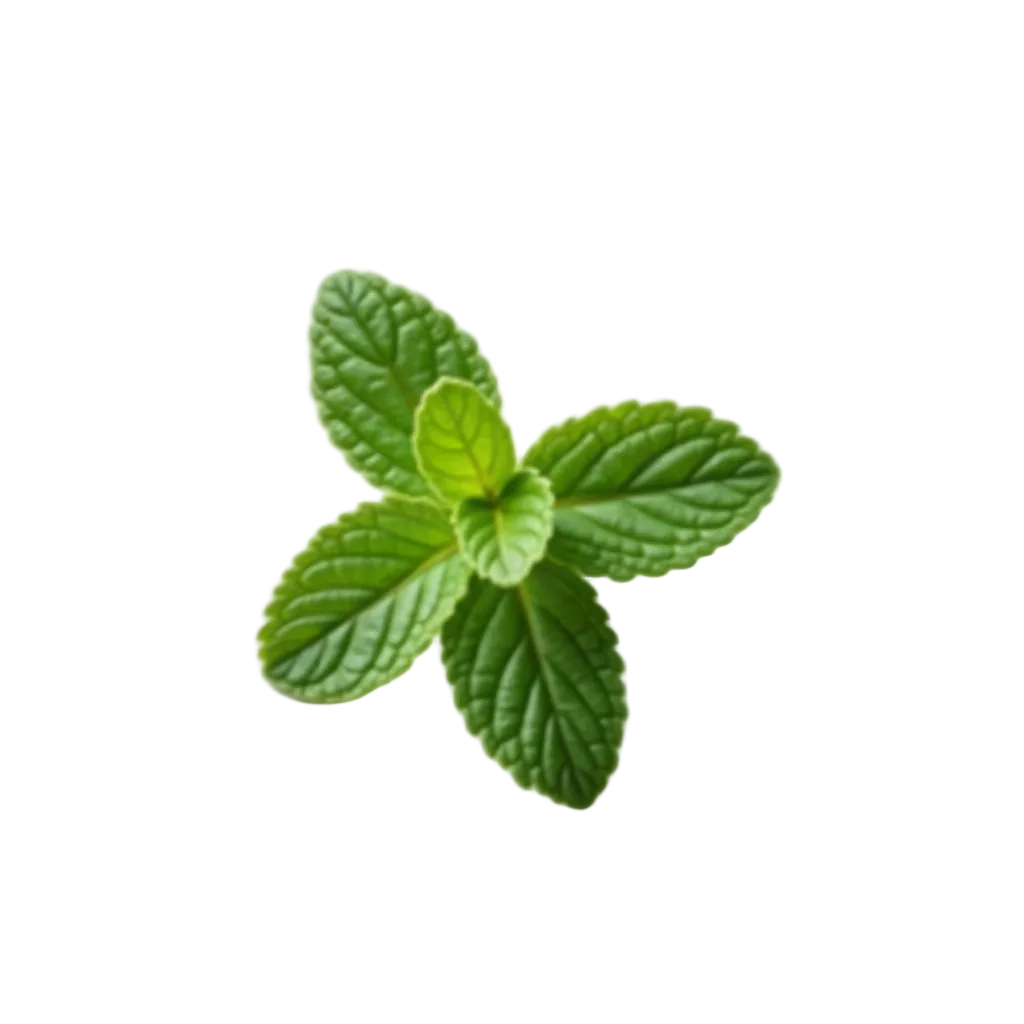 Mint
Menthol is volatile · add off the heat
Spice: it adds aroma and edge.
Fresh mint goes in off the heat; dried mint is bloomed in fat. They are not the same job.
Sa2
Mint
Menthol is volatile · add off the heat
Spice: it adds aroma and edge.
Fresh mint goes in off the heat; dried mint is bloomed in fat. They are not the same job.
Sa2
 Salt
0.8–1.5% of the weight of the food
Seasoning: it sets the perception and balances the salt.
0.8–1.5% of the weight of the food. Coarse and fine salt do not weigh the same by the spoon, so weigh it.
Ye
Salt
0.8–1.5% of the weight of the food
Seasoning: it sets the perception and balances the salt.
0.8–1.5% of the weight of the food. Coarse and fine salt do not weigh the same by the spoon, so weigh it.
Ye
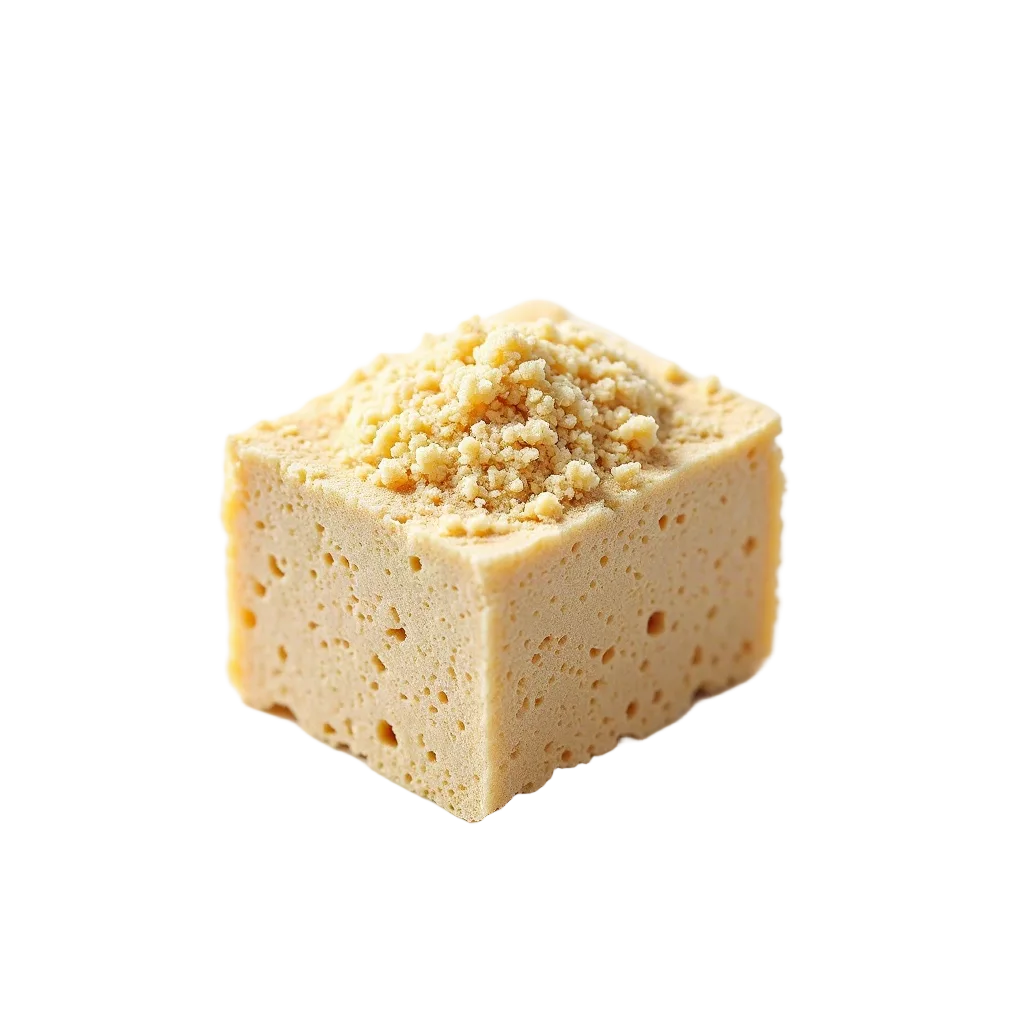 Yeast
Active 24–40 °C · dies at 55 °C
Leavens: it makes gas and lifts the dough.
Test the water on your wrist — it should feel like baby formula. Above 55 °C the yeast dies.
Yeast
Active 24–40 °C · dies at 55 °C
Leavens: it makes gas and lifts the dough.
Test the water on your wrist — it should feel like baby formula. Above 55 °C the yeast dies.
What it tastes like
The axes that define this dish: sour 54, umami 49, aroma 56 — the ones sitting clearly above the average.
This profile is computed rather than measured: the role-weighted average of its ingredients’ taste vectors, shifted by what the cooking does. The thin line is the database average on that axis.
How it is made
-
Roast the tomatoes, peppers and onions and purée them.
-
Knead the purée into a dough with yoghurt, flour, salt and mint.
-
Cover it and ferment for a week at room temperature, kneading once a day.
Why The daily knead evens the fermentation and keeps mould off the surface. -
Break it up, dry it in shade for three to five days and mill it.
-
To cook it, slake it in cold water first, then add it to the pan and keep it below the boil.
Where it comes from
The name comes from Persian *tarẖāne*, reported to mean a soup made from dried yoghurt. It spread from Anatolian Turkish into the surrounding languages, with regional versions built on different dairy bases.