
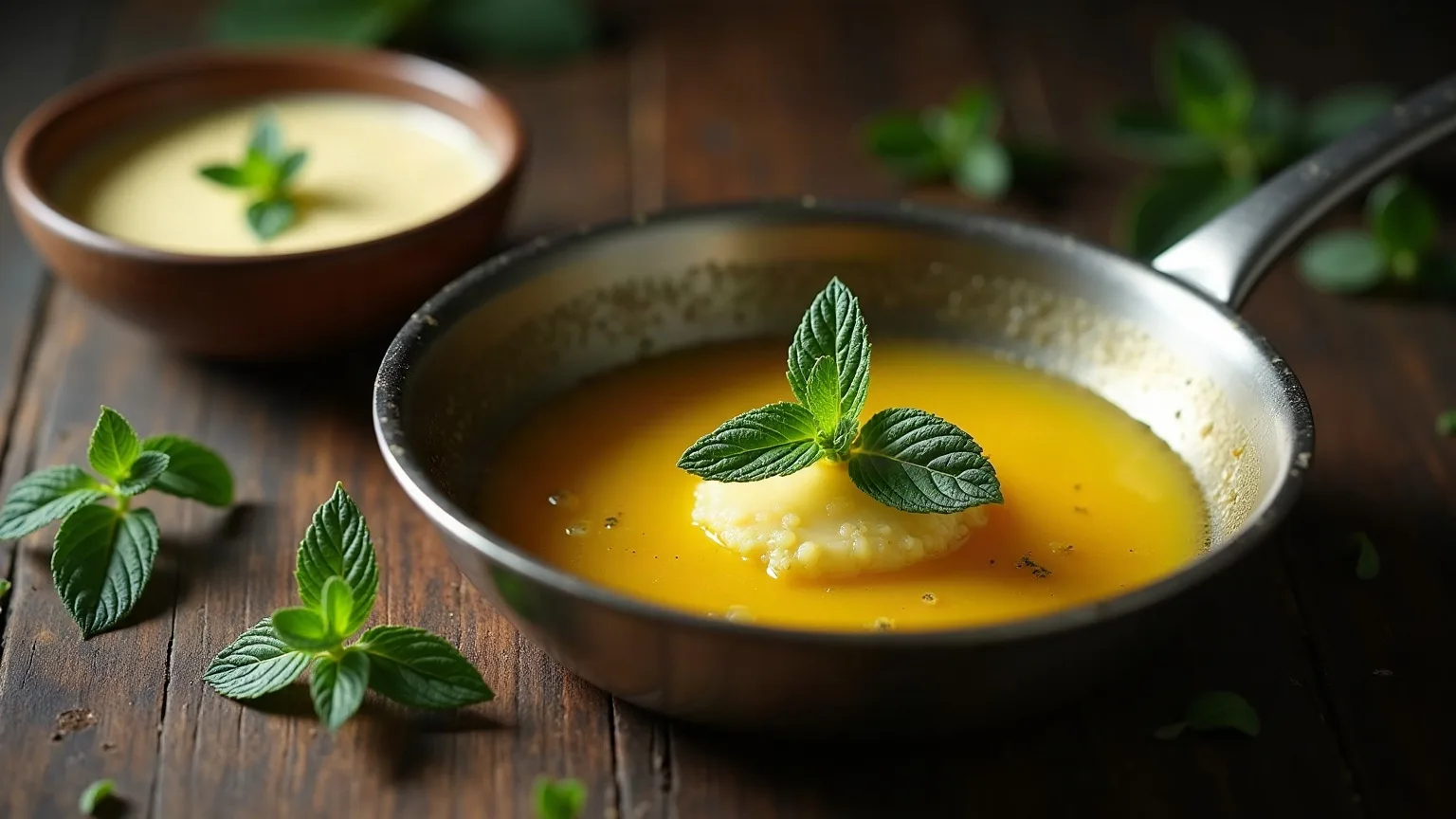
Dried mint in butter
Dried mint bloomed briefly in hot butter and poured over a yoghurt dish. Standard on yayla çorbası, mantı, cacık and haydari.
Why dried rather than fresh: fresh mint’s character comes from volatile, water-associated green aldehydes that collapse with heat. The terpenes that make mint taste of mint are far more heat stable and concentrate as water is removed, so dried mint survives a hot bloom and a simmering soup. Conversion: one teaspoon dried is about three teaspoons fresh.
What it is made of
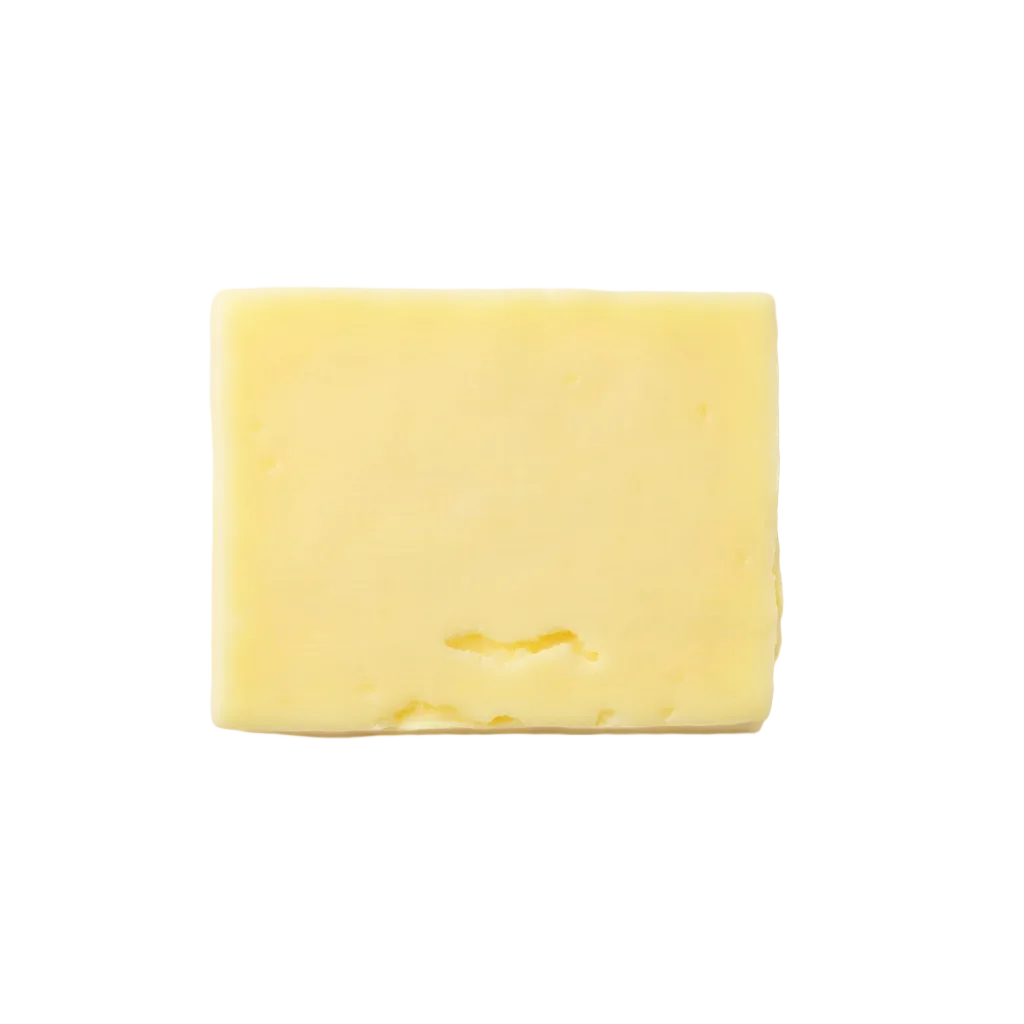 Butter
Smoke point 150 °C · milk solids burn
Fat: it carries the aroma and softens the texture.
Add a spoon of neutral oil alongside it: the mix survives a higher temperature before the solids burn.
Mi
Butter
Smoke point 150 °C · milk solids burn
Fat: it carries the aroma and softens the texture.
Add a spoon of neutral oil alongside it: the mix survives a higher temperature before the solids burn.
Mi
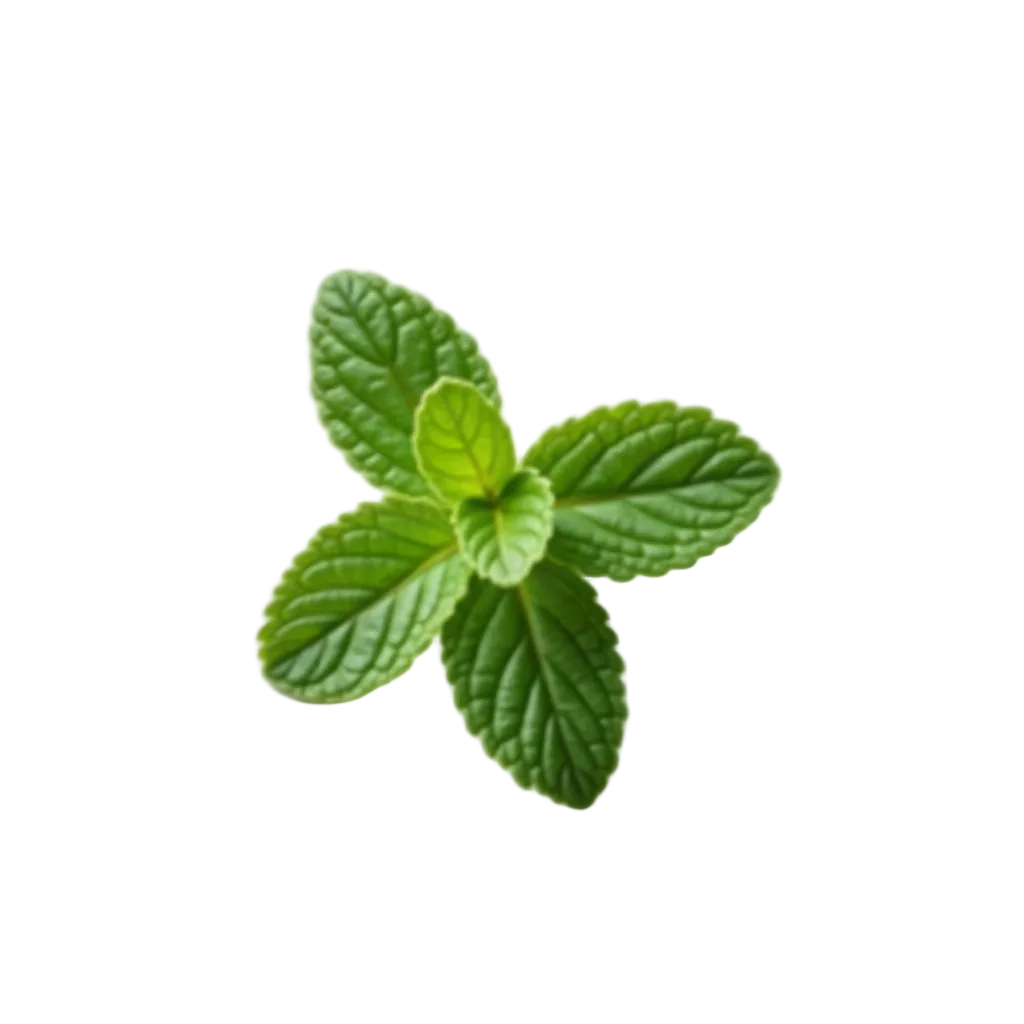 Mint
Menthol is volatile · add off the heat
Spice: it adds aroma and edge.
Fresh mint goes in off the heat; dried mint is bloomed in fat. They are not the same job.
Mint
Menthol is volatile · add off the heat
Spice: it adds aroma and edge.
Fresh mint goes in off the heat; dried mint is bloomed in fat. They are not the same job.
What it tastes like
The axes that define this dish: richness 58, aroma 62 — the ones sitting clearly above the average.
This profile is computed rather than measured: the role-weighted average of its ingredients’ taste vectors, shifted by what the cooking does. The thin line is the database average on that axis.
How it is made
-
Melt butter in a small pan and let it foam.
-
Turn the heat off, add the dried mint and swirl it for two or three seconds.
Why Mint’s volatile oils dissolve into fat instantly; left on the heat the aroma leaves and the leaf blackens. -
The moment the colour turns, pour it over the soup or the mantı.
Where it comes from
Turkish sources are precise about the timing: melt the fat, add the mint, hold only until the aroma releases. Over-toasting turns it bitter.