
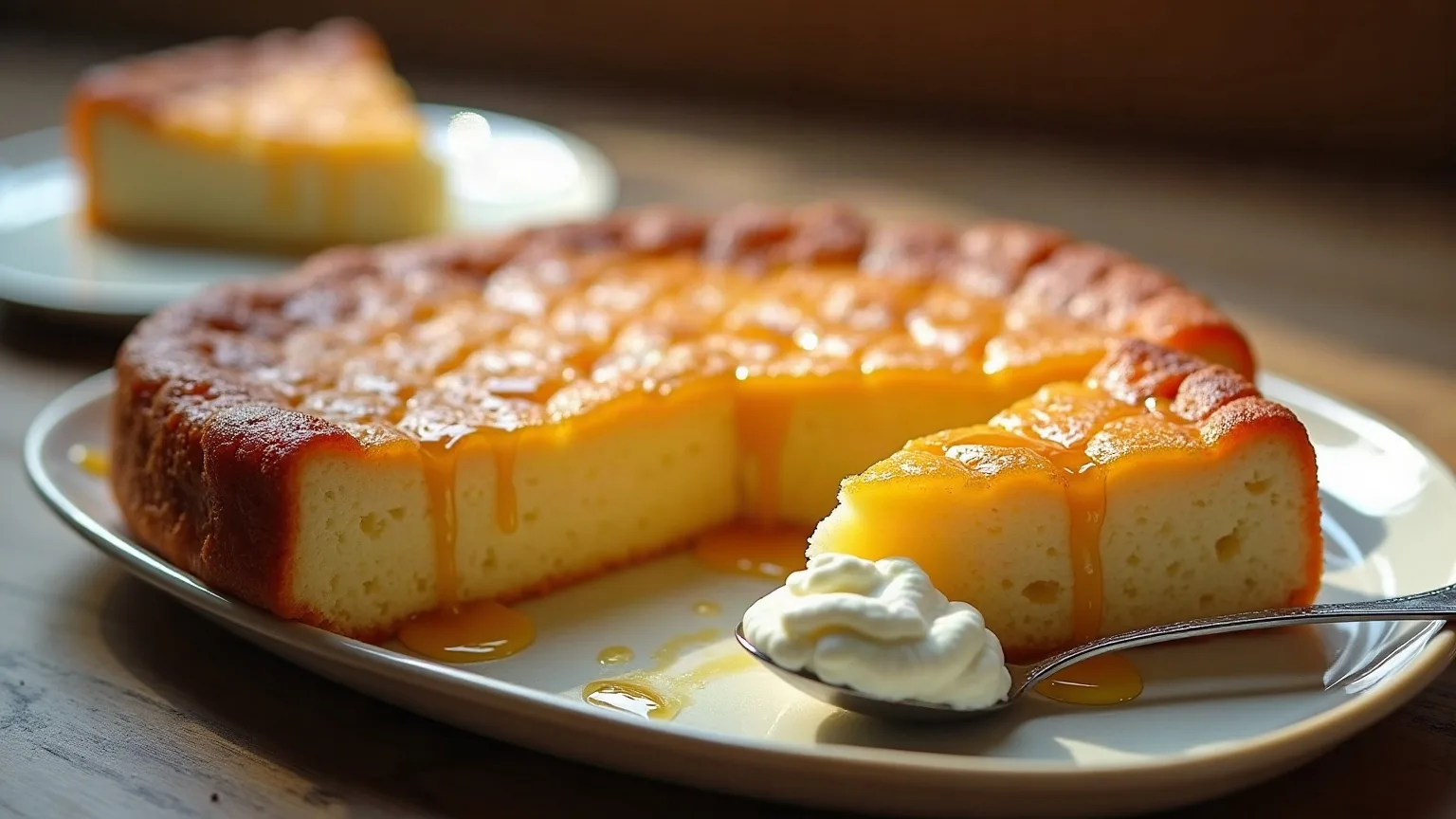
Yoghurt syrup cake
A pale tray bake cut into squares or diamonds and drenched in cold syrup. It looks like revani but is made with flour rather than semolina, and the yoghurt is genuinely in the batter.
The knack of a syrup cake is a balance: loose enough to drink the syrup, firm enough not to disintegrate, and the body the yoghurt gives is exactly what delivers it. The lemon strengthens the acid side in the batter and inverts sucrose in the syrup to stop it crystallising.
What it is made of
 Yoghurt
pH 4.4 · splits above 85 °C
Dairy: it brings creaminess, protein and calcium.
Temper it with a few spoons of the hot liquid before it goes in; added straight, it splits.
Eg
Yoghurt
pH 4.4 · splits above 85 °C
Dairy: it brings creaminess, protein and calcium.
Temper it with a few spoons of the hot liquid before it goes in; added straight, it splits.
Eg
 Egg
White 62 °C · yolk 65 °C
Gives body: the bulk of the plate and its starch.
Crack it on a flat surface, not the rim of the bowl: a sharp edge drives shell into the egg.
Sg
Egg
White 62 °C · yolk 65 °C
Gives body: the bulk of the plate and its starch.
Crack it on a flat surface, not the rim of the bowl: a sharp edge drives shell into the egg.
Sg
 Sugar
Caramelises at 160 °C
Sweetens: it binds water and caramelises.
A teaspoon in a tomato dish does not sweeten it; it takes the edge off the acid.
Bt
Sugar
Caramelises at 160 °C
Sweetens: it binds water and caramelises.
A teaspoon in a tomato dish does not sweeten it; it takes the edge off the acid.
Bt
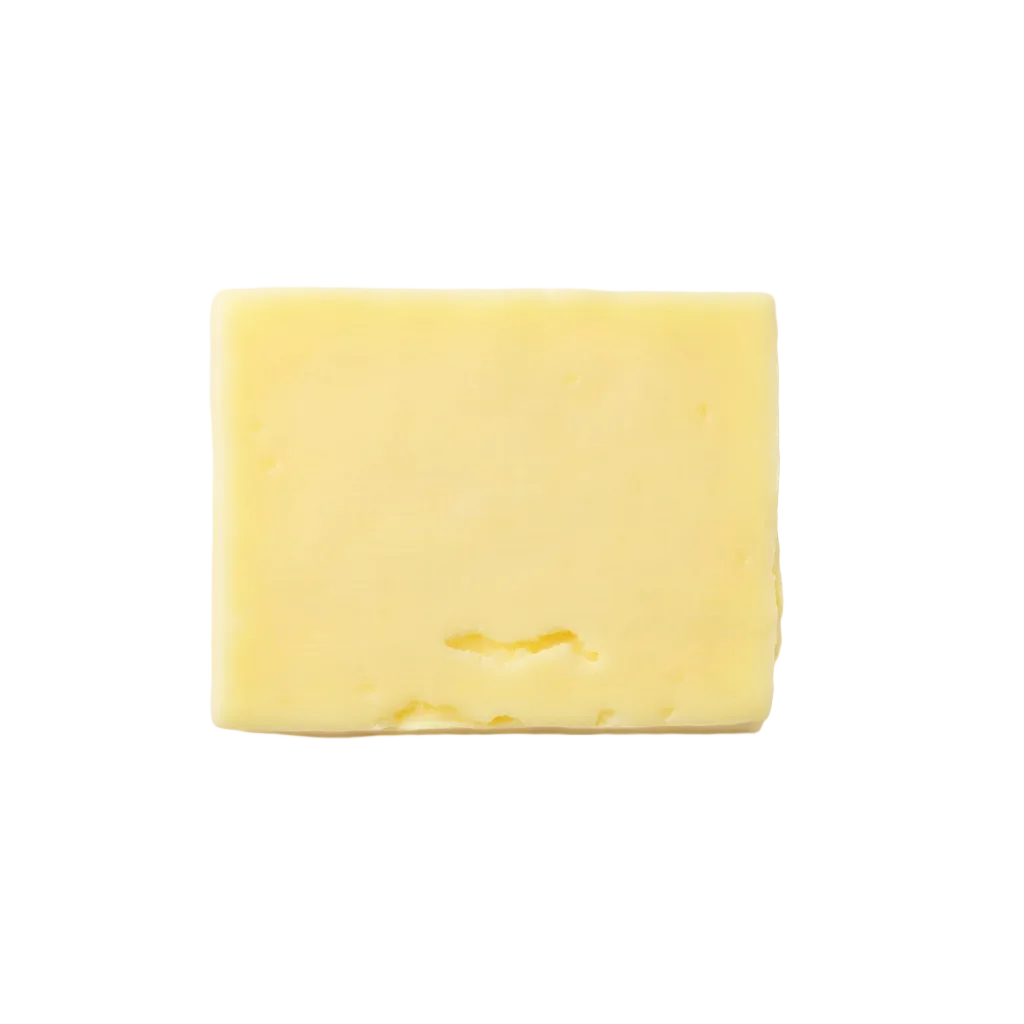 Butter
Smoke point 150 °C · milk solids burn
Fat: it carries the aroma and softens the texture.
Add a spoon of neutral oil alongside it: the mix survives a higher temperature before the solids burn.
Fl
Butter
Smoke point 150 °C · milk solids burn
Fat: it carries the aroma and softens the texture.
Add a spoon of neutral oil alongside it: the mix survives a higher temperature before the solids burn.
Fl
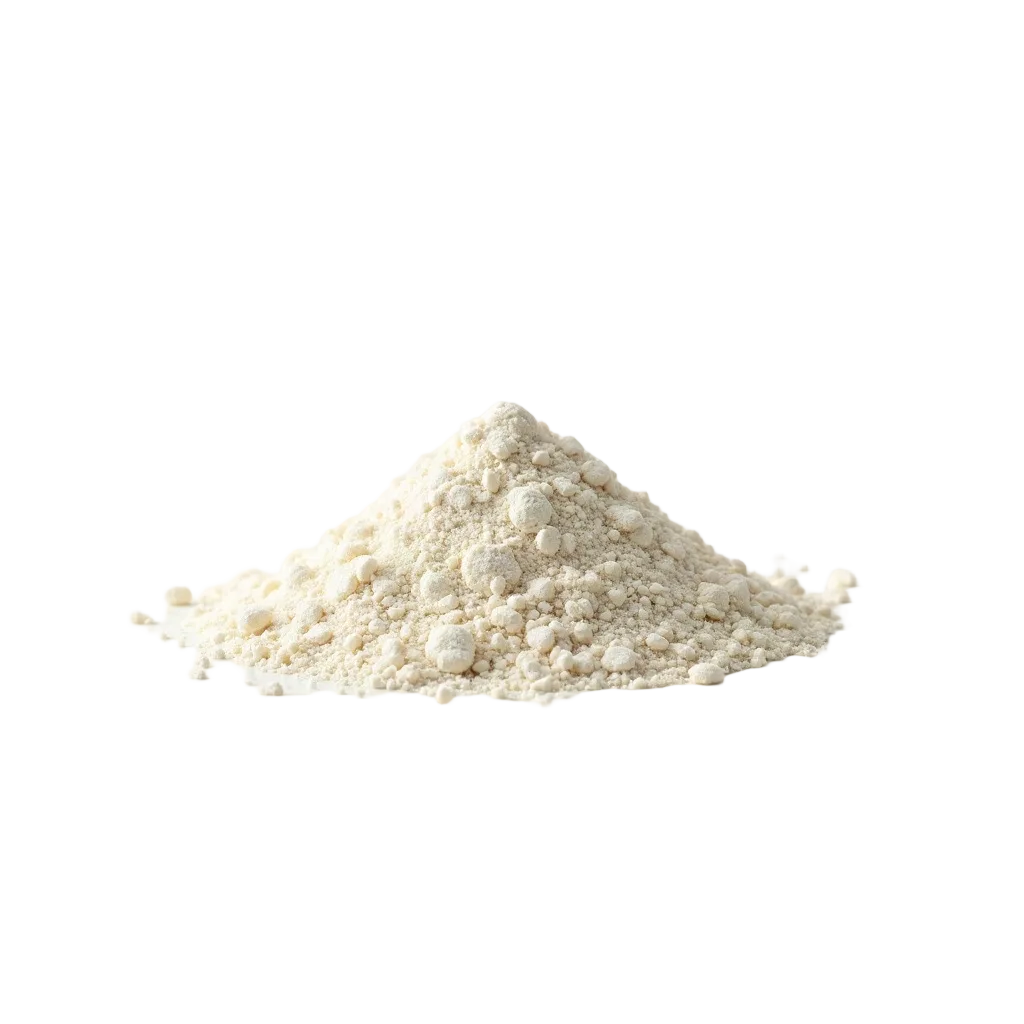 Flour
Protein 10–12% · builds gluten
Binds: it builds the structure and holds the water.
Sifting does not remove lumps, it aerates: the same weight takes more space. Weigh it, never scoop it.
Le
Flour
Protein 10–12% · builds gluten
Binds: it builds the structure and holds the water.
Sifting does not remove lumps, it aerates: the same weight takes more space. Weigh it, never scoop it.
Le
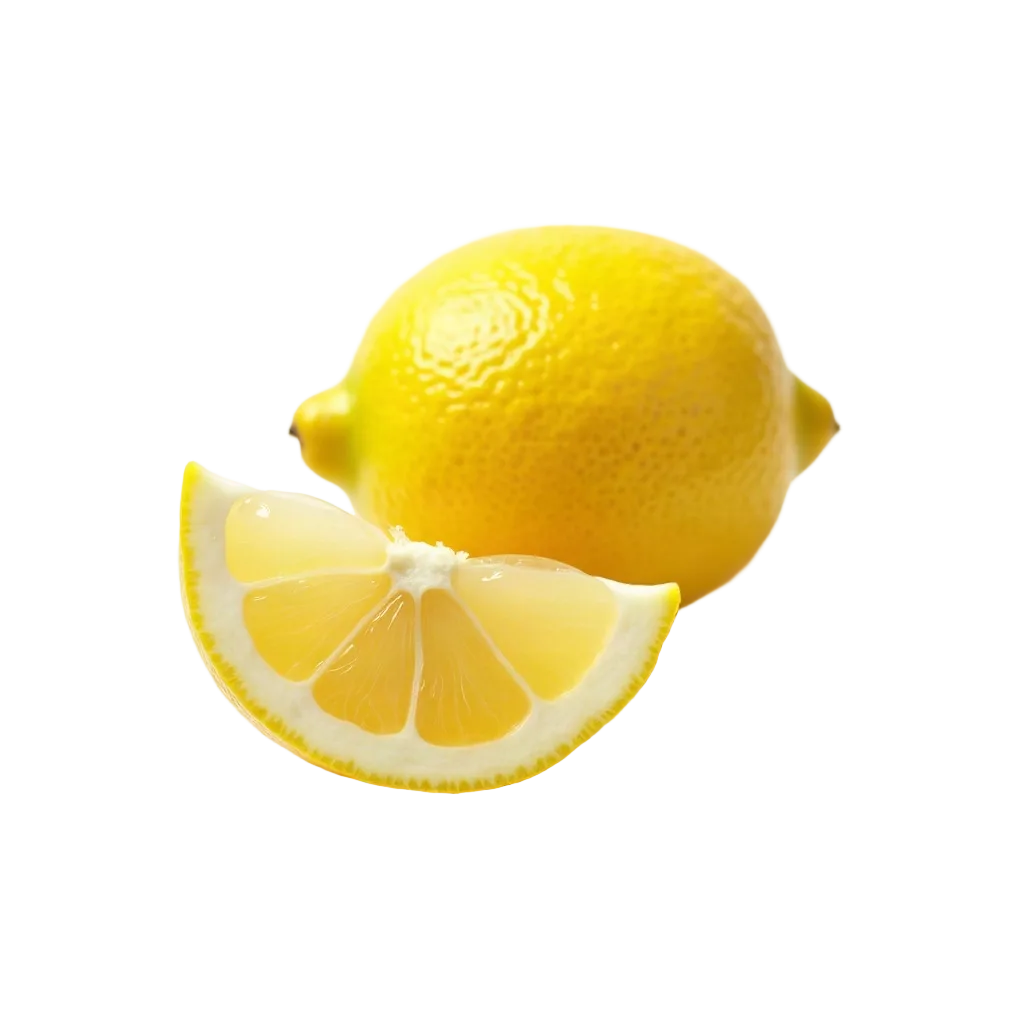 Lemon
pH 2.2 · 5% citric acid
Brings acid: it cuts protein and lifts the taste.
Roll it on the counter before juicing: the cell walls break and the same lemon gives noticeably more juice.
Bs
Lemon
pH 2.2 · 5% citric acid
Brings acid: it cuts protein and lifts the taste.
Roll it on the counter before juicing: the cell walls break and the same lemon gives noticeably more juice.
Bs
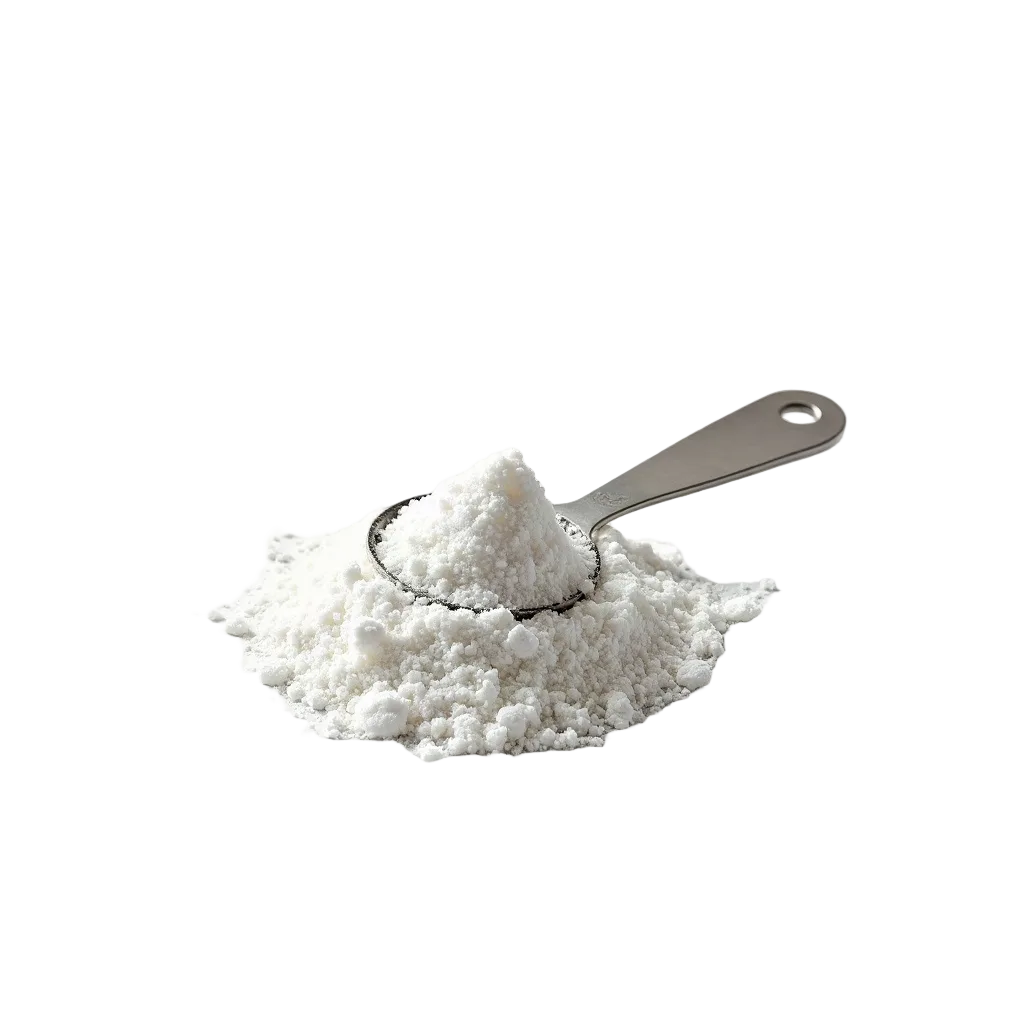 Baking soda
pH 8.4 · does nothing without acid
Leavens: it makes gas and lifts the dough.
A teaspoon is about 4 g, and it always needs an acid beside it; without one it leaves a soapy taste.
Baking soda
pH 8.4 · does nothing without acid
Leavens: it makes gas and lifts the dough.
A teaspoon is about 4 g, and it always needs an acid beside it; without one it leaves a soapy taste.
What it tastes like
The axes that define this dish: sweet 31, sour 25, aroma 46 — the ones sitting clearly above the average.
This profile is computed rather than measured: the role-weighted average of its ingredients’ taste vectors, shifted by what the cooking does. The thin line is the database average on that axis.
How it is made
-
Whip the eggs with the sugar until foamy and fold in the yoghurt.
-
Sift in the flour and baking powder to a pourable batter.
-
Pour into a greased tray and bake at 170 °C for 30 to 35 minutes.
-
Cut it into squares or diamonds while warm and pour cold syrup over.
-
Give it at least two hours to take up the syrup.
Where it comes from
From the Ottoman culinary inheritance; made for festive occasions in Kayseri.