
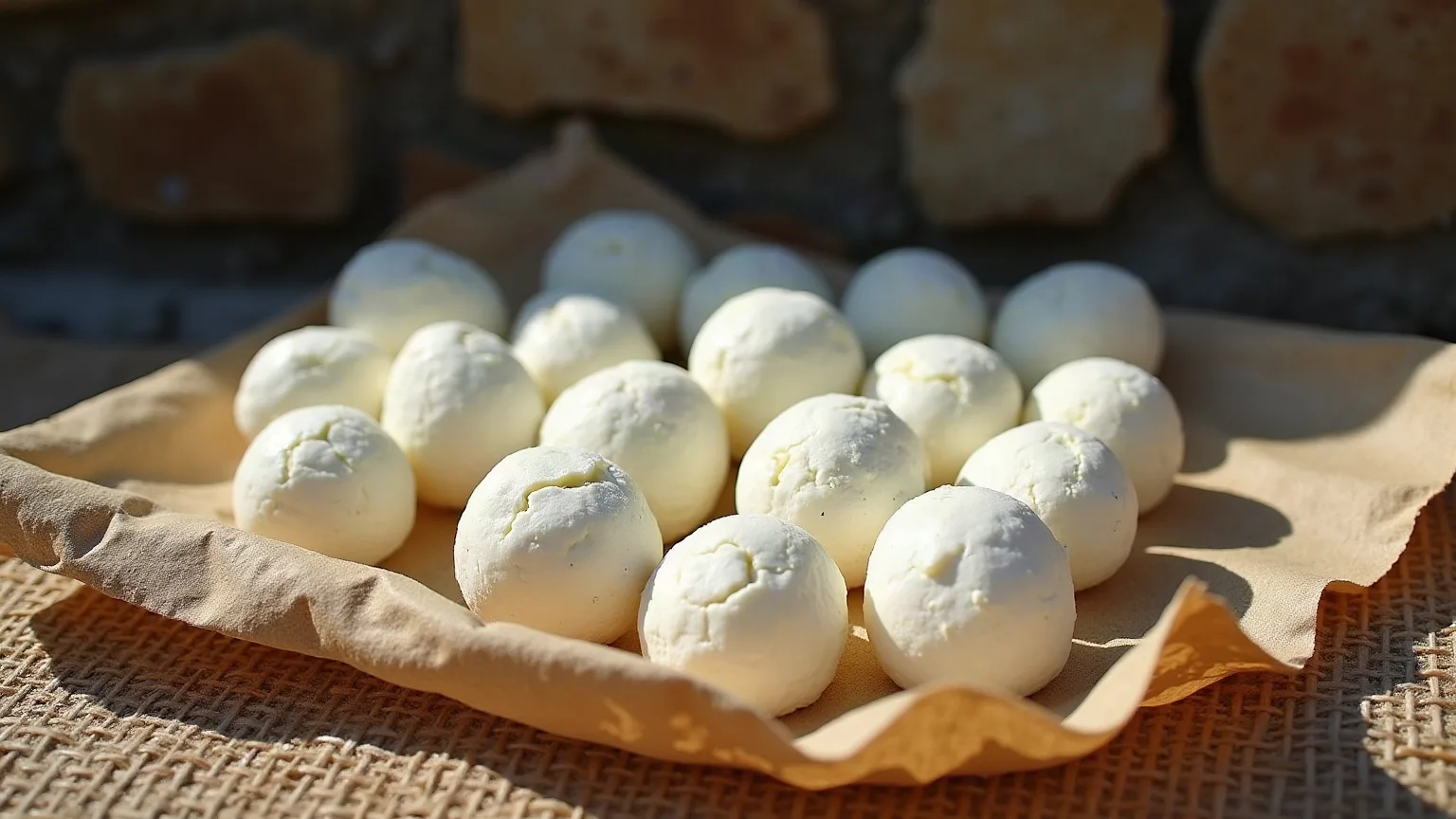
Dried yoghurt balls
Skimmed yoghurt or churn buttermilk is strained, kneaded hard with salt, formed into egg-sized balls and sun-dried until rock hard. It rehydrates into a sour paste or is grated into soups.
Preservation comes from three hurdles working together: low water activity from sun-drying, low pH from lactic fermentation, and high salt. Together they keep kurut for months, often more than a year, without refrigeration.
What it is made of
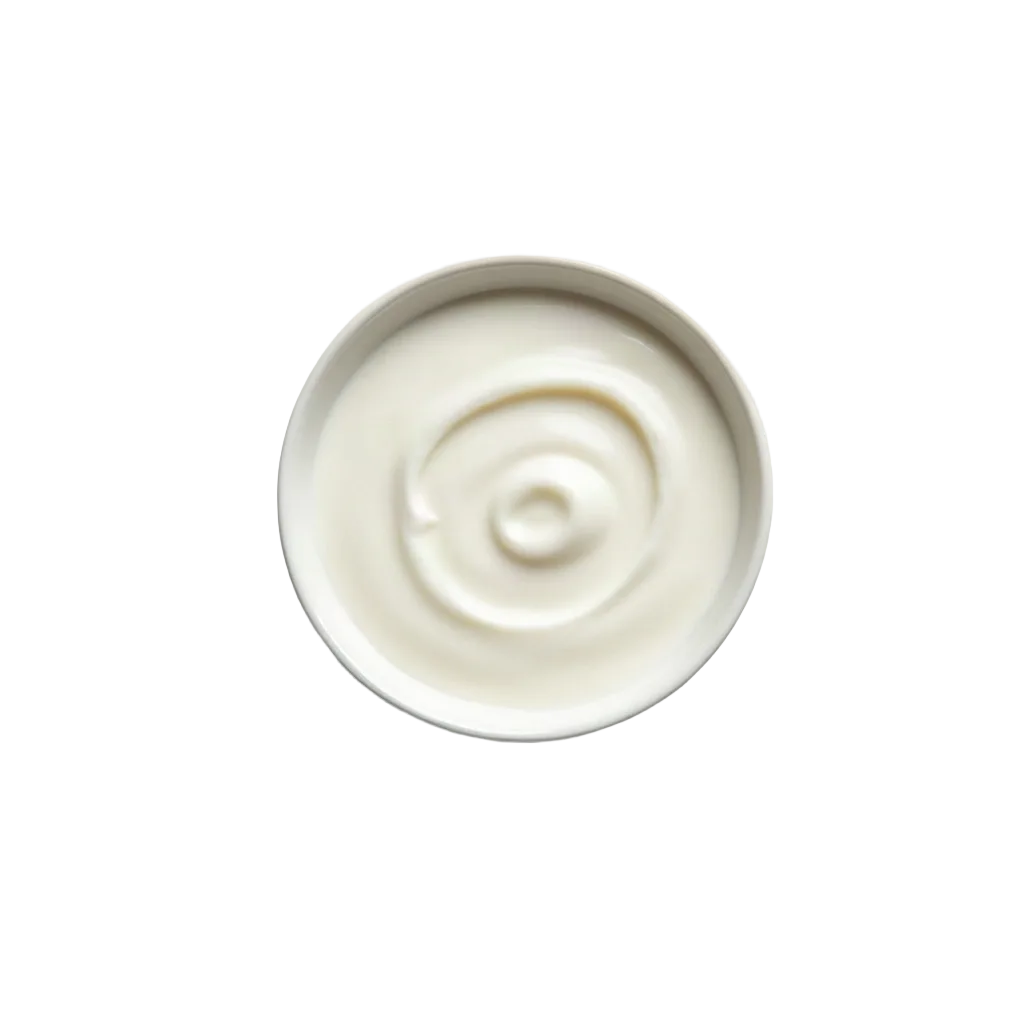 Yoghurt
pH 4.4 · splits above 85 °C
Dairy: it brings creaminess, protein and calcium.
Temper it with a few spoons of the hot liquid before it goes in; added straight, it splits.
Sa2
Yoghurt
pH 4.4 · splits above 85 °C
Dairy: it brings creaminess, protein and calcium.
Temper it with a few spoons of the hot liquid before it goes in; added straight, it splits.
Sa2
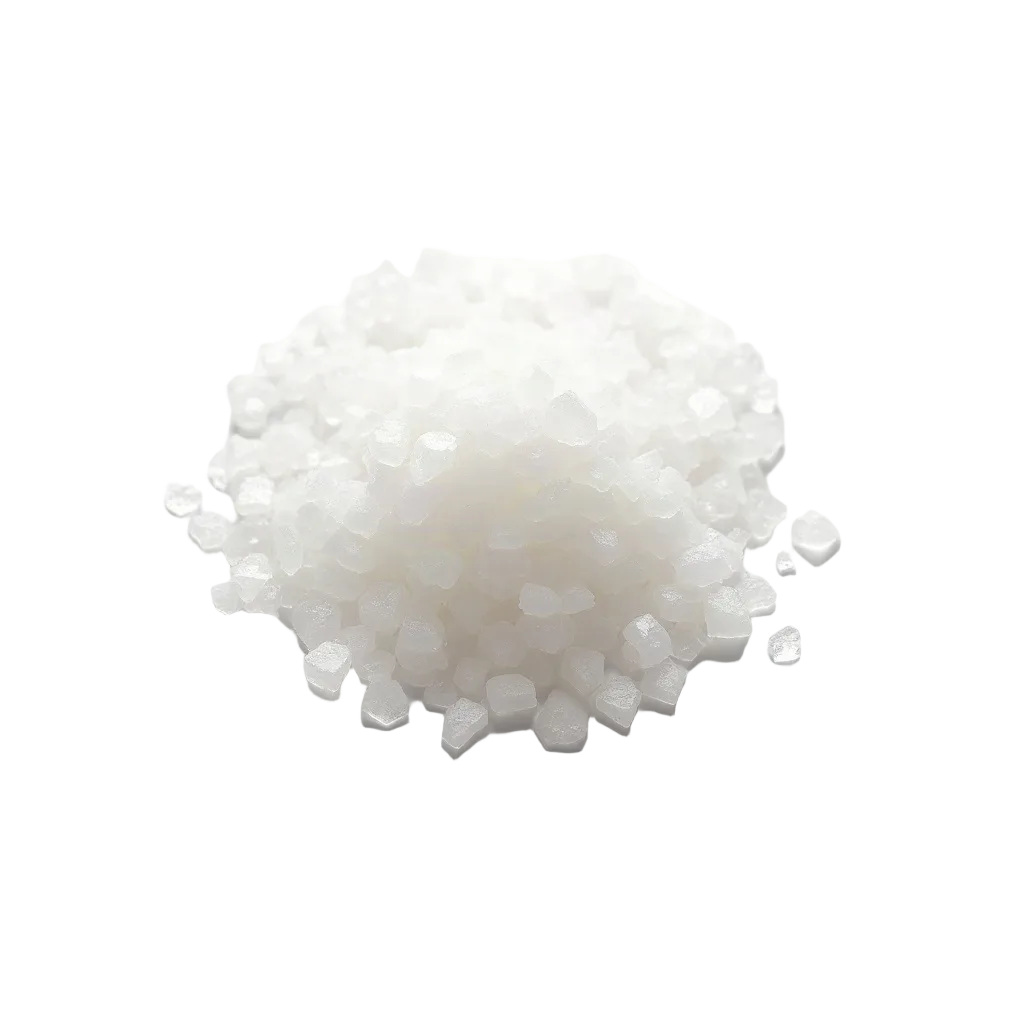 Salt
0.8–1.5% of the weight of the food
Seasoning: it sets the perception and balances the salt.
0.8–1.5% of the weight of the food. Coarse and fine salt do not weigh the same by the spoon, so weigh it.
Salt
0.8–1.5% of the weight of the food
Seasoning: it sets the perception and balances the salt.
0.8–1.5% of the weight of the food. Coarse and fine salt do not weigh the same by the spoon, so weigh it.
What it tastes like
The axes that define this dish: sour 42, salty 38 — the ones sitting clearly above the average.
This profile is computed rather than measured: the role-weighted average of its ingredients’ taste vectors, shifted by what the cooking does. The thin line is the database average on that axis.
How it is made
-
Strain de-fatted yoghurt or churn buttermilk in muslin for a day.
-
Knead it hard with plenty of salt.
Why Salt lowers the water activity, and where drying alone is not enough, that is what preserves it. -
Form egg-sized balls and lay them on matting or cloth.
-
Dry them in the sun for three to five days, turning once a day, until rock hard.
Where it comes from
Turkic *kurut* comes from the verb to dry. It is the steppe technology for keeping milk through winter and on the move, shared across Central Asia, Iran and the Caucasus.