
Keş
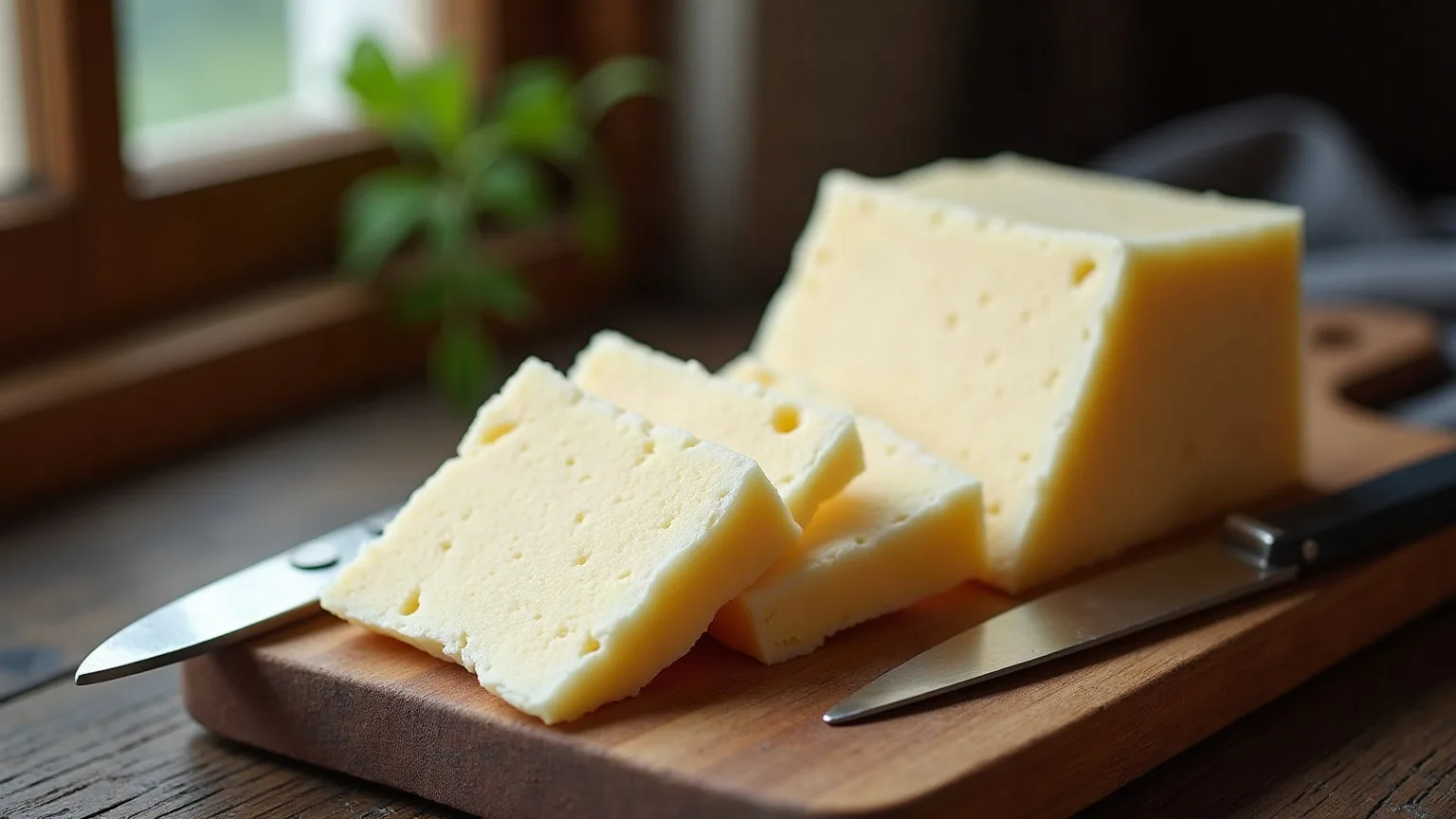
A hard cheese made from strained yoghurt and put through a ten-day drying. Bolu keş comes in blocks; the related katık keşi is shaped like a spinning top.
The high salt is the stated reason for its keeping. It is rich in protein and calcium, and because the drying is shorter than kurut’s the texture is firm and gratable rather than rock hard.
What it is made of
 Yoghurt
pH 4.4 · splits above 85 °C
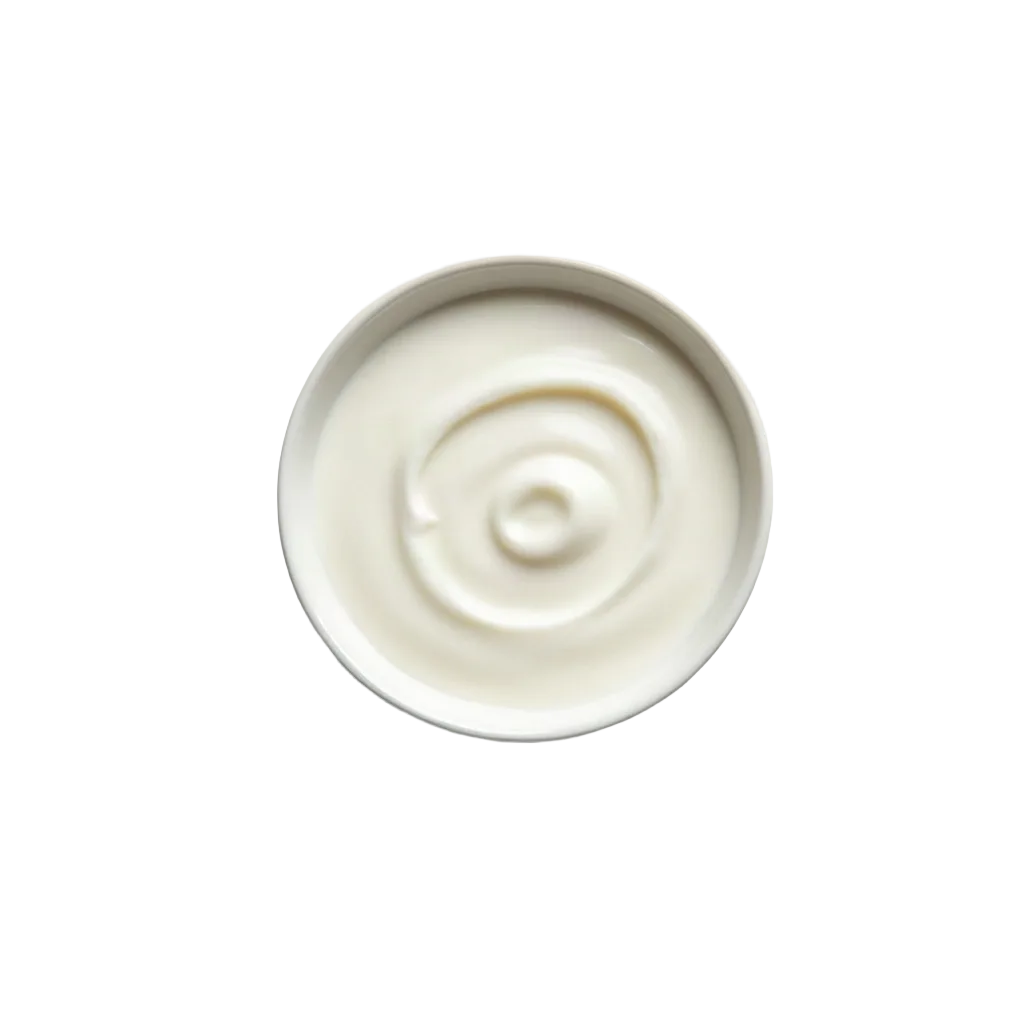
Dairy: it brings creaminess, protein and calcium.
Temper it with a few spoons of the hot liquid before it goes in; added straight, it splits.
Sa2
Yoghurt
pH 4.4 · splits above 85 °C
Dairy: it brings creaminess, protein and calcium.
Temper it with a few spoons of the hot liquid before it goes in; added straight, it splits.
Sa2
 Salt
0.8–1.5% of the weight of the food
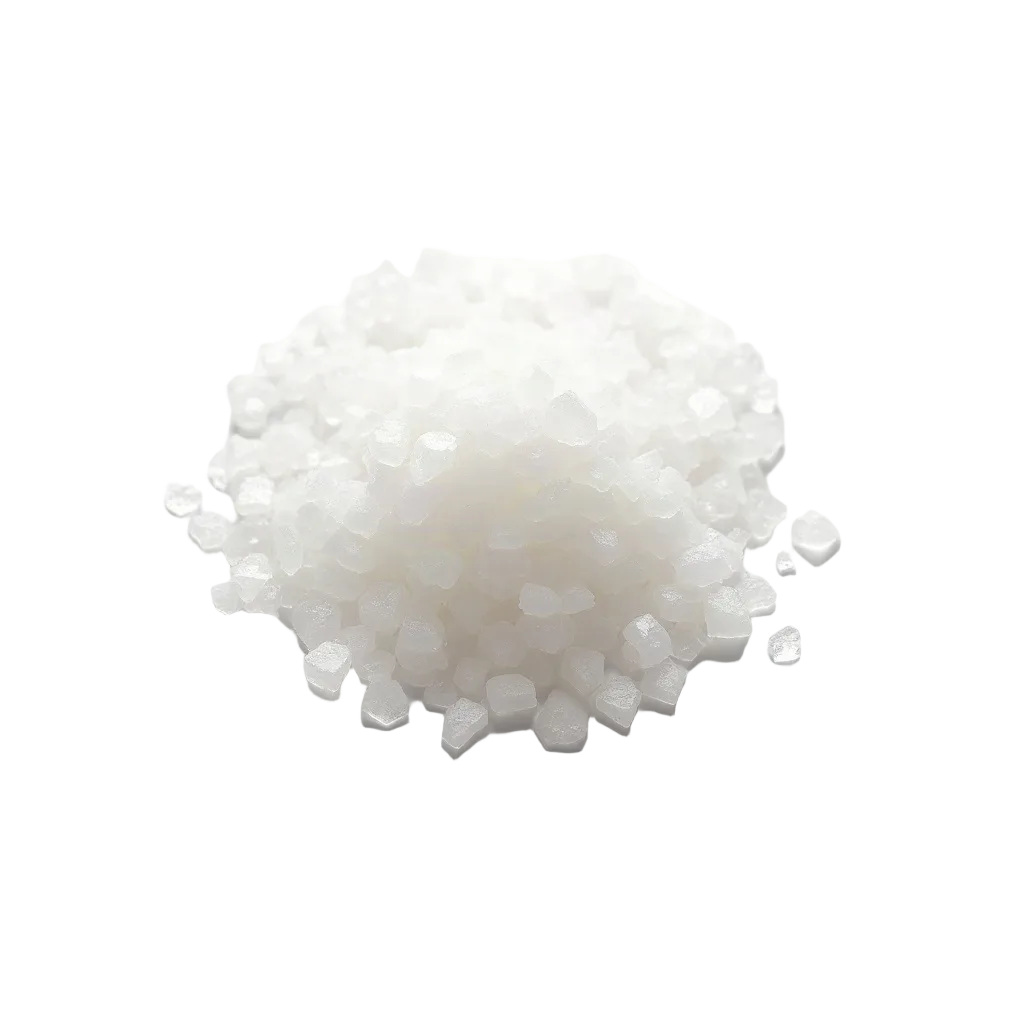
Seasoning: it sets the perception and balances the salt.
0.8–1.5% of the weight of the food. Coarse and fine salt do not weigh the same by the spoon, so weigh it.
Salt
0.8–1.5% of the weight of the food
Seasoning: it sets the perception and balances the salt.
0.8–1.5% of the weight of the food. Coarse and fine salt do not weigh the same by the spoon, so weigh it.
What it tastes like
The axes that define this dish: sour 42, salty 38 — the ones sitting clearly above the average.
This profile is computed rather than measured: the role-weighted average of its ingredients’ taste vectors, shifted by what the cooking does. The thin line is the database average on that axis.
How it is made
-
Knead strained yoghurt thoroughly with salt.
-
Press it into a mould or shape it into blocks by hand.
-
Dry it somewhere cool and airy for ten days, turning it daily.
-
Once hard it is grated or sliced thin to eat.
Where it comes from
Bolu keş is generally made in May and June when pasture milk is at its best, and is grated with walnuts into noodles, salads and börek fillings.