
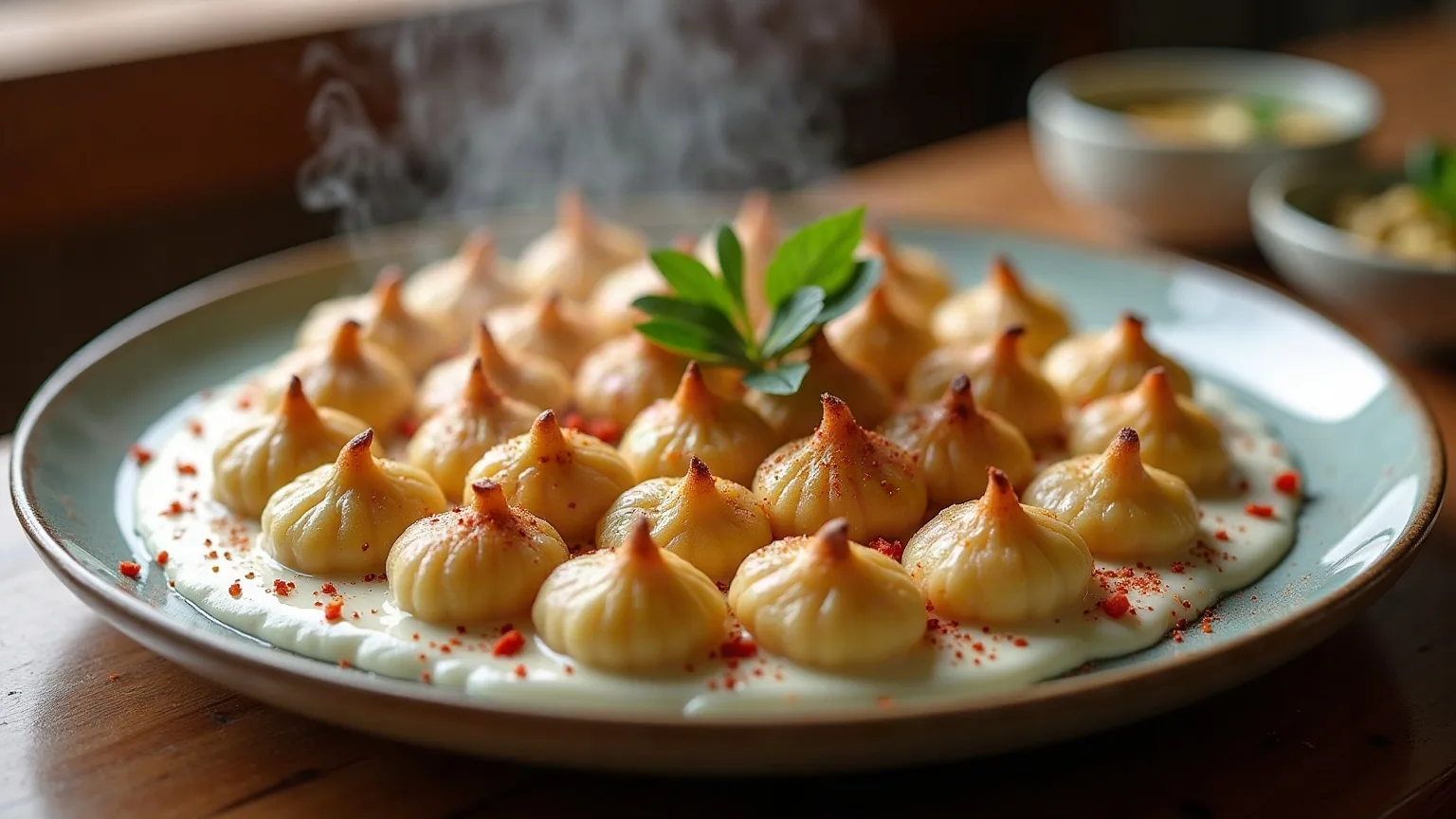
Mantı
Tiny dough parcels are boiled, laid over garlic yoghurt and finished with sizzled butter and chilli. Dried mint and sumac come last.
The order is not arbitrary: cold garlic yoghurt underneath, hot fat on top. Both capsaicinoids and carotenoids are fat soluble rather than water soluble, so sprinkling chilli onto yoghurt does almost nothing while sending it through fat carries both the colour and the heat.
What it is made of
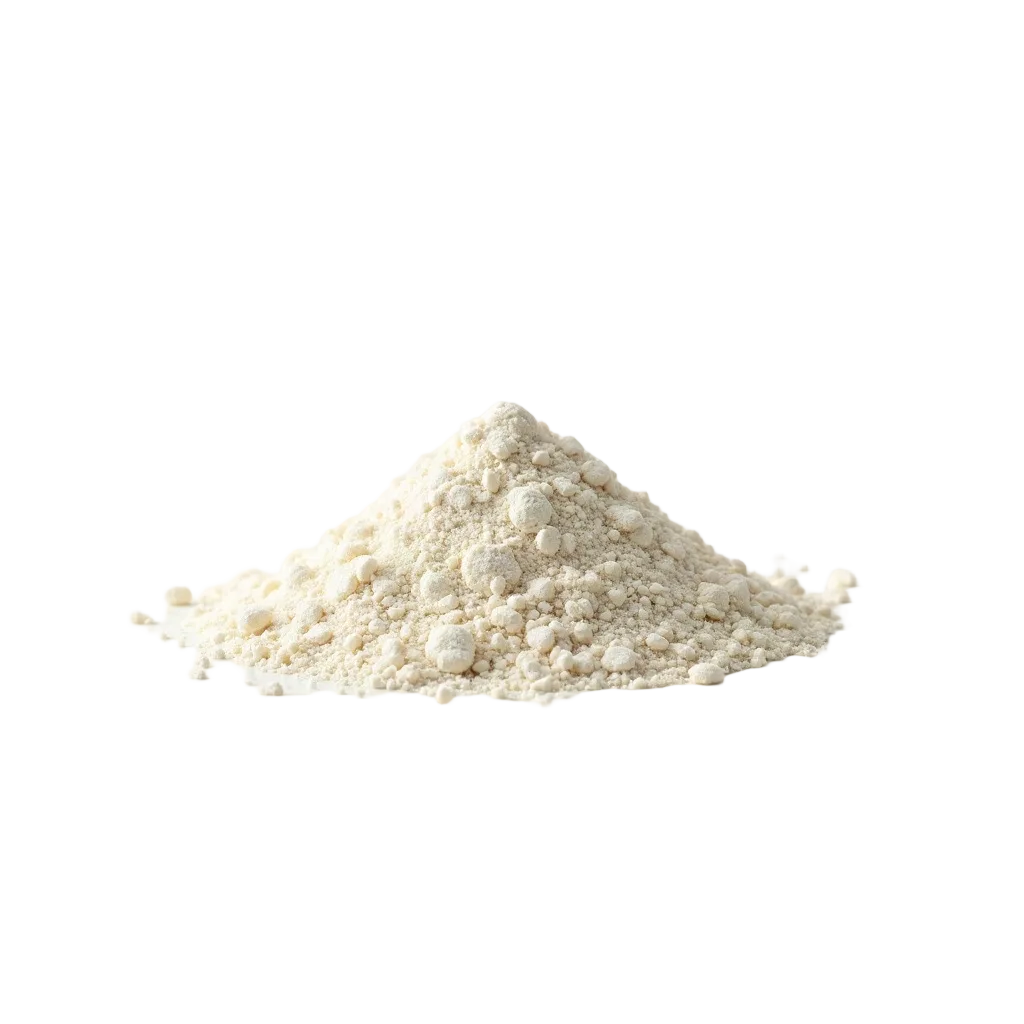 Flour
Protein 10–12% · builds gluten
Binds: it builds the structure and holds the water.
Sifting does not remove lumps, it aerates: the same weight takes more space. Weigh it, never scoop it.
Eg
Flour
Protein 10–12% · builds gluten
Binds: it builds the structure and holds the water.
Sifting does not remove lumps, it aerates: the same weight takes more space. Weigh it, never scoop it.
Eg
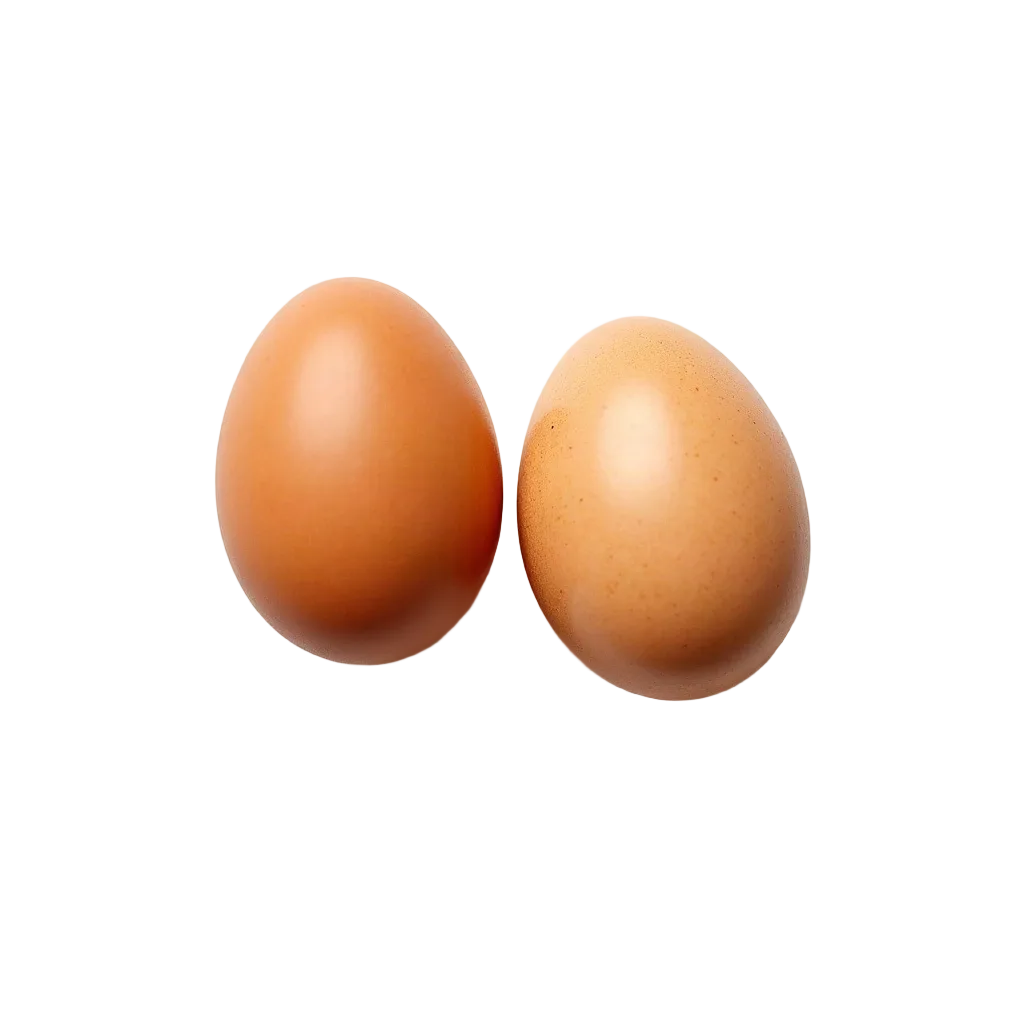 Egg
White 62 °C · yolk 65 °C
Gives body: the bulk of the plate and its starch.
Crack it on a flat surface, not the rim of the bowl: a sharp edge drives shell into the egg.
Yo
Egg
White 62 °C · yolk 65 °C
Gives body: the bulk of the plate and its starch.
Crack it on a flat surface, not the rim of the bowl: a sharp edge drives shell into the egg.
Yo
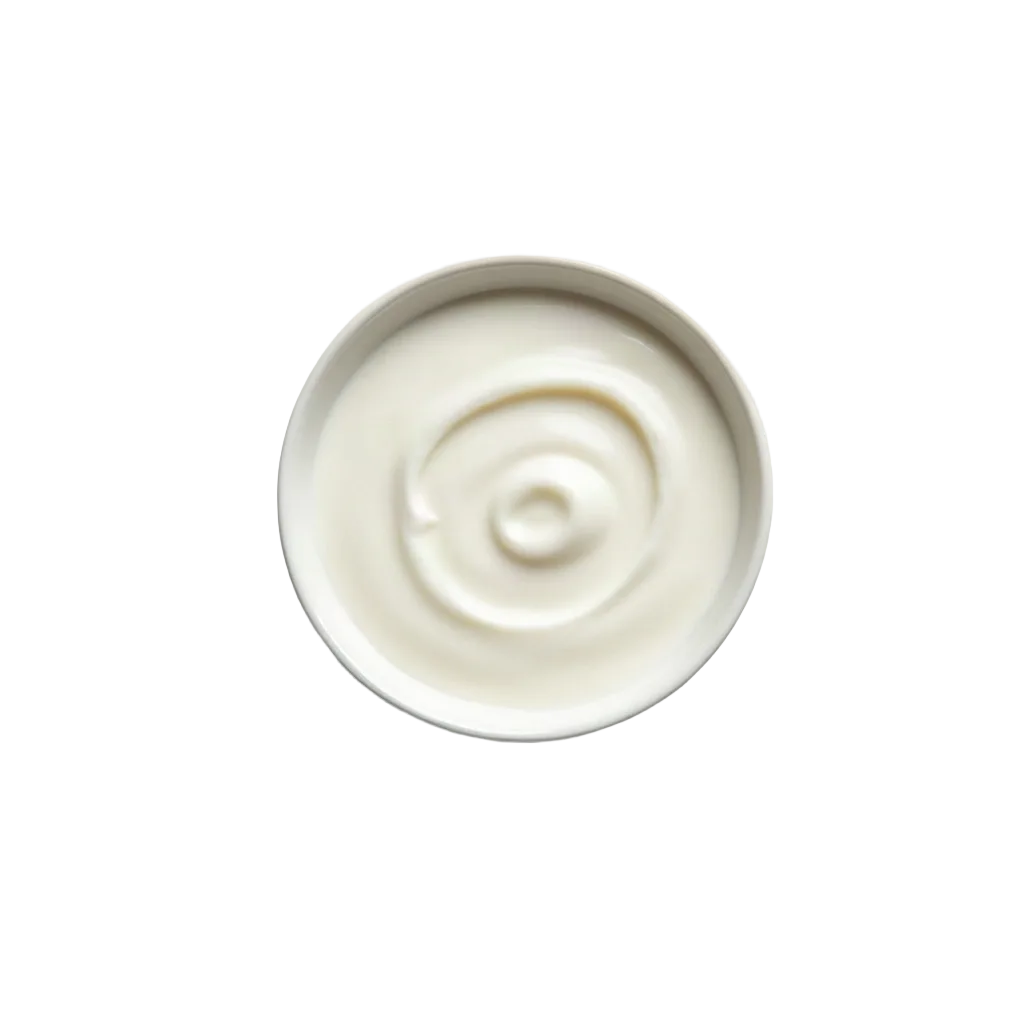 Yoghurt
pH 4.4 · splits above 85 °C
Dairy: it brings creaminess, protein and calcium.
Temper it with a few spoons of the hot liquid before it goes in; added straight, it splits.
Ga
Yoghurt
pH 4.4 · splits above 85 °C
Dairy: it brings creaminess, protein and calcium.
Temper it with a few spoons of the hot liquid before it goes in; added straight, it splits.
Ga
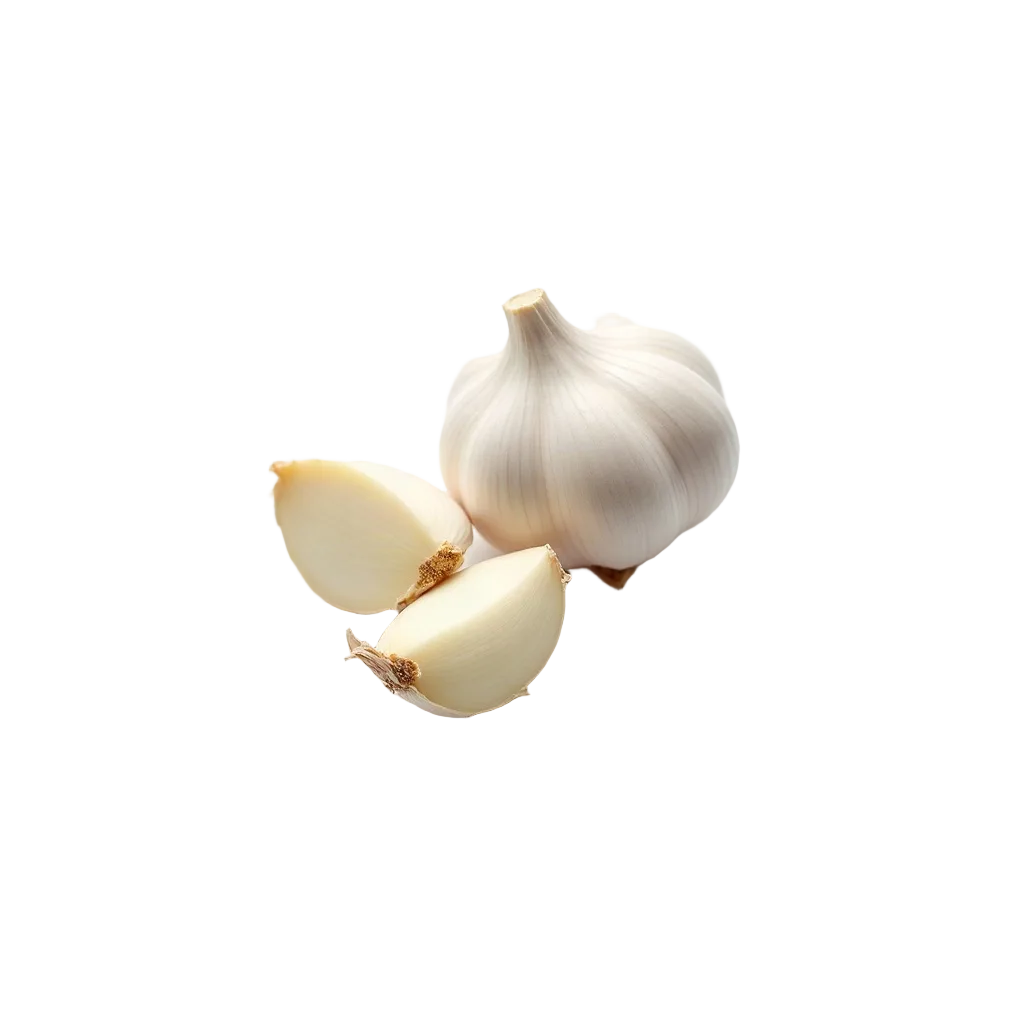 Garlic
Allicin forms 60 s after cutting
A base: it neutralises acid and shifts colour and lift.
Let it sit for a minute after chopping: that is when allicin forms. Straight into the pan and it never appears.
Bt
Garlic
Allicin forms 60 s after cutting
A base: it neutralises acid and shifts colour and lift.
Let it sit for a minute after chopping: that is when allicin forms. Straight into the pan and it never appears.
Bt
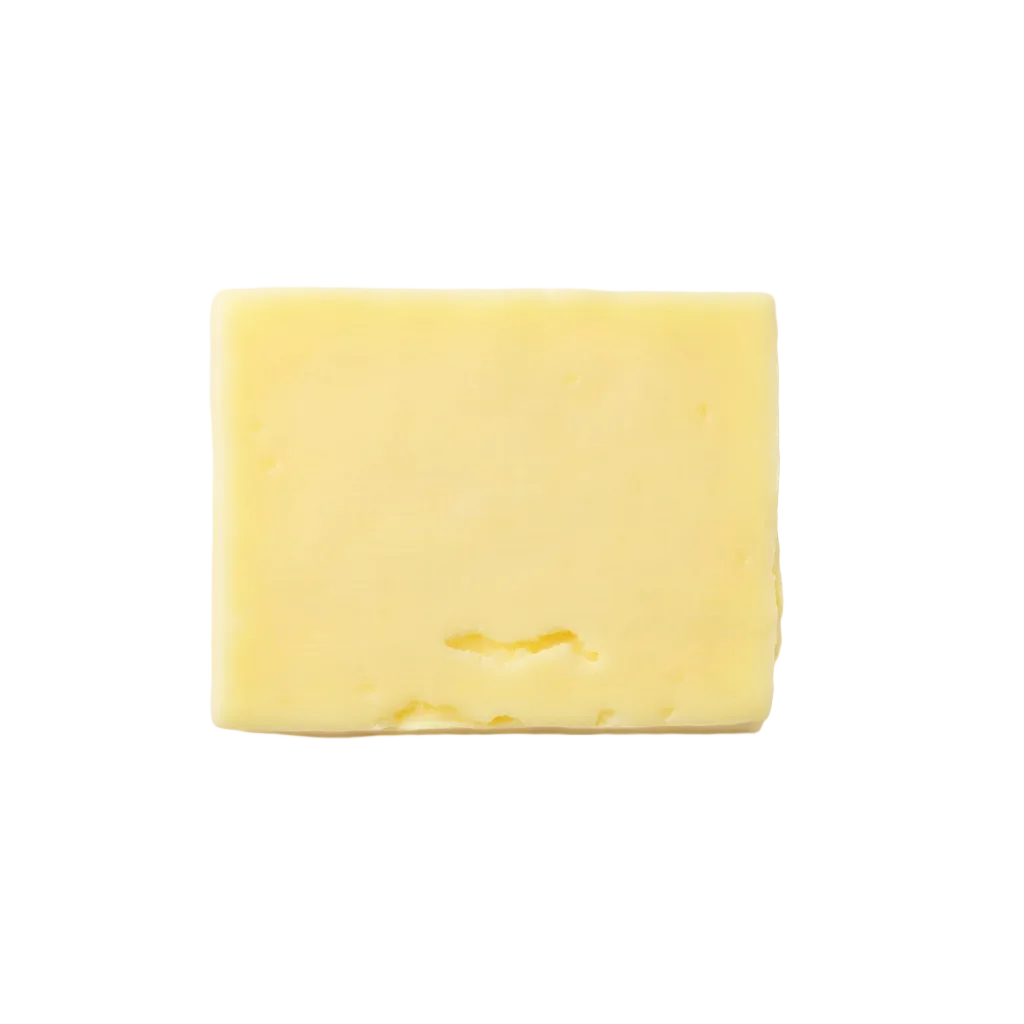 Butter
Smoke point 150 °C · milk solids burn
Fat: it carries the aroma and softens the texture.
Add a spoon of neutral oil alongside it: the mix survives a higher temperature before the solids burn.
Cf
Butter
Smoke point 150 °C · milk solids burn
Fat: it carries the aroma and softens the texture.
Add a spoon of neutral oil alongside it: the mix survives a higher temperature before the solids burn.
Cf
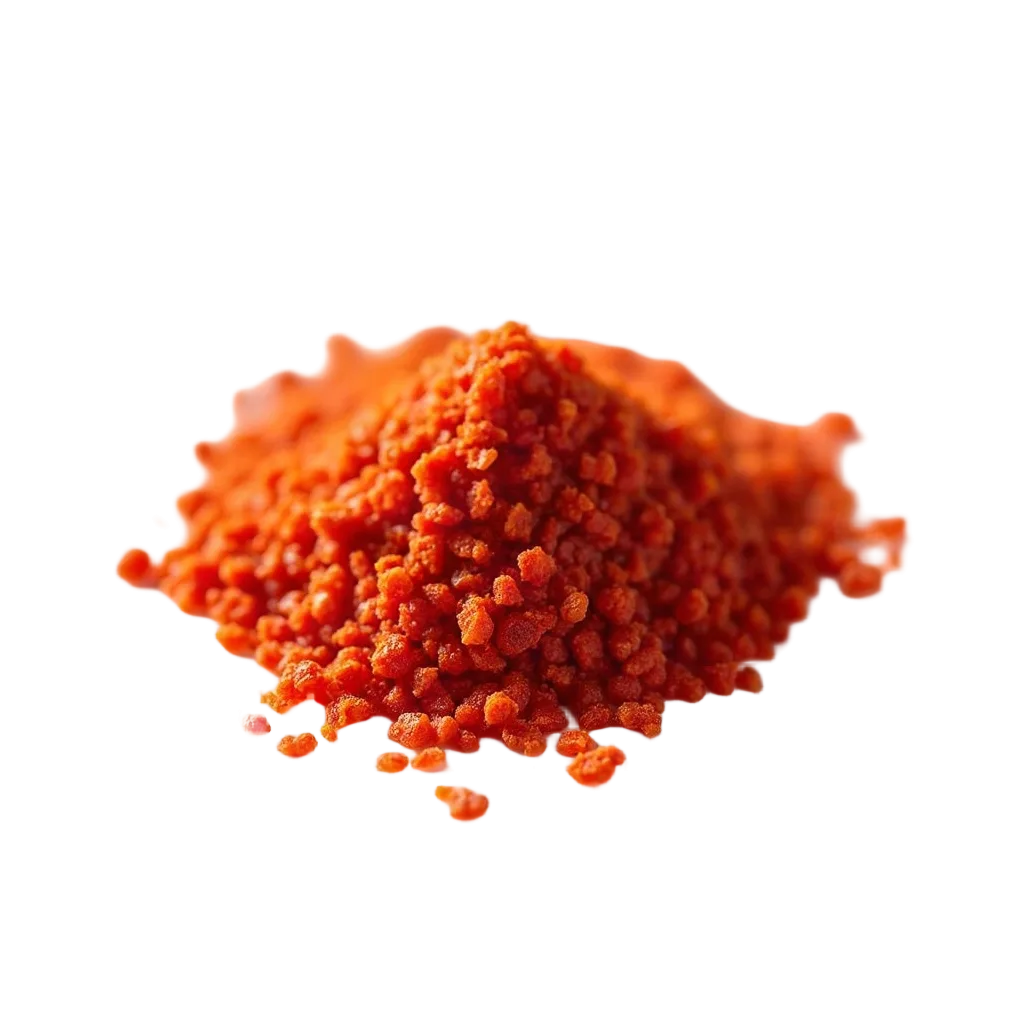 Chilli flakes
Capsaicin dissolves in fat, not water
Spice: it adds aroma and edge.
Capsaicin dissolves in fat, not water: if you want the heat to spread, put it in the oil.
Mi
Chilli flakes
Capsaicin dissolves in fat, not water
Spice: it adds aroma and edge.
Capsaicin dissolves in fat, not water: if you want the heat to spread, put it in the oil.
Mi
 Mint
Menthol is volatile · add off the heat
Spice: it adds aroma and edge.
Fresh mint goes in off the heat; dried mint is bloomed in fat. They are not the same job.
Su
Mint
Menthol is volatile · add off the heat
Spice: it adds aroma and edge.
Fresh mint goes in off the heat; dried mint is bloomed in fat. They are not the same job.
Su
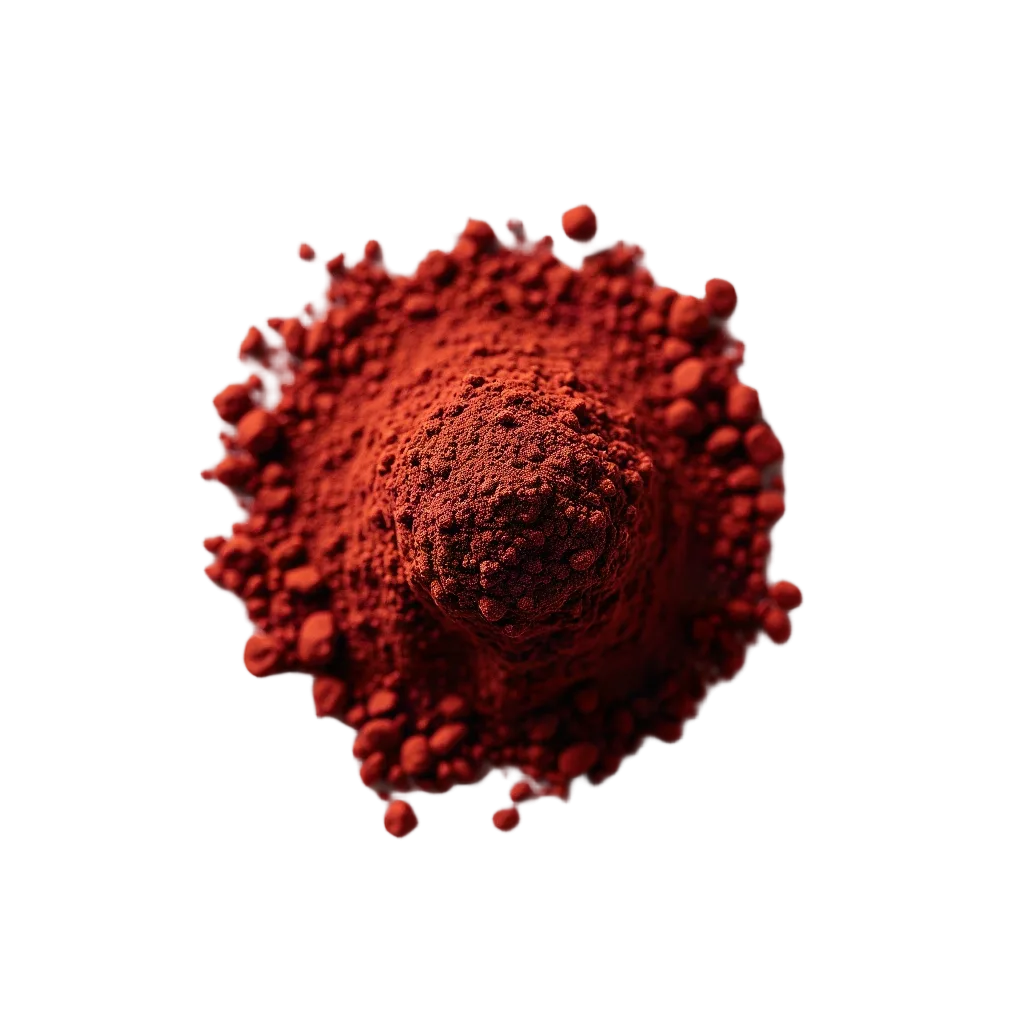 Sumac
pH 3.1 · dry acid that adds no water
Brings acid: it cuts protein and lifts the taste.
It stands in for lemon without adding water: use it when you want acidity in a salad that must stay dry.
Sa2
Sumac
pH 3.1 · dry acid that adds no water
Brings acid: it cuts protein and lifts the taste.
It stands in for lemon without adding water: use it when you want acidity in a salad that must stay dry.
Sa2
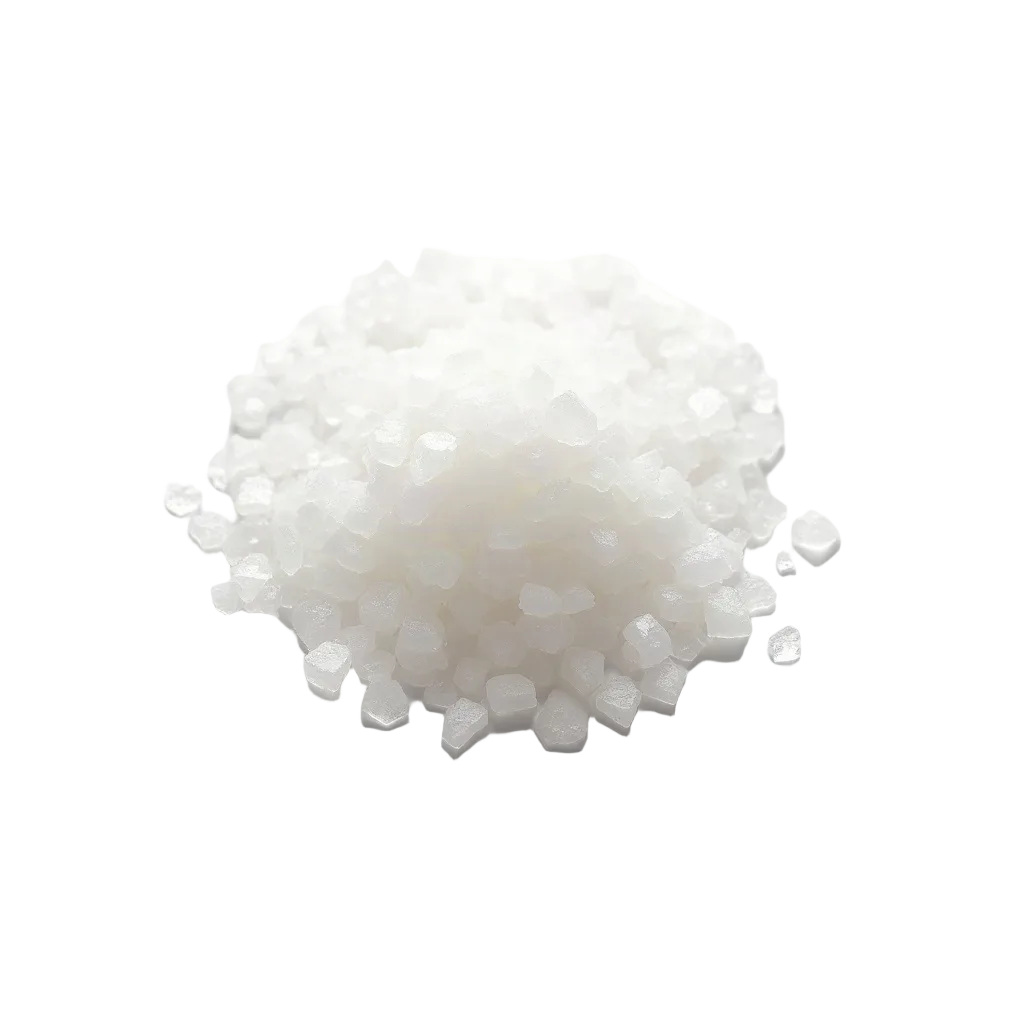 Salt
0.8–1.5% of the weight of the food
Seasoning: it sets the perception and balances the salt.
0.8–1.5% of the weight of the food. Coarse and fine salt do not weigh the same by the spoon, so weigh it.
Salt
0.8–1.5% of the weight of the food
Seasoning: it sets the perception and balances the salt.
0.8–1.5% of the weight of the food. Coarse and fine salt do not weigh the same by the spoon, so weigh it.
What it tastes like
No axis sits clearly above the average: a balanced dish without a sharp character.
This profile is computed rather than measured: the role-weighted average of its ingredients’ taste vectors, shifted by what the cooking does. The thin line is the database average on that axis.
How it is made
-
Knead a firm dough from flour, egg, water and salt and rest it for half an hour.
-
Roll it to a millimetre and cut two-centimetre squares.
-
Put a chickpea-sized piece of mince on each and gather the four corners up, pinching the top closed.
-
Boil them in salted water for eight to ten minutes.
-
Spread garlic yoghurt on the plate, lay the mantı over it and finish with sizzled butter and chilli.
Why The yoghurt is on the plate, not in the pan: hot mantı warms it without taking it far enough to curdle.
Where it comes from
Kayseri mantı is the best known form, continuing a Central Asian dough tradition in Anatolia.