
Scaled to however many of you there are.
Change the headcount and the amounts follow. Salt and spice do not scale in a straight line, and we account for that.
A recipe is how you make a thing: the amounts, the order, the timing and where it goes wrong. The dish pages explain what that thing is — where it comes from, the mechanism behind it, and why skipping one step makes it something else. One stays open in the kitchen; the other is read when you wonder.
34 of 116 recipes. Clear the filter
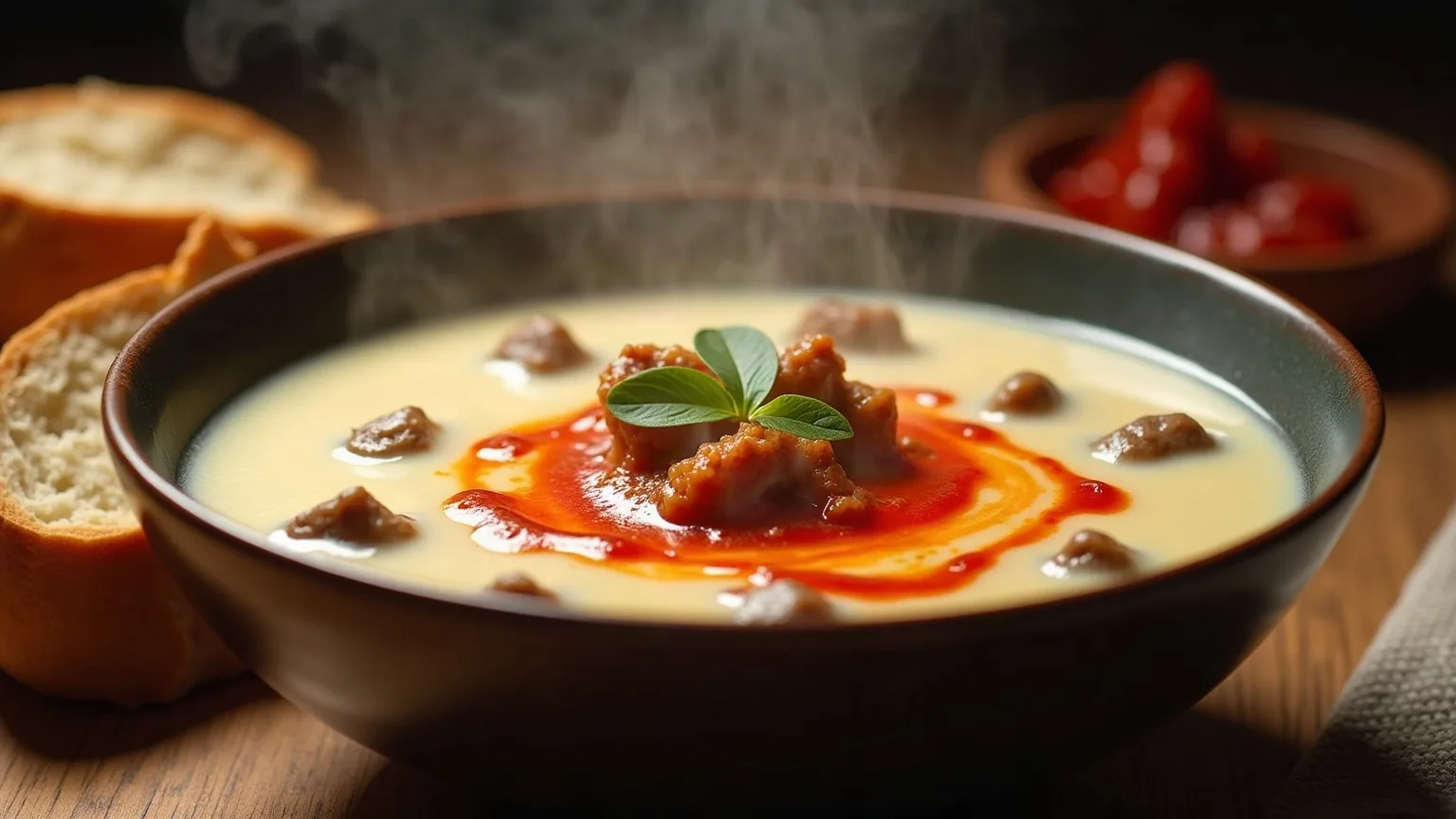
Wedding soup
Lamb broth, a liaison, and red pepper butter over the top: yayla soup’s richer cousin, built on stock instead of water.
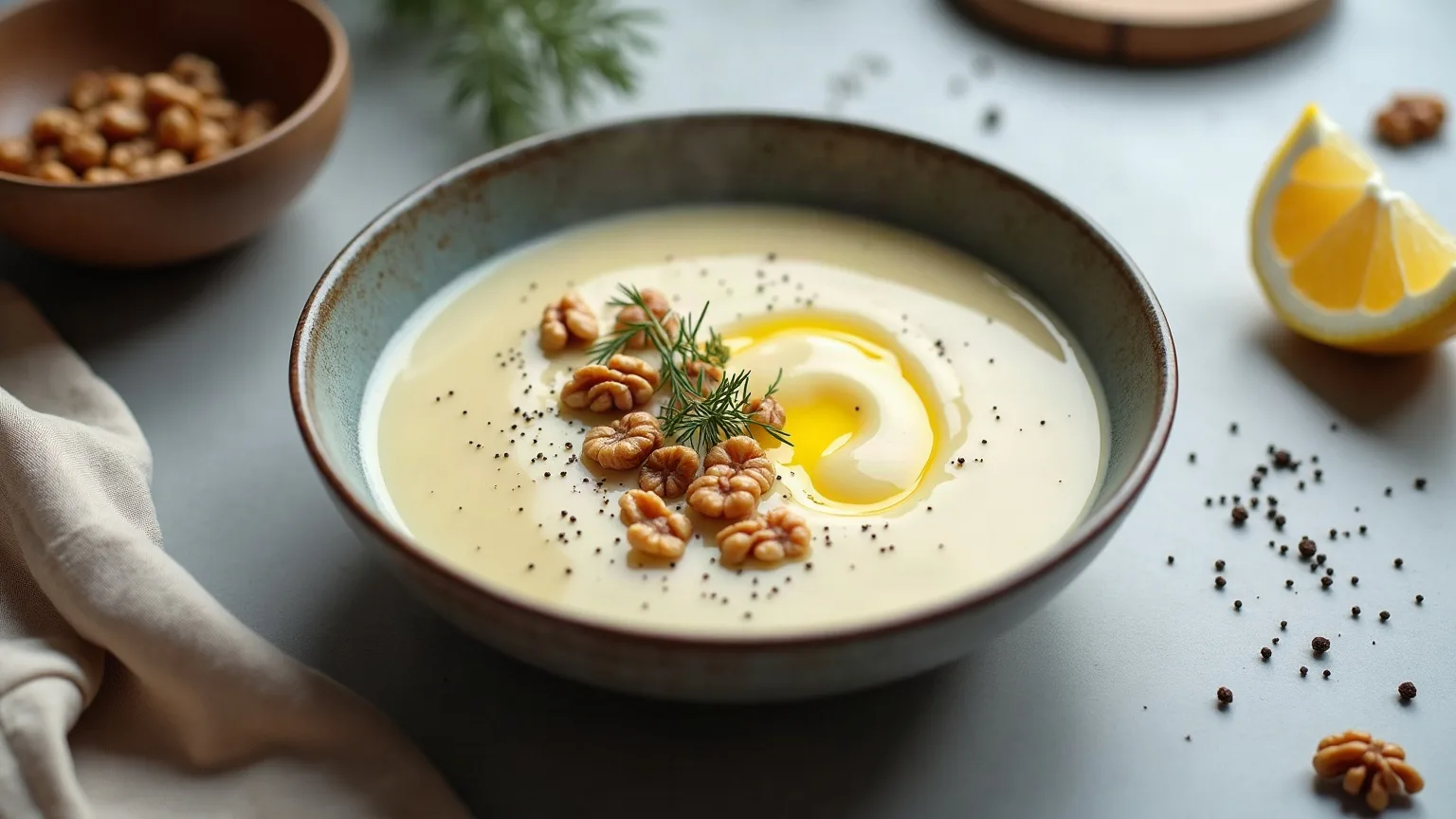
Celeriac soup
Celeriac starts browning the moment it is cut. Dropping it into acidulated water is a chemical intervention rather than a cosmetic one.
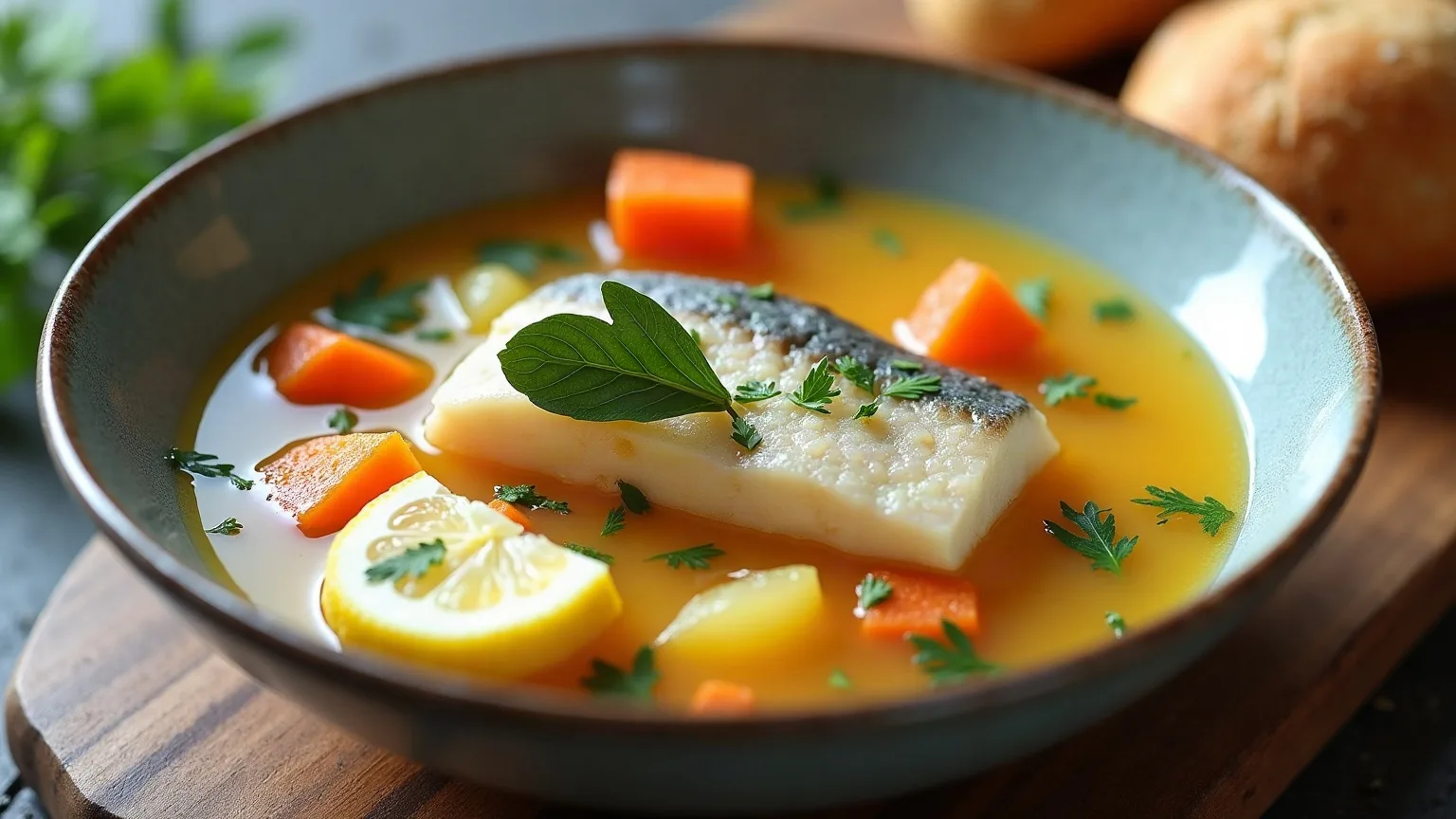
Fish soup
A fish stock is made in twenty minutes and ruined in twenty-five. Unlike meat stock, long cooking here does damage.
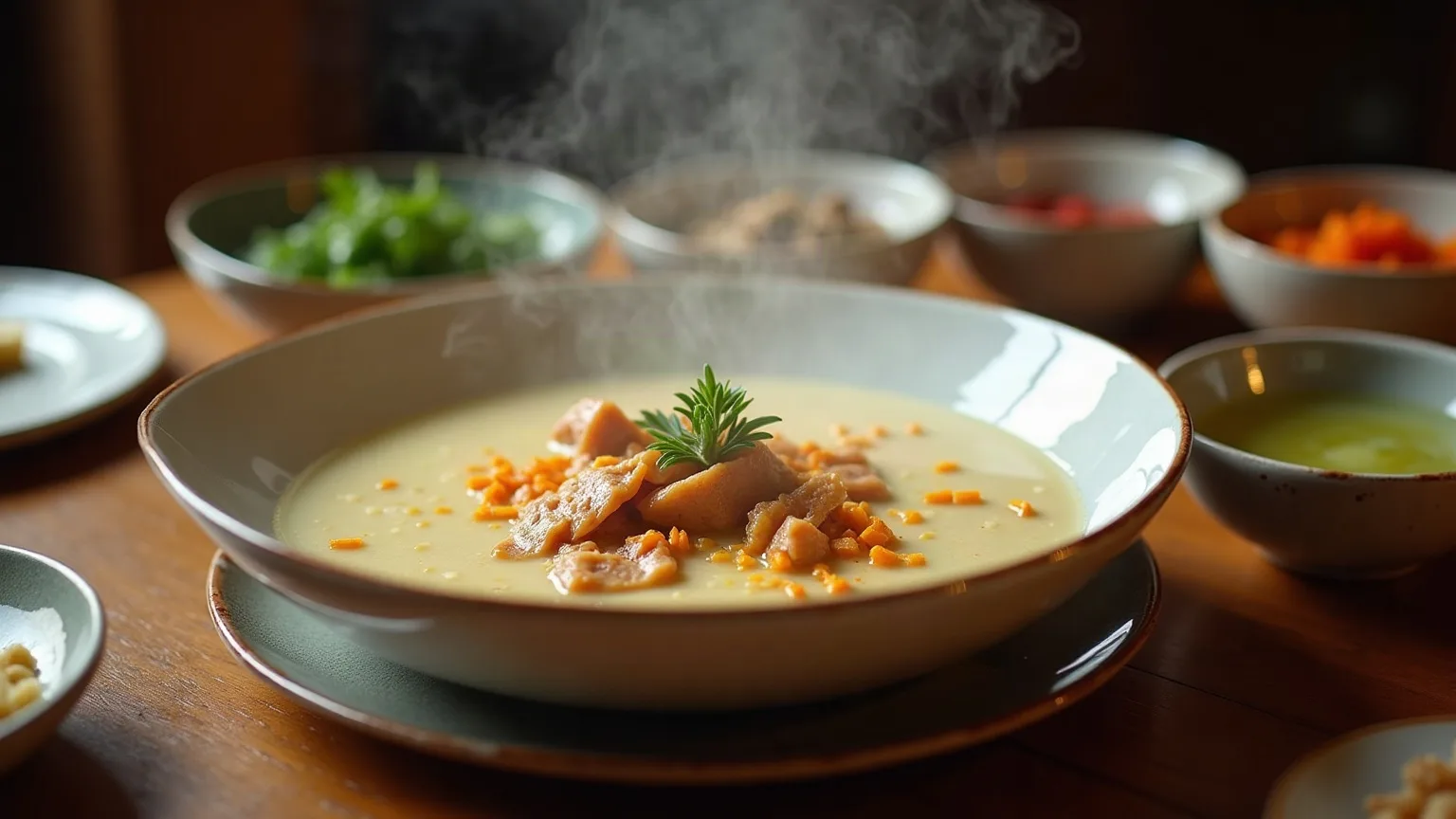
Tripe soup
Three hours of simmering and a liaison. What decides the smell is not the recipe but how well the tripe was cleaned.
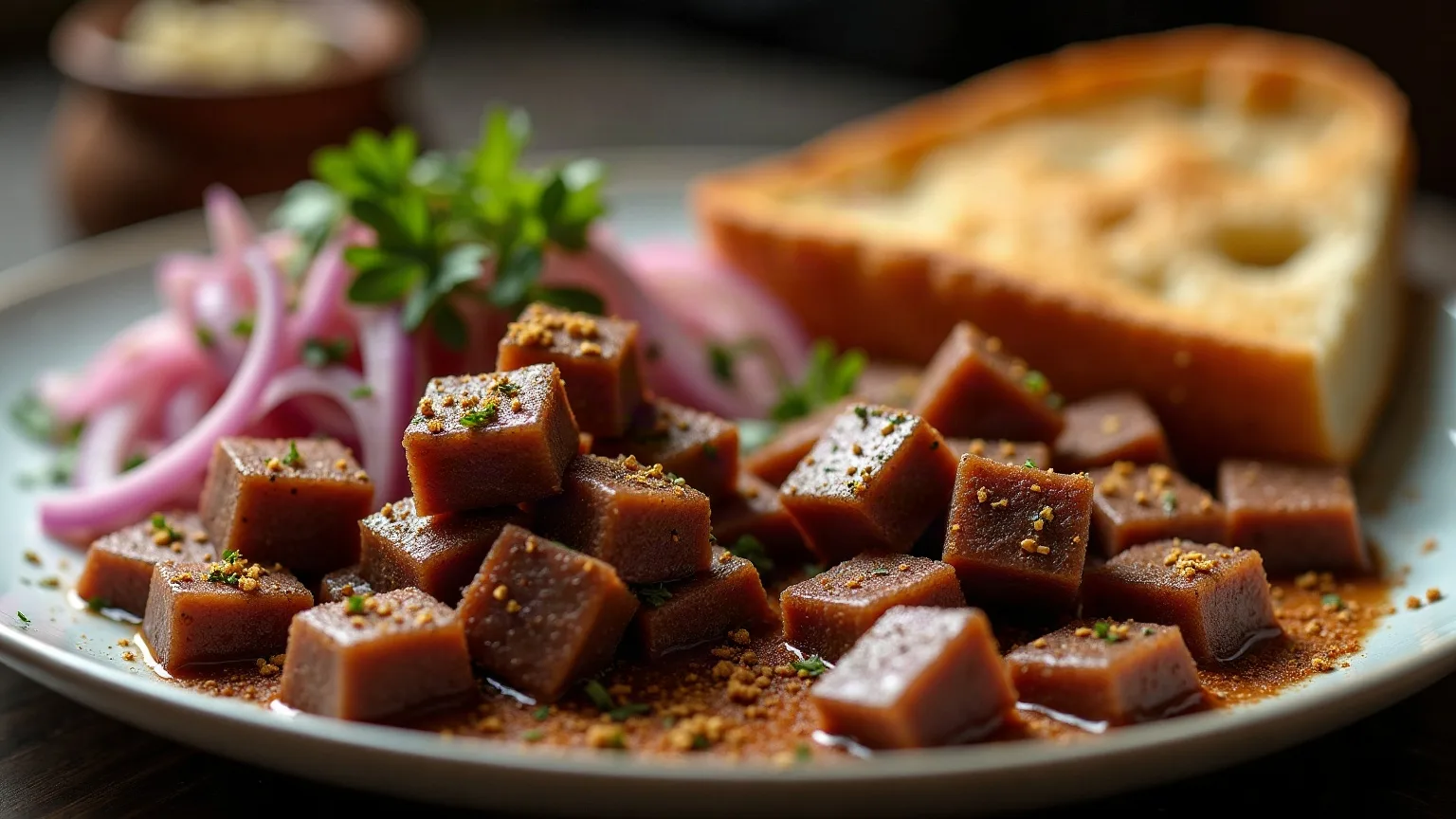
Albanian liver
Liver must not meet salt before the pan, and must meet flour a minute before it. Two rules, two minutes.
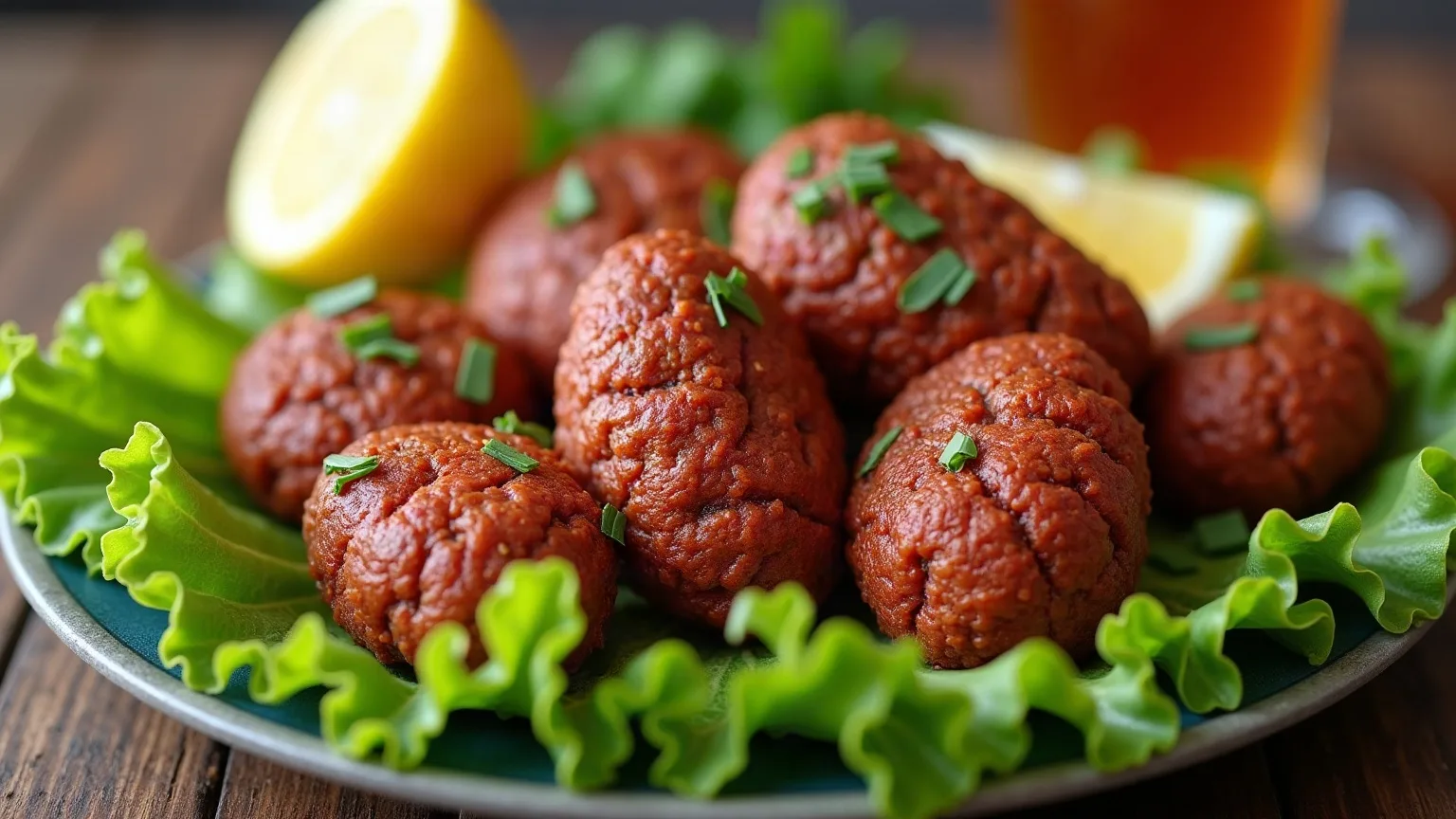
Çiğ köfte, without meat
The name says raw, but the bulgur is not: bulgur is wheat that has already been boiled, and here it is only soaked.
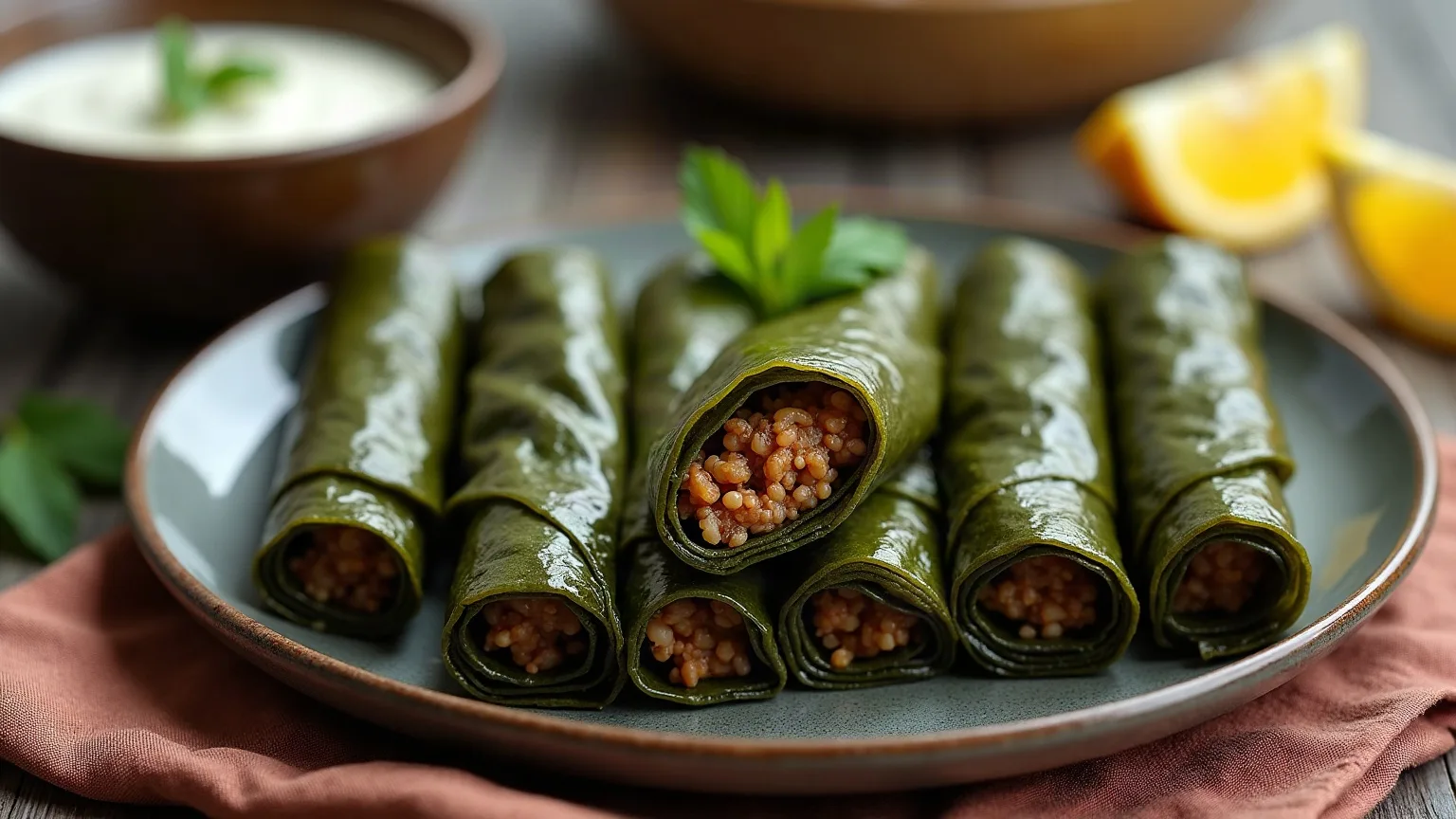
Vine leaves stuffed with meat
Sarma holds together because the pan is packed, not because the roll is tight. Leave gaps and every one of them opens.
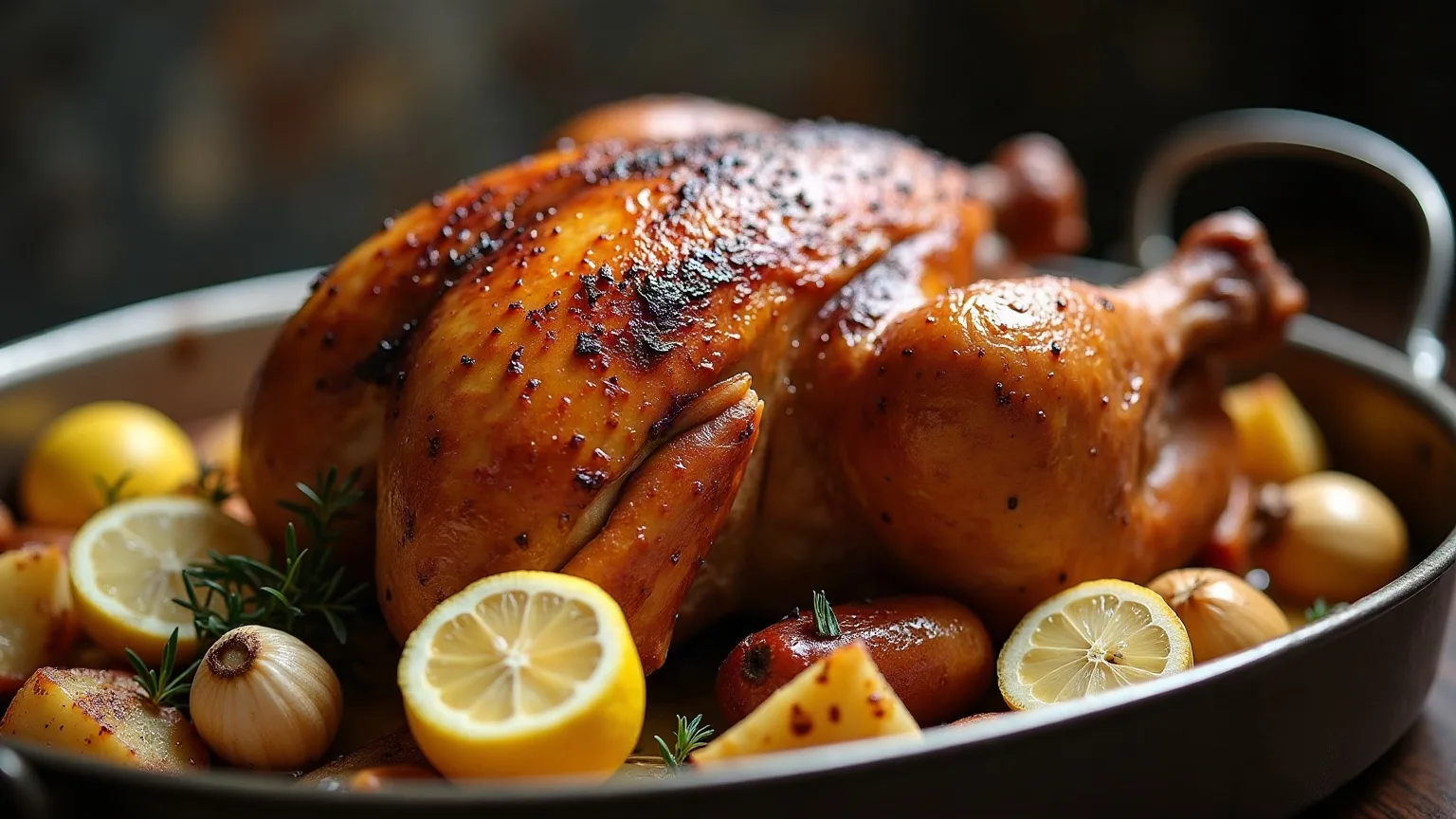
Whole roast chicken
The breast is ready at 65 °C and the leg at 75. Roasting a whole bird is entirely the business of hitting both at once.
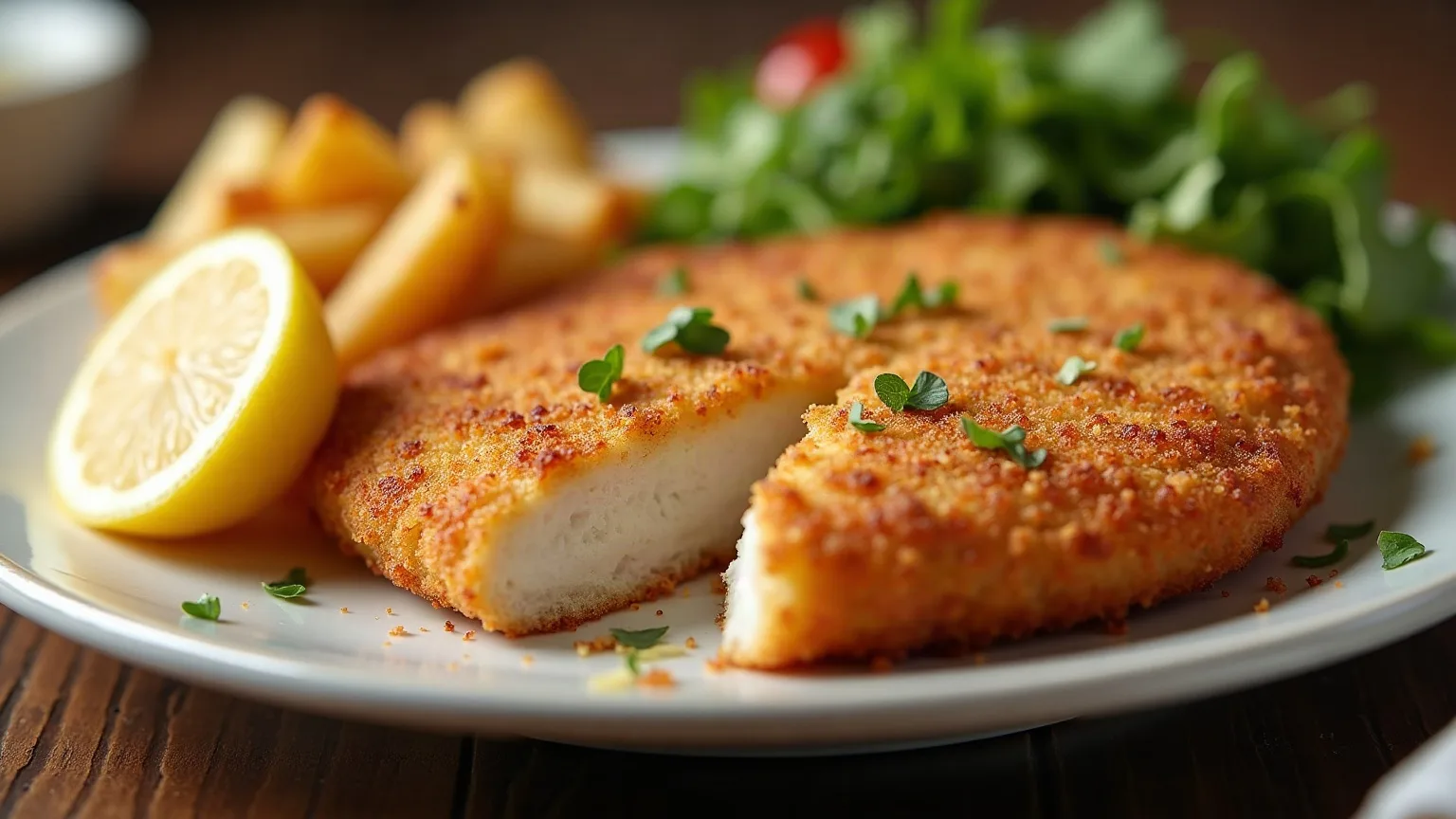
Chicken schnitzel
Beating the meat thin is a requirement rather than a shortcut: a 1 cm breast cannot cook before the coating burns.
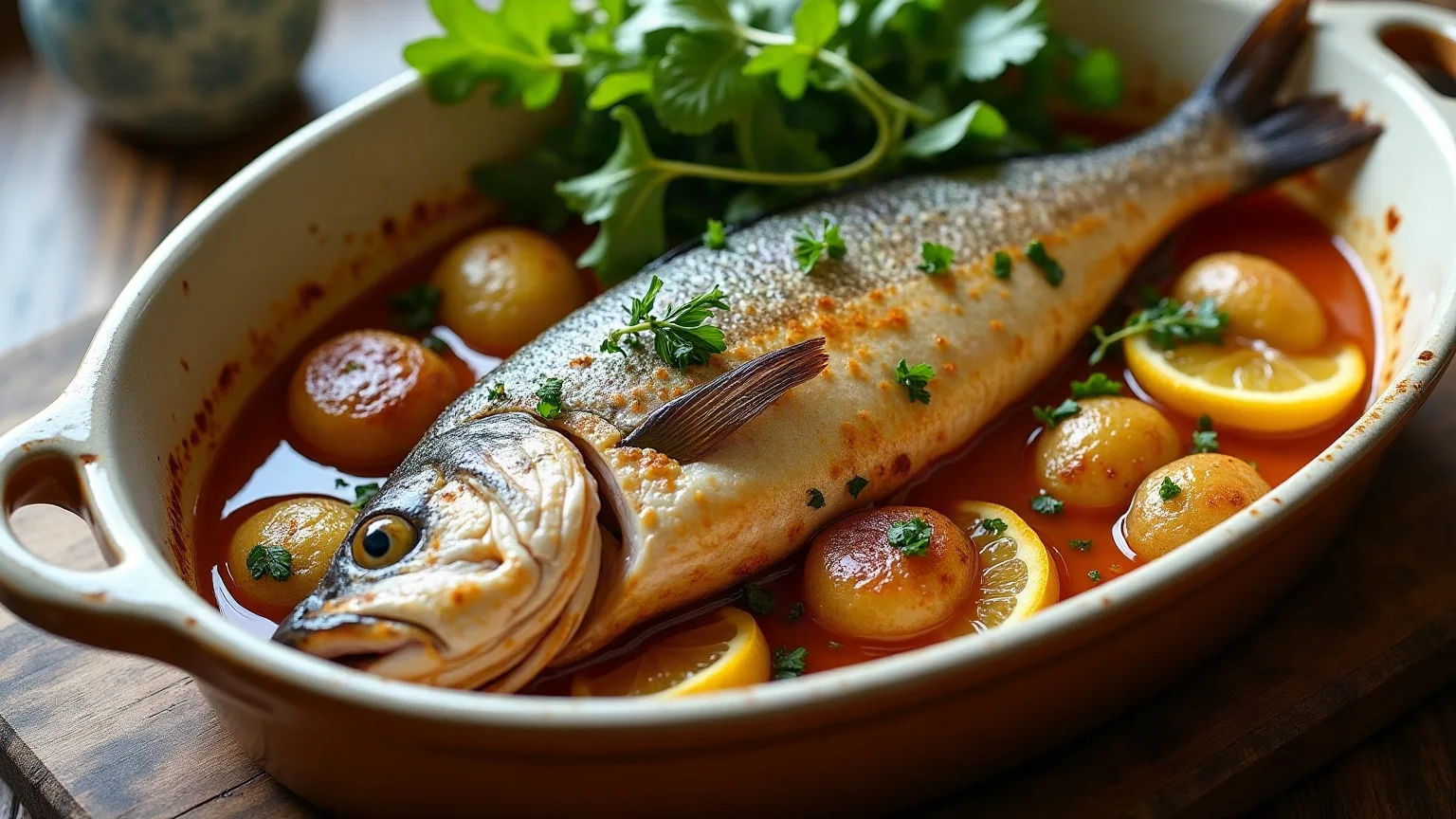
Baked sea bass
A whole fish is more forgiving than a fillet: the bones and skin slow the heat and the flesh cooks without drying.
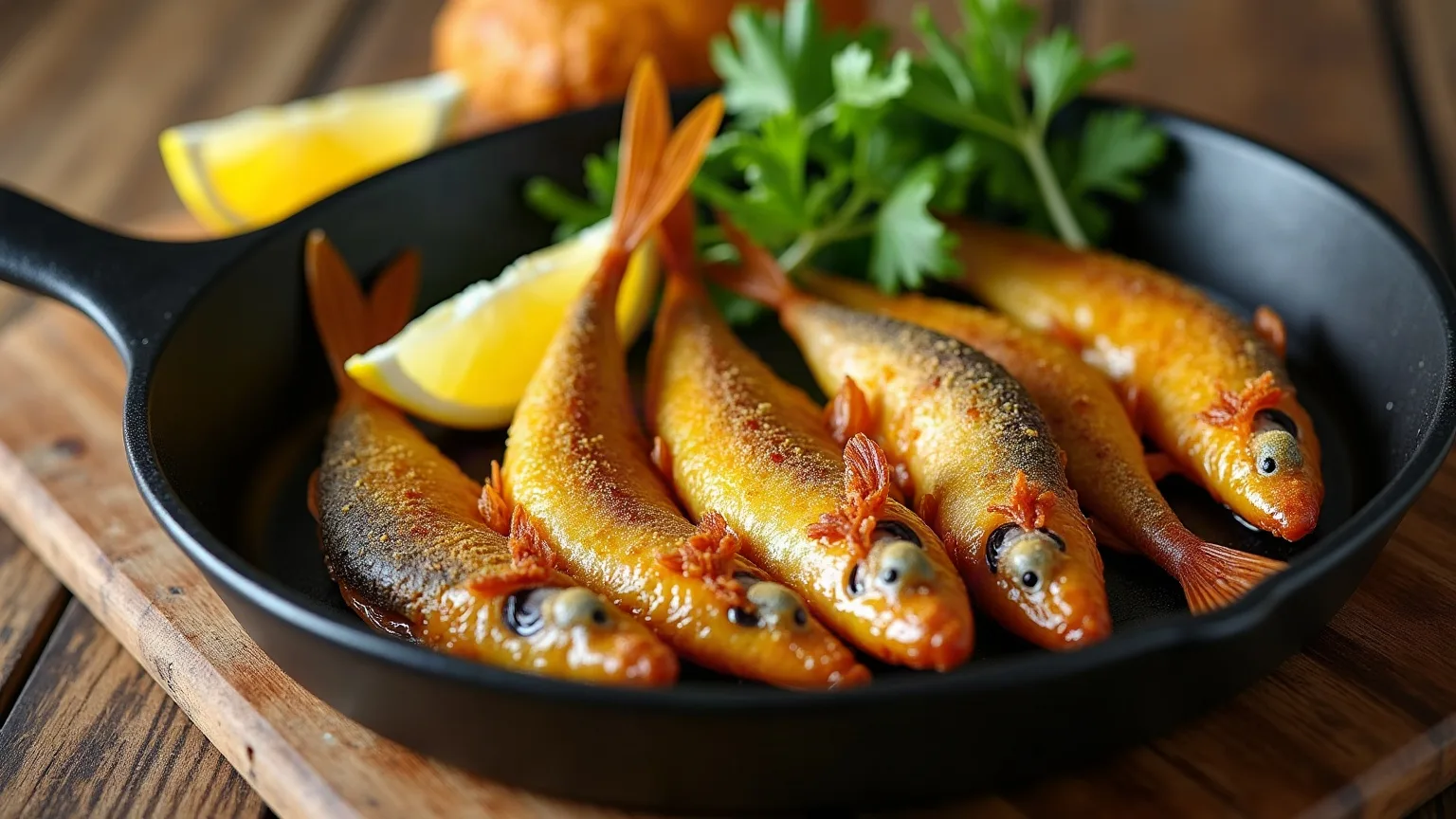
Fried anchovies
Cornmeal is not flour: its coarse grains fry into a glassy crust, and the anchovy steams inside it.
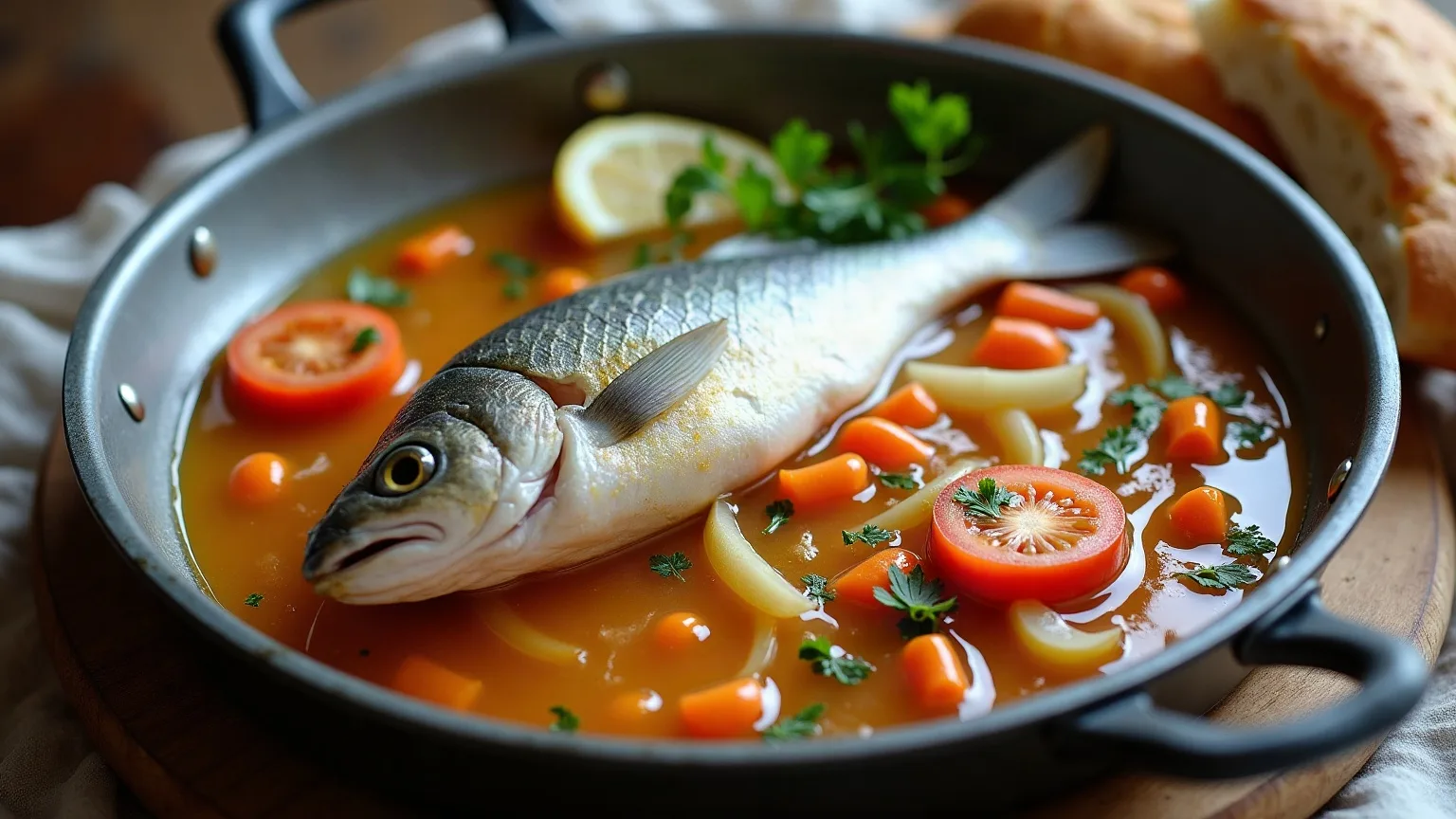
Steamed fish
In a buğulama the fish never touches water: it cooks in the steam the vegetables give off and never sees 100 °C.
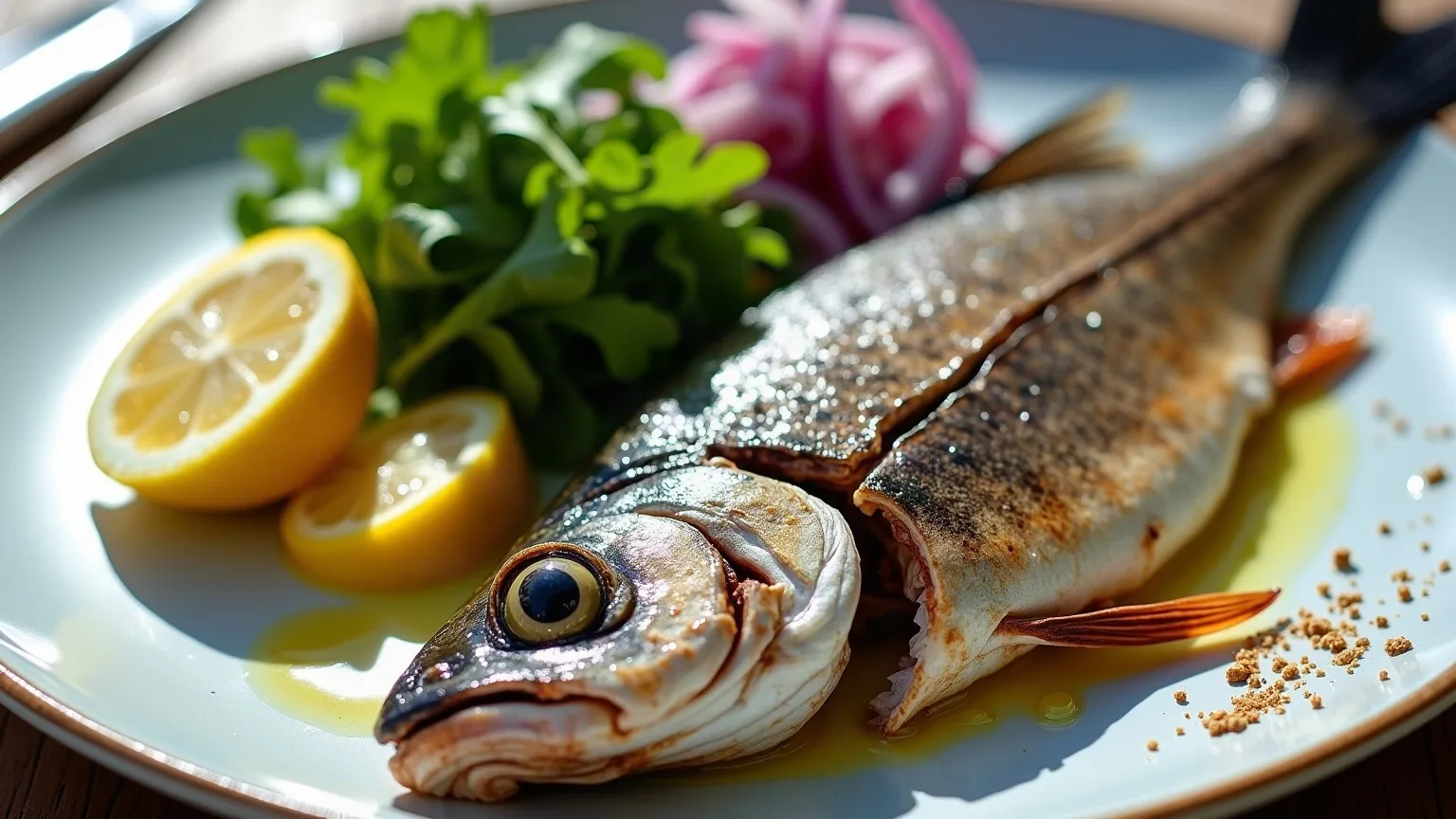
Grilled sea bream
Fish sticks to a grill because of its skin, not the bars: wet skin welds and dry skin releases in thirty seconds.
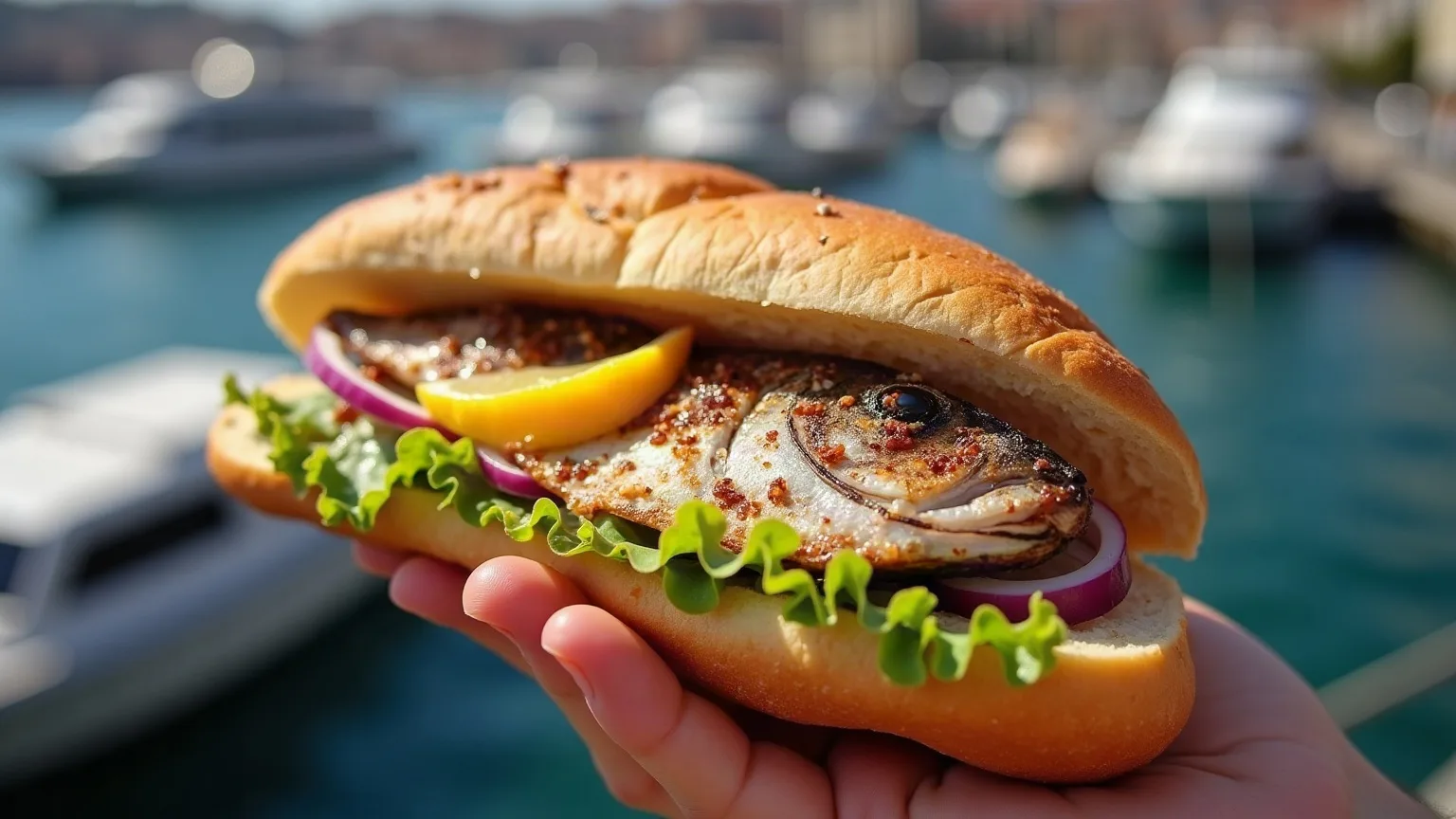
Fish sandwich
Mackerel is an oily fish, and the whole recipe is about balancing that fat: onion, sumac, lemon.
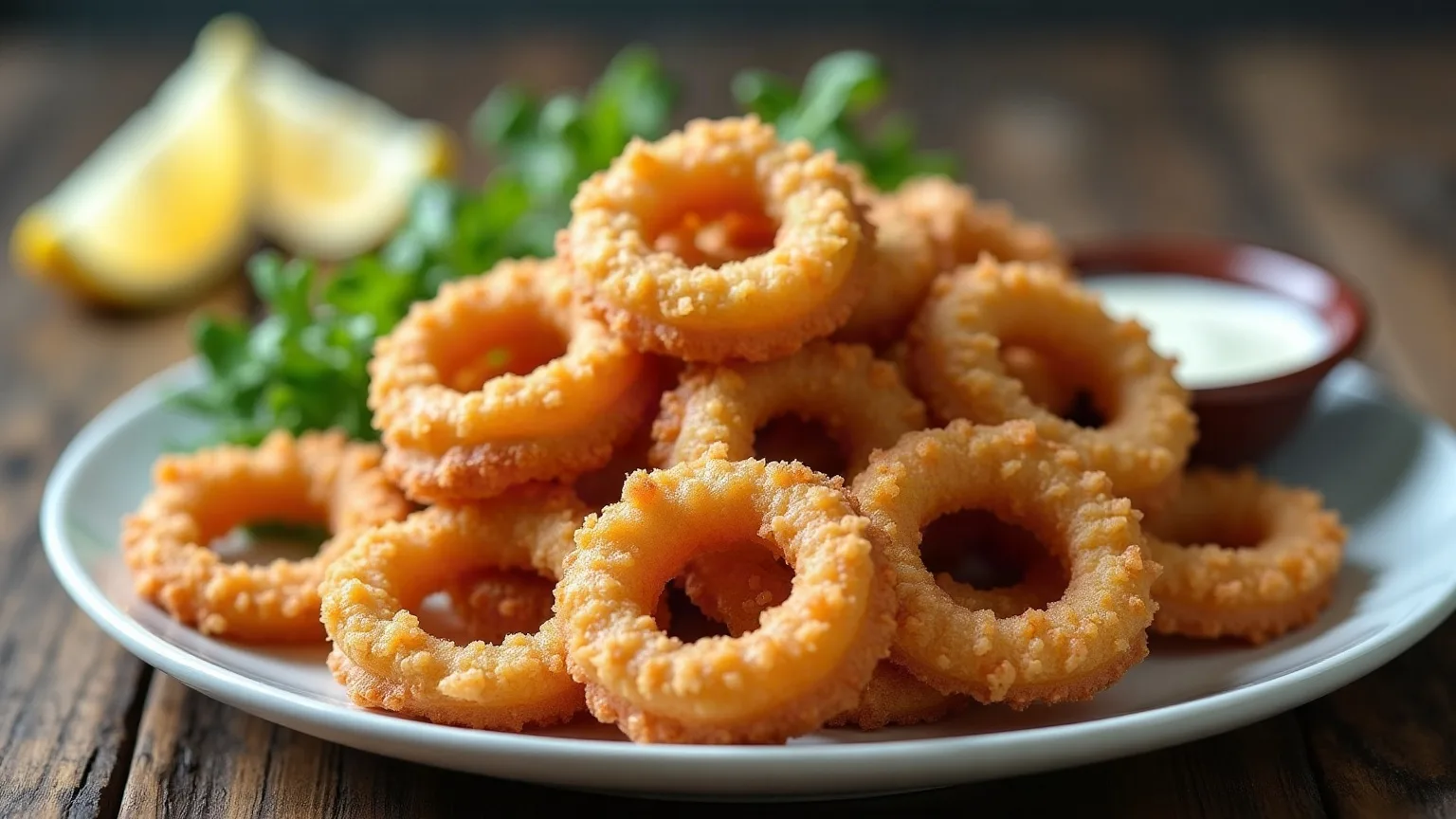
Fried squid
Squid has two cooking times and nothing between them: under two minutes or over thirty.
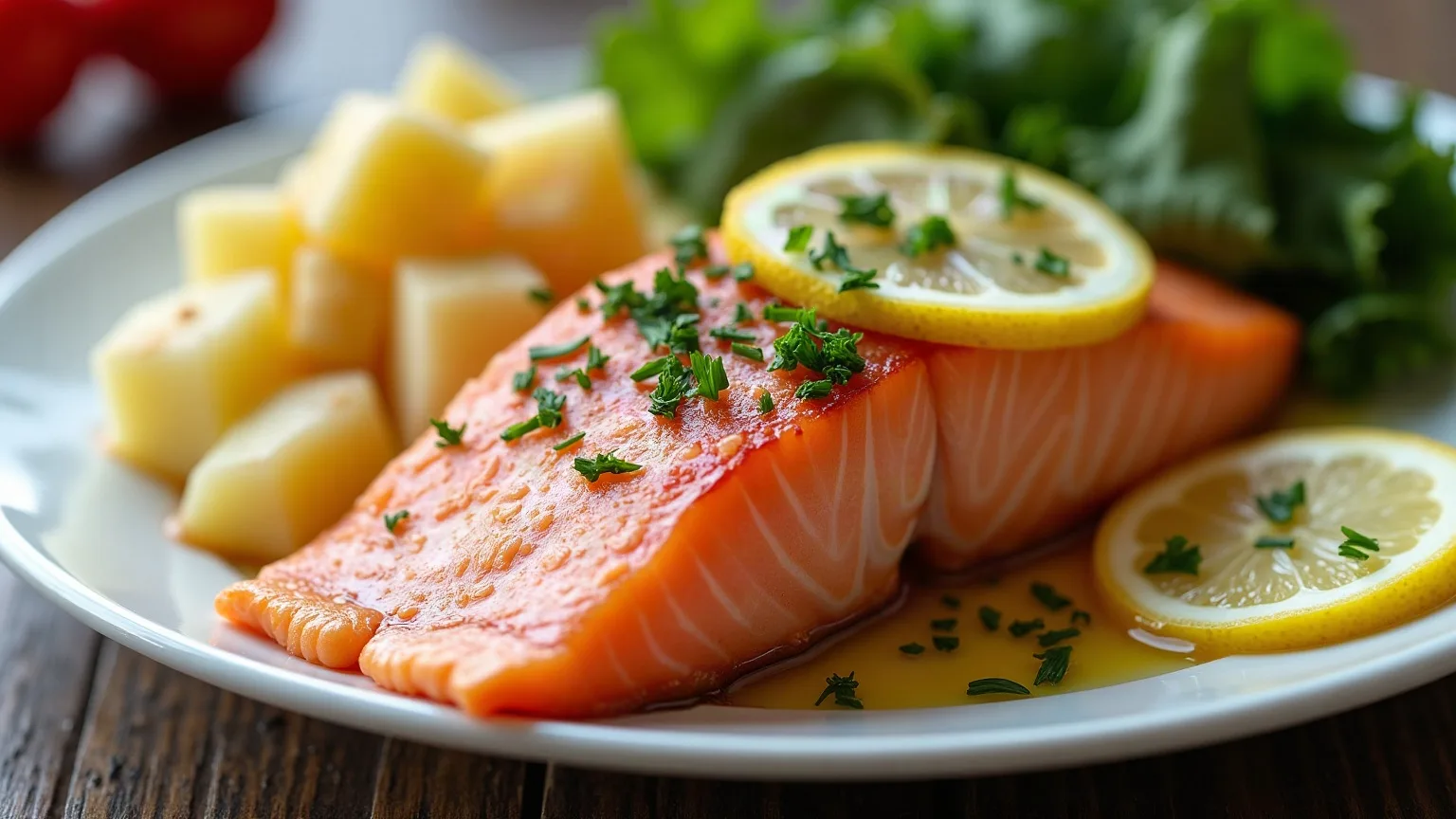
Baked salmon
The white stuff on baked salmon is a sign of too much heat rather than of freshness. Pulled at 52 °C it never appears.
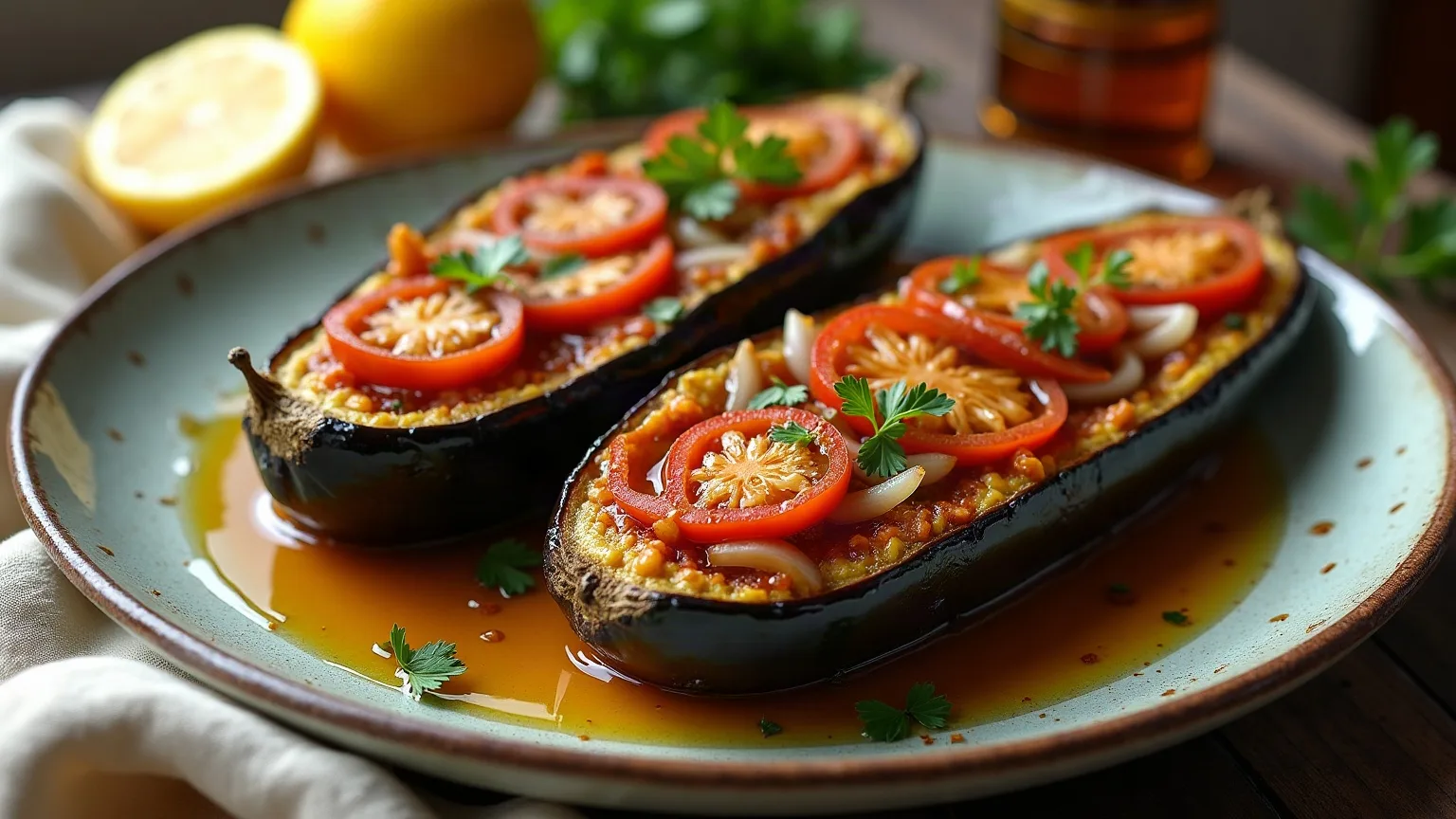
İmam bayıldı
Karnıyarık’s sibling: no meat, olive oil, eaten cold. The quantity of onion is not excessive — this is a dish about onion.
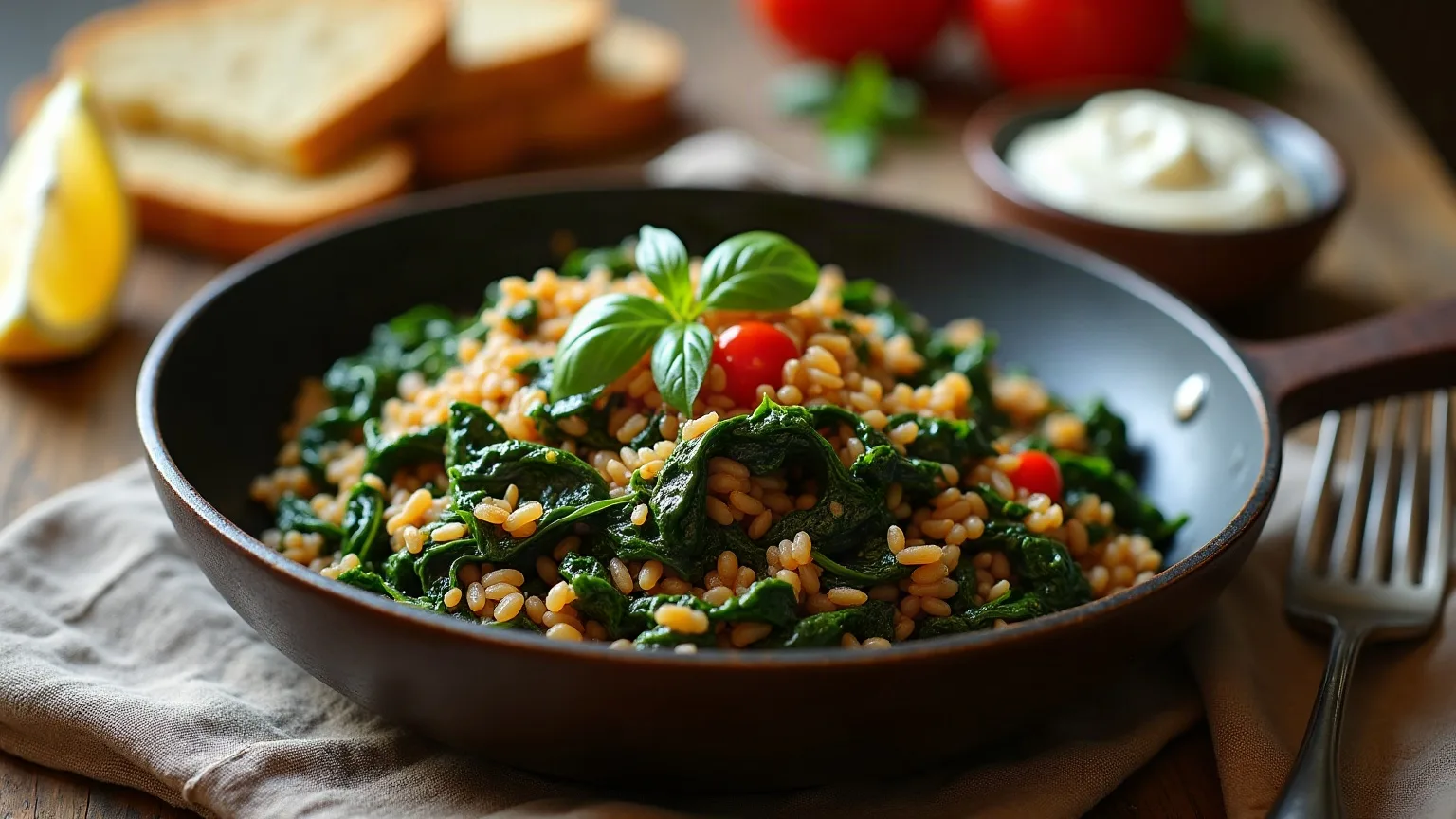
Spinach with rice
A kilo of spinach cooks down to a handful, which is why the size of the pan is part of the recipe.
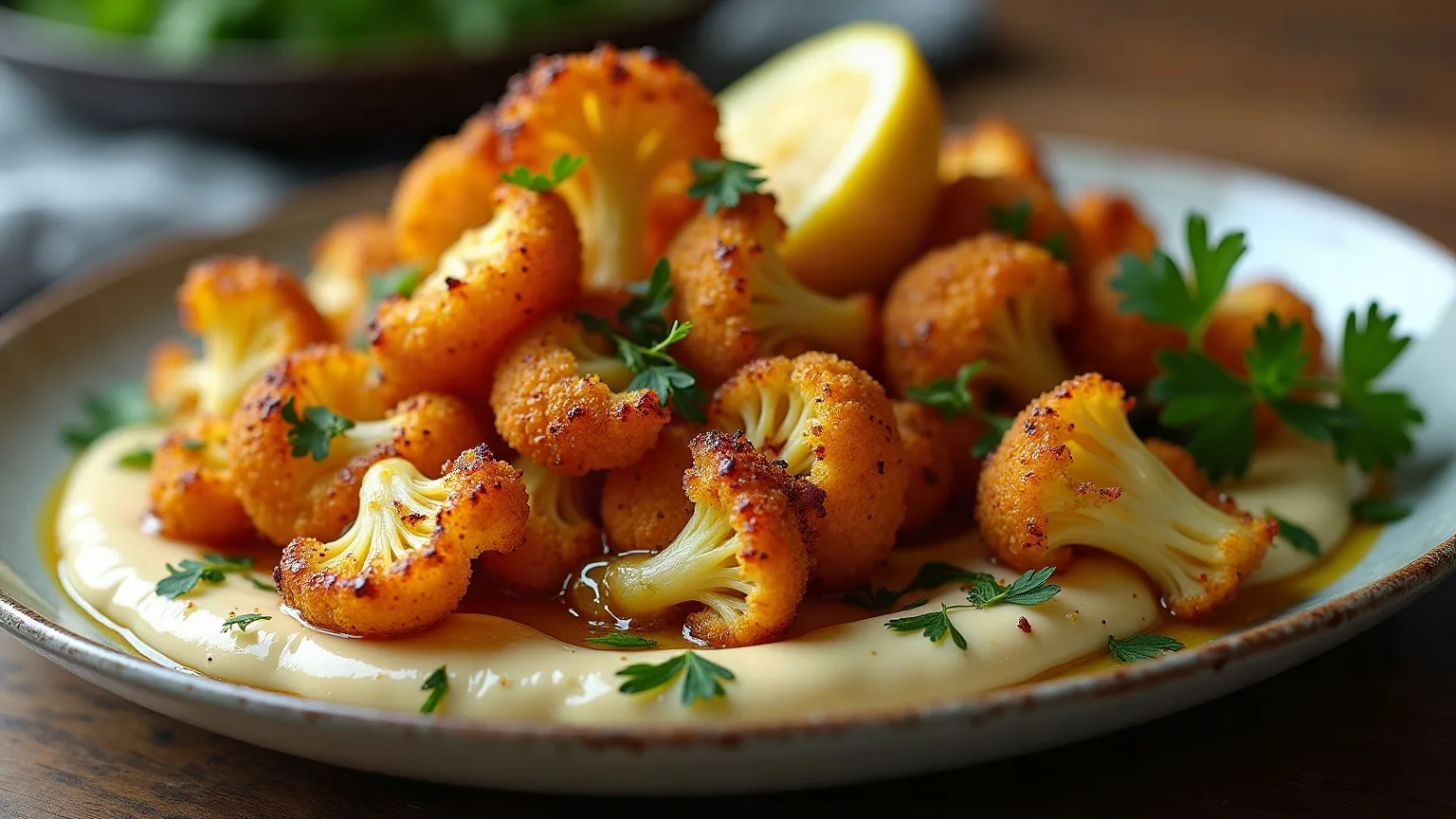
Roasted cauliflower
Boiled, cauliflower’s sulphur smell goes into the water; roasted, the same compounds turn into a toasted flavour.
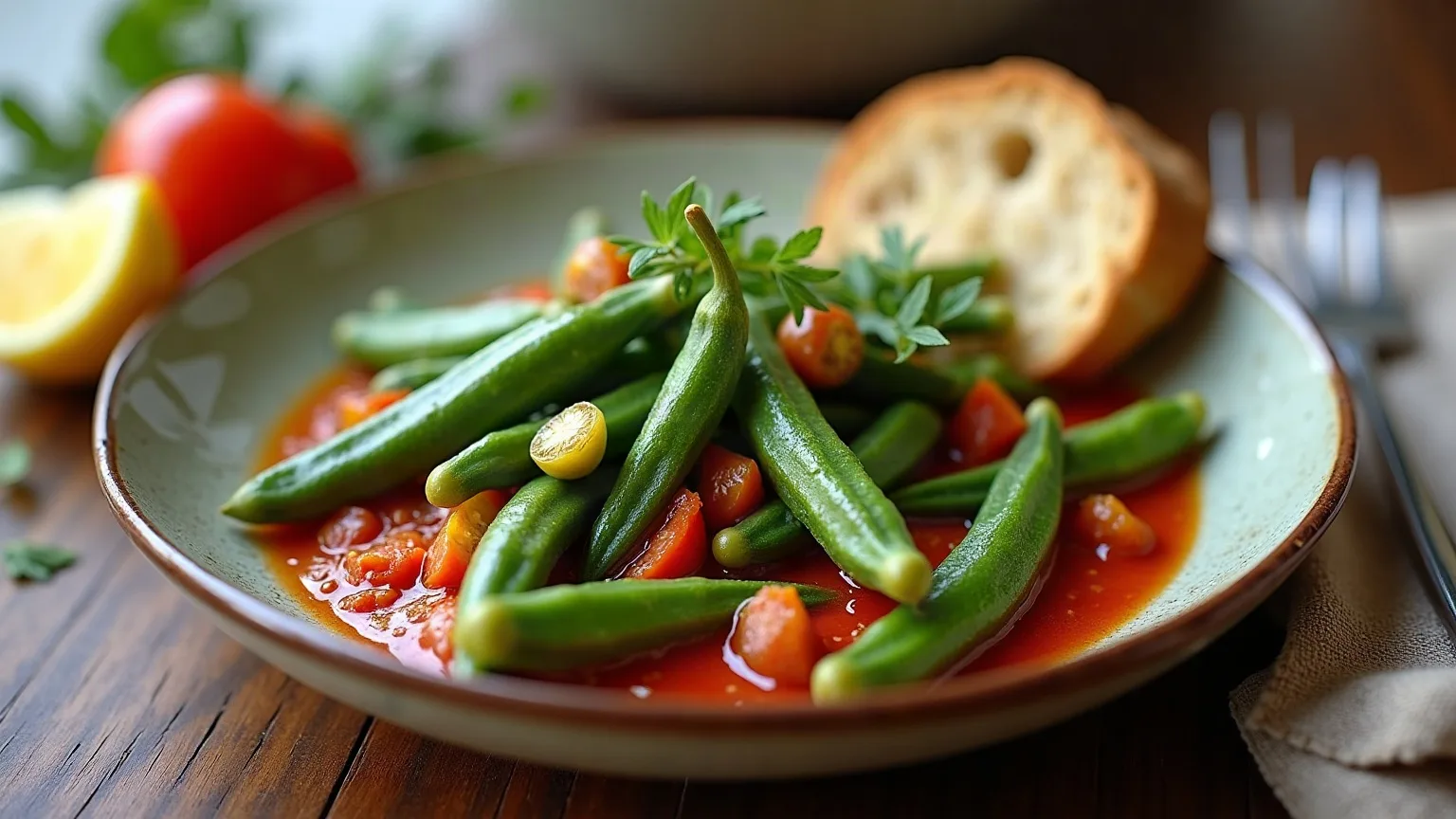
Okra in olive oil
Okra goes slimy for one reason: it was cut. Cooked without breaching the pod, it does not go slimy at all.
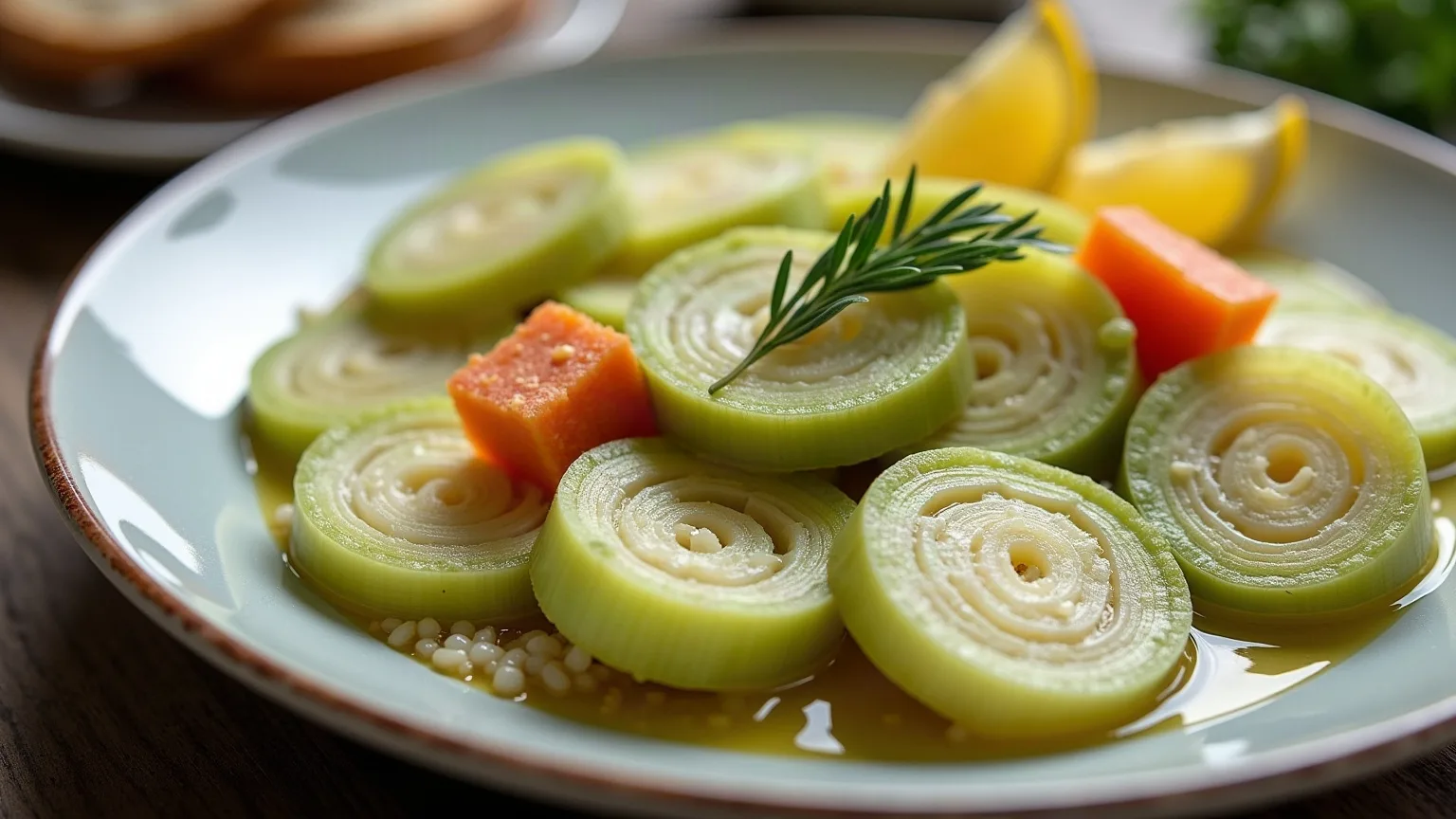
Leeks in olive oil
Leek grit hides between the layers and rinsing does not reach it: it has to be cut first and soaked after.
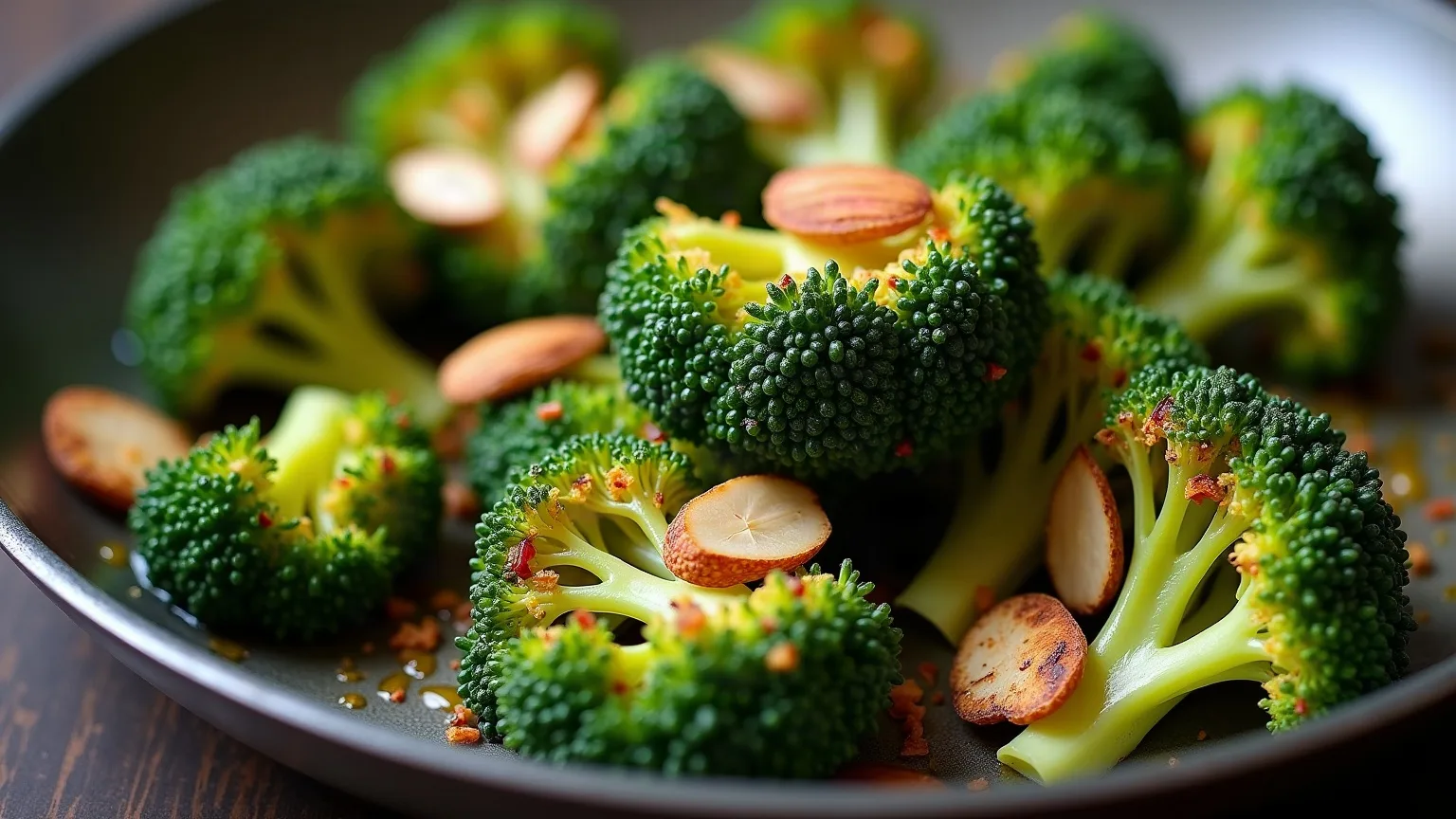
Garlic-sautéed broccoli
The broccoli is blanched two minutes and dropped into iced water. That shock locks the green in, and the sauté cannot take it back out.
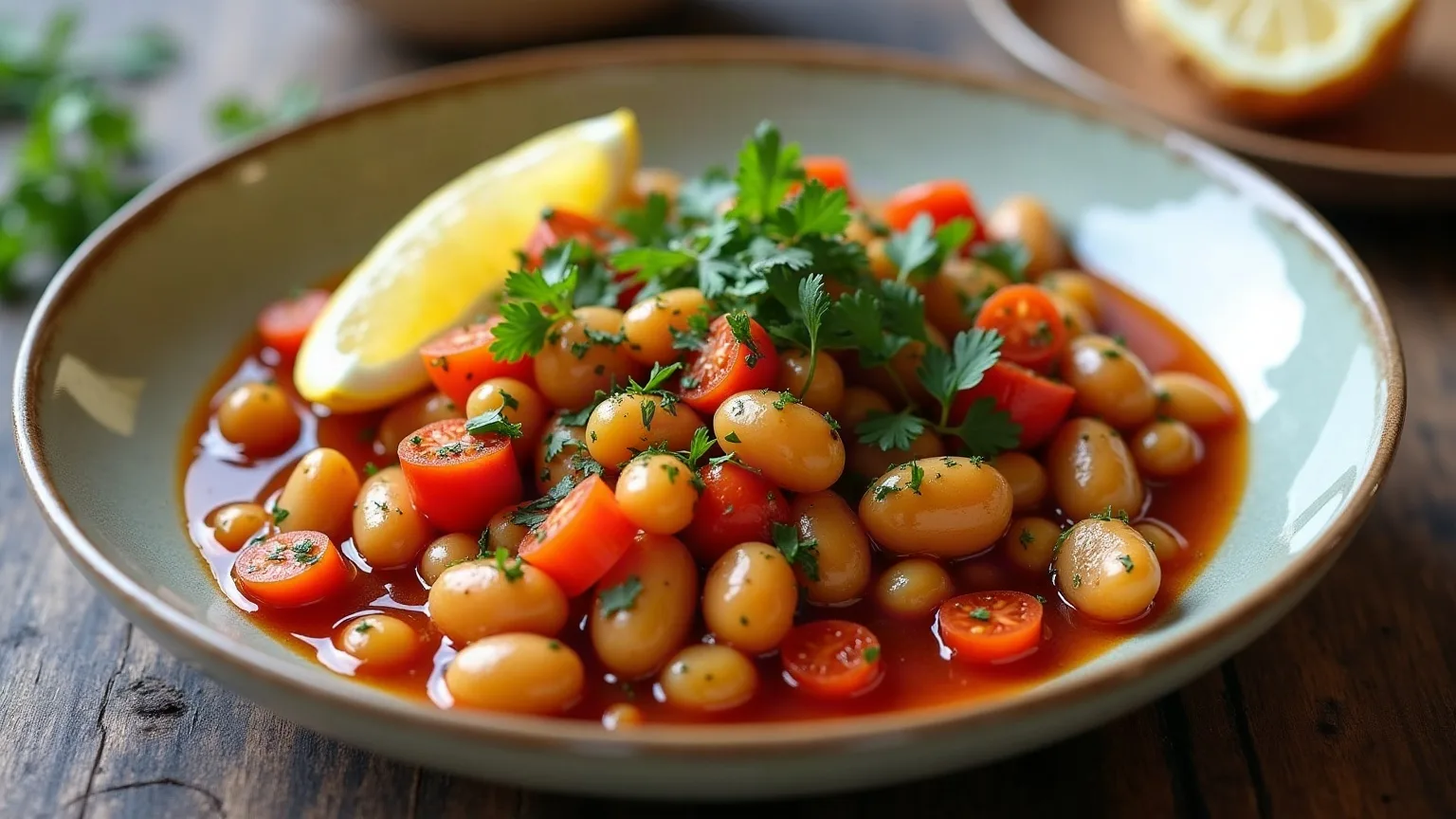
Borlotti bean pilaki
A pilaki is eaten cold, and that is why there is sugar in it: perception of sweetness drops as food cools, so what tastes right hot tastes flat cold.
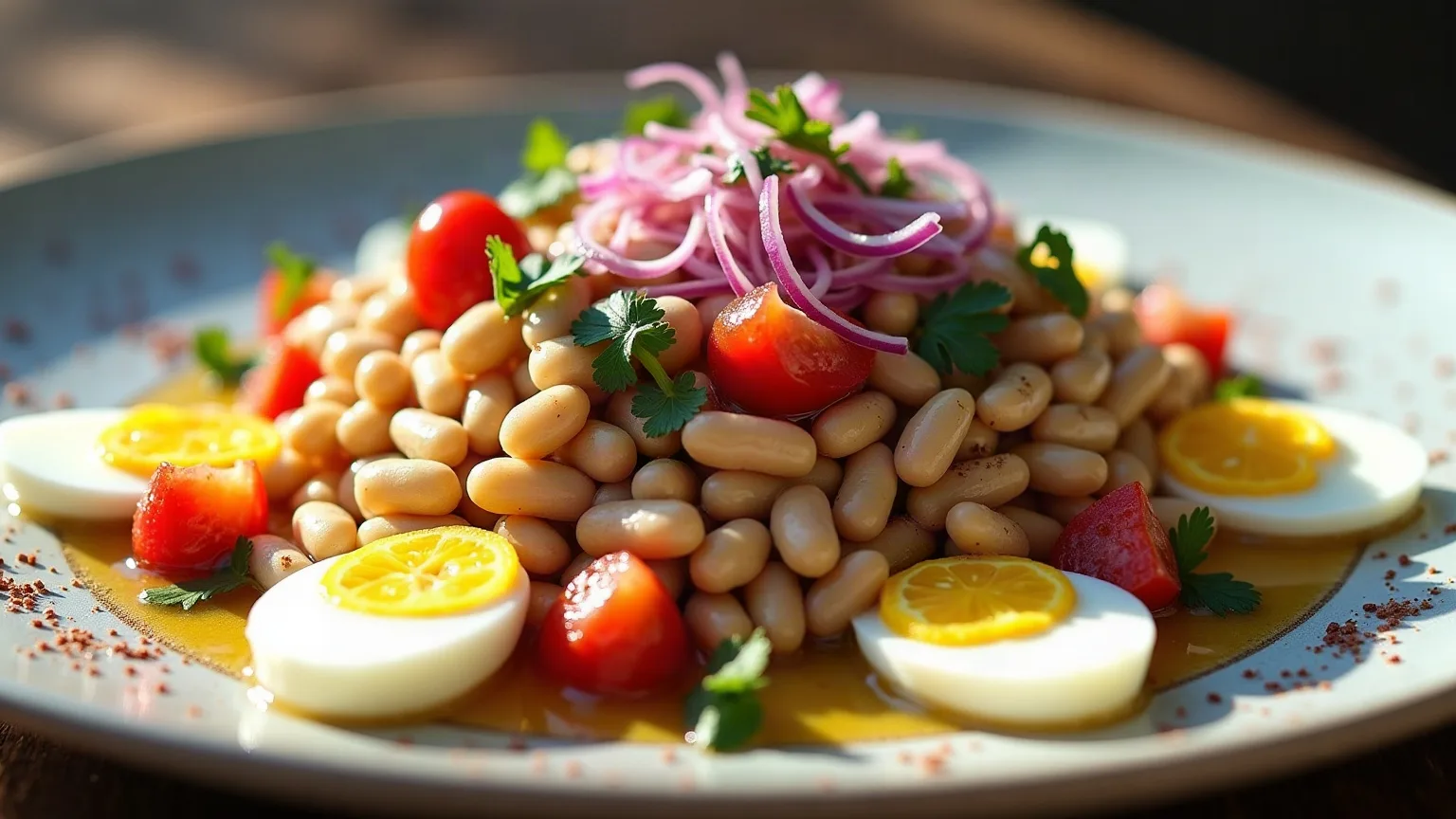
White bean salad
The dressing goes on while the beans are HOT. A cold bean takes nothing up; a hot one draws the dressing into its starch.
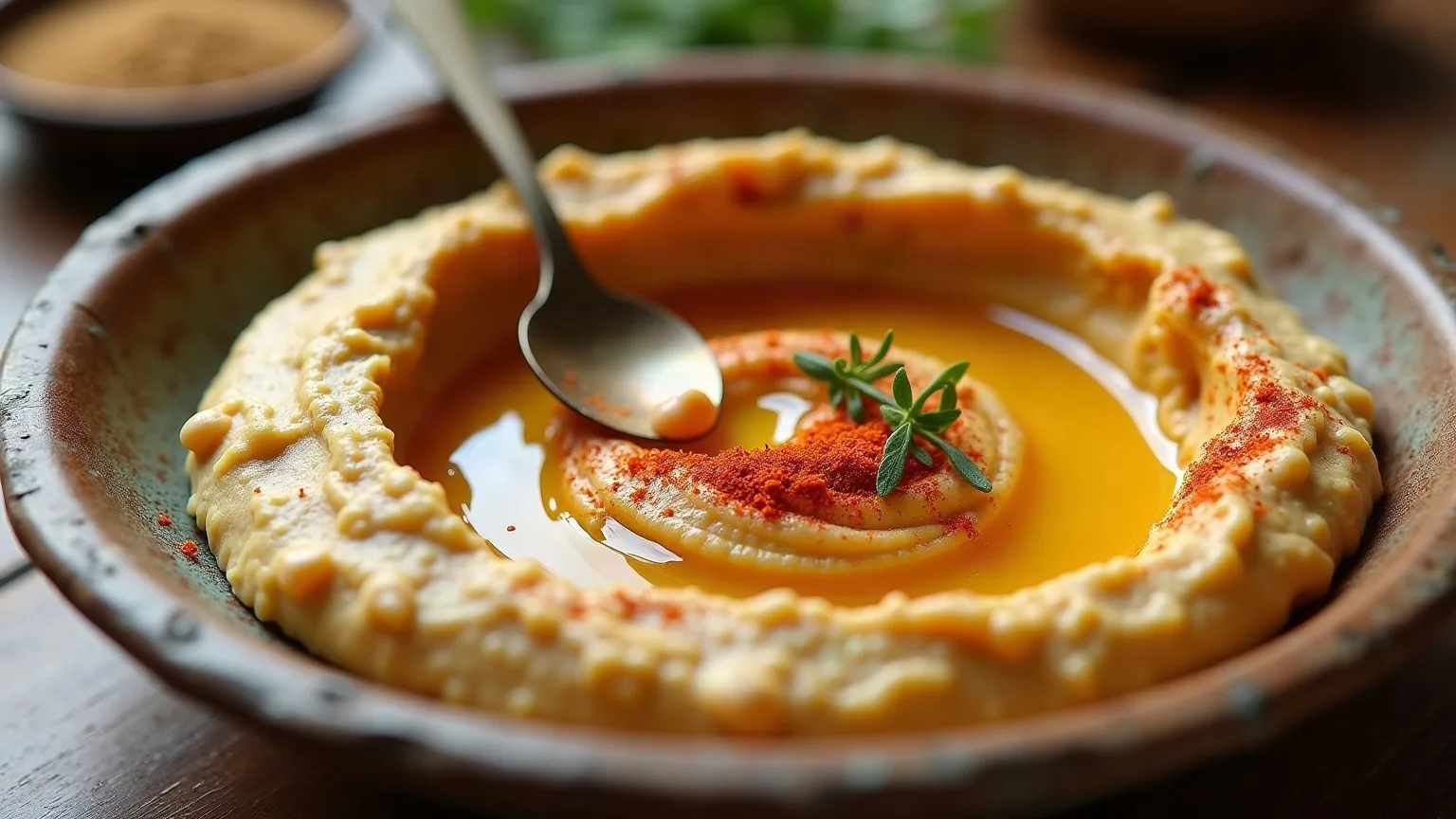
Hummus
Smooth hummus is not a question of the blender but of the skins: no machine makes it velvety while they are still on.
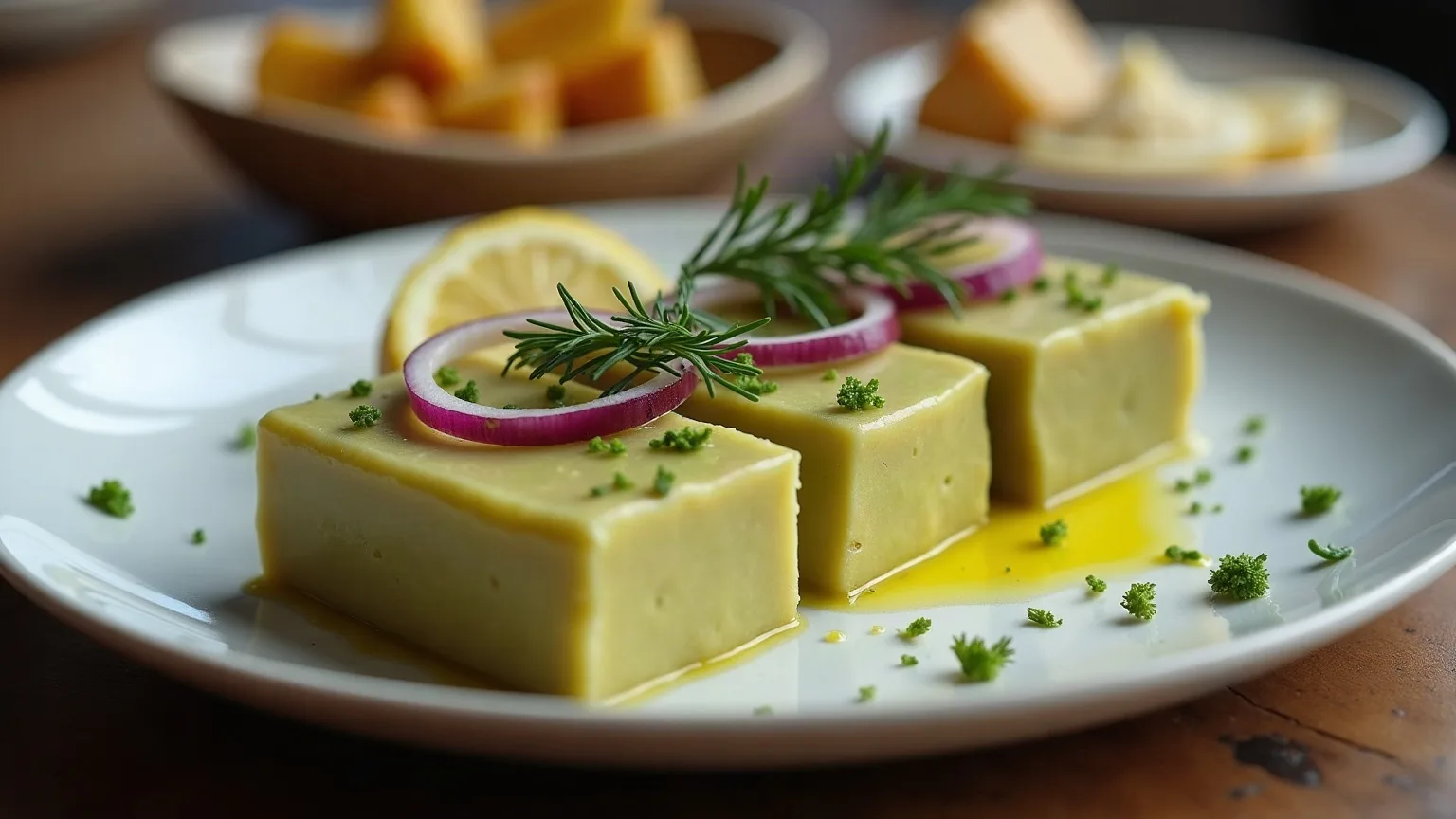
Broad bean purée
Broad beans are not boiled in their skins: the skin cooks but never chews, and the purée comes out gritty.
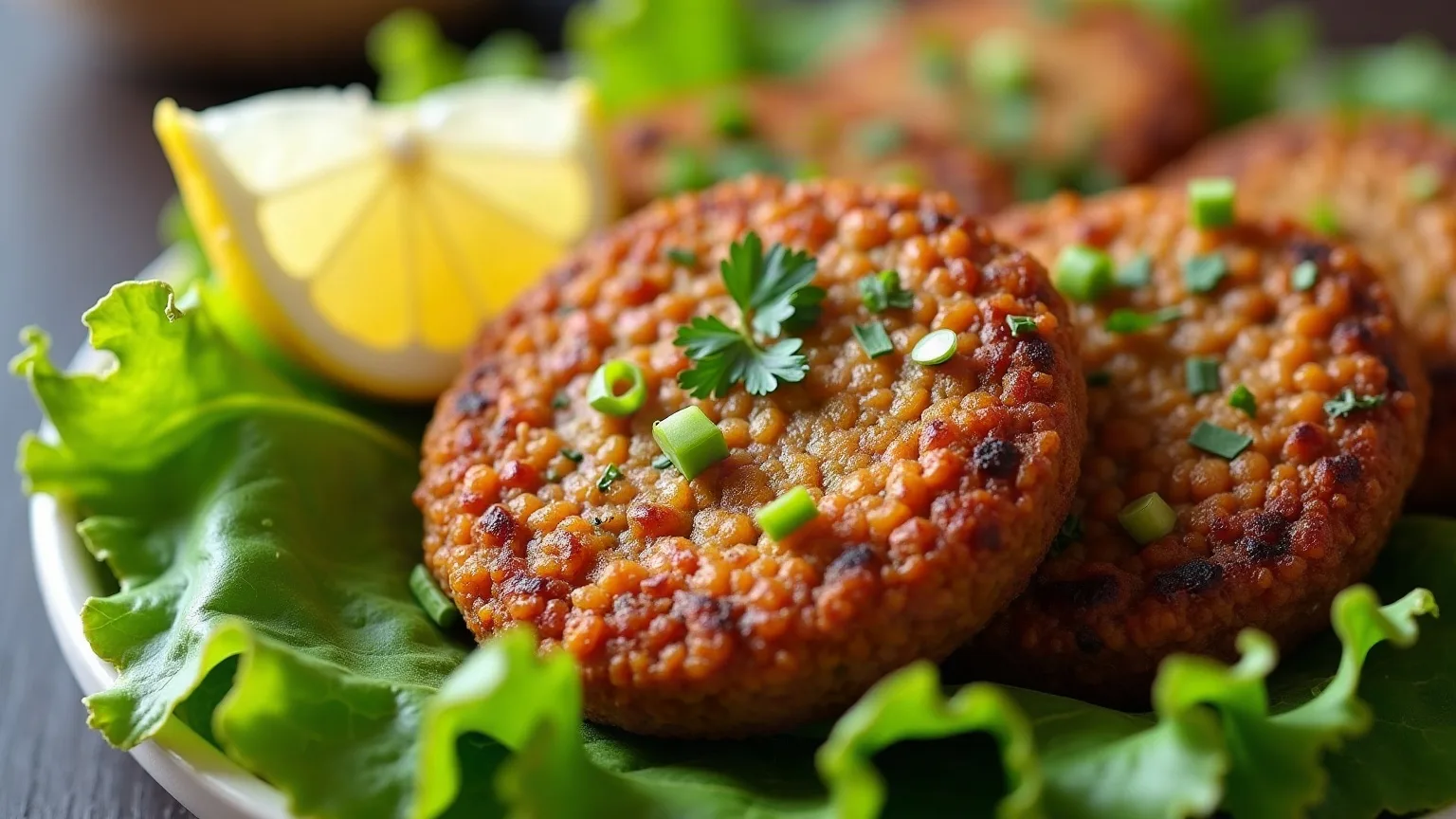
Red lentil patties
The bulgur goes onto the lentils while they are HOT, under a lid. Added to cold lentils it never swells and the patty falls apart.
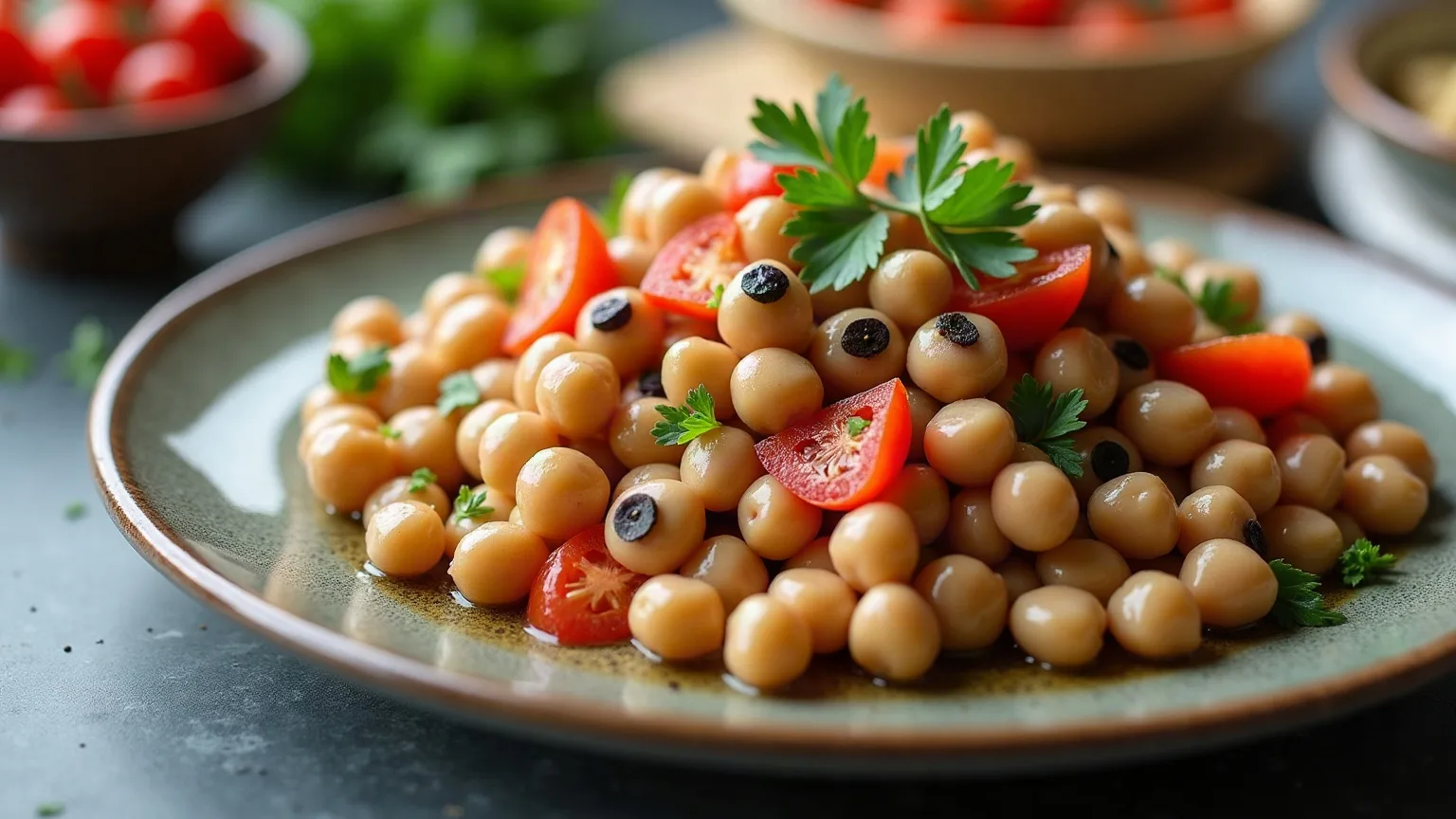
Black-eyed pea salad
The one dried pulse that needs no soak: its skin is thin and it softens in twenty-five minutes.
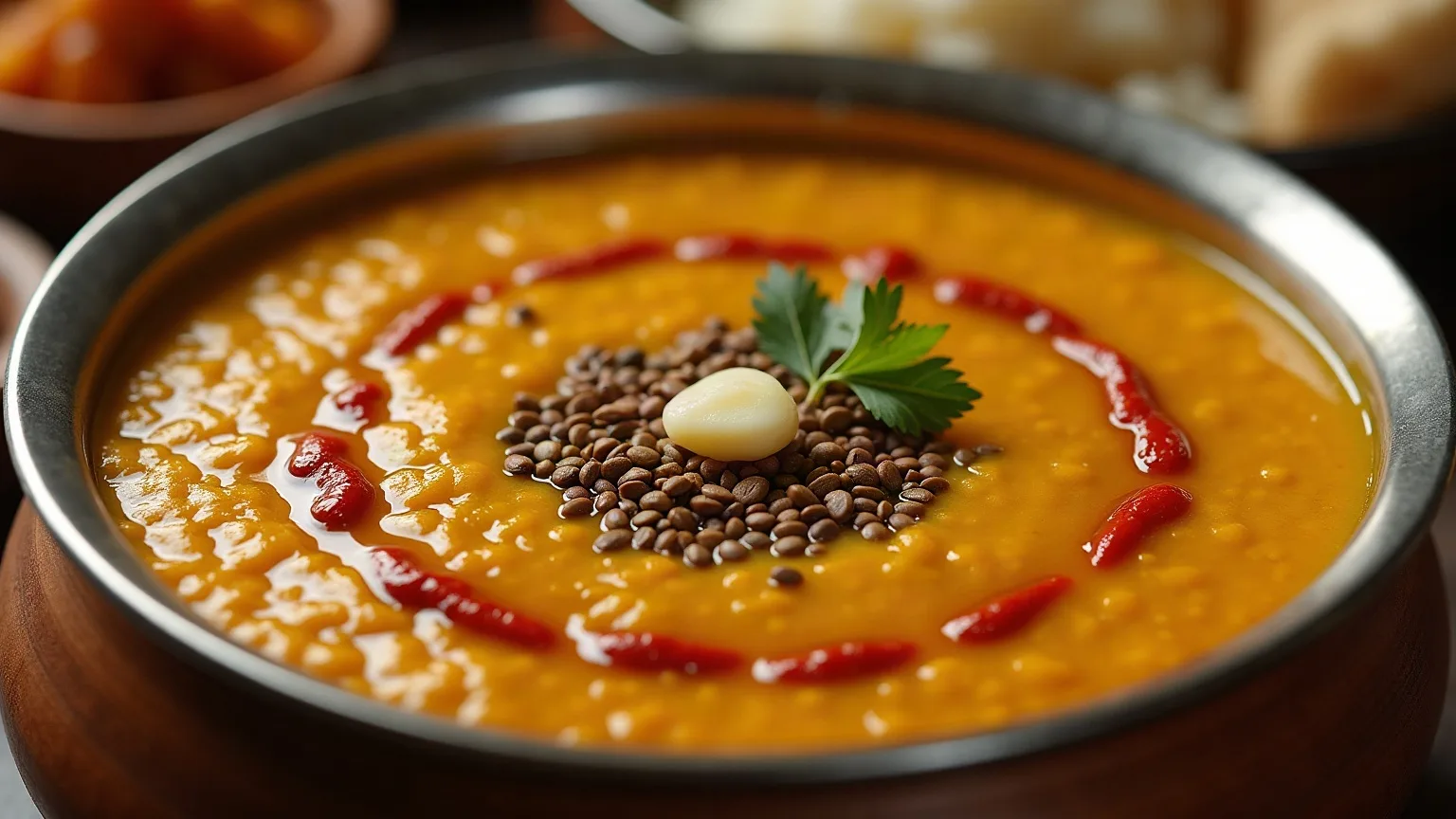
Red lentil dal
Twenty minutes of boiling lentils tastes of very little; almost all of the flavour is made in the last forty-five seconds, in hot fat.
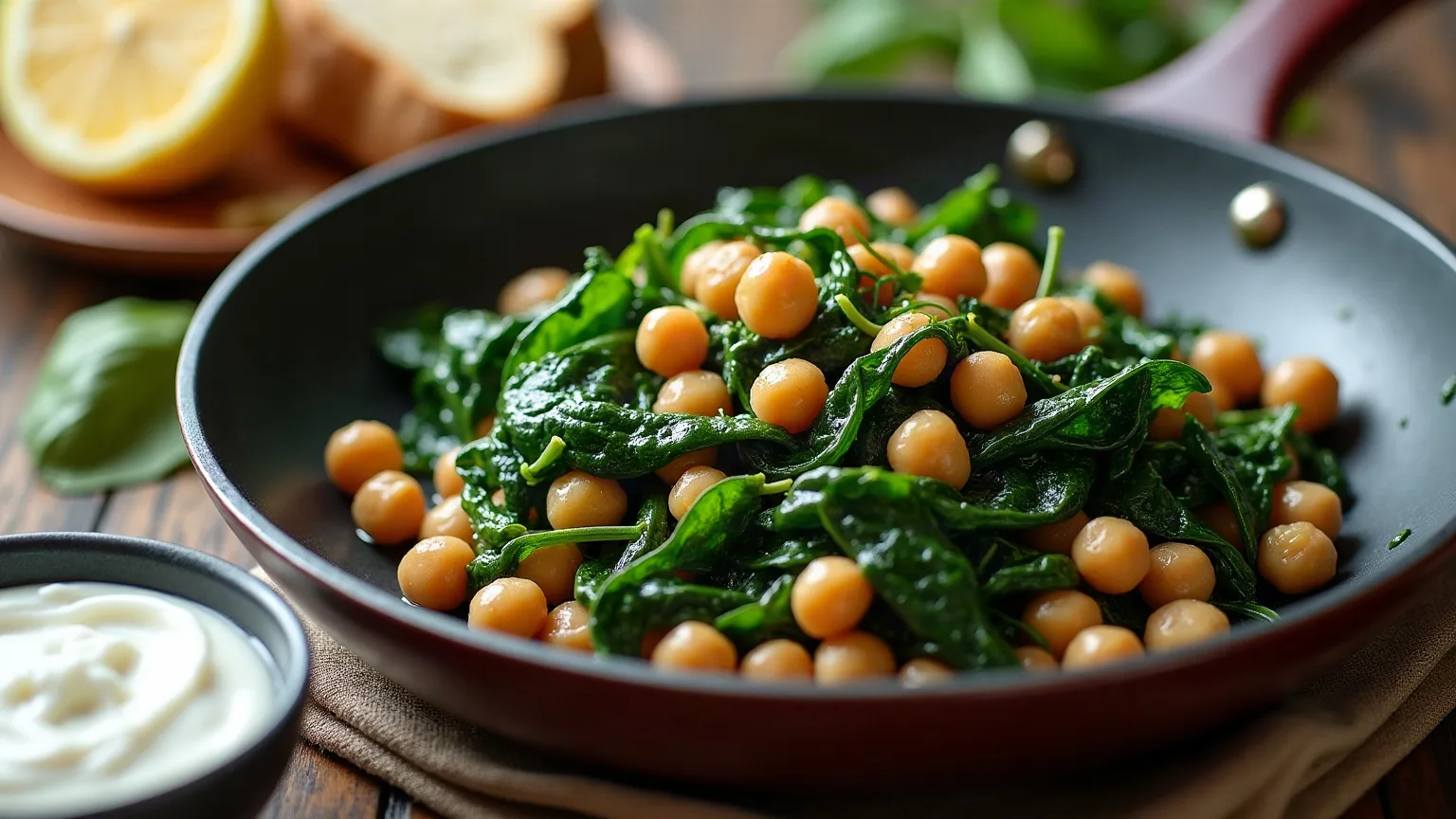
Spinach with chickpeas
Under a lid, spinach turns olive-drab in its own acid. With the lid off, the colour and the taste both stay where they were.
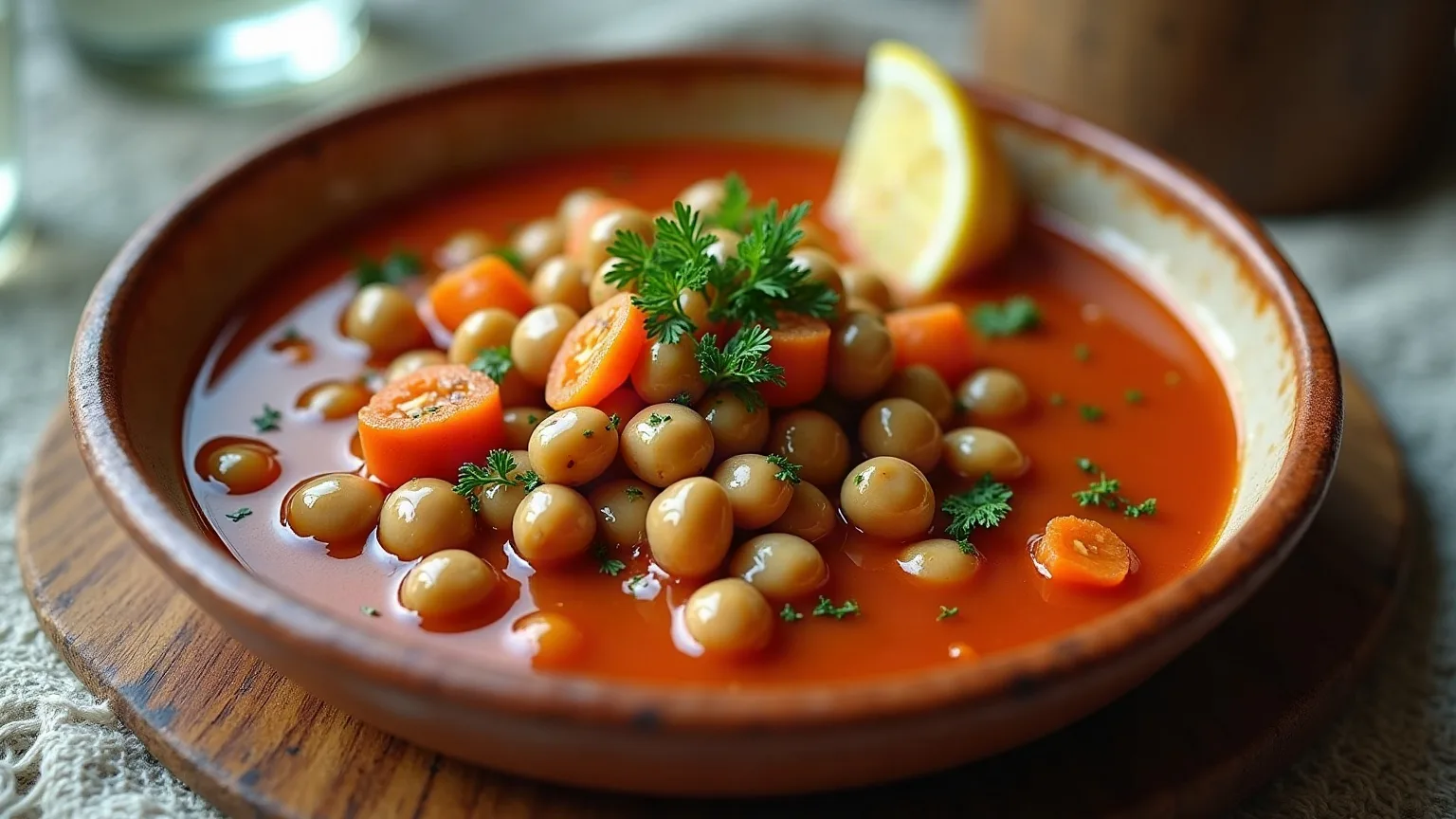
Black-eyed pea stew
The one common dried pulse that needs no soaking: its coat is thin and permeable, so it goes from dry seed to tender in twenty-five minutes.
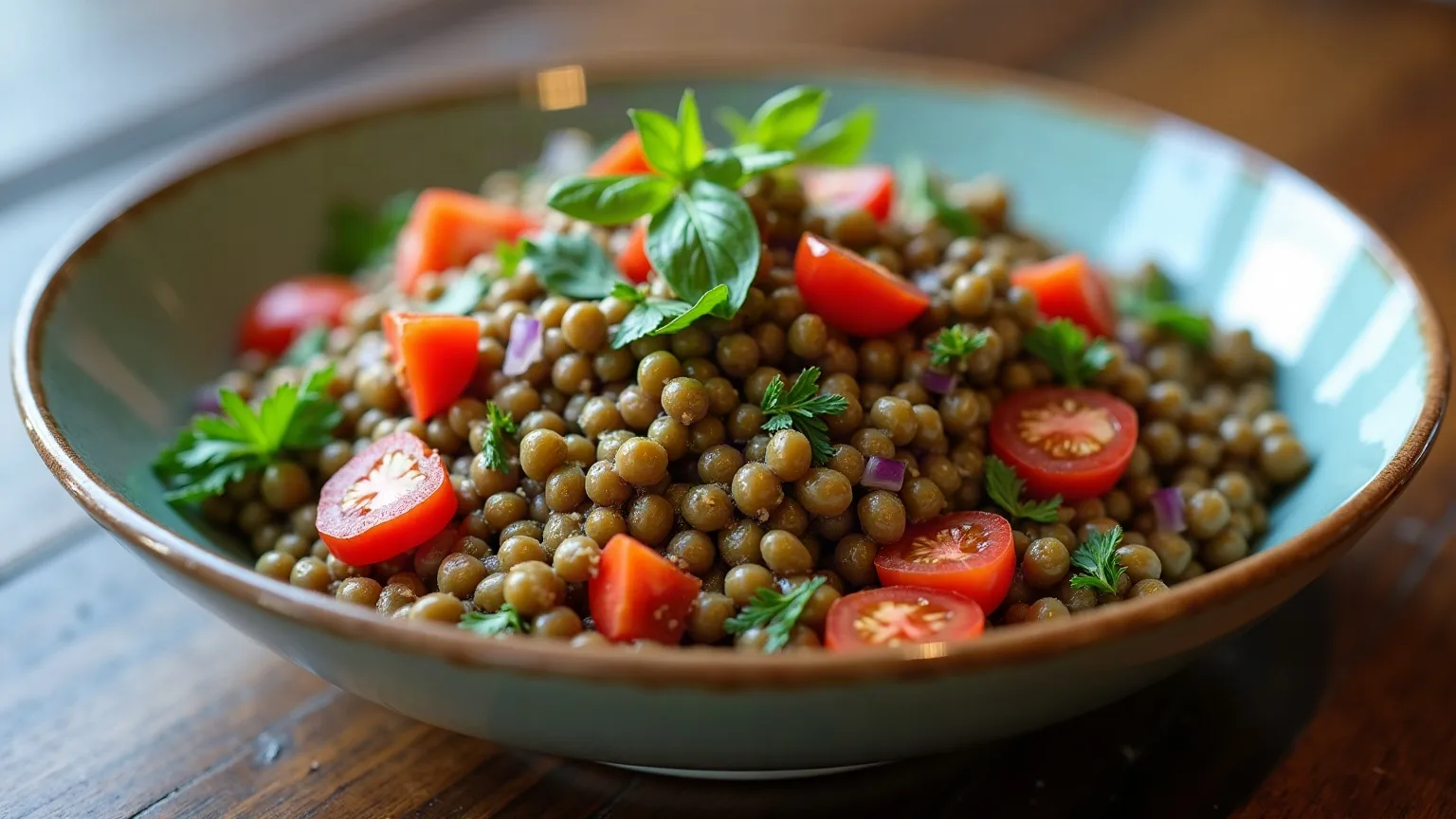
Green lentil salad
A lentil goes on cooking in its own heat for three or four minutes after the pan comes off. The eighteen minutes in this recipe already has those minutes counted in.
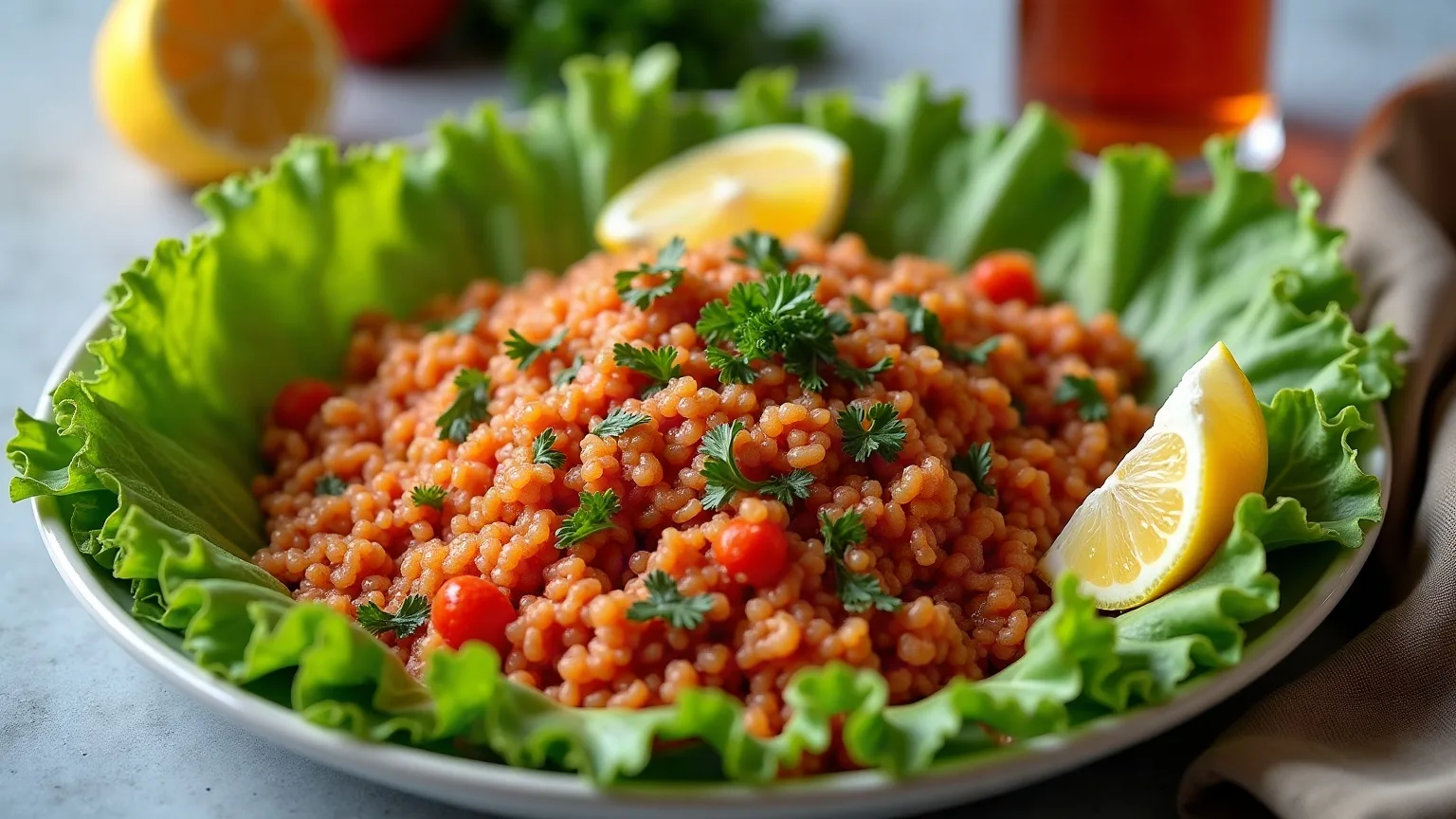
Kısır
It never meets a flame: fine bulgur swells by itself in boiling water. The pomegranate molasses and lemon go in after the swelling is over.
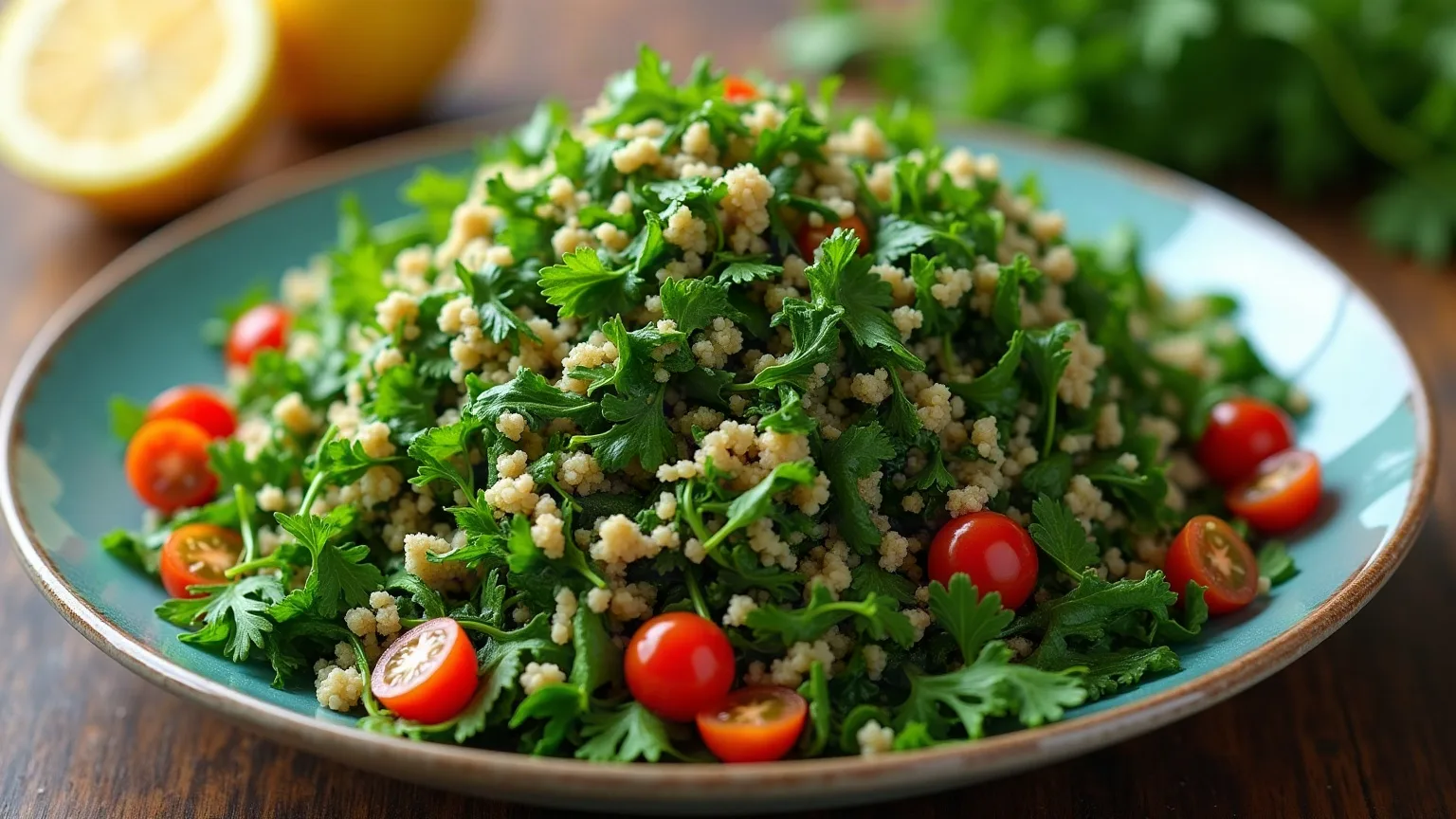
Tabbouleh
Tabbouleh is not a bulgur salad but a parsley salad: the bulgur is under a tenth of the whole. And what swells it is not water but the juice of the tomato.