
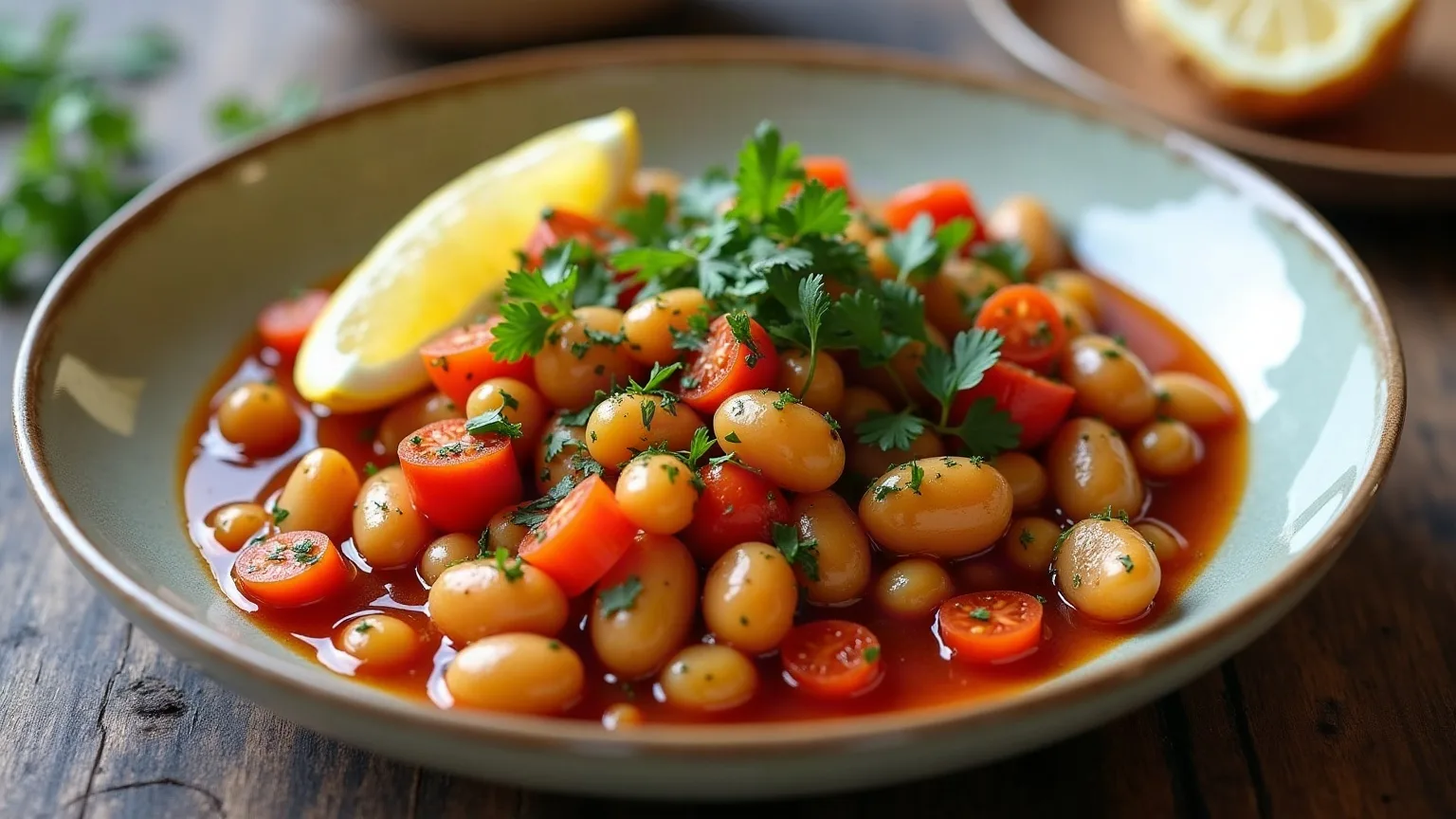
Borlotti bean pilaki
A pilaki is eaten cold, and that is why there is sugar in it: perception of sweetness drops as food cools, so what tastes right hot tastes flat cold.
Pulses · Marmara · Vegan · Weekend batch · For guests · Seasonal
- Preparation
- 20 min
- Cooking
- 55 min
- Resting
- 180 min
- Difficulty
- Needs attention
- Cost
- Very cheap
- Season
- Summer, Autumn
Pilaki is a family of cold, olive-oil pulse dishes — beans, borlotti, chickpeas or mussels. Serving it cold is part of the recipe rather than a preference: taste receptors register sweet and salty less around 20 °C, so a pilaki tasted hot seems too sweet and lands correctly once cold. The carrot is there for the same reason: it gives its sugar to the liquid as it cooks.
Method
- Shell fresh borlotti; if using dried, soak overnight and discard the water.
- Cut the vegetables into large dice: in a pilaki the vegetables stay visible.
You will need: A wide pan with a lid
-
Boil the beans thirty minutes in plain water, with NO salt and NO tomato.
Look for Soft, with the skins still intact.
Why The same pectin rule: acid and salt lock the skin. Borlotti have thinner skins than white beans, so thirty minutes is enough.If it went wrong
Still firm: fifteen minutes more. Once the tomato is in, any firmness is permanent.
Starch gelatinised The granules soaked up water, swelled and burst into a network. It has thickened, and it will firm further as it cools. no way back
Too much starch. It will set into a rubbery gel once cool — add more liquid.
-
Soften the onion in the oil for eight minutes, add the carrot and potato for five.
Look for The carrot softening at the edges and the oil turning orange.
Why The carrot’s sugar dissolves into the oil and then the liquid, and half a pilaki’s sweetness comes from there; the spoon of sugar finishes the balance.Starch gelatinised The granules soaked up water, swelled and burst into a network. It has thickened, and it will firm further as it cools. no way back
Maillard is running Amino acids have met reducing sugars. The crust, the roasted flavour and that smell all come from here. no way back
-
Add the boiled beans, the tomato, garlic, sugar, salt and water; cover and cook twenty-five minutes on a low flame.
Look for The liquid down by about a third and the sauce slightly thickened.
Why The garlic goes in as whole cloves: in twenty-five minutes it turns to a sweet paste and loses its bite entirely. Chopped, it would turn bitter in the same time.Starch gelatinised The granules soaked up water, swelled and burst into a network. It has thickened, and it will firm further as it cools. no way back
Salt · 0.44% Low. Everything reads flat and nothing steps forward.
-
Take it off, squeeze the lemon, stir in the parsley and cool it uncovered for AT LEAST three hours, to below room temperature.
Look for Cooled, the sauce sits on a spoon and the oil forms a thin film on the surface.
Why A pilaki completes when cold: the oil partly sets and coats the pulses, and as the perception of sweetness falls the sugar lands where it should. Tasted hot it seems too sweet, and that is not a mistake but a dish that is not finished yet.Salt · 0.42% Low. Everything reads flat and nothing steps forward.
This recipe was run through the engine step by step — what goes in when, and at what temperature and for how long. The reactions above come from that run.
peak 140 °C · 248 minutes · engine 1.0.0 · confidence low
After the heat goes off
Cold with plenty of parsley and lemon, and bread. Out of the fridge twenty minutes before: too cold and the oil sets and shuts the flavour down.
Four days in the fridge, and the second and third are the best.
Not reheated: a pilaki is a cold dish.
Three months; the potato loses a little texture and it does not show in the sauce.
Mashed onto bread or stirred through a salad.
Suitable from twelve months and usually liked for its sweetness. For 12–36 months crush the beans and lift their share before the salt. Suitable mashed for a baby from eight months.
- Borlotti beans (dry) → White beans (dry) White bean pilaki is the same recipe with the boiling at fifty minutes.
- Olive oil dishes The method this recipe rests on
- Borlotti beans (dry) What it does in heat, water and acid
- Bulb onion What it does in heat, water and acid
- Tomato What it does in heat, water and acid
- White bean salad Similar method, or something that sits on the same table
- White beans Similar method, or something that sits on the same table
- Green beans in olive oil Similar method, or something that sits on the same table
- Vegan Other recipes that answer the same need
- Weekend batch Other recipes that answer the same need
- For guests Other recipes that answer the same need
- Seasonal Other recipes that answer the same need
What it tastes like
No axis sits clearly above the average: a balanced recipe.
This profile is computed rather than measured: the role-weighted average of its ingredients’ taste vectors, shifted by what the cooking does. The thin line is the database average on that axis.
Closest in taste
Not hand-picked: ranked by distance across the eight taste axes.
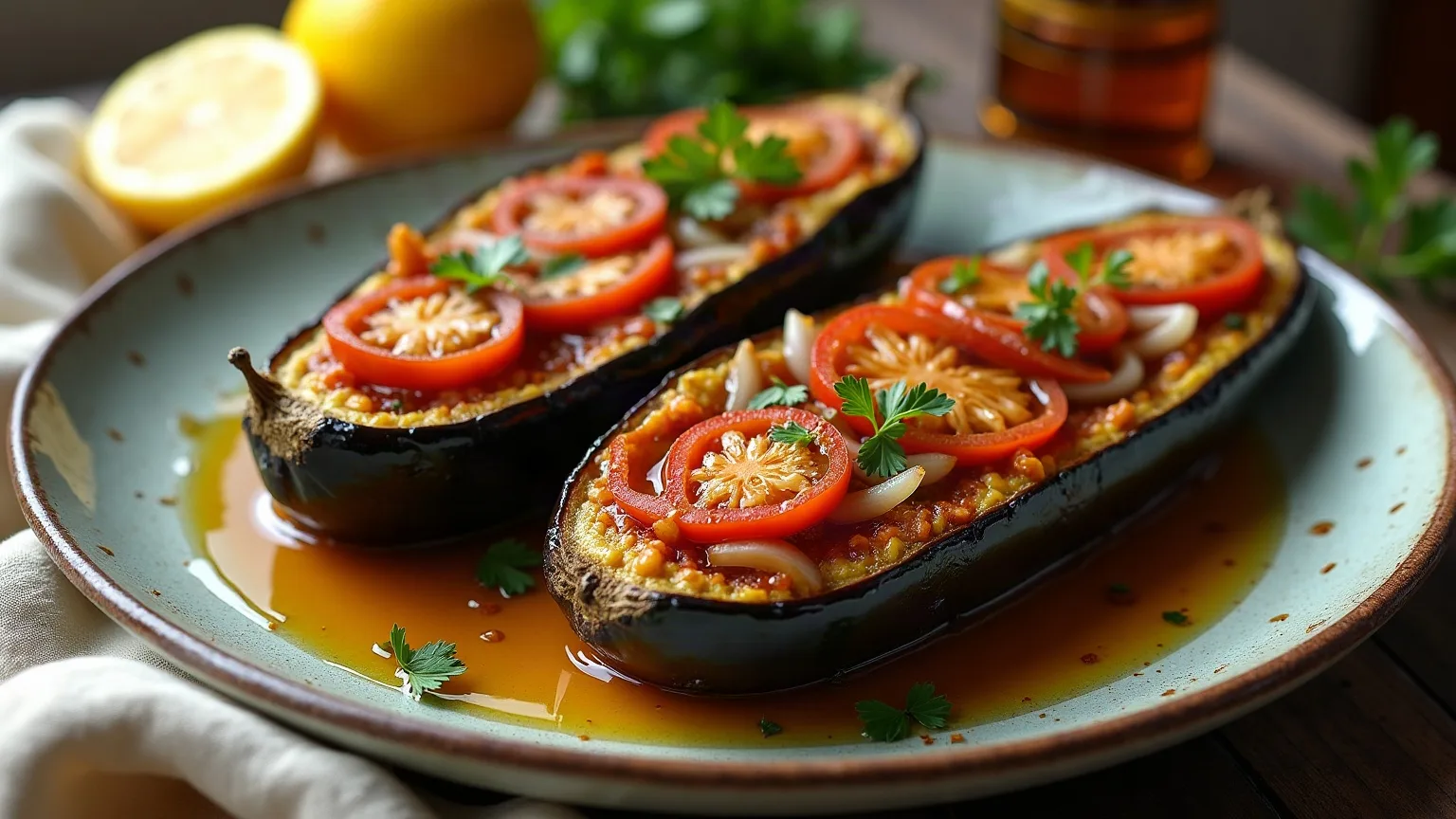
İmam bayıldı
Karnıyarık’s sibling: no meat, olive oil, eaten cold. The quantity of onion is not excessive — this is a dish about onio…
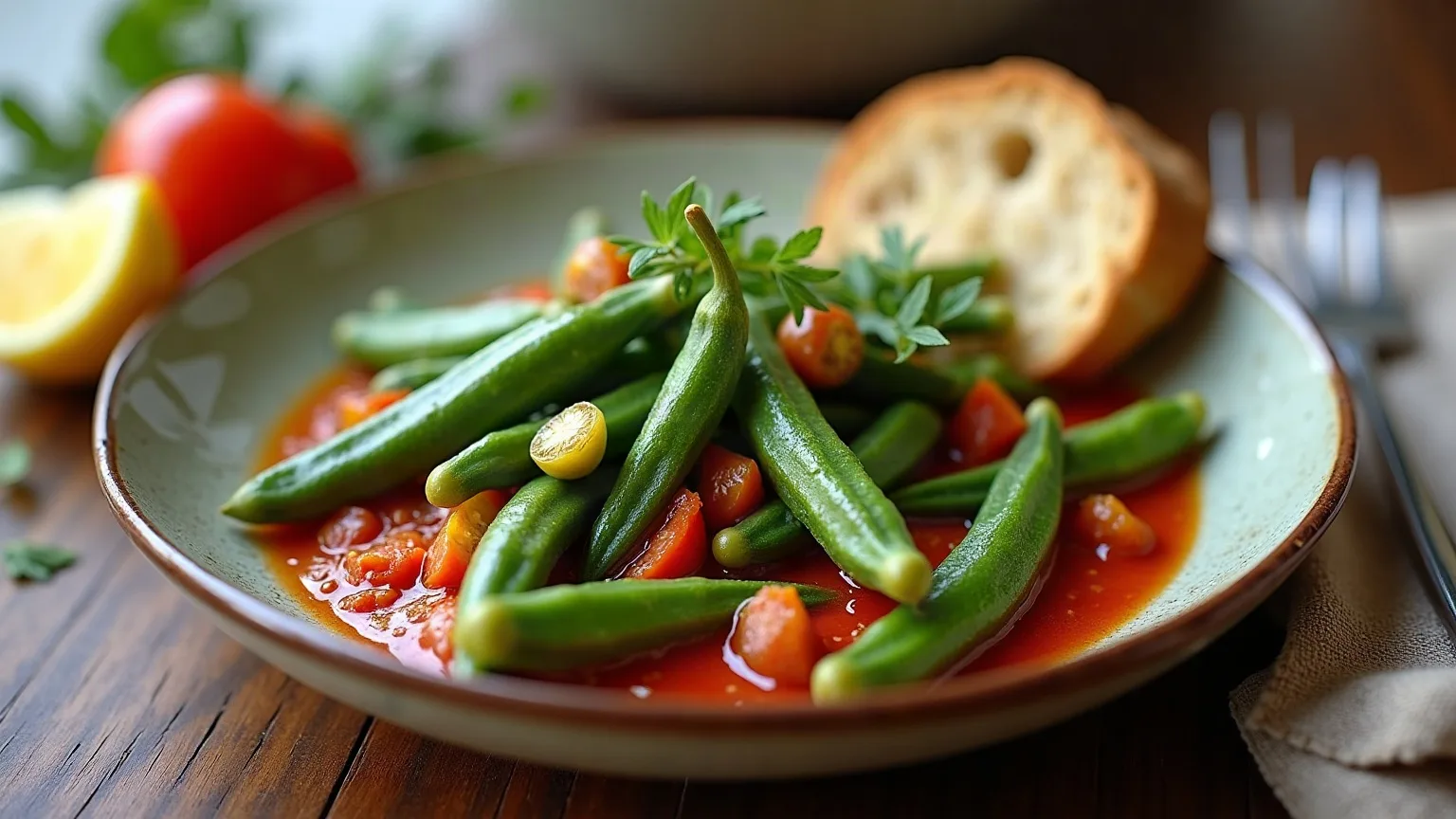
Okra in olive oil
Okra goes slimy for one reason: it was cut. Cooked without breaching the pod, it does not go slimy at all.…
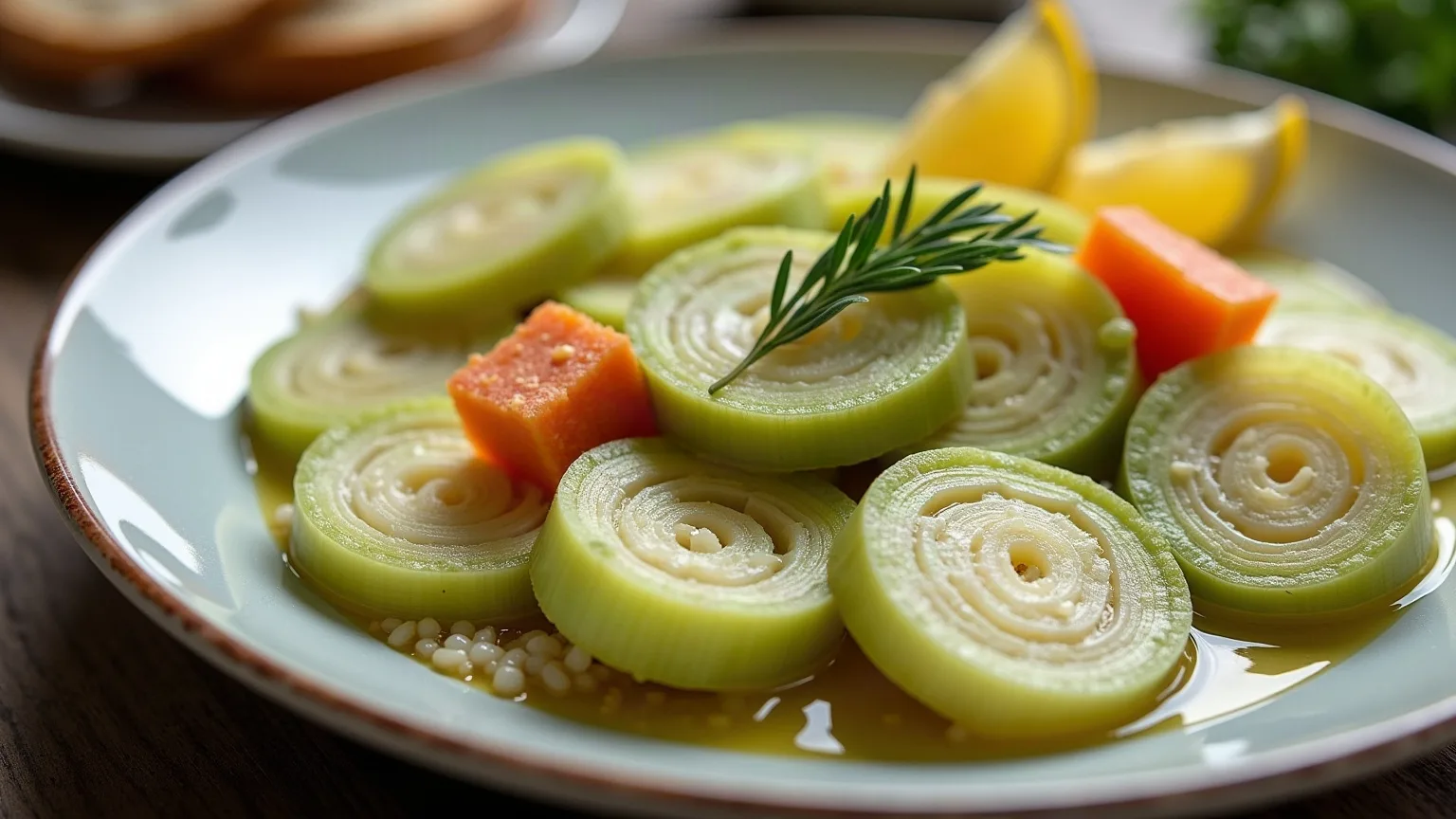
Leeks in olive oil
Leek grit hides between the layers and rinsing does not reach it: it has to be cut first and soaked after.…
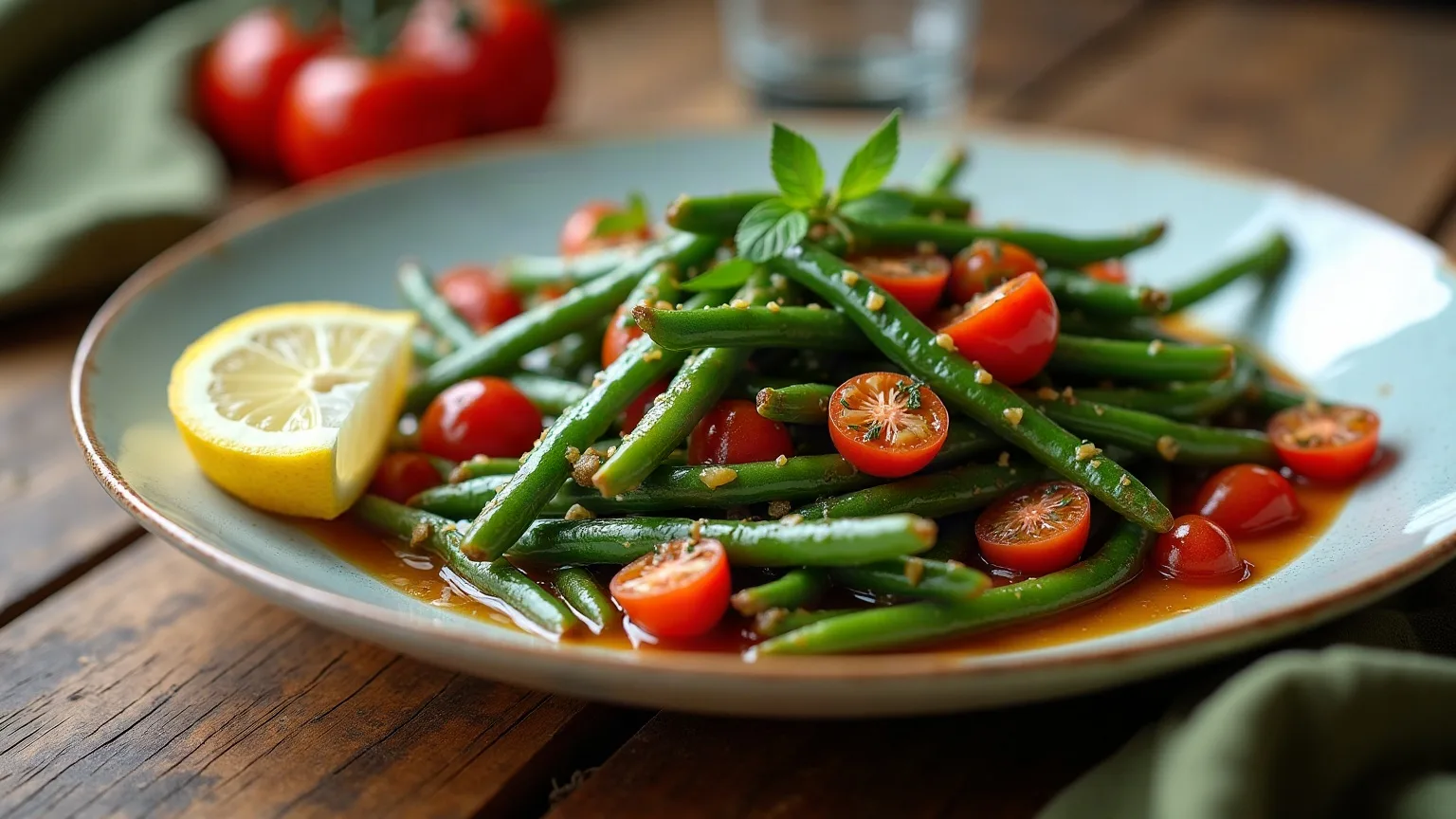
Green beans in olive oil
A classic that cooks in the vegetable’s own water, with none added. The secret is patience and a low flame: the beans sw…