
Hummus
Smooth hummus is not a question of the blender but of the skins: no machine makes it velvety while they are still on.
Pulses · Levantine · Vegan · Weekend batch · For guests · Snacks for children
- Preparation
- 20 min
- Cooking
- 45 min
- Difficulty
- Practised hand
- Cost
- Very cheap
- Season
- All year
Hummus is the most argued-over plate in the Levantine kitchen and its smoothness is treated as a mark of technique. The skin is cellulose and no domestic blender takes it below about 100 microns — while the palate detects particles above 50. Boiled with bicarbonate, the skins slip off by themselves; and adding iced water emulsifies the tahini’s fat and lightens the colour.
Method
- Soak the chickpeas overnight with half a teaspoon of bicarbonate.
- Have iced water ready: it is needed to loosen the tahini.
You will need: A pan · A food processor · A wide bowl
-
Rinse the soaked chickpeas, cover them with fresh water, add half a teaspoon of bicarbonate and boil forty to forty-five minutes, until VERY soft.
Look for Skins floating on the surface, and no resistance at all between two fingers.
Why For hummus the chickpea should be overcooked rather than merely soft: it should fall apart under a finger. The bicarbonate both dissolves the pectin and loosens the skins so they float free.If it went wrong
Still firm: fifteen minutes more. Hummus made from underdone chickpeas never goes smooth in any machine — the problem is not the blender.
Starch gelatinised The granules soaked up water, swelled and burst into a network. It has thickened, and it will firm further as it cools. no way back
-
Skim the floating skins off, drain the chickpeas and keep back 150 ml of the liquid.
Look for A visible layer of skins gathering in the spoon.
Why The skin is cellulose and a domestic processor takes it only to about 100 microns, while the palate feels anything above 50. Without removing them, smoothness is physically out of reach.Starch gelatinised The granules soaked up water, swelled and burst into a network. It has thickened, and it will firm further as it cools. no way back
-
Put the hot chickpeas in the processor with the garlic, cumin, salt and lemon and run it two minutes.
Look for A uniform paste with one colour.
Why Hot chickpeas break down far more easily than cold ones: the starch gel is still loose and the cell walls soft. The same two minutes on cooled chickpeas gives half the smoothness.Starch gelatinised The granules soaked up water, swelled and burst into a network. It has thickened, and it will firm further as it cools. no way back
Salt · 0.45% Low. Everything reads flat and nothing steps forward.
-
Add the tahini and pour ICED water in slowly with the machine running; blend three minutes more.
Look for The hummus should pale to a cream, gain volume and fall slowly off a spoon.
Why Iced water emulsifies the tahini’s fat, which both loosens the mixture and lightens its colour markedly. Warm water does not do it: the emulsion will not form warm.If it went wrong
If it stays dark and heavy, add two more tablespoons of iced water and blend a minute. Do not add olive oil: fat thickens it rather than loosening it.
Salt · 0.41% Low. Everything reads flat and nothing steps forward.
This recipe was run through the engine step by step — what goes in when, and at what temperature and for how long. The reactions above come from that run.
peak 100 °C · 52 minutes · engine 1.0.0 · confidence low
After the heat goes off
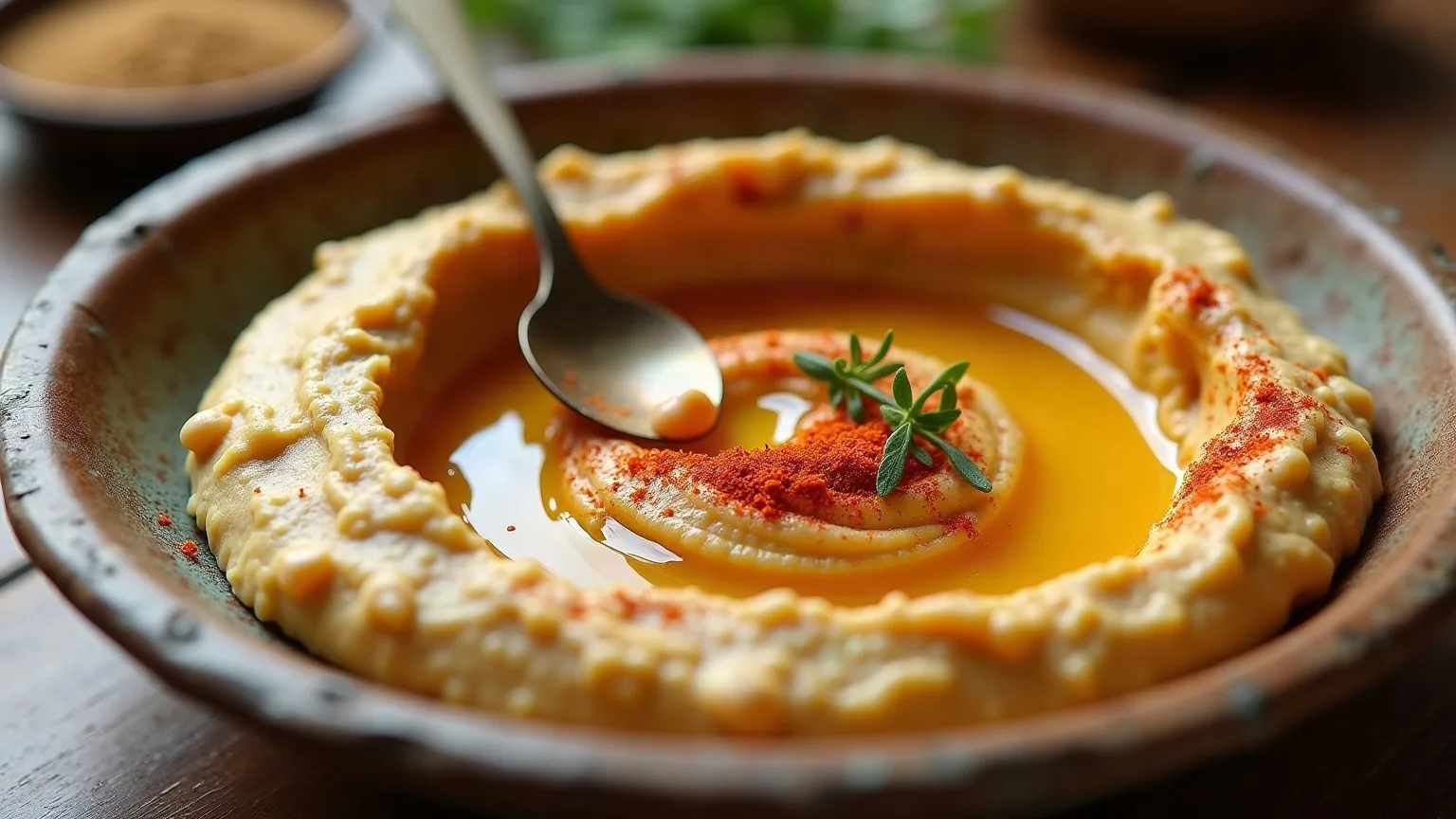
Spread it and hollow a well with the back of a spoon, pour the oil into the well and dust the red pepper over. With warm bread.
Four days covered in the fridge; a thin film of oil on top stops it drying.
Not reheated. Take it out thirty minutes ahead: cold hummus closes up.
Three months. It looks separated on thawing and comes back with two spoons of iced water and a whisk.
Spread in a sandwich, thinned into a pasta sauce, or used as a binder in a meatball mixture.
Hummus suits children very well: soft, carrying protein and iron, and eaten with vegetables. For 12–36 months halve the garlic and lift their share before the salt. Sesame is an allergen, so on a first exposure give it alone and in a small amount. Suitable unsalted for a baby from eight months.
- Chickpea → Fava beans (dry) Made with broad beans it comes close to a fava; halve the tahini, since the bean is already creamy.
- Boiling & poaching The method this recipe rests on
- Chickpea What it does in heat, water and acid
- Tahini What it does in heat, water and acid
- Lemon What it does in heat, water and acid
- Broad bean purée Similar method, or something that sits on the same table
- Chickpea stew Similar method, or something that sits on the same table
- Tahini and honey bowl Similar method, or something that sits on the same table
- Vegan Other recipes that answer the same need
- Weekend batch Other recipes that answer the same need
- For guests Other recipes that answer the same need
- Snacks for children Other recipes that answer the same need
What it tastes like
No axis sits clearly above the average: a balanced recipe.
This profile is computed rather than measured: the role-weighted average of its ingredients’ taste vectors, shifted by what the cooking does. The thin line is the database average on that axis.
Closest in taste
Not hand-picked: ranked by distance across the eight taste axes.
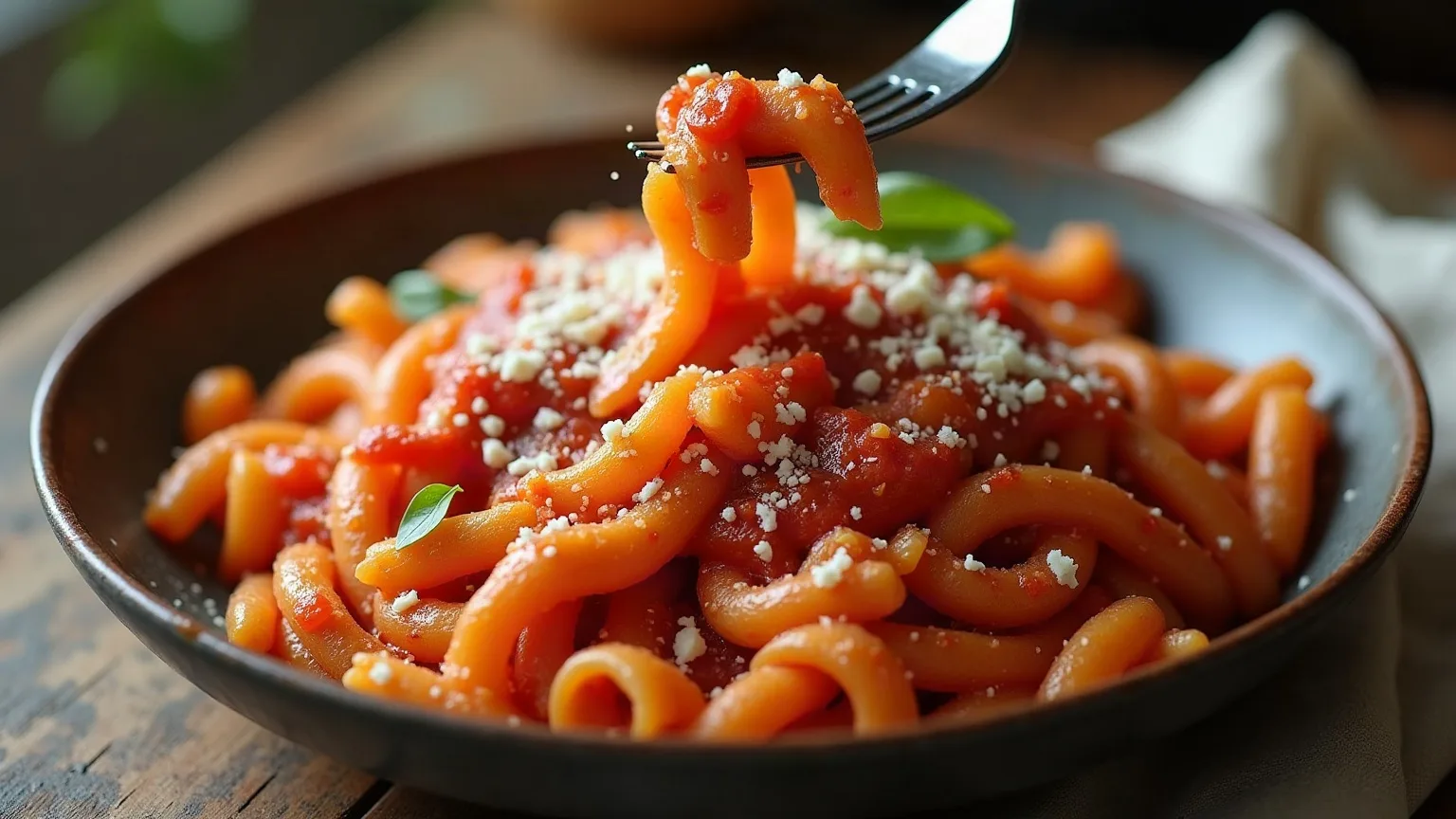
Pasta with tomato paste
There is no sauce until the paste has been fried: raw paste stays sour and metallic.…
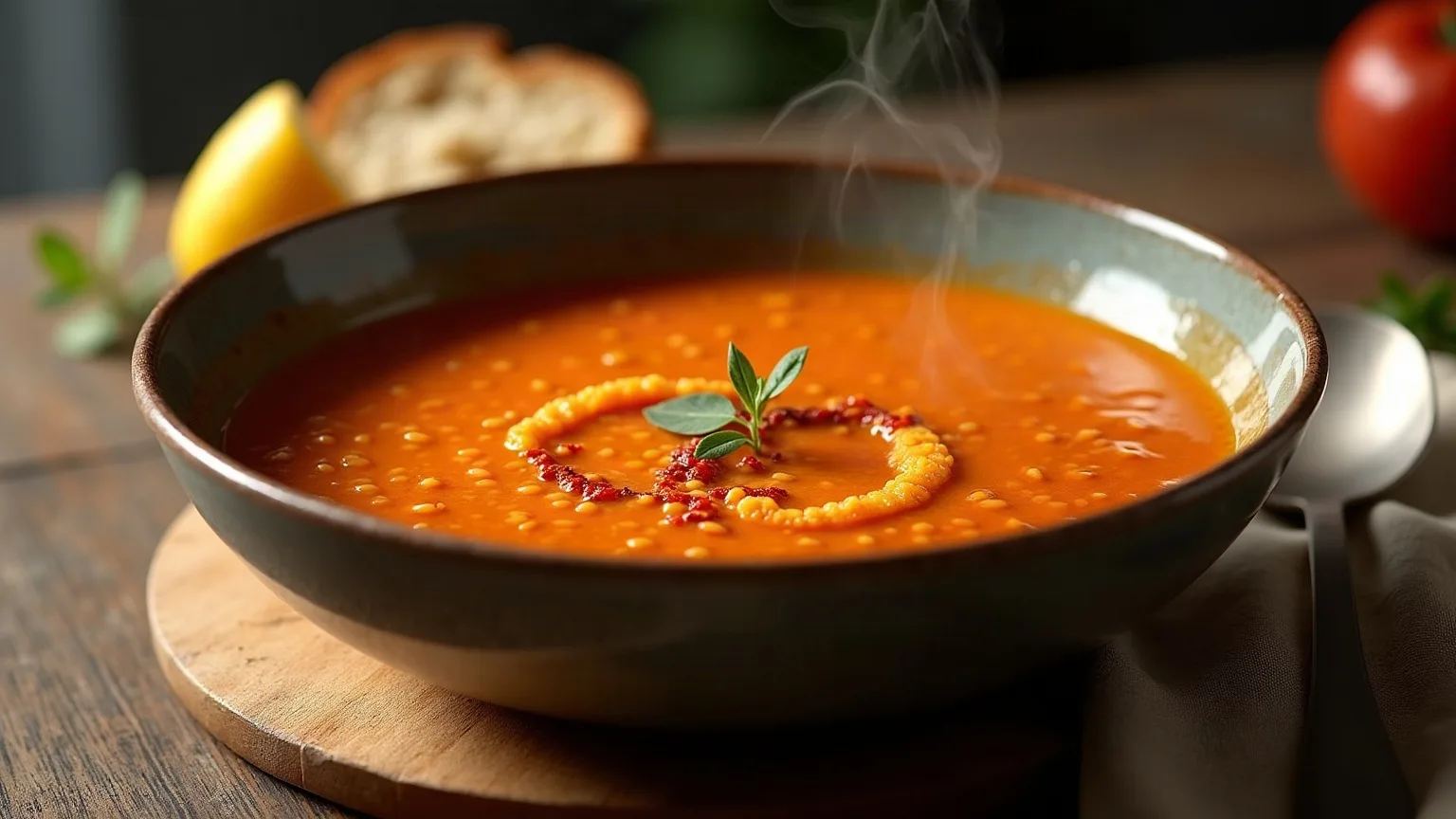
Red lentil soup
Turkey’s default soup. Four ingredients, thirty-five minutes and one rule: the lemon is squeezed at the table.…
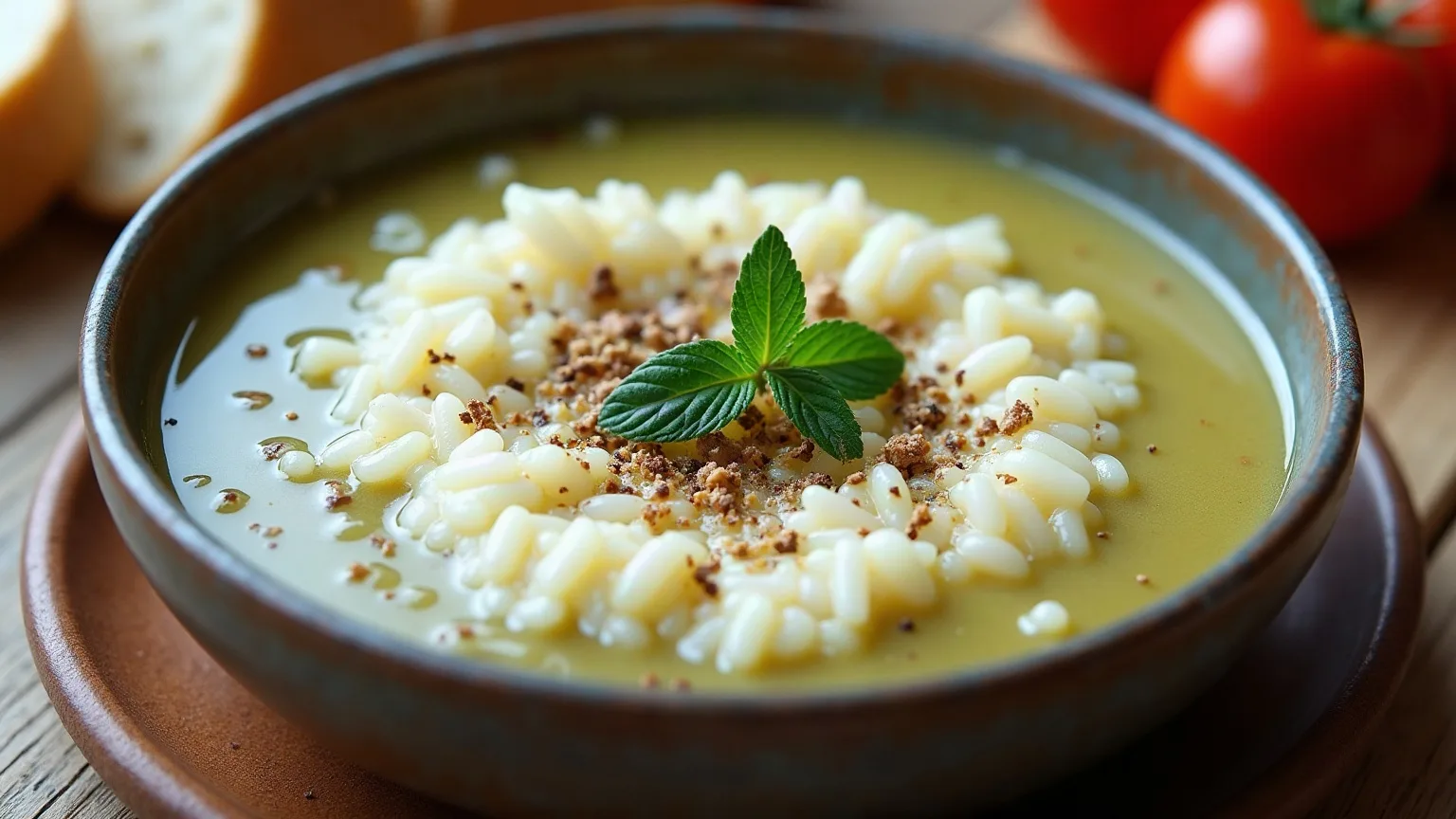
Yoghurt and rice soup
Every yoghurt soup has the same single problem: splitting. The answer is not the flour and the egg but the way the tempe…
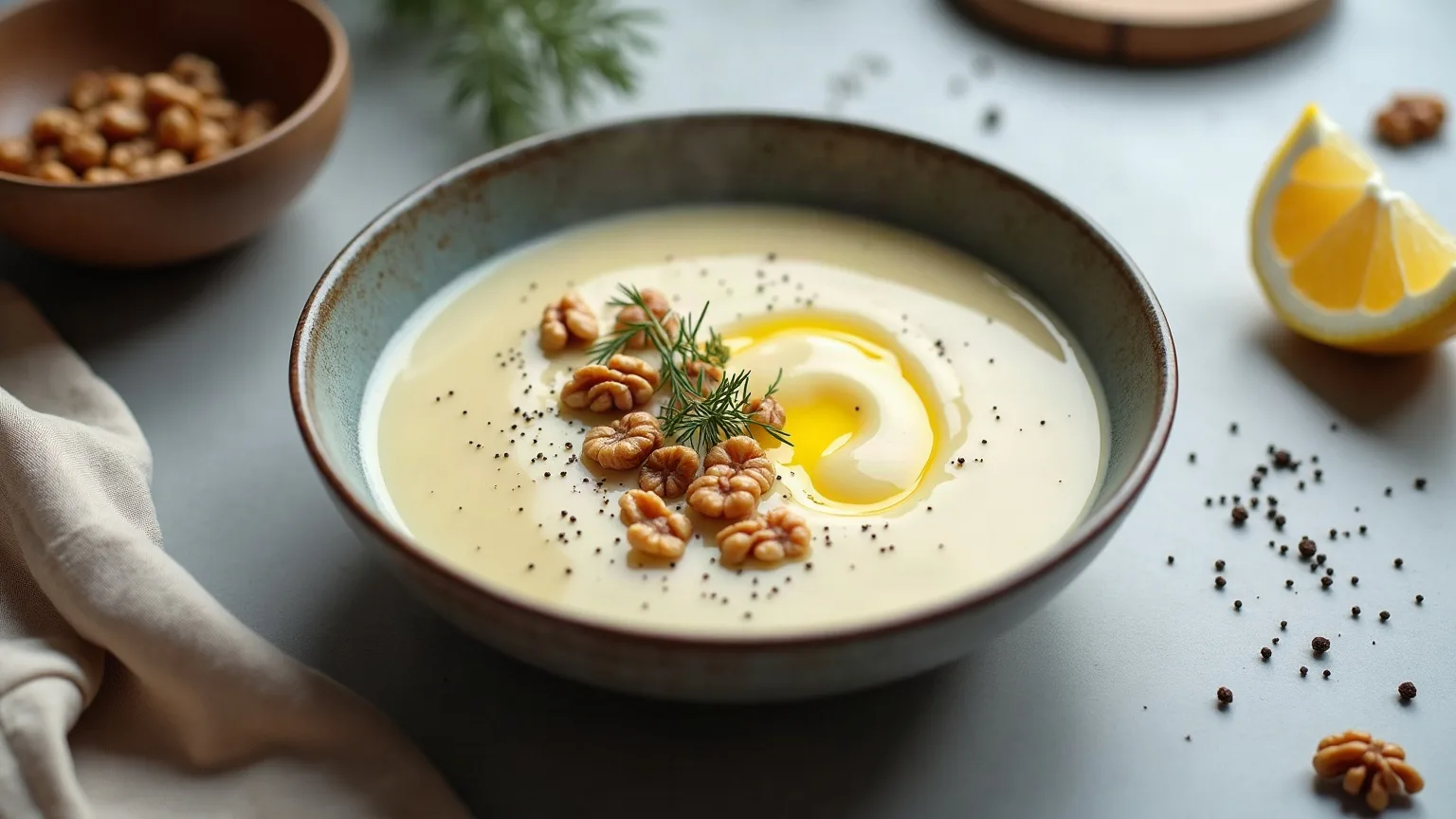
Celeriac soup
Celeriac starts browning the moment it is cut. Dropping it into acidulated water is a chemical intervention rather than …