
Leeks in olive oil
Leek grit hides between the layers and rinsing does not reach it: it has to be cut first and soaked after.
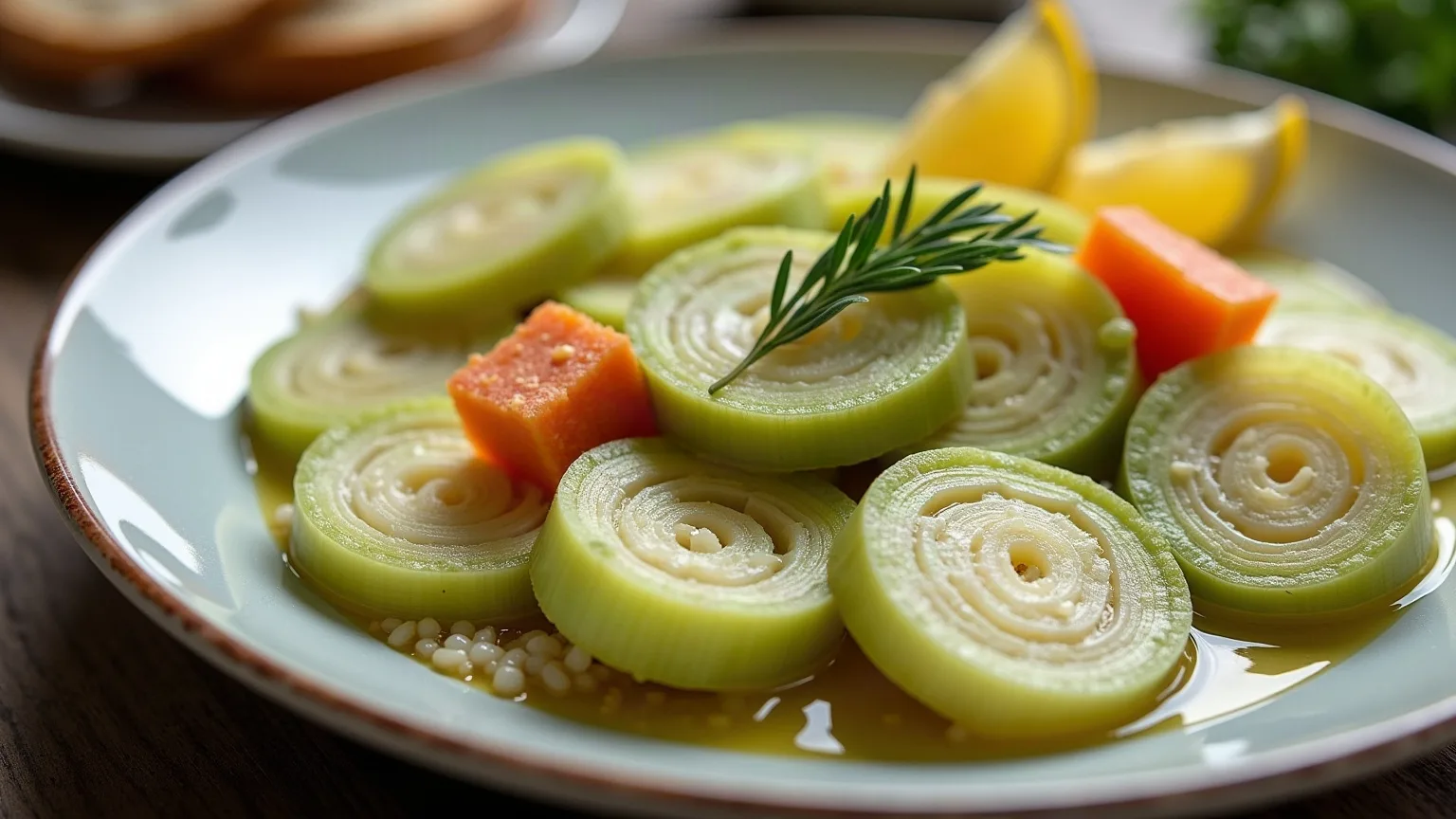
Leeks are grown earthed up, which is why the white part is white, and grit works its way between the layers while that happens. Washing a whole leek takes the grit off the outside and not the grit inside. Cut into rings and left in water, the grit sinks and the leek floats: you lift the leek out by hand rather than pouring it into a sieve.
Method
- Cut the leeks into 1.5 cm rings, put them in a deep bowl of water, swirl them and wait five minutes.
- Lift the leeks out BY HAND and do not pour the water off: the grit stays at the bottom.
You will need: A wide pan with a lid · A deep bowl for washing
-
Soak the cut leeks and lift them out by hand.
Look for A fine layer of grit at the bottom of the bowl means it worked.
Why Grit is heavier than leek and sinks while the leek floats. Tipping the bowl into a sieve pours the grit back over the leek and undoes the whole thing. -
Soften the onion in the oil for six minutes and add the carrot for four.
Look for The carrot should start to soften at the edges.
Why Carrot is firmer than leek, and going in first lets both soften together.Starch gelatinised The granules soaked up water, swelled and burst into a network. It has thickened, and it will firm further as it cools. no way back
-
Add the leek, rice, sugar, salt and hot water; cover and cook twenty-five minutes on a low flame.
Look for The rice swollen, the leek translucent and no free water in the pan.
Why The rice binds the water the leek releases and keeps the dish from being soupy. The sugar balances the leek’s sulphurous edge — a dessertspoon across four portions sweetens nothing.If it went wrong
Liquid left in the pan: lid off and five minutes on a high flame, because a watery leek dish does not come together as it cools. Hard rice: 50 ml of hot water and eight more covered minutes.
Starch gelatinised The granules soaked up water, swelled and burst into a network. It has thickened, and it will firm further as it cools. no way back
Salt · 0.57% Low. Everything reads flat and nothing steps forward.
-
Take it off, squeeze the lemon and cool it uncovered for forty-five minutes.
Look for Cooled, it should sit on a spoon rather than run off it.
Why An olive-oil dish finishes as it cools, and the lemon goes in off the heat so its aroma survives.Salt · 0.55% Low. Everything reads flat and nothing steps forward.
This recipe was run through the engine step by step — what goes in when, and at what temperature and for how long. The reactions above come from that run.
peak 140 °C · 86 minutes · engine 1.0.0 · confidence low
After the heat goes off
At room temperature with lemon and bread, and yoghurt for whoever wants it.
Four days in the fridge and better on the second.
Not reheated.
Two months. Leek freezes well; the rice softens a little.
A börek filling, or into a pan with eggs.
Leek is sweet and soft and a good winter vegetable for children. For 12–36 months halve the rings, since a long ring is hard to swallow, and lift their share before the salt. For a baby under one it suits mashed from eight months.
- Rice → Fine bulgur Fine bulgur binds too and cooks in twelve minutes; drop the water to 150 ml.
- Olive oil dishes The method this recipe rests on
- Leek What it does in heat, water and acid
- Bulb onion What it does in heat, water and acid
- Carrot What it does in heat, water and acid
- Spinach with rice Similar method, or something that sits on the same table
- Green beans in olive oil Similar method, or something that sits on the same table
- Celeriac soup Similar method, or something that sits on the same table
- Budget Other recipes that answer the same need
- Seasonal Other recipes that answer the same need
- Vegan Other recipes that answer the same need
- One pot Other recipes that answer the same need
What it tastes like
The axes that define this recipe: sweet 27.
This profile is computed rather than measured: the role-weighted average of its ingredients’ taste vectors, shifted by what the cooking does. The thin line is the database average on that axis.
Closest in taste
Not hand-picked: ranked by distance across the eight taste axes.
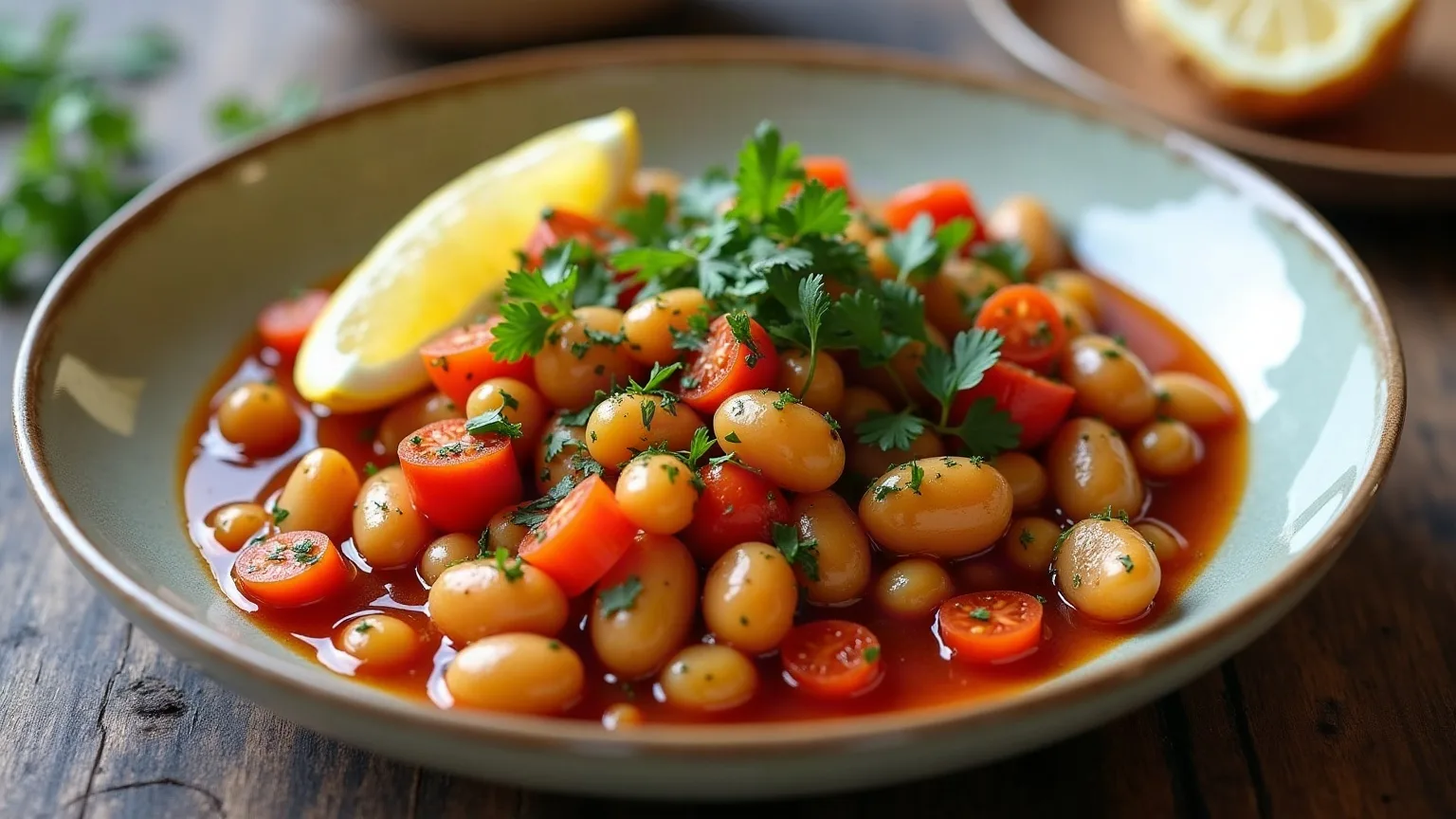
Borlotti bean pilaki
A pilaki is eaten cold, and that is why there is sugar in it: perception of sweetness drops as food cools, so what taste…
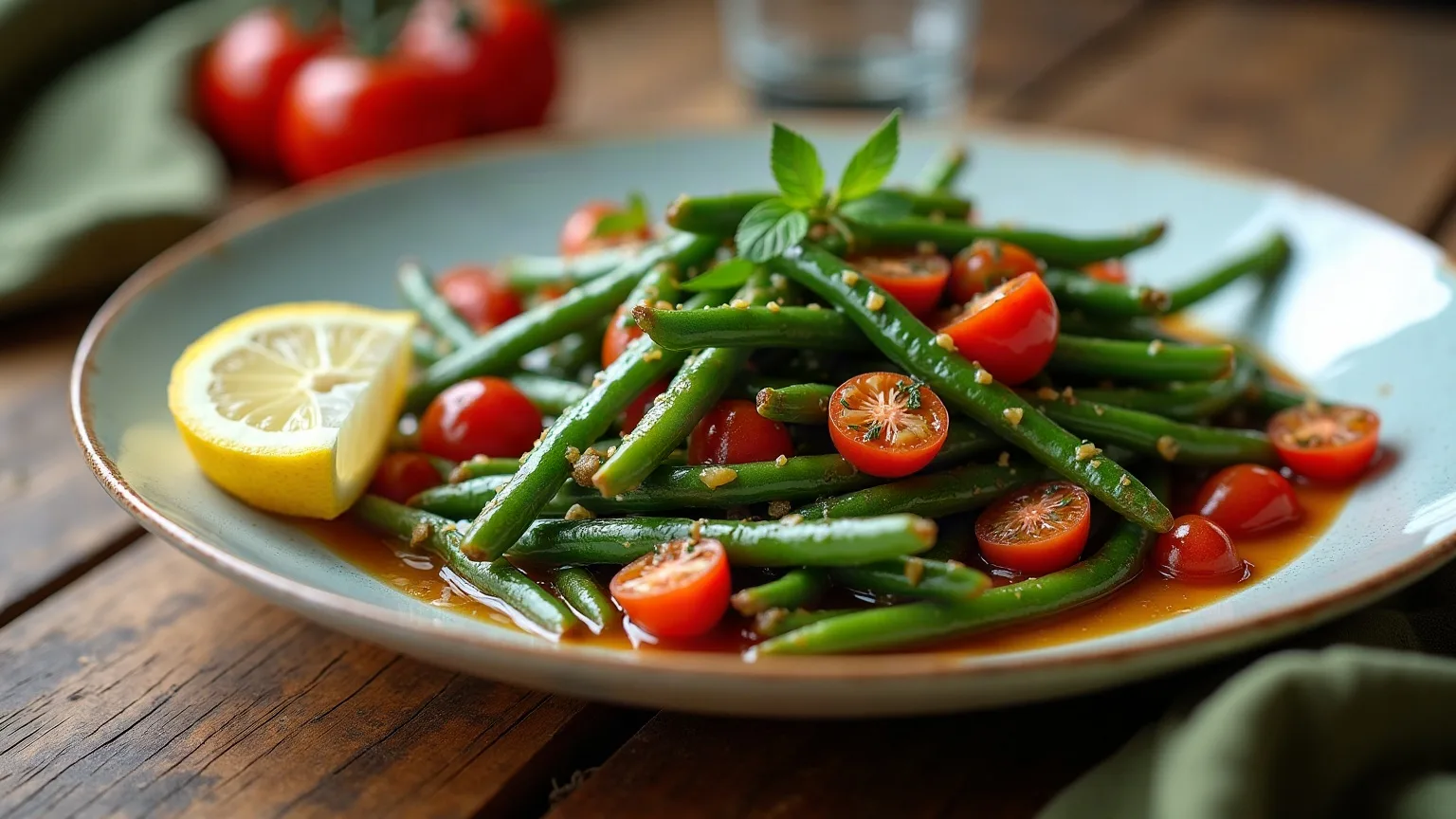
Green beans in olive oil
A classic that cooks in the vegetable’s own water, with none added. The secret is patience and a low flame: the beans sw…
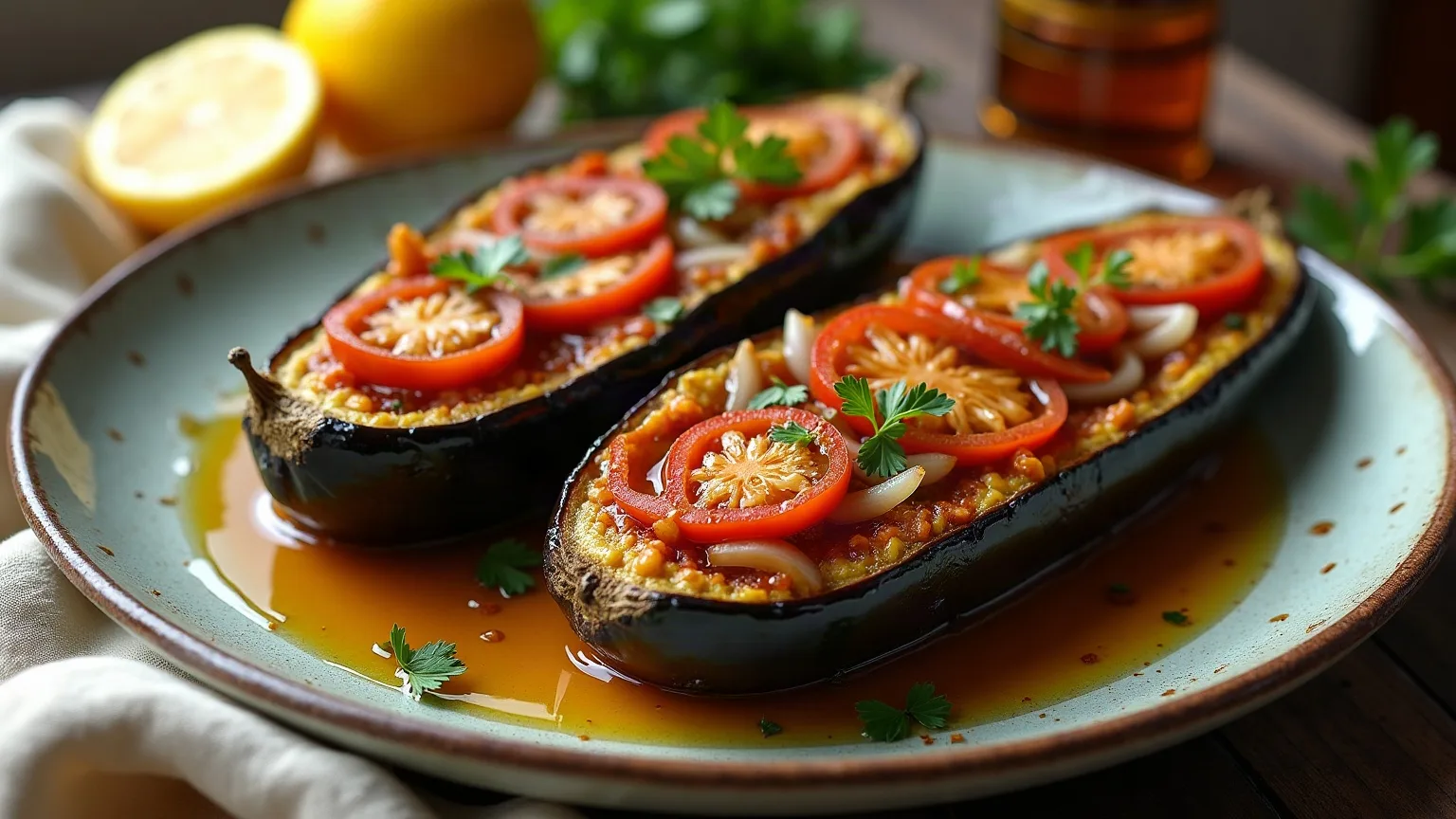
İmam bayıldı
Karnıyarık’s sibling: no meat, olive oil, eaten cold. The quantity of onion is not excessive — this is a dish about onio…
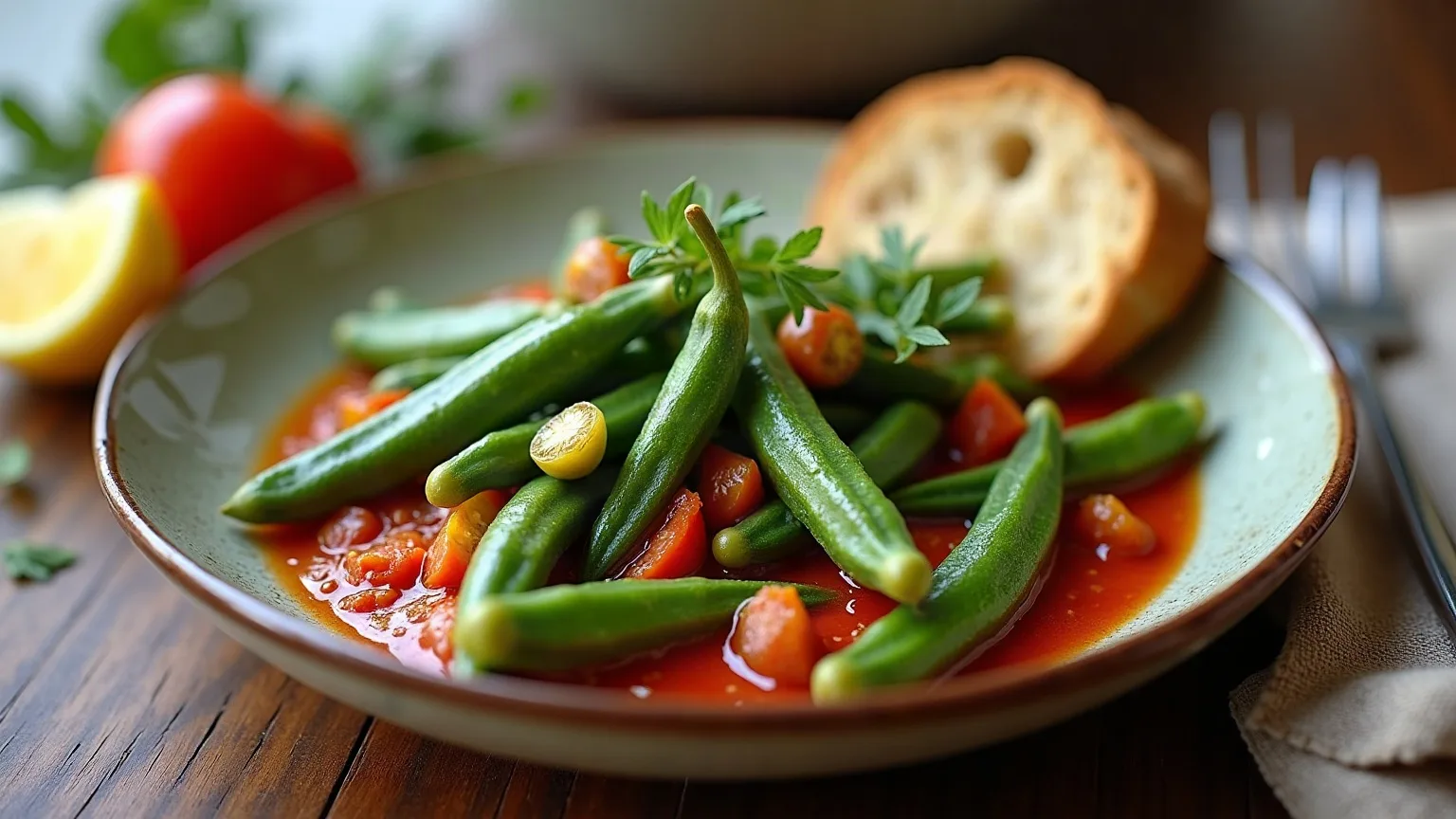
Okra in olive oil
Okra goes slimy for one reason: it was cut. Cooked without breaching the pod, it does not go slimy at all.…