
Black-eyed pea stew
The one common dried pulse that needs no soaking: its coat is thin and permeable, so it goes from dry seed to tender in twenty-five minutes.
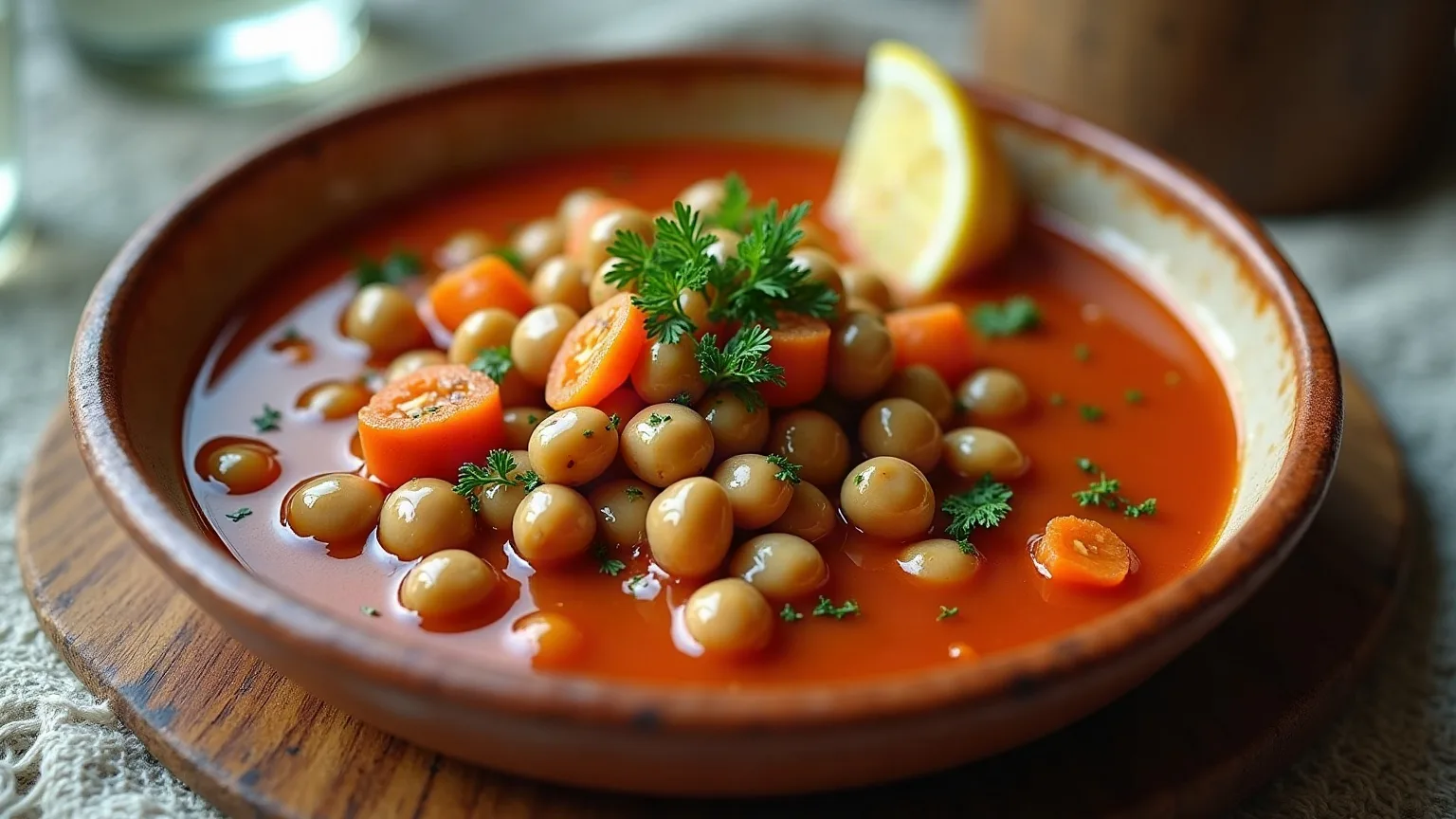
Unlike chickpeas and beans, black-eyed peas do not have to be planned the night before, and the reason is in the seed: the coat is thinner and the hilum — the scar where it was attached to the pod — is wider, so water gets in by two routes. That is the practical reason they are a summer evening dish on the Aegean and Mediterranean coasts: you can decide at six and put it on the table at half past seven. The same property cuts the other way, though: cooked too long the coats tear quickly and the seeds break up.
Method
- Rinse the black-eyed peas; they do not need soaking.
- Cut the vegetables large: this dish does not take a small dice, it falls apart.
You will need: A pan
-
Put the peas in the pan with cold water, bring it up and cook twenty minutes with no salt and no tomato.
Look for They should swell while the black eye is still clearly marked.
Why Twenty minutes is enough for unsoaked black-eyed peas; a chickpea would still be a stone. Tomato and salt wait again, because a thin coat is affected by acid faster still: a tomato put in early takes the cooking out to forty minutes.If it went wrong
If you have gone past twenty-five minutes and they are breaking up, put the tomato in at once and crush a few more with the spoon: the sauce thickens and the dish survives as a mixture of purée and whole seeds. It eats perfectly well; it is just a crushed börülce now.
Starch gelatinised The granules soaked up water, swelled and burst into a network. It has thickened, and it will firm further as it cools. no way back
-
Soften the onion, garlic and carrot in the olive oil for eight minutes.
Look for The onion should go translucent and the carrot soften at the edge while keeping its shape.
Why The carrot is here for sweetness and is cut large: finely cut it disappears completely in the second twenty minutes.Starch gelatinised The granules soaked up water, swelled and burst into a network. It has thickened, and it will firm further as it cools. no way back
-
Put the two together, add the tomato and the salt and cook fifteen minutes more.
Look for The sauce should coat the back of a spoon in a thin film.
Why The peas are soft by now, so there is nothing left for the acid to hold back; this stage is for taste. The tomato’s own pectin binds the sauce as its juice reduces.Starch gelatinised The granules soaked up water, swelled and burst into a network. It has thickened, and it will firm further as it cools. no way back
Salt · 0.38% Low. Everything reads flat and nothing steps forward.
-
Take it off the heat, throw in the dill and squeeze the lemon over.
Look for The dill should stay bright green rather than wilting.
Why Dill’s aroma is volatile and gone in three minutes, which is why it goes in off the heat. The lemon is the same: in a hot pan its taste rounds off, added afterwards it stays sharp.Starch gelatinised The granules soaked up water, swelled and burst into a network. It has thickened, and it will firm further as it cools. no way back
Salt · 0.37% Low. Everything reads flat and nothing steps forward.
This recipe was run through the engine step by step — what goes in when, and at what temperature and for how long. The reactions above come from that run.
peak 145 °C · 45 minutes · engine 1.0.0 · confidence low
After the heat goes off
Warm or cold with olive oil trickled over; on the Aegean it is eaten cold.
Four days in the fridge and better cold, as the olive oil works into the seeds.
Six minutes on a low flame — though this is a dish that suits being eaten cold rather than reheated.
Three months. The dill and the lemon go in after thawing: both lose their taste in the freezer.
Cold it turns into a salad: red onion and sumac are enough.
Black-eyed peas are softer than chickpeas and crush with a fork. For 12–36 months lift their share before the salt and crush the seeds. Suitable mashed for a baby from eight months. Leave the lemon out of a child’s portion: small children find sourness harsh.
- Dill → Parsley Parsley is more neutral: the aniseed note of the dill goes and nothing else changes.
- Black-eyed peas (dry) → Green lentils (dry) Green lentils also need no soaking and cook in the same time; the taste is earthier.
- Boiling & poaching The method this recipe rests on
- Black-eyed peas (dry) What it does in heat, water and acid
- Tomato What it does in heat, water and acid
- Bulb onion What it does in heat, water and acid
- Black-eyed pea salad Similar method, or something that sits on the same table
- Green lentil stew Similar method, or something that sits on the same table
- Borlotti bean pilaki Similar method, or something that sits on the same table
- Budget Other recipes that answer the same need
- One pot Other recipes that answer the same need
- Vegan Other recipes that answer the same need
- Under 30 minutes Other recipes that answer the same need
- Seasonal Other recipes that answer the same need
What it tastes like
No axis sits clearly above the average: a balanced recipe.
This profile is computed rather than measured: the role-weighted average of its ingredients’ taste vectors, shifted by what the cooking does. The thin line is the database average on that axis.
Closest in taste
Not hand-picked: ranked by distance across the eight taste axes.
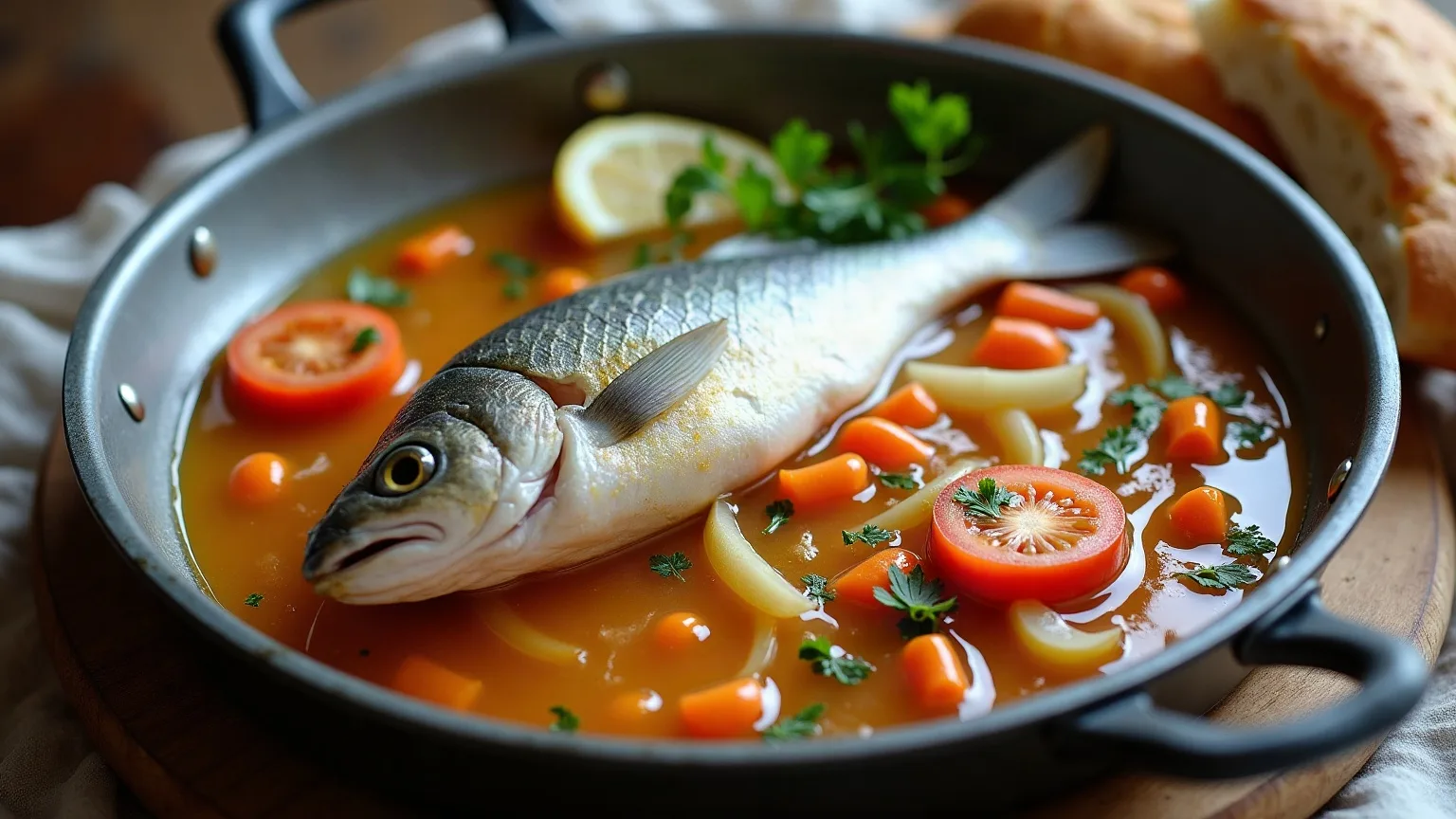
Steamed fish
In a buğulama the fish never touches water: it cooks in the steam the vegetables give off and never sees 100 °C.…
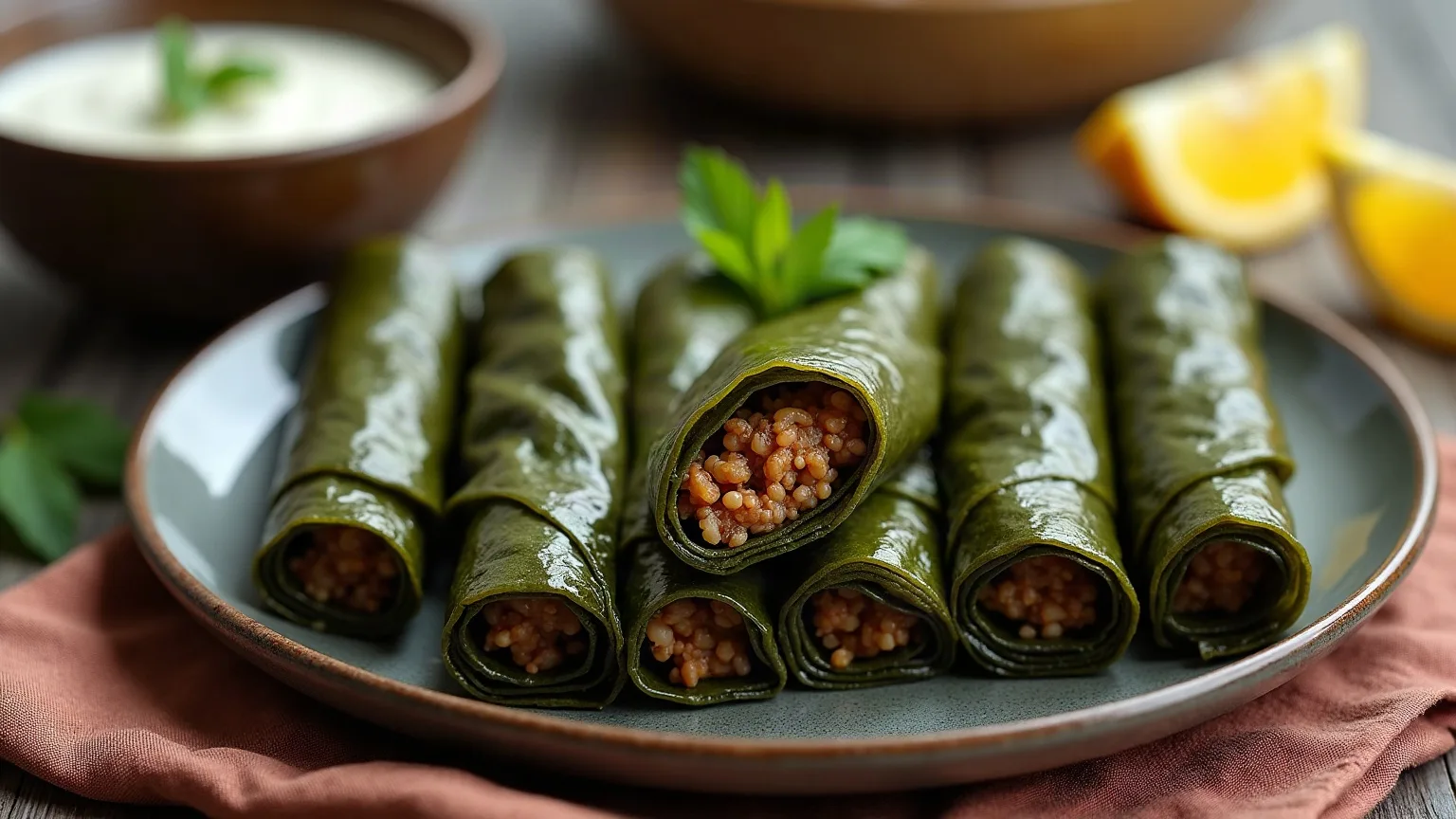
Vine leaves stuffed with meat
Sarma holds together because the pan is packed, not because the roll is tight. Leave gaps and every one of them opens.…
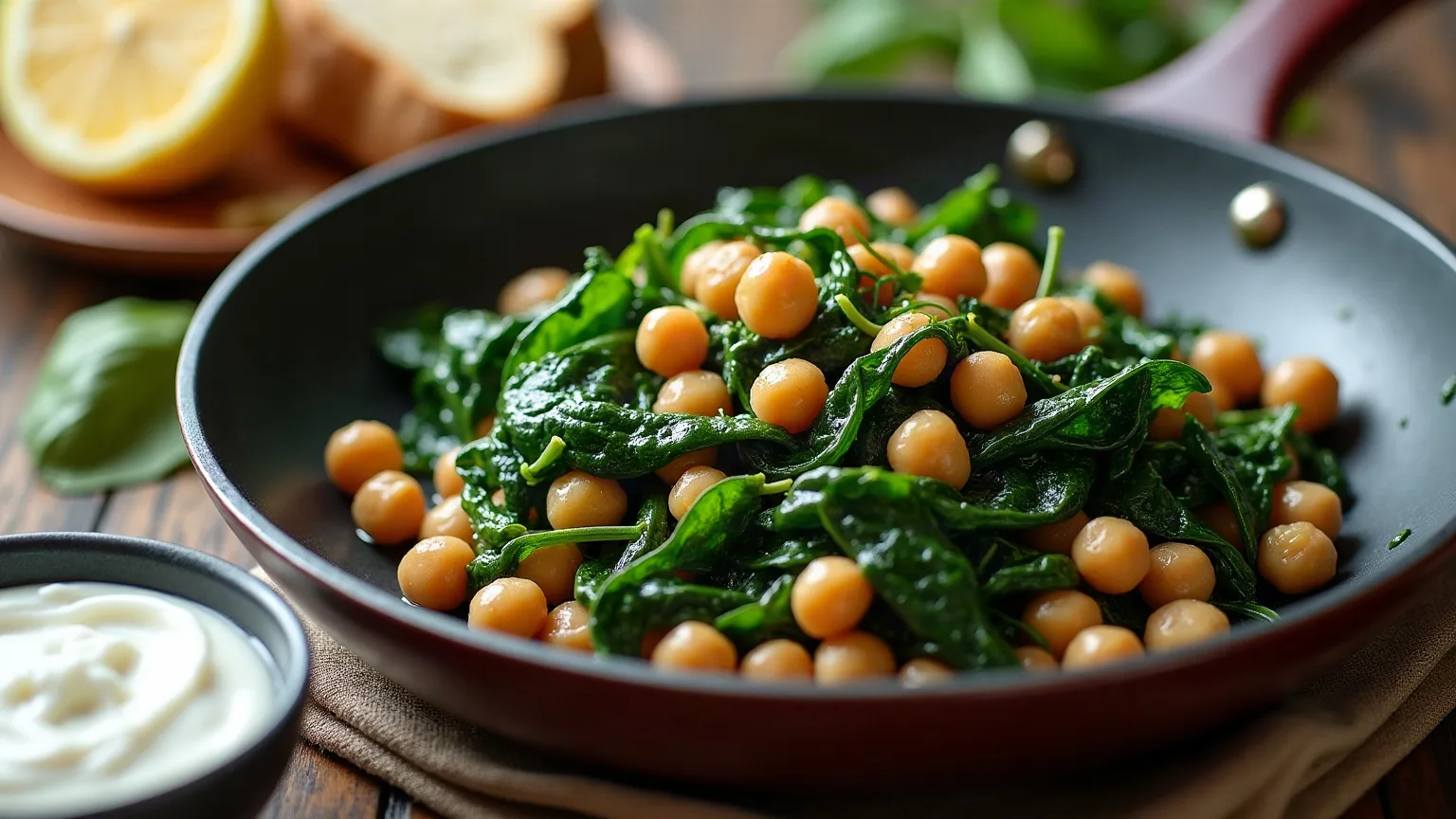
Spinach with chickpeas
Under a lid, spinach turns olive-drab in its own acid. With the lid off, the colour and the taste both stay where they w…
Tutmaç soup
Yoghurt, chickpeas and noodles cut into squares: a soup a thousand years old, named in Kaşgarlı Mahmud’s dictionary.…