
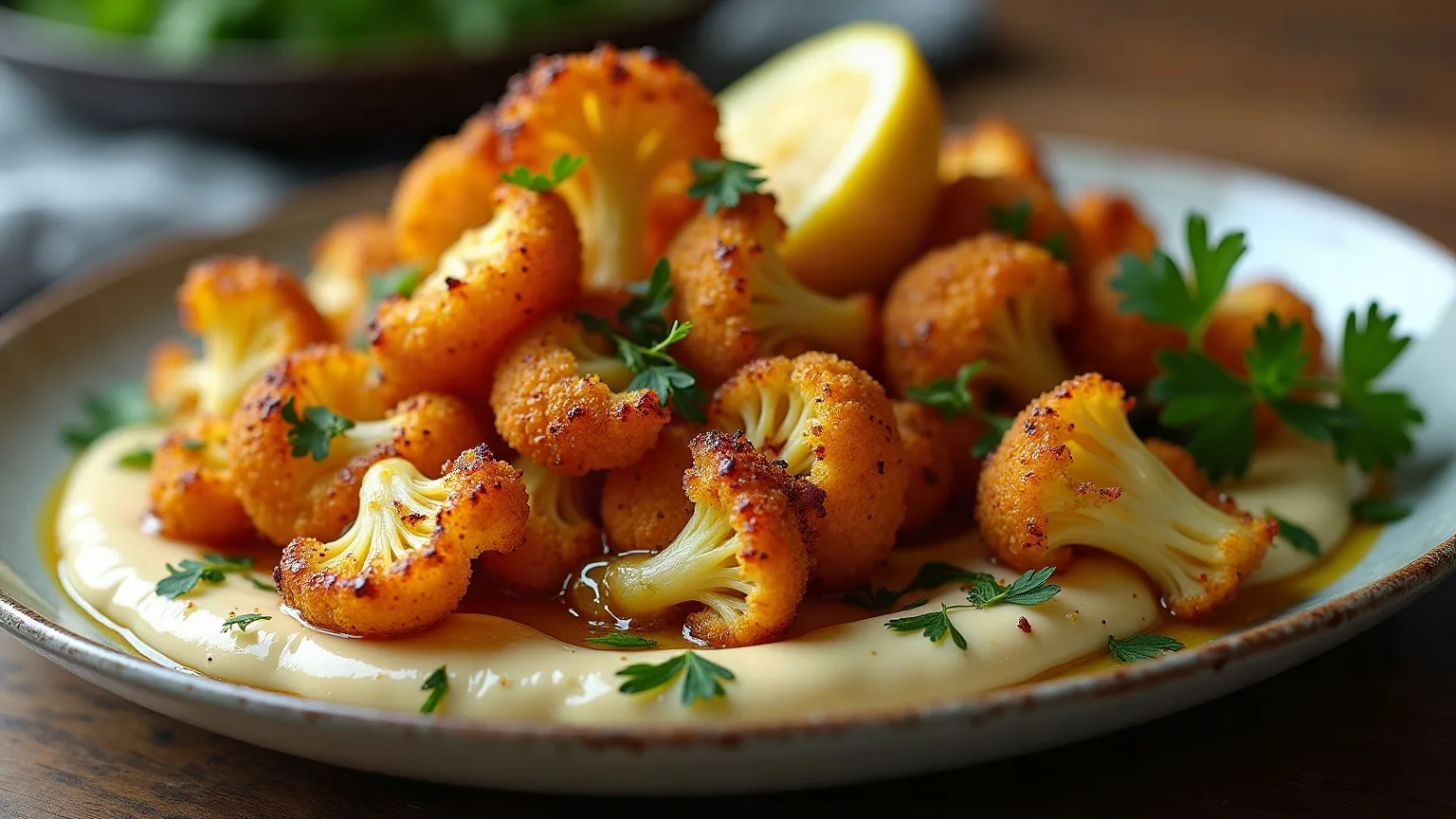
Roasted cauliflower
Boiled, cauliflower’s sulphur smell goes into the water; roasted, the same compounds turn into a toasted flavour.
Vegetable dishes · International · Under 30 minutes · Budget · Vegan · Seasonal
- Preparation
- 10 min
- Cooking
- 30 min
- Difficulty
- Easy
- Cost
- Very cheap
- Season
- Autumn, Winter
Cauliflower’s bad reputation comes from boiling. The glucosinolates in brassicas dissolve in water and give that familiar smell, which concentrates the longer it boils. In dry heat the same compounds break down into different products and combine with Maillard into something nutty and sweet. One vegetable, two methods, two reputations.
Method
- Break the cauliflower into florets and lay them cut-side down: a flat face against the tray browns better.
- Heat the oven to 220 °C.
You will need: An oven tray
-
Toss the florets with the oil, cumin, red pepper and half the salt, and lay them in a SINGLE layer, cut-side down.
Look for You should see the tray between the florets.
Why The cut face is flat and moist, and in full contact with the tray it reaches 200 °C and Maillard begins. The round side facing up meets only hot air and browns far more slowly.If it went wrong
If the tray is crowded, split it. Crowded, the cauliflower steams and smells like the boiled version — which loses the whole recipe.
Starch still asleep The granules are just floating there doing nothing. No body arrives before 62 °C.
Salt · 1.05% Right in the window. Flavours sharpen, bitterness retreats, water is held.
-
Roast twenty minutes at 220 °C, then add the unpeeled garlic for ten more.
Look for The cut faces should be deep brown and in places nearly black: those patches are the flavour.
Why The garlic goes in late because thirty minutes blackens it even in its skin; ten is enough to turn it to paste.Starch gelatinised The granules soaked up water, swelled and burst into a network. It has thickened, and it will firm further as it cools. no way back
Salt · 1.02% Right in the window. Flavours sharpen, bitterness retreats, water is held.
-
Whisk the yoghurt with the tahini, lemon juice, the crushed roasted garlic and the rest of the salt.
Look for It should pour off a spoon while holding its shape for a moment.
Why Tahini brings fat and a little bitterness to the yoghurt, and that bitterness is what balances the roasted sweetness. The lemon thins it enough to pour.Salt · 0.73% Right in the window. Flavours sharpen, bitterness retreats, water is held.
This recipe was run through the engine step by step — what goes in when, and at what temperature and for how long. The reactions above come from that run.
peak 220 °C · 39 minutes · engine 1.0.0 · confidence low
After the heat goes off
Hot, over or under the sauce, with parsley. It works as a main and as a side.
Cauliflower and sauce in SEPARATE containers, three days.
Eight minutes at 200 °C; the sauce is served cold.
Not for the freezer: thawed cauliflower weeps and softens, and the roasted texture is gone.
Mashed into a soup, chopped into a salad, or a pasta sauce.
The smell is what puts children off most, and roasting removes it — a refused cauliflower is usually a boiled one. For 12–36 months leave the red pepper out, halve the florets and lift their share before the salt. The tahini sauce suits from twelve months.
- Cauliflower → Broccoli Broccoli takes the same technique six minutes shorter: it is finer and blackens faster.
- The oven The method this recipe rests on
- Cauliflower What it does in heat, water and acid
- Strained yoghurt What it does in heat, water and acid
- Olive oil What it does in heat, water and acid
- Tray-roasted vegetables Similar method, or something that sits on the same table
- Broccoli soup Similar method, or something that sits on the same table
- Courgette fritters Similar method, or something that sits on the same table
- Under 30 minutes Other recipes that answer the same need
- Budget Other recipes that answer the same need
- Vegan Other recipes that answer the same need
- Seasonal Other recipes that answer the same need
What it tastes like
The axes that define this recipe: aroma 70.
This profile is computed rather than measured: the role-weighted average of its ingredients’ taste vectors, shifted by what the cooking does. The thin line is the database average on that axis.
Closest in taste
Not hand-picked: ranked by distance across the eight taste axes.
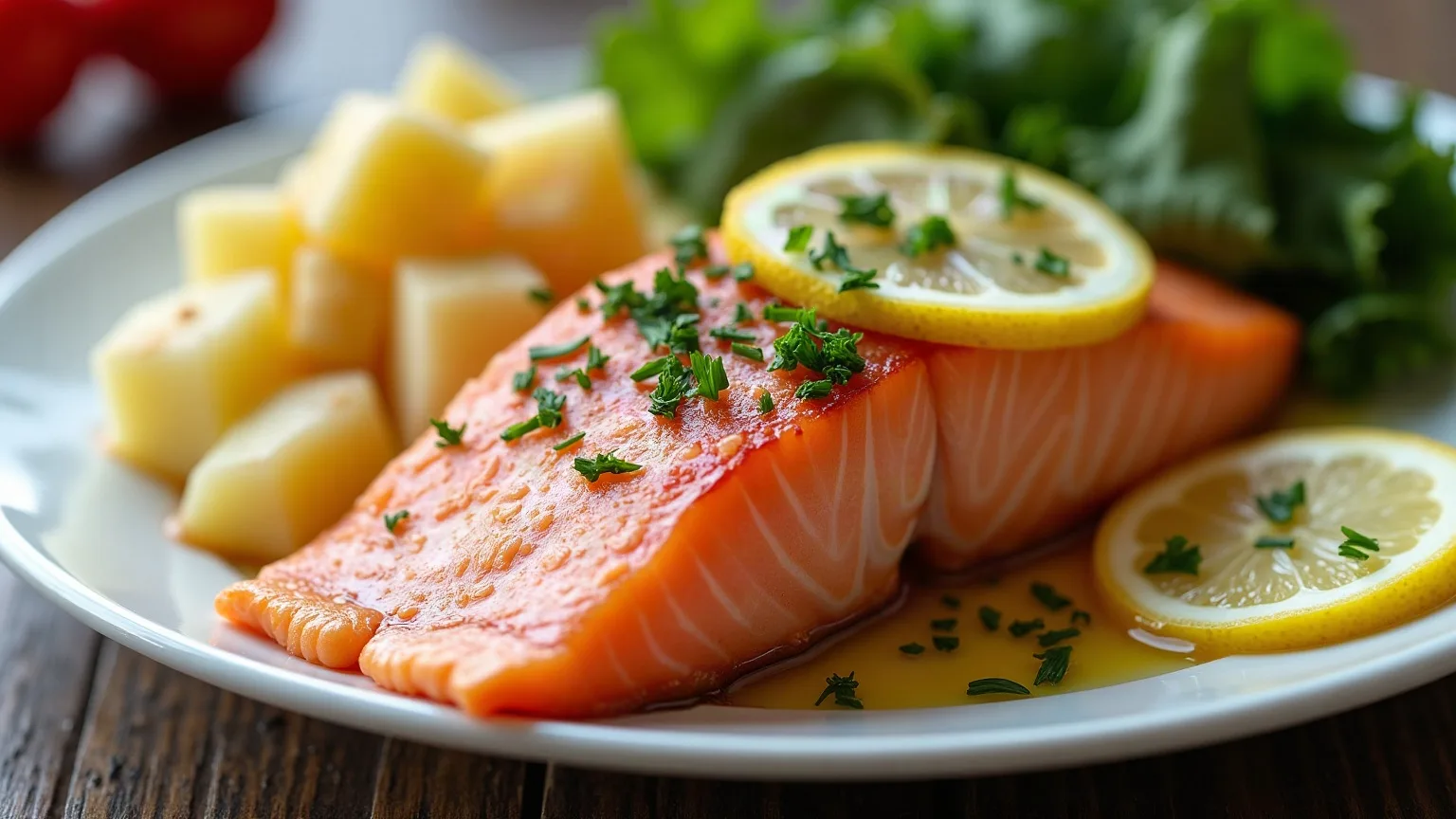
Baked salmon
The white stuff on baked salmon is a sign of too much heat rather than of freshness. Pulled at 52 °C it never appears.…
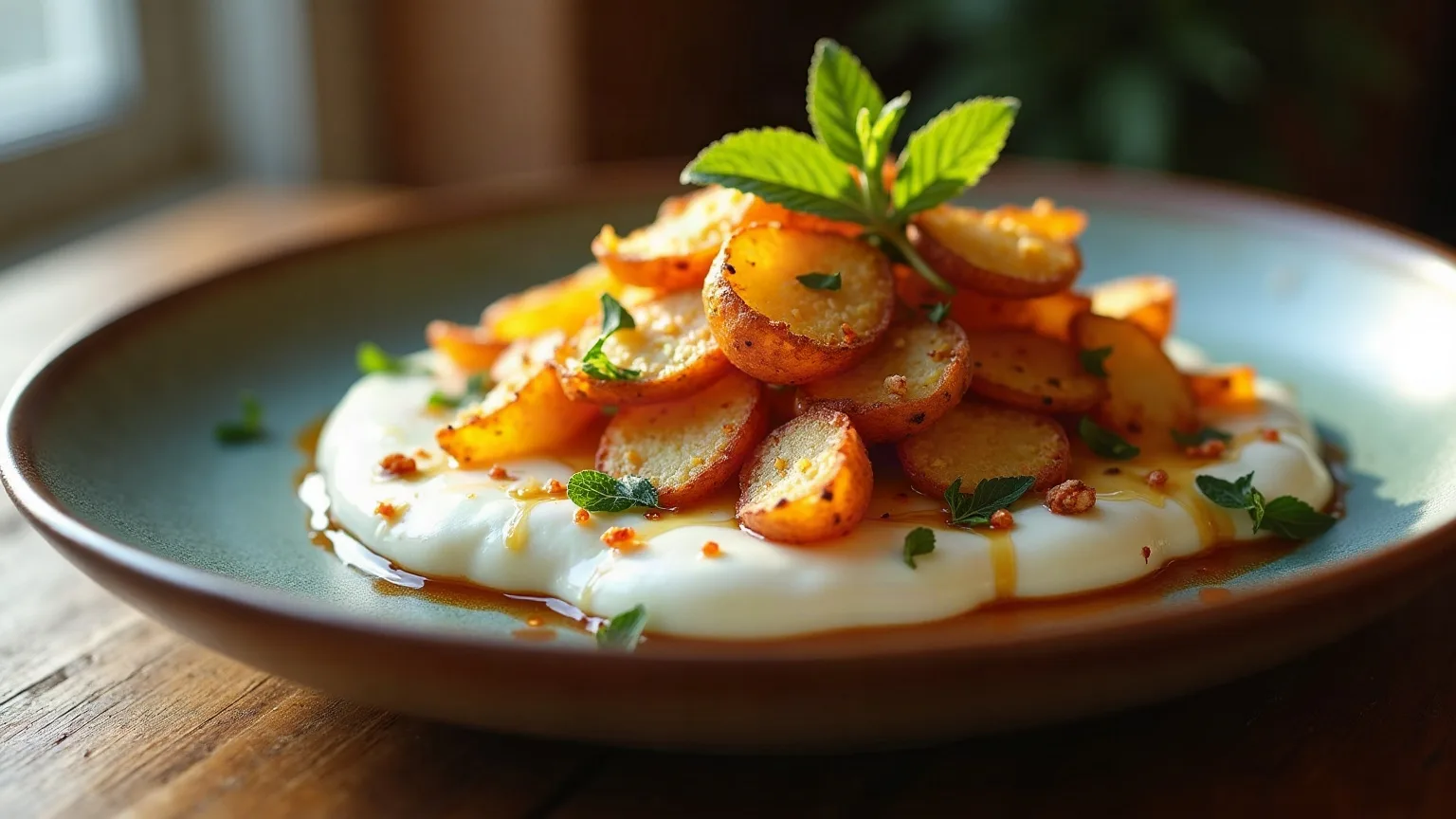
Crushed potatoes with yoghurt
Boil, crush, roast. A rough surface means more crust.…
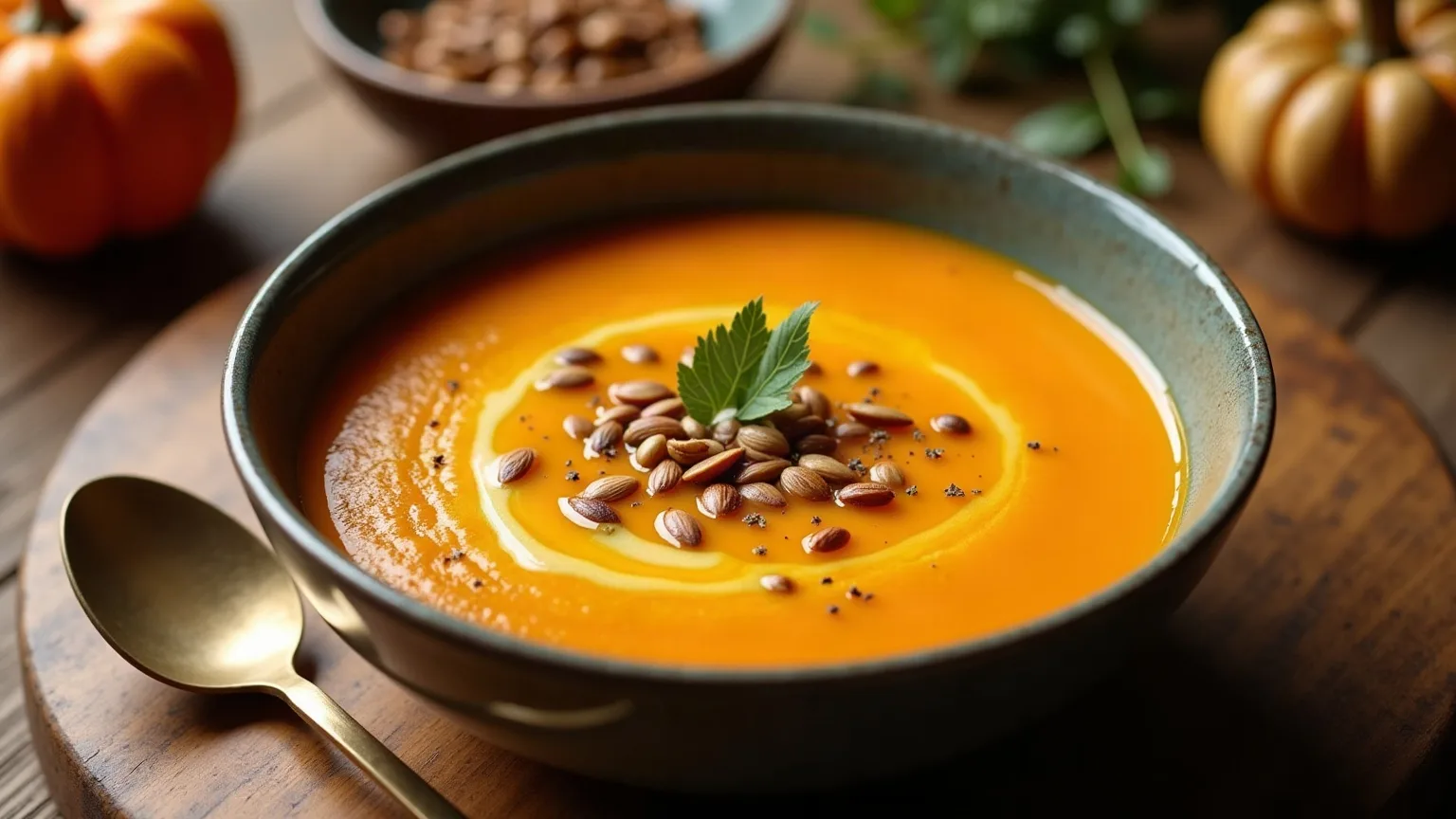
Pumpkin soup
Boiled pumpkin gives a watery, flat soup. Roasted pumpkin is the same vegetable and a completely different soup.…
Roast beef
Not a dish to make without a thermometer. The answer to "how many minutes" depends on the temperature at the centre, not…