
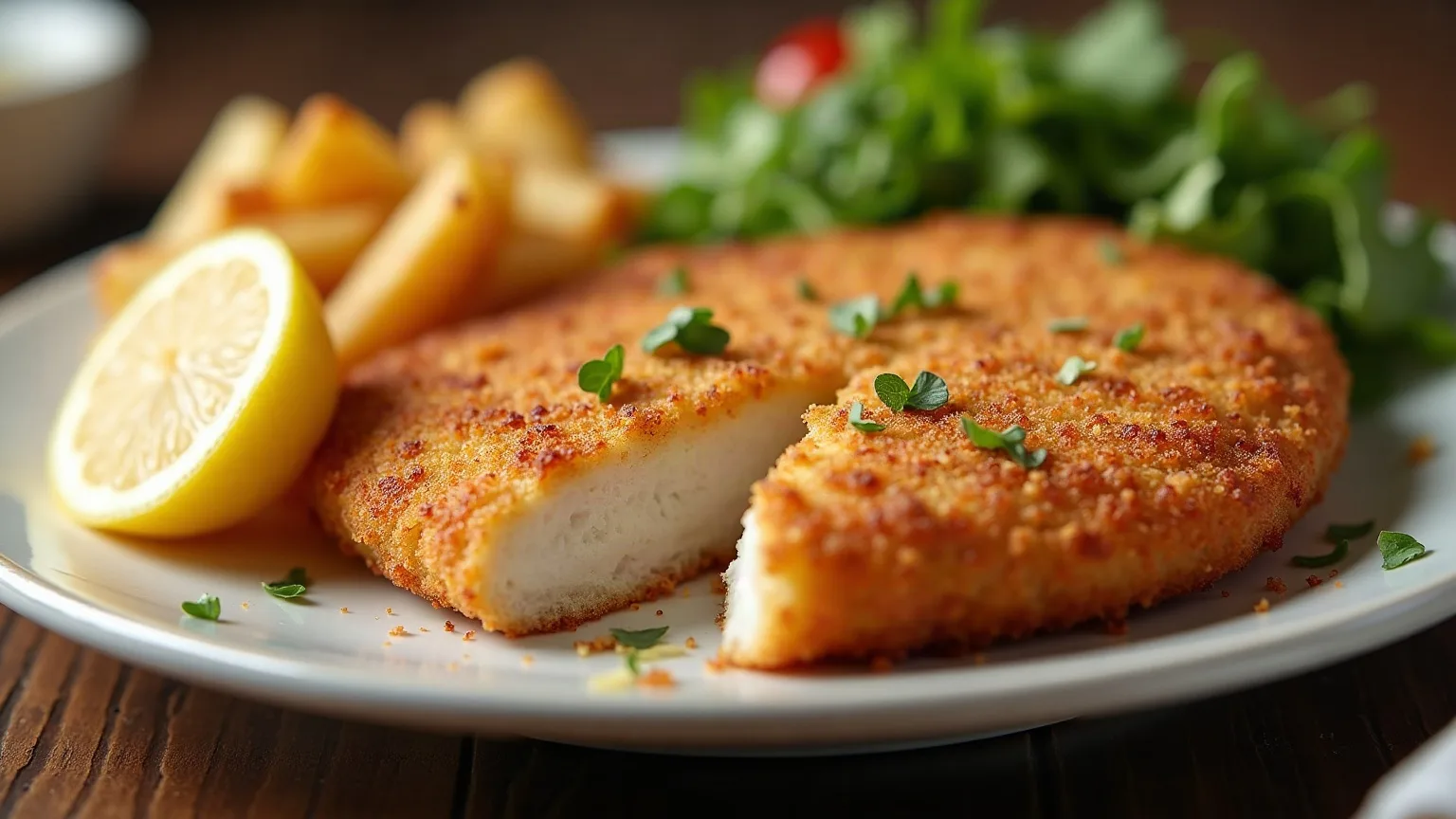
Chicken schnitzel
Beating the meat thin is a requirement rather than a shortcut: a 1 cm breast cannot cook before the coating burns.
Chicken dishes · International · Under 30 minutes · Snacks for children · School lunchbox
- Preparation
- 20 min
- Cooking
- 12 min
- Difficulty
- Needs attention
- Cost
- Cheap
- Season
- All year
Schnitzel came from Austria and settled in Turkey with chicken. The coating works as an insulating layer: flour, egg and crumb sit between the meat and 180 °C oil so the meat never touches it directly. That is why a coated escalope comes out juicier than an uncoated one cooked for the same time — while the crust browns, the meat is still cooking below 100 °C.
Method
- Split each breast horizontally and beat it between two sheets of film to 6–7 mm.
- Set out three plates in order: flour, beaten egg, breadcrumbs.
You will need: A meat mallet, or the base of a heavy pan · Three wide plates · A wide pan
-
Beat the chicken to 6–7 mm and season it with the salt and pepper.
Look for The escalope should be the same thickness everywhere: a thick patch stays raw.
Why The coating goes golden in three minutes at 180 °C, and a 7 mm escalope reaches 74 °C at the centre in the same three. A 1 cm one needs five, by which time the crust is burnt. The beating is what makes the two times meet.If it went wrong
If it tears, coat and cook it as it is: the look suffers and the taste does not. If it is too thick, finish it in the oven for six minutes at 180 °C.
Starch still asleep The granules are just floating there doing nothing. No body arrives before 62 °C.
Salt · 1.31% Right in the window. Flavours sharpen, bitterness retreats, water is held.
-
Coat in flour, then egg, then crumb, shaking the excess off at each stage.
Look for The coating should cover everywhere: a bare patch drinks oil.
Why The three layers do three jobs: flour dries the surface and gives the egg something to grip, egg is the glue, and the crumb is the porous crust. Skip one and the coating slides off in the pan.Starch still asleep The granules are just floating there doing nothing. No body arrives before 62 °C.
A gluten web is forming Gliadin and glutenin hydrated into an elastic net. This is what will hold the gas. no way back
Salt · 0.88% Right in the window. Flavours sharpen, bitterness retreats, water is held.
-
Bring the oil to 180 °C and fry three minutes a side.
Look for Golden and blistered, with no large oil stain on the paper.
Why At 180 °C the water in the coating flashes to steam, and that steam pushes outwards and keeps the oil out. At 160 the shield never forms and the schnitzel drinks fat.If it went wrong
Dark crust and raw meat: finish it five minutes at 180 °C in the oven. Pale crust: the oil was cold — raise it and give another minute.
Starch gelatinised The granules soaked up water, swelled and burst into a network. It has thickened, and it will firm further as it cools. no way back
A gluten web is forming Gliadin and glutenin hydrated into an elastic net. This is what will hold the gas. no way back
Fat shortened the gluten Fat coated the proteins so the web cannot stretch. The result is short and crumbly.
The egg is setting Too hot. The protein net over-tightened and pushed the water out: curdling and sponge. no way back
Maillard is running Amino acids have met reducing sugars. The crust, the roasted flavour and that smell all come from here. no way back
Frying dynamics Surface water is flashing to steam and pushing outward — that is the shield keeping the oil out. no way back
Salt · 0.71% Right in the window. Flavours sharpen, bitterness retreats, water is held.
Stay under 82 °C. Lower the heat or move to a bain-marie — a split custard never comes back.
This recipe was run through the engine step by step — what goes in when, and at what temperature and for how long. The reactions above come from that run.
Not simulated: Breadcrumbs. The engine currently measures the chemistry of sixteen ingredients; the others count as weight in the pot but their composition does not enter the arithmetic. That is not "nothing happens", it is "nobody looked". In this recipe about 89% of the weight can be characterised that way, which makes every share above a lower bound.
peak 180 °C · 24 minutes · engine 1.0.0 · confidence low
What can go wrong here
The fried food went soggy and oily⌄
What happened
The oil was not hot enough. Surface water never flashed to steam and never pushed outward, so no shield formed and the oil walked straight in.
By the numbers
Hold the oil at 170–190 °C. Do not crowd the pan; every batch drops the oil 10–15 °C, so let it recover in between.
Without a thermometer
Drop in a cube of stale bread: golden in 30–40 seconds means 180 °C. Dark in 15 seconds is too hot; longer than a minute is too cold. Or stand a wooden spoon handle in the oil — a steady stream of small bubbles around it means you are there.
After the heat goes off
Hot with a wedge of lemon, and potatoes and a green salad beside it. The lemon is acid cutting fat rather than decoration.
Two days in the fridge; the coating softens on the second.
Eight minutes at 200 °C on a rack, which lets air under it so the crust crisps again. A pan makes it greasy.
Two months coated and unfried; straight from the freezer into the oil, two minutes longer.
Cold schnitzel in bread, or sliced into a salad: either is the next day’s lunch.
The easiest chicken for a child to eat. For 12–36 months cut it into finger strips, halve the salt and leave the pepper out. Frying does not suit a baby under one: bake the same coating twelve minutes at 190 °C instead.
- Breadcrumbs → Oats Ground oats stand in for crumb and give a coarser, crunchier crust.
- Deep frying The method this recipe rests on
- Chicken What it does in heat, water and acid
- Sunflower oil (linoleic) What it does in heat, water and acid
- Breadcrumbs What it does in heat, water and acid
- Home-made chicken nuggets Similar method, or something that sits on the same table
- Kadınbudu köfte Similar method, or something that sits on the same table
- Chicken sauté Similar method, or something that sits on the same table
- Under 30 minutes Other recipes that answer the same need
- Snacks for children Other recipes that answer the same need
- School lunchbox Other recipes that answer the same need
What it tastes like
The axes that define this recipe: richness 44.
This profile is computed rather than measured: the role-weighted average of its ingredients’ taste vectors, shifted by what the cooking does. The thin line is the database average on that axis.
Closest in taste
Not hand-picked: ranked by distance across the eight taste axes.
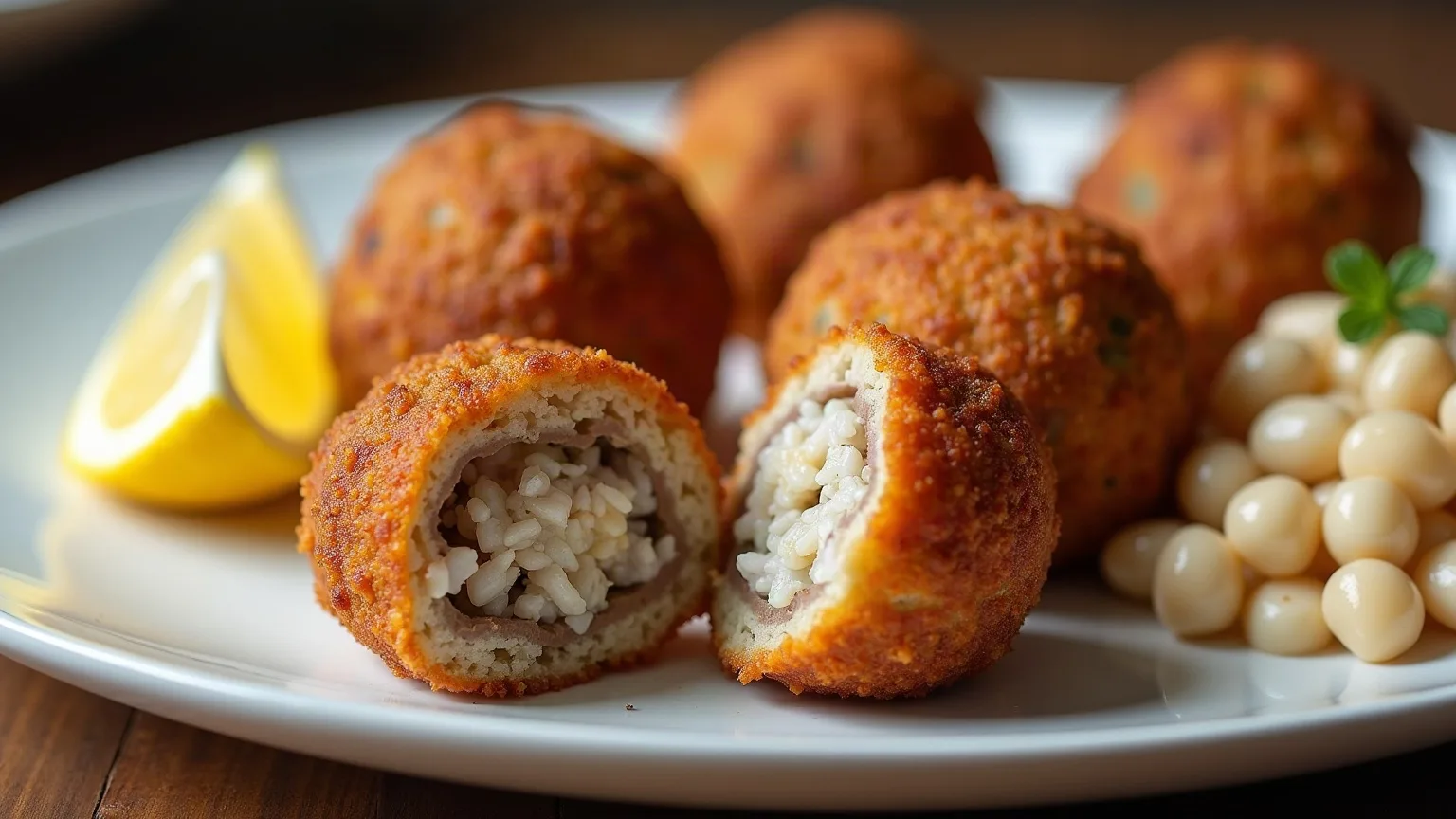
Kadınbudu köfte
Half the mince is cooked and half is raw. The cooked half stops it collapsing and the raw half is what binds it.…
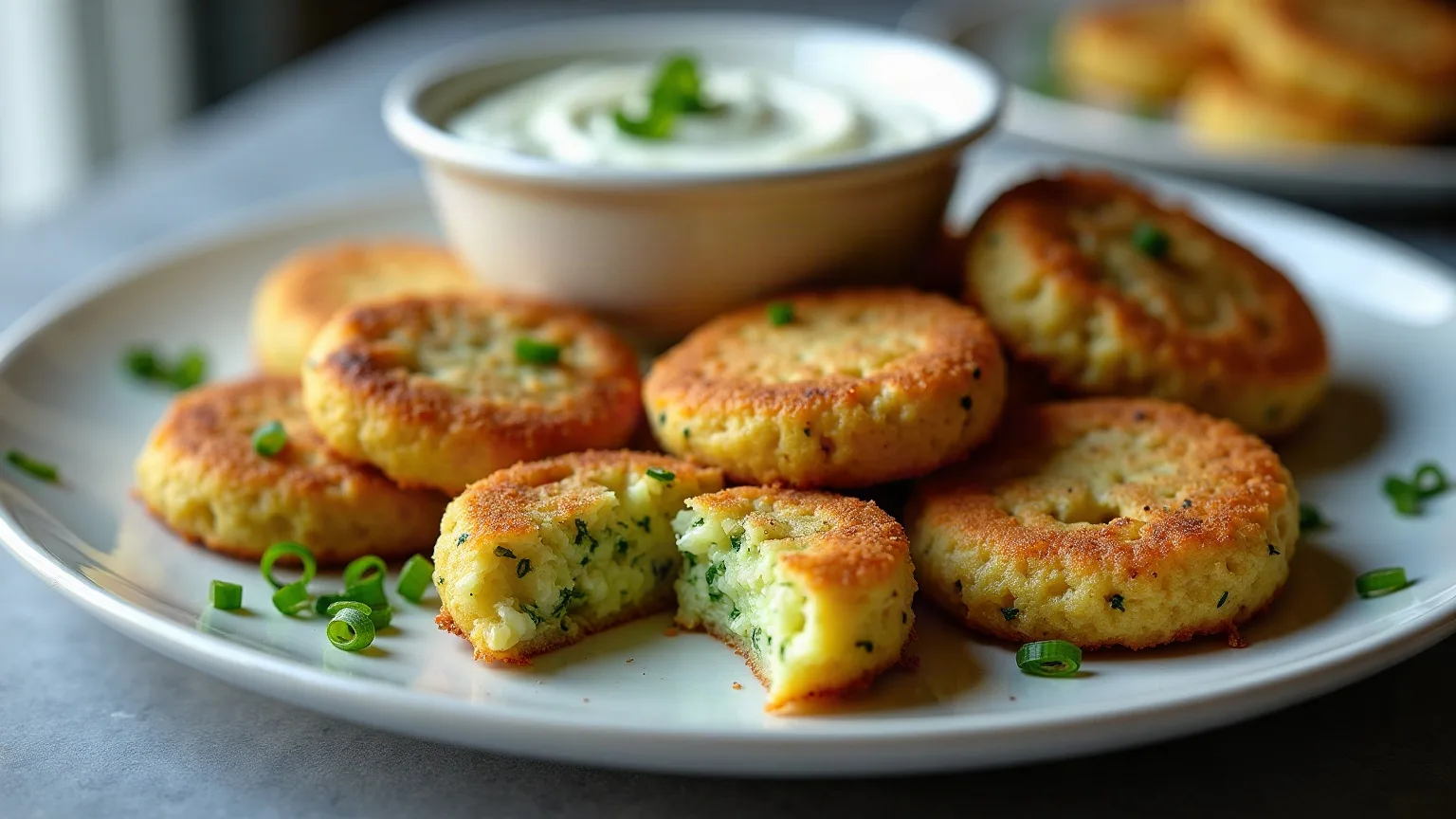
Courgette fritters
A mücver made without squeezing the courgette falls apart. One courgette gives up half a glass of water, and with that w…
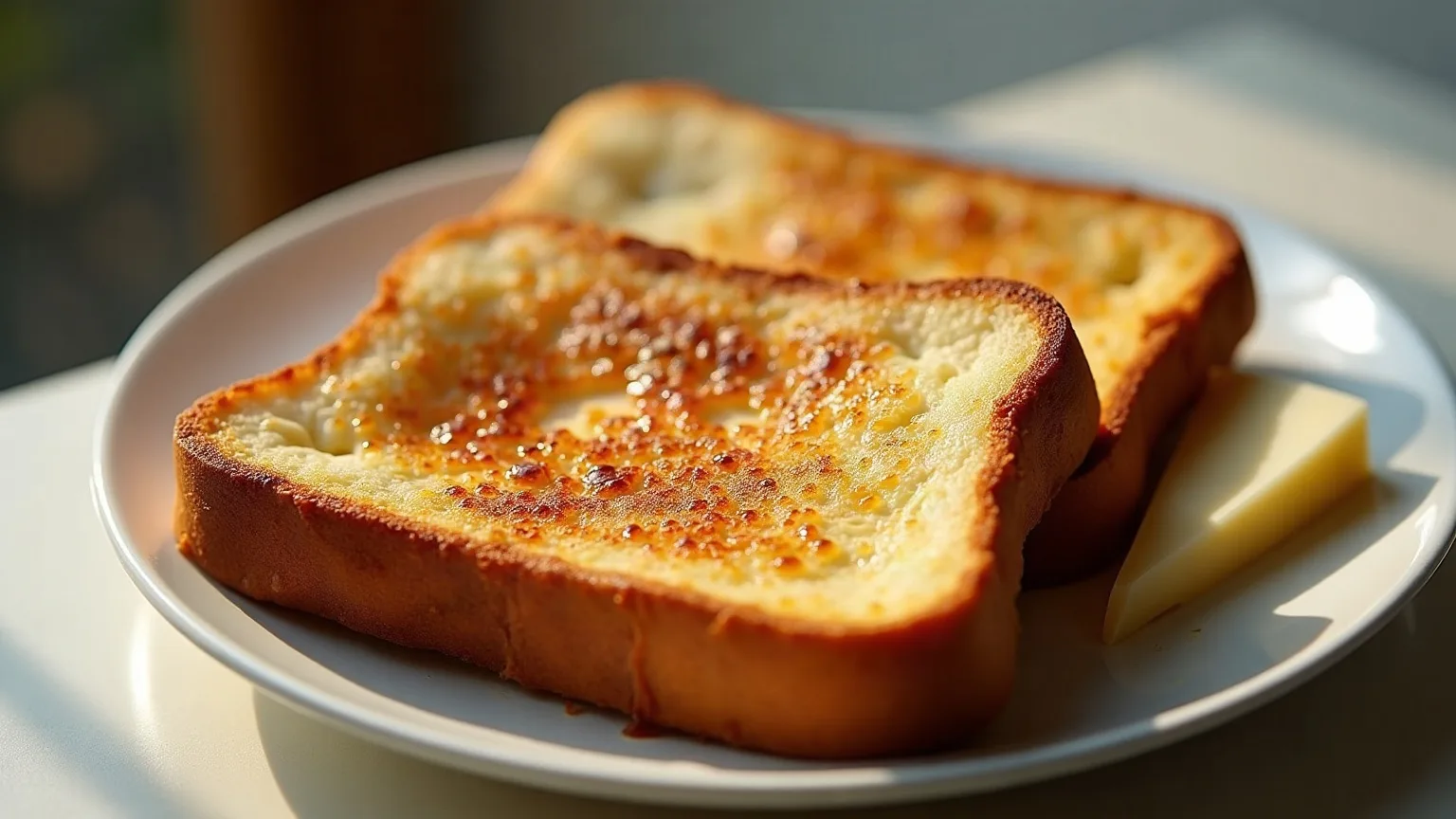
Eggy bread
The best use there is for stale bread. Fresh bread is no good here — it collapses before it has absorbed anything.…
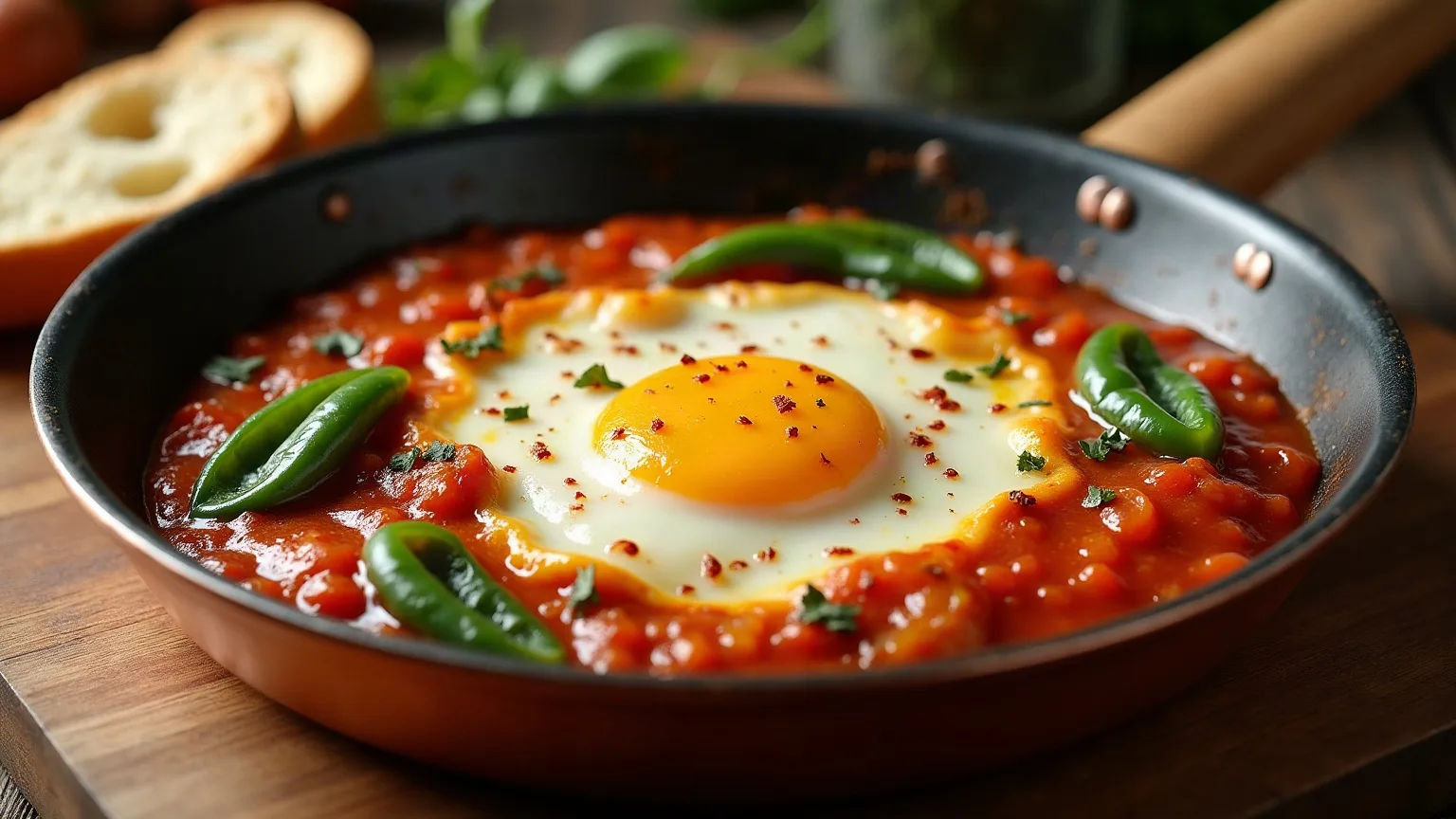
Menemen
Pepper, tomato and egg. Know the order and the heat and it takes fifteen minutes; miss them and you get a watery omelett…