
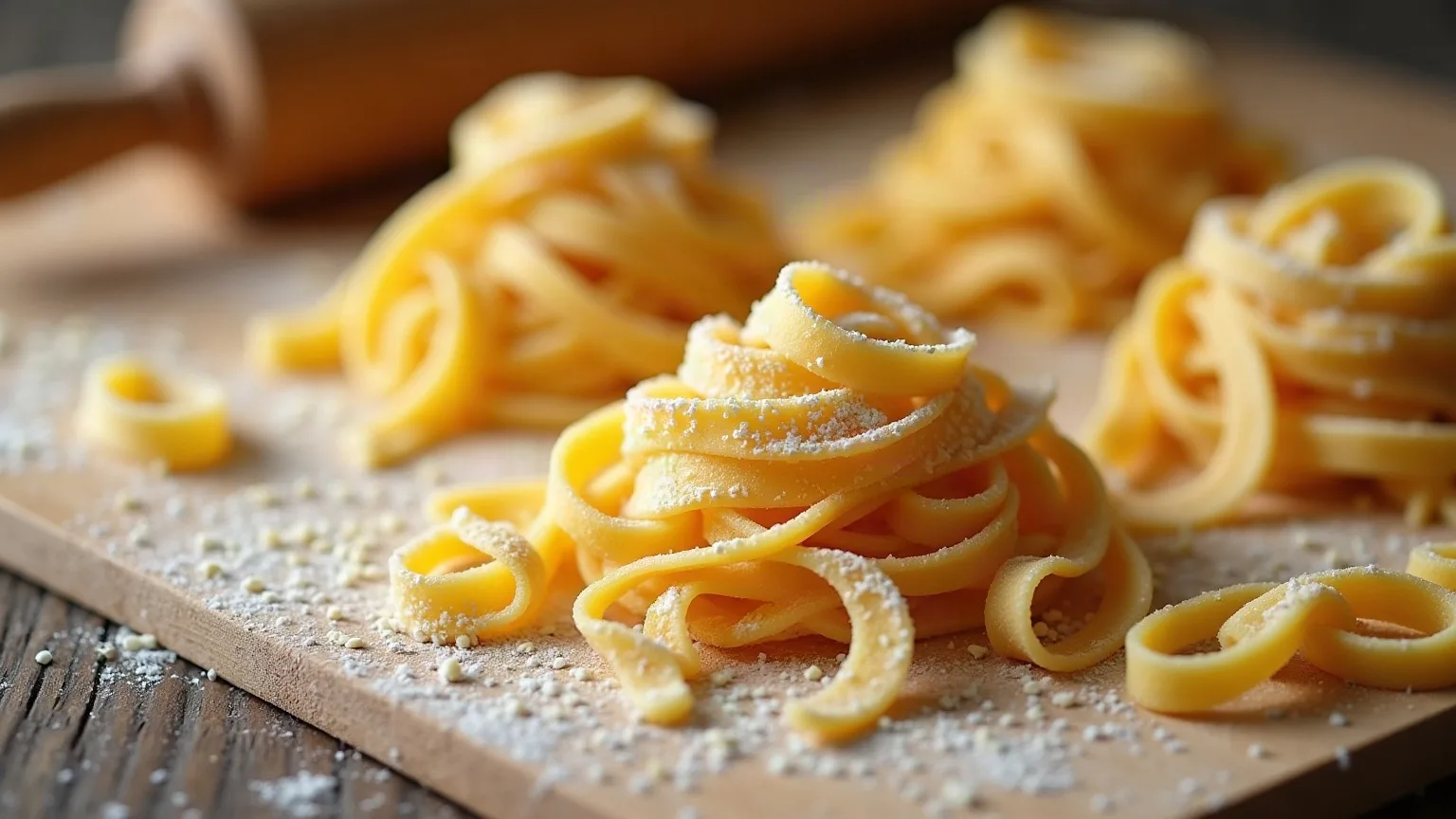
Pasta
The beliefPasta is assumed to require a machine, a special flour and Italian ancestry.
The truthSemolina and water at 30% hydration. The rest is a rolling pin and a little patience.
How to make it
What you need
- 400 g durum semolina, or 300 g semolina with 100 g flour
- 120 g warm water
- 1 teaspoon of salt
How the engine read this list (3 lines)
| 400 g | Durum semolina | semolina |
| 120 g | Warm water | water |
| 6 g | Salt | salt |
An empty weight means that line could not be turned into grams — either the amount is open ("to taste") or the ingredient has no record here. Neither enters the sum as zero; they do not enter it at all.
Heap the semolina on the worktop, make a well and bring it together with the salted water a little at a time. It will look dry and ragged at first — that is correct, do not add water.
Knead firmly for ten minutes. It becomes a smooth, stiff ball — do not expect it to soften like bread dough.
Wrap it and rest it for thirty minutes so the gluten relaxes — unrested dough shrinks back as you roll it.
Divide it and roll each piece to one or two millimetres. Roll the sheet up and cut it to width: five-millimetre ribbons, two-centimetre squares, or shapes twisted by hand.
Dust generously with semolina and spread the pieces out so they do not touch. Cook fresh for three to four minutes, dried for eight to ten.
The others that work the same way
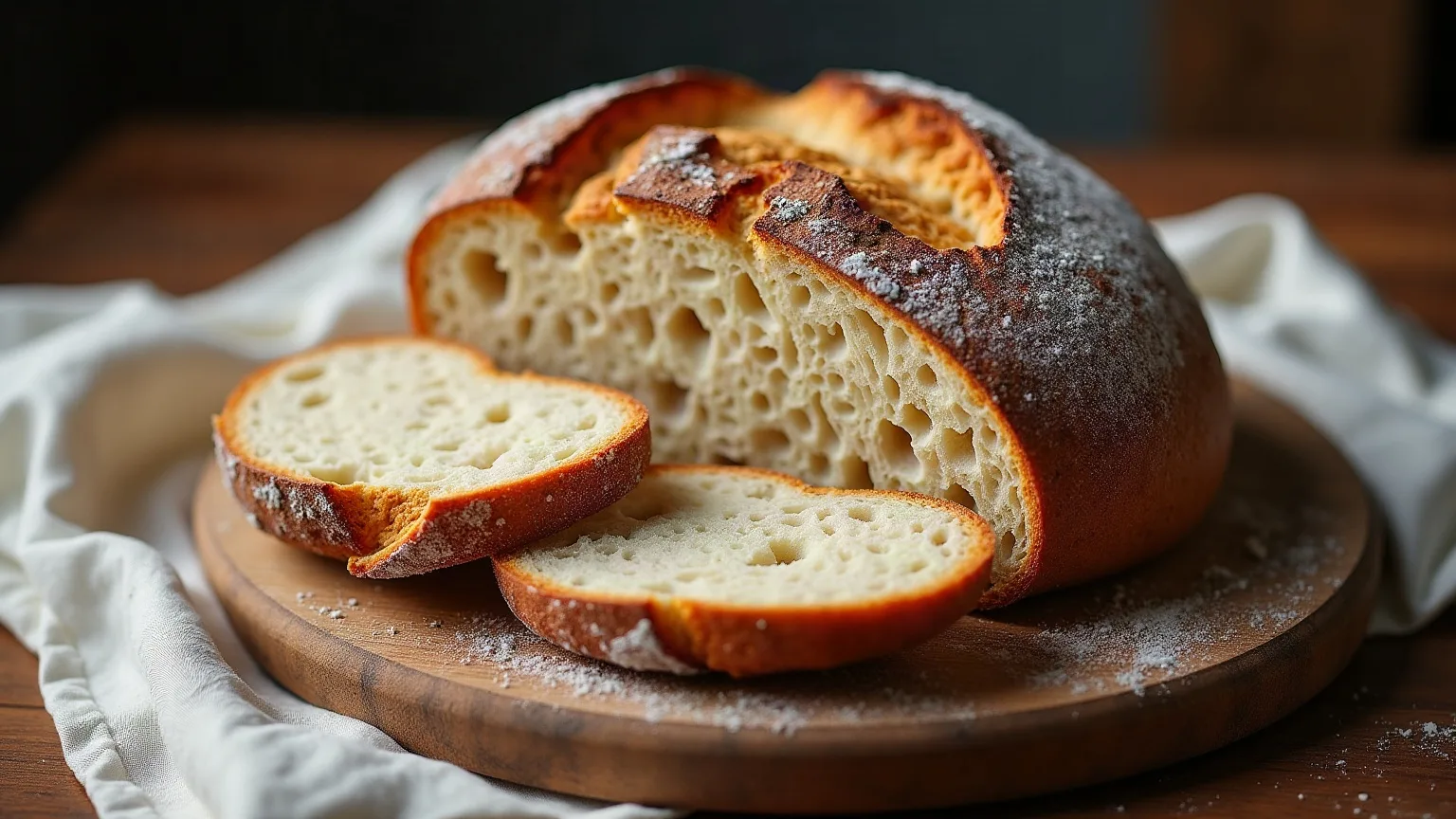
Bread
The truthFlour, water, salt, yeast. Four ingredients and four ratios — what looks like craft is the ratios.
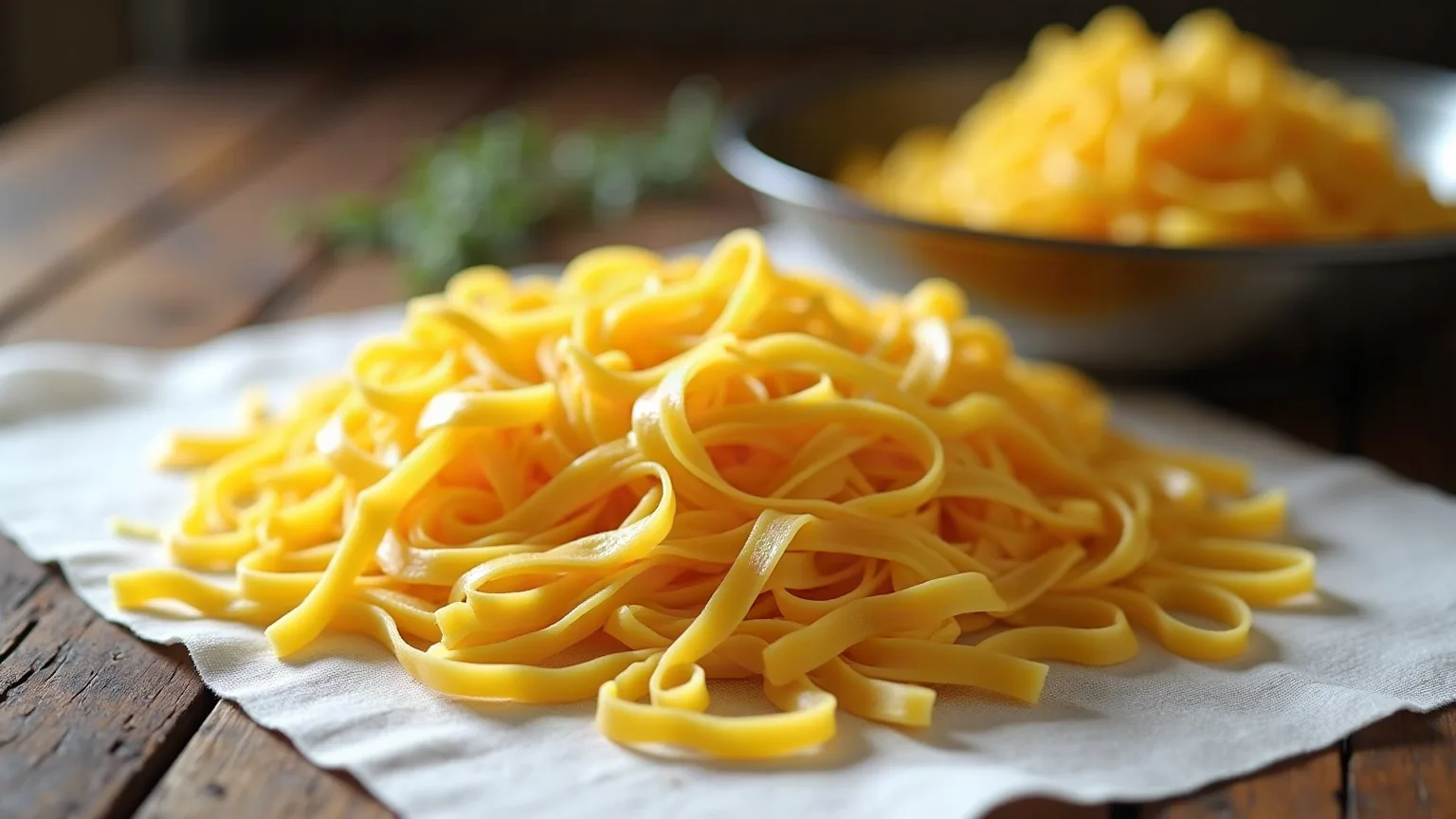
Erişte noodles
The truthIt is egg dough rolled thin and cut. One person makes a winter’s worth in an hour — the crowd is custom, not technique.
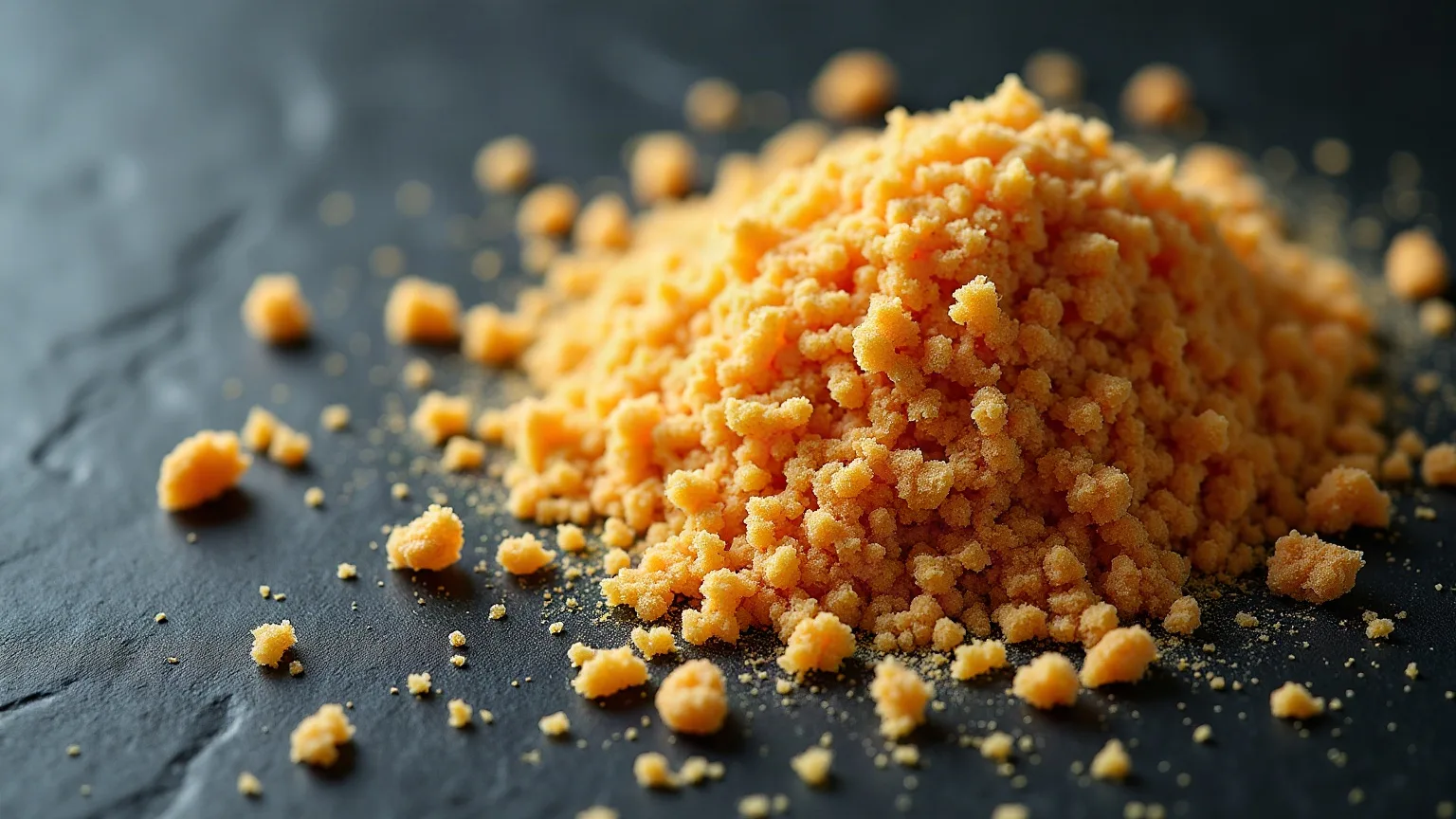
Breadcrumbs
The truthIt is stale bread dried and ground. The loaf you were about to throw away is the best raw material.