
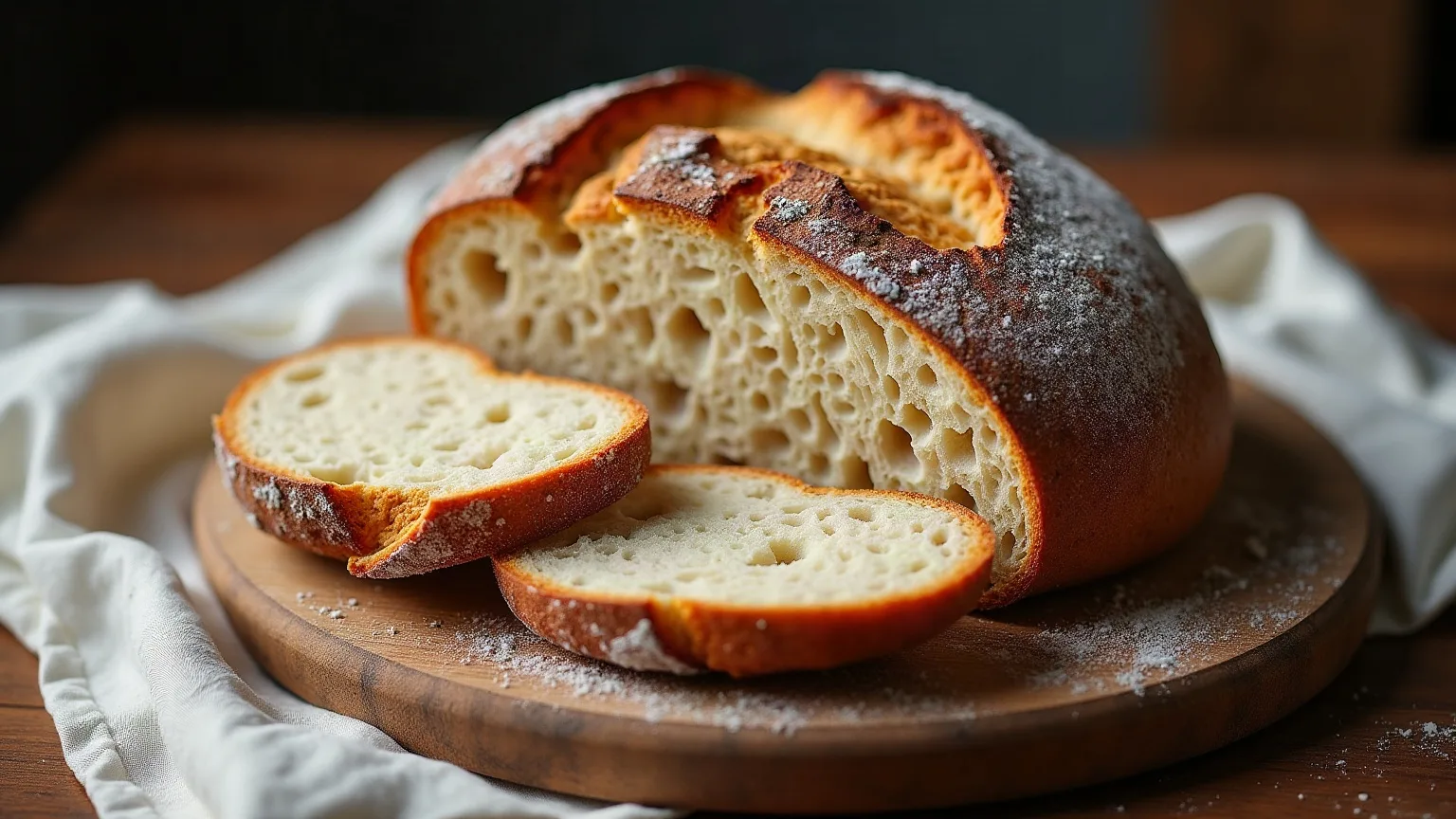
Bread
The beliefBread is assumed to need a kneading technique, a special flour and a stone oven.
The truthFlour, water, salt, yeast. Four ingredients and four ratios — what looks like craft is the ratios.
How to make it
What you need
- 500 g strong bread flour
- 350 g water, a 70% hydration
- 10 g salt, 2%
- 5 g fresh yeast, or 1.5 g dried
How the engine read this list (4 lines)
| 500 g | Strong bread flour | flour |
| 350 g | Water | water |
| 10 g | Salt | salt |
| 5 g | Fresh yeast | yeast |
An empty weight means that line could not be turned into grams — either the amount is open ("to taste") or the ingredient has no record here. Neither enters the sum as zero; they do not enter it at all.
Mix the flour and water and leave it, unkneaded, for thirty minutes. That wait replaces most of the kneading: the flour takes up the water and the gluten starts to build itself.
Add the salt and yeast and knead for five minutes. It should turn smooth and elastic: if a piece stretches into a thin translucent film without tearing, the gluten is there.
Cover the bowl and prove at 24 °C for two to three hours, folding one edge of the dough into the middle every thirty minutes: strength without kneading.
Shape it, set it on a tray and leave it another 45 minutes. Press a finger in: the dent should spring back slowly. Springing back at once means too early; not at all means too late.
Heat the oven to 250 °C with a tray of hot water on the bottom shelf. Score the top, bake ten minutes with the steam, then remove the tray and give it 25 minutes more at 220 °C. Take it out at an internal 96–98 °C.
The others that work the same way
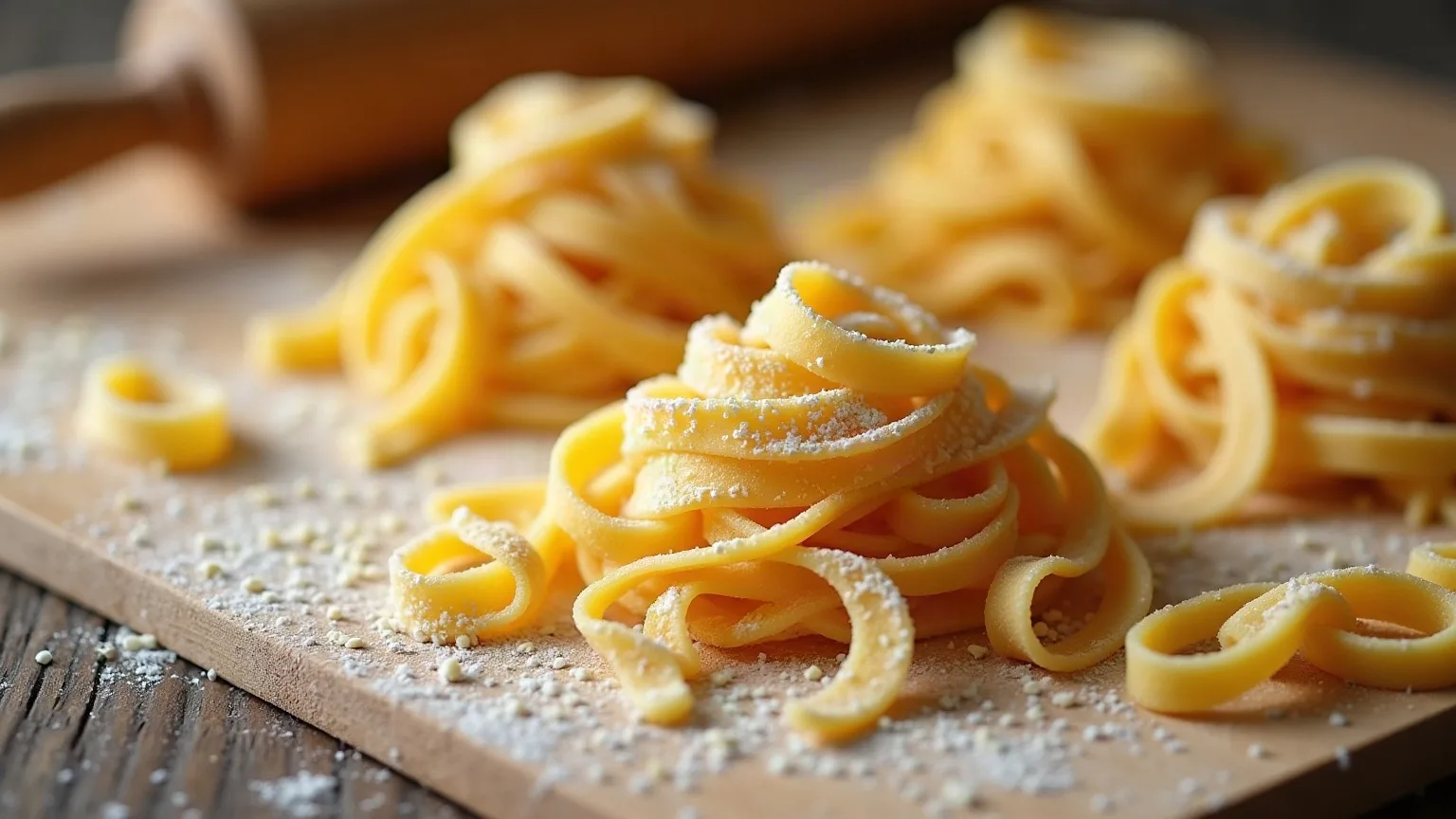
Pasta
The truthSemolina and water at 30% hydration. The rest is a rolling pin and a little patience.
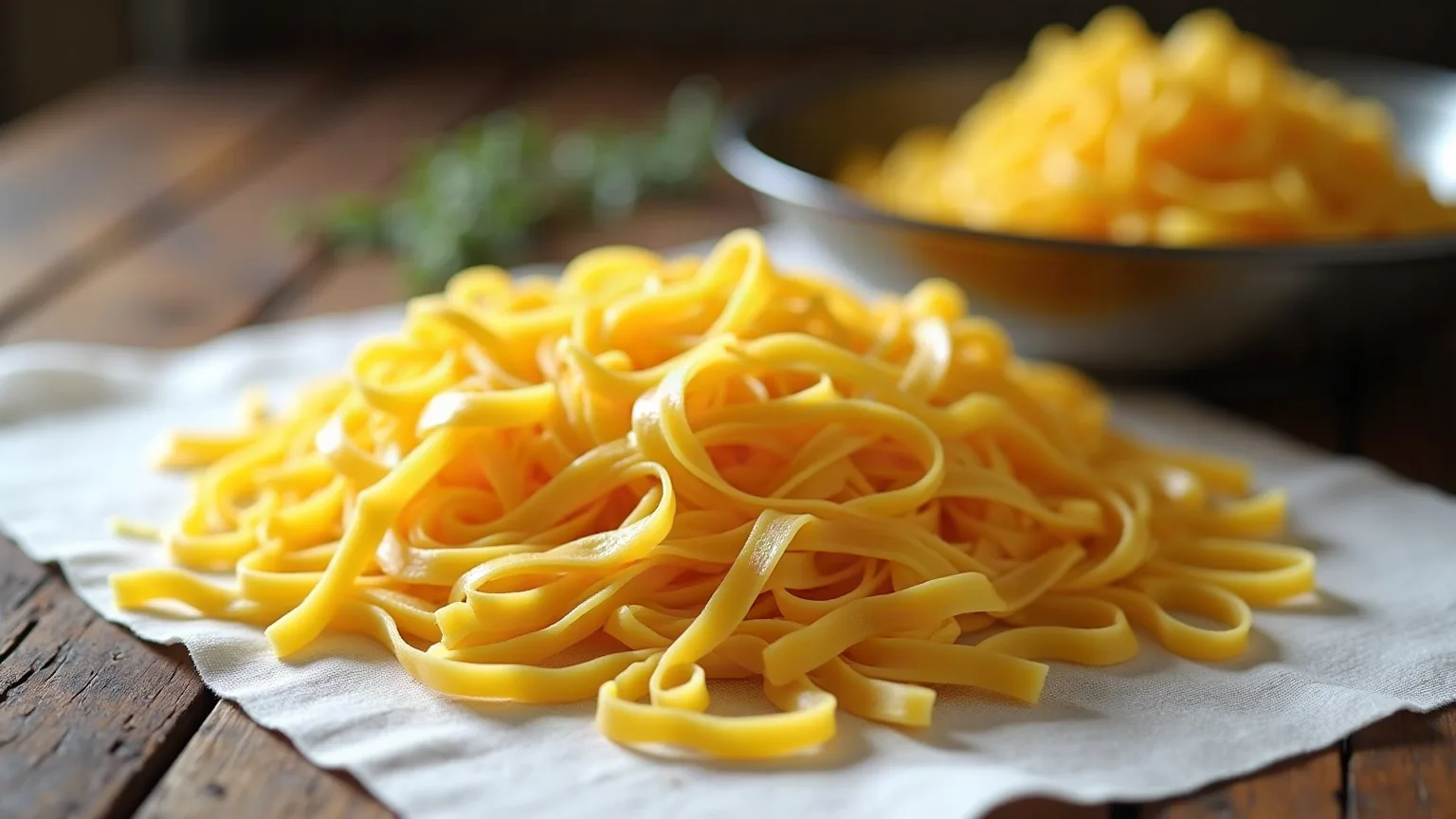
Erişte noodles
The truthIt is egg dough rolled thin and cut. One person makes a winter’s worth in an hour — the crowd is custom, not technique.
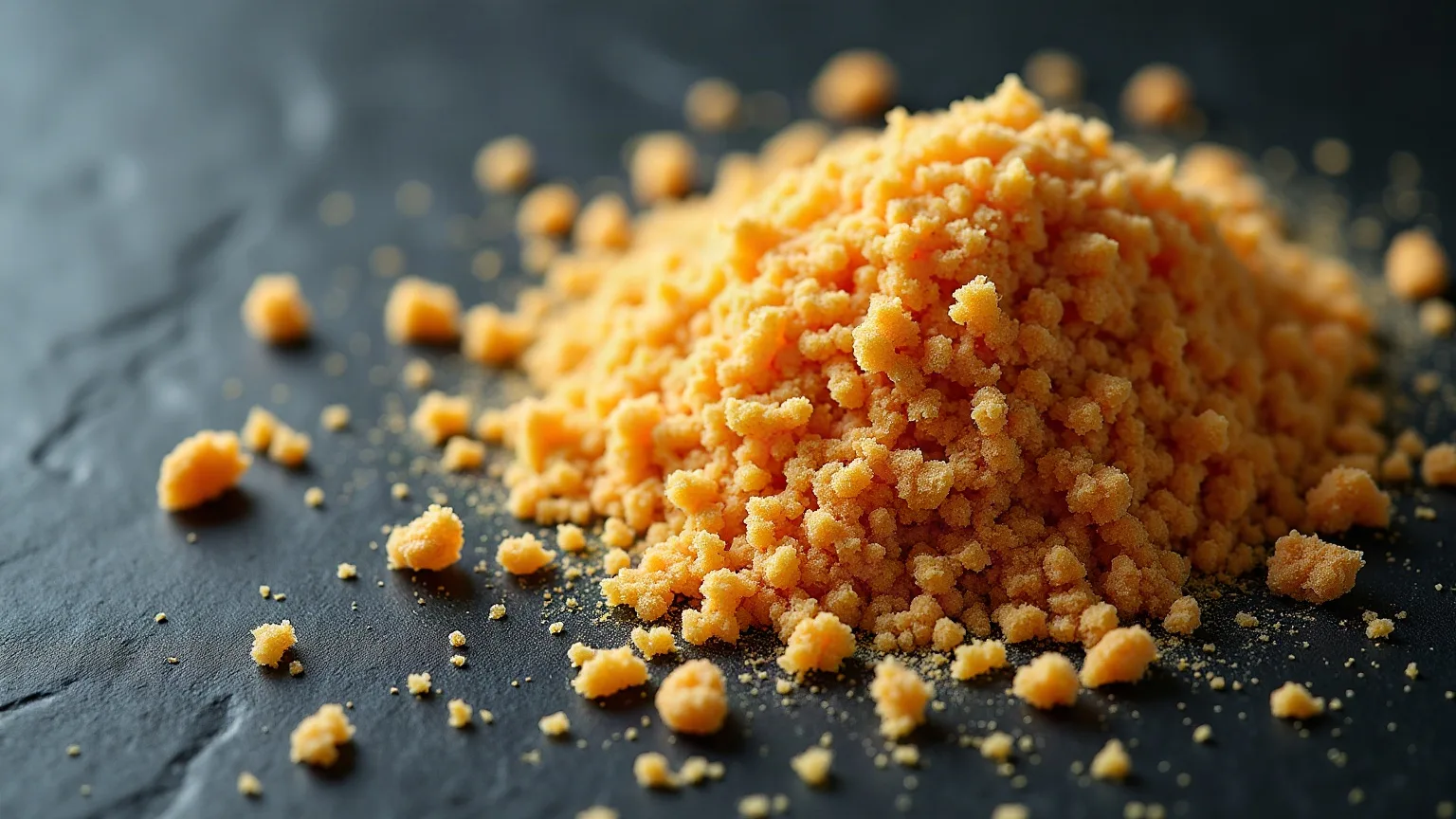
Breadcrumbs
The truthIt is stale bread dried and ground. The loaf you were about to throw away is the best raw material.