
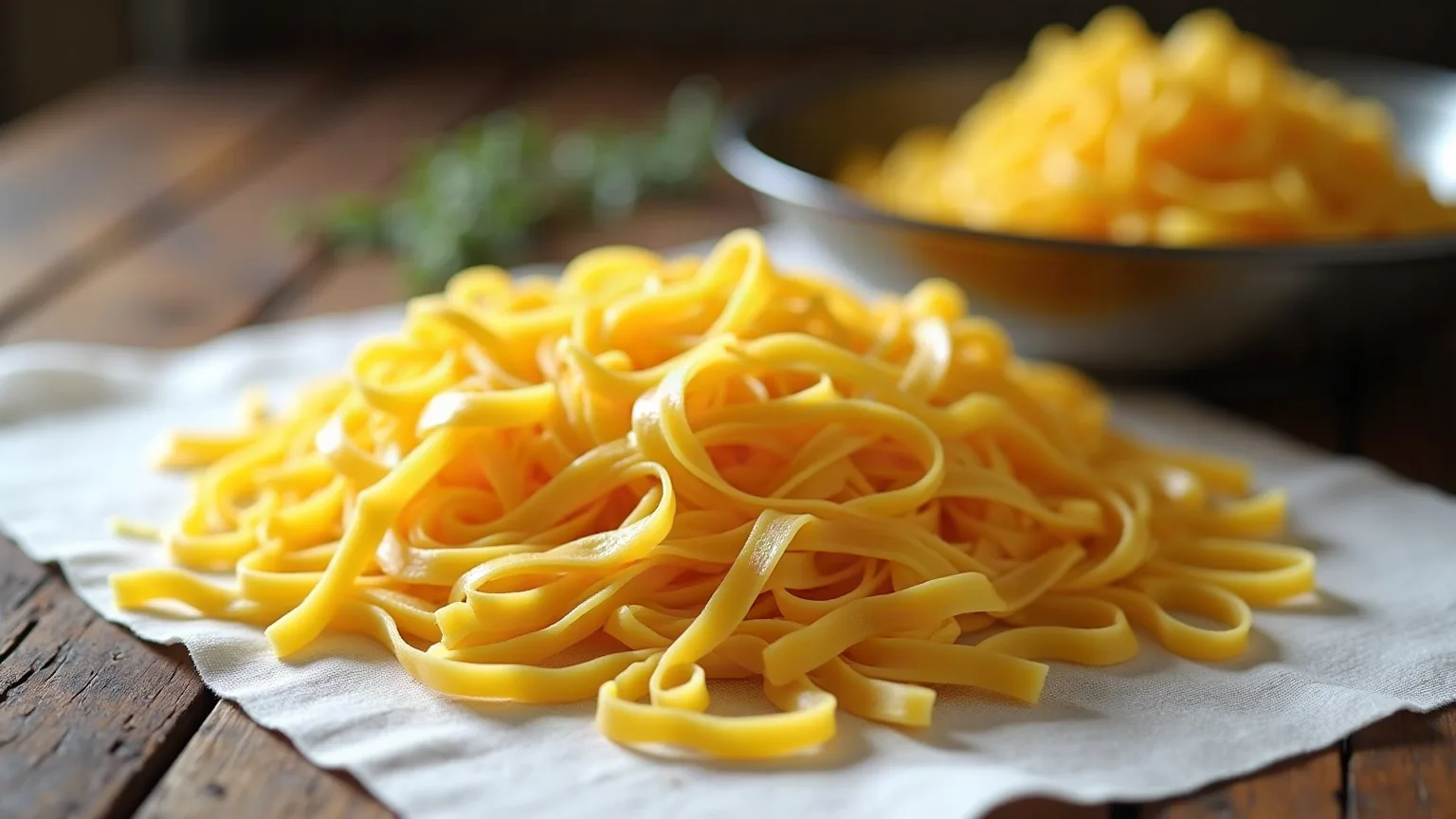
Erişte noodles
The beliefCutting erişte is imagined as a day-long job that needs a crowd.
The truthIt is egg dough rolled thin and cut. One person makes a winter’s worth in an hour — the crowd is custom, not technique.
How to make it
What you need
- 500 g flour
- 3 eggs
- 100 ml milk or water
- 1 teaspoon of salt
How the engine read this list (4 lines)
| 500 g | Flour | flour |
| 150 g | Eggs | egg |
| 103 g | Milk or water | milk |
| 6 g | Salt | salt |
An empty weight means that line could not be turned into grams — either the amount is open ("to taste") or the ingredient has no record here. Neither enters the sum as zero; they do not enter it at all.
Put the flour in a wide bowl, make a well and add the eggs and salted milk. Knead to a firm dough — a little softer than pasta, far firmer than bread.
Cover it and rest for thirty minutes. Unrested dough pulls back as you roll and will never go thin.
Divide it into balls and roll each to a millimetre. Flour each sheet well and stack them.
Roll the sheets up and cut into strips three to five millimetres wide. Separate them at once: strips that stick will dry as one lump.
Spread them in a single layer on a clean cloth and dry for two days in shade with moving air, tossing them by hand once a day.
The others that work the same way
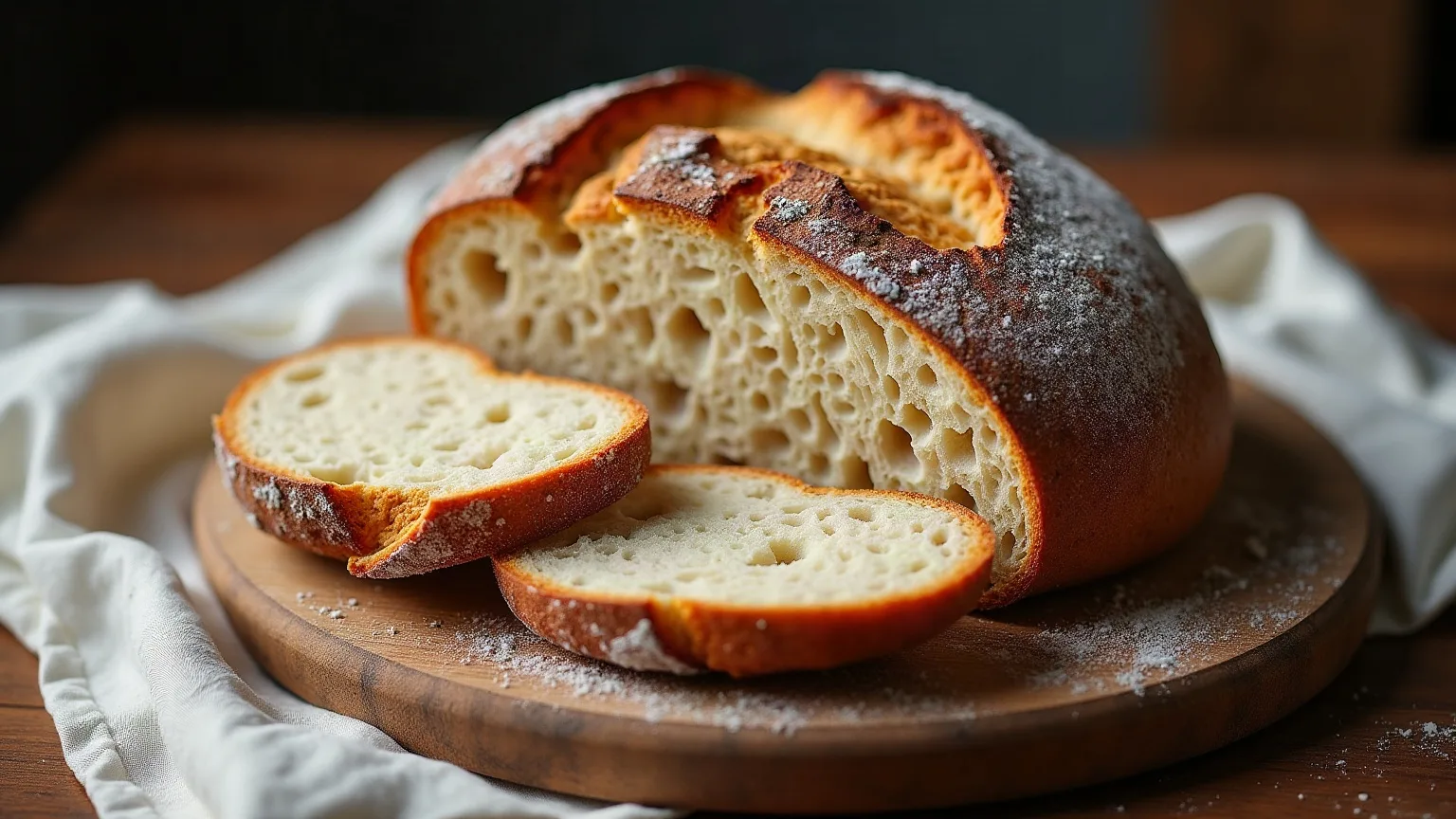
Bread
The truthFlour, water, salt, yeast. Four ingredients and four ratios — what looks like craft is the ratios.
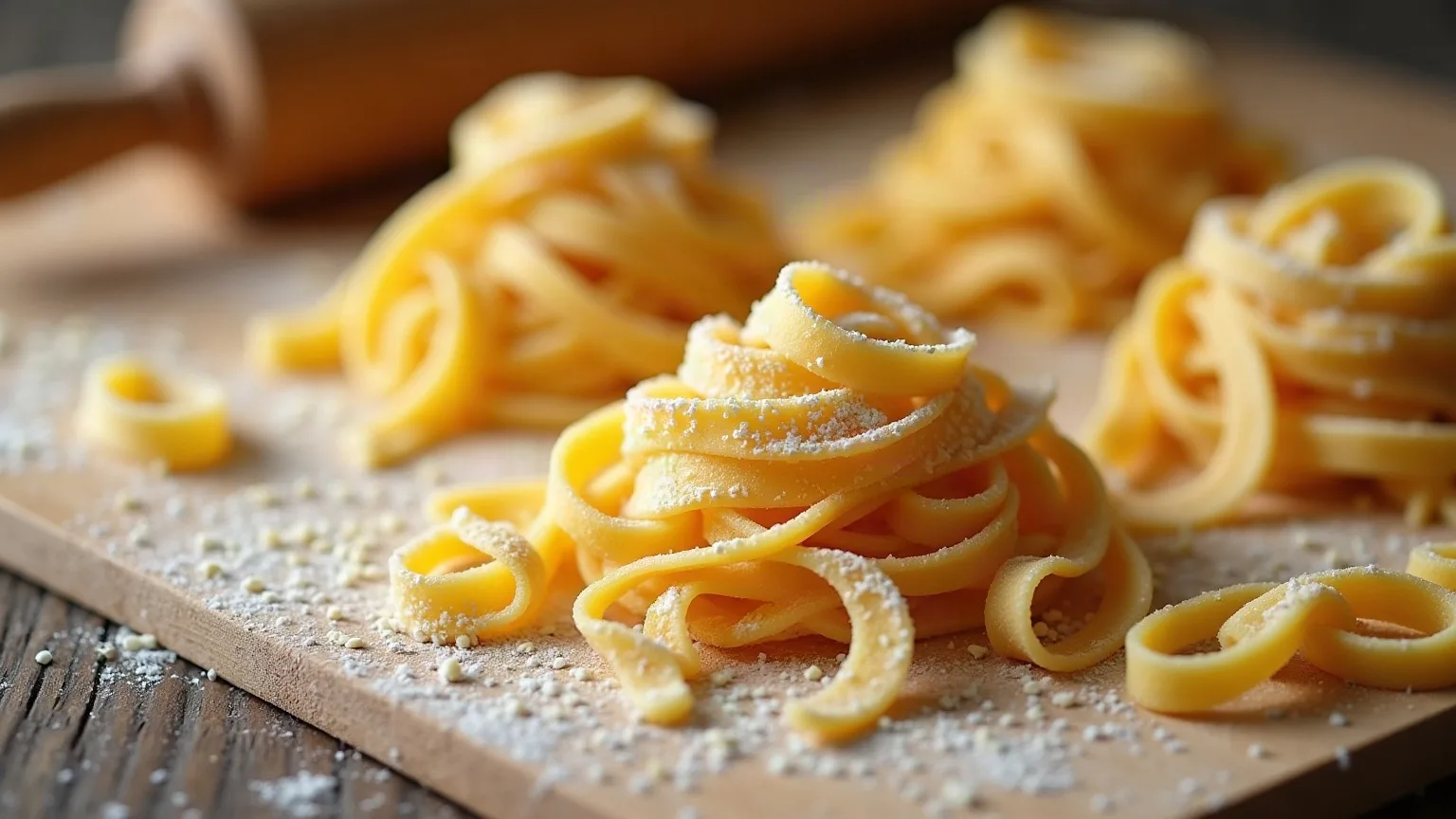
Pasta
The truthSemolina and water at 30% hydration. The rest is a rolling pin and a little patience.
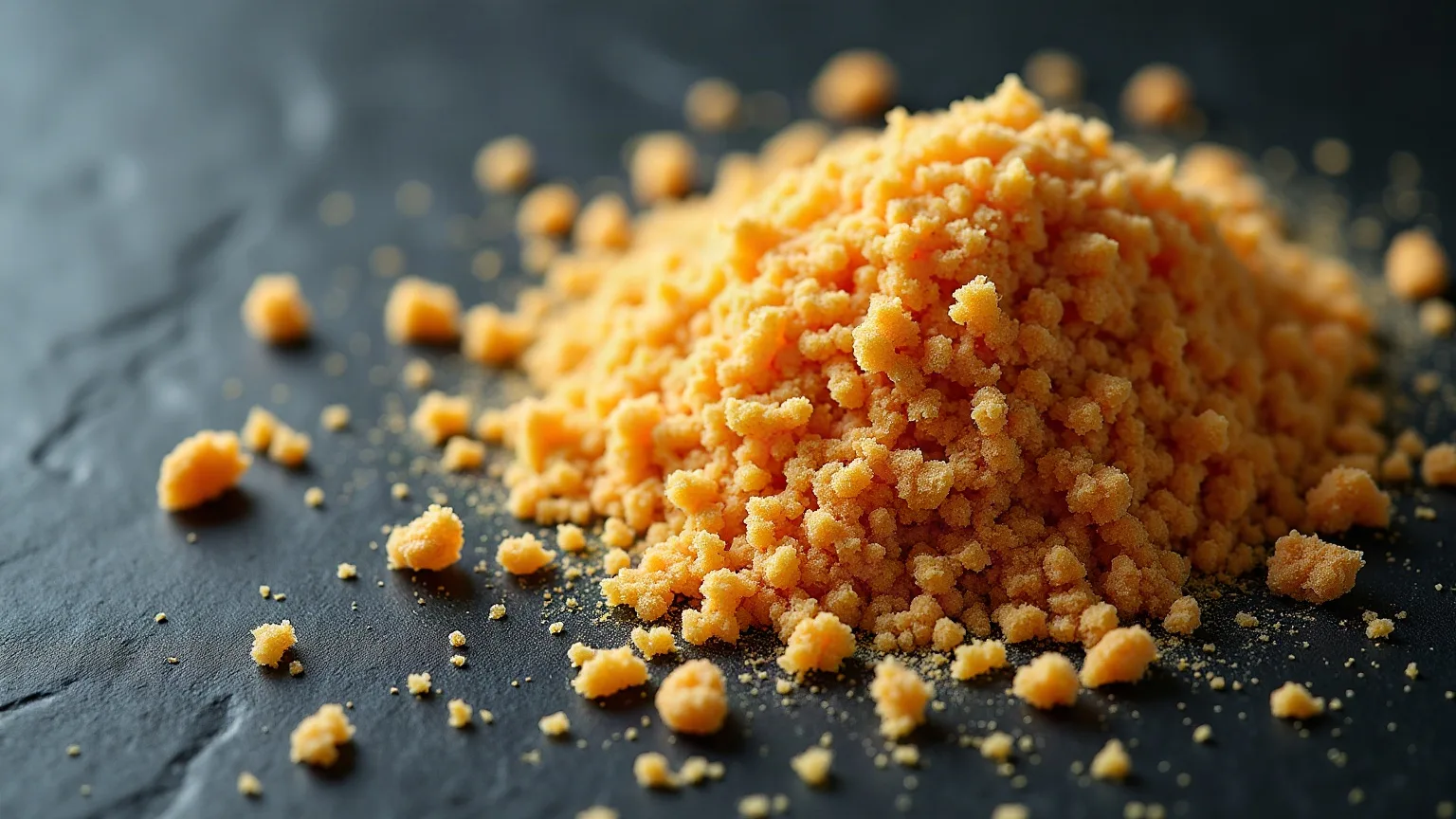
Breadcrumbs
The truthIt is stale bread dried and ground. The loaf you were about to throw away is the best raw material.