
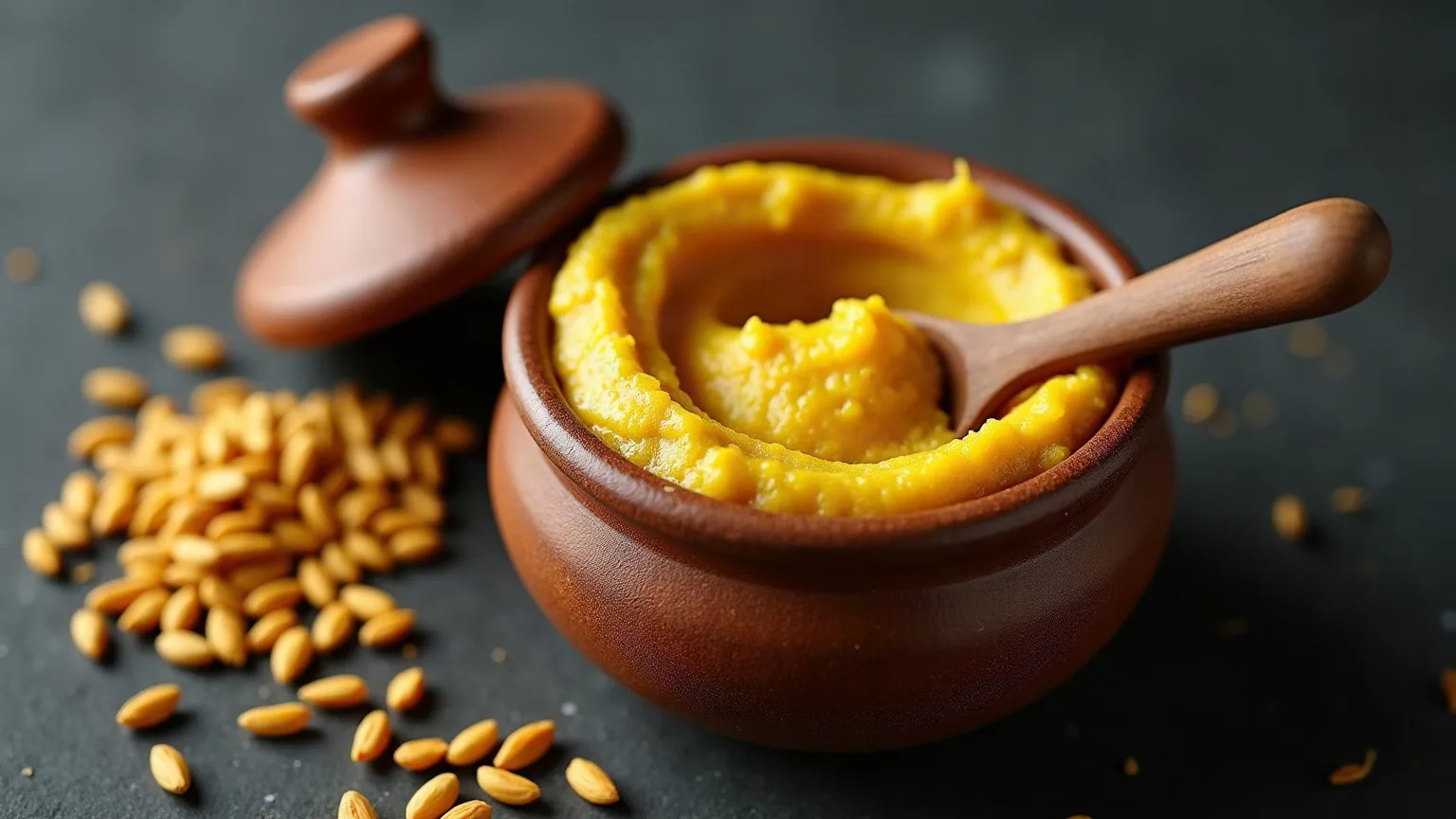
Mustard
The beliefMustard’s heat is assumed to come from spice, or from chilli.
The truthThe heat is not in the seed: an enzyme creates it when the crushed seed meets water. The temperature of that water decides how fierce it gets.
How to make it
What you need
- 60 g yellow mustard seed
- 80 ml water
- 60 ml cider vinegar
- 1 teaspoon of salt, 1 teaspoon of honey
How the engine read this list (5 lines)
| 60 g | Yellow mustard seed | mustard-seed |
| 80 g | Water | water |
| 61 g | Cider vinegar | vinegar |
| 6 g | Salt | salt |
| 7 g | Honey | honey |
An empty weight means that line could not be turned into grams — either the amount is open ("to taste") or the ingredient has no record here. Neither enters the sum as zero; they do not enter it at all.
Grind the seed. Coarse gives a grainy mustard, fine a smooth paste — both are correct.
Add the water and stir. Cold water for a fierce mustard, water above 60 °C for a mild one: this step is the decision.
Wait ten minutes. The enzyme works in that window and the heat peaks. Add the vinegar before it and the heat never develops.
Add the vinegar, salt and honey and mix well. The acid stops the enzyme and locks in the heat as it stands.
Jar it and leave it two days in the fridge. On the first day it tastes harsh and unsettled; in two it comes together.
The others that work the same way
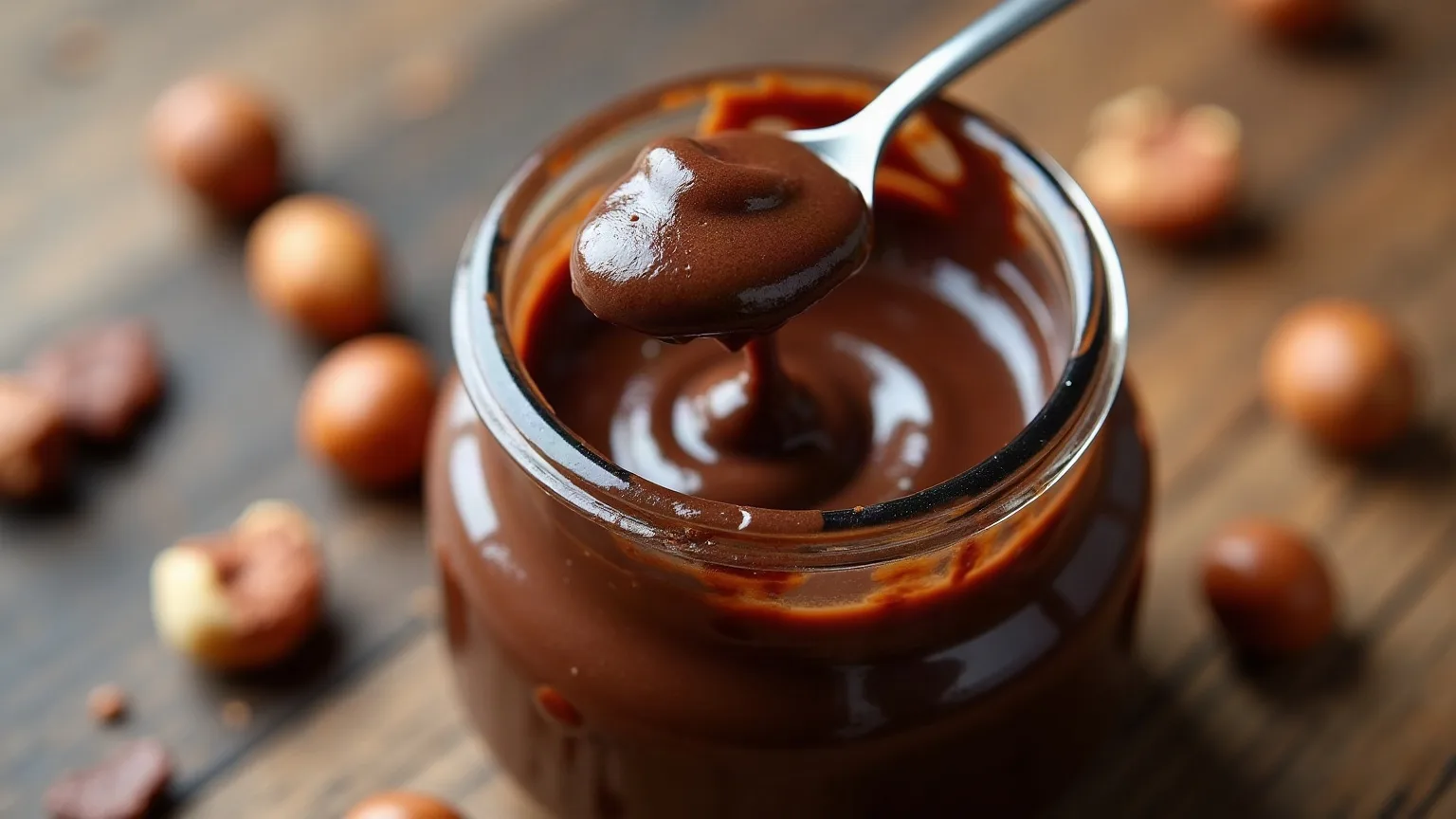
Hazelnut spread
The truthRoasted hazelnuts, ground long enough, release their own oil and turn to cream on their own. The rest is cocoa and sugar.
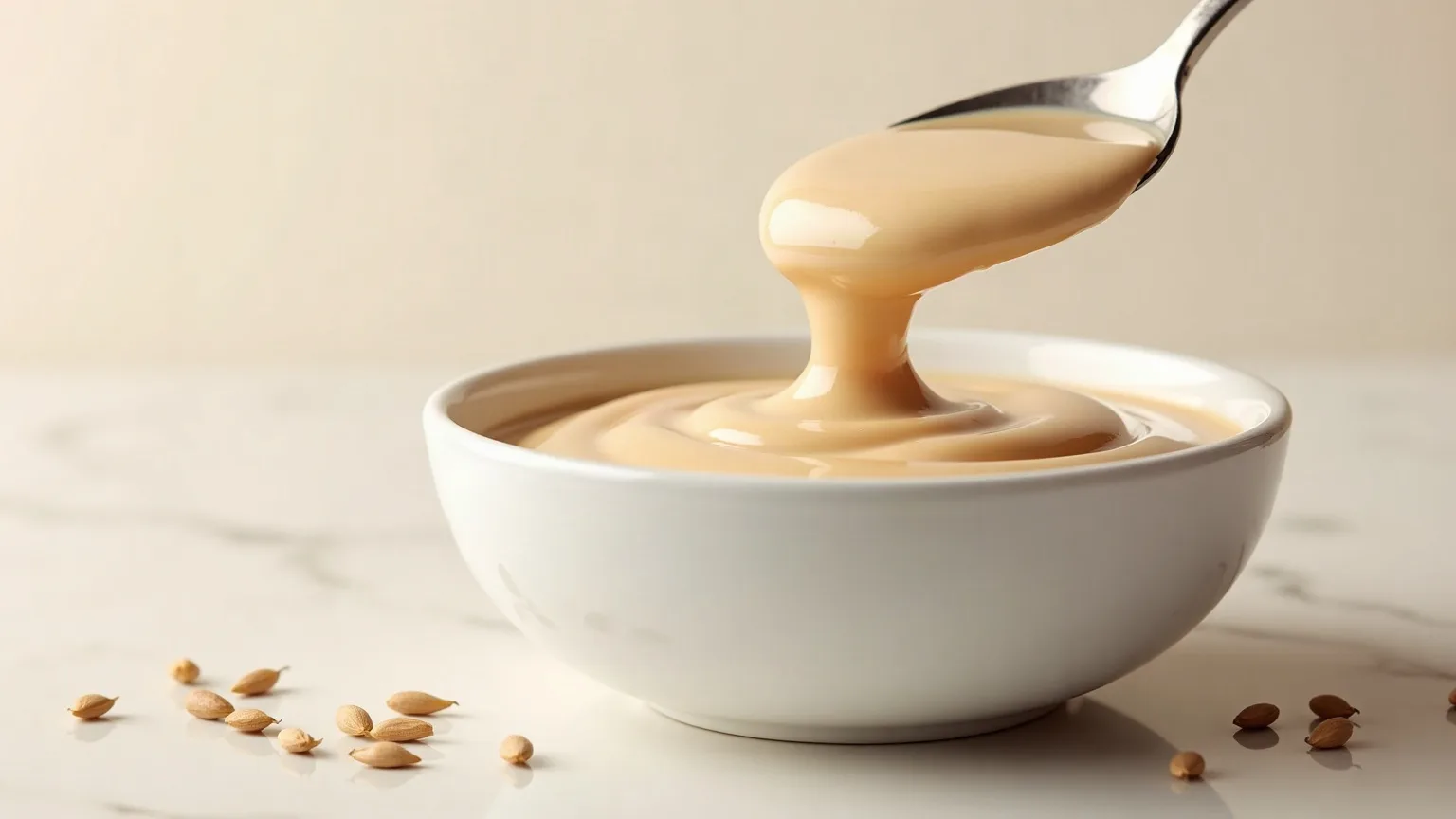
Tahini
The truthGrind roasted sesame for long enough and it releases its own oil. You add nothing.
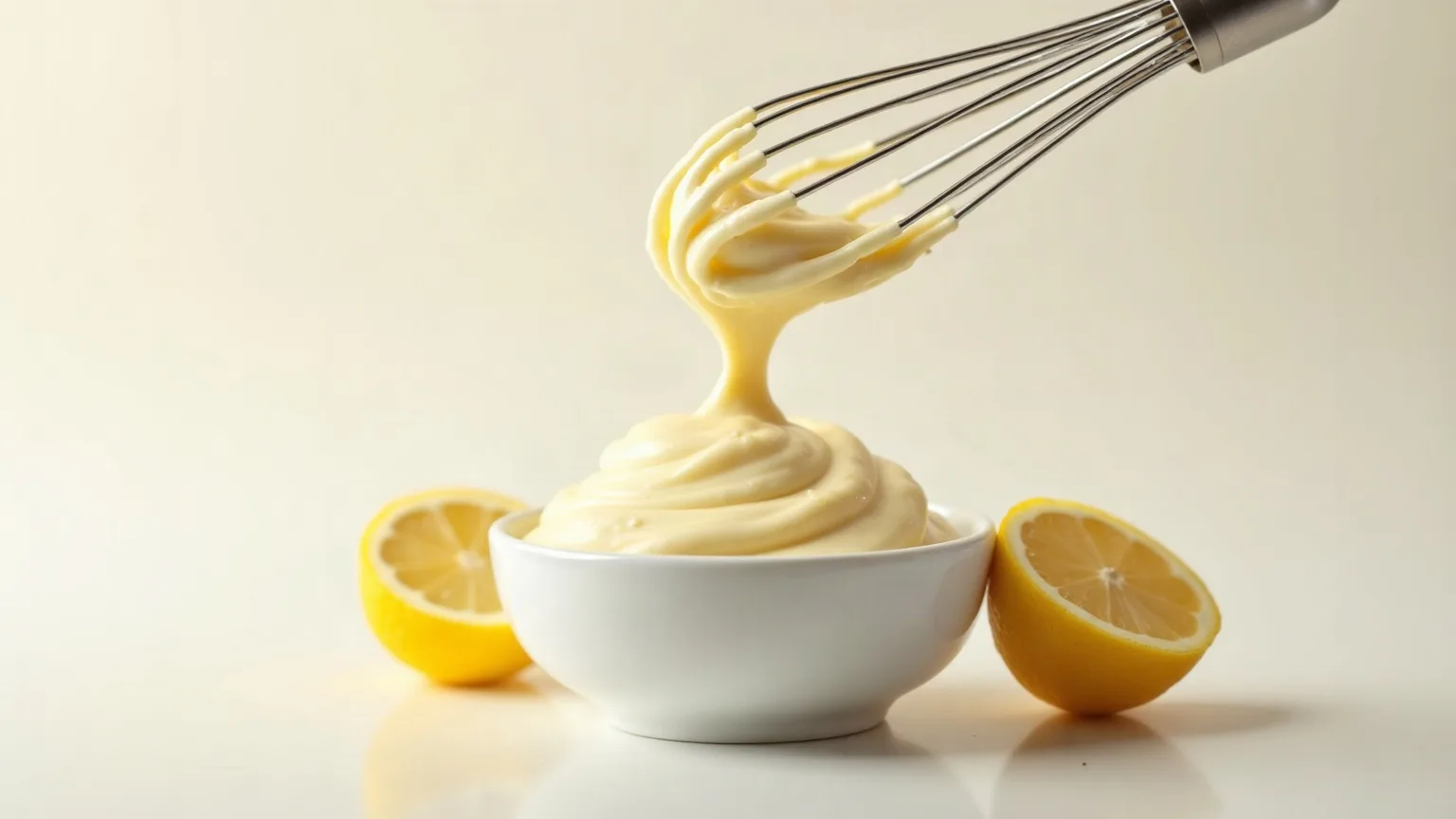
Mayonnaise
The truthOne yolk binds 200 ml of oil. The only reason it splits is adding the oil too fast.