
Scaled to however many of you there are.
Change the headcount and the amounts follow. Salt and spice do not scale in a straight line, and we account for that.
A recipe is how you make a thing: the amounts, the order, the timing and where it goes wrong. The dish pages explain what that thing is — where it comes from, the mechanism behind it, and why skipping one step makes it something else. One stays open in the kitchen; the other is read when you wonder.
51 of 116 recipes. Clear the filter
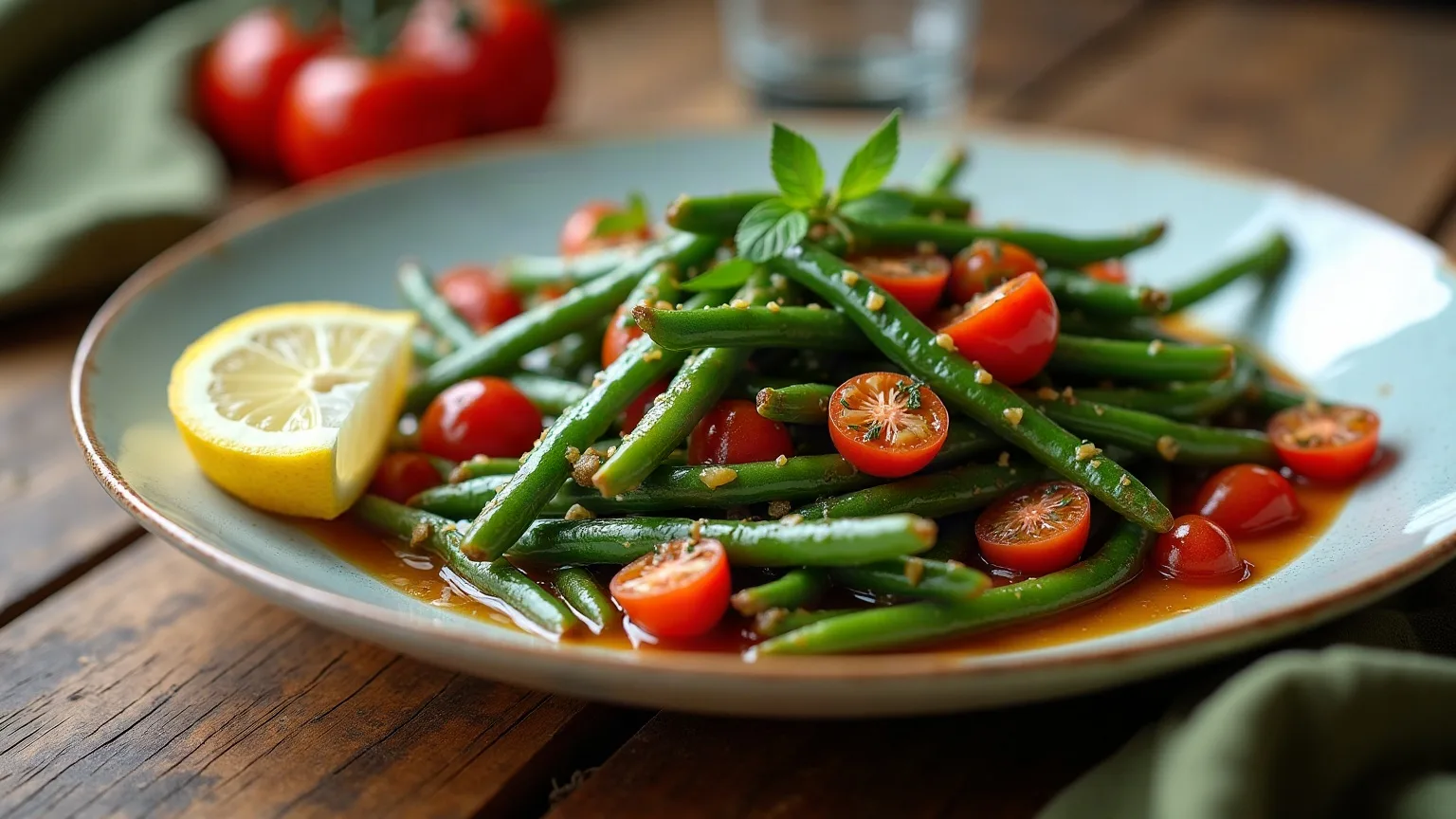
Green beans in olive oil
A classic that cooks in the vegetable’s own water, with none added. The secret is patience and a low flame: the beans sweat, they never boil.
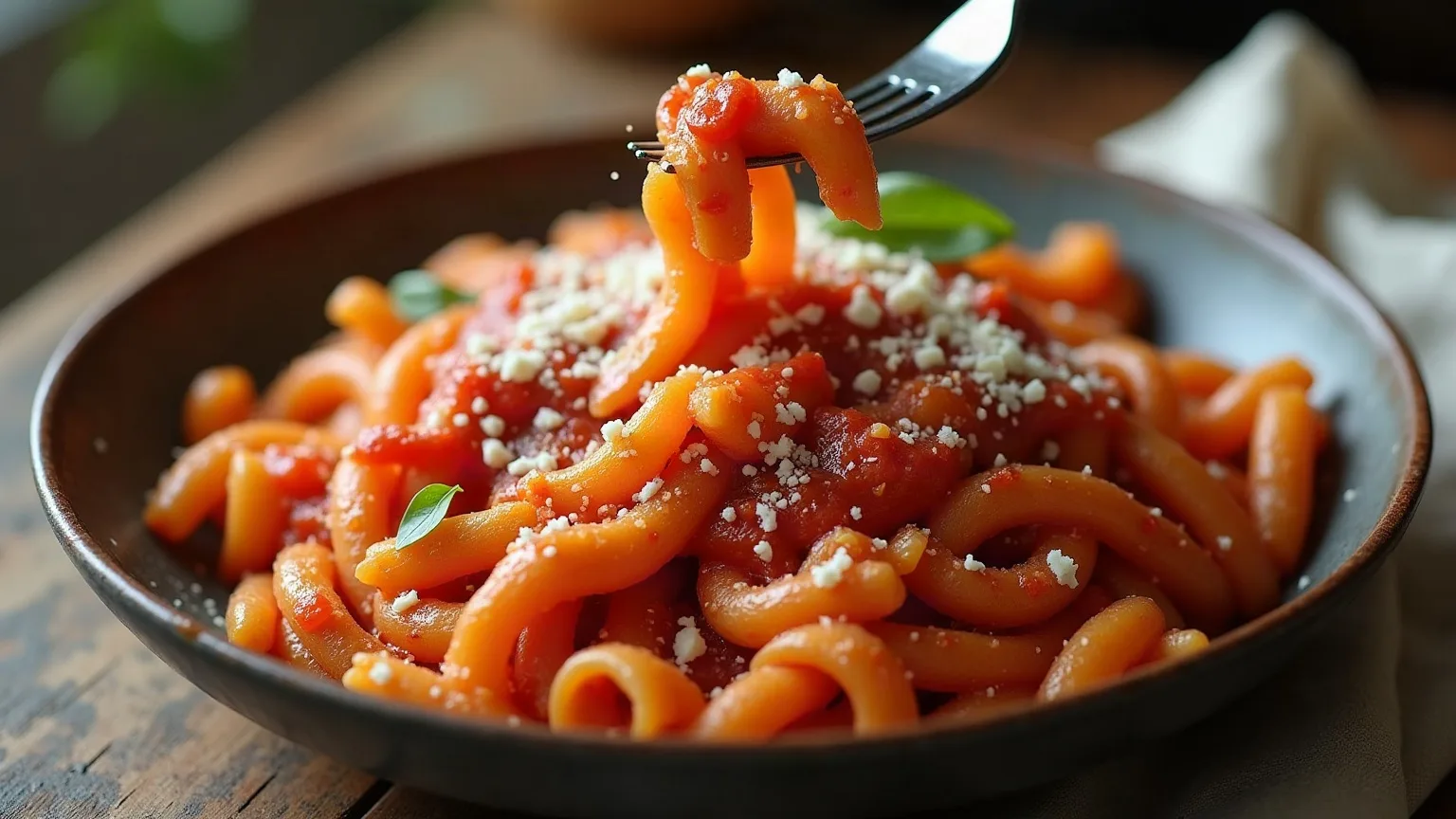
Pasta with tomato paste
There is no sauce until the paste has been fried: raw paste stays sour and metallic.
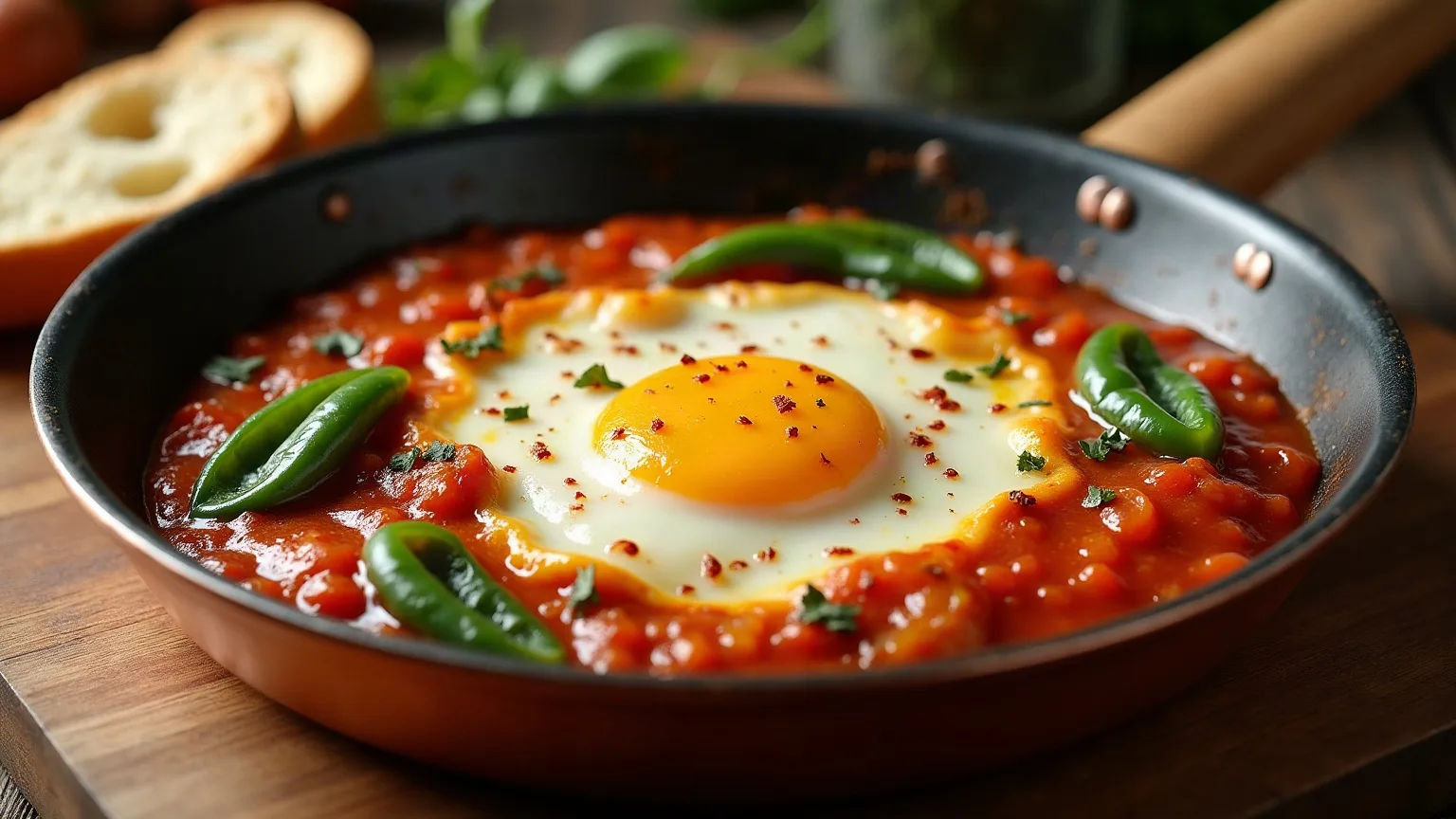
Menemen
Pepper, tomato and egg. Know the order and the heat and it takes fifteen minutes; miss them and you get a watery omelette.
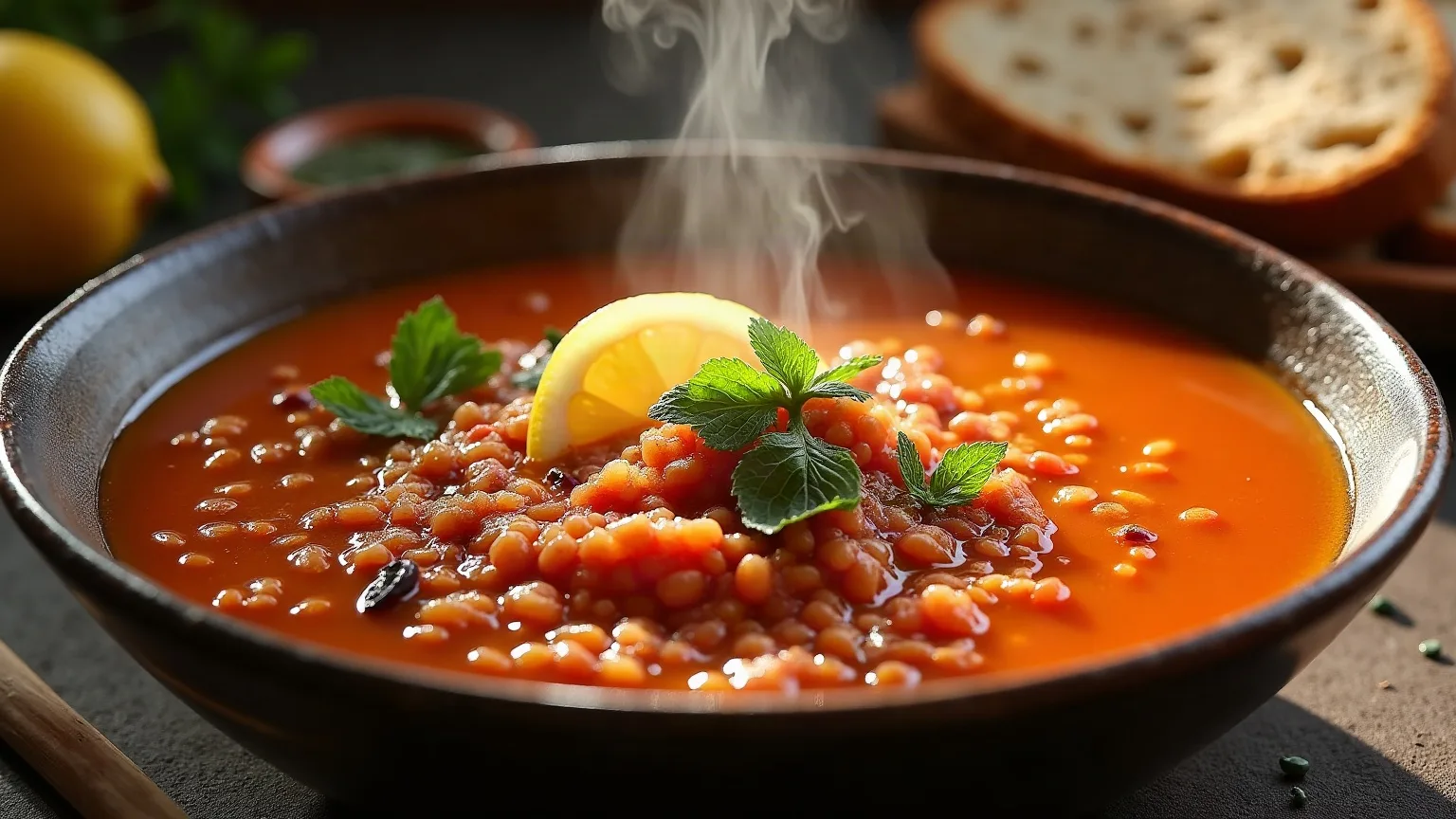
Ezogelin soup
The lentil soup’s cousin, with bulgur, tomato paste and mint. The difference is one step: the paste is fried in the fat.
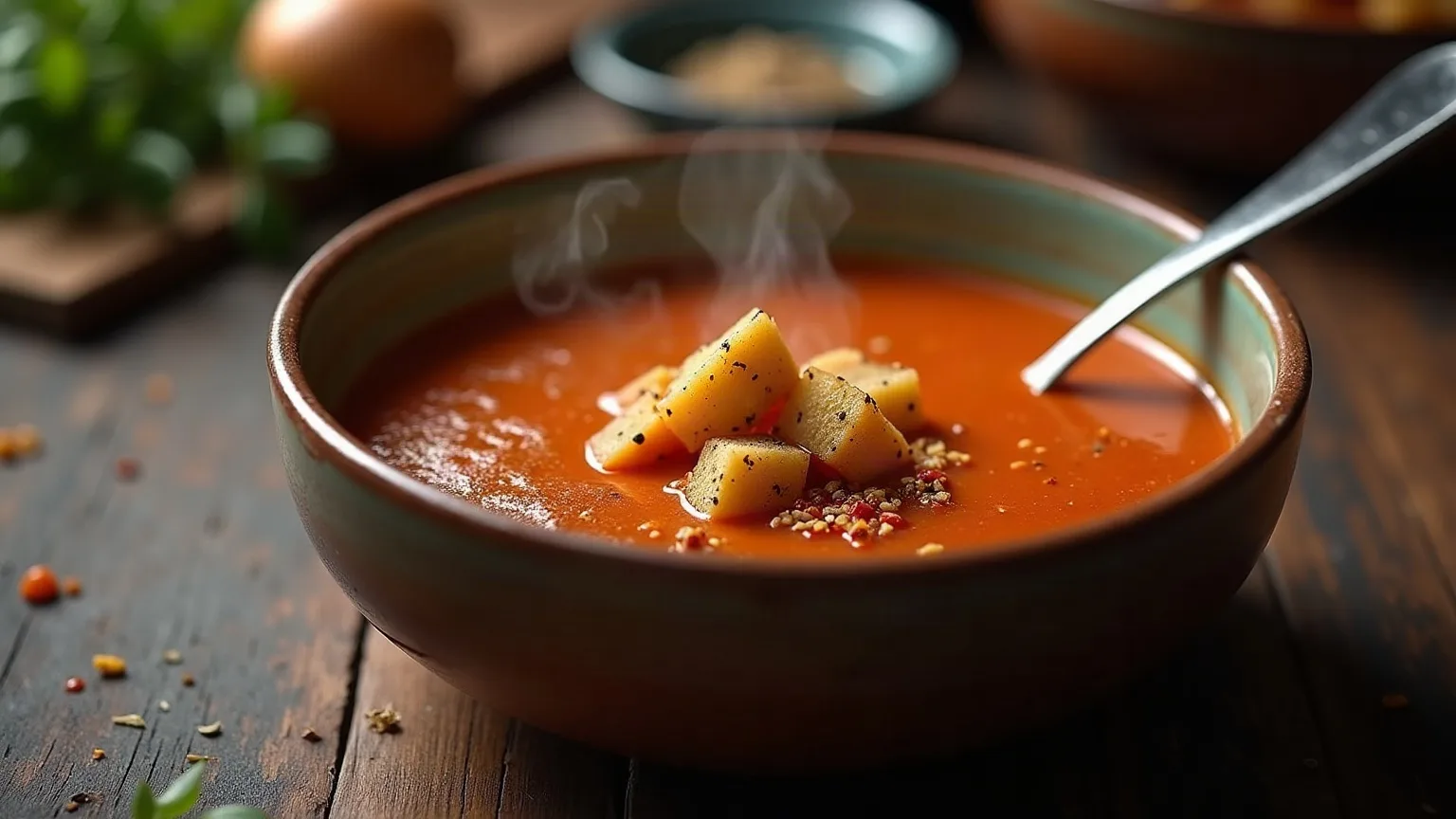
Tarhana soup
A yoghurt-and-vegetable mixture fermented through a summer, dried and powdered. Ten minutes to a soup — at the end of a year’s work.
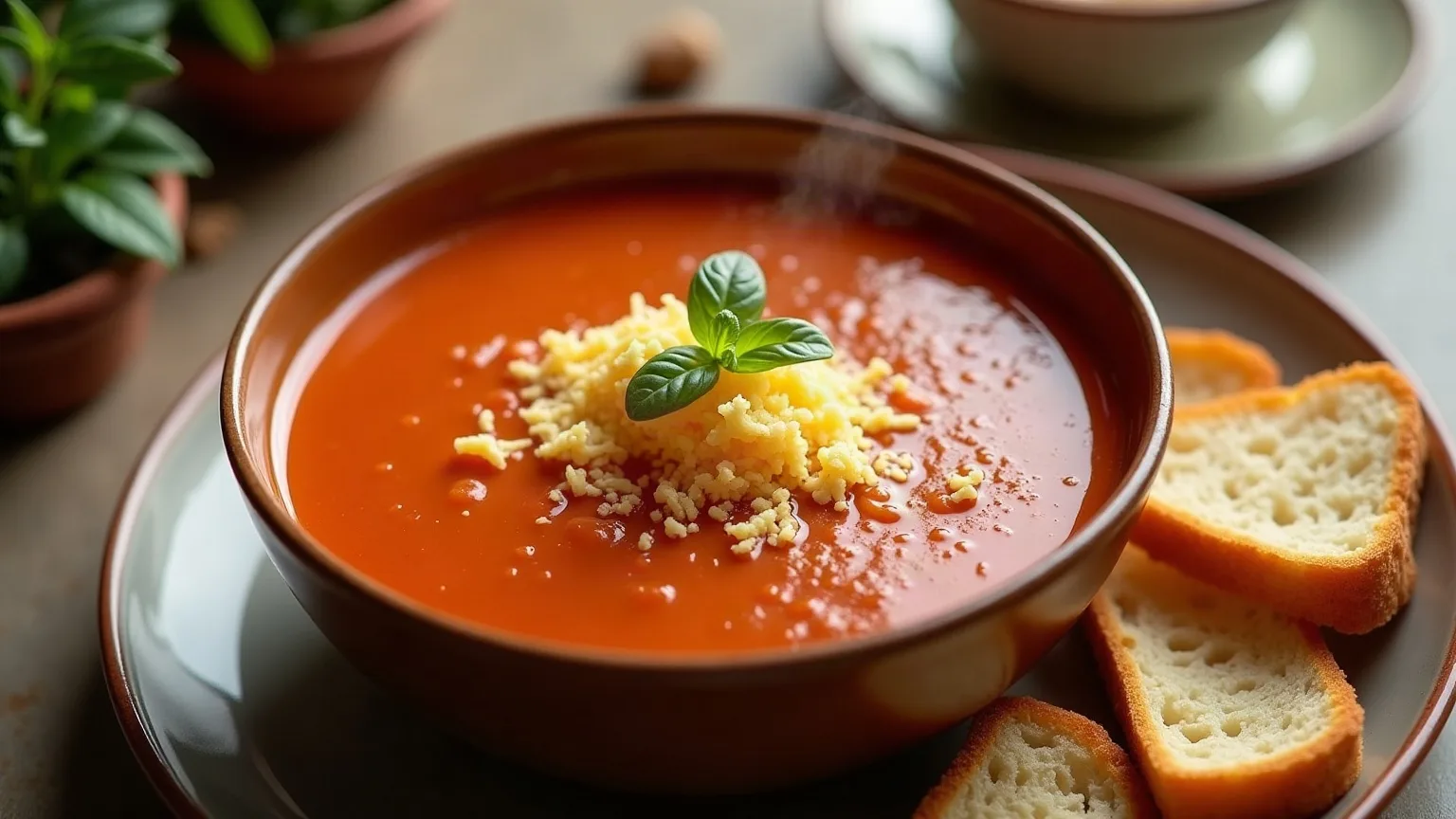
Tomato soup
The taste of this soup is the taste of the tomato, which means a bad tomato cannot make a good one. In winter use paste and wait for the season.
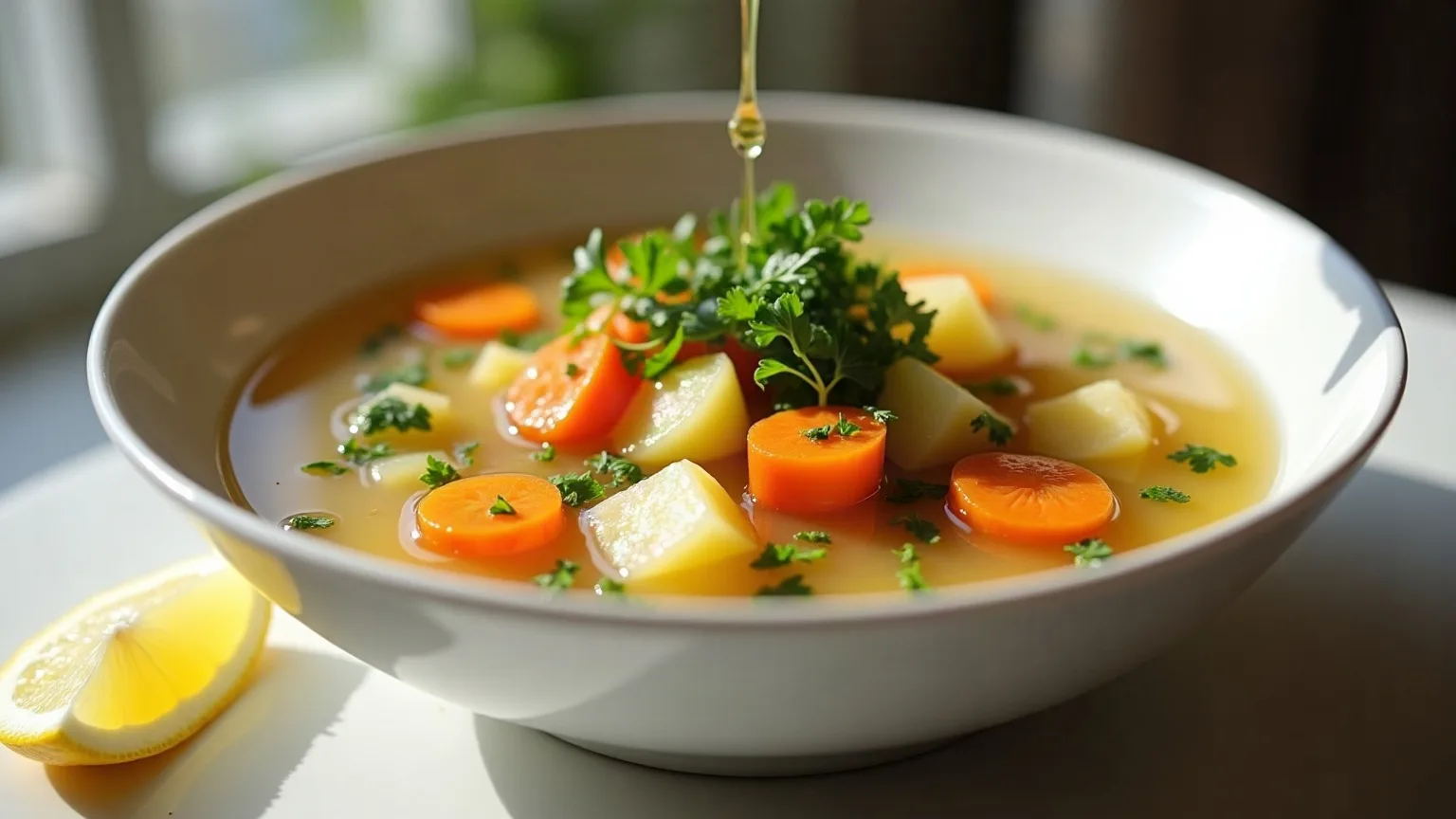
Vegetable soup
Throwing everything in at once is easy and wrong. These vegetables differ twofold in cooking time, and knowing the order is the only skill involved.
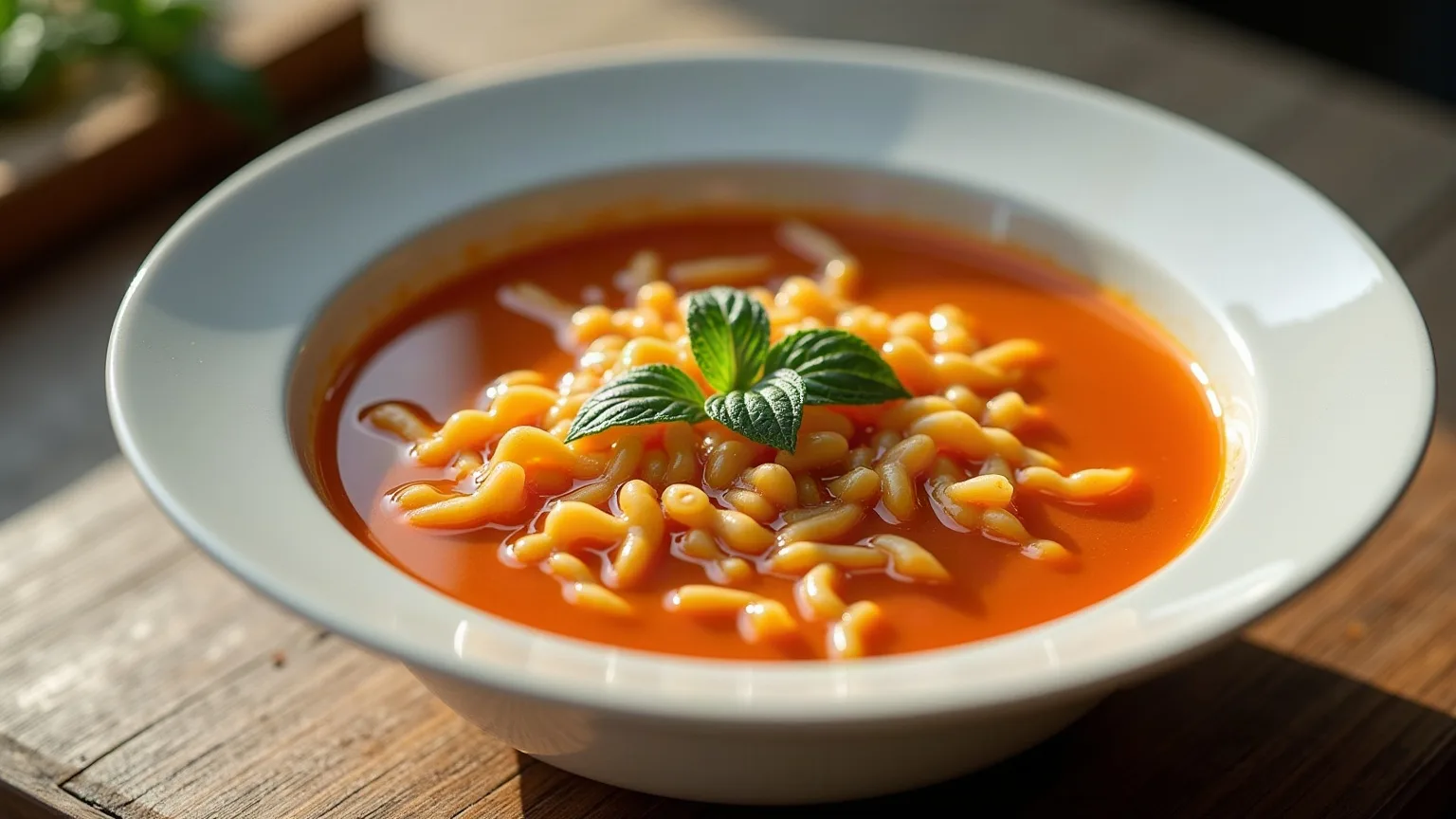
Vermicelli soup
A childhood soup and a fifteen-minute rescue. Toasting the vermicelli is the whole recipe.
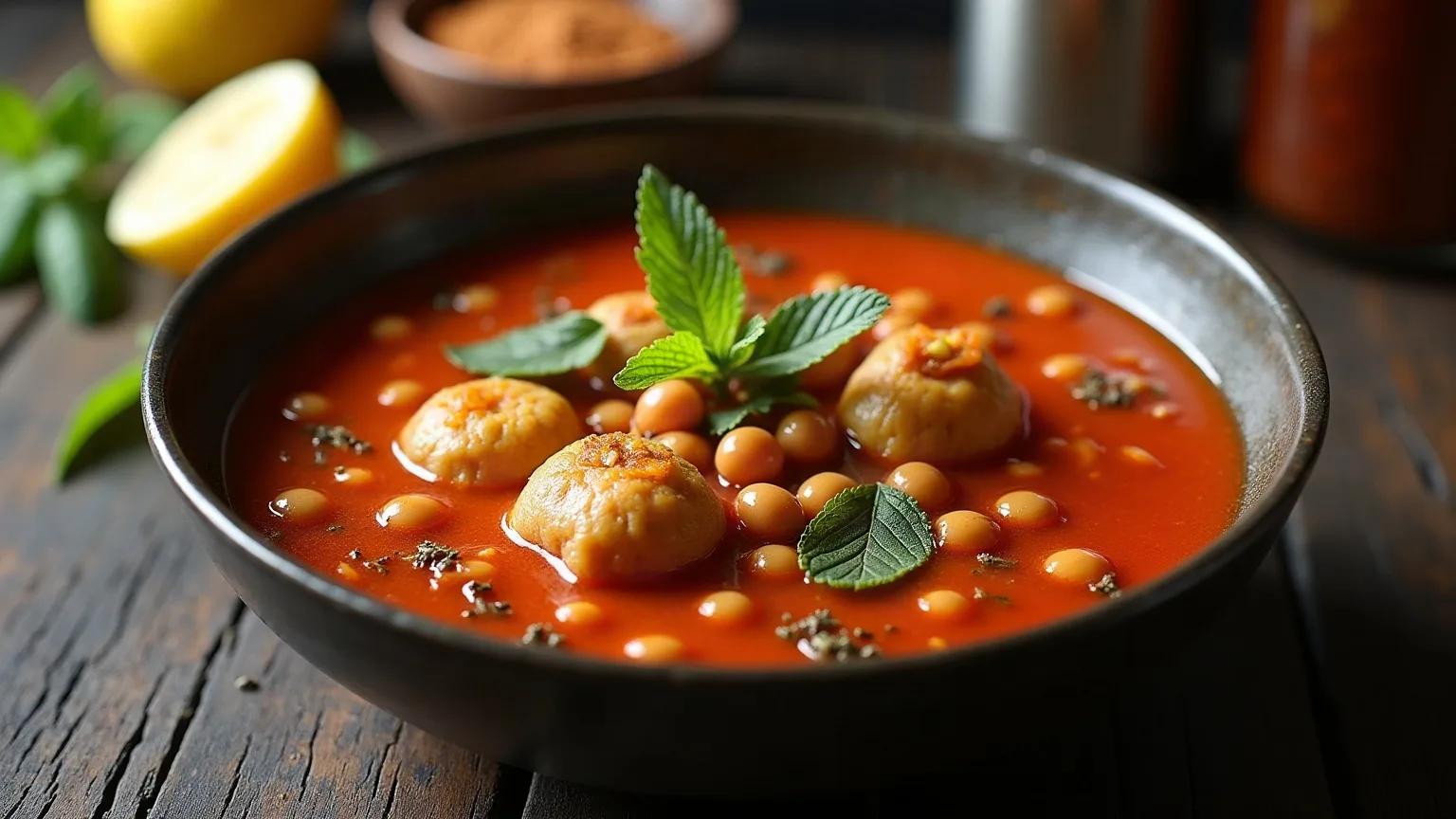
Analı kızlı
The big stuffed dumplings are the mothers, the small plain ones the daughters. Both are bulgur, both cook in the same pan.
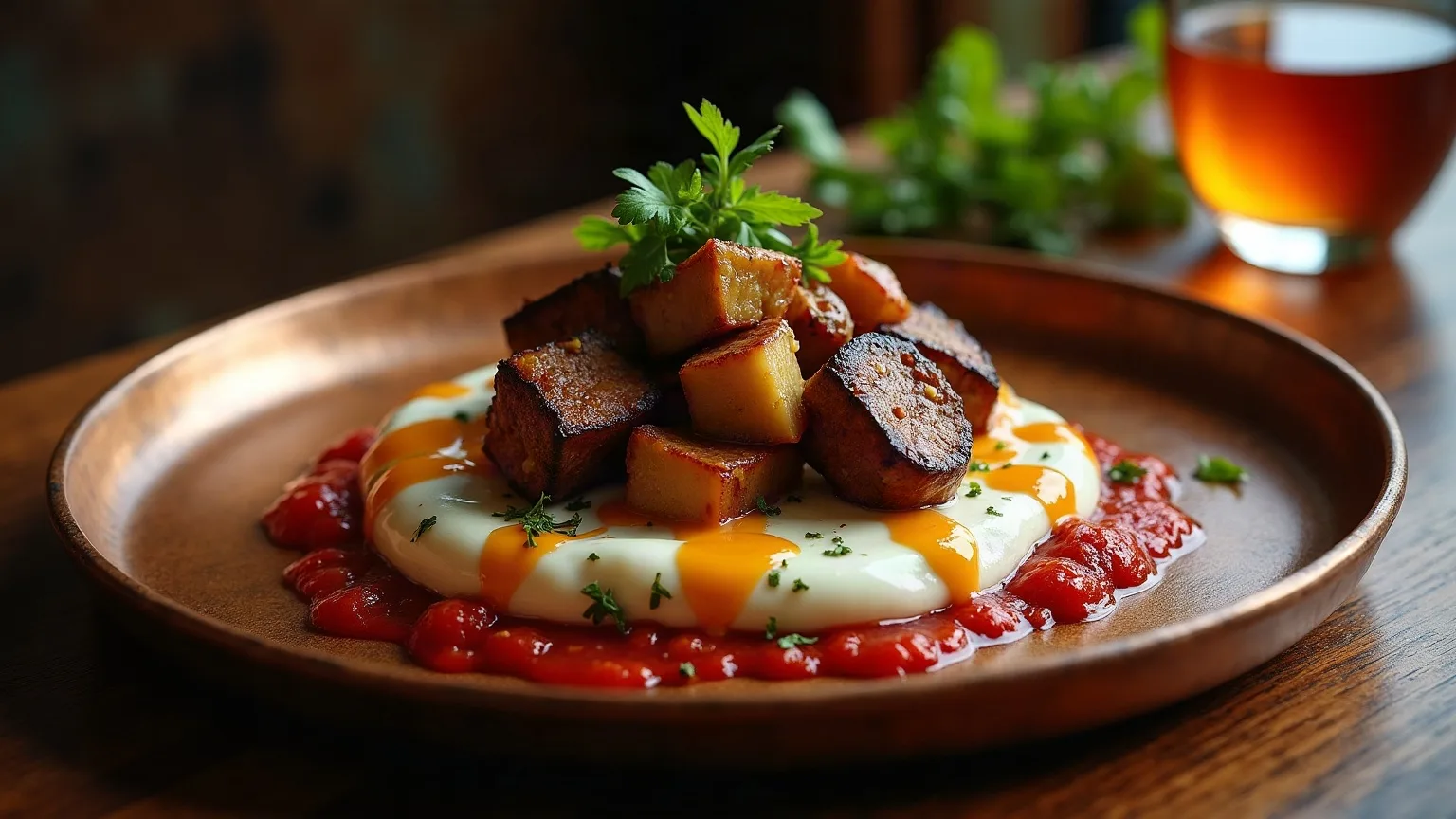
Ali Nazik
The Gaziantep classic: charred aubergine crushed with garlicky yoghurt under sautéed lamb. Everything rests on properly charring the aubergine — made with oven-roasted aubergine, this is simply not the dish.
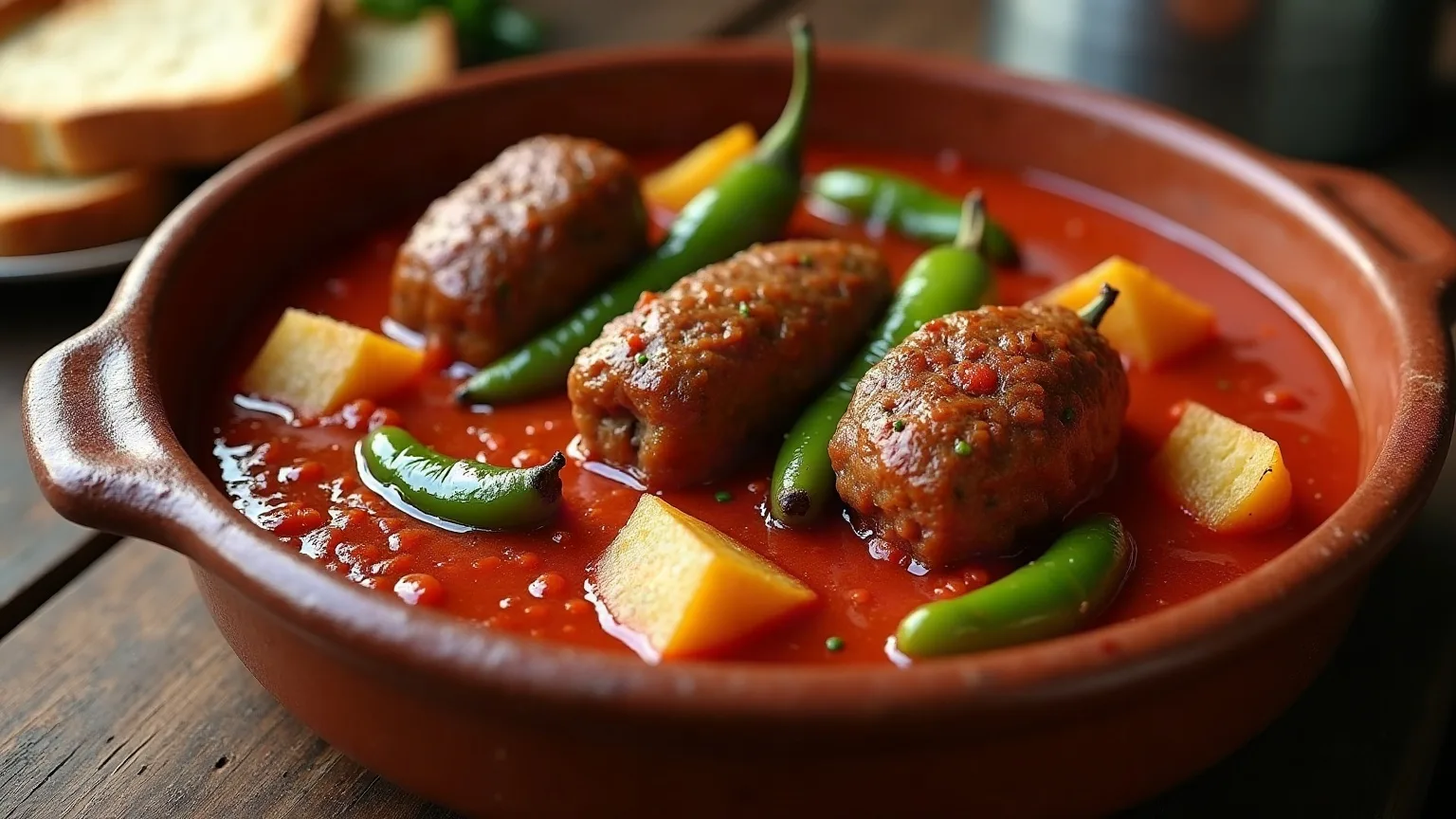
İzmir meatballs
Searing the meatballs and then baking them in sauce is two dishes in one: the crust stays outside while the inside drinks the sauce.
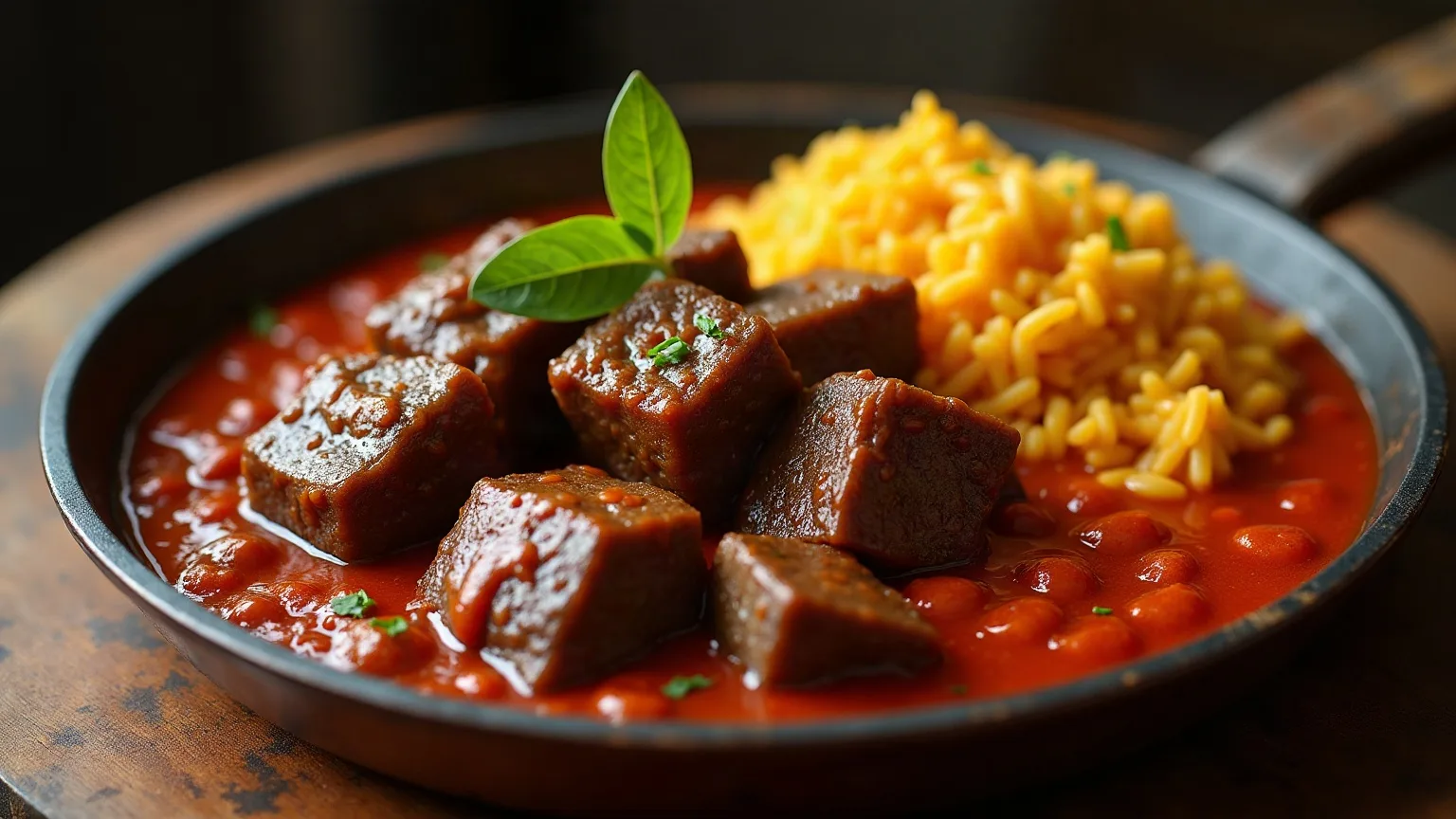
Taş kebabı
It is called a kebab and there is no fire in it: two hours in a covered pan in its own juice. Collagen becoming gelatin asks for nothing but time.
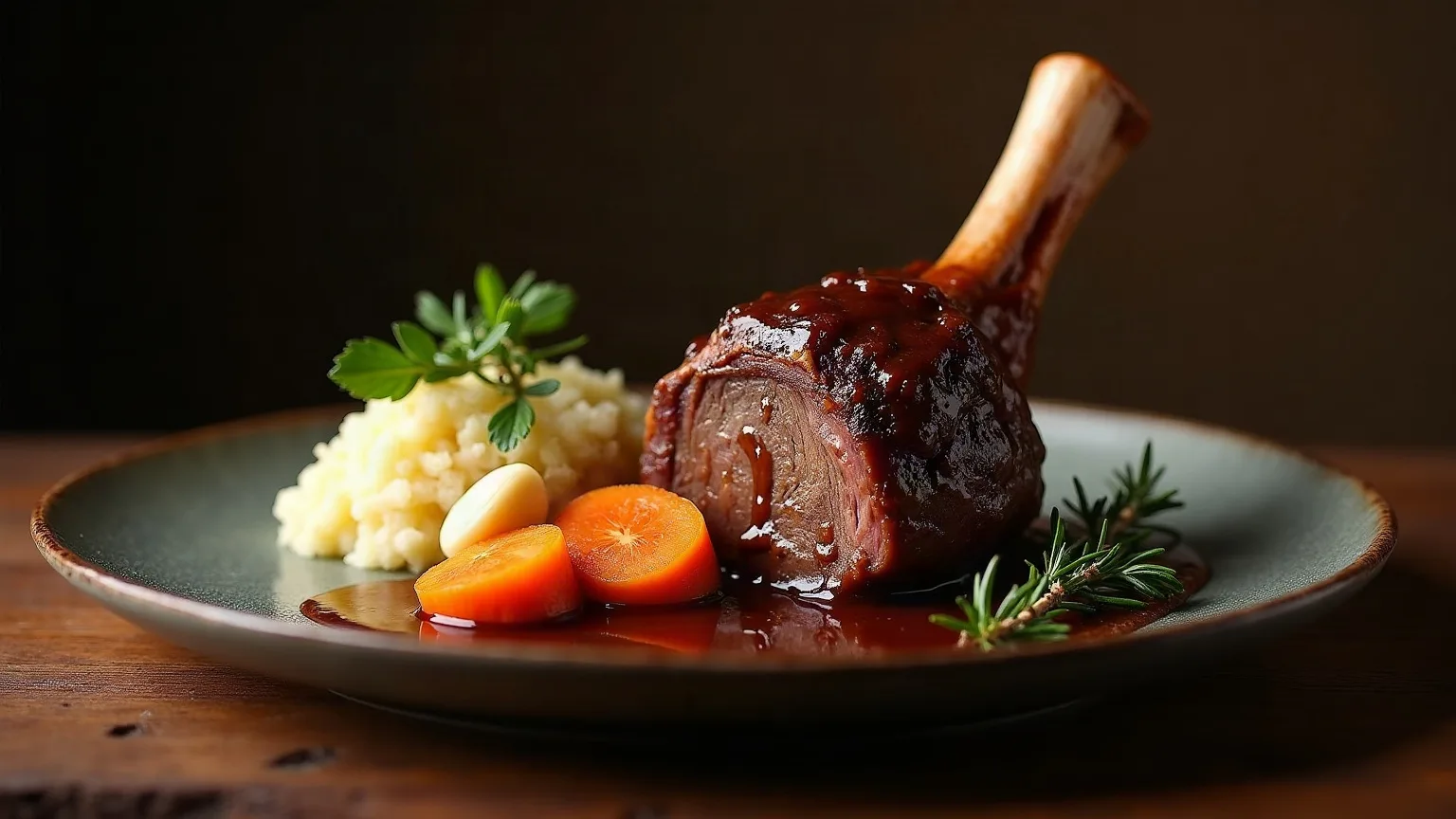
Slow-roast lamb shank
Three hours at 150 °C. There is no way to shorten it: collagen becomes gelatin with time rather than with temperature.
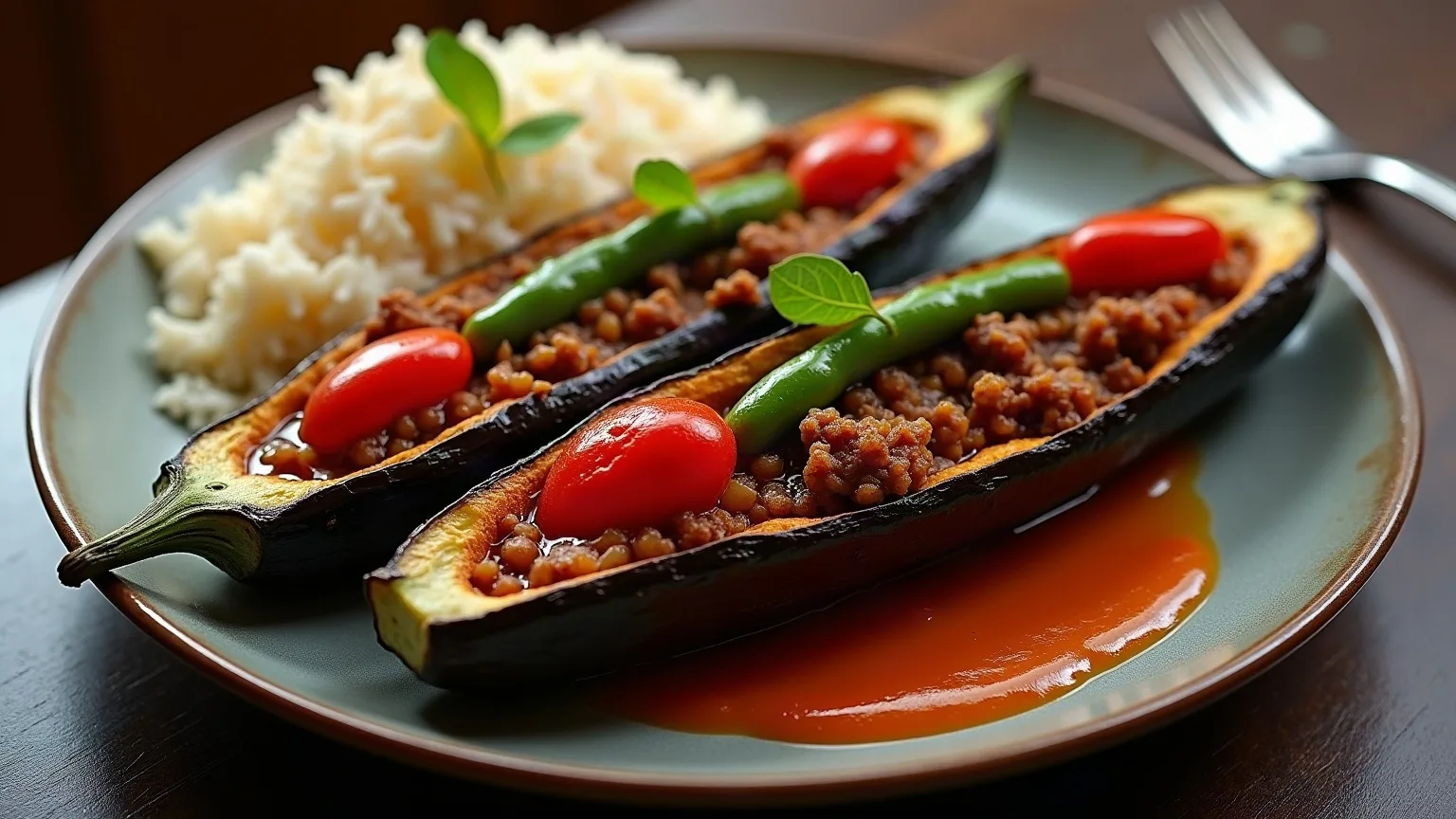
Karnıyarık
The one thing that stops an aubergine drinking oil is a soak in salted water: cells full of water leave no room for fat.
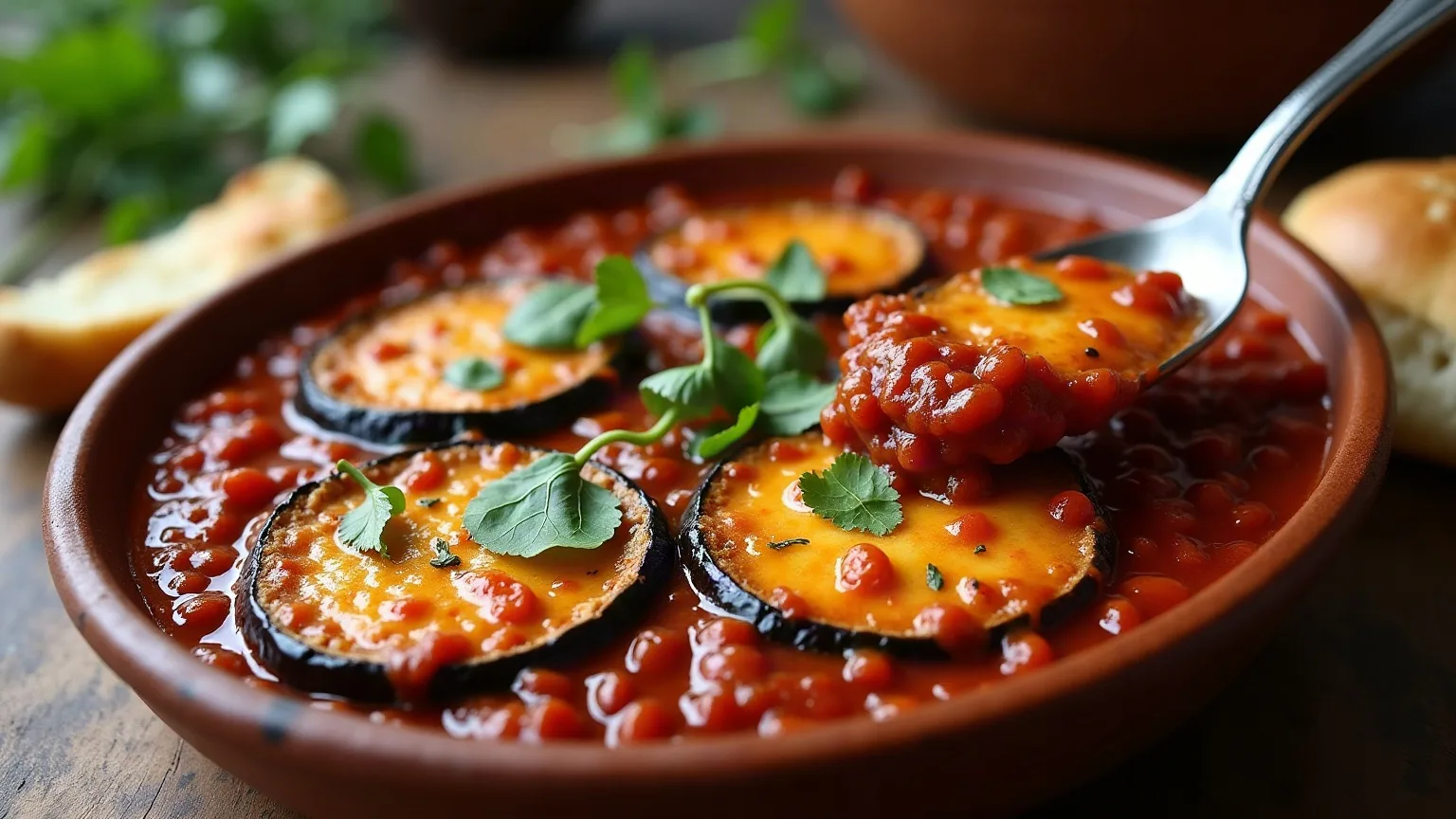
Musakka
Turkish musakka has no béchamel: aubergine, mince and tomato in one pan. Confusing it with the Greek version is a common mistake.
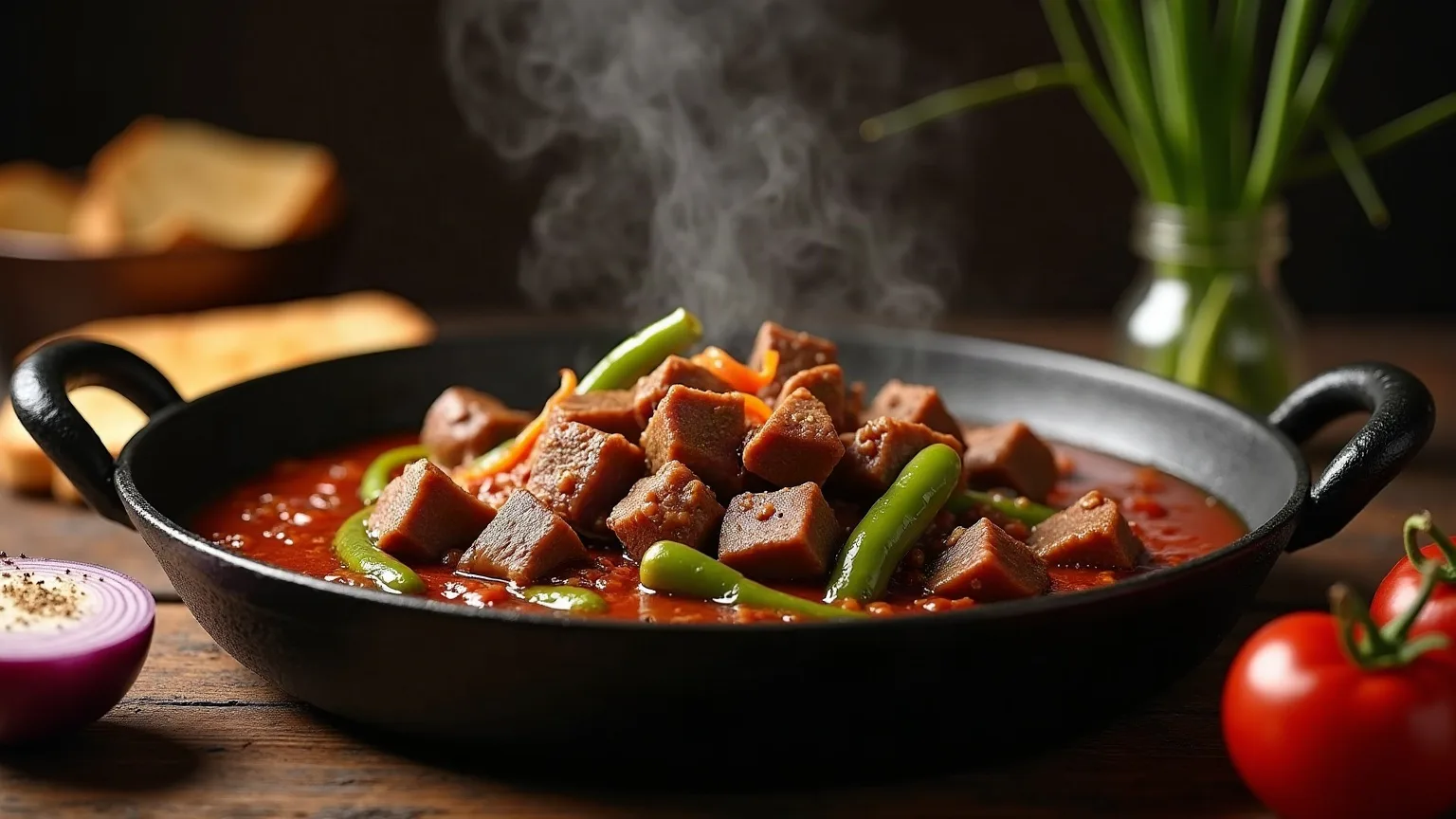
Saç kavurma
High heat, small pieces, an uncrowded pan. Miss any one of the three and it is not a sauté but a stew.
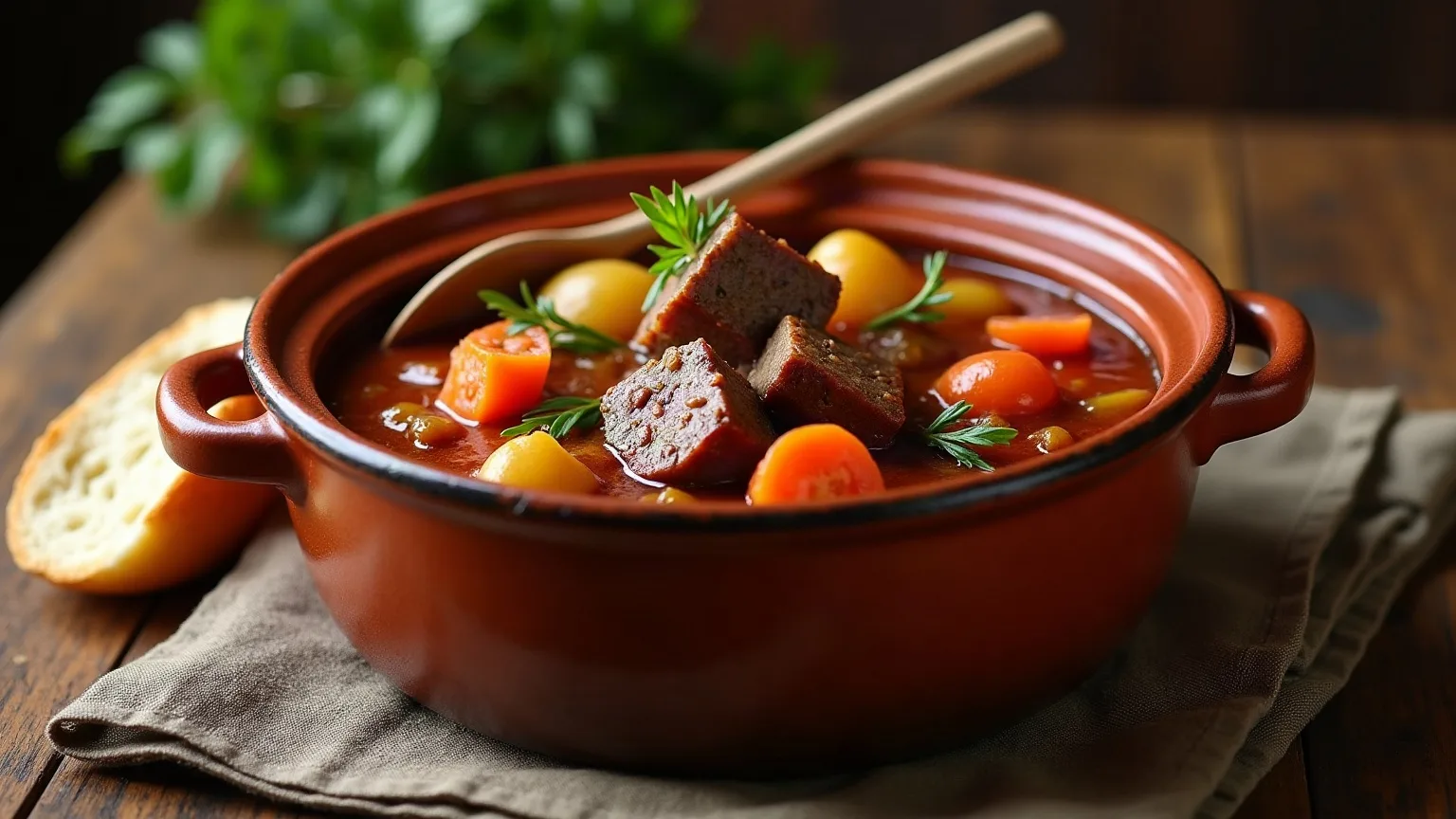
Lamb casserole
The meat has two hours and the vegetables have forty minutes. Put them in together and the vegetables vanish while the meat is still raw.
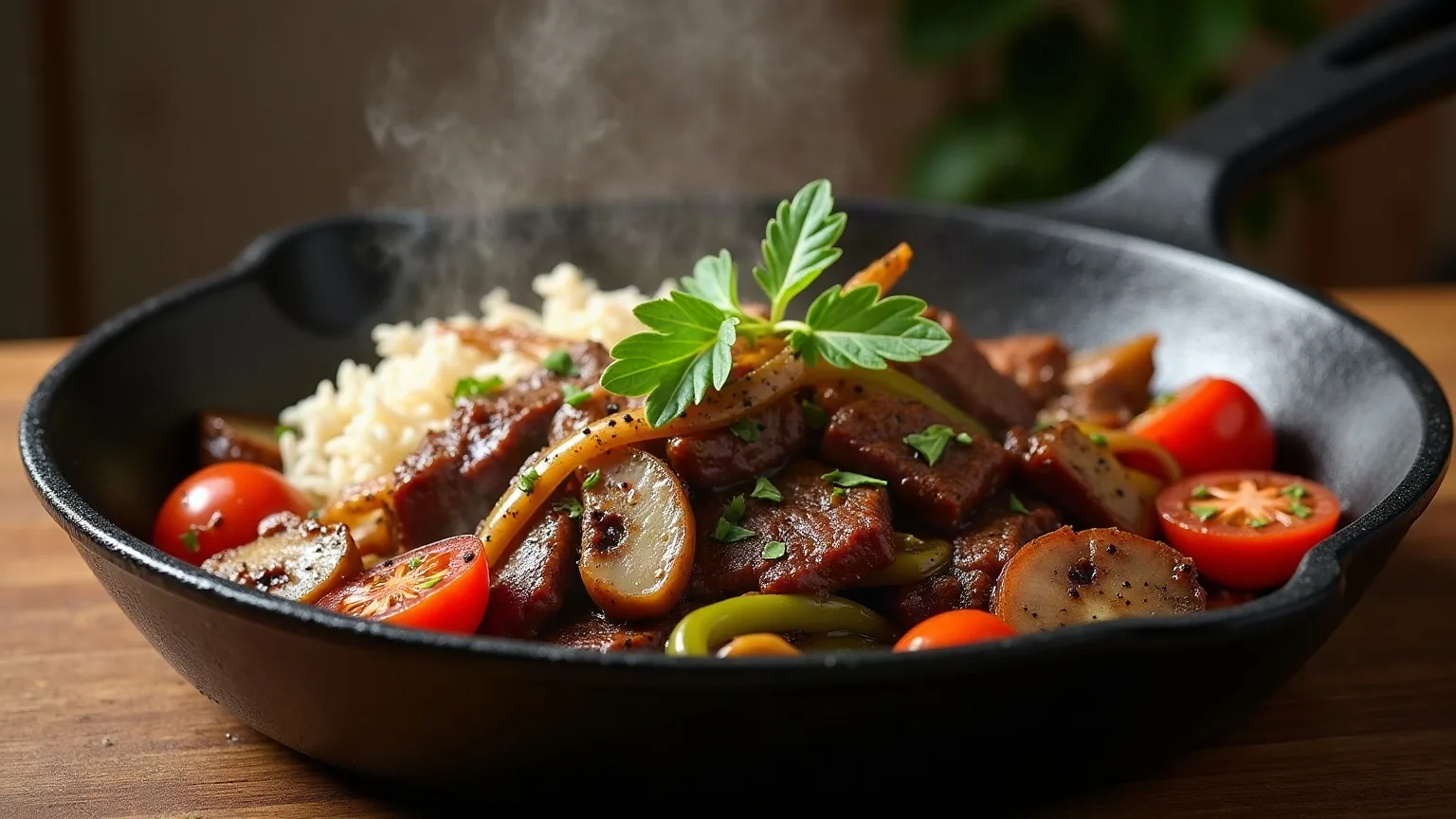
Beef sauté
A meat dish finished in fifteen minutes, on one condition: the pan is genuinely hot. In a warm pan this recipe does not work.
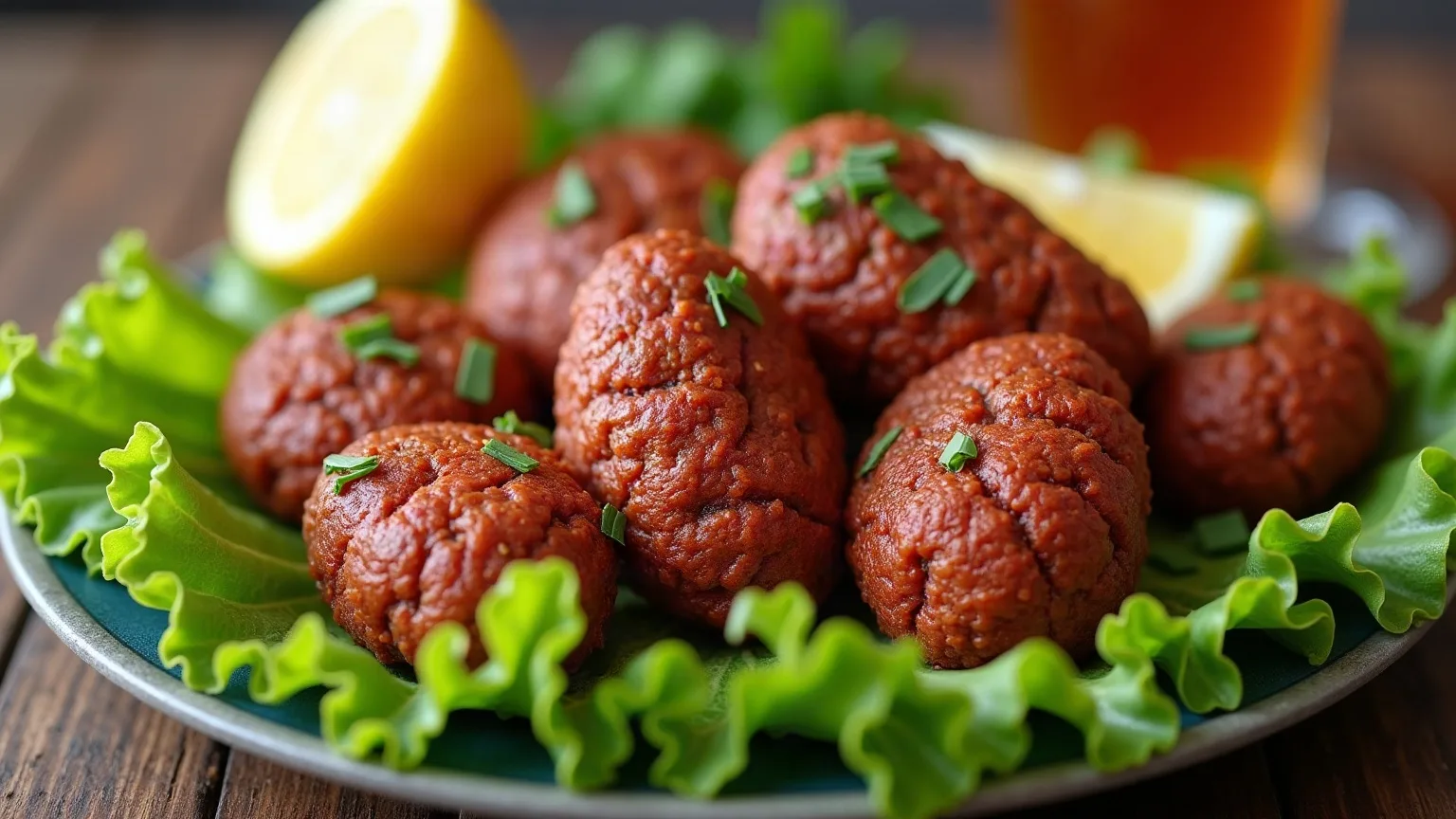
Çiğ köfte, without meat
The name says raw, but the bulgur is not: bulgur is wheat that has already been boiled, and here it is only soaked.
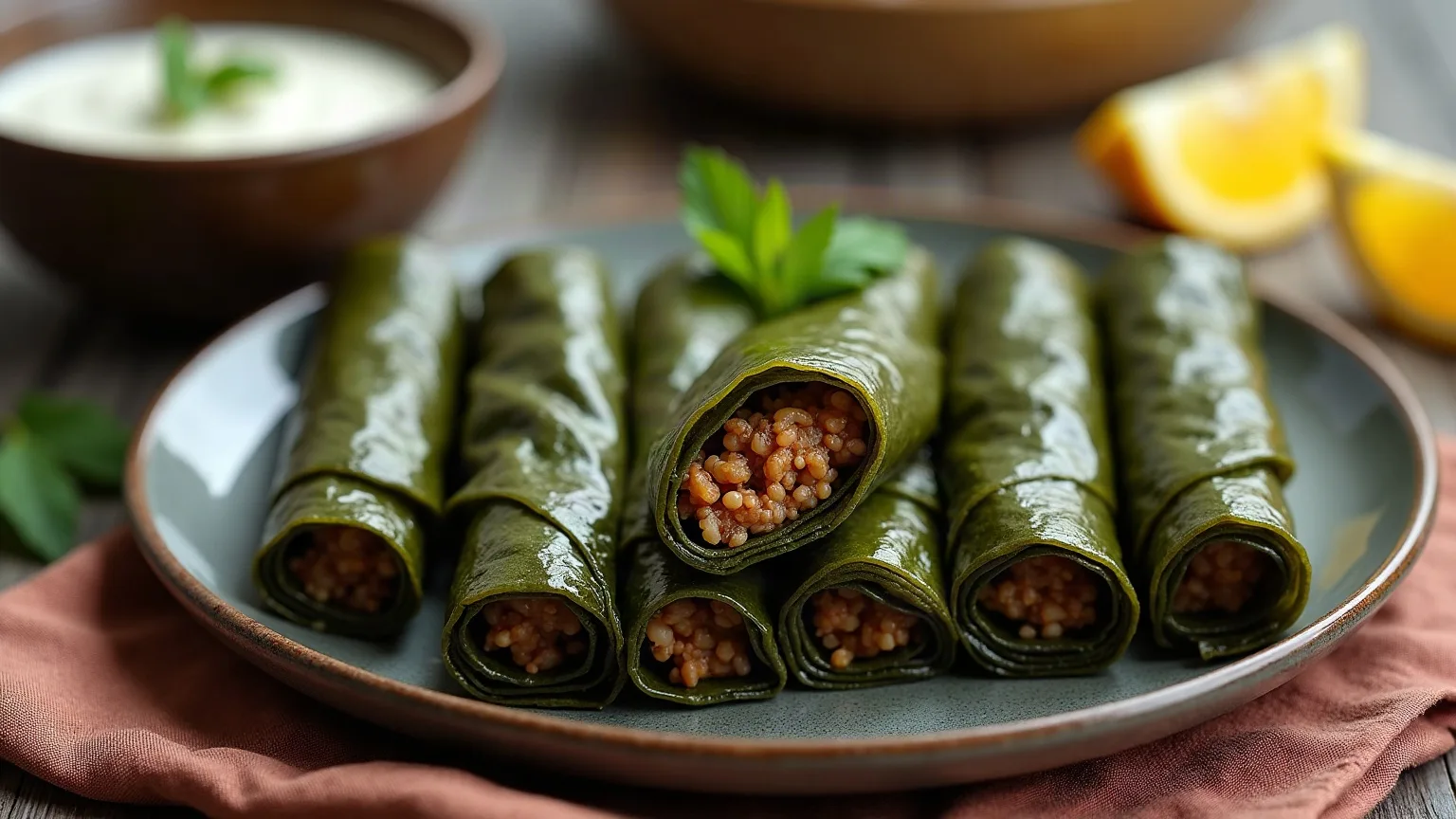
Vine leaves stuffed with meat
Sarma holds together because the pan is packed, not because the roll is tight. Leave gaps and every one of them opens.
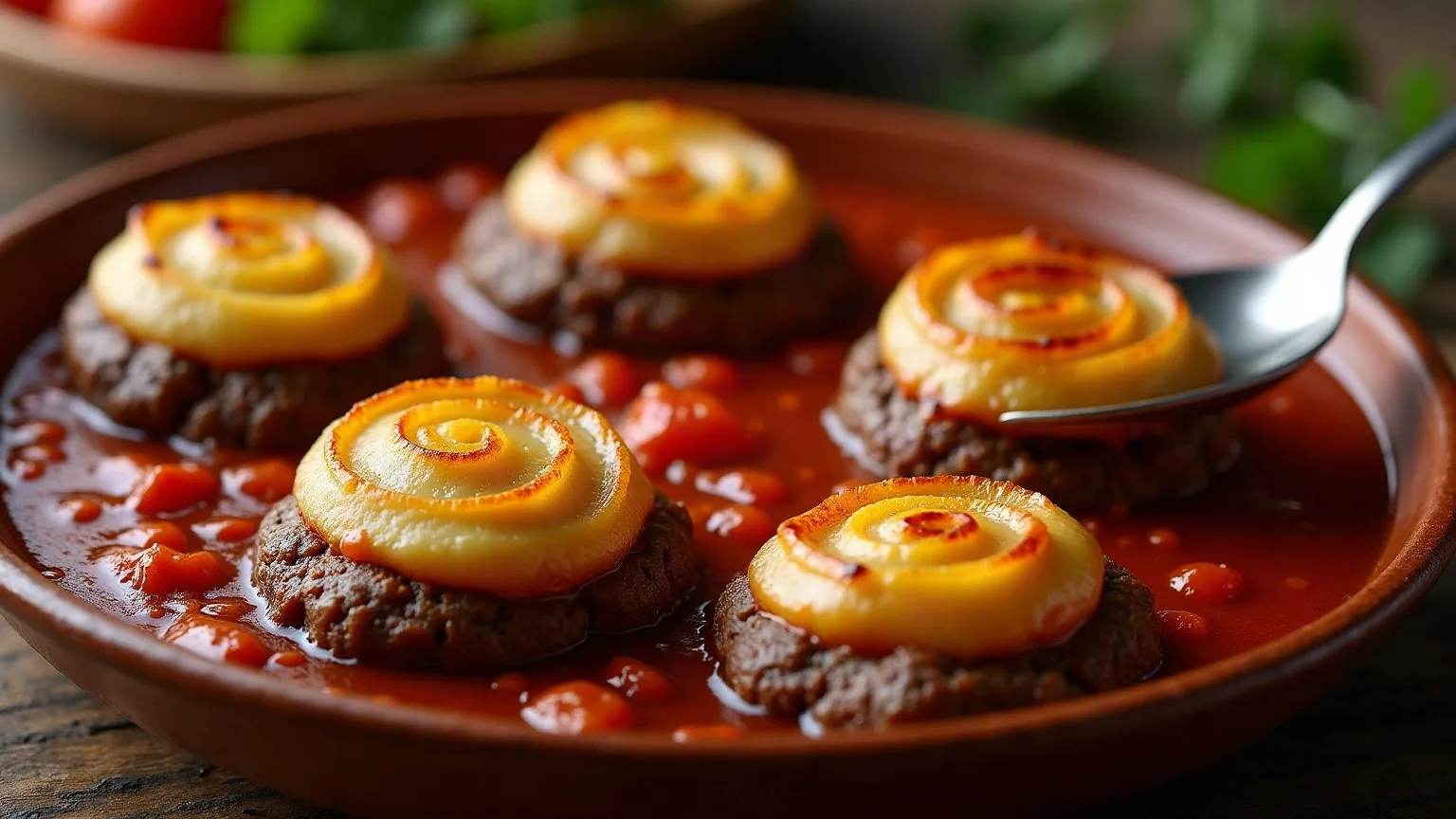
Hasanpaşa köfte
The purée on top is a lid rather than a decoration: in the oven it keeps the meat’s juice in.
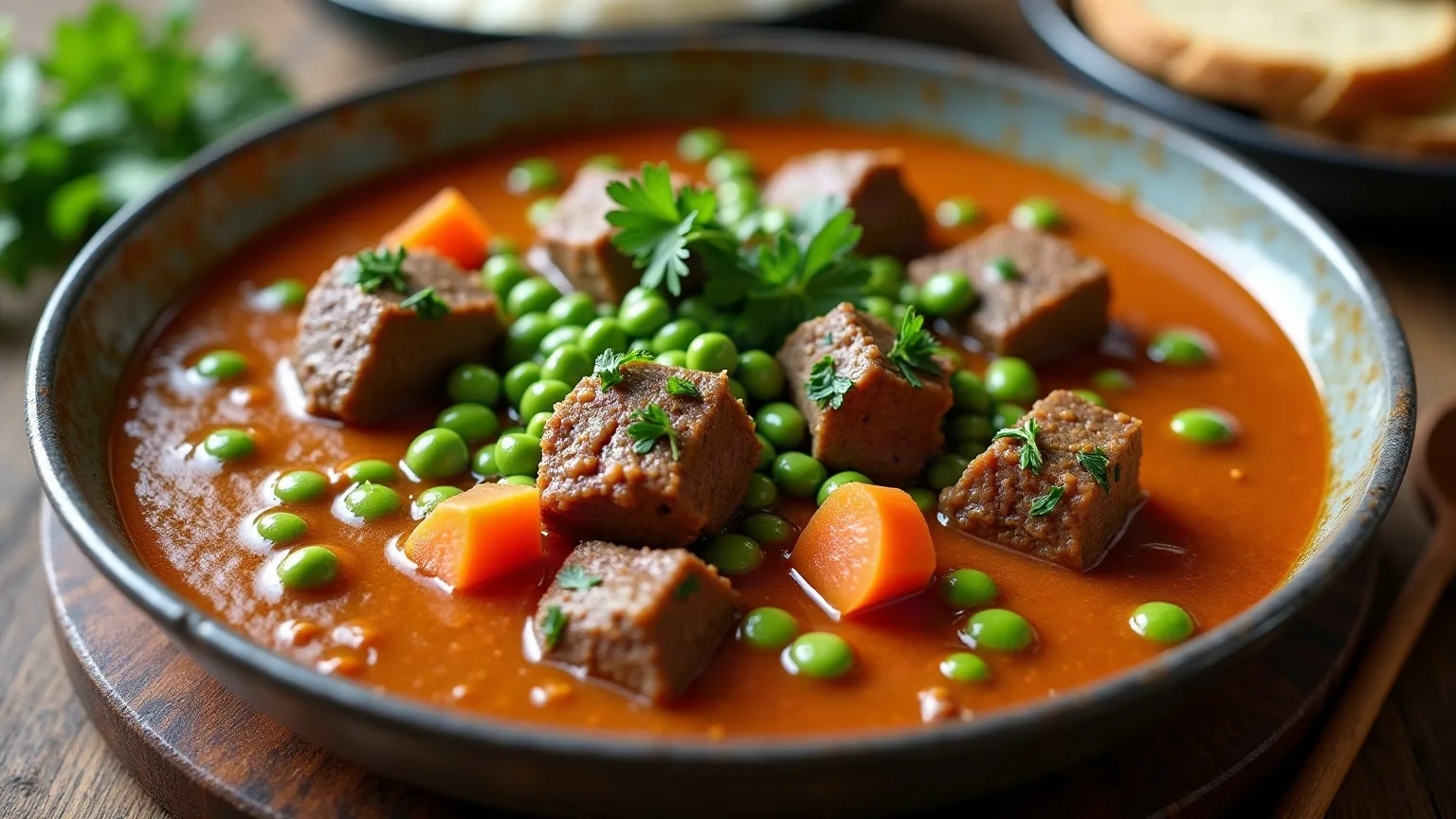
Lamb and pea stew
The peas go in last. Boiled with the meat from the start they lose both their colour and their texture.
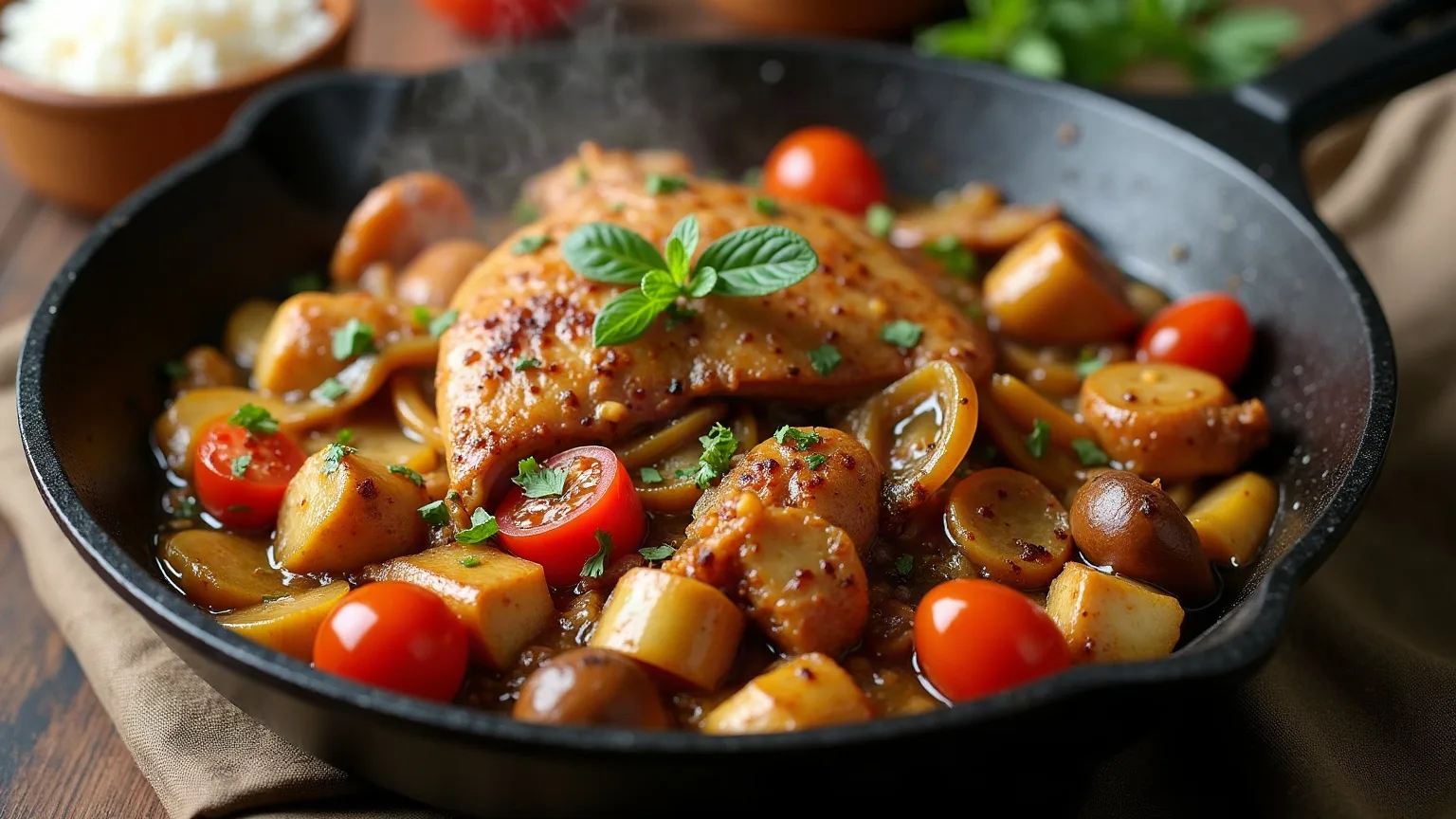
Chicken sauté
Chicken breast is done at 65 °C and dry at 72. Those seven degrees are the whole recipe.
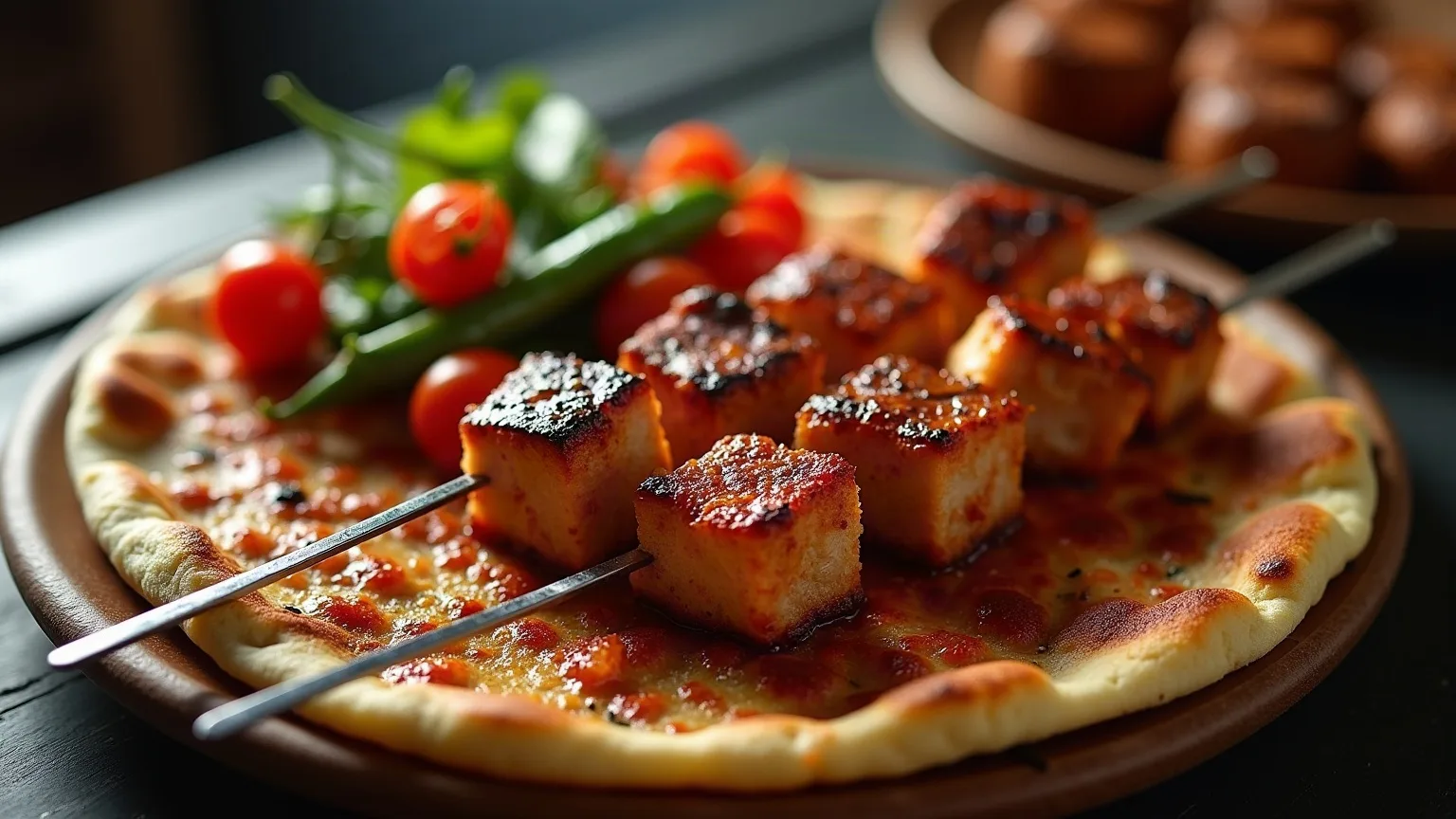
Chicken shish
A yoghurt marinade is a mechanism rather than a tradition: its calcium and lactic acid loosen the meat’s protein.
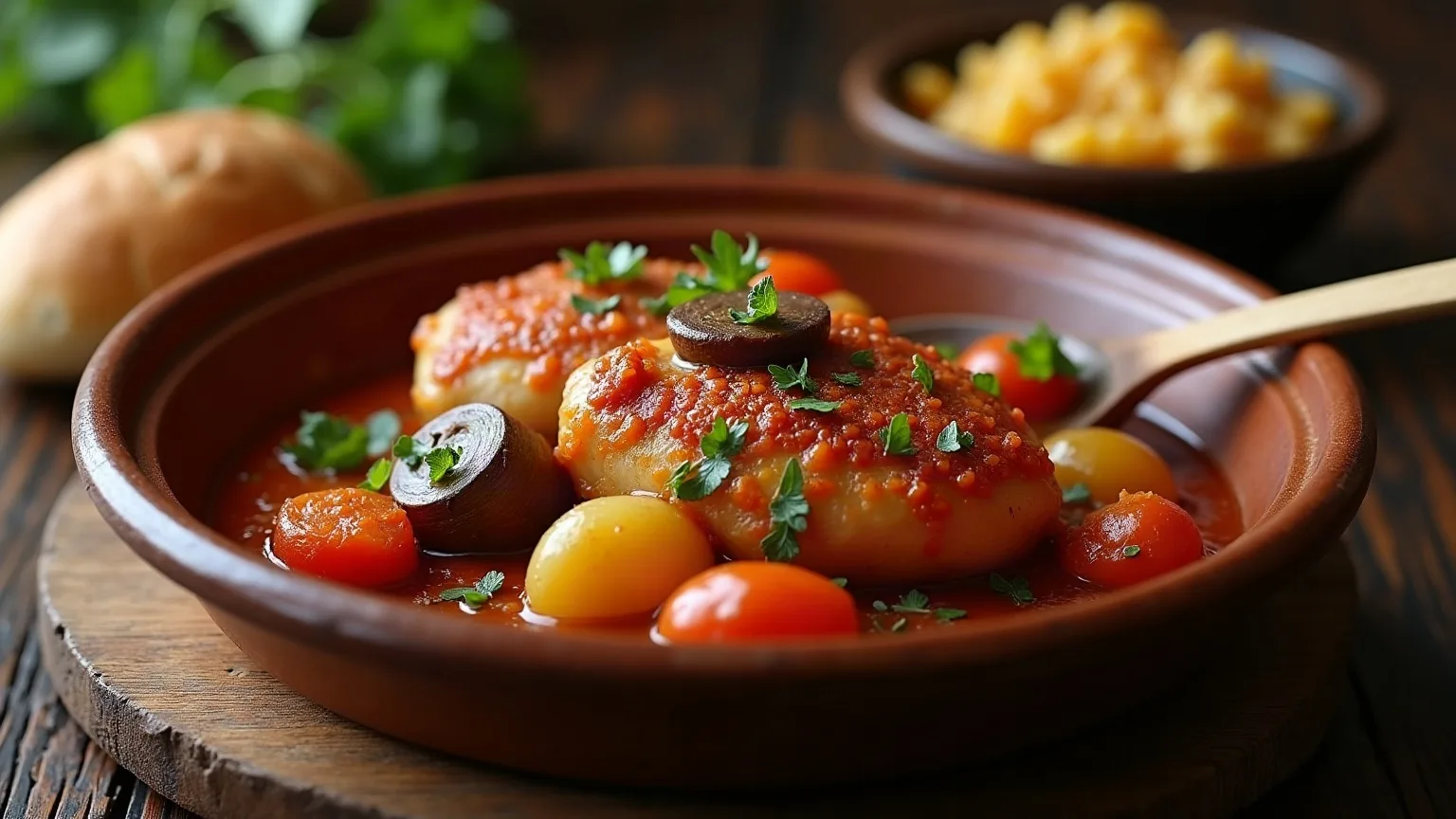
Chicken casserole
Made with thigh, and there is no alternative: breast certainly dries over forty minutes in an oven.
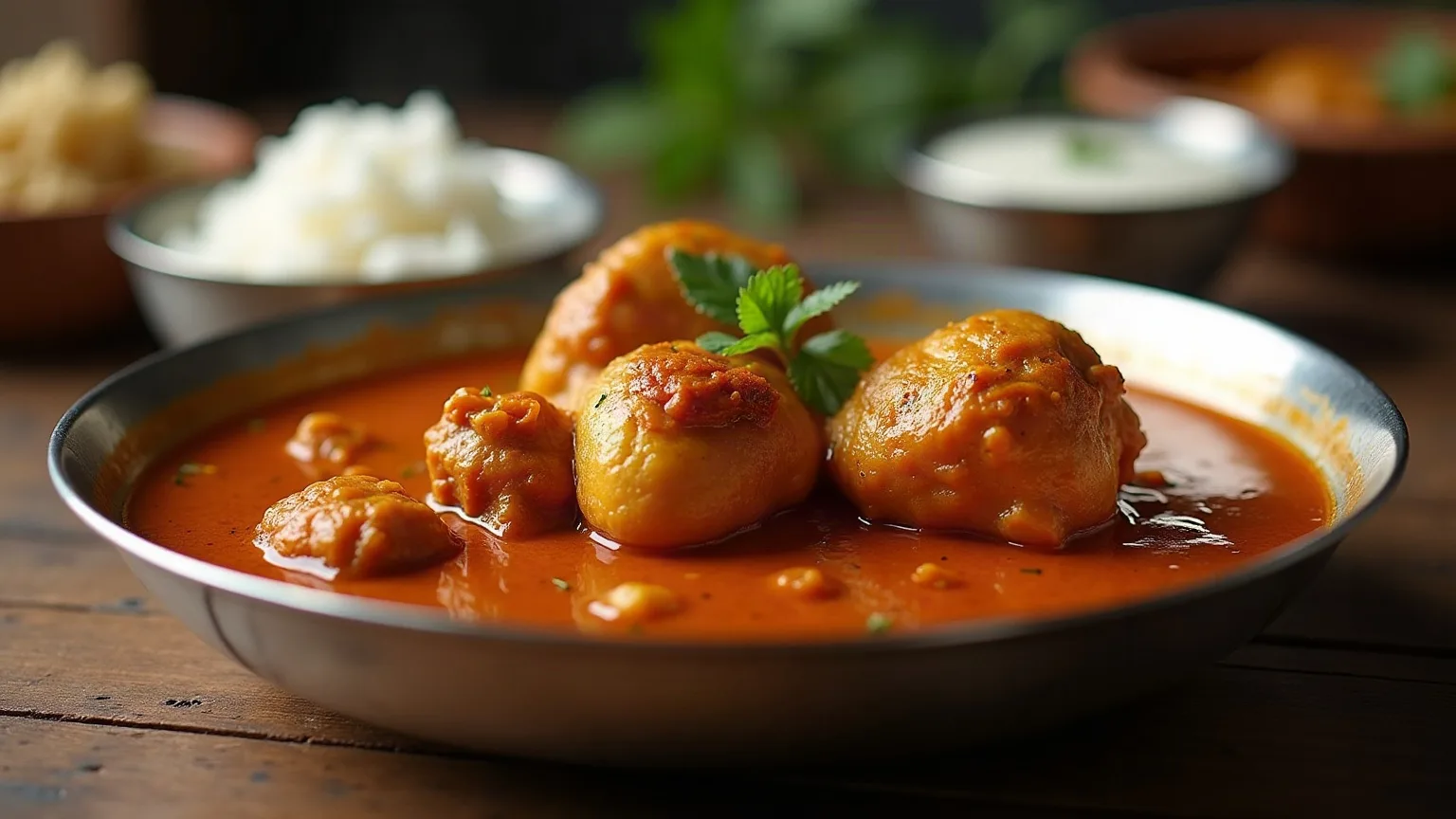
Chicken curry
Frying the spices in fat is not a step but half the recipe: their aromas dissolve in oil and not in water.
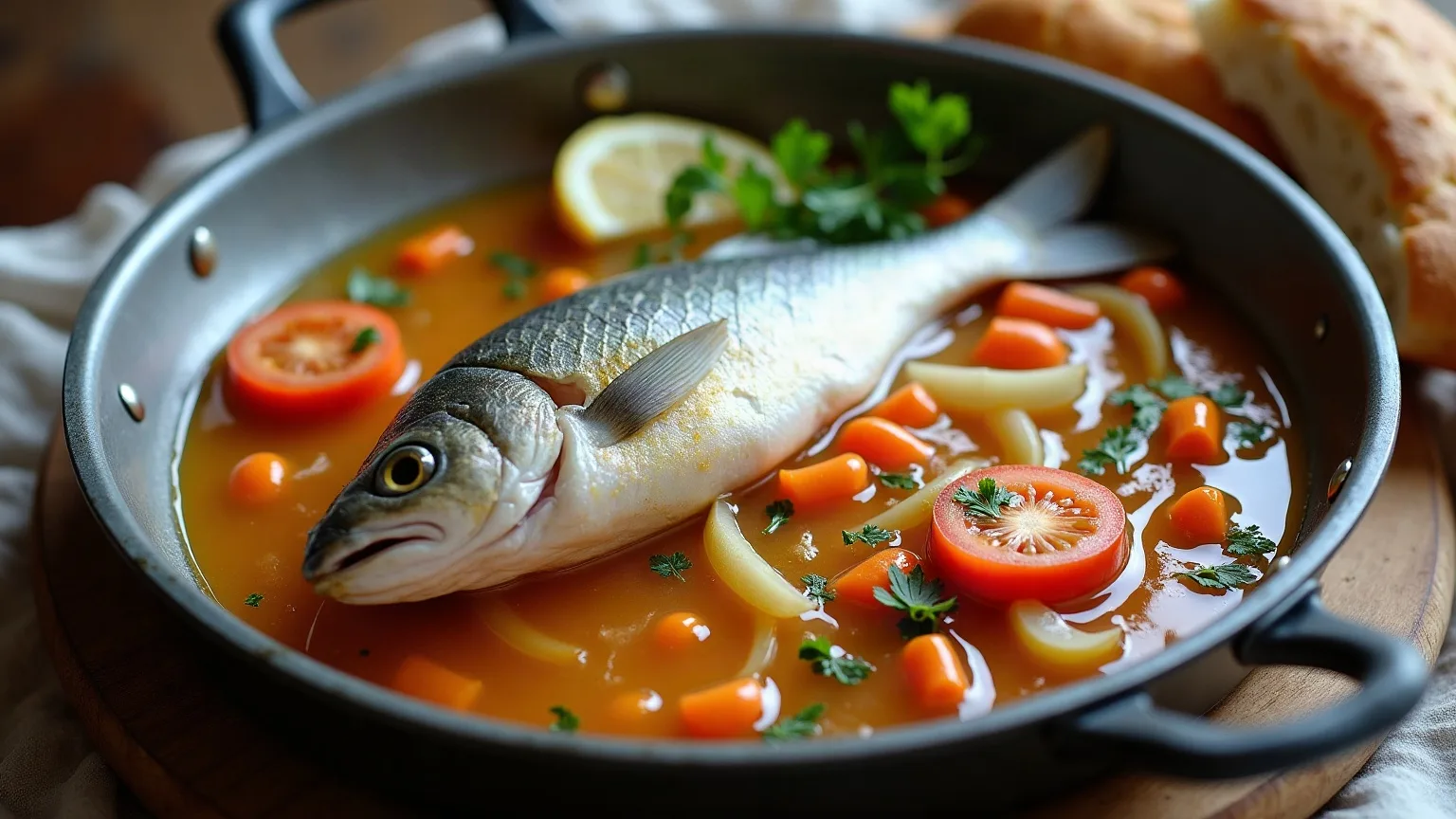
Steamed fish
In a buğulama the fish never touches water: it cooks in the steam the vegetables give off and never sees 100 °C.
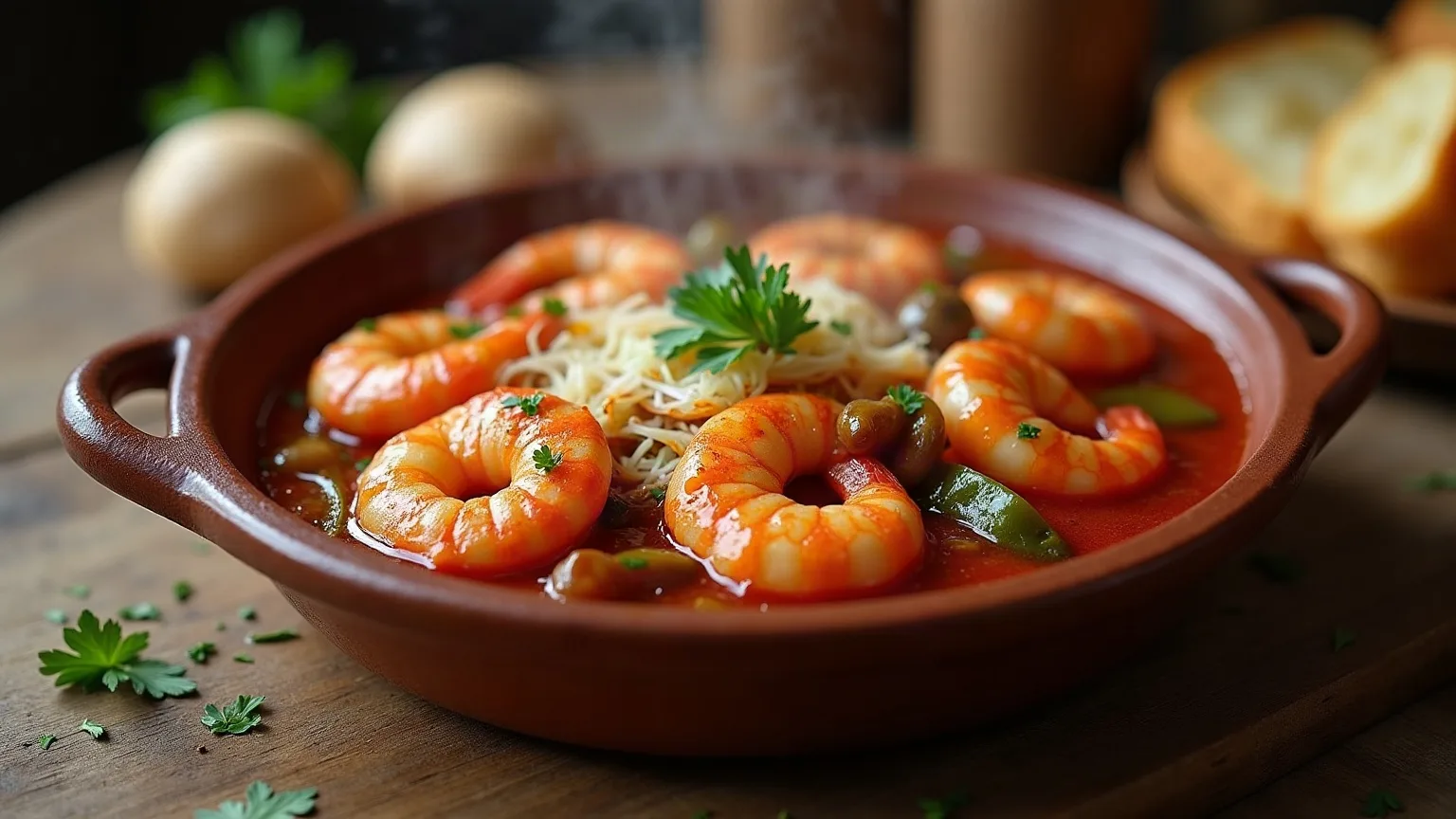
Prawn casserole
The prawns go in for the last four minutes. Cooked with the sauce from the start they turn to rubber, and there is no way back.
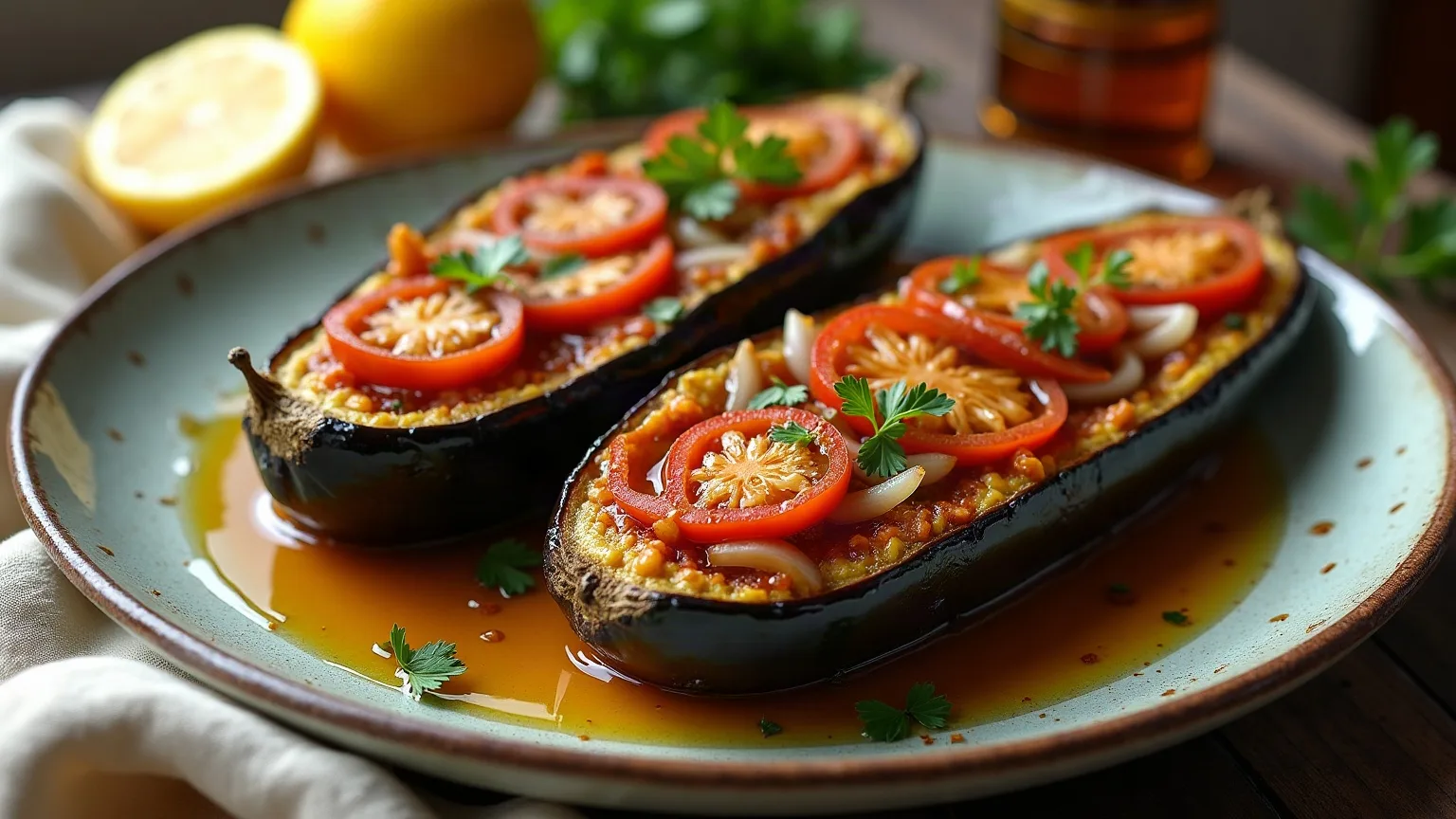
İmam bayıldı
Karnıyarık’s sibling: no meat, olive oil, eaten cold. The quantity of onion is not excessive — this is a dish about onion.
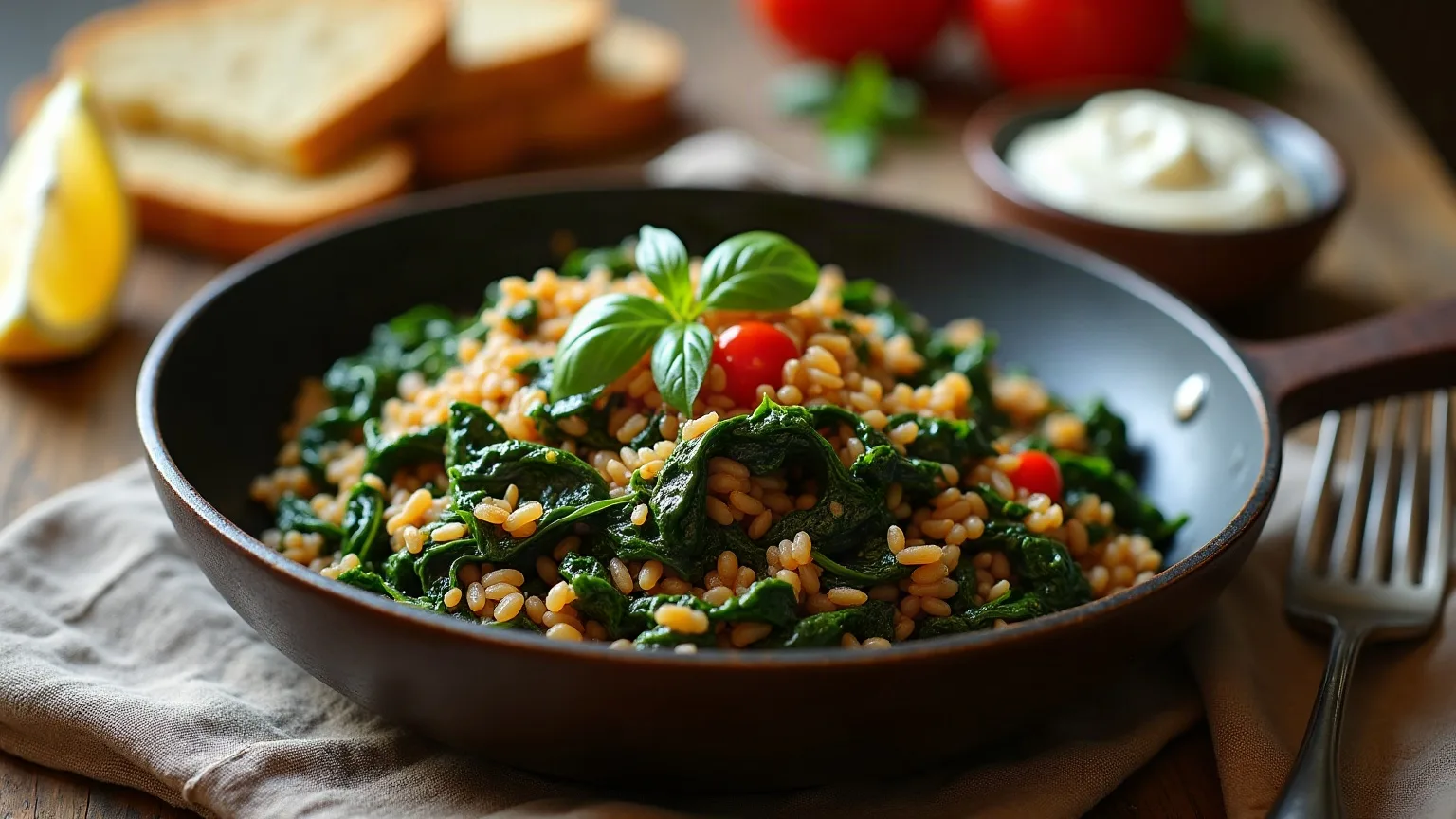
Spinach with rice
A kilo of spinach cooks down to a handful, which is why the size of the pan is part of the recipe.
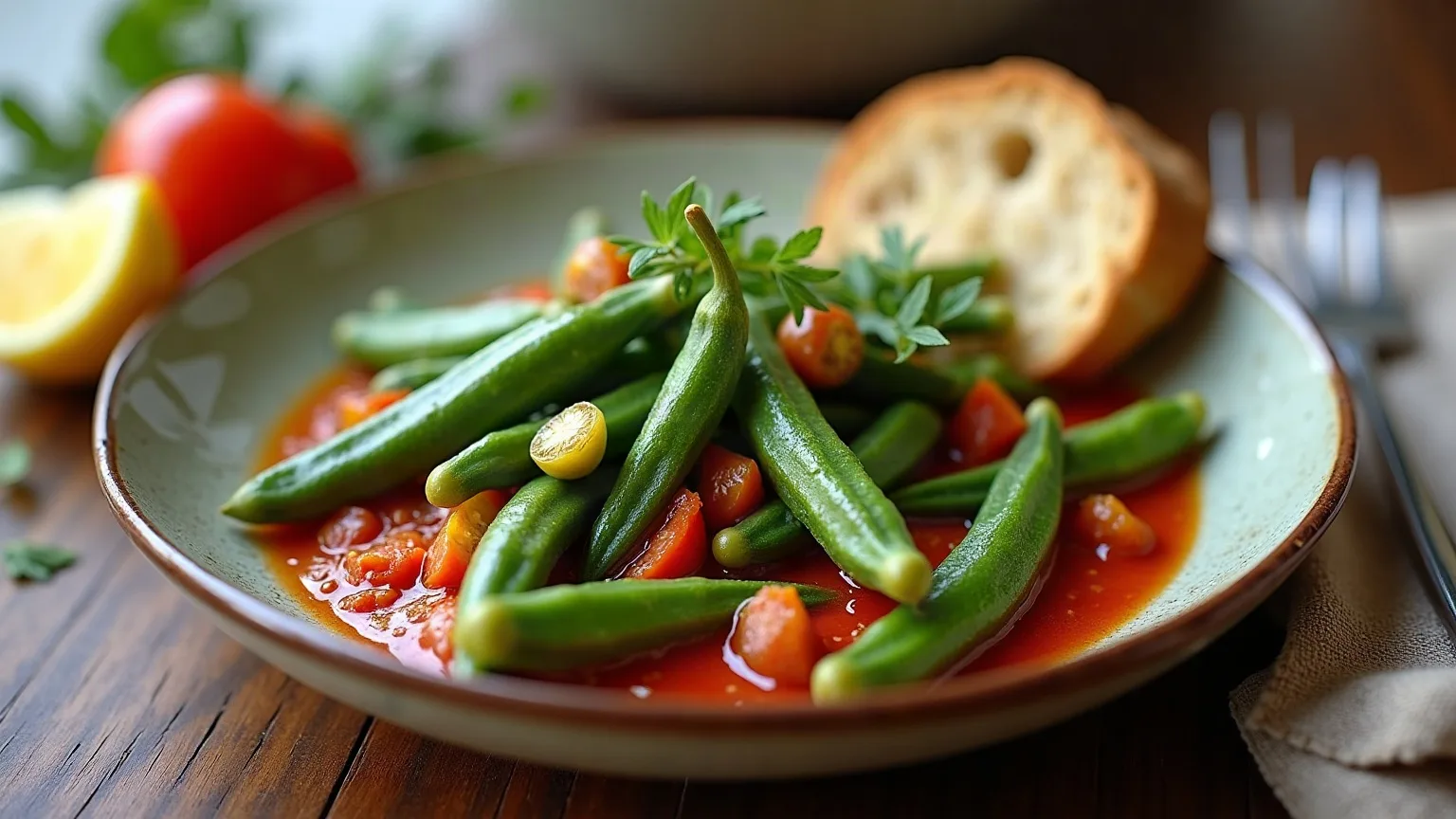
Okra in olive oil
Okra goes slimy for one reason: it was cut. Cooked without breaching the pod, it does not go slimy at all.
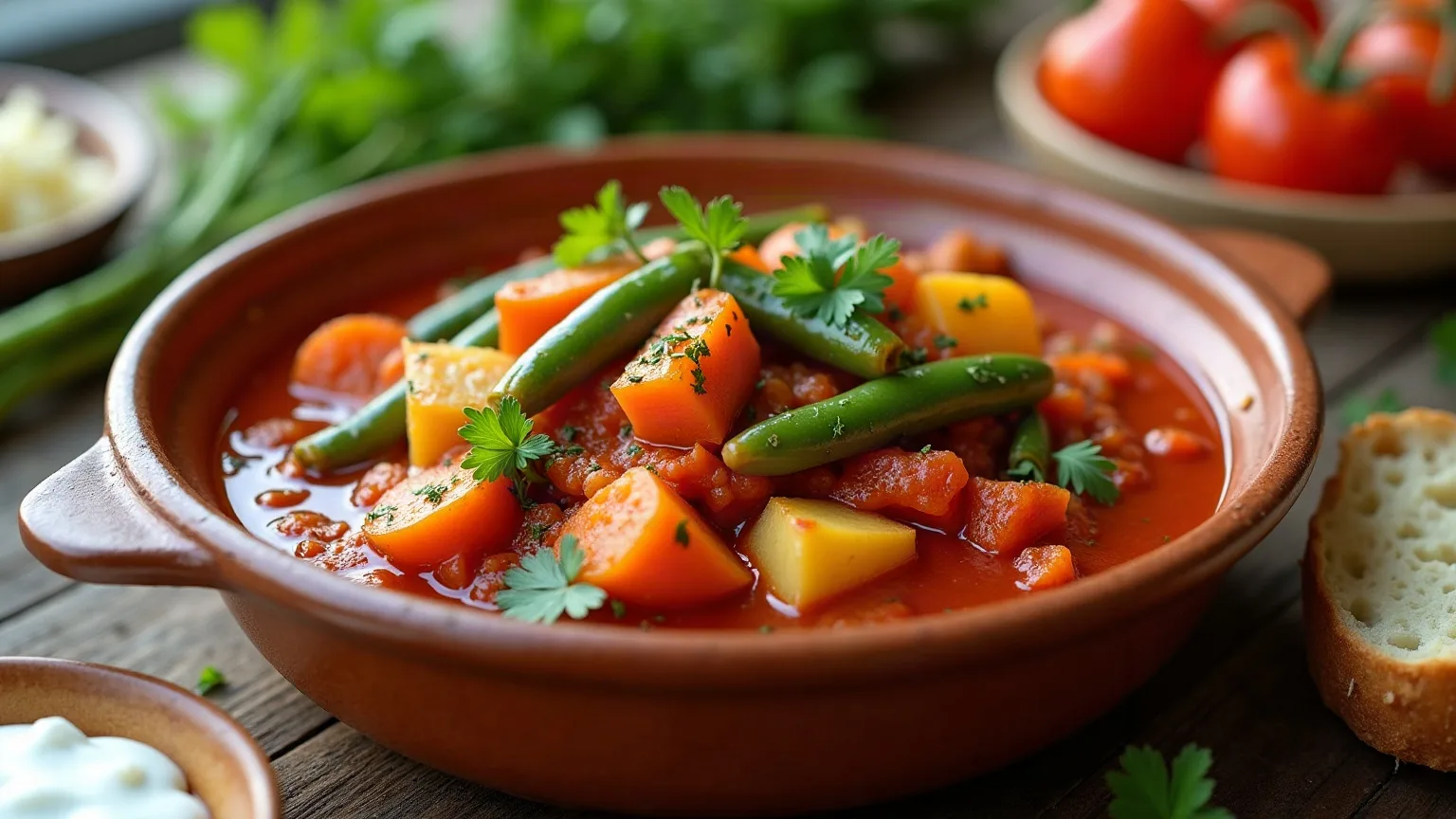
Türlü
The name means "all sorts" and the recipe means it: whatever is in the house goes in. The one rule is the order they cook in.
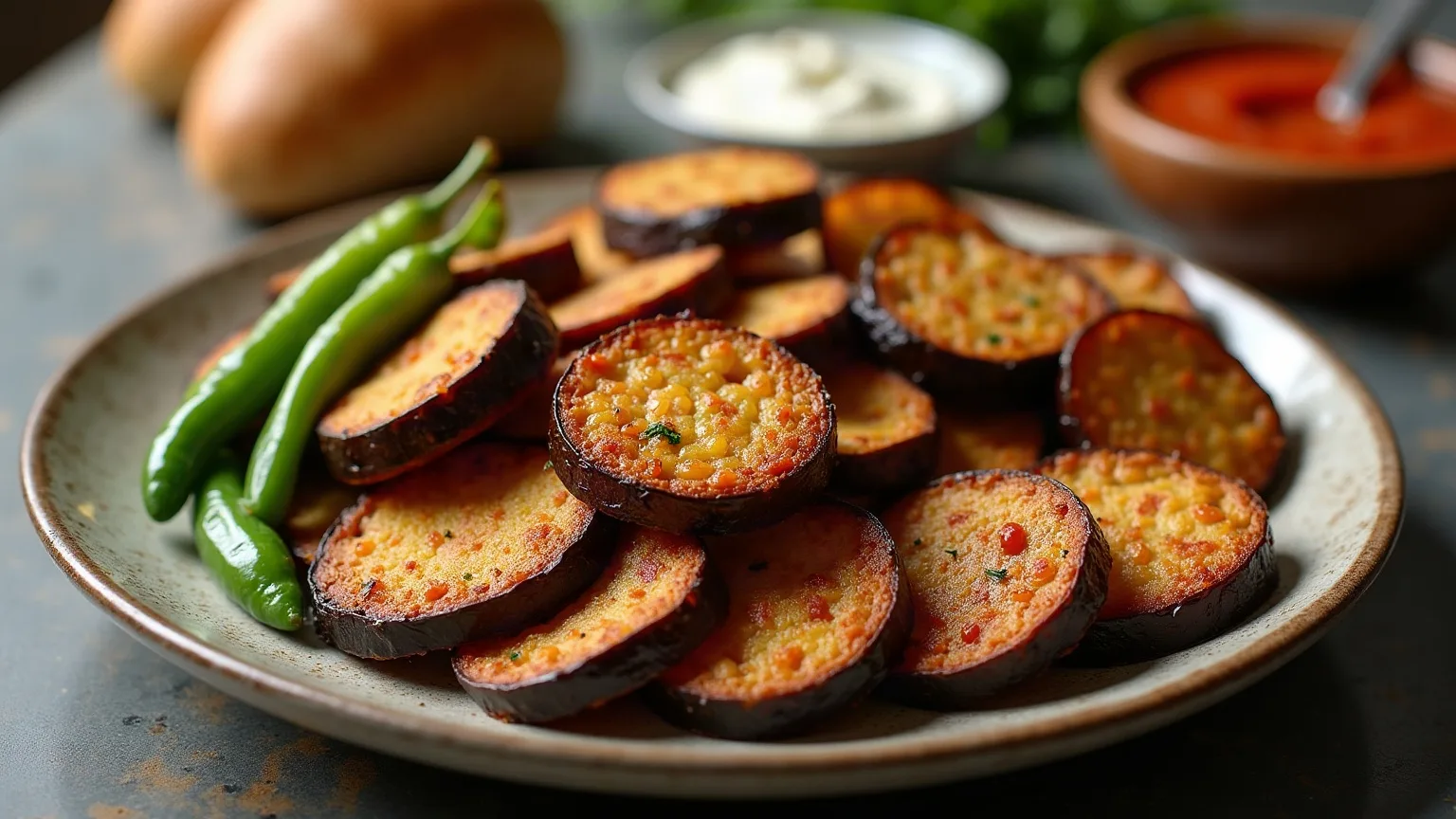
Fried aubergine
An aubergine can take up a third of its own weight in oil. Salted water halves that.
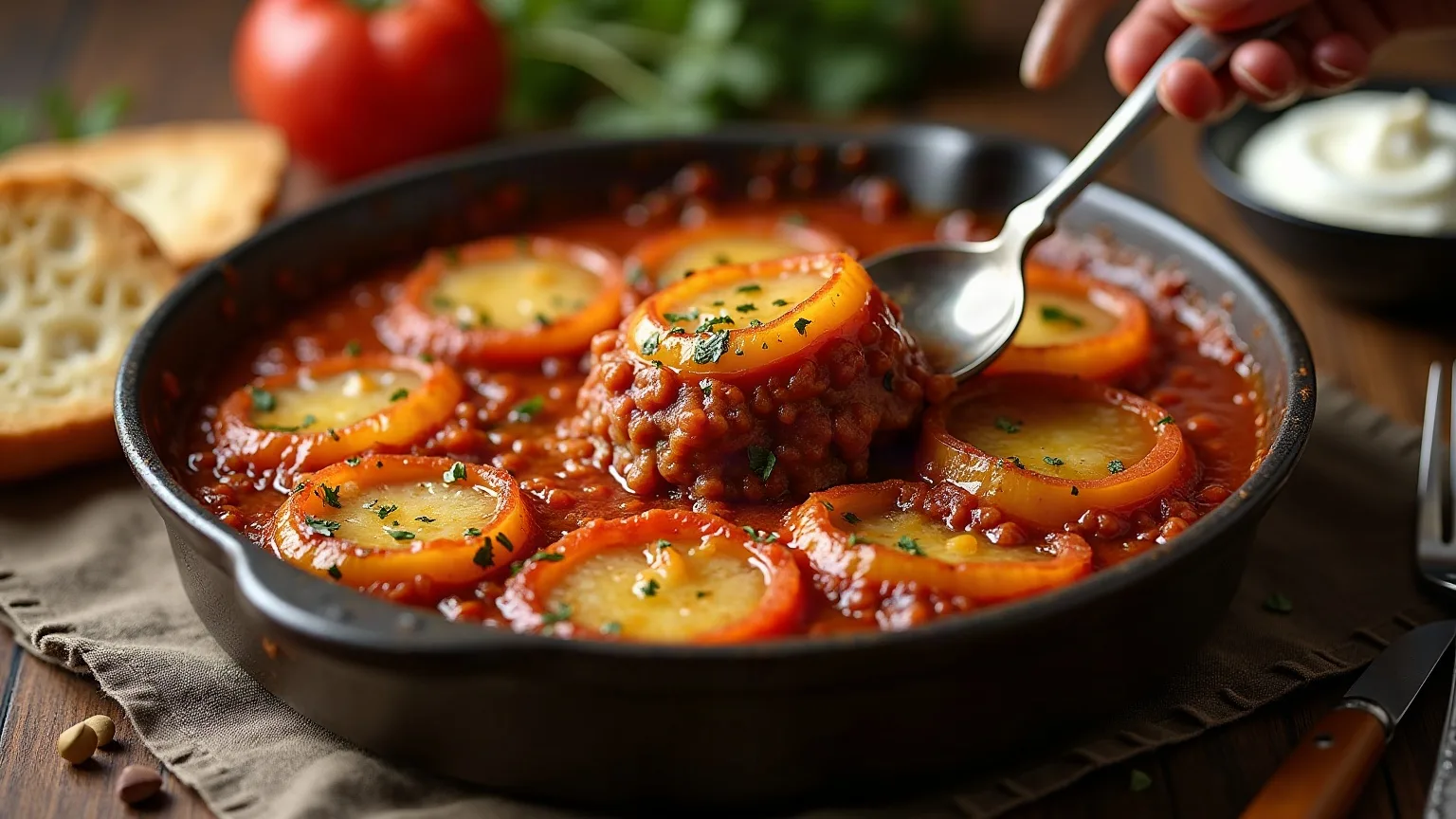
Potato and mince bake
Without a pre-cook the potato slices boil rather than brown over forty minutes in the oven.
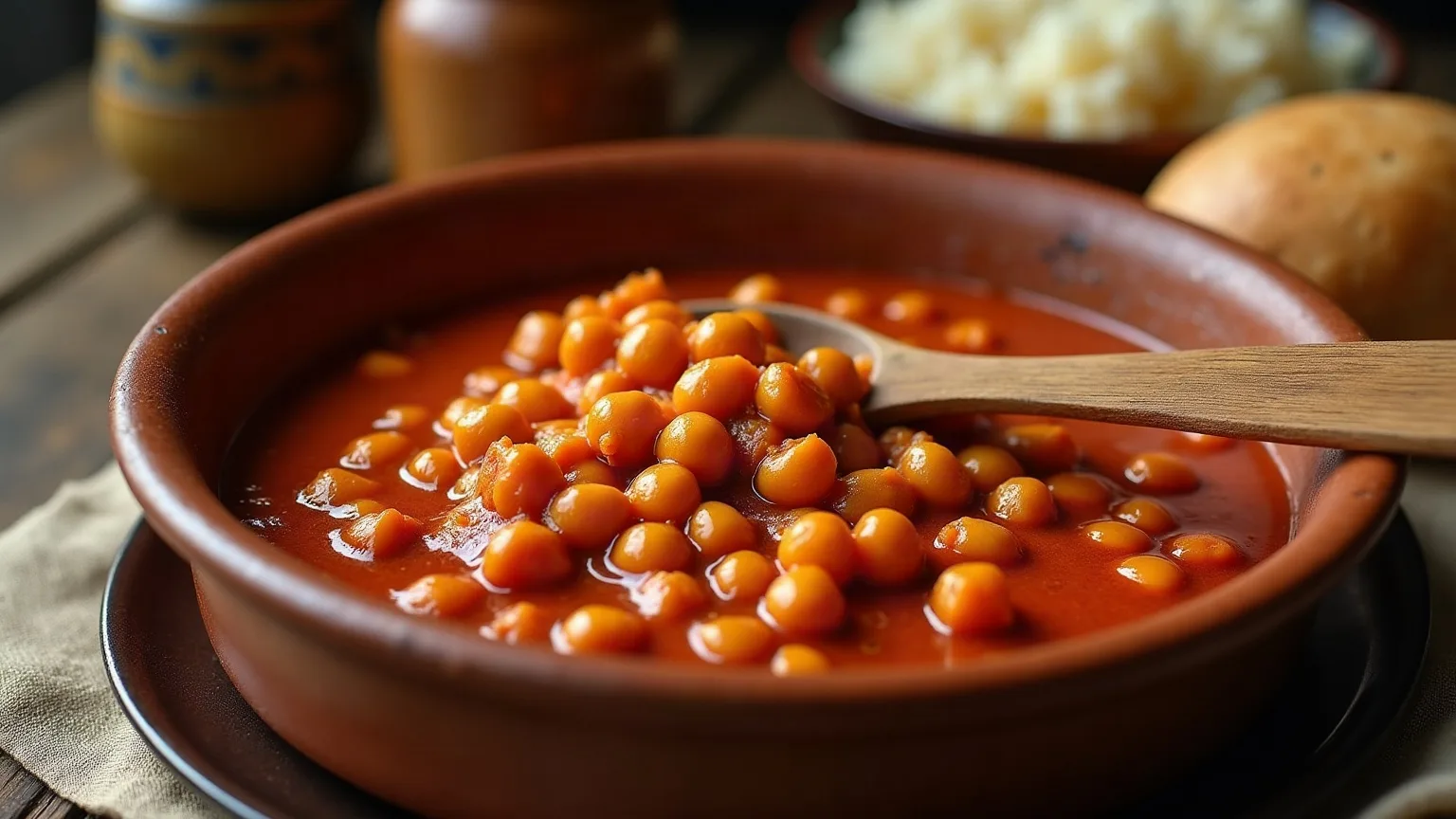
Chickpea stew
Dried chickpeas, tomato paste and olive oil — and a pinch of bicarbonate that halves the cooking time.
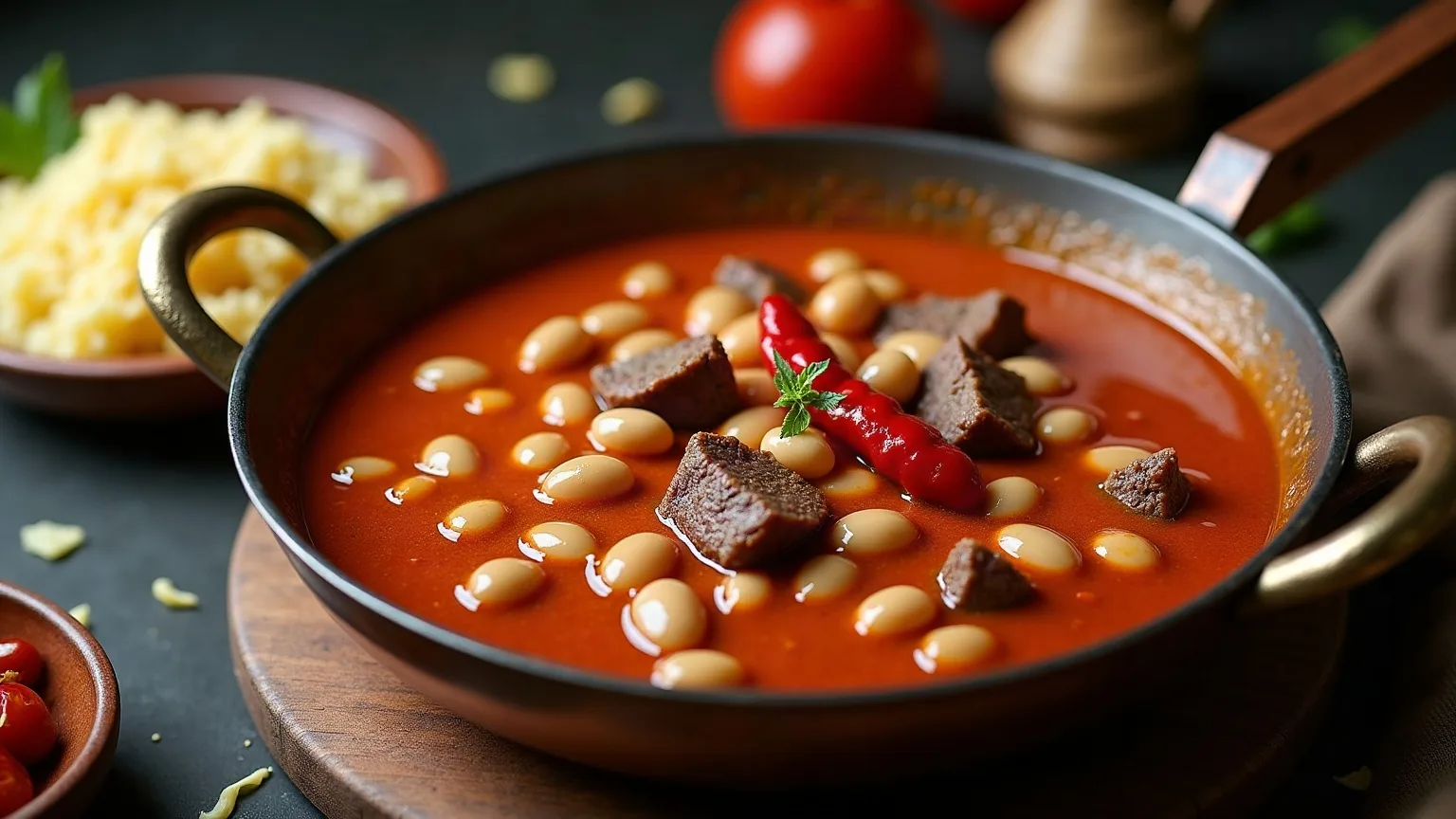
White beans
Beans stay hard for almost always the same reason: the tomato paste went in early. Acid locks the pectin in the skin.
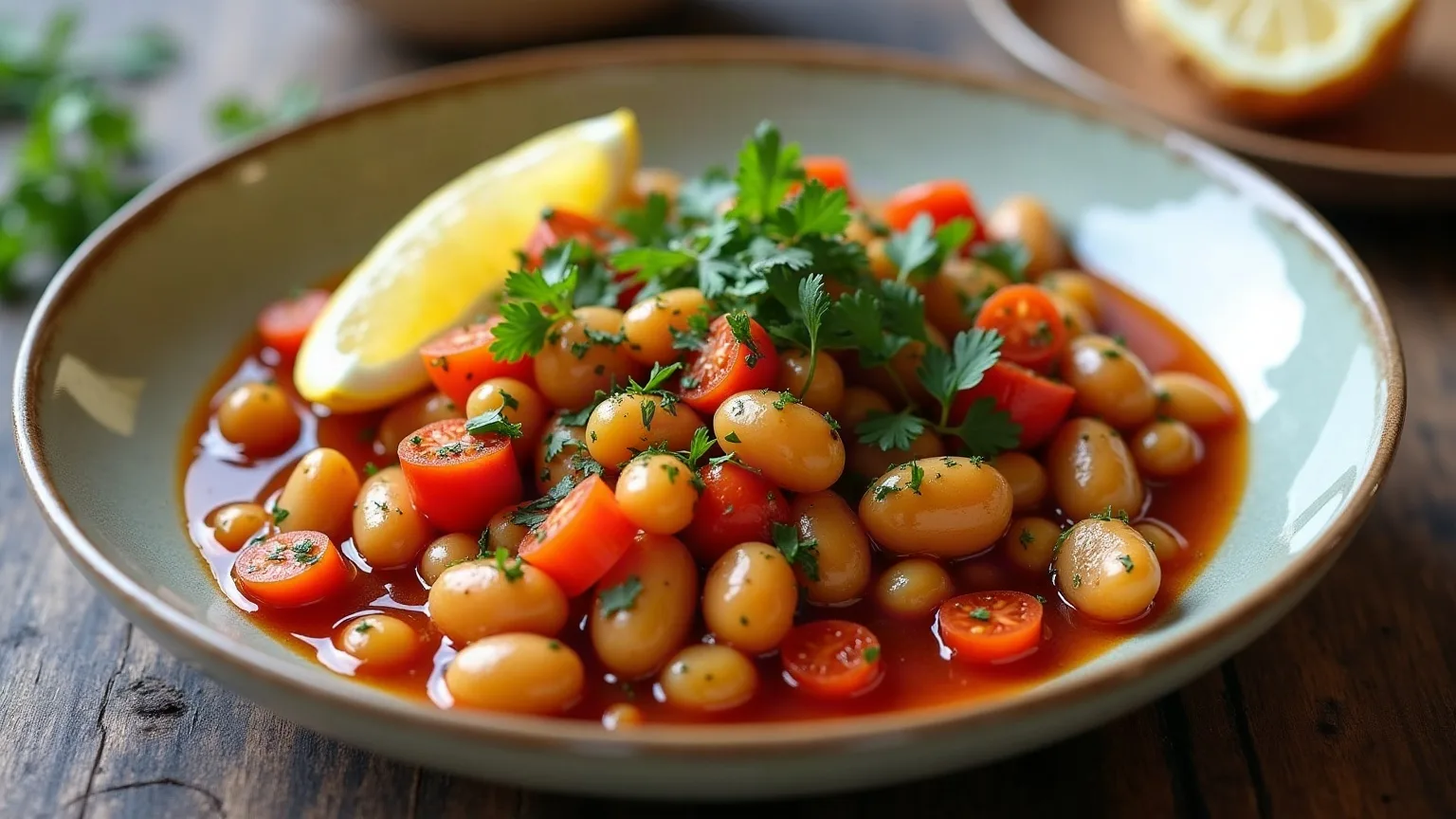
Borlotti bean pilaki
A pilaki is eaten cold, and that is why there is sugar in it: perception of sweetness drops as food cools, so what tastes right hot tastes flat cold.
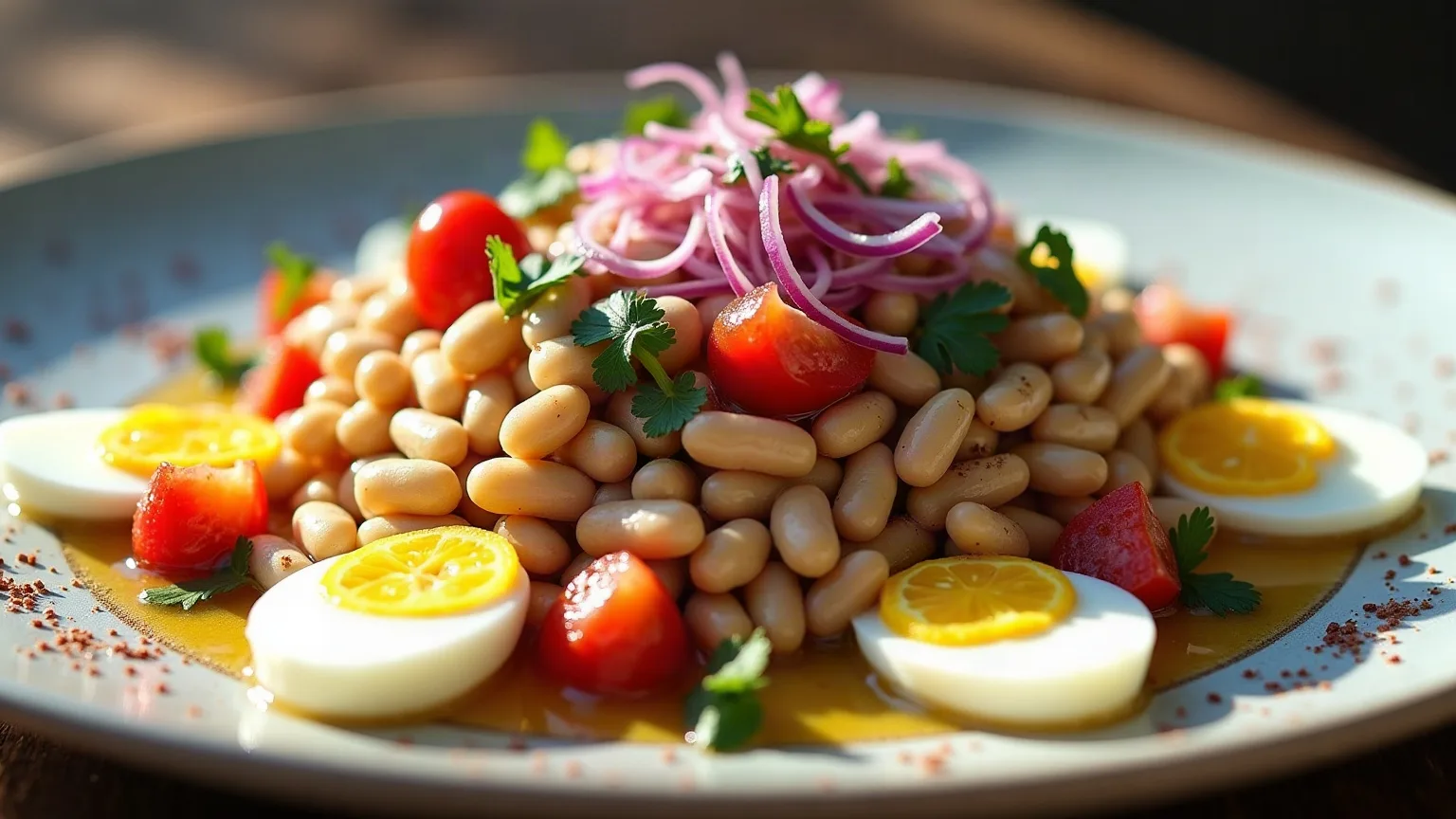
White bean salad
The dressing goes on while the beans are HOT. A cold bean takes nothing up; a hot one draws the dressing into its starch.
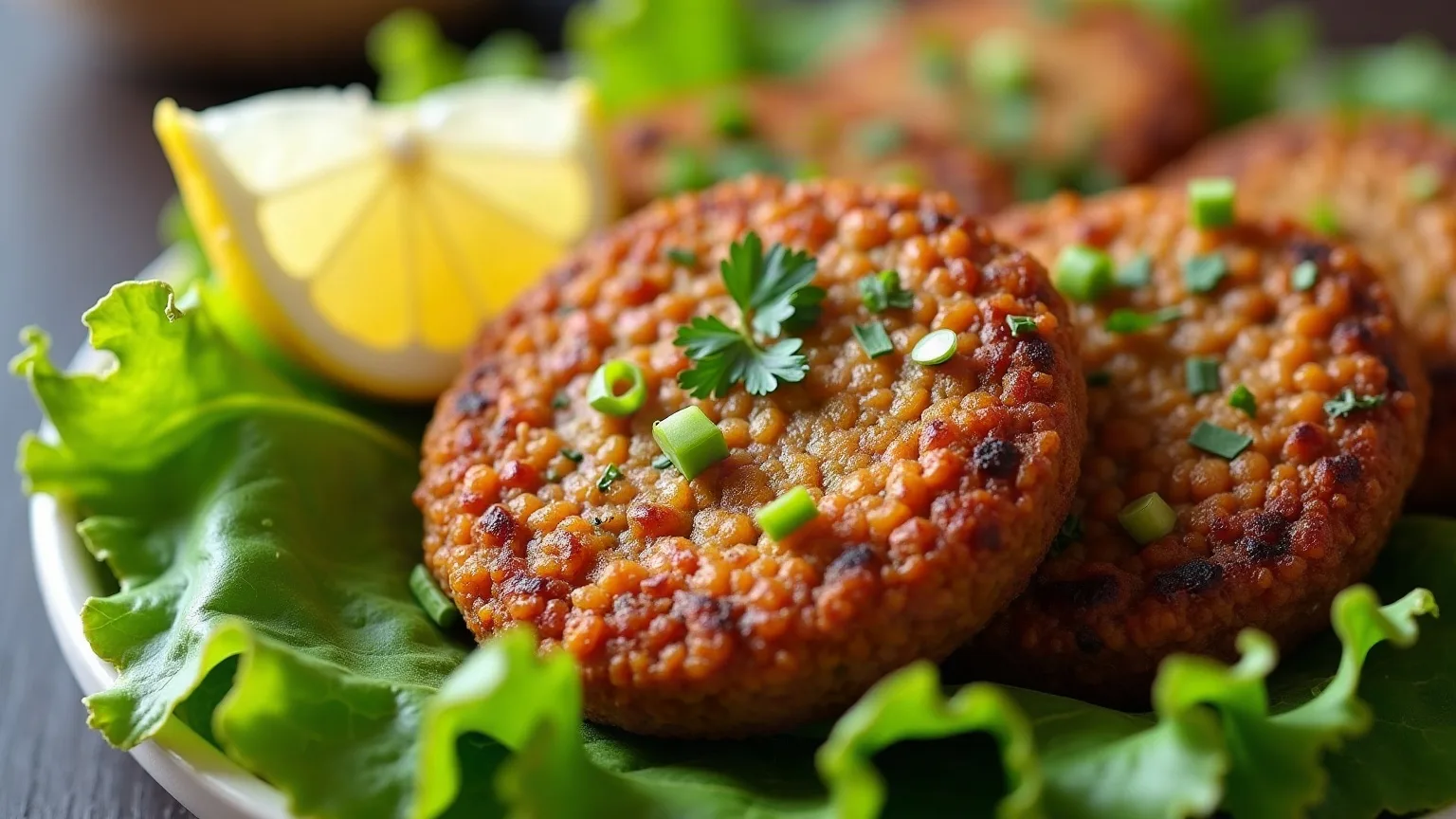
Red lentil patties
The bulgur goes onto the lentils while they are HOT, under a lid. Added to cold lentils it never swells and the patty falls apart.
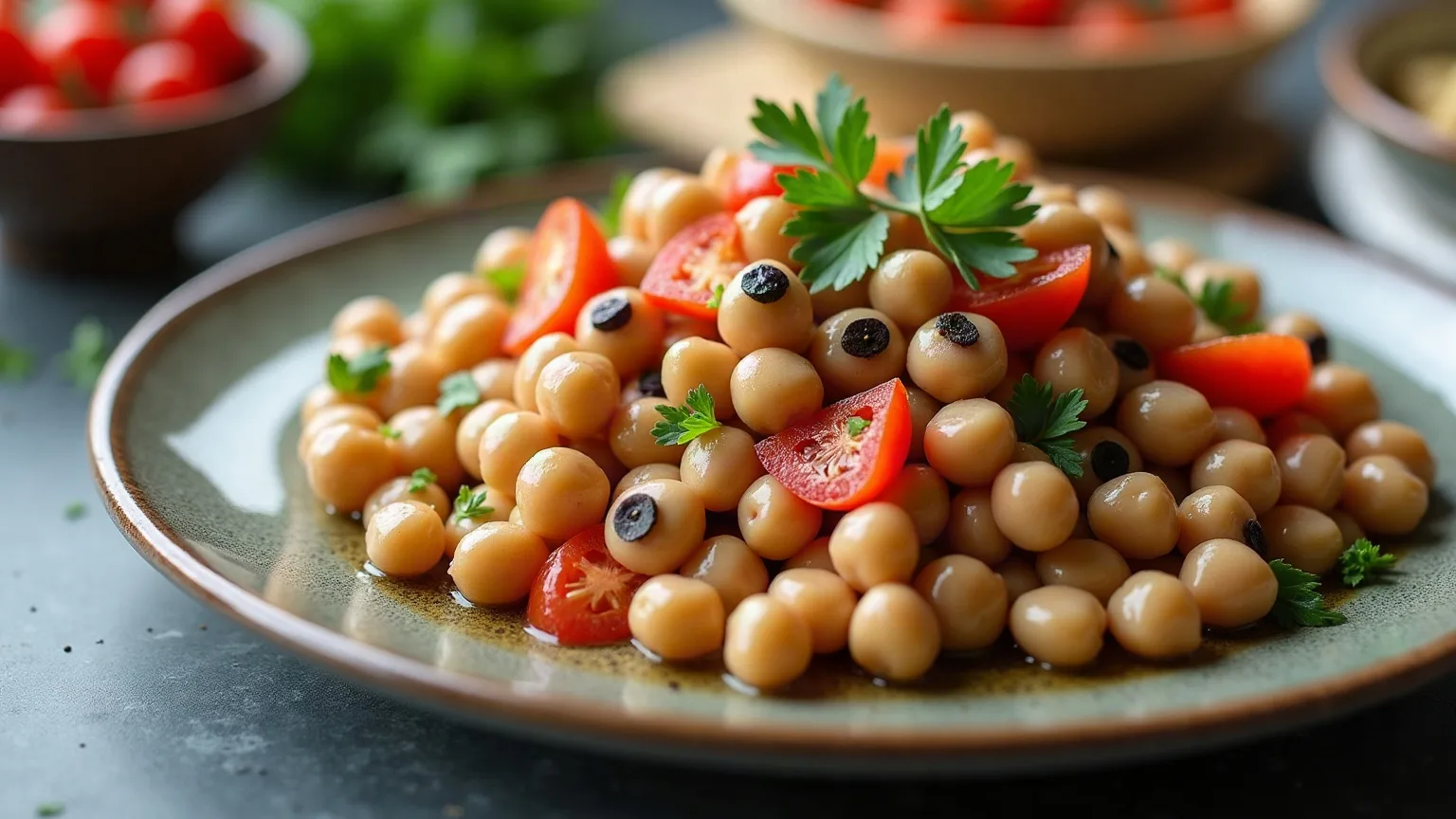
Black-eyed pea salad
The one dried pulse that needs no soak: its skin is thin and it softens in twenty-five minutes.
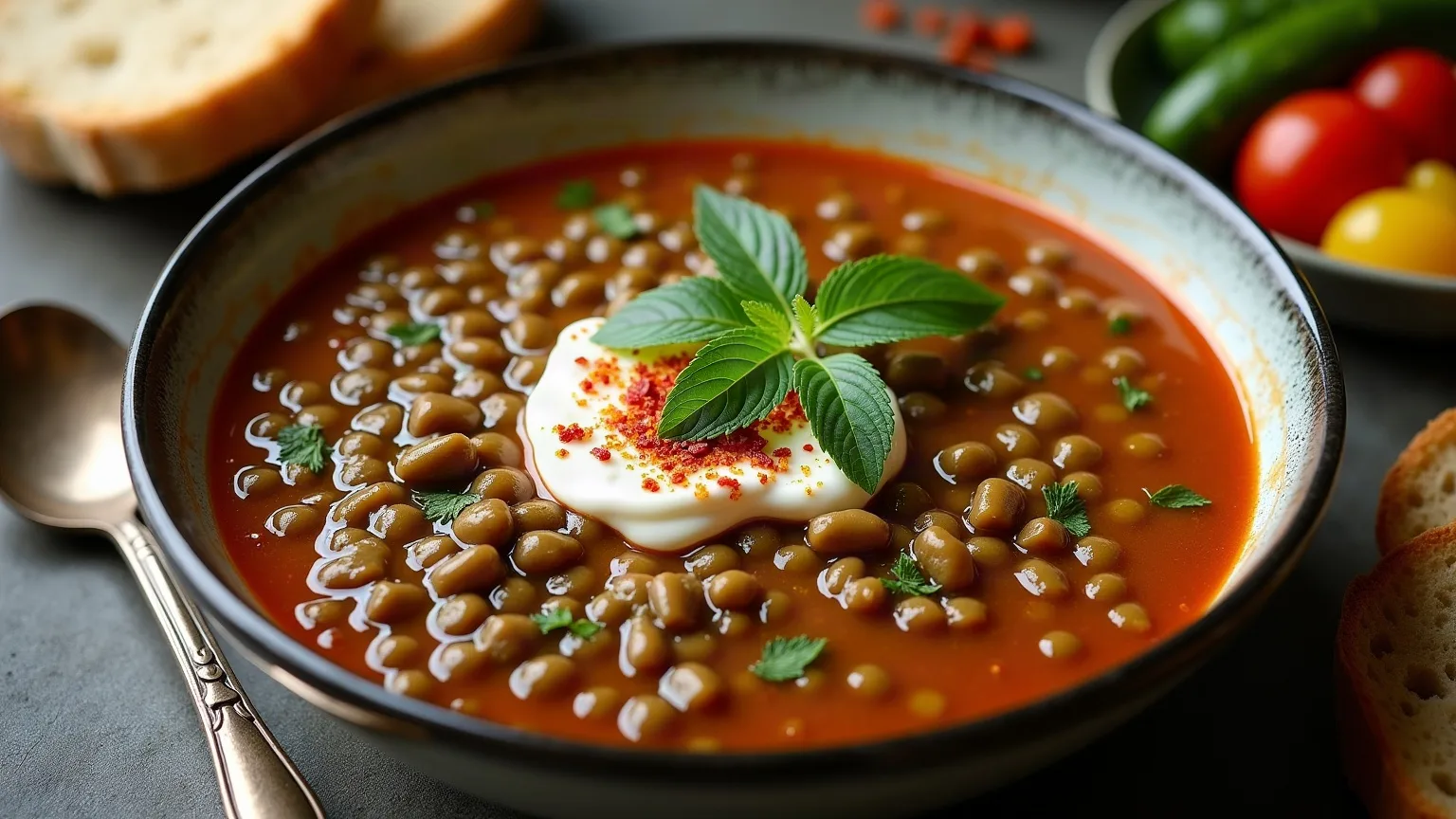
Green lentil stew
A green lentil keeps its skin and holds its shape; a red one is already skinned and split, so it collapses. The same plant, two different dishes.
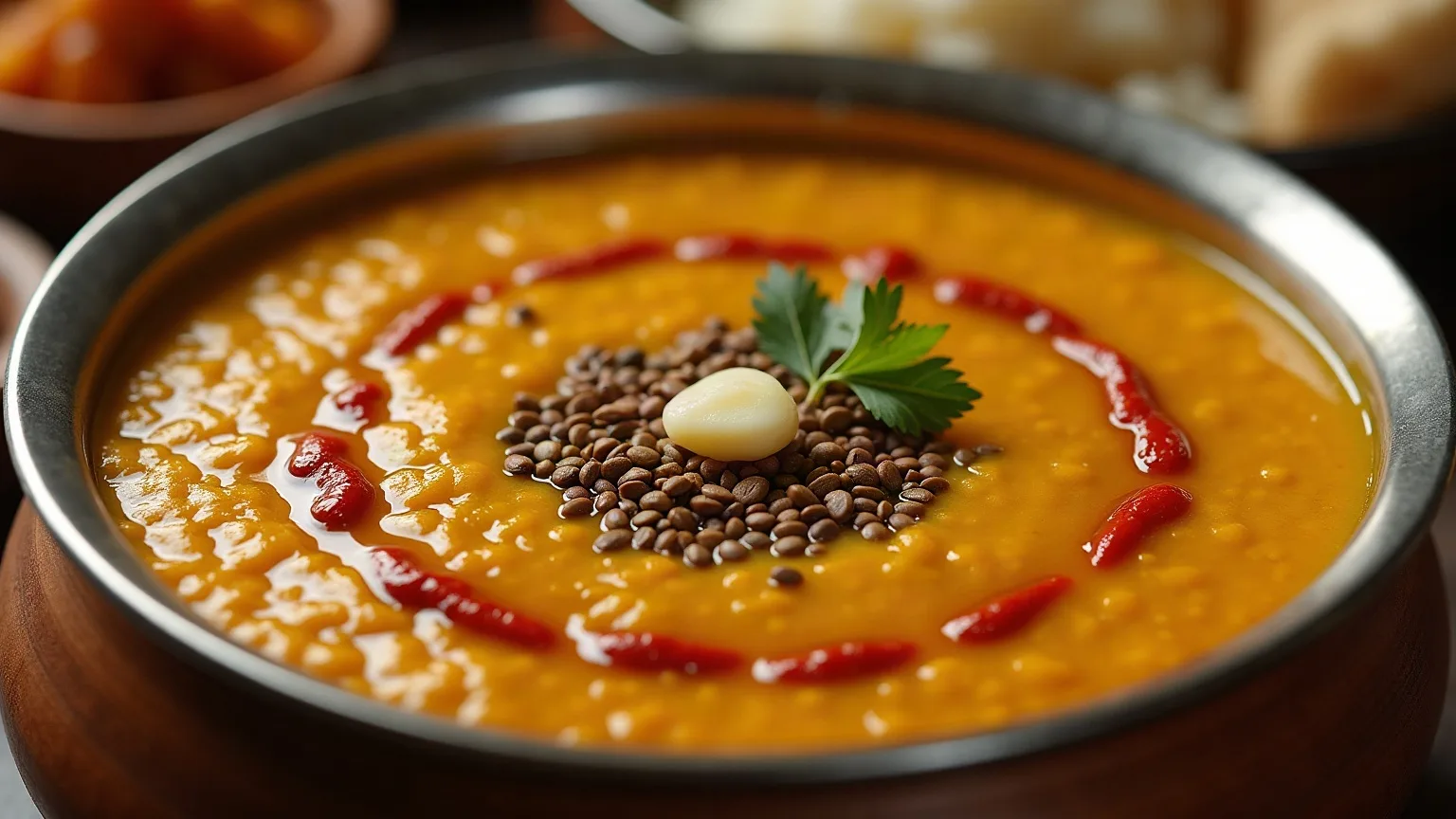
Red lentil dal
Twenty minutes of boiling lentils tastes of very little; almost all of the flavour is made in the last forty-five seconds, in hot fat.
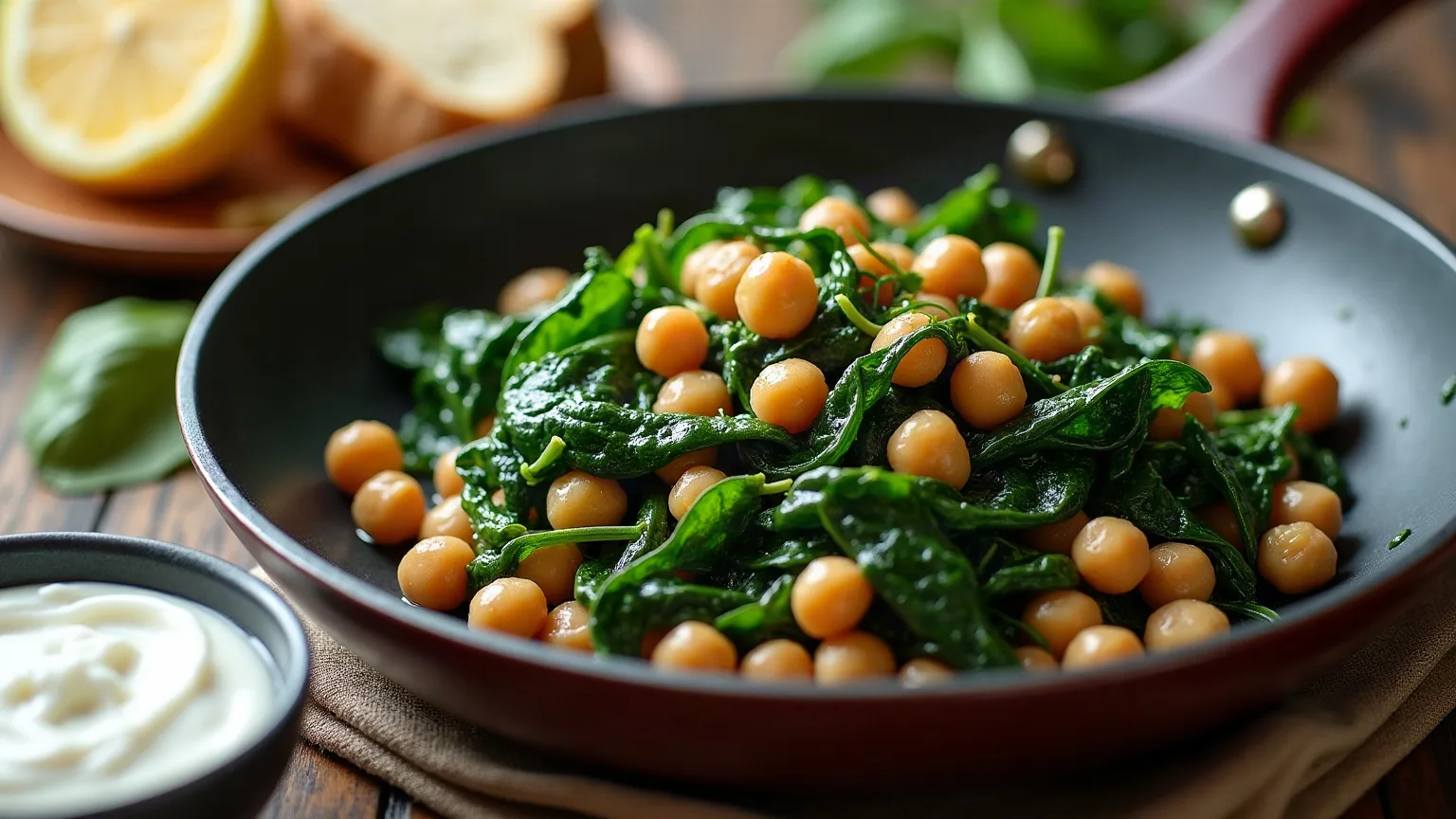
Spinach with chickpeas
Under a lid, spinach turns olive-drab in its own acid. With the lid off, the colour and the taste both stay where they were.
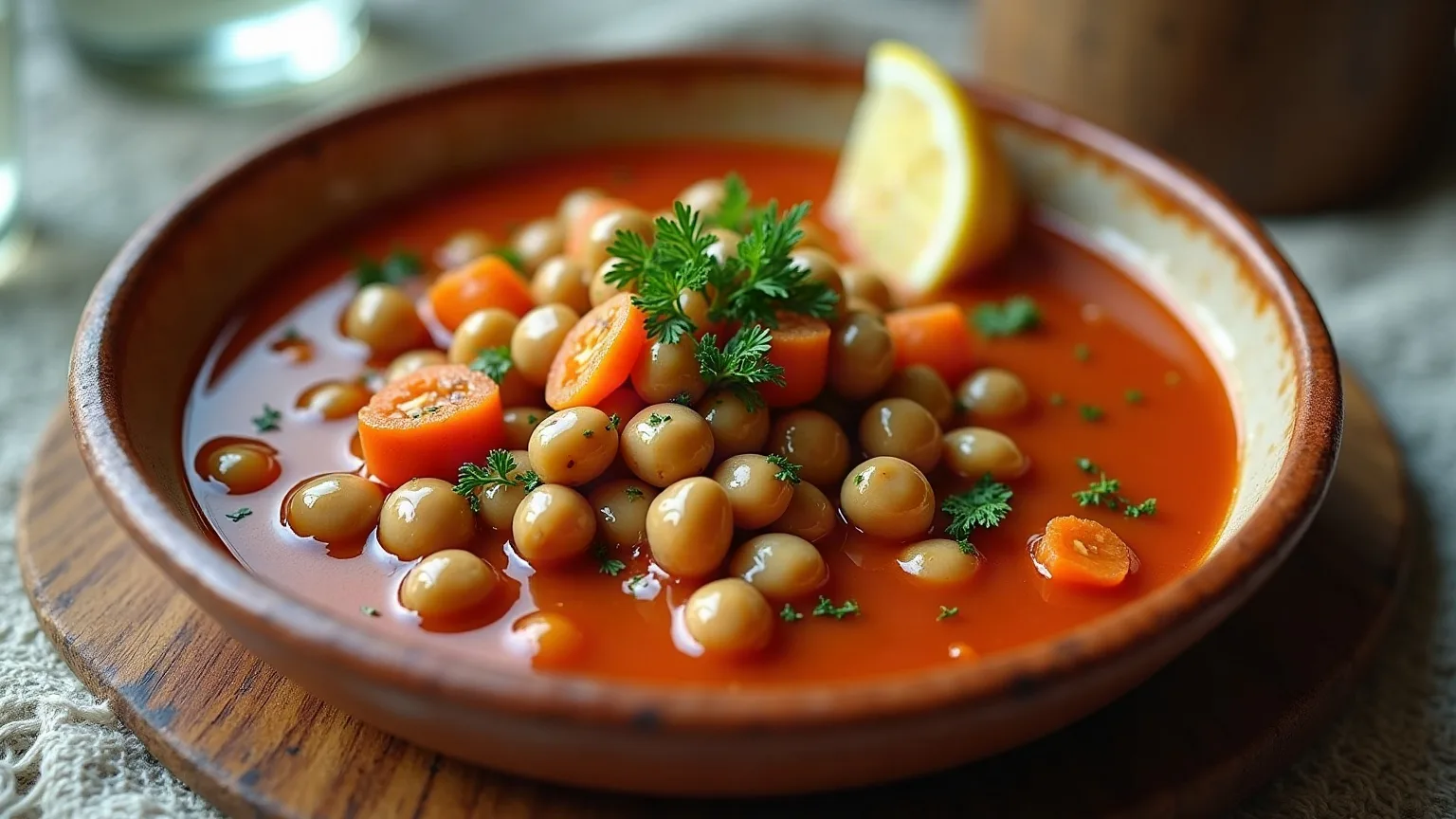
Black-eyed pea stew
The one common dried pulse that needs no soaking: its coat is thin and permeable, so it goes from dry seed to tender in twenty-five minutes.
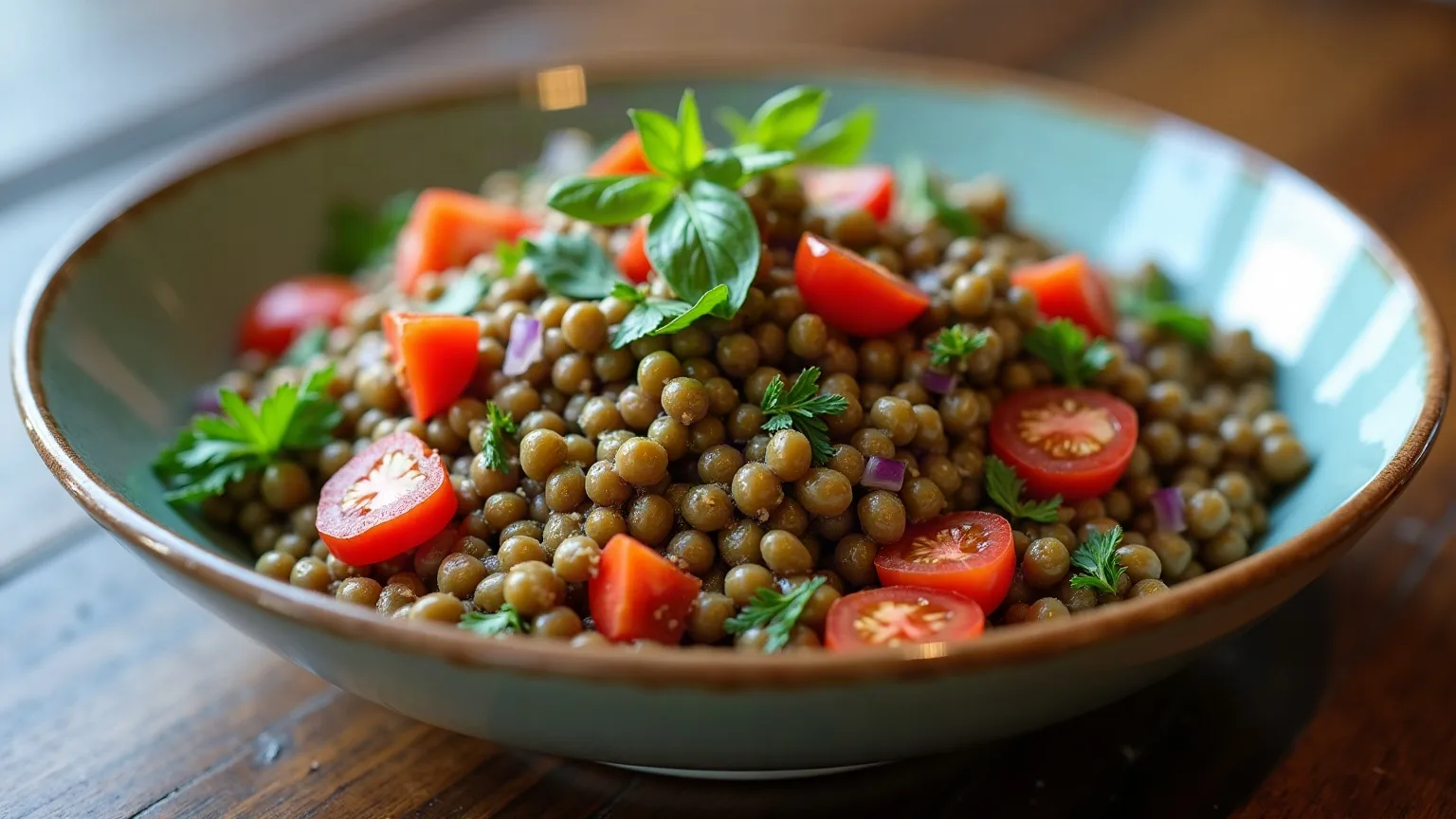
Green lentil salad
A lentil goes on cooking in its own heat for three or four minutes after the pan comes off. The eighteen minutes in this recipe already has those minutes counted in.
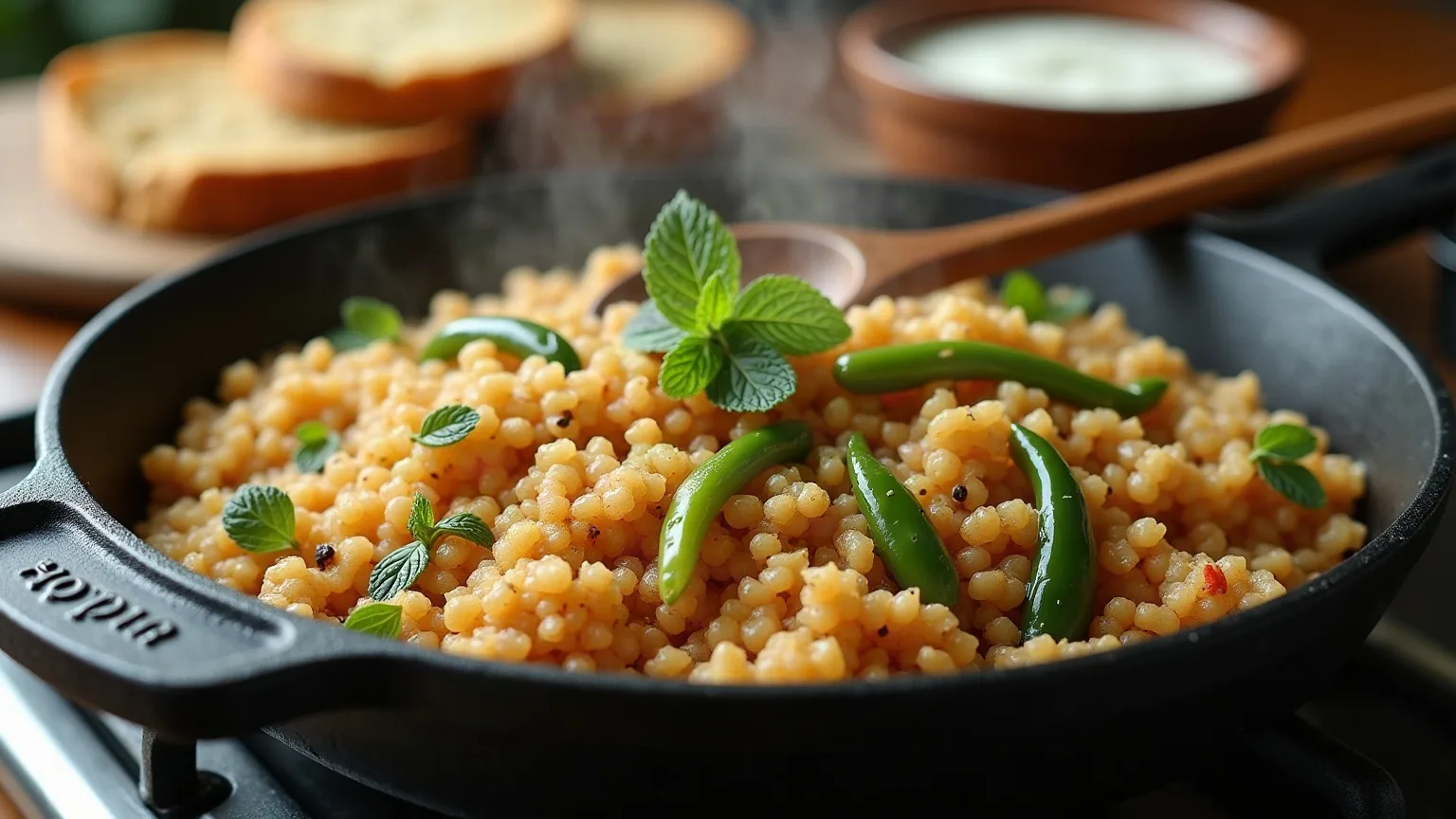
Bulgur pilaf
Bulgur does not cook, it takes up water. It is wheat that has already been boiled, so what matters is not the time on the flame but the time under the lid.
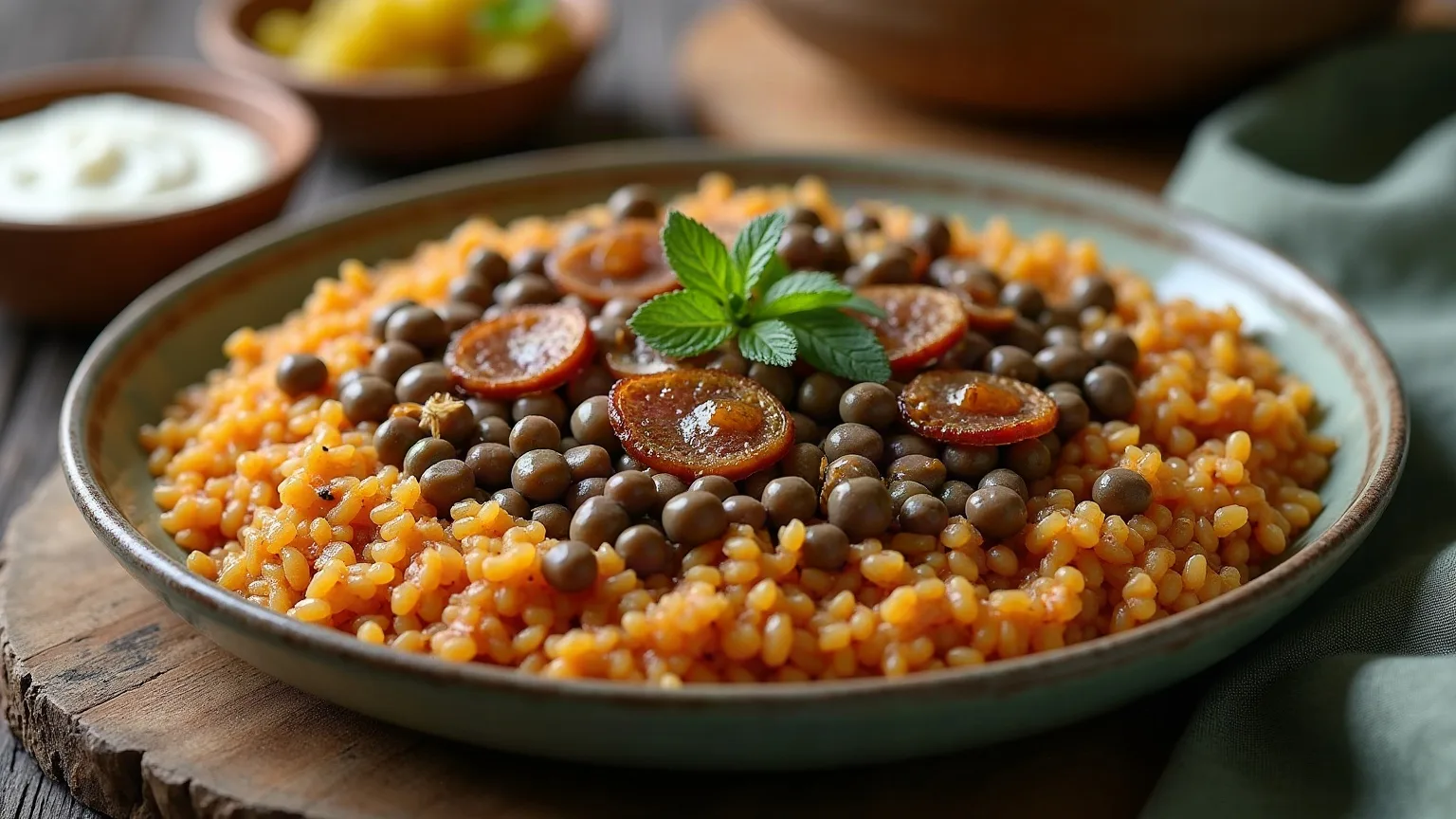
Bulgur pilaf with lentils
Two grains, two rules: the lentils must boil, the bulgur only absorbs. Put them in together and one collapses while the other stays hard.
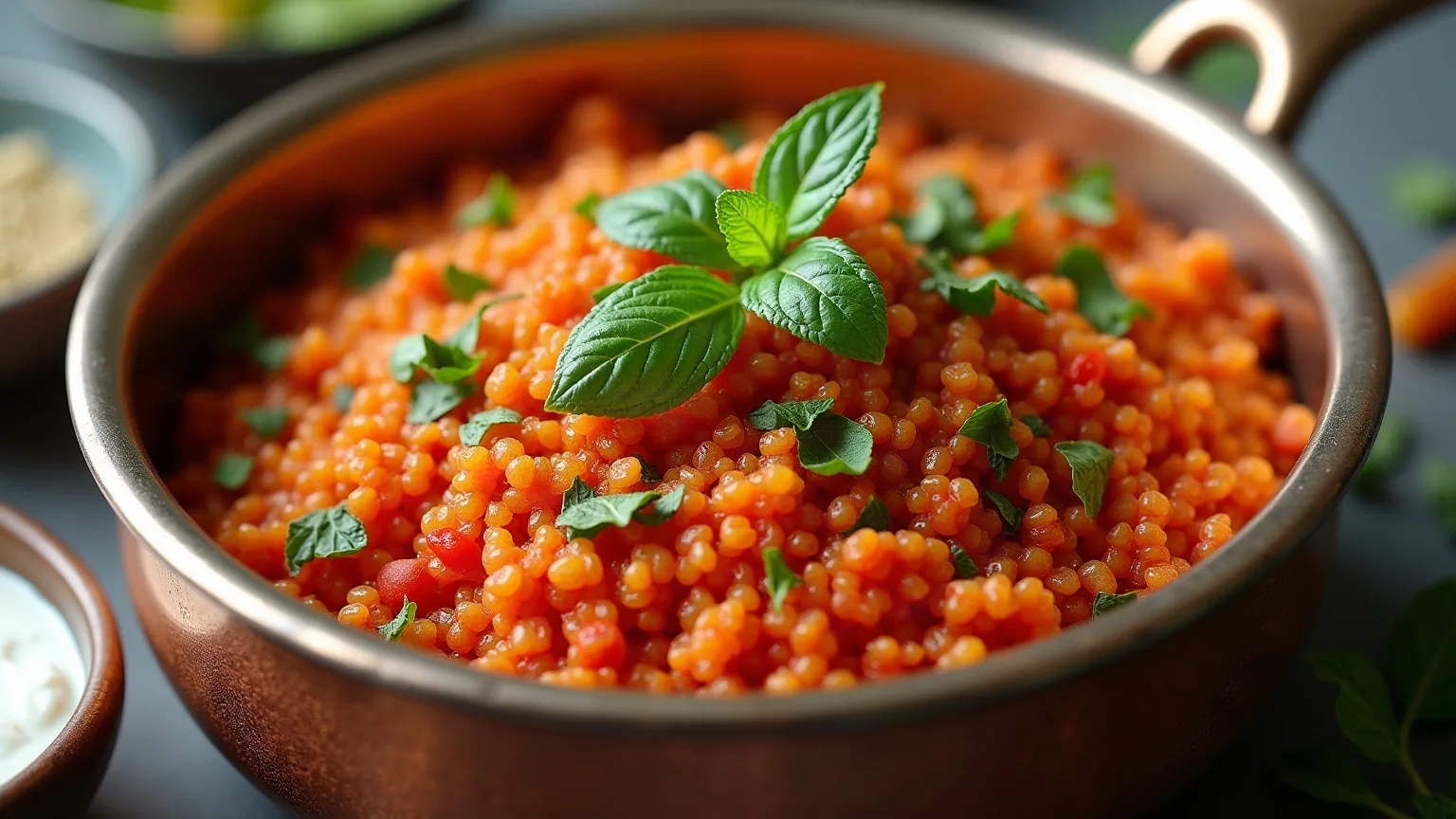
Tomato bulgur pilaf
The acid in tomato slows how fast bulgur takes up water. The answer is not more water but putting the tomato in after the bulgur has swollen.
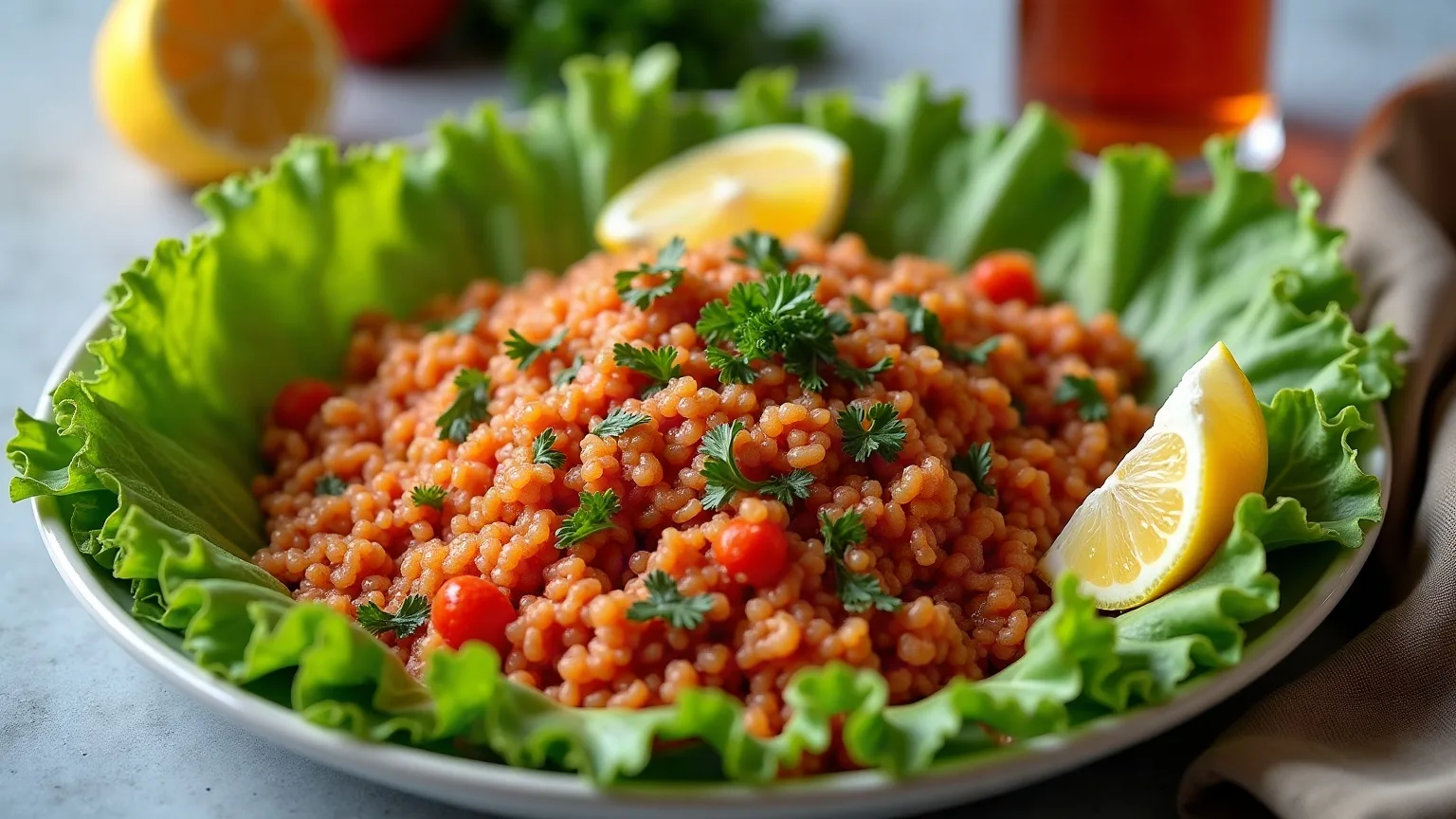
Kısır
It never meets a flame: fine bulgur swells by itself in boiling water. The pomegranate molasses and lemon go in after the swelling is over.
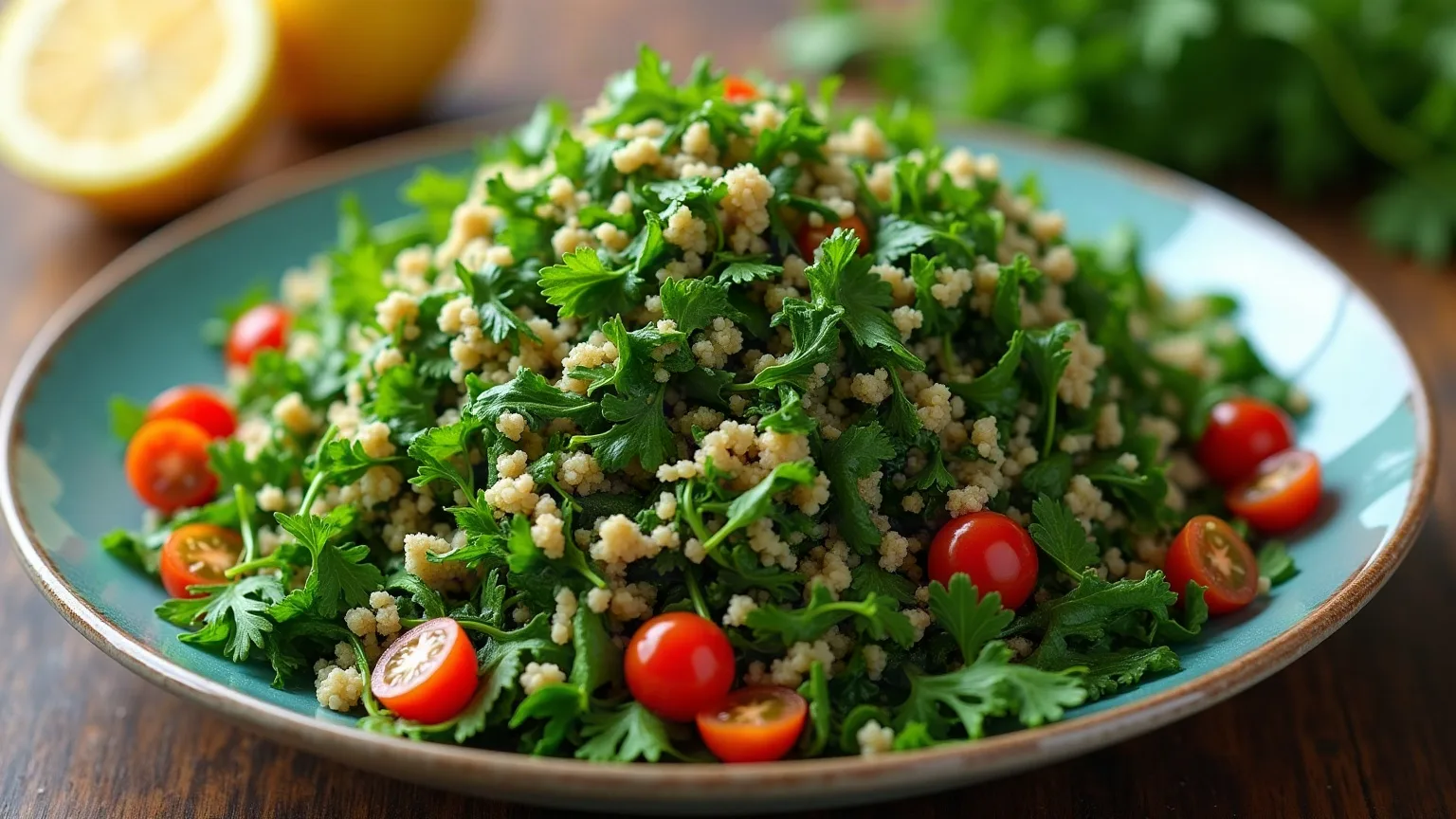
Tabbouleh
Tabbouleh is not a bulgur salad but a parsley salad: the bulgur is under a tenth of the whole. And what swells it is not water but the juice of the tomato.
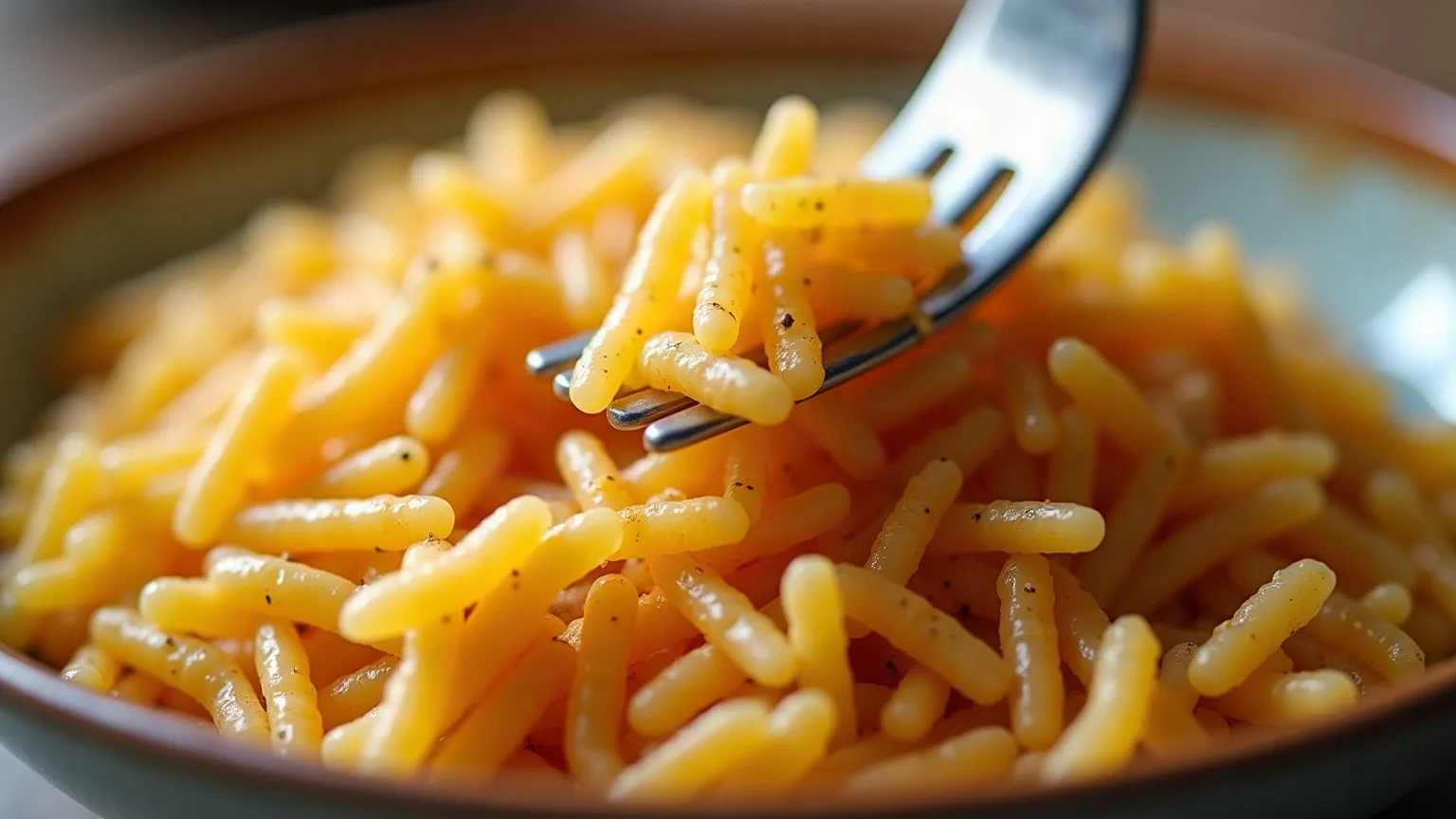
Orzo pilaf
Orzo is pasta rather than rice: its starch behaves differently, and cooked without toasting it glues itself together in the pan.