
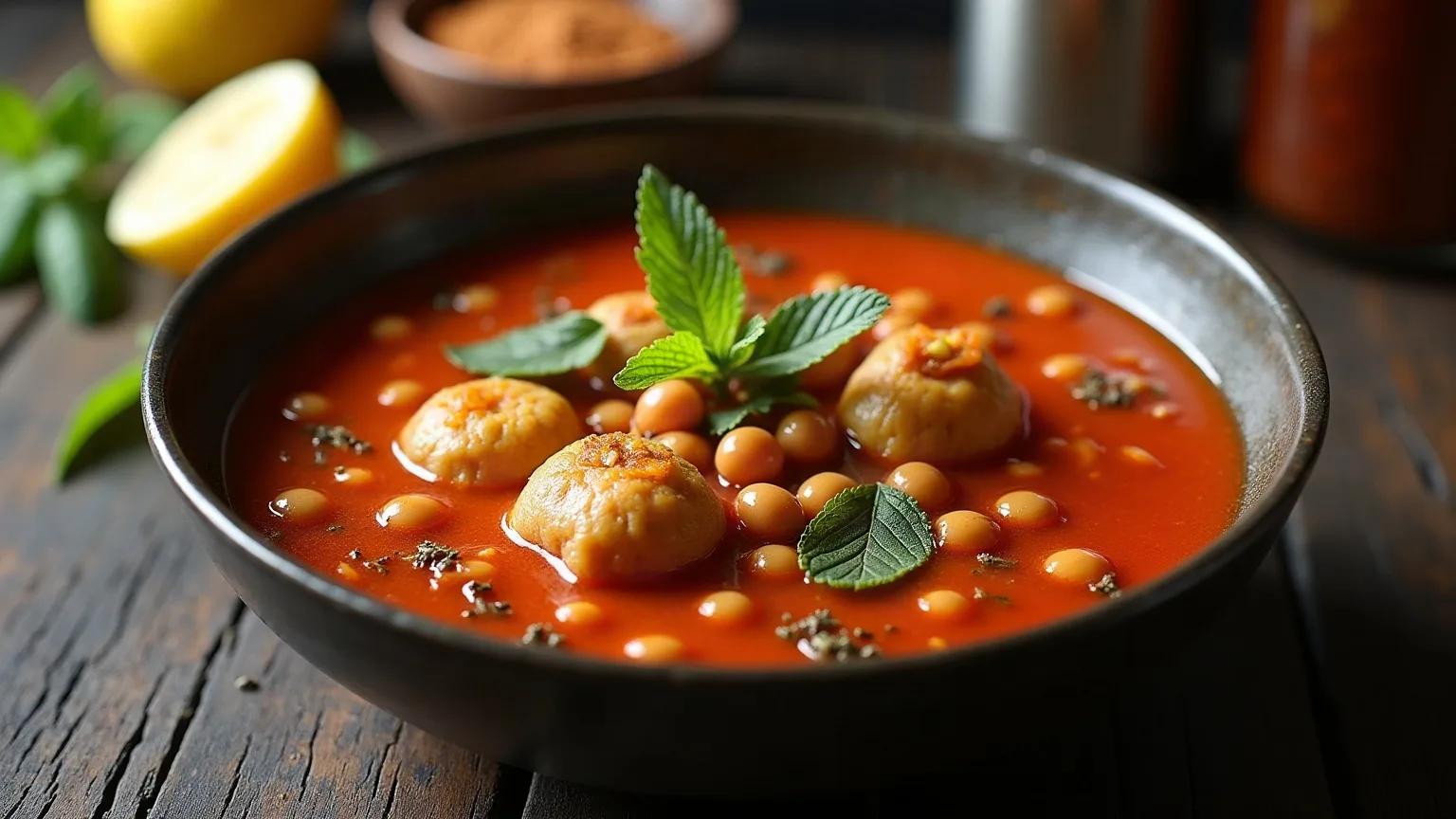
Analı kızlı
The big stuffed dumplings are the mothers, the small plain ones the daughters. Both are bulgur, both cook in the same pan.
Soups · South-eastern Anatolia · For guests · Weekend batch
- Preparation
- 40 min
- Cooking
- 35 min
- Difficulty
- Hard
- Cost
- Cheap
- Season
- Autumn, Winter
The soup of Kahramanmaraş and Adıyaman, named for the two kinds of dumpling in it. Fine bulgur becomes a dough through starch rather than gluten: soaked in warm water the starch gelatinises and, kneaded, it holds together. That is why the water is warm — cold and it never binds, boiling and it turns to paste.
Method
- Soak the fine bulgur in 200 ml of WARM water for twenty minutes.
- Have the chickpeas cooked.
- For the filling, fry the mince with onion and let it cool.
You will need: A wide pan · A mixing bowl
-
Knead the swollen bulgur with the flour and salt for ten minutes, until it feels like an earlobe.
Look for Rolled in the palm it should form a smooth ball that does not crack.
Why Kneading brings the gelatinised starch to the surface and glues the grains together. Kneaded less than ten minutes the dough falls apart in the pan, and there is no short version of this step.If it went wrong
If the dough crumbles, add another tablespoon of flour and knead three minutes more. If it still crumbles the bulgur has not swollen enough: add two tablespoons of warm water and wait ten minutes.
Salt · 2.78% High. Osmosis is pulling water out, the texture is tightening and the flavour is closing.
-
From half the dough make walnut-sized pieces, hollow them, fill them with the mince and close them: these are the mothers. From the other half roll chickpea-sized plain balls: these are the daughters.
Look for The filled ones must have no cracks, or the filling escapes into the water.
Why The two sizes are function rather than whimsy: small and plain cook in eight minutes, large and filled in fifteen. Made the same size, one disintegrates while the other is raw inside.Starch still asleep The granules are just floating there doing nothing. No body arrives before 62 °C.
Salt · 1.79% High. Osmosis is pulling water out, the texture is tightening and the flavour is closing.
-
Fry the remaining onion in the butter, add the paste, pour in the water and bring it to the boil. Add the chickpeas.
Look for The water must be at a full boil, with bubbles breaking constantly.
Why The dumplings must go into boiling liquid: dropped into warm water a bulgur dumpling dissolves before it cooks, because its surface has to set at once.Starch gelatinised The granules soaked up water, swelled and burst into a network. It has thickened, and it will firm further as it cools. no way back
A gluten web is forming Gliadin and glutenin hydrated into an elastic net. This is what will hold the gas. no way back
Salt · 0.32% Low. Everything reads flat and nothing steps forward.
-
Drop the mothers in first, then the daughters seven minutes later, and give it eight minutes more.
Look for The dumplings should rise to the surface, which means the air inside has expanded and they are done.
Why The staggered timing gives two different cooking times in one pan: fifteen minutes for the large, eight for the small, and both finish together.If it went wrong
If they have broken up, the soup becomes a bulgur and chickpea soup and is good. Knead another spoon of flour into the remaining dough and drop the rest in that way.
Starch gelatinised The granules soaked up water, swelled and burst into a network. It has thickened, and it will firm further as it cools. no way back
A gluten web is forming Gliadin and glutenin hydrated into an elastic net. This is what will hold the gas. no way back
Salt · 0.32% Low. Everything reads flat and nothing steps forward.
-
Add the mint a minute before you take it off.
Look for You should smell the mint rising from the pan.
Why Menthol leaves in a long boil; the last minute keeps its smell.Starch gelatinised The granules soaked up water, swelled and burst into a network. It has thickened, and it will firm further as it cools. no way back
A gluten web is forming Gliadin and glutenin hydrated into an elastic net. This is what will hold the gas. no way back
Salt · 0.32% Low. Everything reads flat and nothing steps forward.
This recipe was run through the engine step by step — what goes in when, and at what temperature and for how long. The reactions above come from that run.
peak 100 °C · 50 minutes · engine 1.0.0 · confidence low
After the heat goes off
Hot, in deep bowls, each one holding both mothers and daughters. Lemon and chilli beside it.
Two days in the fridge. The dumplings drink and swell, and there is less liquid on the second day.
Five minutes on a low flame with added water, taking care not to crush the dumplings when stirring.
Uncooked dumplings freeze on a tray, go into a bag and keep three months; they are dropped straight into boiling water and take three minutes longer.
Leftover dumplings, drained and fried in butter and eaten with yoghurt, become a dish of their own.
Rolling the dumplings is the part children like; from three years they can help. For 12–36 months the small plain ones are suitable but must be halved — whole, they are a choking risk. Lift their share before the salt.
- Beef mince (15% fat) → Walnut Without meat, the filling is made from walnut, onion and pomegranate molasses and the soup turns vegetarian.
- Boiling & poaching The method this recipe rests on
- Fine bulgur What it does in heat, water and acid
- Bulb onion What it does in heat, water and acid
- Beef mince (15% fat) What it does in heat, water and acid
- Tutmaç soup Similar method, or something that sits on the same table
- Ezogelin soup Similar method, or something that sits on the same table
- Red lentil soup Similar method, or something that sits on the same table
- For guests Other recipes that answer the same need
- Weekend batch Other recipes that answer the same need
What it tastes like
No axis sits clearly above the average: a balanced recipe.
This profile is computed rather than measured: the role-weighted average of its ingredients’ taste vectors, shifted by what the cooking does. The thin line is the database average on that axis.
Closest in taste
Not hand-picked: ranked by distance across the eight taste axes.
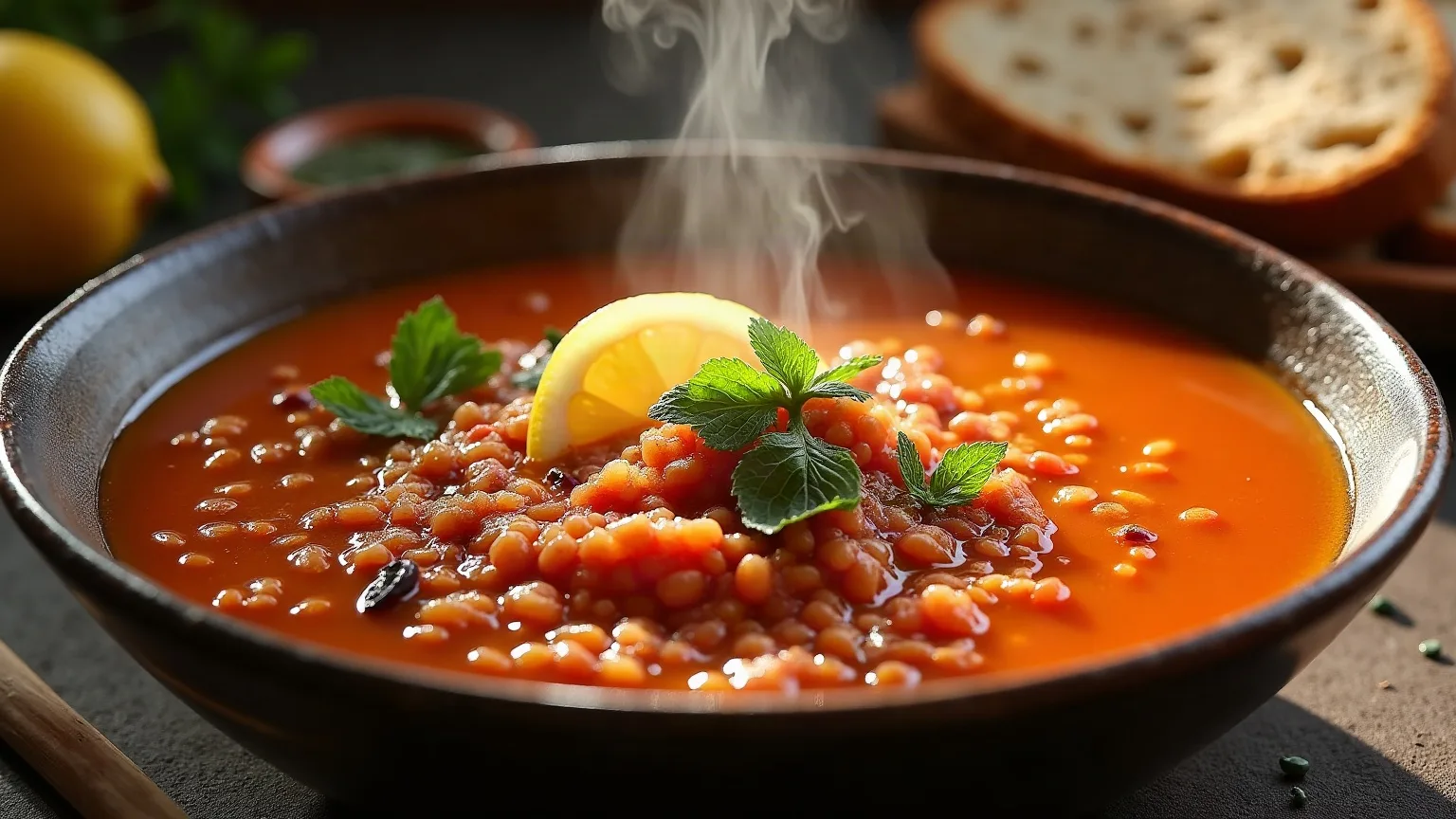
Ezogelin soup
The lentil soup’s cousin, with bulgur, tomato paste and mint. The difference is one step: the paste is fried in the fat.…
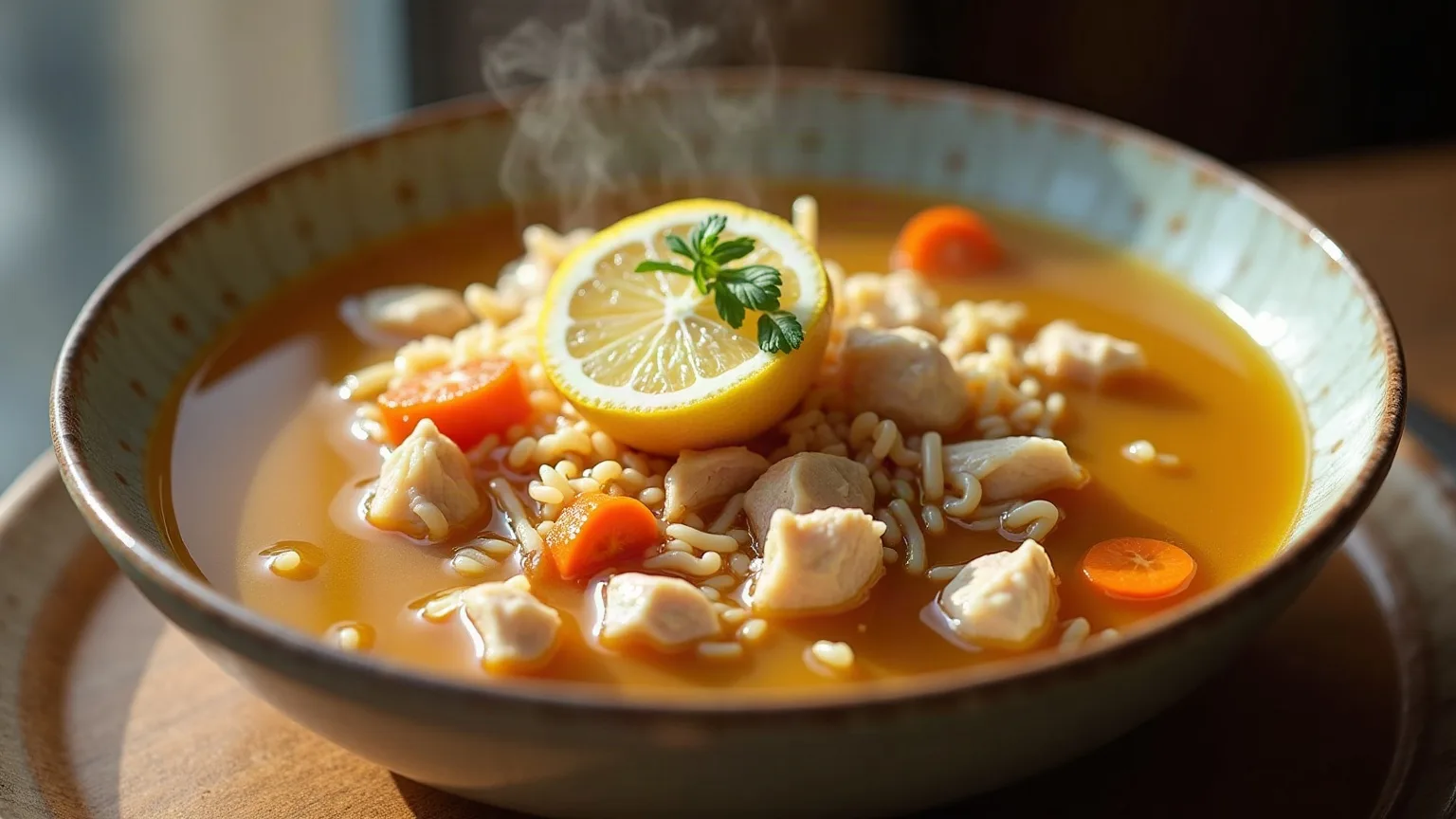
Chicken broth soup
What makes a broth clear is not the ingredients but the temperature: a pan that passes 95 °C guarantees a cloudy one.…
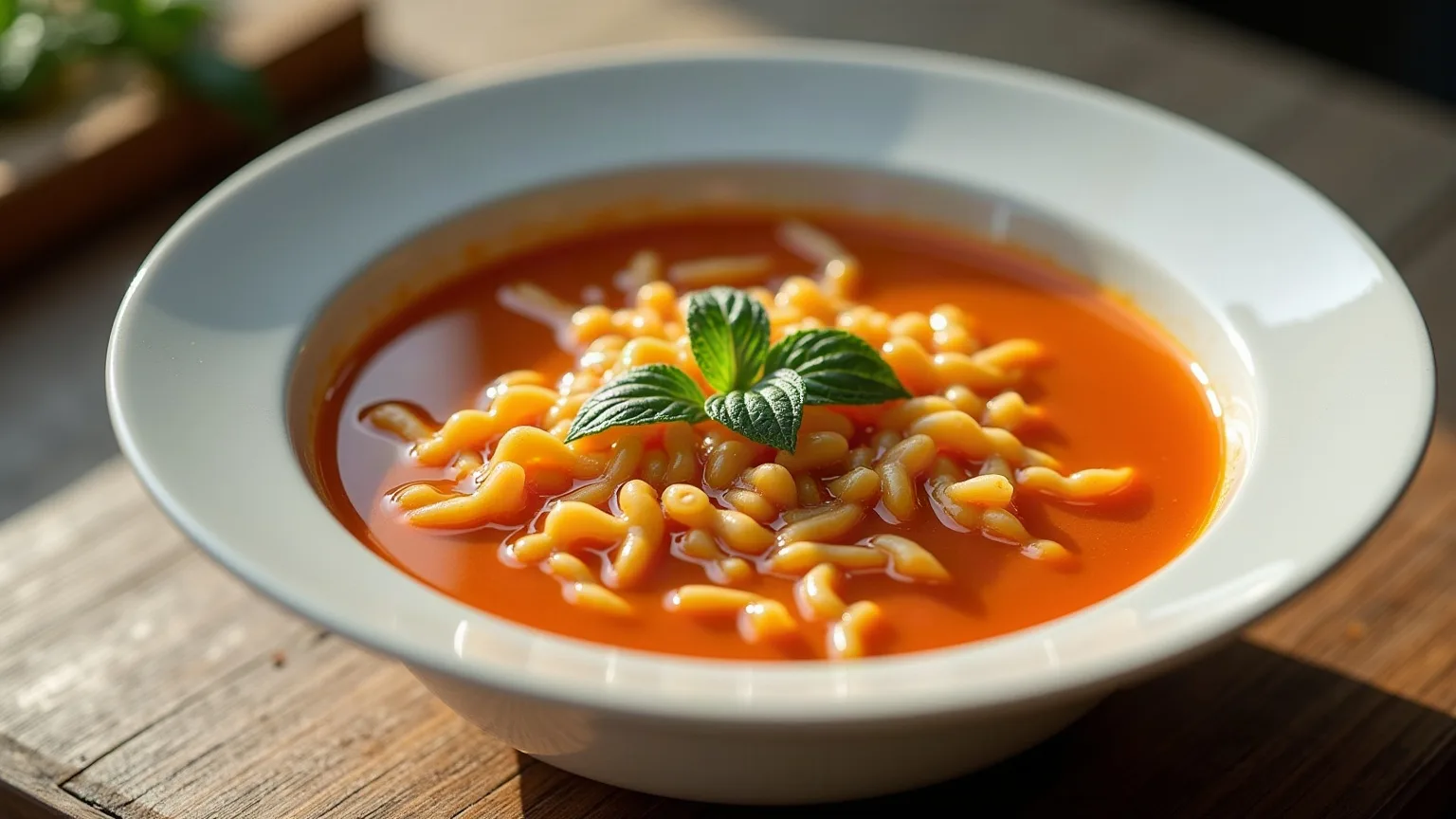
Vermicelli soup
A childhood soup and a fifteen-minute rescue. Toasting the vermicelli is the whole recipe.…
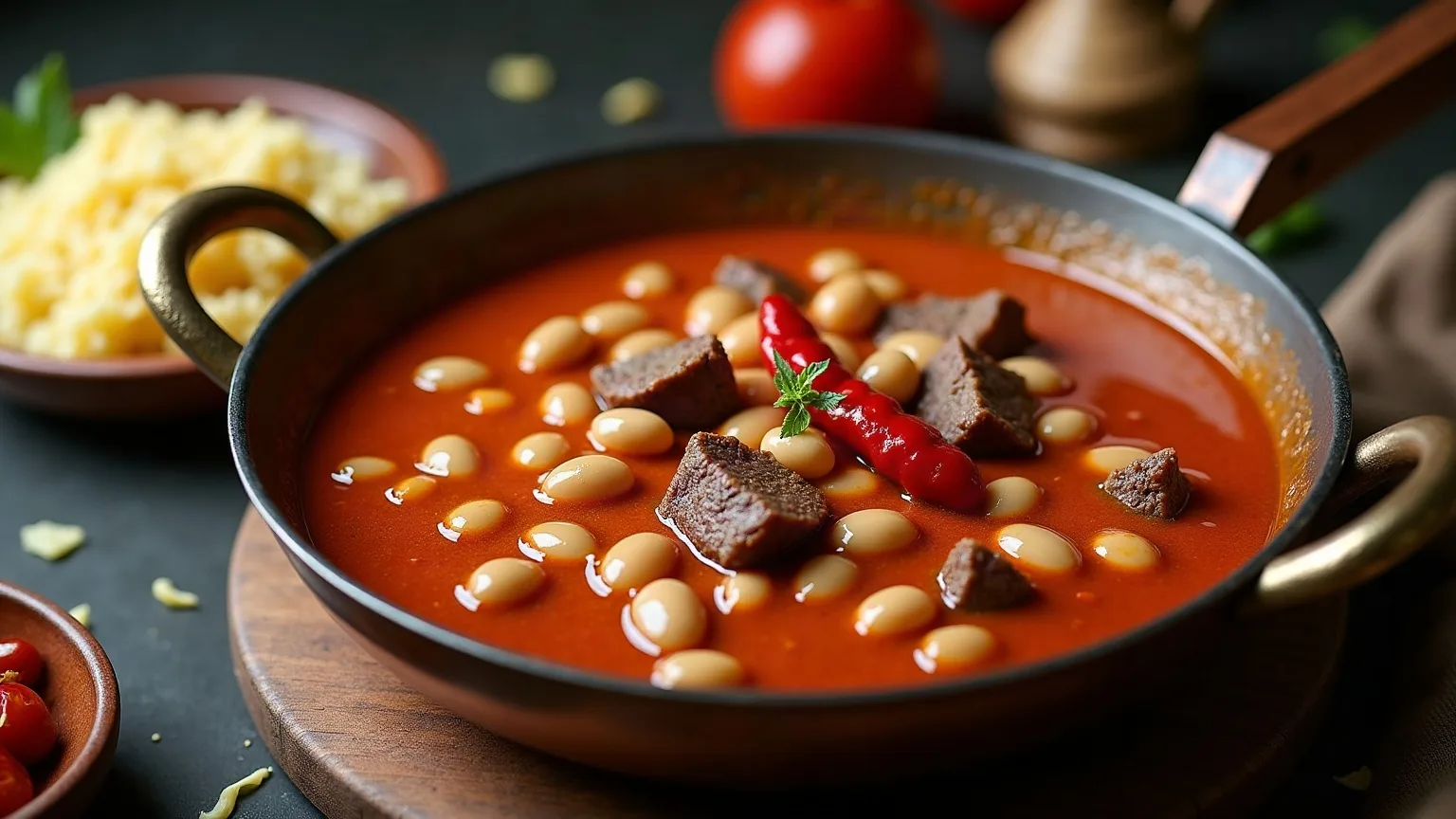
White beans
Beans stay hard for almost always the same reason: the tomato paste went in early. Acid locks the pectin in the skin.…