
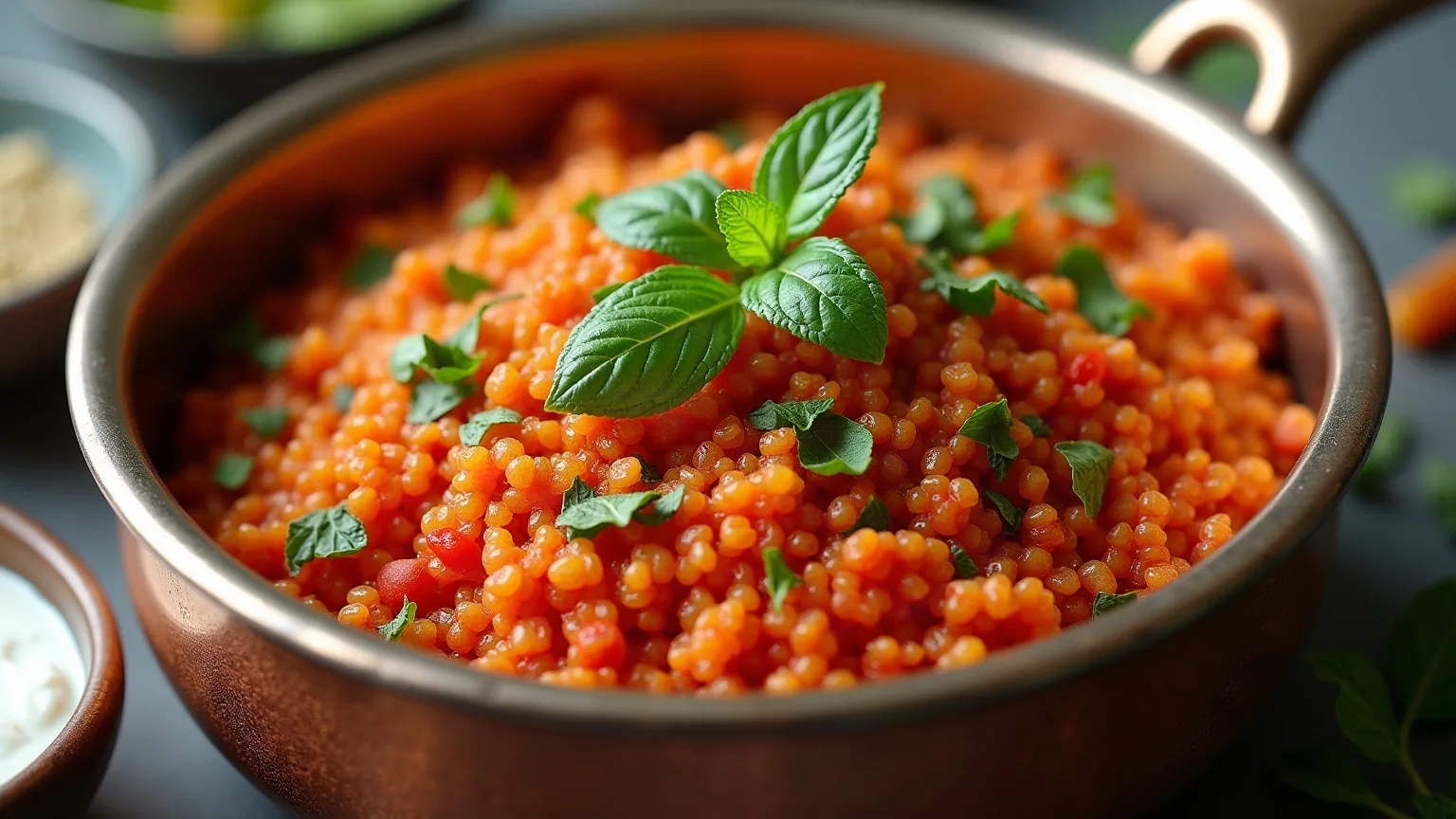
Tomato bulgur pilaf
The acid in tomato slows how fast bulgur takes up water. The answer is not more water but putting the tomato in after the bulgur has swollen.
Rice, bulgur and grains · South-eastern Anatolia · Under 30 minutes · Budget · One pot · Vegan · Seasonal
- Preparation
- 10 min
- Cooking
- 16 min
- Resting
- 15 min
- Difficulty
- Needs attention
- Cost
- Very cheap
- Season
- Summer, Autumn
This is the most cooked and the most often ruined pilaf in Turkey. The complaint is always the same: "my bulgur stayed hard." The bulgur usually gets the blame, but the cause is acid. The same bulgur that softens in ten minutes in plain water is still not quite right after twenty in a heavily tomatoed one. Southeastern kitchens solved this centuries ago by putting tomato and paste in at the end, once the bulgur has taken its water. In the west of Anatolia the habit of adding it at the start is common — and so is hard pilaf.
Method
- Grate the tomatoes and leave the skins behind on the grater.
- Do not rinse the bulgur.
You will need: A pan with a lid · A grater
-
Soften the onion and peppers in the olive oil for seven minutes, then stir the paste in for a minute.
Look for The onion should go translucent and the paste darken.
Why A teaspoon of paste is enough for colour, and the amount is kept small because raising the acid load is precisely what this recipe is avoiding.Starch gelatinised The granules soaked up water, swelled and burst into a network. It has thickened, and it will firm further as it cools. no way back
Maillard is running Amino acids have met reducing sugars. The crust, the roasted flavour and that smell all come from here. no way back
-
Add the bulgur, turn it in the fat for two minutes, then add the boiling water and salt, cover it and cook eight minutes over a low flame.
Look for By the eighth minute the bulgur should be visibly swollen and the water nearly gone.
Why At this stage there is almost no acid in the pan, so the bulgur takes water unhindered and completes most of its swelling here.If it went wrong
If the tomato went in at the start by mistake, add 100 ml of hot water and take the time to eighteen minutes. If it is still firm, take it off and stretch the rest to twenty-five minutes: with acid in the pan it is time that works, not heat.
Starch gelatinised The granules soaked up water, swelled and burst into a network. It has thickened, and it will firm further as it cools. no way back
A gluten web is forming Gliadin and glutenin hydrated into an elastic net. This is what will hold the gas. no way back
Salt · 0.76% Right in the window. Flavours sharpen, bitterness retreats, water is held.
Too much starch. It will set into a rubbery gel once cool — add more liquid.
-
Add the grated tomato and the chilli, spread them over the top without stirring, cover and cook six minutes more.
Look for The tomato juice should visibly draw in, leaving a red layer on the surface.
Why The tomato lowers the pH now, but the bulgur has finished swelling and all that is left is for the taste to spread. Not stirring has its own reason: at this point stirring rubs the swollen grains against each other and breaks them up.Starch gelatinised The granules soaked up water, swelled and burst into a network. It has thickened, and it will firm further as it cools. no way back
A gluten web is forming Gliadin and glutenin hydrated into an elastic net. This is what will hold the gas. no way back
Salt · 0.54% Low. Everything reads flat and nothing steps forward.
Too much starch. It will set into a rubbery gel once cool — add more liquid.
-
Off the heat, cover it with a cloth and rest it fifteen minutes, then fold it with a fork.
Look for The pilaf should be evenly reddish, not red on top and white underneath.
Why The rest both evens out the moisture and carries the tomato flavour down from the top layer.Starch gelatinised The granules soaked up water, swelled and burst into a network. It has thickened, and it will firm further as it cools. no way back
A gluten web is forming Gliadin and glutenin hydrated into an elastic net. This is what will hold the gas. no way back
Salt · 0.54% Low. Everything reads flat and nothing steps forward.
Too much starch. It will set into a rubbery gel once cool — add more liquid.
This recipe was run through the engine step by step — what goes in when, and at what temperature and for how long. The reactions above come from that run.
peak 150 °C · 39 minutes · engine 1.0.0 · confidence low
After the heat goes off
Hot or warm with yoghurt and pickles, and fresh mint over it in summer.
Three days in the fridge — a day less than plain bulgur pilaf, because of the tomato.
Sprinkle water over it and steam it covered for five minutes.
Three months; the texture holds well.
It can be used straight away as a stuffing for peppers or courgettes.
For 12–36 months leave the chilli out and add it at the table. Suitable for a baby from eight months; the acid in tomato can leave a temporary redness around some babies’ mouths, which is a contact reaction rather than an allergy. It contains gluten.
- Tomato → Tomato paste In winter, two tablespoons of paste instead of three tomatoes; then the water goes to 420 ml and the paste still goes in at the last stage.
- Boiling & poaching The method this recipe rests on
- Tomato What it does in heat, water and acid
- Coarse bulgur What it does in heat, water and acid
- Bulb onion What it does in heat, water and acid
- Bulgur pilaf Similar method, or something that sits on the same table
- Bulgur pilaf with lentils Similar method, or something that sits on the same table
- Kısır Similar method, or something that sits on the same table
- Under 30 minutes Other recipes that answer the same need
- Budget Other recipes that answer the same need
- One pot Other recipes that answer the same need
- Vegan Other recipes that answer the same need
- Seasonal Other recipes that answer the same need
What it tastes like
No axis sits clearly above the average: a balanced recipe.
This profile is computed rather than measured: the role-weighted average of its ingredients’ taste vectors, shifted by what the cooking does. The thin line is the database average on that axis.
Closest in taste
Not hand-picked: ranked by distance across the eight taste axes.
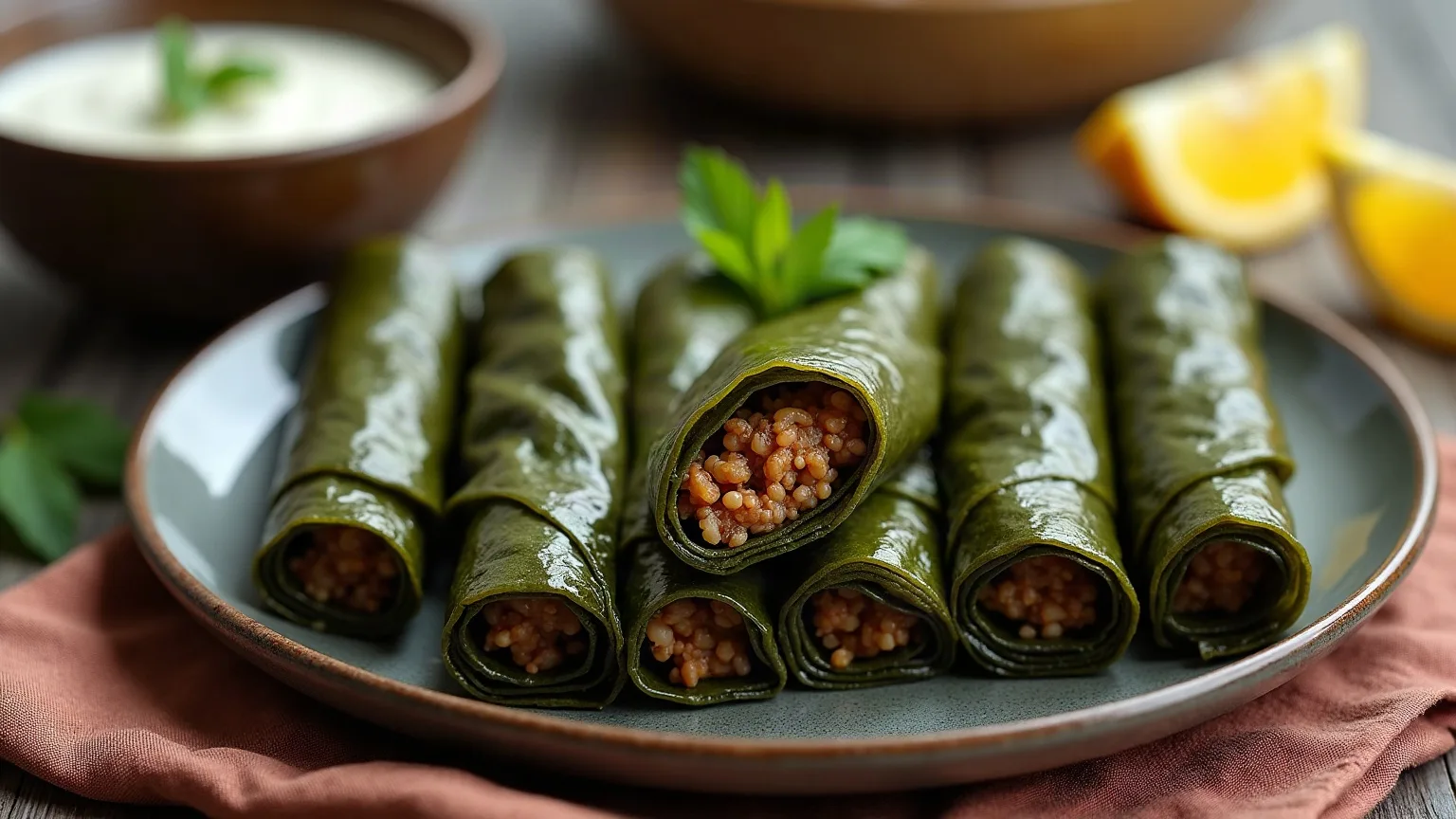
Vine leaves stuffed with meat
Sarma holds together because the pan is packed, not because the roll is tight. Leave gaps and every one of them opens.…
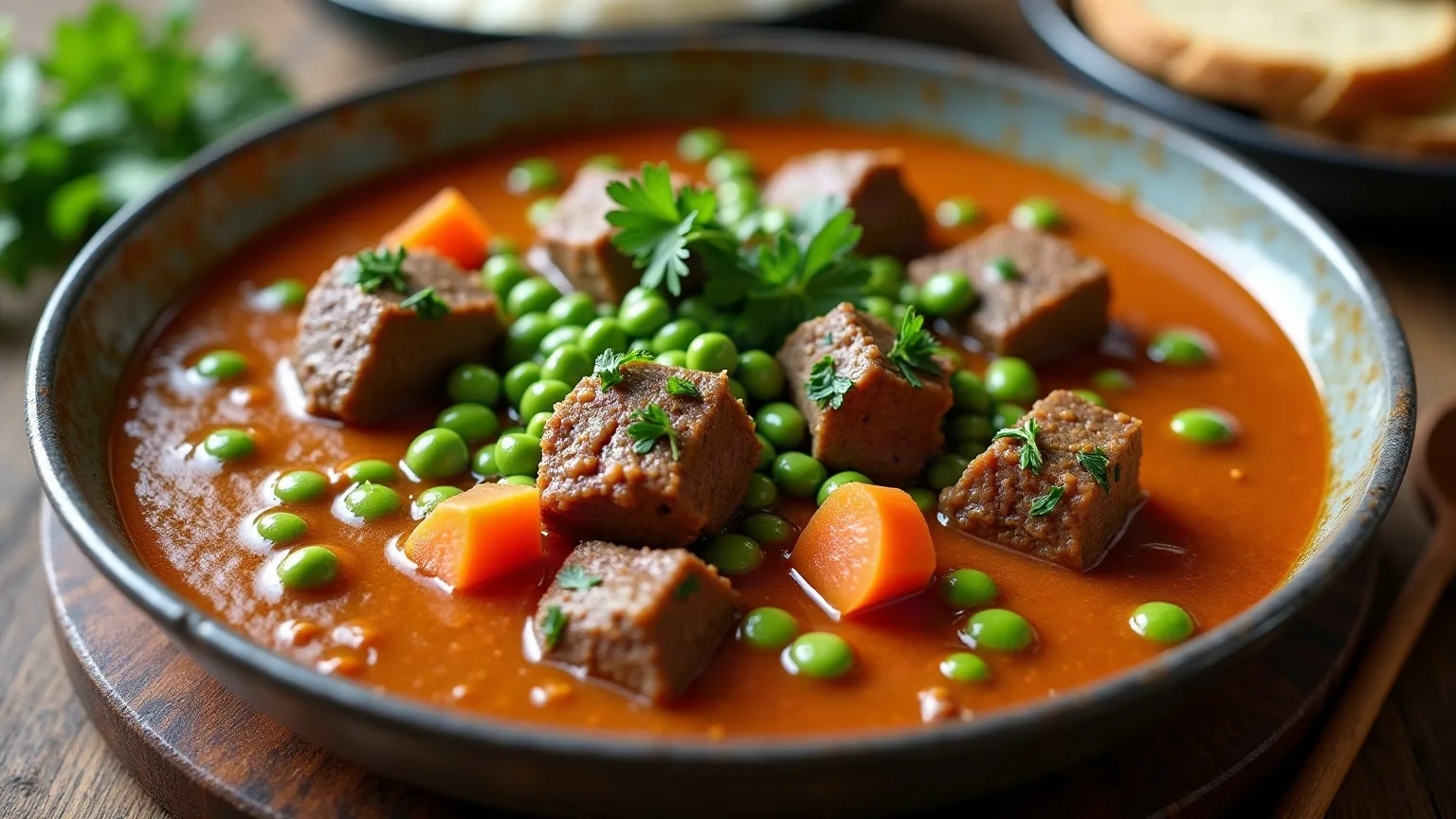
Lamb and pea stew
The peas go in last. Boiled with the meat from the start they lose both their colour and their texture.…
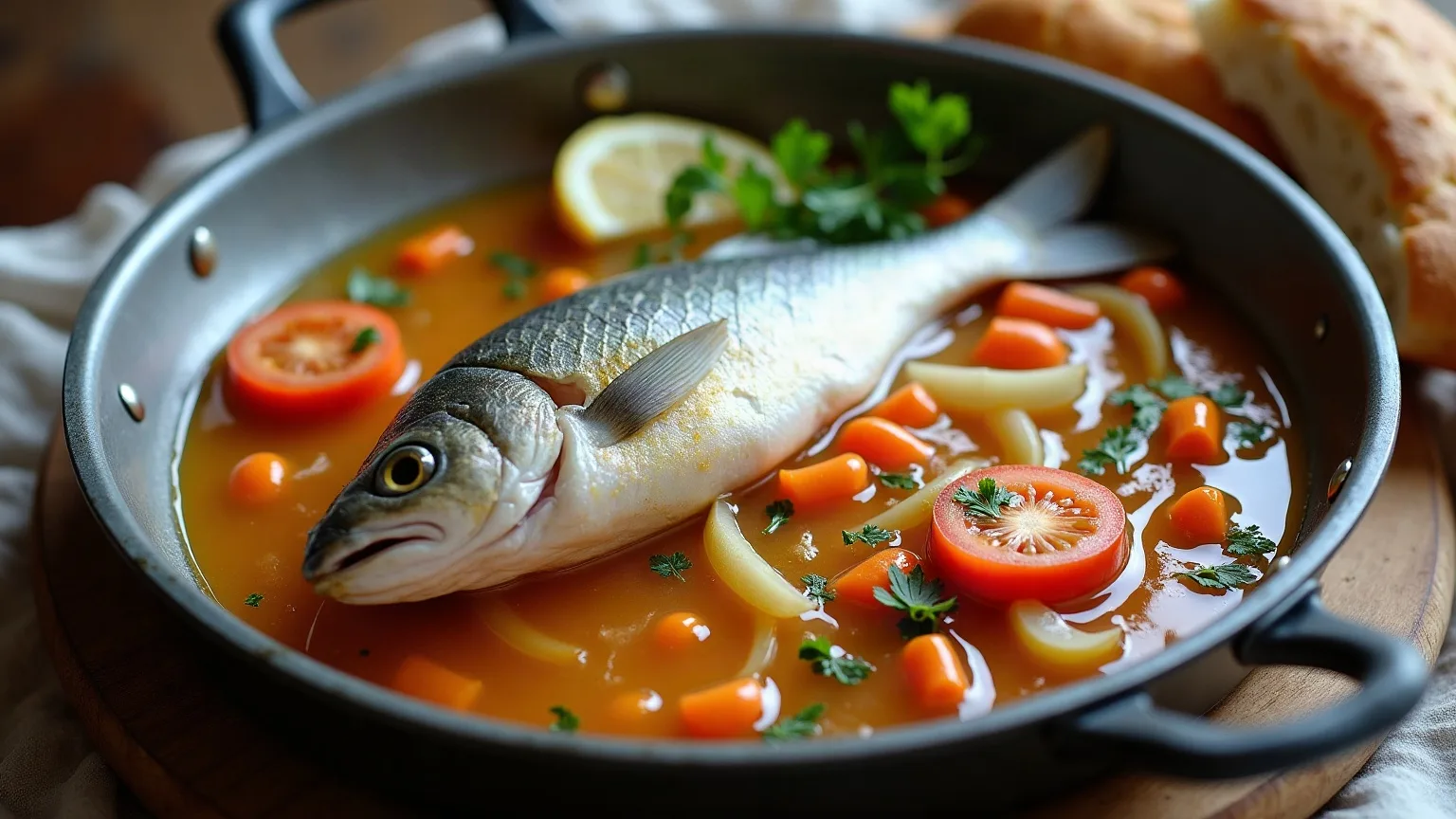
Steamed fish
In a buğulama the fish never touches water: it cooks in the steam the vegetables give off and never sees 100 °C.…
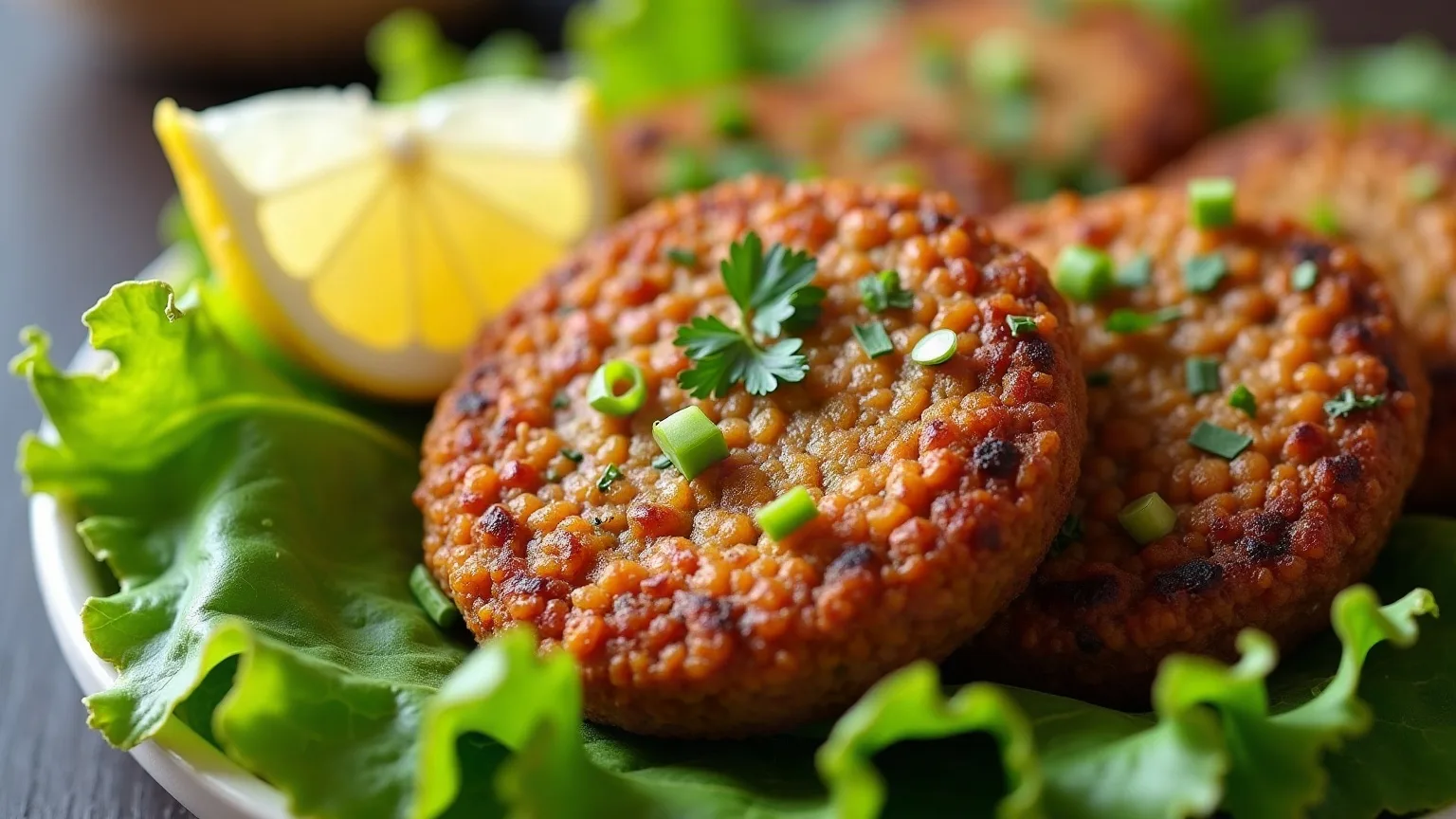
Red lentil patties
The bulgur goes onto the lentils while they are HOT, under a lid. Added to cold lentils it never swells and the patty fa…