
Orman kebab
It is called a kebab but never sees a grill: lamb braised slowly with peas, carrots and potatoes in a pot at around 90 °C. Sear first, then a low flame.
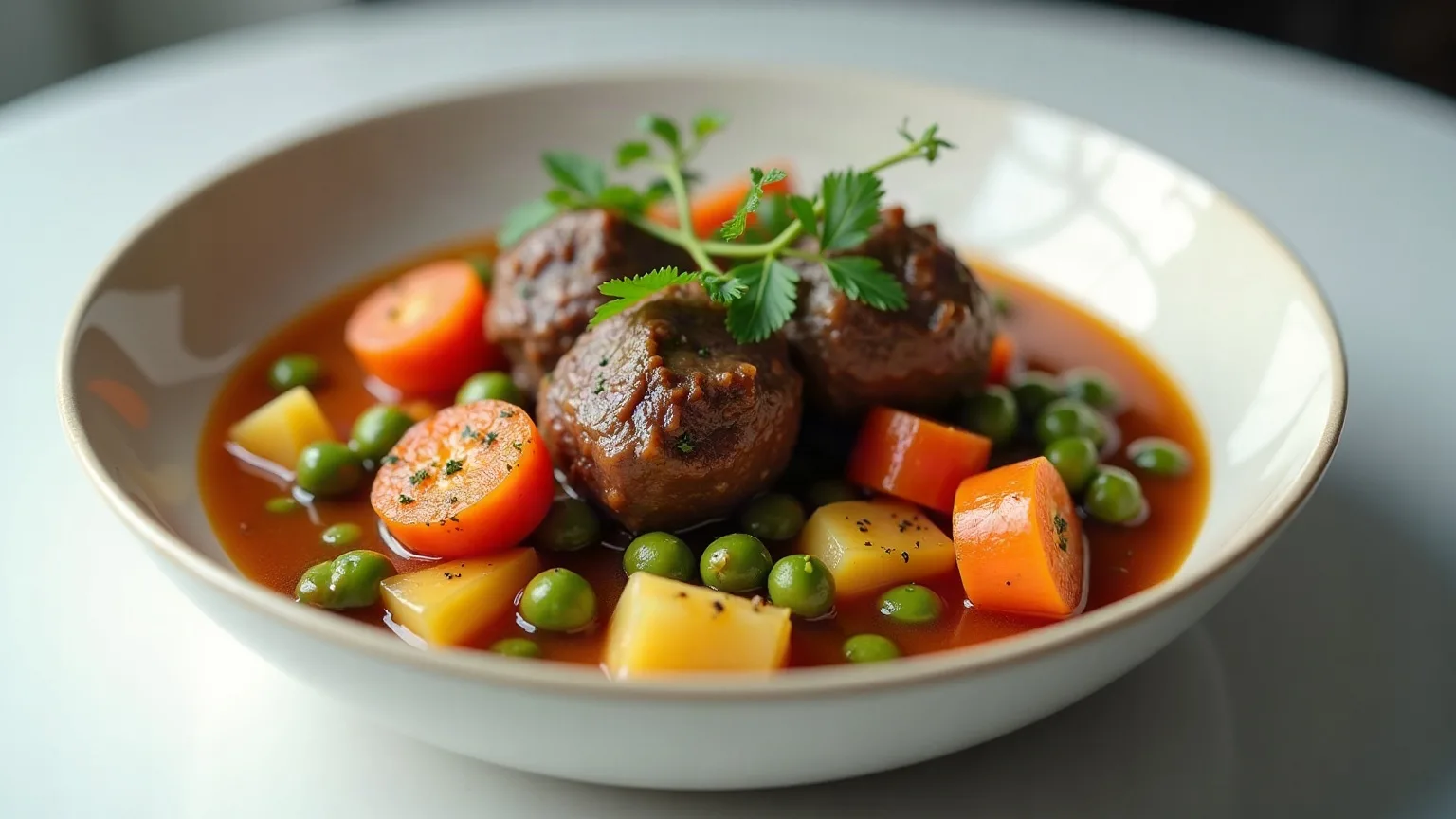
Meat dishes · Turkish · One pot · Freezes well
- Preparation
- 20 min
- Cooking
- 110 min
- Resting
- 10 min
- Difficulty
- Needs attention
- Cost
- Dear
- Season
- Autumn, Winter, Spring
In the Ottoman palace kitchen "kebab" meant any way of cooking meat in pieces, not only grilling; tas kebabı and orman kebabı are traces of that wider sense. That is why this one sits with the meat dishes rather than the grill.
Method
- Pat the meat dry.
- Cut the vegetables into 2 cm cubes.
You will need: A heavy-based pot
-
Sear the lamb in the butter over high heat, in two batches, for eight minutes.
Look for Deep brown on every side.
Why Maillard begins above 140 °C; a crowded pot stays at 100 °C and the meat boils.If it went wrong
If it has released water, wait until it evaporates: the sear comes, if late.
Maillard is running Amino acids have met reducing sugars. The crust, the roasted flavour and that smell all come from here. no way back
Frying dynamics Surface water is flashing to steam and pushing outward — that is the shield keeping the oil out. no way back
-
Add the onion for five minutes and the paste for two, then the hot water and pepper; cover and cook on a low flame for 70 minutes.
Look for An occasional bubble at the surface, no rolling boil.
Why The collagen in shoulder turns to gelatin over hours above 80 °C. A bare shiver rather than a boil, around 90 °C, does that without clenching the fibres.Starch gelatinised The granules soaked up water, swelled and burst into a network. It has thickened, and it will firm further as it cools. no way back
Maillard is running Amino acids have met reducing sugars. The crust, the roasted flavour and that smell all come from here. no way back
-
Add the carrots and potatoes for 25 minutes, then the peas, salt and thyme for ten more.
Look for The meat parts with a fork, the potatoes soft but whole.
Why The vegetables need far less time than the meat and would fall apart from the start. Peas keep their colour at ten minutes.Starch gelatinised The granules soaked up water, swelled and burst into a network. It has thickened, and it will firm further as it cools. no way back
Salt · 0.42% Low. Everything reads flat and nothing steps forward.
-
Take off the heat and rest ten minutes with the lid on.
Look for The sauce lightly coats a spoon.
Why As it rests, the gelatin thickens the liquid slightly.Starch gelatinised The granules soaked up water, swelled and burst into a network. It has thickened, and it will firm further as it cools. no way back
Salt · 0.42% Low. Everything reads flat and nothing steps forward.
This recipe was run through the engine step by step — what goes in when, and at what temperature and for how long. The reactions above come from that run.
peak 210 °C · 130 minutes · engine 1.0.0 · confidence low
After the heat goes off
With rice or bread.
Three days in the fridge; better the next day.
On a low flame until it comes back to a simmer.
Three months without the potatoes, which turn mealy frozen.
With its sauce over pasta or rice.
From ten months, with the meat mashed. Lift a baby’s share out before the salt.
- Boiling & poaching The method this recipe rests on
- Lamb What it does in heat, water and acid
- Potato What it does in heat, water and acid
- Green peas What it does in heat, water and acid
- Taş kebabı Similar method, or something that sits on the same table
- Lamb and pea stew Similar method, or something that sits on the same table
- Pottery kebab Similar method, or something that sits on the same table
- One pot Other recipes that answer the same need
- Freezes well Other recipes that answer the same need
What it tastes like
No axis sits clearly above the average: a balanced recipe.
This profile is computed rather than measured: the role-weighted average of its ingredients’ taste vectors, shifted by what the cooking does. The thin line is the database average on that axis.
Closest in taste
Not hand-picked: ranked by distance across the eight taste axes.
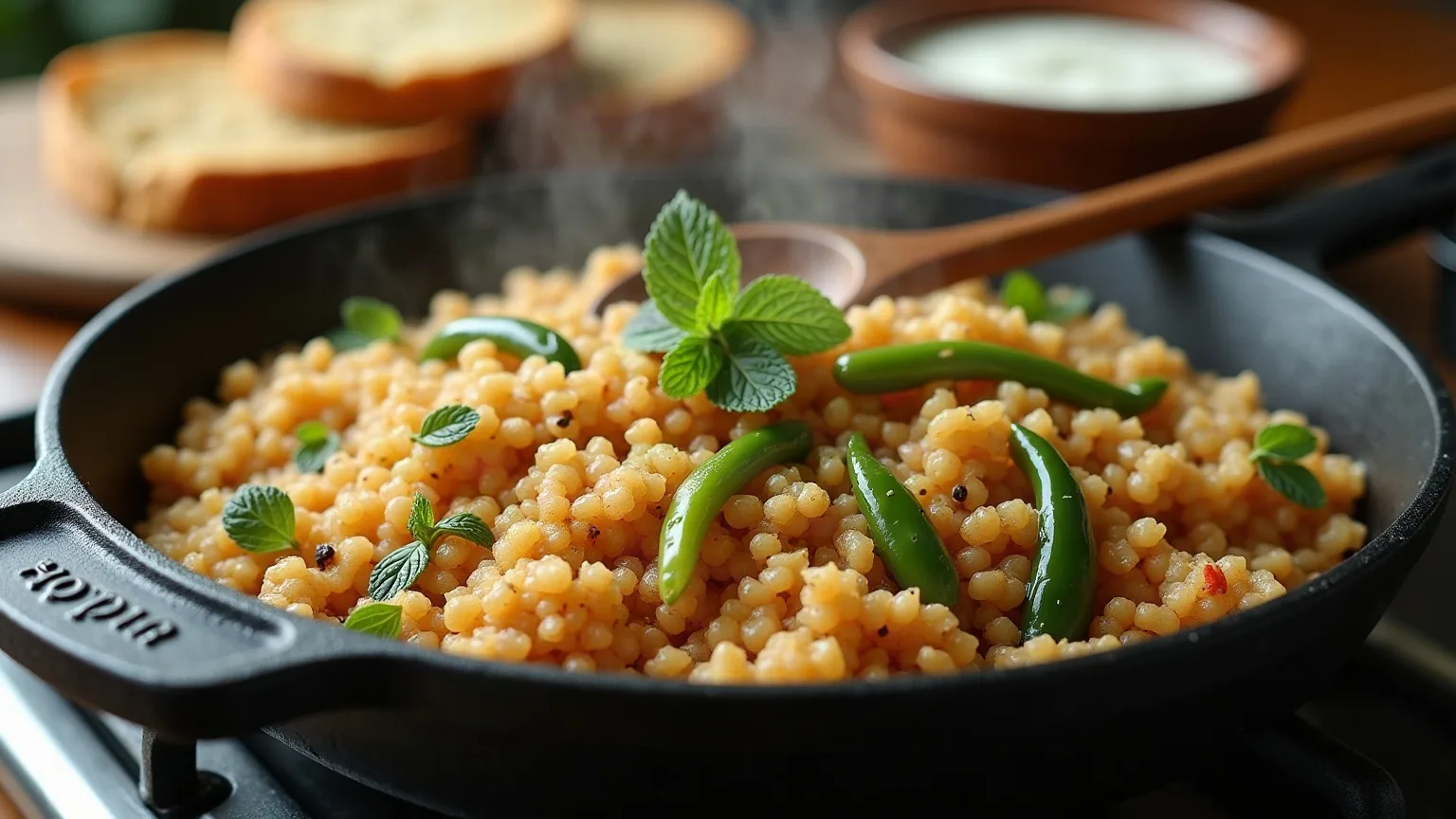
Bulgur pilaf
Bulgur does not cook, it takes up water. It is wheat that has already been boiled, so what matters is not the time on th…
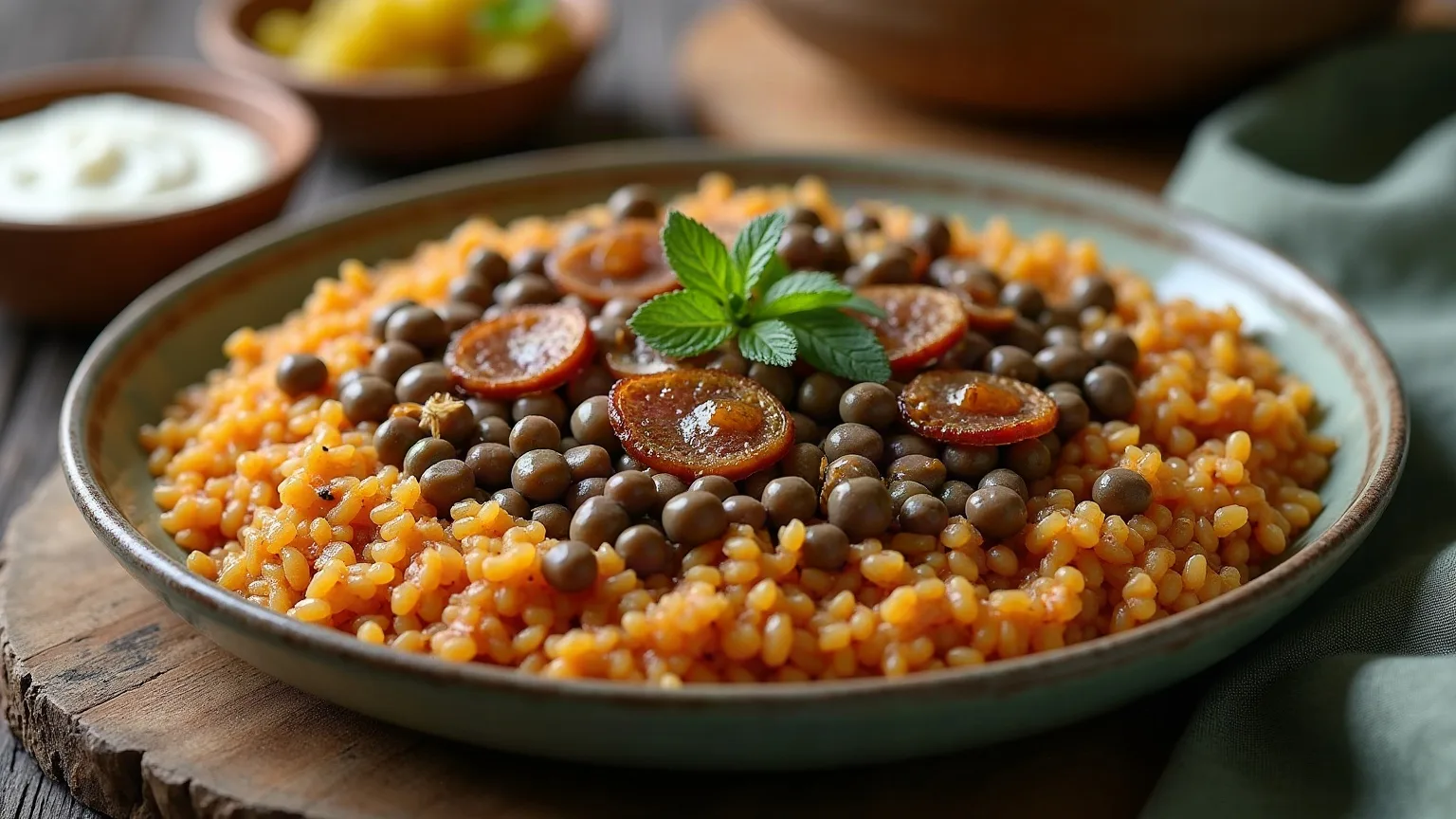
Bulgur pilaf with lentils
Two grains, two rules: the lentils must boil, the bulgur only absorbs. Put them in together and one collapses while the …
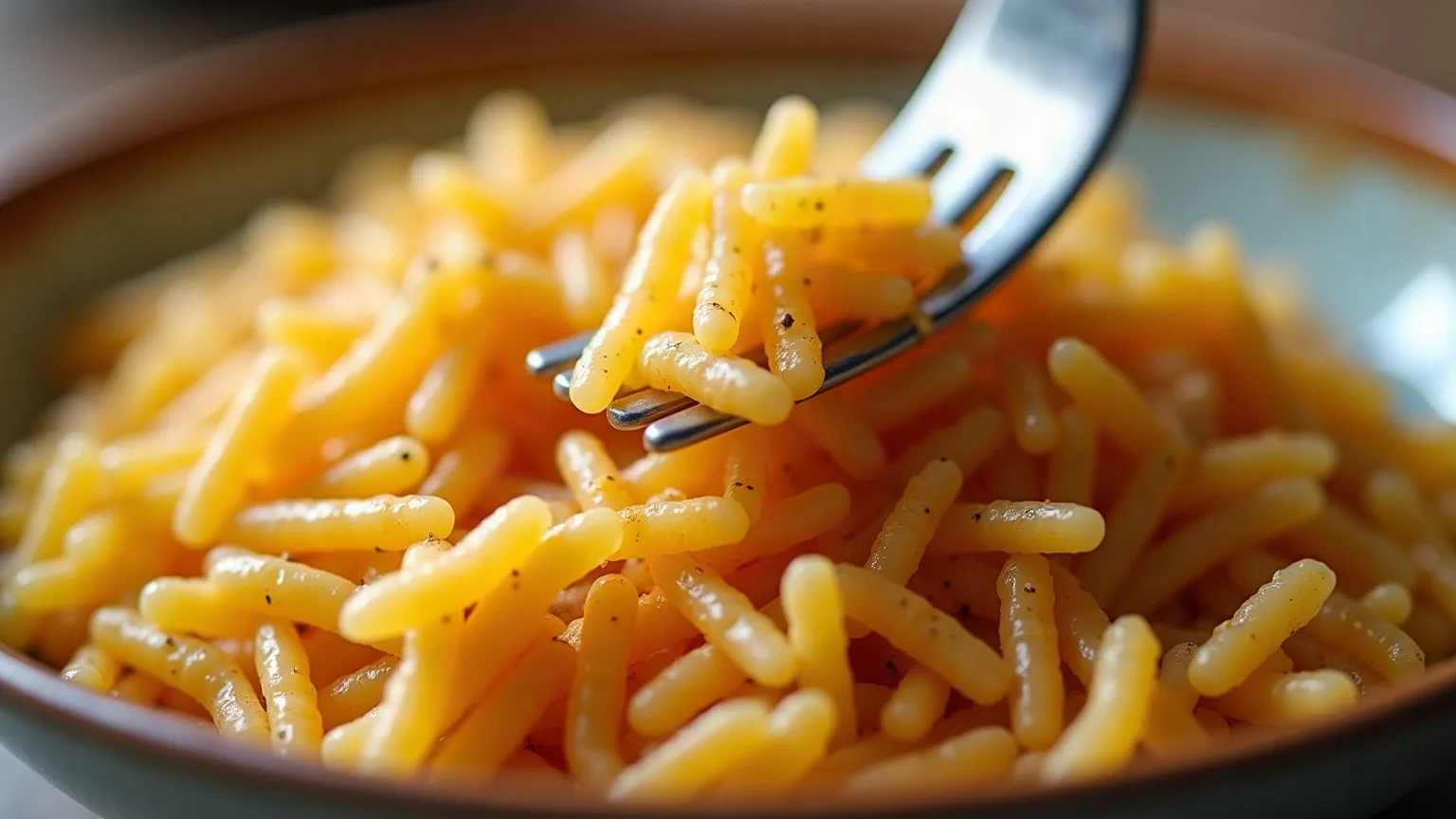
Orzo pilaf
Orzo is pasta rather than rice: its starch behaves differently, and cooked without toasting it glues itself together in …
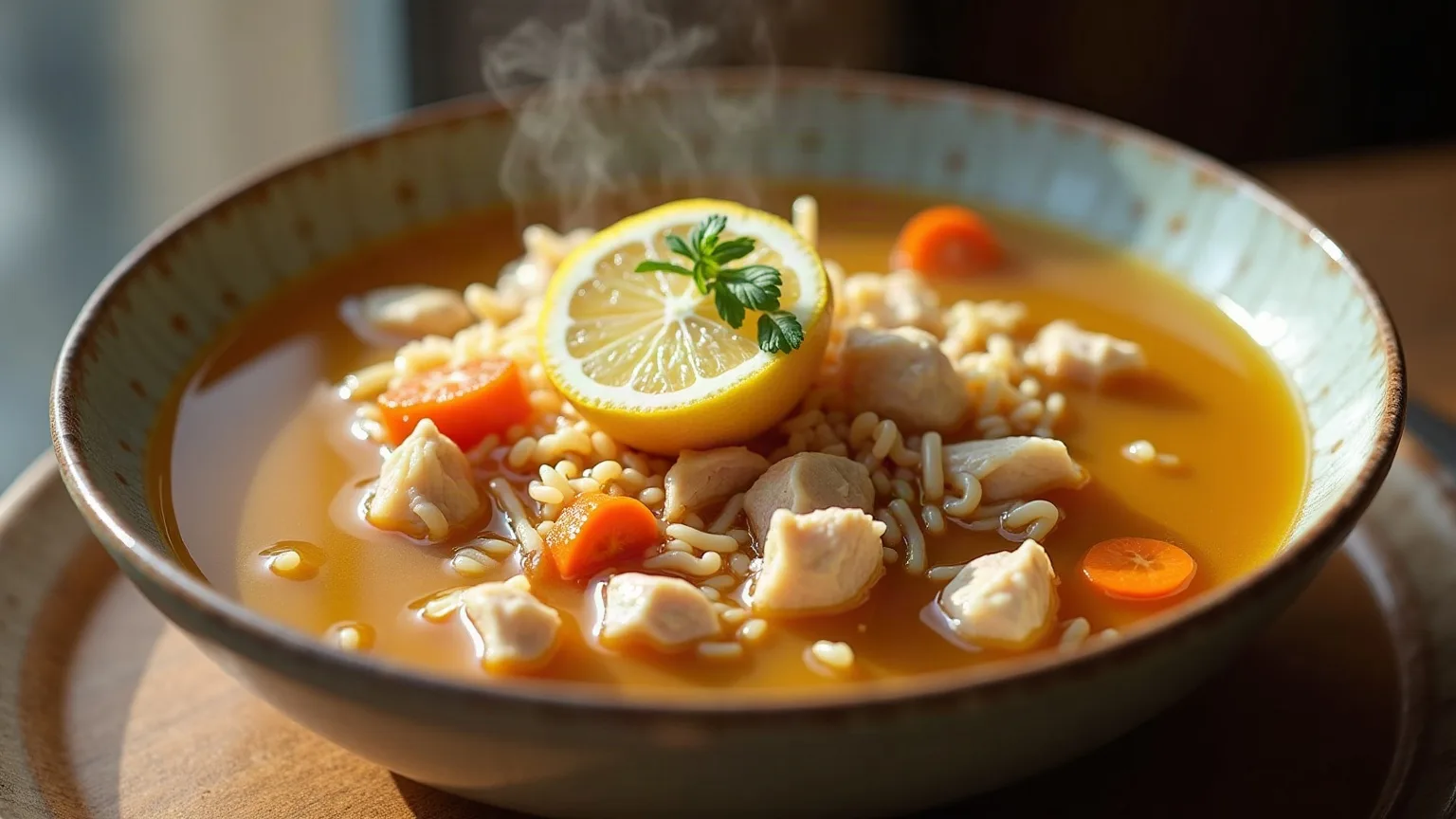
Chicken broth soup
What makes a broth clear is not the ingredients but the temperature: a pan that passes 95 °C guarantees a cloudy one.…