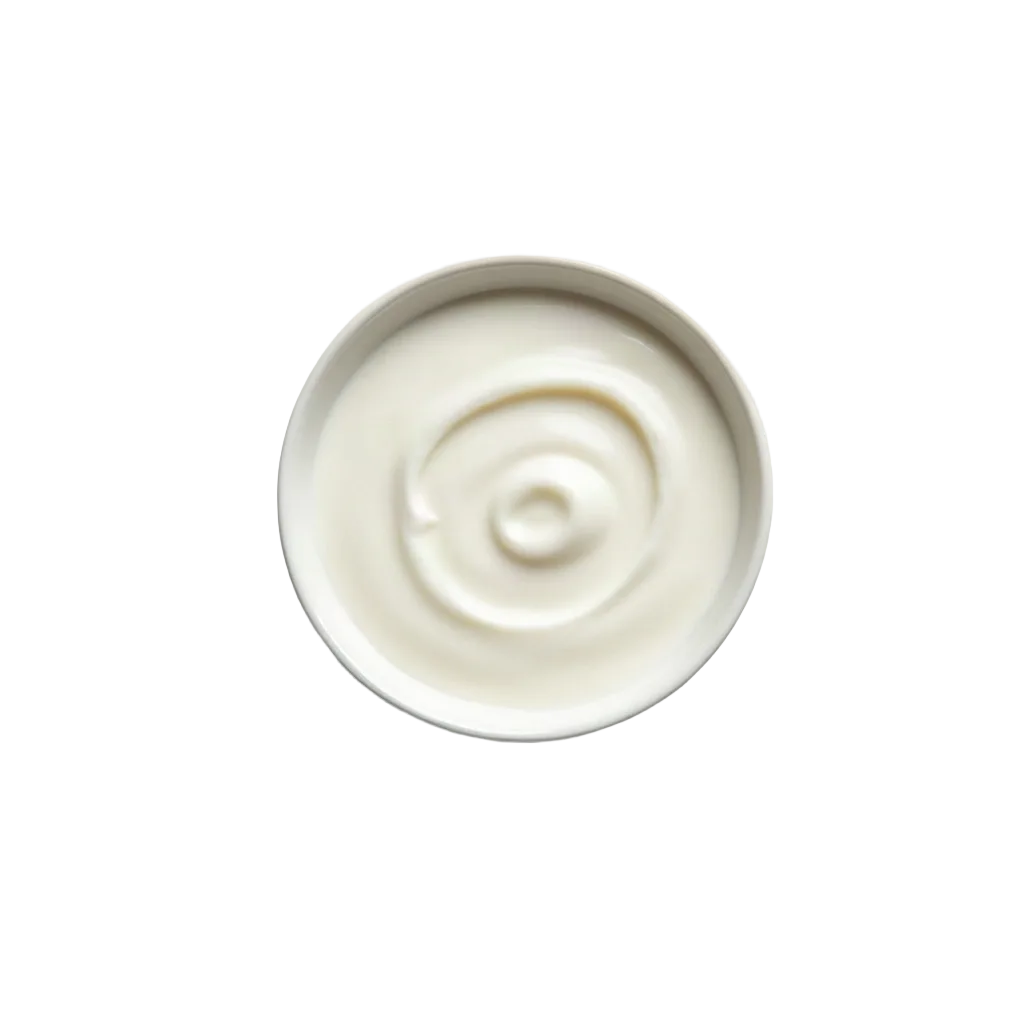
 Yoghurt
 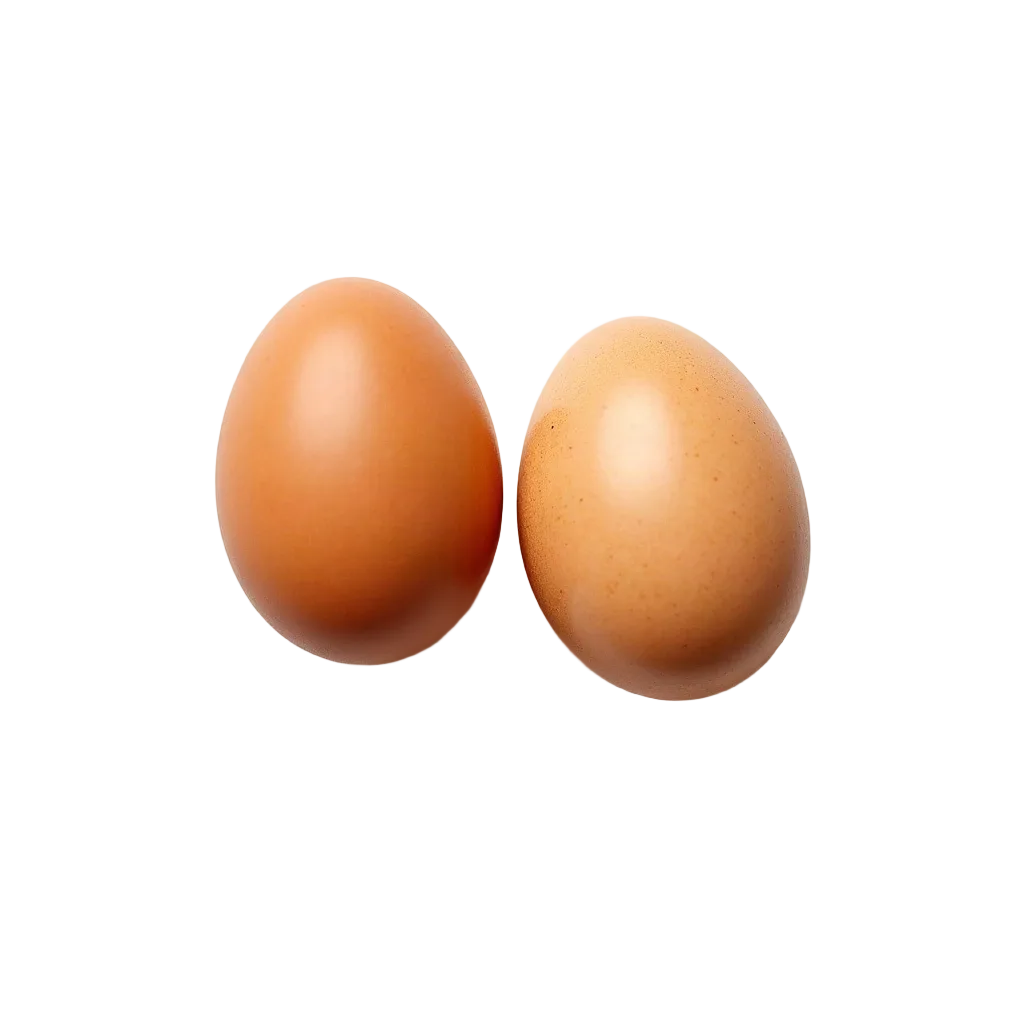 Egg
Egg  Red meat
  Chicken
  Fish
Fish  White cheese
  Butter
  Honey
Honey  Milk
Milk  Egg noodles (dry)
 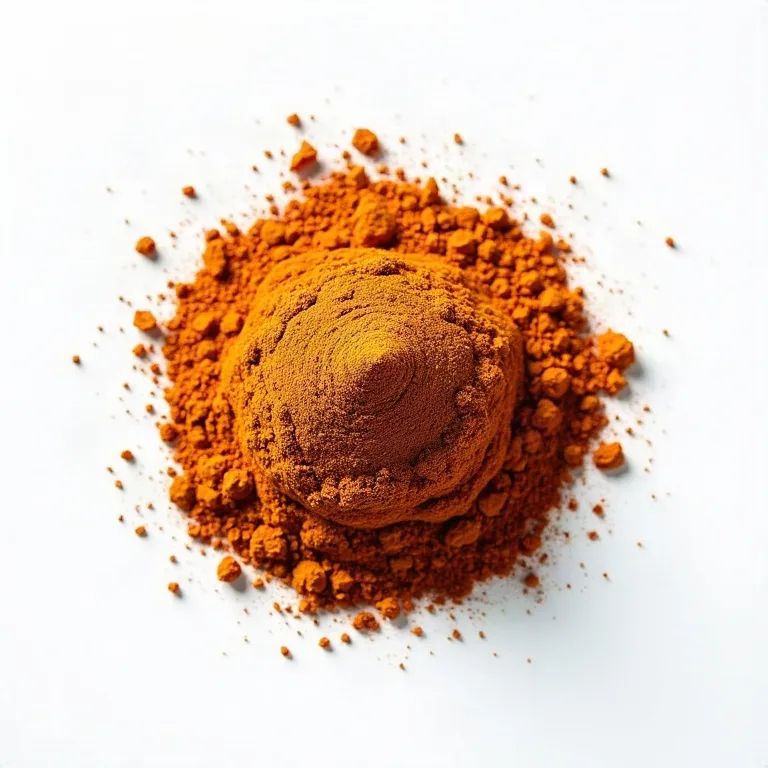 Tarhana (dry)
 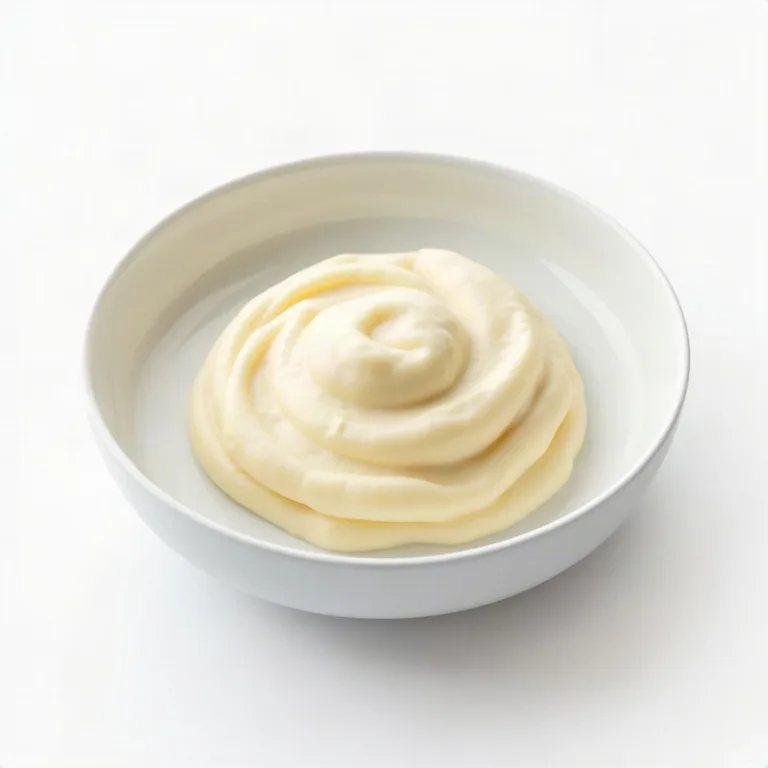 Kaymak (pasteurised)
 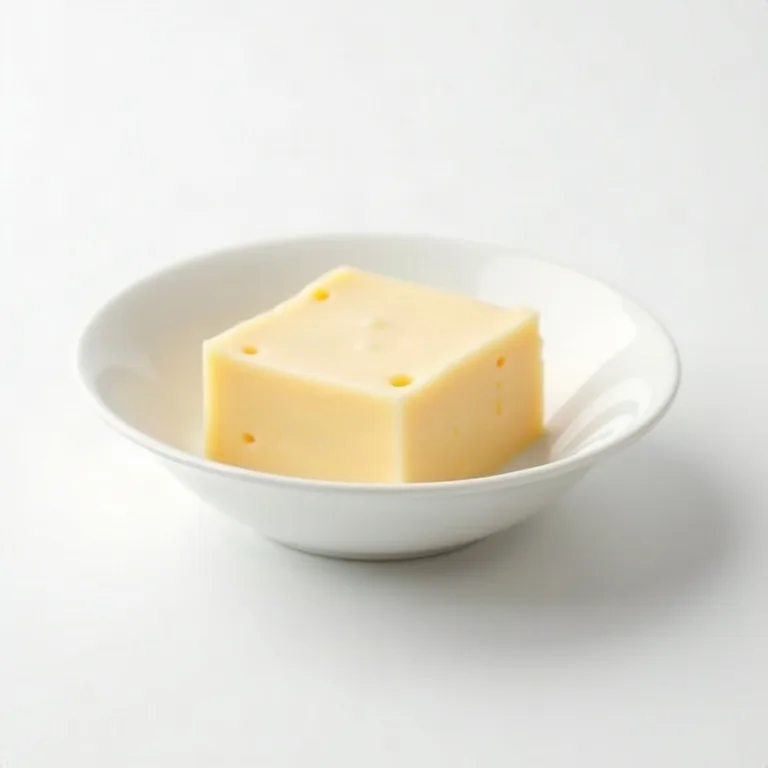 Lor whey cheese
 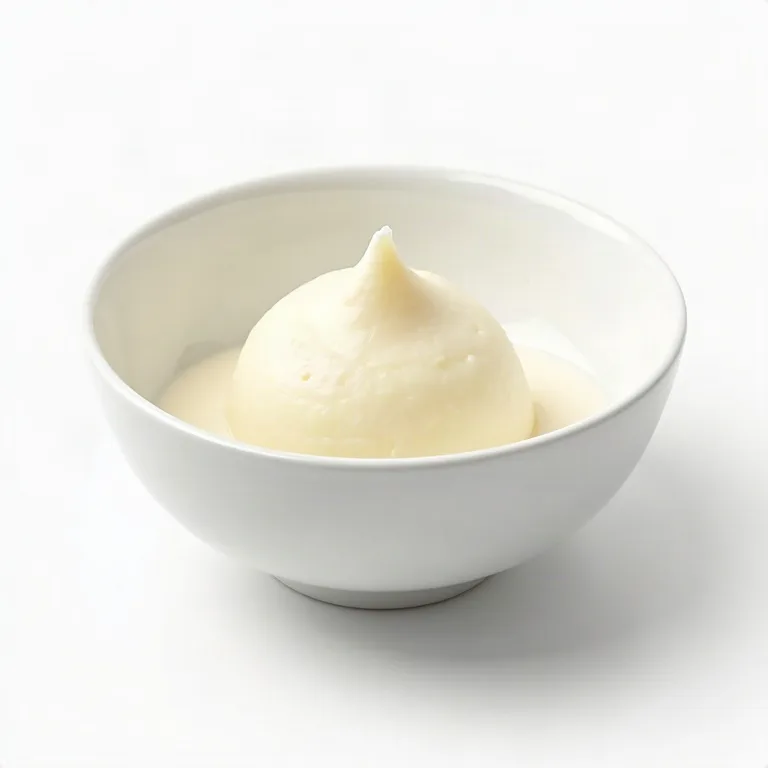 Çökelek curd cheese
 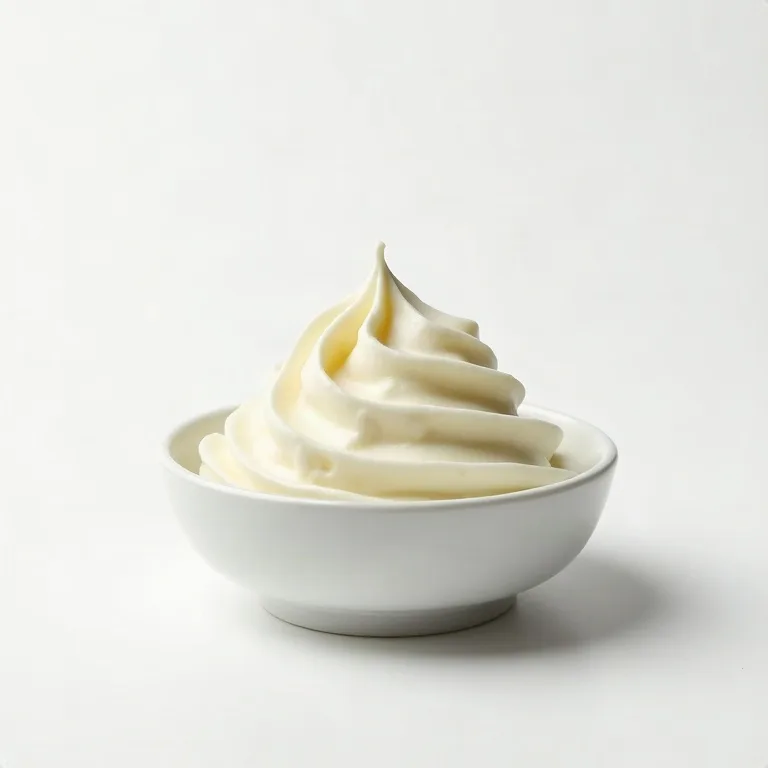 Keş dried yoghurt curd
 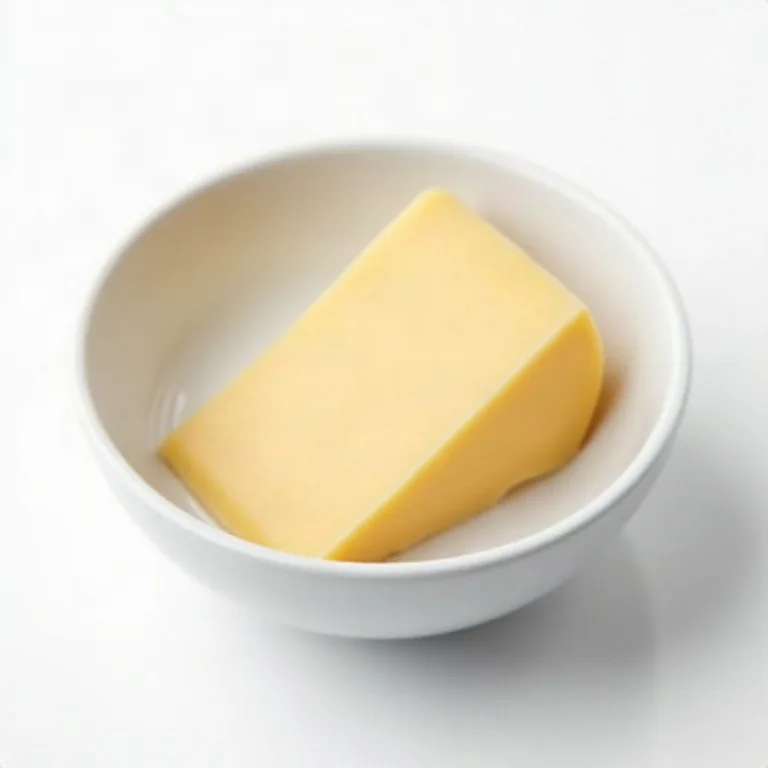 İzmir tulum cheese
 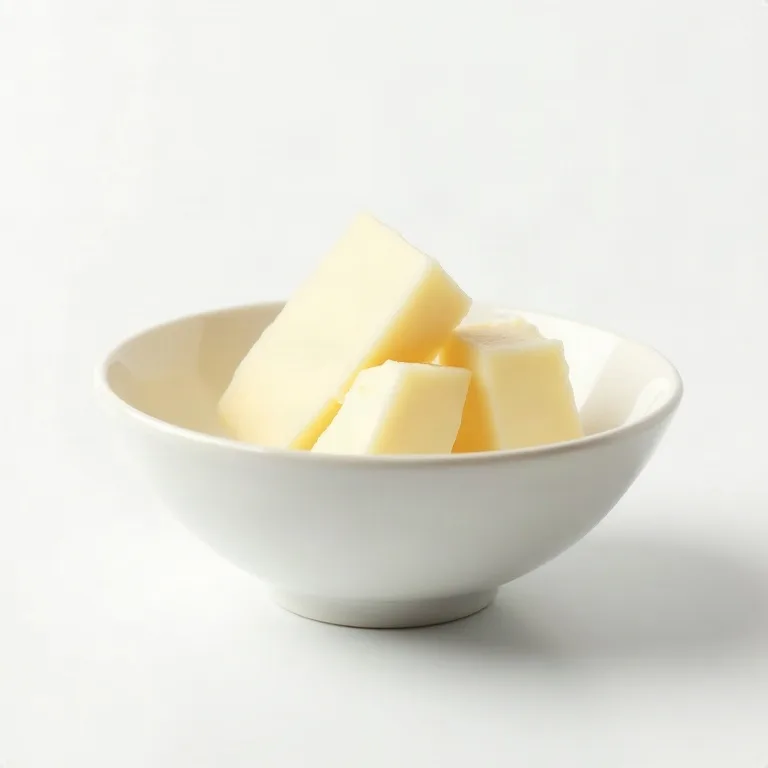 Fresh kaşar cheese
 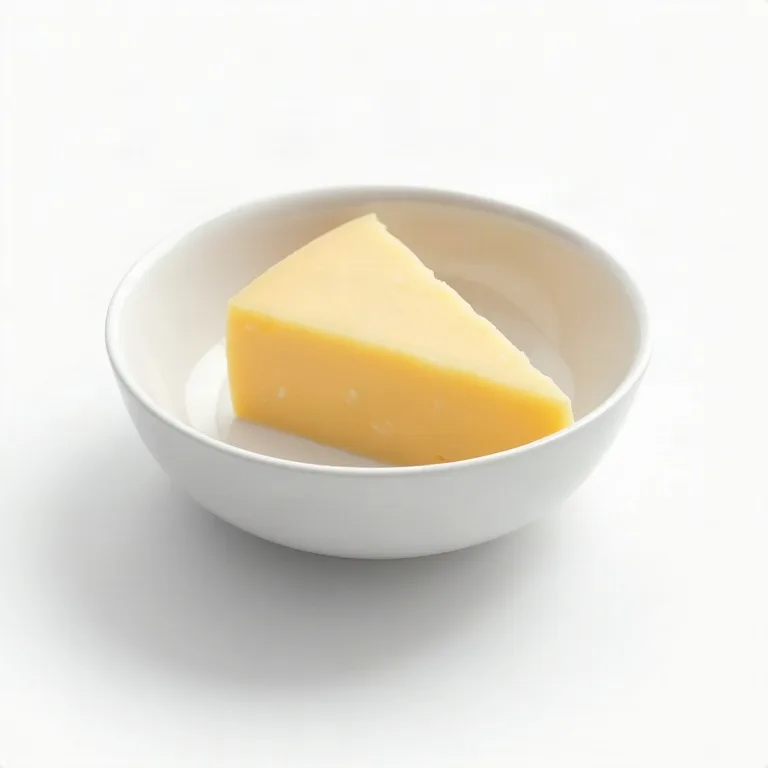 Van herbed cheese
Butter
→
Olive oil or tahini
Butter is 16% water, olive oil is pure fat. Swapping one for one in a dough makes it slack; use about 85% of the weight.
Turkish cooking is unexpectedly rich on the vegan side: almost every olive oil dish, most pulse dishes and a large share of the mezze table contain no animal product at all.
1 dishes in the database satisfy it.
The one genuine gap is B12: plant foods have no reliable source and a supplement is needed. Iron from plants is non-haem and poorly absorbed — pairing it with vitamin C (lemon, pepper, parsley) raises absorption markedly.
Butter is 16% water, olive oil is pure fat. Swapping one for one in a dough makes it slack; use about 85% of the weight.
Plant yoghurts split more readily with heat; stabilise with a spoon of starch before adding to anything hot.
One egg equals a tablespoon of ground flax plus three of water. Aquafaba whips to a near-meringue foam.
This is not a list of things that work if you modify them. Under each dish is the reason it qualifies: some as they are, some in one of their own forms, some only once you have read the packet. A dish with an ingredient we cannot verify is left out, because a wrong badge is a health risk.
Nothing matches that.