
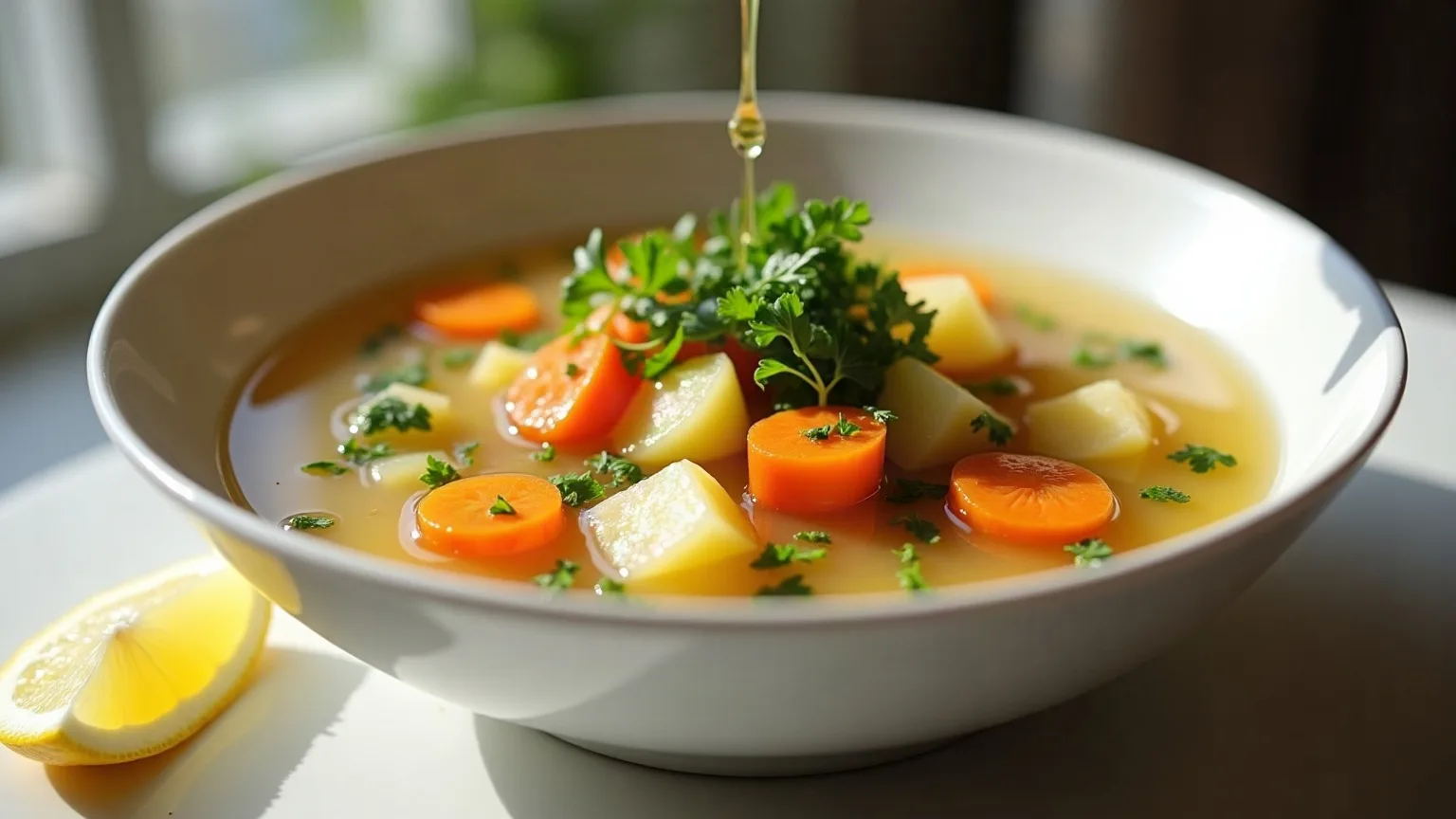
Vegetable soup
Throwing everything in at once is easy and wrong. These vegetables differ twofold in cooking time, and knowing the order is the only skill involved.
Soups · Turkish · Budget · One pot · Freezes well · Uses leftovers · Vegan · Seasonal
- Preparation
- 15 min
- Cooking
- 30 min
- Difficulty
- Easy
- Cost
- Very cheap
- Season
- All year
Vegetable soup is a dish without a recipe: it is made from whatever is in the house. It does have a structure, though, and the structure is an order from firm to soft — roots twenty minutes, non-root vegetables ten, leaves three. Without that order the courgette has collapsed while the carrot is still raw, and the soup gets defended as "well, it is vegetable soup".
Method
- Sort the vegetables into three groups by firmness: roots, non-roots, leaves.
- Cut them all the same size, 1.5 cm dice: equal size means equal cooking.
You will need: A pan · A sharp knife
-
Soften the onion in the oil for five minutes, add the tomato and cook five minutes until its water has gone.
Look for It should thicken enough to leave a trail on the base of the pan.
Why Driving the tomato’s water off and then adding water gives a more concentrated base than dropping the same tomato into water: the sugars concentrate and partly caramelise.Starch gelatinised The granules soaked up water, swelled and burst into a network. It has thickened, and it will firm further as it cools. no way back
-
Add the potato, carrot and celeriac with the water, and boil twenty minutes.
Look for A knife tip should meet slight resistance in the carrot; it does not need to be soft yet, there are ten minutes to go.
Why The pectin in a root vegetable’s cell walls dissolves with heat and that takes twenty minutes; put in with the courgette, one is raw while the other is purée.Starch gelatinised The granules soaked up water, swelled and burst into a network. It has thickened, and it will firm further as it cools. no way back
-
Add the courgette and the salt and give it eight minutes more.
Look for The cubes should keep their edges rather than going shapeless.
Why A courgette is 95% water with thin cell walls: eight minutes softens it, twenty dissolves it. If you want to see courgette in the bowl, this is the timing.If it went wrong
If the courgette has collapsed, no matter: blend the soup and serve it as a cream of vegetable. The same taste in a different presentation.
Starch gelatinised The granules soaked up water, swelled and burst into a network. It has thickened, and it will firm further as it cools. no way back
Salt · 0.29% Low. Everything reads flat and nothing steps forward.
-
Off the heat, stir in the chopped parsley, cover and wait two minutes.
Look for The parsley should stay bright green.
Why Parsley’s aroma is gone within minutes above 60 °C and its colour yellows; off the heat it keeps both its smell and its green.Starch gelatinised The granules soaked up water, swelled and burst into a network. It has thickened, and it will firm further as it cools. no way back
Salt · 0.29% Low. Everything reads flat and nothing steps forward.
This recipe was run through the engine step by step — what goes in when, and at what temperature and for how long. The reactions above come from that run.
peak 140 °C · 40 minutes · engine 1.0.0 · confidence low
After the heat goes off
Hot, with olive oil poured over. Lemon for whoever wants it, though if the vegetables are speaking for themselves it is not needed.
Four days in the fridge — there is no dairy in it, so it keeps well. The courgette softens by the second day.
Five minutes on a low flame. Refresh the parsley after heating rather than before.
Three months, though the courgette falls apart on thawing. If it is for the freezer, leave the courgette out and add it on the day.
Blended and reduced it is a cream soup; strained and the solids mashed it is a börek filling; as it is, it is the water for a pilaf.
From six months a baby can have it: unsalted, blended and with olive oil stirred in, it works as a first vegetable purée. For 12–36 months the diced version can be eaten with fingers, provided the cubes are under 1 cm.
- Celeriac → Turnip root Turnip cooks in the same time and belongs to the same group; the aniseed note of celeriac goes and a sharper one arrives.
- Water → Meat stock Stock deepens it markedly and stops it being vegan.
- Boiling & poaching The method this recipe rests on
- Potato What it does in heat, water and acid
- Tomato What it does in heat, water and acid
- Courgette What it does in heat, water and acid
- Broccoli soup Similar method, or something that sits on the same table
- Pumpkin soup Similar method, or something that sits on the same table
- Celeriac soup Similar method, or something that sits on the same table
- Budget Other recipes that answer the same need
- One pot Other recipes that answer the same need
- Freezes well Other recipes that answer the same need
- Uses leftovers Other recipes that answer the same need
- Vegan Other recipes that answer the same need
- Seasonal Other recipes that answer the same need
What it tastes like
No axis sits clearly above the average: a balanced recipe.
This profile is computed rather than measured: the role-weighted average of its ingredients’ taste vectors, shifted by what the cooking does. The thin line is the database average on that axis.
Closest in taste
Not hand-picked: ranked by distance across the eight taste axes.
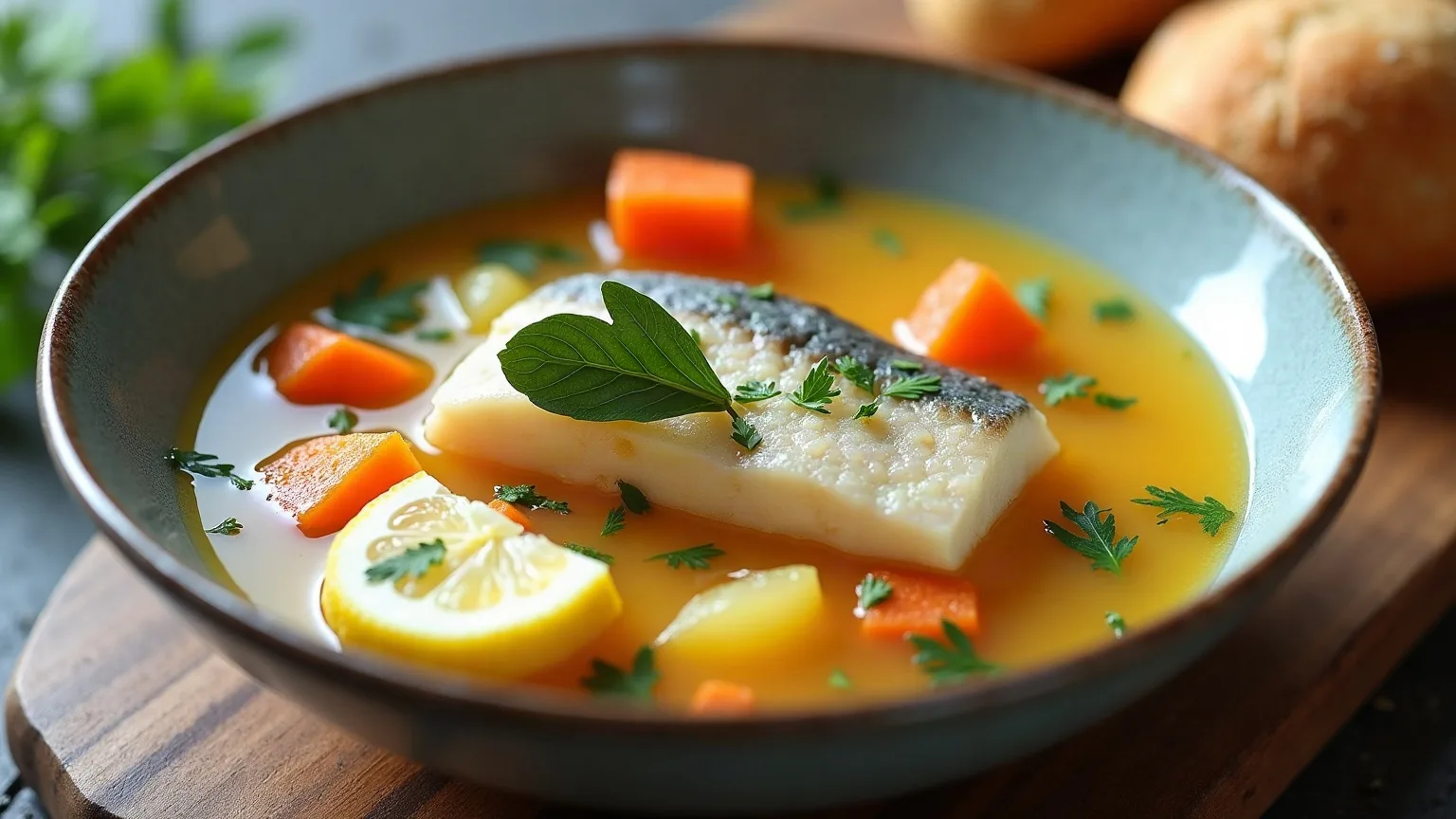
Fish soup
A fish stock is made in twenty minutes and ruined in twenty-five. Unlike meat stock, long cooking here does damage.…
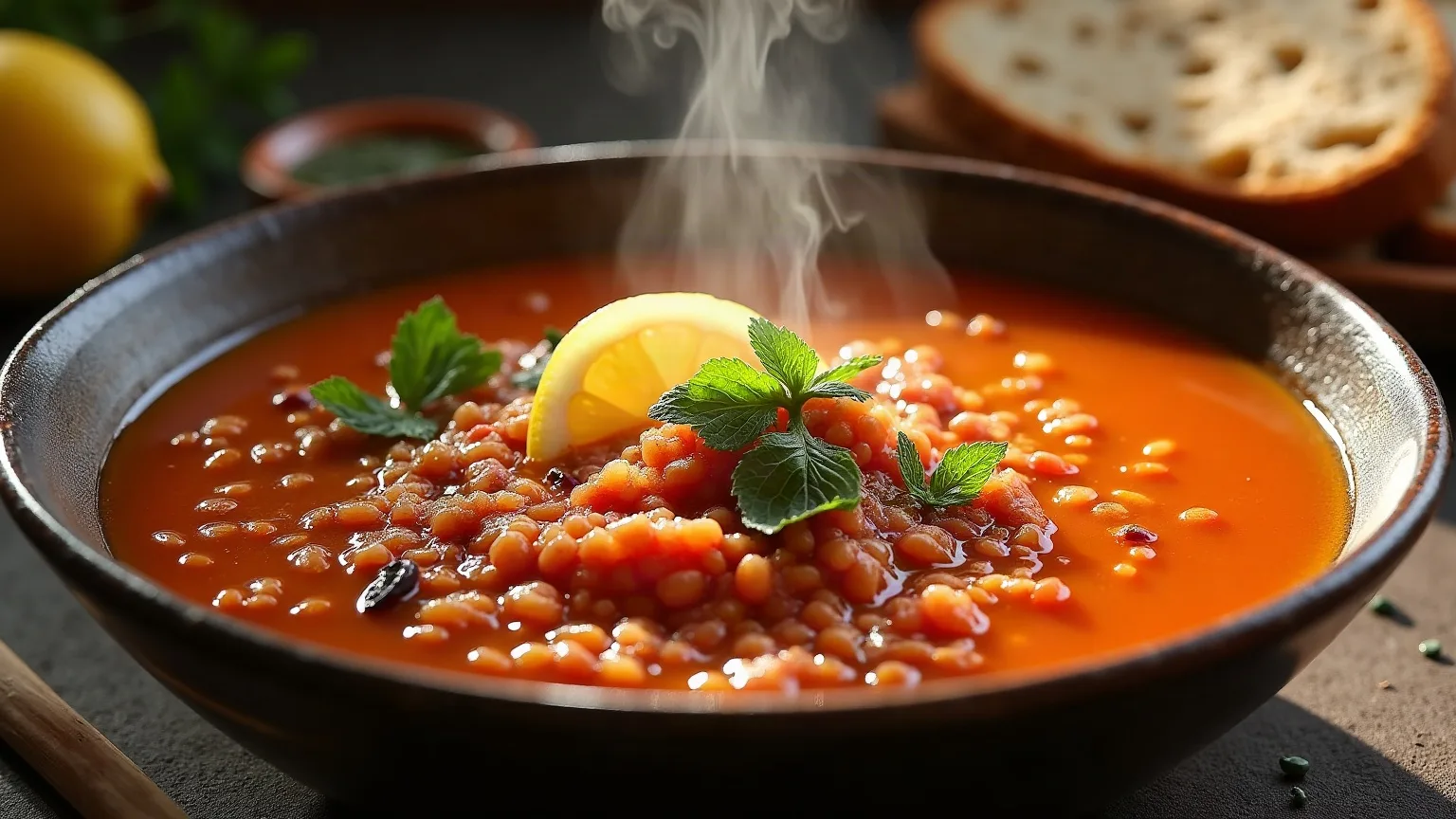
Ezogelin soup
The lentil soup’s cousin, with bulgur, tomato paste and mint. The difference is one step: the paste is fried in the fat.…
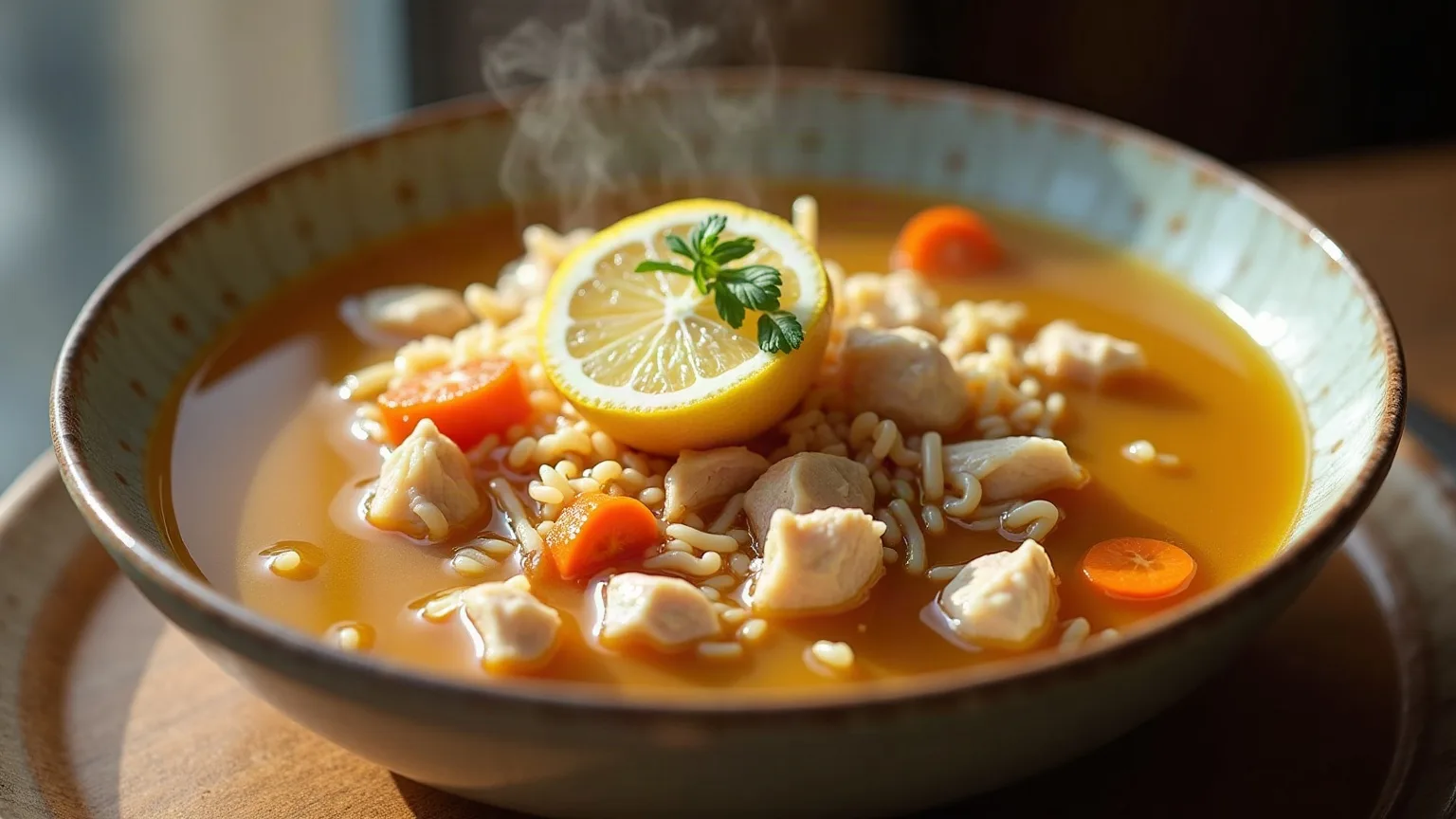
Chicken broth soup
What makes a broth clear is not the ingredients but the temperature: a pan that passes 95 °C guarantees a cloudy one.…
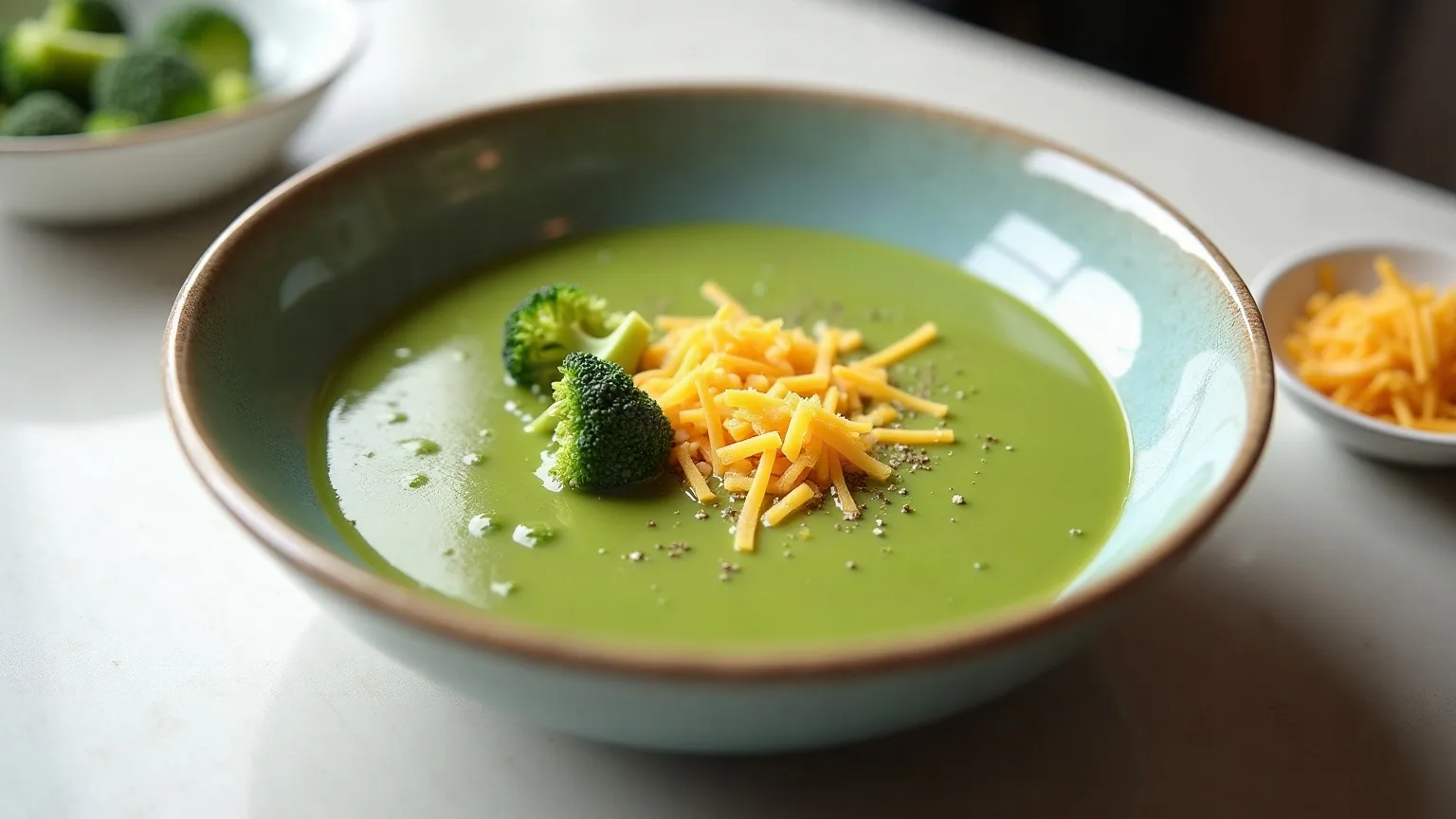
Broccoli soup
One rule for keeping it green: no lid, and not a minute over eight.…