
Onion soup
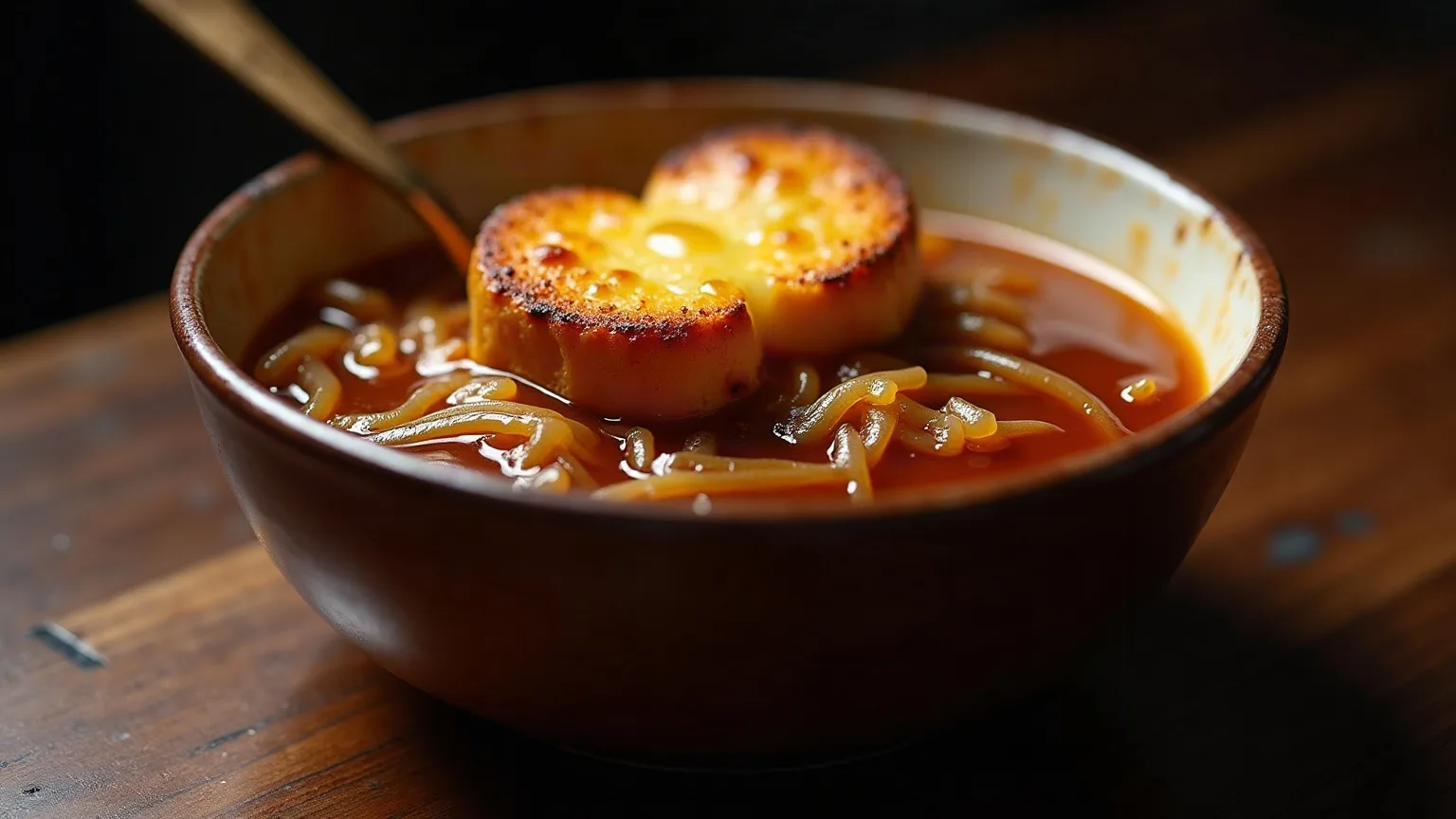
Forty minutes of frying onions sounds long. Stop at thirty and the soup comes out sharp instead of sweet: the time is the recipe.
Soups · French · Budget · One pot · For guests
- Preparation
- 10 min
- Cooking
- 55 min
- Difficulty
- Needs attention
- Cost
- Very cheap
- Season
- Autumn, Winter
The best known soup of the French kitchen and the textbook demonstration of caramelisation. The fructose and glucose in an onion caramelise from 110 °C, while its sulphur compounds break down with heat and lose their bite. What is left after forty minutes is a paste you would struggle to believe began as the same vegetable.
Method
- Slice the onions with the grain, 3 mm thick: cut against it they disintegrate over forty minutes.
- Slice the bread and dry it ten minutes at 160 °C.
You will need: A heavy-based wide pan · Oven-proof bowls
-
Fry the onions in the butter over a medium-low flame for forty minutes, stirring now and then. Keep the lid on for the first fifteen.
Look for The colours in order: translucent, straw, gold, deep amber. Do not stop before amber. A brown layer should build on the base of the pan.
Why The lid lets the onions release their own water, which stews them soft. Once it comes off the water goes, the temperature climbs past 110 °C and caramelisation begins. Raising the flame to hurry it does not work: what you get then is burning rather than caramelising.If it went wrong
If the layer on the base starts to blacken, add 50 ml of water and scrape: the water dissolves it, the pan is clean and the flavour goes into the soup. The move is called deglazing and can be repeated every ten minutes.
Starch gelatinised The granules soaked up water, swelled and burst into a network. It has thickened, and it will firm further as it cools. no way back
If you want a crust, do not stay under 140 °C. Food cooks at this heat but never colours.
-
Add the flour and stir two minutes, then add the water gradually and simmer fifteen minutes with the thyme and salt.
Look for The soup should be deep brown with the onion strands still distinguishable.
Why The flour gives it a little body: caramelised onion alone leaves a thin soup that will not sit on a spoon.Starch gelatinised The granules soaked up water, swelled and burst into a network. It has thickened, and it will firm further as it cools. no way back
A gluten web is forming Gliadin and glutenin hydrated into an elastic net. This is what will hold the gas. no way back
Salt · 0.32% Low. Everything reads flat and nothing steps forward.
-
Divide the soup between oven-proof bowls, top each with dried bread and grated kaşar, and bake at 200 °C for eight minutes until the top browns.
Look for The cheese should bubble and brown in patches.
Why The bread is dried first so it does not dissolve on contact; dry crumb takes the liquid up slowly, and the layer of cheese seals it from above.Starch gelatinised The granules soaked up water, swelled and burst into a network. It has thickened, and it will firm further as it cools. no way back
A gluten web is forming Gliadin and glutenin hydrated into an elastic net. This is what will hold the gas. no way back
Salt · 0.29% Low. Everything reads flat and nothing steps forward.
This recipe was run through the engine step by step — what goes in when, and at what temperature and for how long. The reactions above come from that run.
peak 200 °C · 65 minutes · engine 1.0.0 · confidence low
After the heat goes off
In its bowl, very hot. The spoon breaks through the cheese to reach the soup: that is how the dish is built.
The soup keeps three days; the bread and cheese go on at serving, since done earlier they turn to mush.
Five minutes on a low flame, then repeat the oven step.
The soup alone freezes for three months and loses none of the caramelised flavour.
Caramelised onion on its own is worth keeping: it goes into pasta, a sandwich, onto meat or into an omelette. Making double and storing half is the sensible move.
Suitable from twelve months and usually liked, because caramelised onion is sweet. For 12–36 months lift their share before the salt and cut the cheese. The bread-and-cheese crust can be tough for a toddler, so serve their soup without it.
- Water → Meat stock The classic recipe wants beef stock and the soup deepens markedly; made with water it stays vegetarian and the onion speaks for itself.
- Fresh kaşar cheese → White cheese White cheese softens rather than melting: no crust forms, but you get a salty layer.
- Caramelisation The method this recipe rests on
- Bulb onion What it does in heat, water and acid
- Bread What it does in heat, water and acid
- Fresh kaşar cheese What it does in heat, water and acid
- Flour soup Similar method, or something that sits on the same table
- Tomato soup Similar method, or something that sits on the same table
- Mushroom soup Similar method, or something that sits on the same table
- Budget Other recipes that answer the same need
- One pot Other recipes that answer the same need
- For guests Other recipes that answer the same need
What it tastes like
The axes that define this recipe: bitter 32, aroma 60, sweet 28.
This profile is computed rather than measured: the role-weighted average of its ingredients’ taste vectors, shifted by what the cooking does. The thin line is the database average on that axis.
Closest in taste
Not hand-picked: ranked by distance across the eight taste axes.
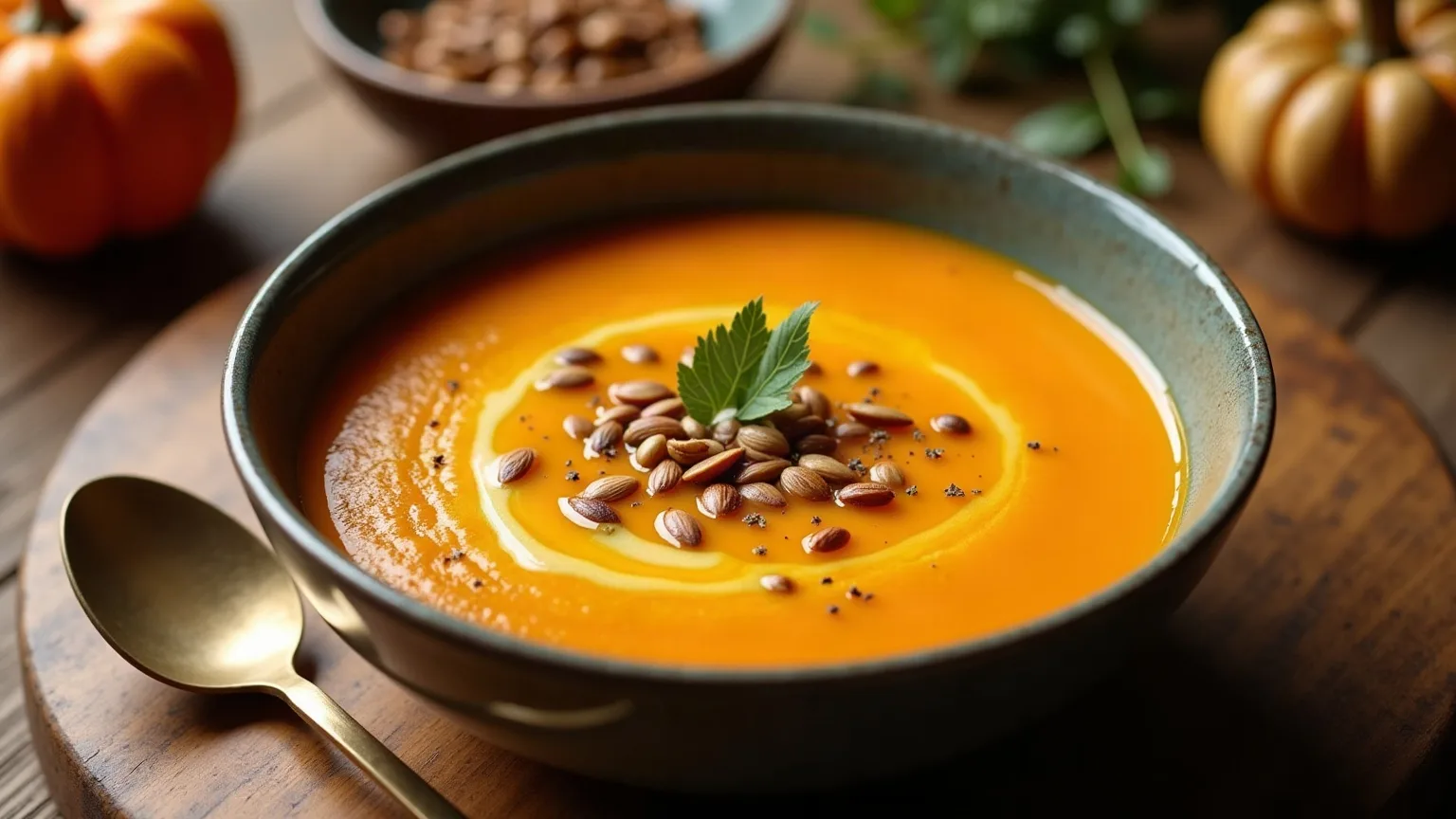
Pumpkin soup
Boiled pumpkin gives a watery, flat soup. Roasted pumpkin is the same vegetable and a completely different soup.…
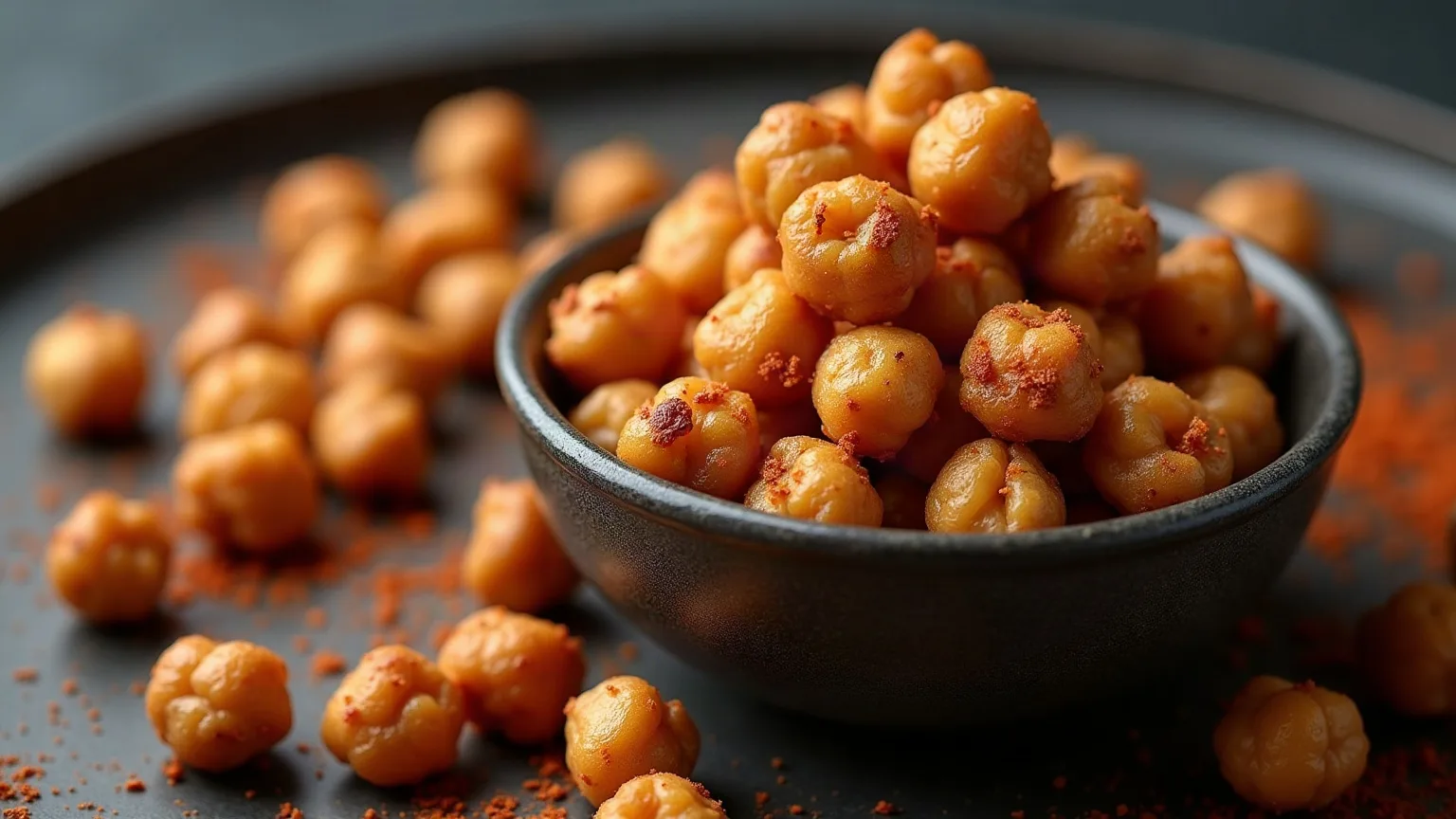
Roasted chickpeas
The crunch is drying, not browning: while there is free water on the surface the chickpea stays soft. The spices wait un…
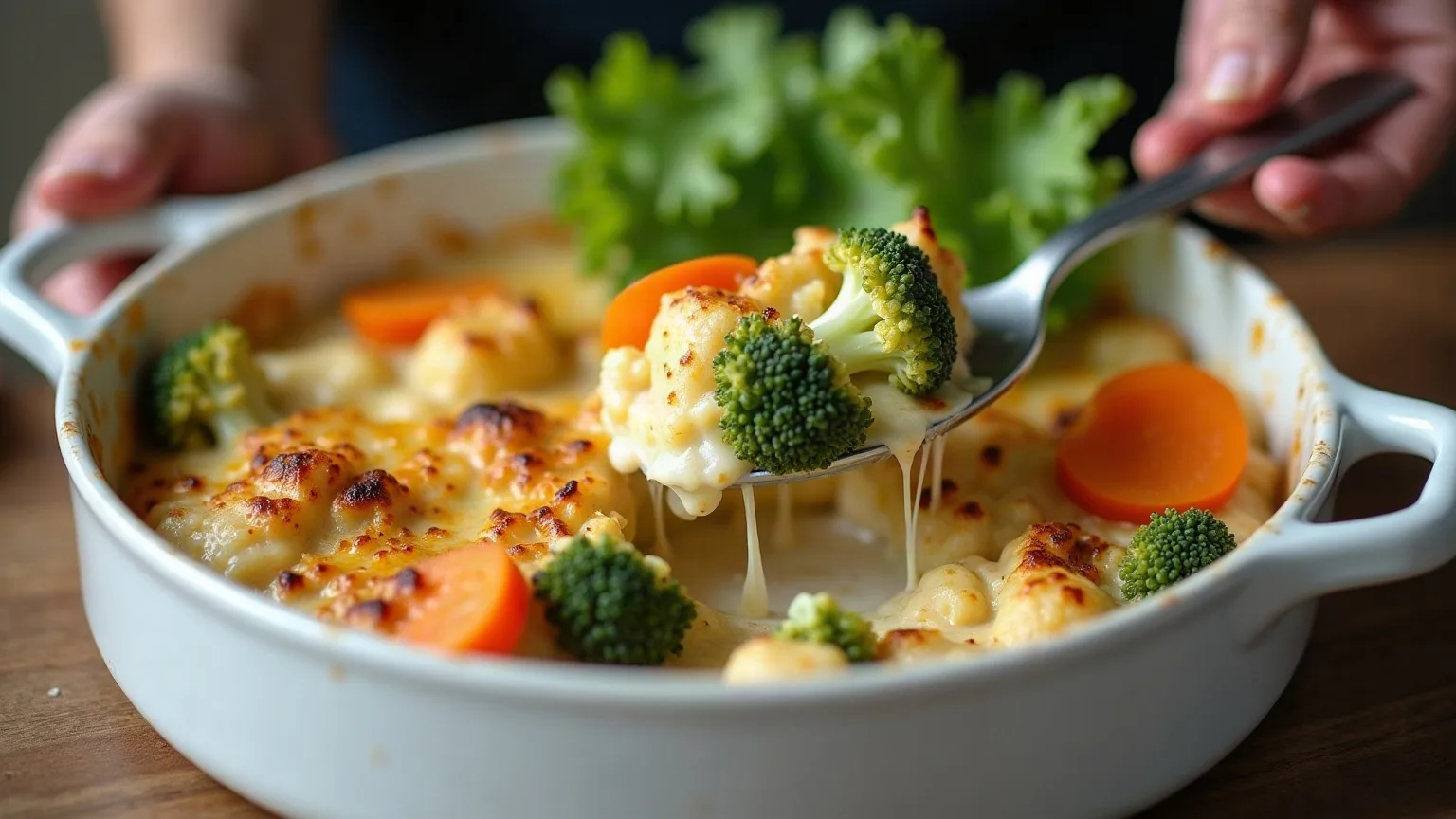
Vegetable gratin
A lump-free béchamel is not a knack but a question of temperature difference: hot milk into hot roux, or cold into cold.…
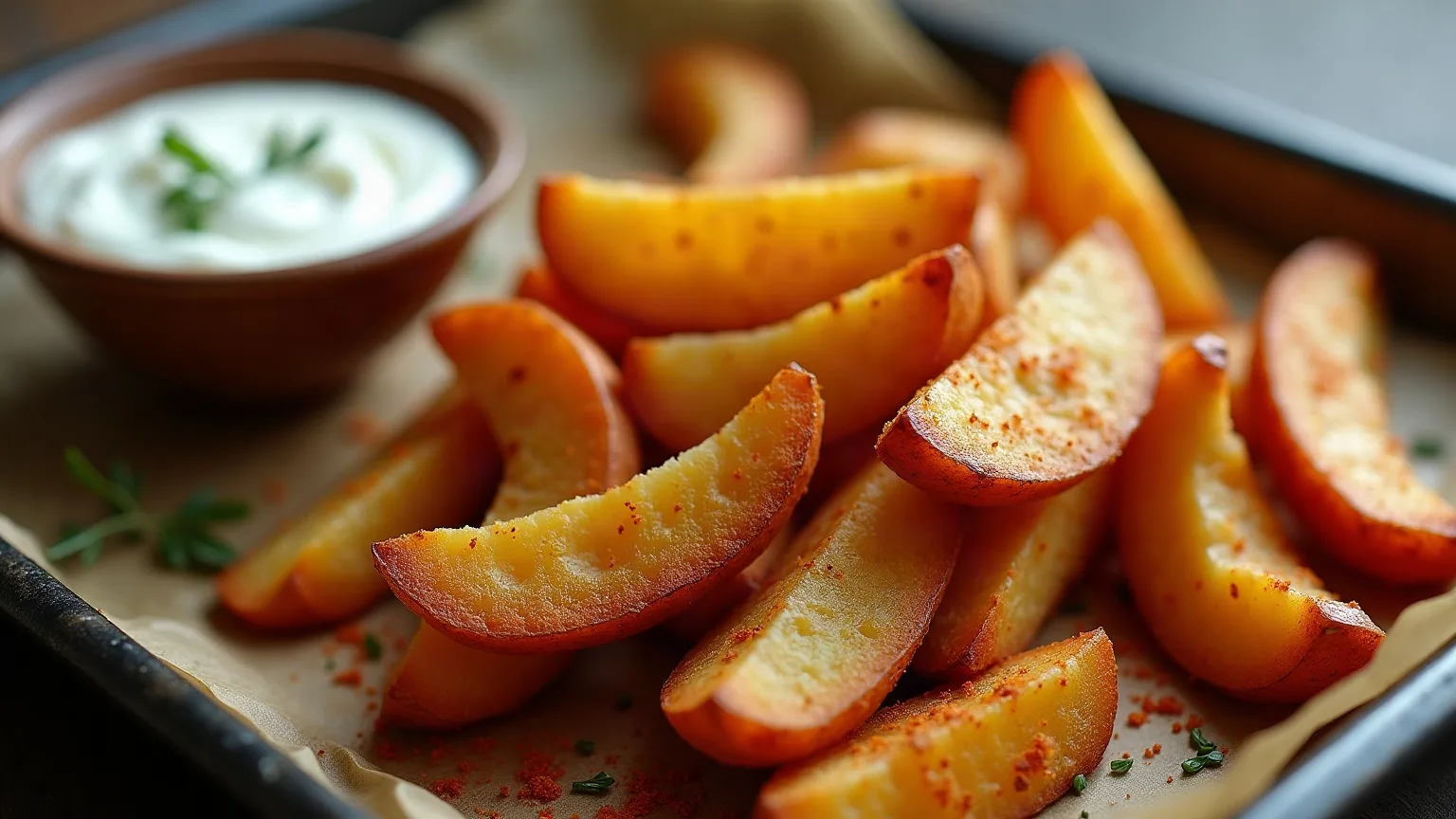
Oven potato wedges
The secret of a crisp wedge is not in the oven but before it: a boil and a shake. Without roughening the surface there i…