
Taş kebabı
It is called a kebab and there is no fire in it: two hours in a covered pan in its own juice. Collagen becoming gelatin asks for nothing but time.
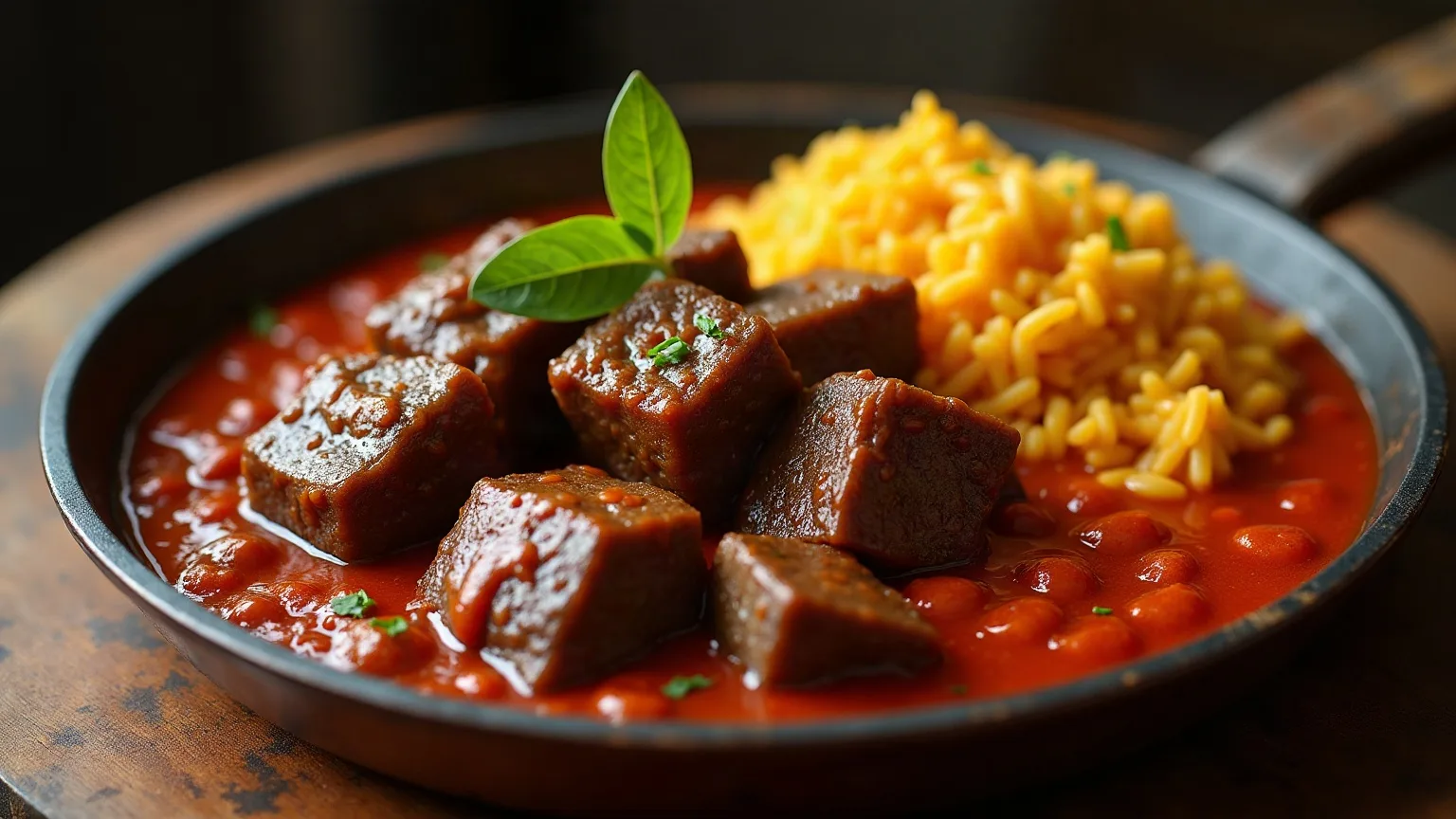
Meat dishes · Central Anatolia · One pot · For guests · Freezes well · Weekend batch
- Preparation
- 15 min
- Cooking
- 120 min
- Difficulty
- Needs attention
- Cost
- Dear
- Season
- Autumn, Winter
Taş kebabı is named either for the stone pot it was cooked in or for the hot stone it was once made on; today it is a pan. It uses hard-working muscles — neck, scrag, shank — and that is a choice rather than an economy: those cuts are rich in collagen, which over long cooking becomes gelatin and gives both tenderness to the meat and body to the sauce. Made with fillet, it comes out dry.
Method
- Pat the meat dry and let it come to room temperature.
- Cut the onions into thick half-moons: they will collapse over two hours and become the body of the sauce.
You will need: A heavy-based pan with a lid
-
Sear the meat in the butter in batches until browned all over, and set it aside in a bowl.
Look for A dark brown layer should build on the base. If the meat stays grey, the pan is crowded.
Why Searing does not seal juices in — that is a common and wrong belief — but the Maillard reaction creates hundreds of new aroma compounds. The depth on the plate after two hours comes from these first five minutes.If it went wrong
If that layer starts to blacken, add 50 ml of hot water and scrape: the flavour goes into the liquid and the pan is saved.
Maillard is running Amino acids have met reducing sugars. The crust, the roasted flavour and that smell all come from here. no way back
Frying dynamics Surface water is flashing to steam and pushing outward — that is the shield keeping the oil out. no way back
-
Soften the onions in the same pan for ten minutes, until golden.
Look for The base should come clean and the onions take on a deep colour.
Why The onion’s own water dissolves the brown layer on the base and carries it into the sauce, which is why the pan is not washed after the meat comes out.Starch gelatinised The granules soaked up water, swelled and burst into a network. It has thickened, and it will firm further as it cools. no way back
Maillard is running Amino acids have met reducing sugars. The crust, the roasted flavour and that smell all come from here. no way back
-
Stir the paste for a minute, then add the tomato, bay, pepper, meat and hot water. Once it boils, take the flame right down and cook COVERED for a hundred minutes.
Look for A few bubbles a minute on the surface. Anything more and the flame is too high.
Why Collagen converts to gelatin above 70 °C, but the conversion takes hours. Boiling does not speed it up, it only contracts the muscle fibres and dries the meat; the right temperature is 85–90 °C and the right measure is a very slow blip.If it went wrong
If the meat is still tough after two hours it is undercooked rather than overcooked: give it thirty minutes more. Toughness is almost always a sign of too little time.
Starch gelatinised The granules soaked up water, swelled and burst into a network. It has thickened, and it will firm further as it cools. no way back
-
Add the salt for the last twenty minutes and take the lid off to let the sauce reduce.
Look for The sauce should coat the back of a spoon and move slowly when the pan is tilted.
Why Salted at the start, two hours of evaporation leaves the sauce far too salty. Taking the lid off for the last twenty minutes brings it to a consistency that holds on a spoon.Starch gelatinised The granules soaked up water, swelled and burst into a network. It has thickened, and it will firm further as it cools. no way back
Salt · 0.53% Low. Everything reads flat and nothing steps forward.
This recipe was run through the engine step by step — what goes in when, and at what temperature and for how long. The reactions above come from that run.
peak 210 °C · 138 minutes · engine 1.0.0 · confidence low
What can go wrong here
The meat came out dry and tough⌄
What happened
The meat passed 70 °C. Past that point the muscle fibres contract and wring out their water, while collagen never gets the time to turn into gelatine. It loses moisture and never tenderises.
By the numbers
Beef medium at 57 °C, chicken at 74 °C. Rest it for 10 minutes off the heat; unrested meat leaves its juice on the plate.
Without a thermometer
The palm test: touch thumb to index finger and press the pad below your thumb — that firmness is rare. Middle finger is medium, ring finger is well done. Watch the juice too: pinkish and clear means you are there, running white means you went too far.
After the heat goes off
Hot, with rice or purée, and all the sauce onto the plate. It sets to a jelly as it cools, which is a good sign.
Four days in the fridge and better on the second: the gelatin and the fat settle into the flavour as they cool.
Ten minutes on a low flame with a little water. Long-cooked meat takes reheating very well.
Four months, and one of the best dishes for it: gelatin survives freezing without trouble and the texture is unchanged.
The leftover meat, shredded, goes onto a pide, into a börek or into a pasta sauce; the sauce alone goes over rice.
Long-cooked meat is ideal for children: the fibres have separated and it is easy to chew. For 12–36 months shred it with a fork and lift their share before the salt — the sauce is soft and without heat. For a baby under one take a ladleful before the salt and mash the meat well.
- Lamb → Red meat Beef shin or chuck does the same job but wants thirty minutes more: beef collagen is more stubborn than lamb’s.
- Lamb → Lamb foreshank Shank, being on the bone, gives the sauce more gelatin; the same time, a richer result.
- Boiling & poaching The method this recipe rests on
- Lamb What it does in heat, water and acid
- Bulb onion What it does in heat, water and acid
- Tomato What it does in heat, water and acid
- Lamb casserole Similar method, or something that sits on the same table
- Slow-roast lamb shank Similar method, or something that sits on the same table
- Saç kavurma Similar method, or something that sits on the same table
- One pot Other recipes that answer the same need
- For guests Other recipes that answer the same need
- Freezes well Other recipes that answer the same need
- Weekend batch Other recipes that answer the same need
What it tastes like
No axis sits clearly above the average: a balanced recipe.
This profile is computed rather than measured: the role-weighted average of its ingredients’ taste vectors, shifted by what the cooking does. The thin line is the database average on that axis.
Closest in taste
Not hand-picked: ranked by distance across the eight taste axes.
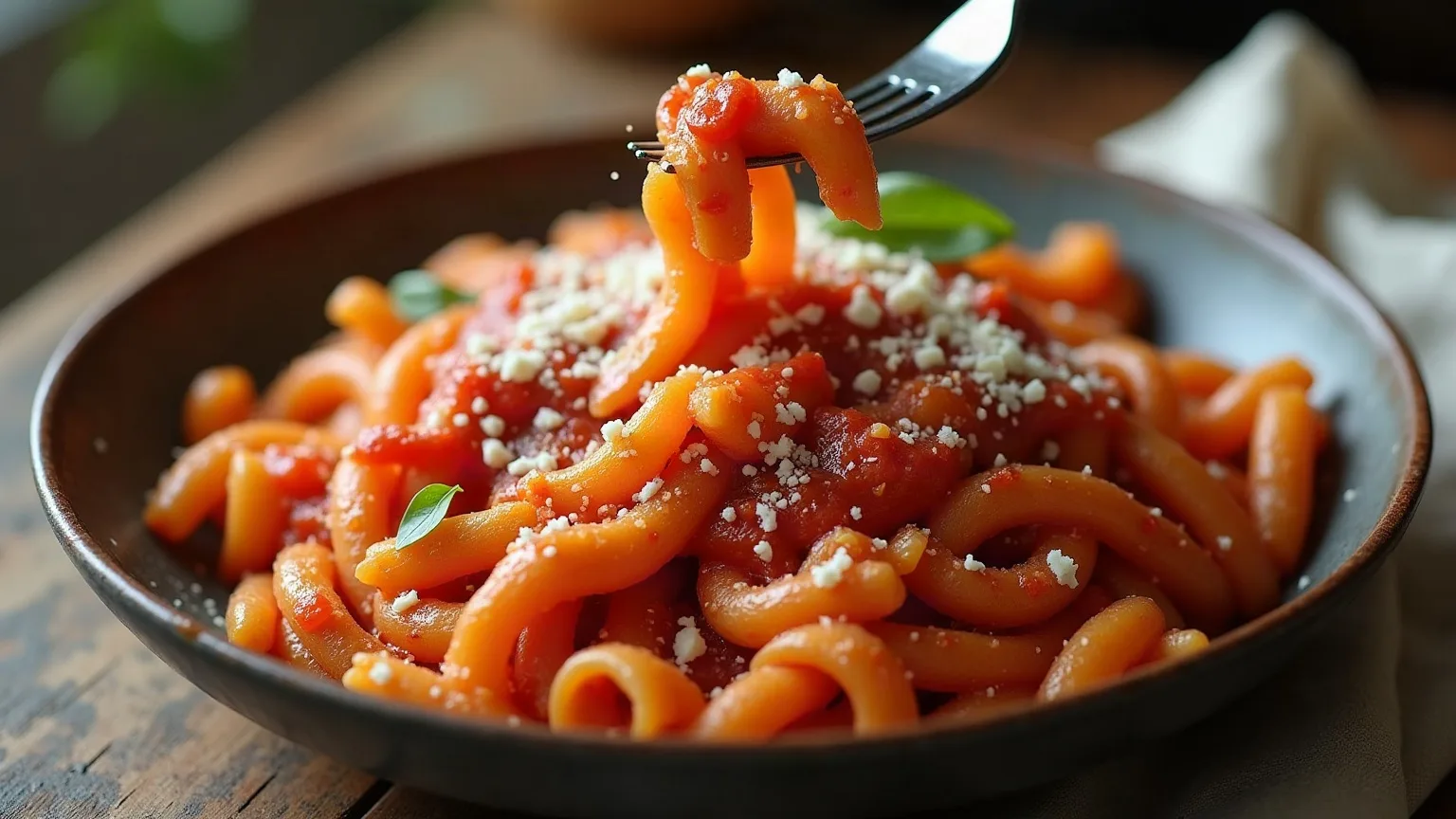
Pasta with tomato paste
There is no sauce until the paste has been fried: raw paste stays sour and metallic.…
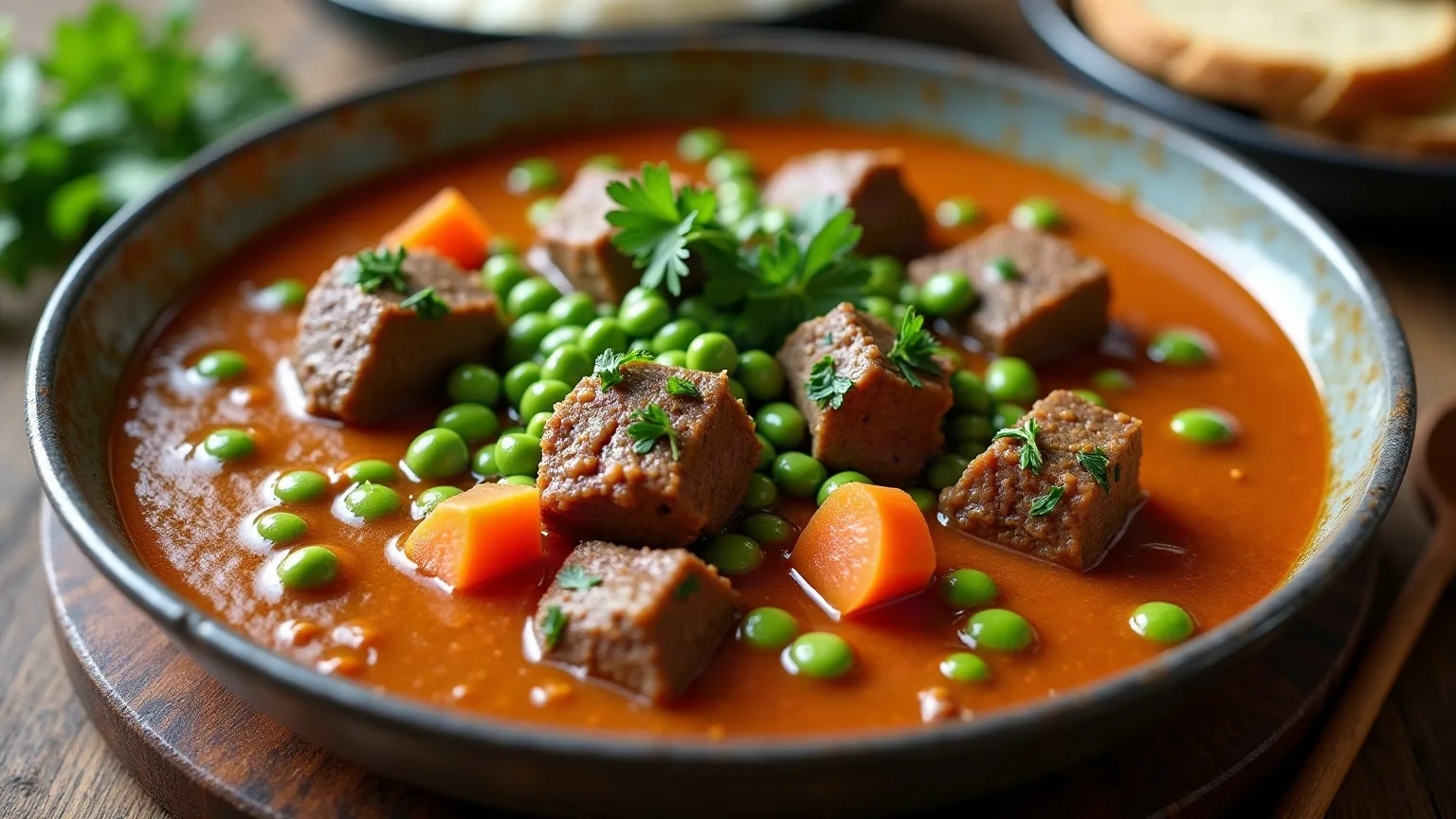
Lamb and pea stew
The peas go in last. Boiled with the meat from the start they lose both their colour and their texture.…
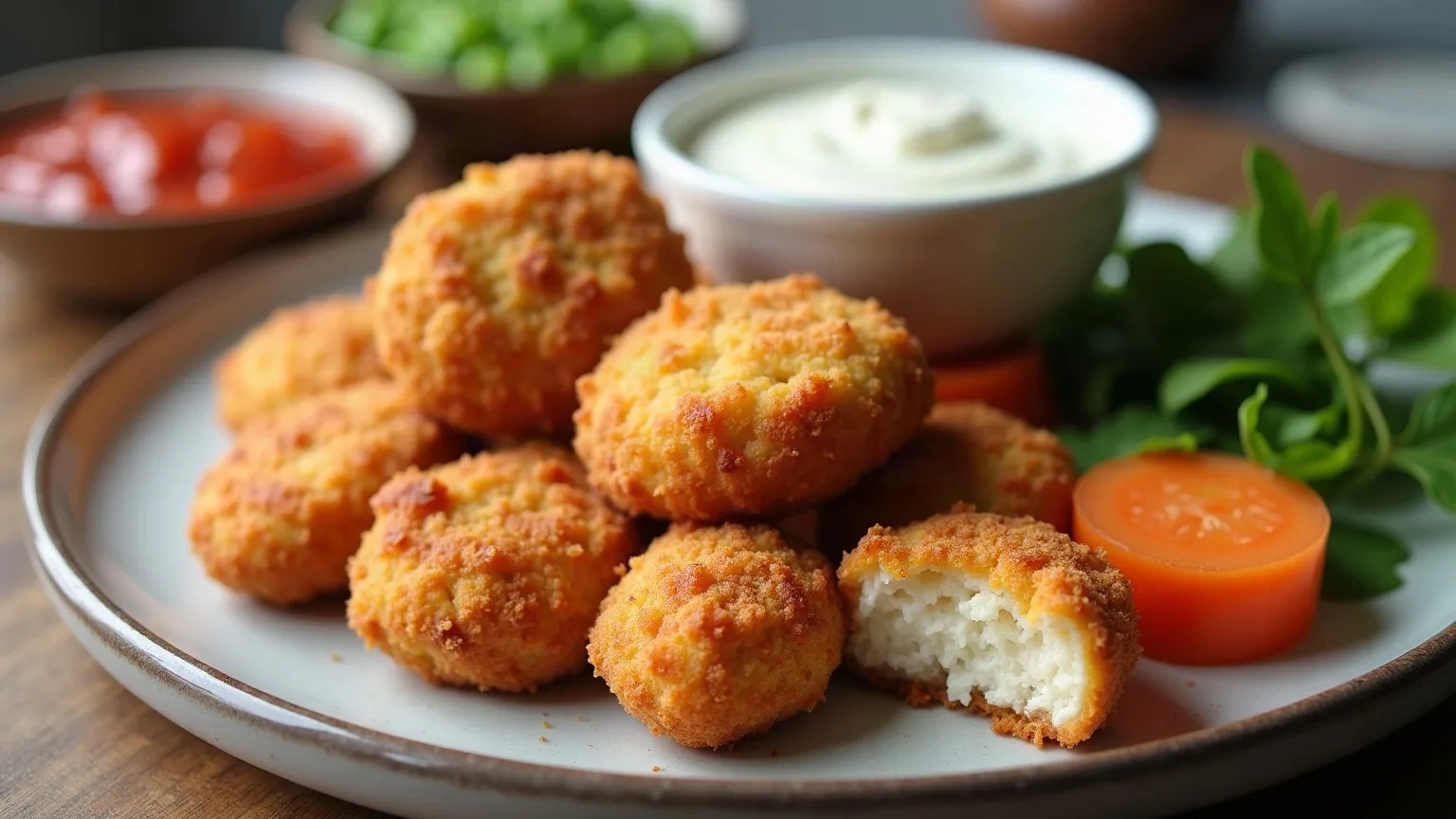
Home-made chicken nuggets
Half the meat in a shop nugget is skin, cartilage and water. At home you know what is in it, and the difference shows up…
Tutmaç soup
Yoghurt, chickpeas and noodles cut into squares: a soup a thousand years old, named in Kaşgarlı Mahmud’s dictionary.…