
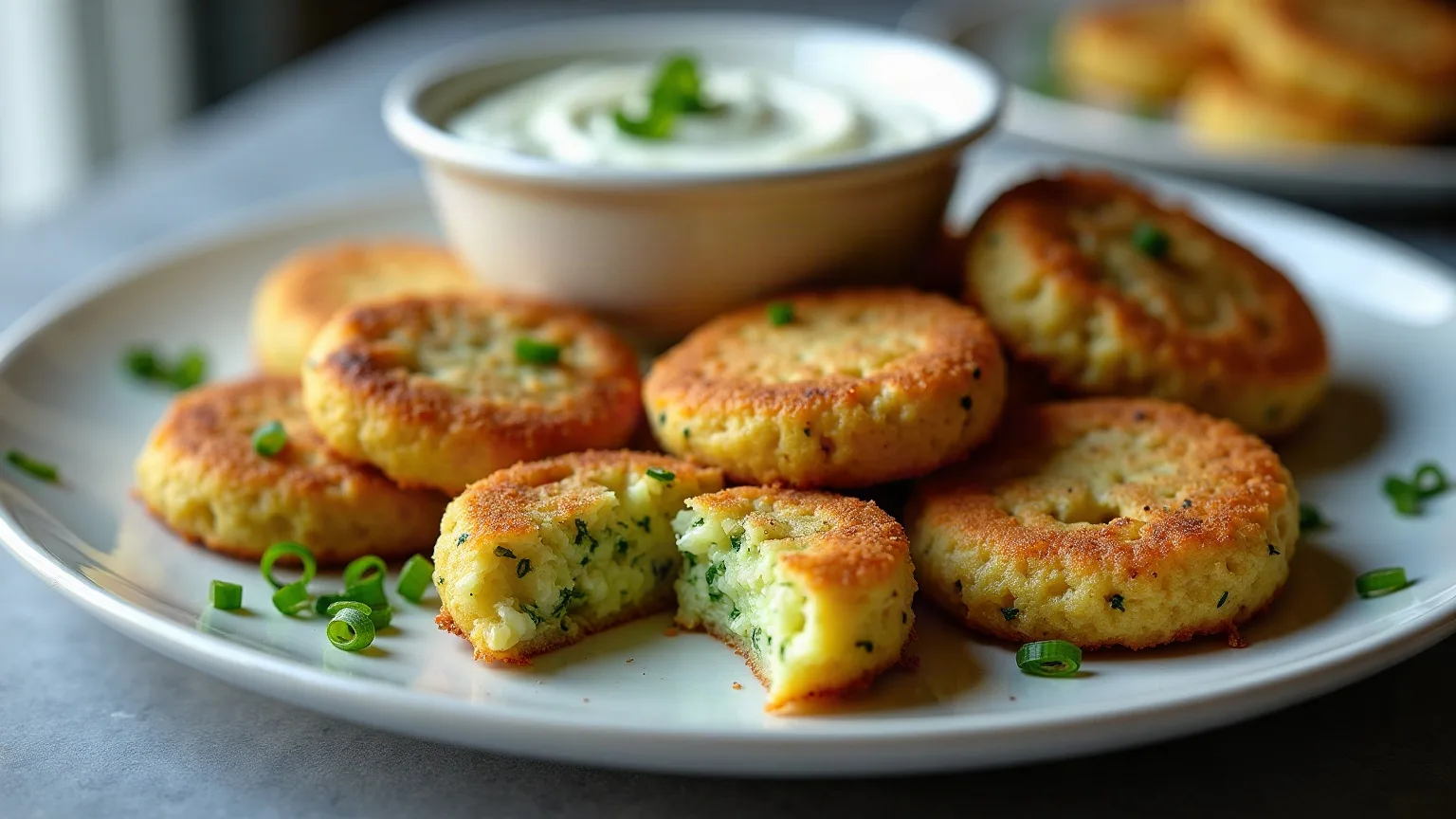
Courgette fritters
A mücver made without squeezing the courgette falls apart. One courgette gives up half a glass of water, and with that water in the batter nothing binds.
Vegetable dishes · Turkish · Under 30 minutes · Budget · School lunchbox · Snacks for children · Seasonal
- Preparation
- 25 min
- Cooking
- 15 min
- Difficulty
- Needs attention
- Cost
- Very cheap
- Season
- Summer
Mücver comes from the Ottoman kitchen and its name traces to the Persian mücevver. Technically it is a problem of consistency: a courgette is 95% water and most of that water is released once it is grated. Rubbed with salt and left fifteen minutes, it gives the water up by osmosis, and a batter made with the squeezed courgette holds without changing the flour ratio.
Method
- Grate the courgettes coarsely, rub them with 5 g of salt and leave them fifteen minutes in a sieve.
- Then SQUEEZE them hard in your hands and throw the water away.
You will need: A grater · A sieve · A wide pan
-
Rub the grated courgette with salt, leave it fifteen minutes and squeeze it completely dry.
Look for The squeezed courgette should stay in a ball in the hand and give no more water.
Why Salt draws the cell water out by osmosis. A medium courgette gives up 100–120 ml, and with that in the batter the flour is not enough and the fritter collapses in the pan.If it went wrong
If the batter is wet, add another tablespoon of flour and wait five minutes: it binds the water at the cost of a heavier texture. Do not skip the squeezing next time.
Salt · 0.92% Right in the window. Flavours sharpen, bitterness retreats, water is held.
-
Mix the squeezed courgette with the eggs, flour, crumbled cheese, spring onion, dill, parsley and baking powder.
Look for Lifted on a spoon the batter should keep its shape rather than running.
Why No more salt: the courgette was already salted and the cheese brings its own. The baking powder lightens the batter and leaves the inside open.Starch still asleep The granules are just floating there doing nothing. No body arrives before 62 °C.
A gluten web is forming Gliadin and glutenin hydrated into an elastic net. This is what will hold the gas. no way back
Salt · 0.79% Right in the window. Flavours sharpen, bitterness retreats, water is held.
-
Heat the oil over a medium flame, drop the batter in by the spoon and fry three or four minutes a side.
Look for Deep golden edges, and the fritter staying in one piece under the spatula.
Why Medium matters: on a high flame the outside darkens in two minutes while the egg inside has not set, and the fritter is raw. Around 170 °C is right for both the crust and the middle.Starch gelatinised The granules soaked up water, swelled and burst into a network. It has thickened, and it will firm further as it cools. no way back
A gluten web is forming Gliadin and glutenin hydrated into an elastic net. This is what will hold the gas. no way back
The egg is setting Too hot. The protein net over-tightened and pushed the water out: curdling and sponge. no way back
Maillard is running Amino acids have met reducing sugars. The crust, the roasted flavour and that smell all come from here. no way back
Frying dynamics Surface water is flashing to steam and pushing outward — that is the shield keeping the oil out. no way back
Salt · 0.72% Right in the window. Flavours sharpen, bitterness retreats, water is held.
Stay under 82 °C. Lower the heat or move to a bain-marie — a split custard never comes back.
This recipe was run through the engine step by step — what goes in when, and at what temperature and for how long. The reactions above come from that run.
peak 170 °C · 37 minutes · engine 1.0.0 · confidence low
What can go wrong here
The fried food went soggy and oily⌄
What happened
The oil was not hot enough. Surface water never flashed to steam and never pushed outward, so no shield formed and the oil walked straight in.
By the numbers
Hold the oil at 170–190 °C. Do not crowd the pan; every batch drops the oil 10–15 °C, so let it recover in between.
Without a thermometer
Drop in a cube of stale bread: golden in 30–40 seconds means 180 °C. Dark in 15 seconds is too hot; longer than a minute is too cold. Or stand a wooden spoon handle in the oil — a steady stream of small bubbles around it means you are there.
After the heat goes off
Hot or warm with garlic yoghurt. Good cold too, which is why it goes into a lunchbox.
Three days in the fridge with paper between them.
Six minutes at 200 °C, or a minute a side in a dry pan.
Two months cooked. Straight from the freezer into a 200 °C oven for ten minutes.
In bread, or with an egg as the next day’s breakfast.
The easiest way children eat a vegetable, and it is finger food. For 12–36 months leave the spring onion out and halve the cheese, which is where most of the salt is. For a baby under one make it without cheese or salt and bake it fifteen minutes at 190 °C.
- Courgette → Carrot Carrot works and holds far less water, so the squeezing drops to five minutes; the taste turns sweeter.
- White cheese → Lor whey cheese Lor is a lower-salt alternative; use a third more. No measured composition is held for lor, so the calculated figures do not count that line.
- Deep frying The method this recipe rests on
- Courgette What it does in heat, water and acid
- Egg What it does in heat, water and acid
- White cheese What it does in heat, water and acid
- Kaygana Similar method, or something that sits on the same table
- Fried courgette Similar method, or something that sits on the same table
- Roasted cauliflower Similar method, or something that sits on the same table
- Under 30 minutes Other recipes that answer the same need
- Budget Other recipes that answer the same need
- School lunchbox Other recipes that answer the same need
- Snacks for children Other recipes that answer the same need
- Seasonal Other recipes that answer the same need
What it tastes like
The axes that define this recipe: richness 46, umami 36.
This profile is computed rather than measured: the role-weighted average of its ingredients’ taste vectors, shifted by what the cooking does. The thin line is the database average on that axis.
Closest in taste
Not hand-picked: ranked by distance across the eight taste axes.
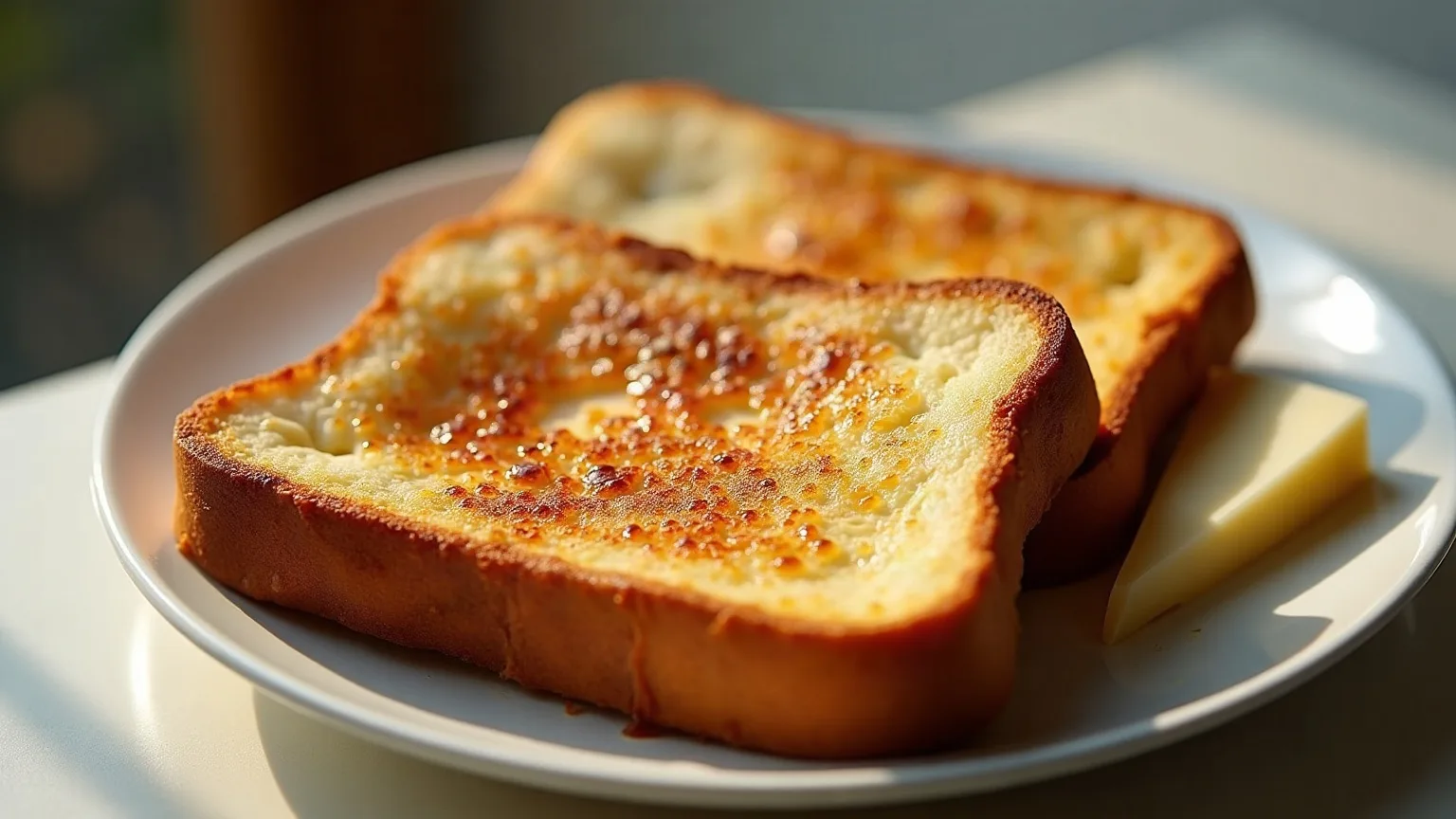
Eggy bread
The best use there is for stale bread. Fresh bread is no good here — it collapses before it has absorbed anything.…
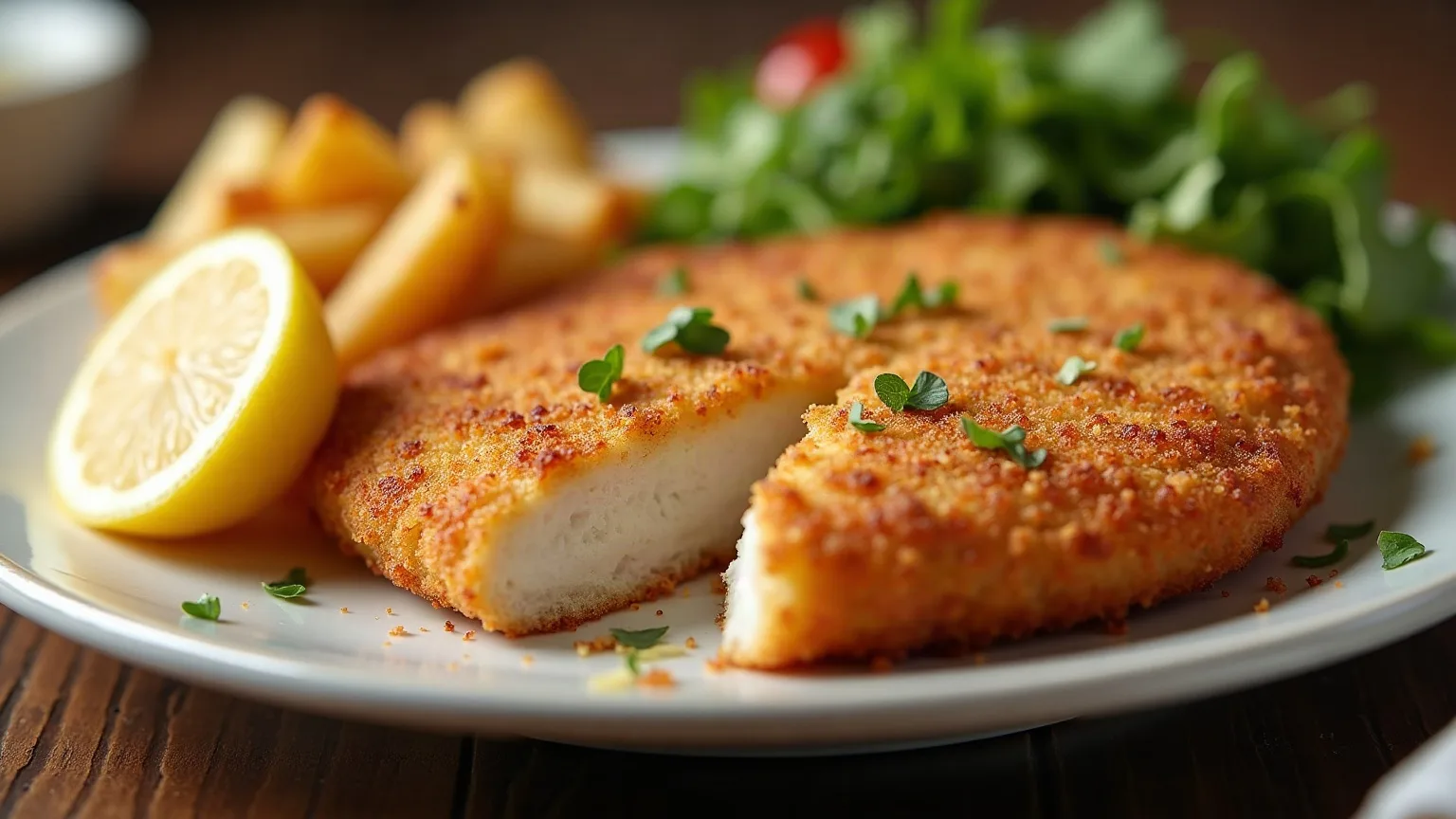
Chicken schnitzel
Beating the meat thin is a requirement rather than a shortcut: a 1 cm breast cannot cook before the coating burns.…
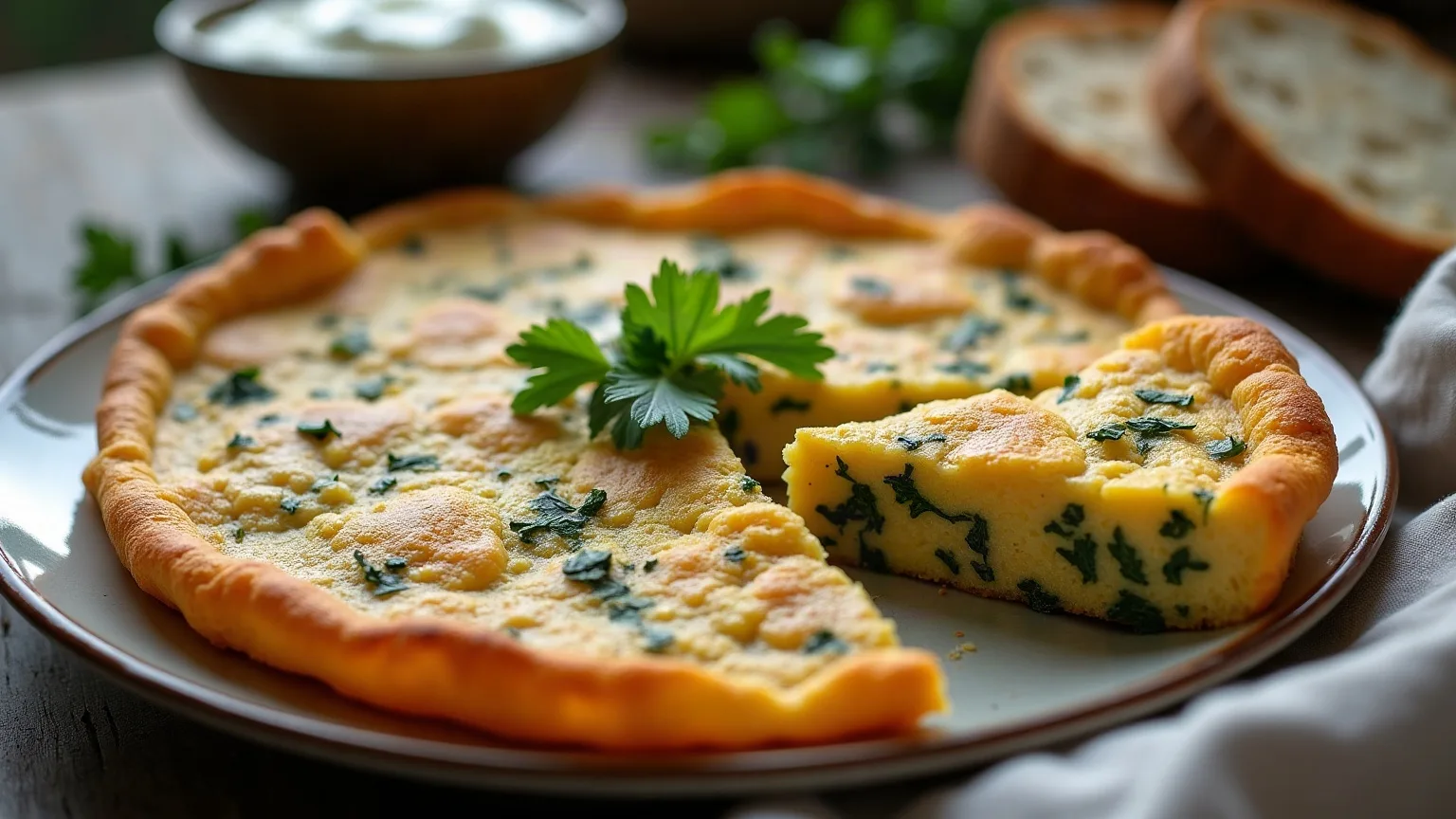
Kaygana
The Black Sea’s herb omelette, bound with flour. The flour holds the egg into a sheet that folds instead of breaking.…
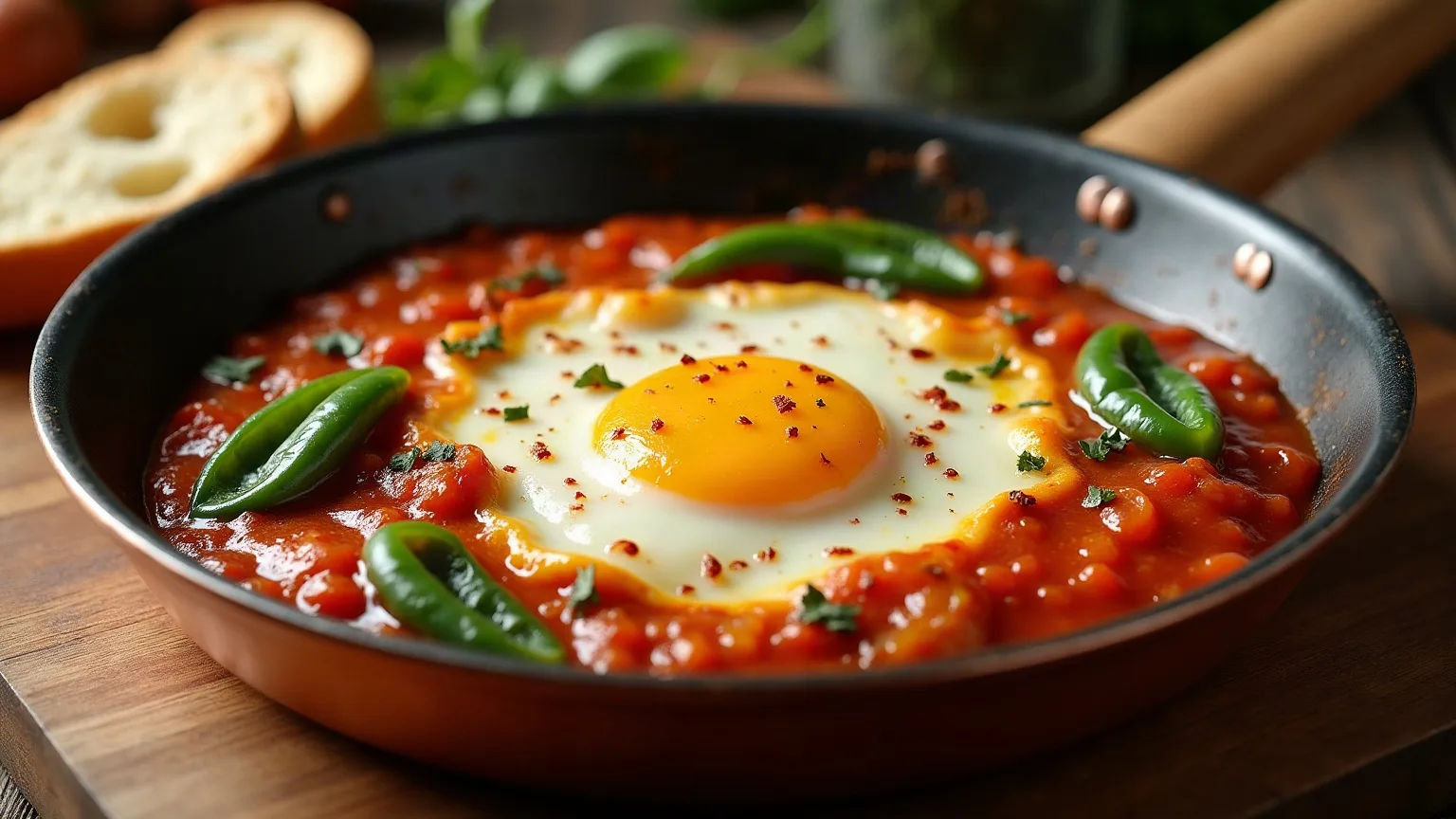
Menemen
Pepper, tomato and egg. Know the order and the heat and it takes fifteen minutes; miss them and you get a watery omelett…