
Green lentil salad
A lentil goes on cooking in its own heat for three or four minutes after the pan comes off. The eighteen minutes in this recipe already has those minutes counted in.
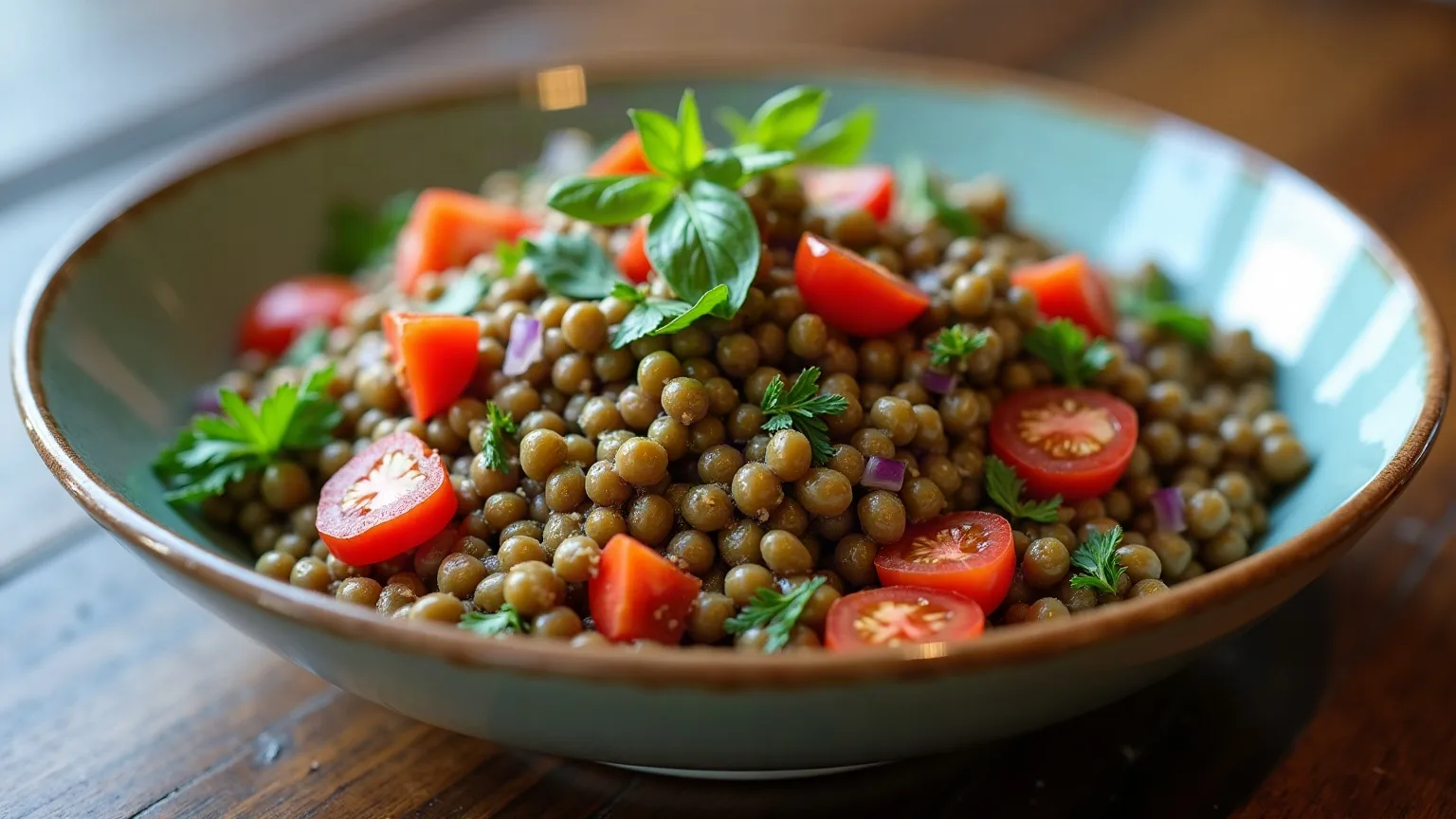
Pulses · French · Budget · Vegan · Weekend batch · School lunchbox · Under 30 minutes
- Preparation
- 15 min
- Cooking
- 18 min
- Resting
- 20 min
- Difficulty
- Easy
- Cost
- Very cheap
- Season
- Spring, Summer, Autumn
Most arguments about cooking times ignore carryover. Three hundred grams of hot lentils sitting in a colander take four or five minutes to fall from 95 °C to 60 °C, and above 60 °C the starch goes on gelling. So lentils that looked exactly right in the pan are overcooked by the time they reach the plate. The times written for a French lentille salad look short at first glance for this reason: they are not short, they are measured properly.
Method
- Rinse the lentils; they need no soaking.
- Have a wide tray ready under the colander: spread out, the lentils cool fast.
You will need: A pan · A colander · A wide tray
-
Boil the lentils with the bay leaves in plenty of unsalted water for eighteen minutes.
Look for Bitten, a lentil should still have the faintest resistance at its centre.
Why At eighteen minutes the seed is still slightly firm; the remaining three or four minutes of cooking happen in the colander, from its own heat. Lentils boiled twenty-five minutes turn to purée in a salad. The bay goes into the water at this stage and leaves with it: its whole job is to put its smell into the seed.If it went wrong
If they have gone too far, draining and rinsing them at once in cold water stops the cooking, but the ones that broke do not come back. Build it as a purée instead: olive oil, vinegar and parsley turn it into something to put on bread.
-
Drain them, throw the bay away and spread the lentils one layer deep on a wide tray to cool for ten minutes.
Look for The steam should stop coming off the tray and the seeds separate from one another.
Why Heaped in a colander, the middle of the pile stays above 80 °C and goes on cooking; spread on a tray the same quantity is below 50 °C in three minutes. It is the step most often left out of salad recipes and the one that makes the most difference. -
Whisk the oil, vinegar, mustard, salt and pepper together and pour it over while the lentils are still warm.
Look for The lentils should be warm enough to hold in the hand, and should shine when the dressing goes on.
Why A warm seed takes the dressing up and a cold one does not: above 40 °C the starch gel is still open and lets the liquid in. Poured on while it is hot, though, the volatile acid in the vinegar leaves with the steam and the salad tastes of nothing. The window is 40–50 °C.Salt · 1.47% Right in the window. Flavours sharpen, bitterness retreats, water is held.
-
Leave it twenty minutes, then fold in the red onion, tomato and parsley.
Look for There should be no free liquid in the bottom of the bowl.
Why The vegetables wait until last: tomato and onion start giving up water the moment they meet the dressing, and left twenty minutes there is a pool in the bottom of the bowl. The waiting time is for the lentils to draw the dressing in.Starch still asleep The granules are just floating there doing nothing. No body arrives before 62 °C.
Salt · 0.71% Right in the window. Flavours sharpen, bitterness retreats, water is held.
This recipe was run through the engine step by step — what goes in when, and at what temperature and for how long. The reactions above come from that run.
peak 100 °C · 51 minutes · engine 1.0.0 · confidence low
After the heat goes off
At room temperature. Give it twenty minutes out of the fridge: cold olive oil shuts the taste down.
Three days in the fridge, and four if you keep the tomato separate.
It is not reheated but eaten cold; letting it come back to room temperature is all it needs.
It does not freeze: ice crystals tear the seed coats and it thaws as a purée.
Spooned into a hot soup, or crushed into a sandwich spread.
Being cold and sharp with vinegar, small children can find it harsh: lifting their portion before the dressing and mixing it with olive oil alone works better. For 12–36 months the seeds need no crushing, as lentils are soft already. Vinegar and salt are not suitable for a baby under one.
A portion carries 17 g of protein and slow carbohydrate: it suits a lunchbox, or a meal two hours before training.
- Vinegar → Lemon Lemon works and stays gentler; the sharp back-note of the vinegar goes.
- Green lentils (dry) → Black-eyed peas (dry) Black-eyed peas also stay whole but take twenty-four minutes; the carryover rule is the same.
- Cold The method this recipe rests on
- Green lentils (dry) What it does in heat, water and acid
- Tomato What it does in heat, water and acid
- Red onion What it does in heat, water and acid
- White bean salad Similar method, or something that sits on the same table
- Black-eyed pea salad Similar method, or something that sits on the same table
- Green lentil stew Similar method, or something that sits on the same table
- Budget Other recipes that answer the same need
- Vegan Other recipes that answer the same need
- Weekend batch Other recipes that answer the same need
- School lunchbox Other recipes that answer the same need
- Under 30 minutes Other recipes that answer the same need
What it tastes like
No axis sits clearly above the average: a balanced recipe.
This profile is computed rather than measured: the role-weighted average of its ingredients’ taste vectors, shifted by what the cooking does. The thin line is the database average on that axis.
Closest in taste
Not hand-picked: ranked by distance across the eight taste axes.
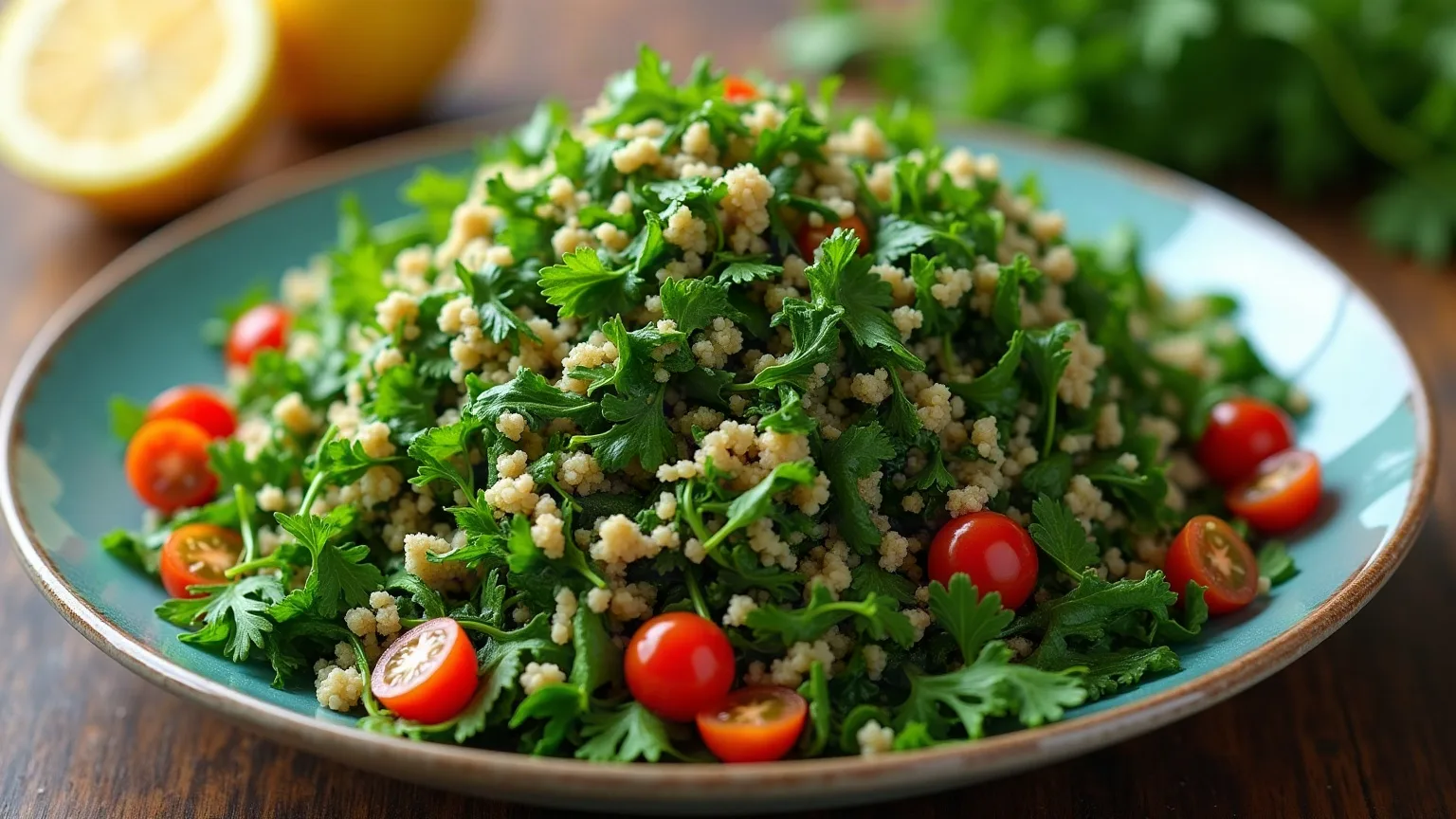
Tabbouleh
Tabbouleh is not a bulgur salad but a parsley salad: the bulgur is under a tenth of the whole. And what swells it is not…
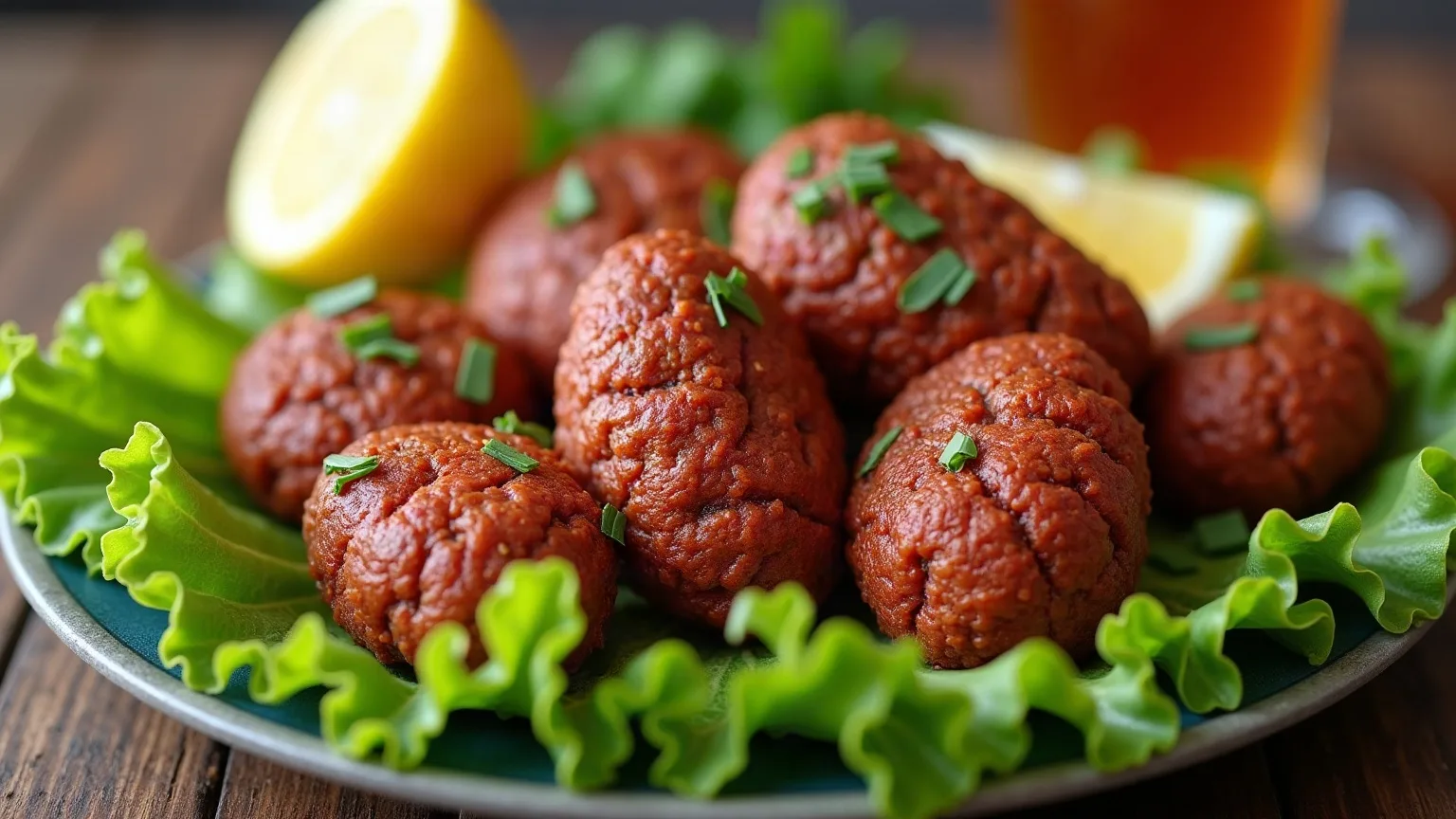
Çiğ köfte, without meat
The name says raw, but the bulgur is not: bulgur is wheat that has already been boiled, and here it is only soaked.…
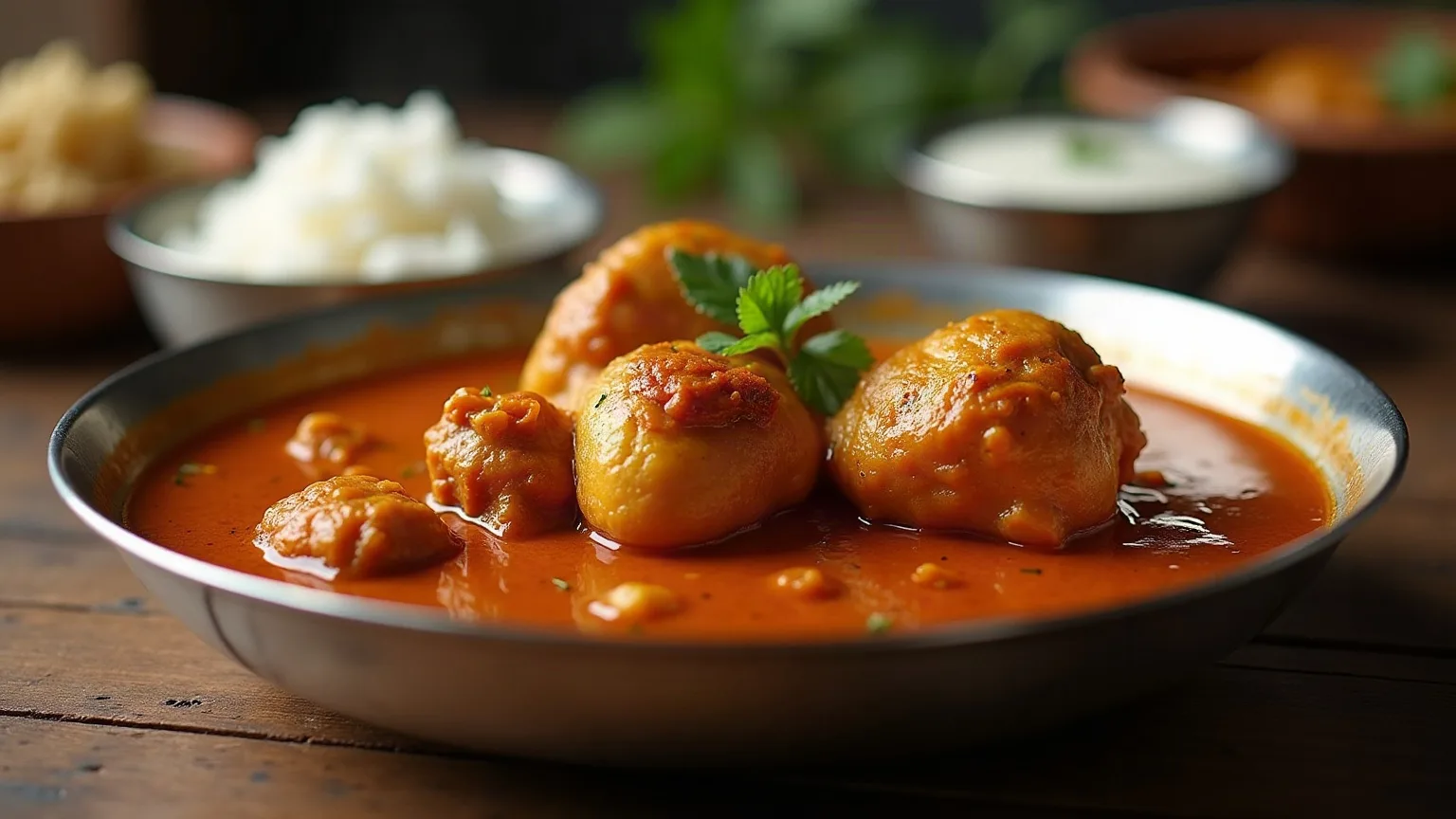
Chicken curry
Frying the spices in fat is not a step but half the recipe: their aromas dissolve in oil and not in water.…
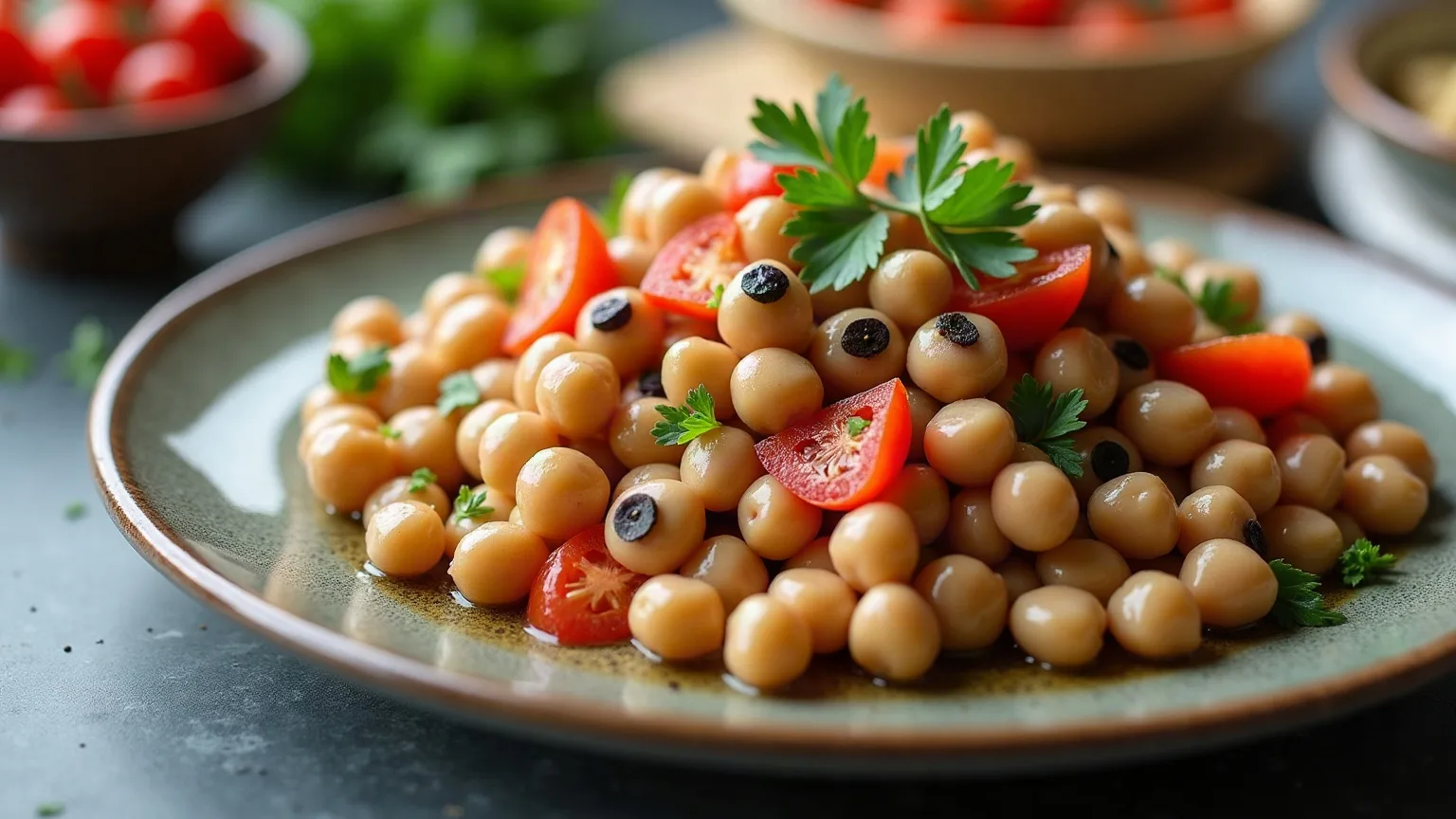
Black-eyed pea salad
The one dried pulse that needs no soak: its skin is thin and it softens in twenty-five minutes.…