
Açma
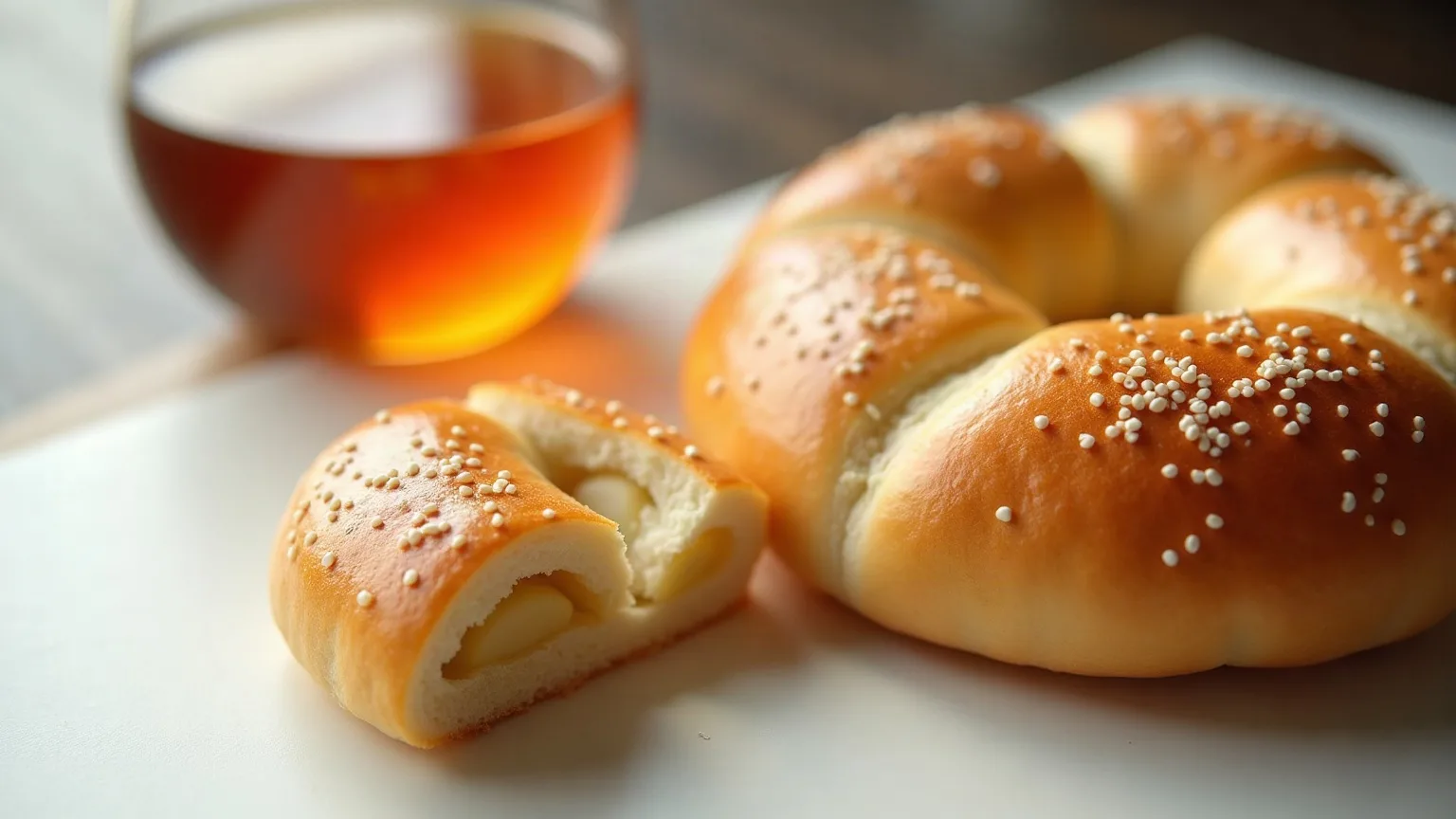
Açma’s soft layers come from rolling each piece out with butter and coiling it. The dough proves twice at 24–27 °C.
Doughs and pastries · Turkish · Weekend batch · Freezes well · School lunchbox
- Preparation
- 35 min
- Cooking
- 22 min
- Resting
- 105 min
- Difficulty
- Practised hand
- Cost
- Very cheap
- Season
- All year
Açma is the soft sibling of simit: out of the same morning oven, but without sesame or molasses and rich with butter. The name comes from rolling the dough open, buttering it and coiling it back. That leaves thin layers of butter which separate in the oven, so açma pulls apart in strands. It is an enriched dough, so the yeast has a harder job: sugar and fat slow it, and the prove takes longer than bread.
Method
- Soften the butter to around 20 °C: spreadable, not melted.
- Warm the milk to 35–40 °C.
You will need: A rolling pin · A tray and baking paper · A brush
-
Dissolve the yeast and sugar in the milk; add the flour, one egg plus the white of the second, the oil and the salt and knead 10 minutes. Cover and prove at 24–27 °C for 60 minutes.
Look for A small piece stretched thin should let light through without tearing — the windowpane test.
Why Sugar at 6% and the fat make an enriched dough, and both slow the yeast. Ten minutes of kneading builds gluten strong enough to hold the layers.If it went wrong
If the windowpane tears, knead three more minutes and test again. If it has not risen after 90 minutes, move the bowl into a switched-off oven with only the light on, which stays under 30 °C.
Starch still asleep The granules are just floating there doing nothing. No body arrives before 62 °C.
Salt · 0.99% Right in the window. Flavours sharpen, bitterness retreats, water is held.
-
Divide into 10. Roll each thin, spread with butter, roll it up, stretch the roll and join the ends into a ring or knot.
Look for Butter should not squeeze out of the ends; the roll should be snug but not strained.
Why The butter divides the dough into separate sheets. In the oven water between them turns to steam and pushes them apart.Starch still asleep The granules are just floating there doing nothing. No body arrives before 62 °C.
Salt · 0.90% Right in the window. Flavours sharpen, bitterness retreats, water is held.
-
Set on the tray, prove a second time for 45 minutes, brush with yolk, scatter nigella and bake at 180 °C for 20 to 22 minutes.
Look for A glossy amber top with the layers just parting at the sides.
Why Sugar on the surface caramelises and speeds browning; at 200 °C açma darkens before the middle is done. At 180 °C the two keep pace.Starch still asleep The granules are just floating there doing nothing. No body arrives before 62 °C.
Salt · 0.90% Right in the window. Flavours sharpen, bitterness retreats, water is held.
Starch gelatinised The granules soaked up water, swelled and burst into a network. It has thickened, and it will firm further as it cools. no way back
The egg is setting Proteins unfold and link up, binding everything together. This is where creaminess comes from. no way back
Maillard is running Amino acids have met reducing sugars. The crust, the roasted flavour and that smell all come from here. no way back
Too much starch. It will set into a rubbery gel once cool — add more liquid.
This recipe was run through the engine step by step — what goes in when, and at what temperature and for how long. The reactions above come from that run.
peak 180 °C · 161 minutes · engine 1.0.0 · confidence low
After the heat goes off
Warm, with tea and cheese — as it comes out of the morning oven.
In a closed bag at room temperature, two days.
Five minutes at 150 °C.
Baked açma freezes for two months; eight minutes at 160 °C from frozen.
Stale açma makes a buttery bread pudding.
Suits children as a finger food from 12 months; it contains sugar and salt, so for babies it should not stand in for everyday bread (NHS).
- The oven The method this recipe rests on
- Milk What it does in heat, water and acid
- Egg What it does in heat, water and acid
- Butter What it does in heat, water and acid
- Poğaça with cheese Similar method, or something that sits on the same table
- Sesame simit at home Similar method, or something that sits on the same table
- Pişi Similar method, or something that sits on the same table
- Weekend batch Other recipes that answer the same need
- Freezes well Other recipes that answer the same need
- School lunchbox Other recipes that answer the same need
What it tastes like
The axes that define this recipe: sweet 29.
This profile is computed rather than measured: the role-weighted average of its ingredients’ taste vectors, shifted by what the cooking does. The thin line is the database average on that axis.
Closest in taste
Not hand-picked: ranked by distance across the eight taste axes.
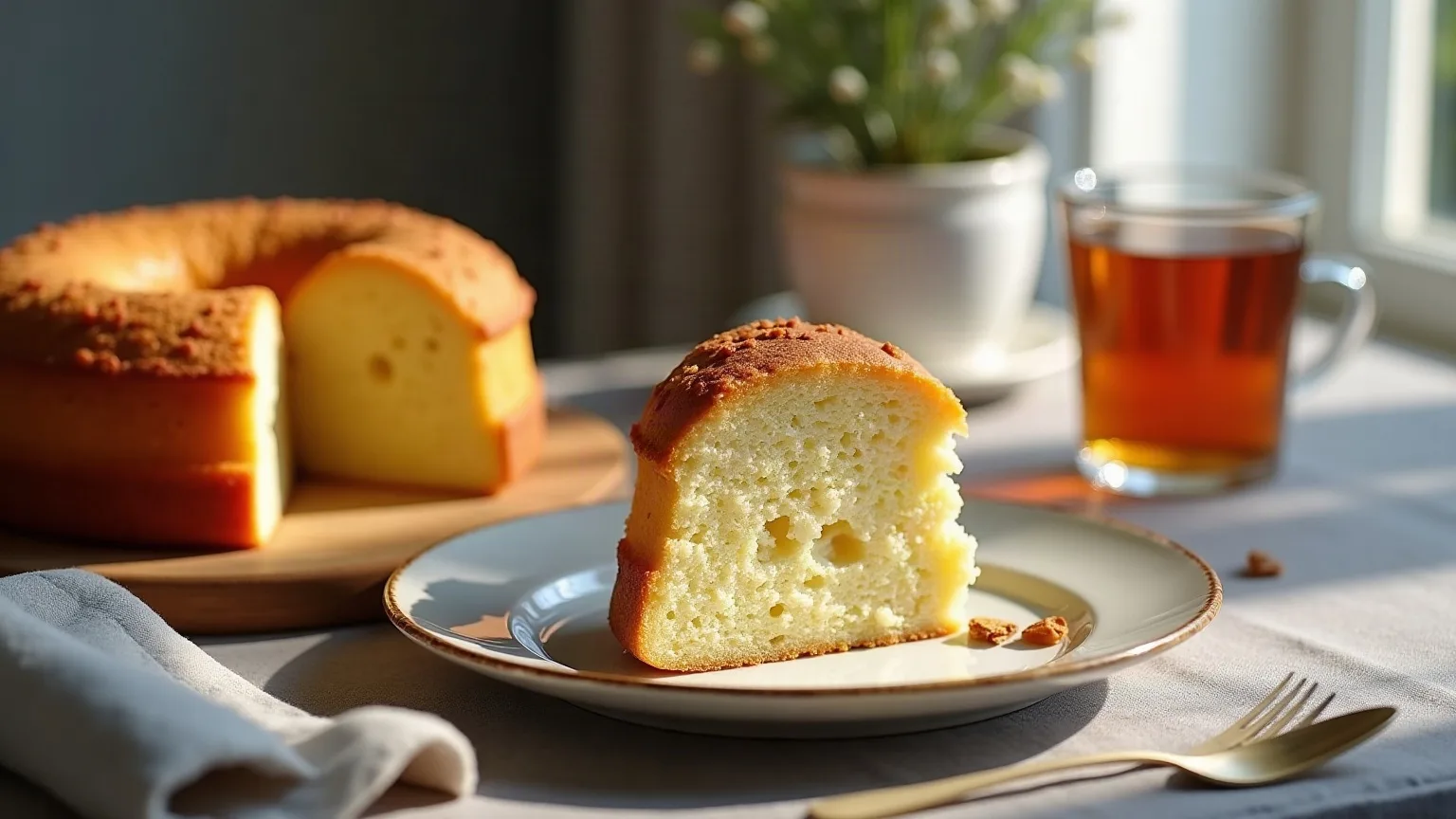
Yoghurt cake
Turkey’s everyday tea cake. The yoghurt is both the liquid phase and the acid half of the chemical leavening.…
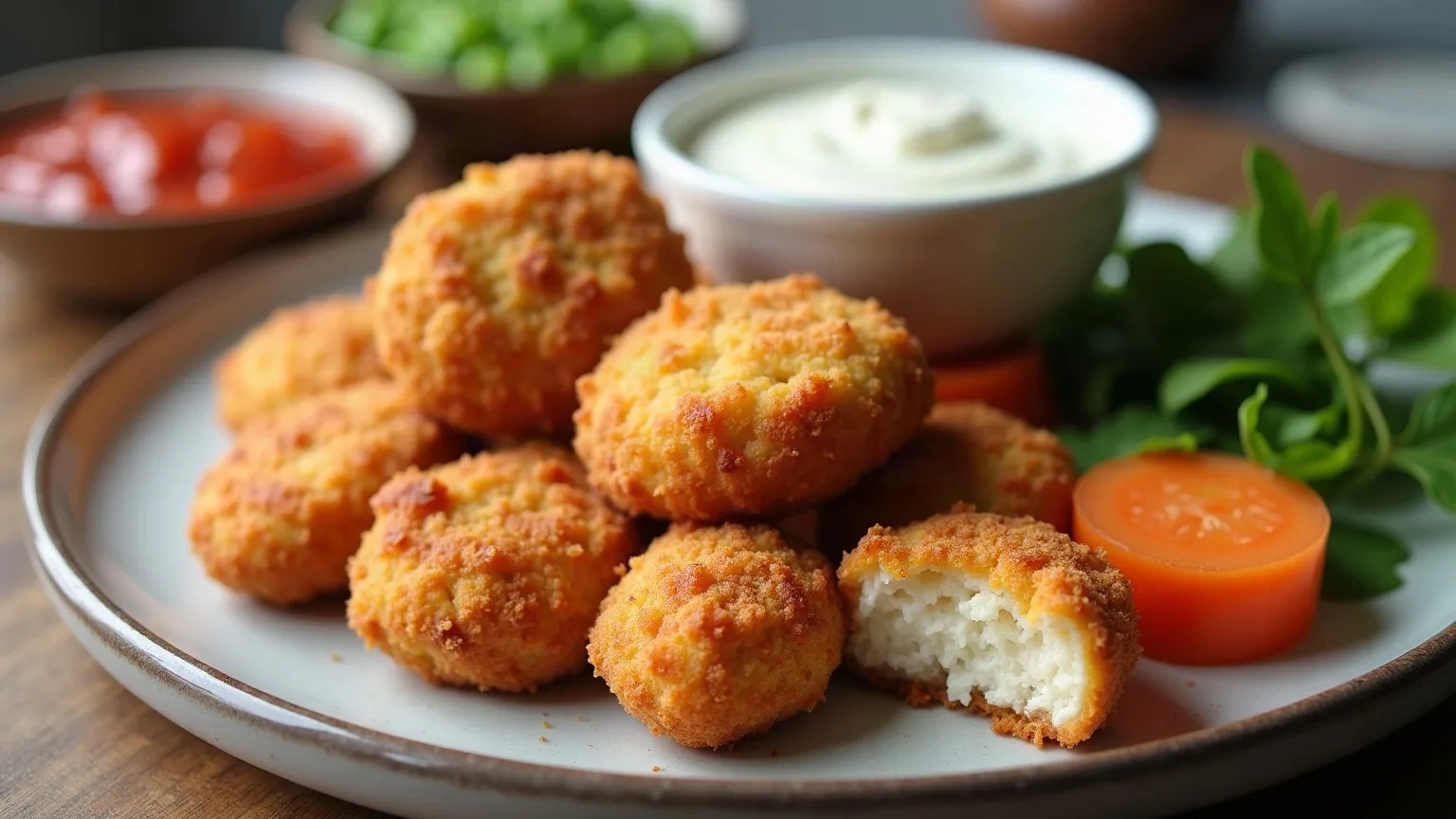
Home-made chicken nuggets
Half the meat in a shop nugget is skin, cartilage and water. At home you know what is in it, and the difference shows up…
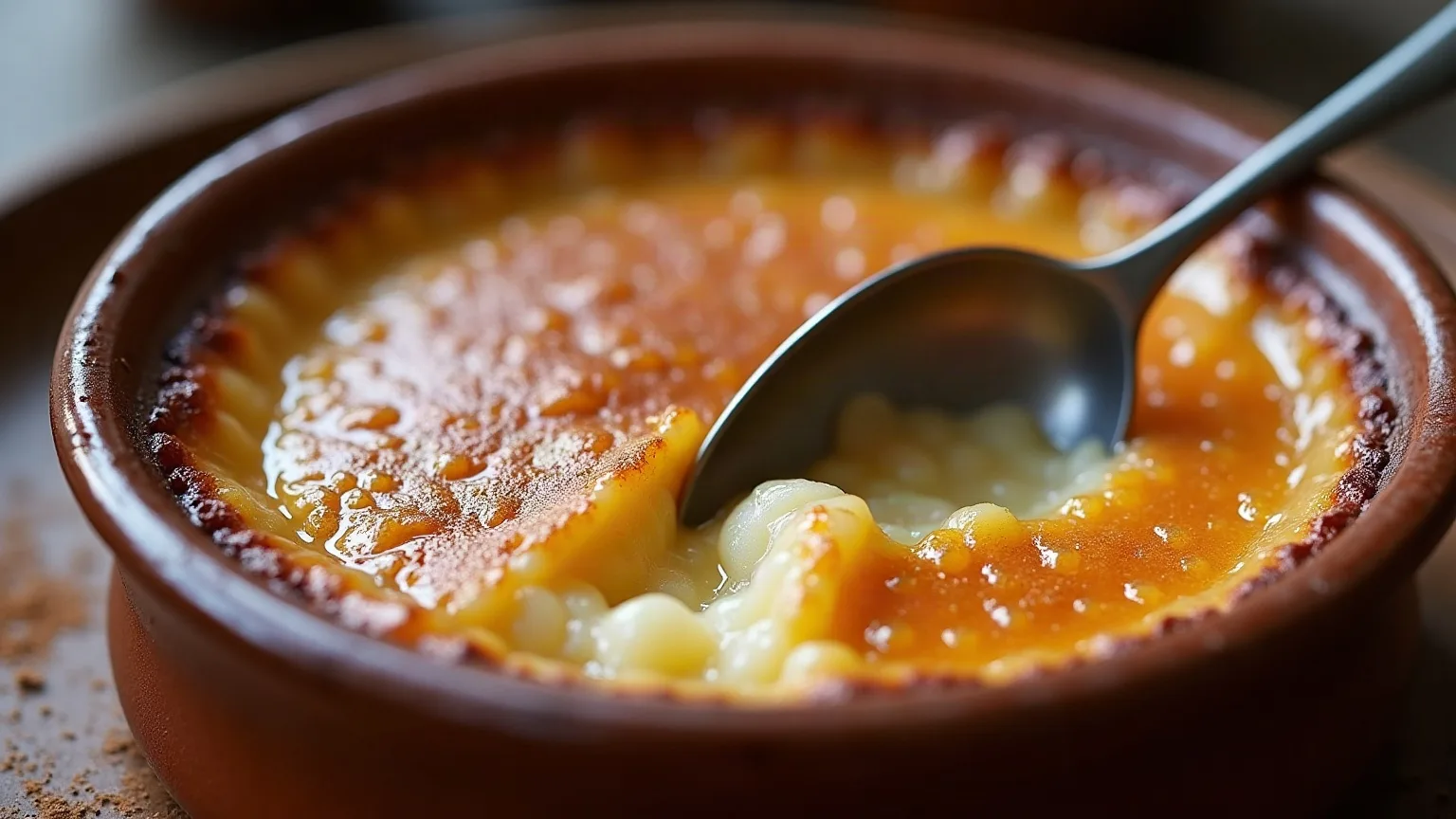
Baked rice pudding
That mottled skin is Maillard, and it forms in the last ten minutes under the grill.…
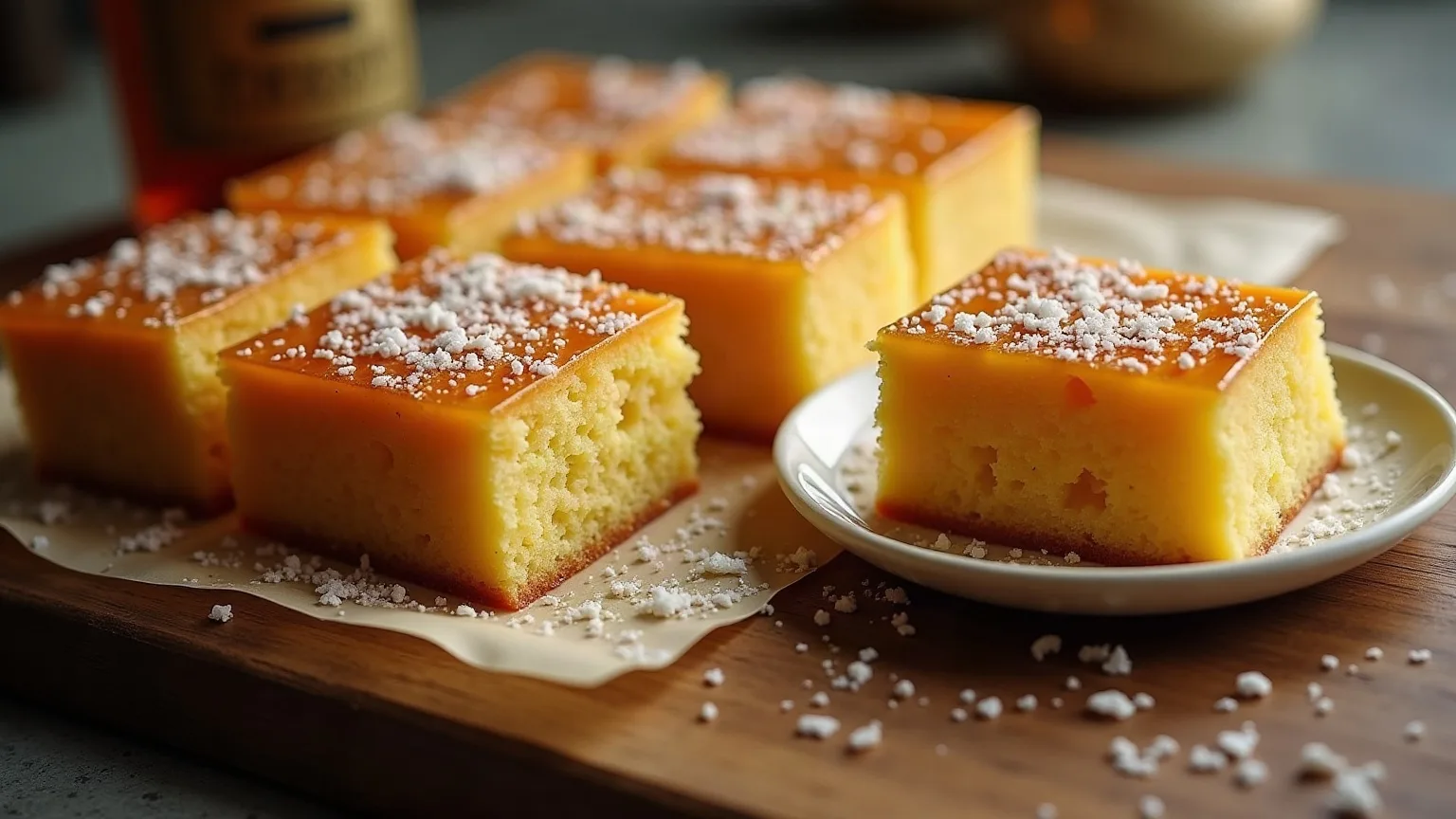
Revani
A semolina syrup cake. Butter is whipped to a foam, then eggs, sugar and semolina go in; baked at 165 °C and soaked with…