
Pişi
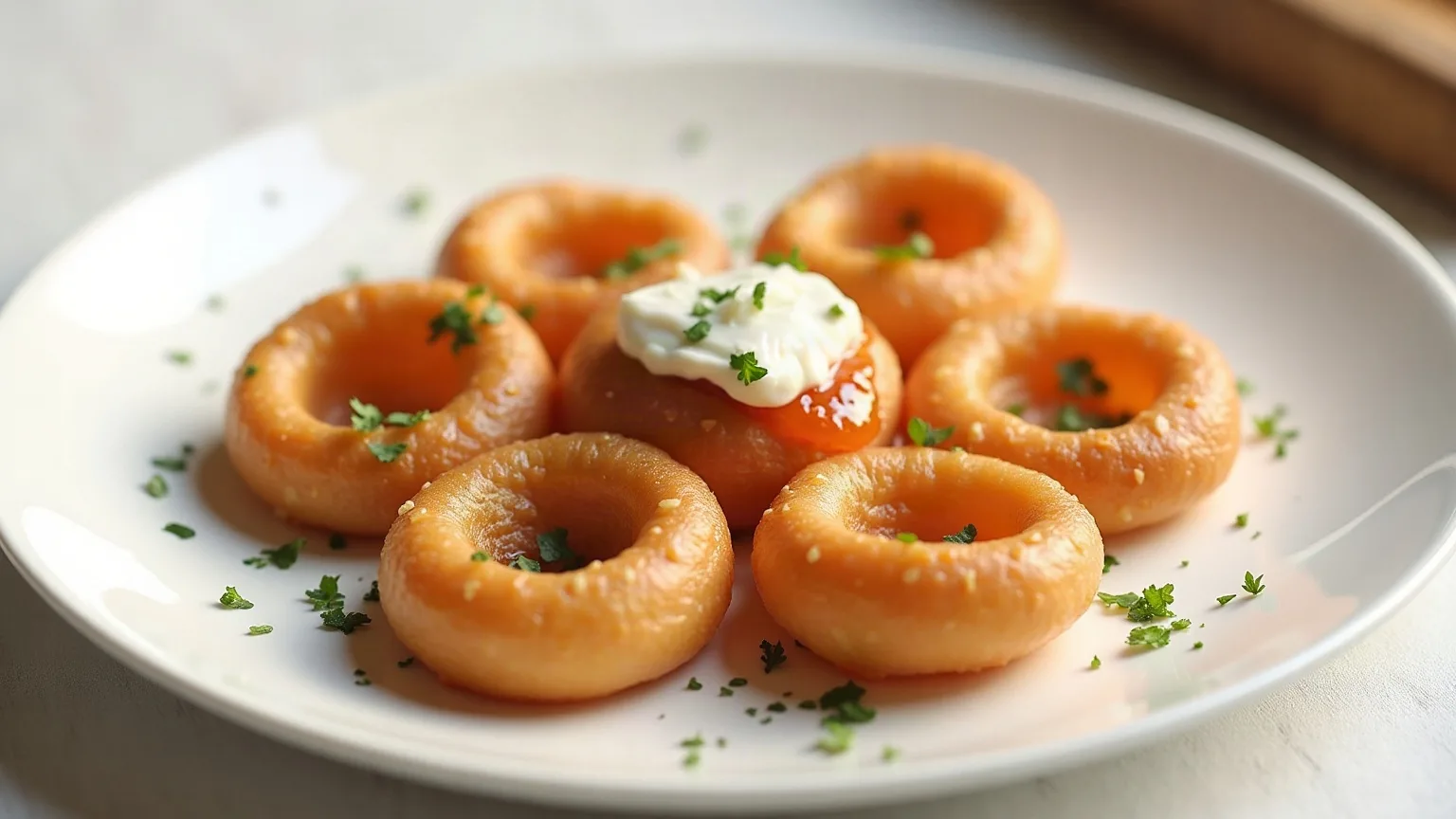
A soft yeasted dough fried at 170–175 °C, one minute a side. The hole in the middle lets the centre cook in step with the rim.
Doughs and pastries · Turkish · Budget · Under 30 minutes
- Preparation
- 15 min
- Cooking
- 15 min
- Resting
- 50 min
- Difficulty
- Easy
- Cost
- Very cheap
- Season
- All year
Pişi is the fried dough of Turkish weekend breakfasts. The dough is wetter and softer than bread, shaped with oiled hands, pierced in the middle with a finger and dropped into hot oil. The hole is not just for looks: the centre of a fried dough is the last part to cook, and the hole removes that thick middle.
Method
- Warm the water to 35–40 °C.
You will need: A deep pan · A thermometer · A rack lined with paper
-
Mix the yeast, sugar and warm water, add the flour and salt and knead 5 minutes. Prove the soft, slightly sticky dough at 24–27 °C for 45 minutes.
Look for The dough should have doubled and be full of bubbles.
Why At 66% water the dough steams in the oil into a light, open crumb. Yeast dies at 55–60 °C, so the water is warm, not hot.Starch still asleep The granules are just floating there doing nothing. No body arrives before 62 °C.
A gluten web is forming Gliadin and glutenin hydrated into an elastic net. This is what will hold the gas. no way back
The yeast is working It is eating sugar and making carbon dioxide plus aroma compounds. Slow work, but this is where depth comes from.
Salt · 1.01% Right in the window. Flavours sharpen, bitterness retreats, water is held.
-
Oil your hands, pull off walnut-sized pieces, flatten them to palm size and poke a hole in the middle.
Look for Each piece should be 1 cm thick with an open centre.
Why Oiled hands stop sticking without extra flour; loose flour burns in the oil and clouds it.Starch still asleep The granules are just floating there doing nothing. No body arrives before 62 °C.
A gluten web is forming Gliadin and glutenin hydrated into an elastic net. This is what will hold the gas. no way back
The yeast is working Wrong temperature. Outside 24–40 °C it stalls, and past 55 °C it dies.
Salt · 1.01% Right in the window. Flavours sharpen, bitterness retreats, water is held.
-
Fry at 170–175 °C, one minute a side, until golden, and drain on the rack.
Look for Each pişi should rise to the surface and puff as soon as it goes in.
Why At this temperature the crust does not burn before the inside cooks. At 190 °C the outside darkens while the middle stays raw; below 160 °C the pişi soaks up oil.If it went wrong
If they darken outside while raw inside, drop the oil to 165 °C. Oily ones can go on a rack at 200 °C for three minutes.
Starch gelatinised The granules soaked up water, swelled and burst into a network. It has thickened, and it will firm further as it cools. no way back
Maillard is running Amino acids have met reducing sugars. The crust, the roasted flavour and that smell all come from here. no way back
Frying dynamics Surface water is flashing to steam and pushing outward — that is the shield keeping the oil out. no way back
Salt · 0.81% Right in the window. Flavours sharpen, bitterness retreats, water is held.
Too much starch. It will set into a rubbery gel once cool — add more liquid.
This recipe was run through the engine step by step — what goes in when, and at what temperature and for how long. The reactions above come from that run.
peak 172 °C · 75 minutes · engine 1.0.0 · confidence low
After the heat goes off
Hot, with cheese, jam or honey, and strong tea.
Pişi toughens as it waits; eat it the same day.
Three or four minutes at 180 °C.
Fried pişi thaws greasy and rubbery; freezing the dough before its prove for up to a month works better.
Split leftovers, fill with cheese and toast.
Small pieces from 12 months, and not often, since it is fried. Honey is not given before one year (NHS).
- Deep frying The method this recipe rests on
- Sunflower oil (linoleic) What it does in heat, water and acid
- White cheese What it does in heat, water and acid
- Yeast What it does in heat, water and acid
- Bazlama in a pan Similar method, or something that sits on the same table
- Puf böreği Similar method, or something that sits on the same table
- Poğaça with cheese Similar method, or something that sits on the same table
- Budget Other recipes that answer the same need
- Under 30 minutes Other recipes that answer the same need
What it tastes like
The axes that define this recipe: richness 52, salty 25, sweet 27.
This profile is computed rather than measured: the role-weighted average of its ingredients’ taste vectors, shifted by what the cooking does. The thin line is the database average on that axis.
Closest in taste
Not hand-picked: ranked by distance across the eight taste axes.
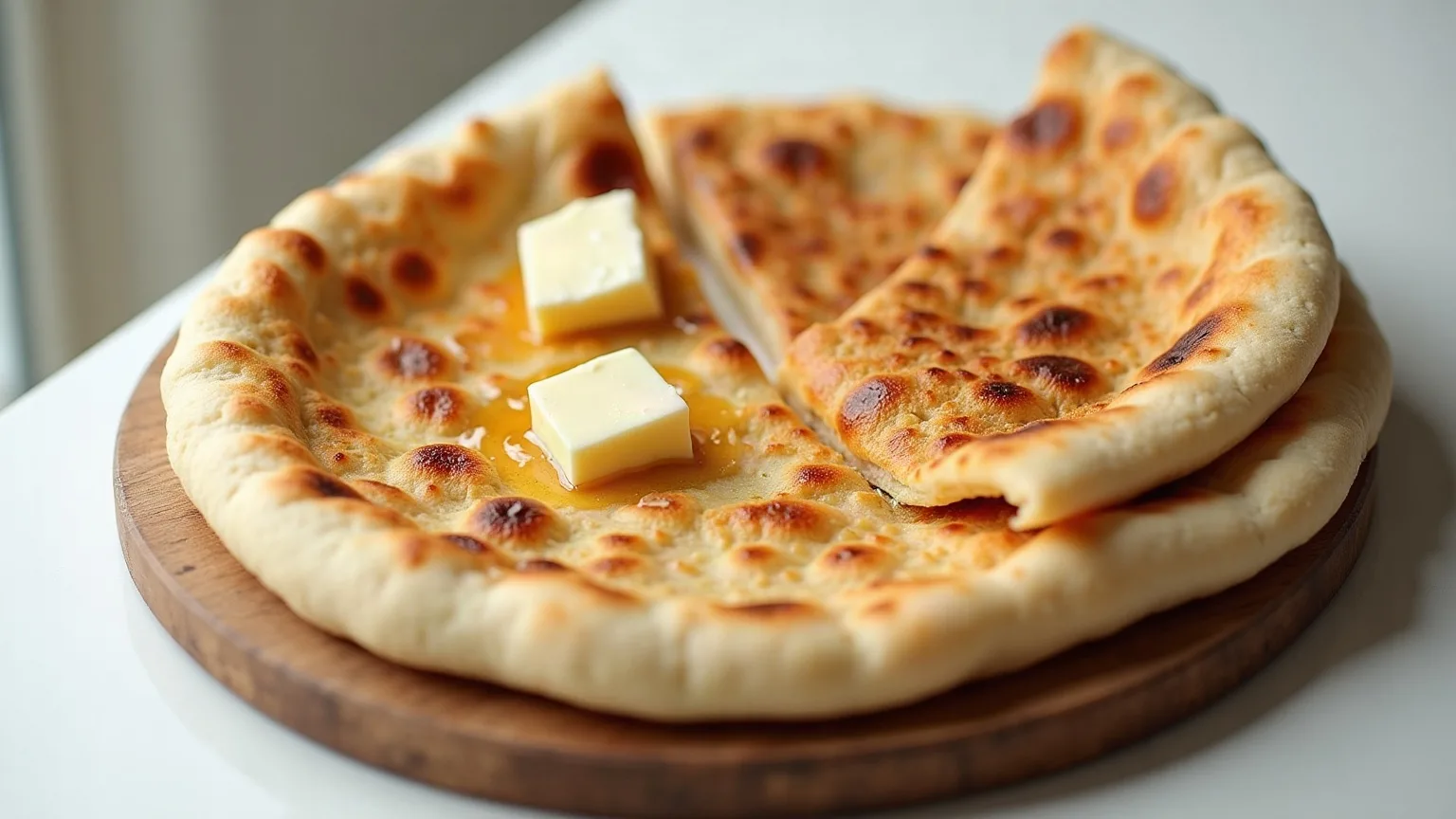
Bazlama in a pan
A yeasted yoghurt dough 1.5 cm thick on a dry pan at 200 °C. A bazlama that balloons in the first minute is cooking on i…
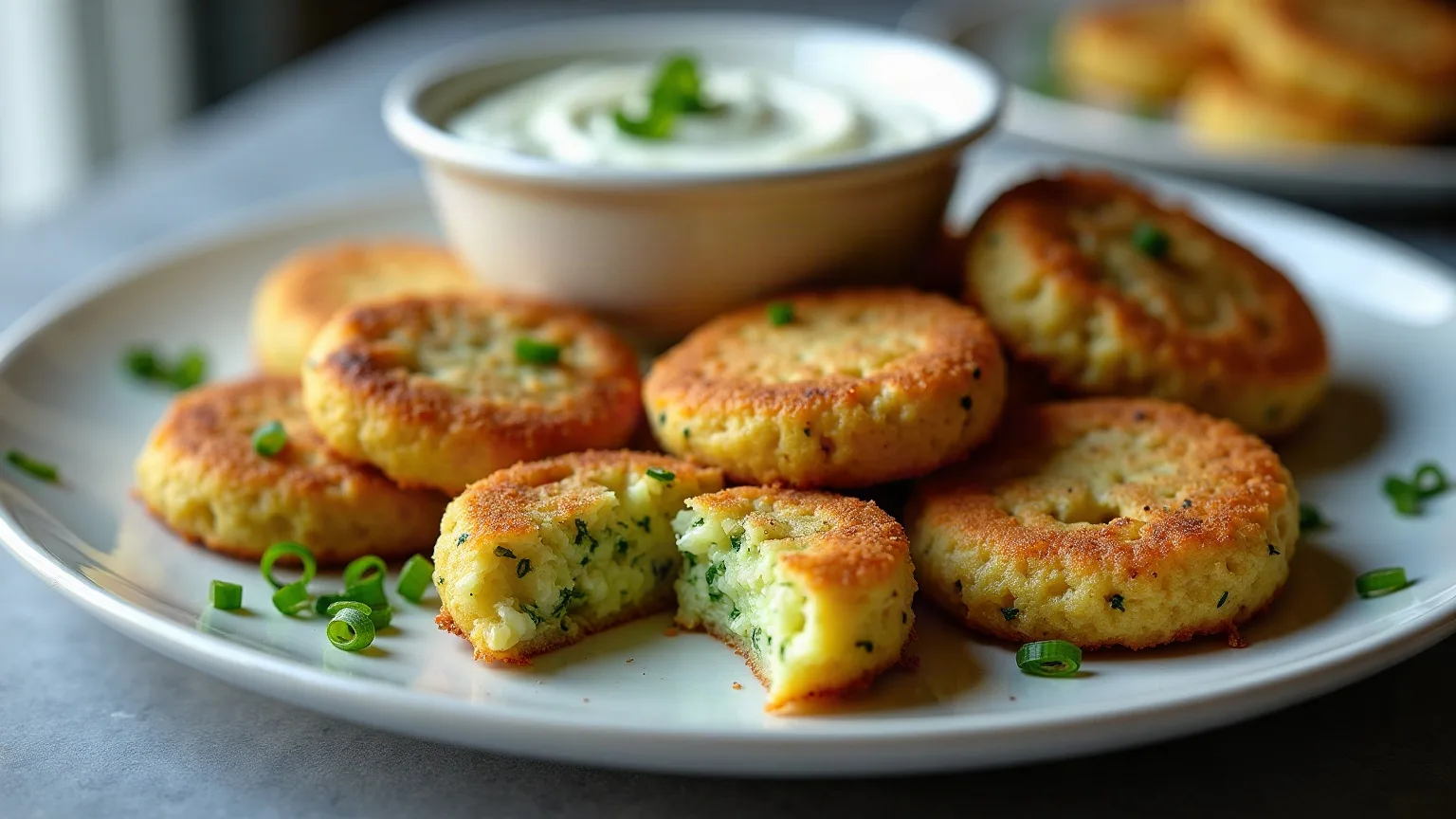
Courgette fritters
A mücver made without squeezing the courgette falls apart. One courgette gives up half a glass of water, and with that w…
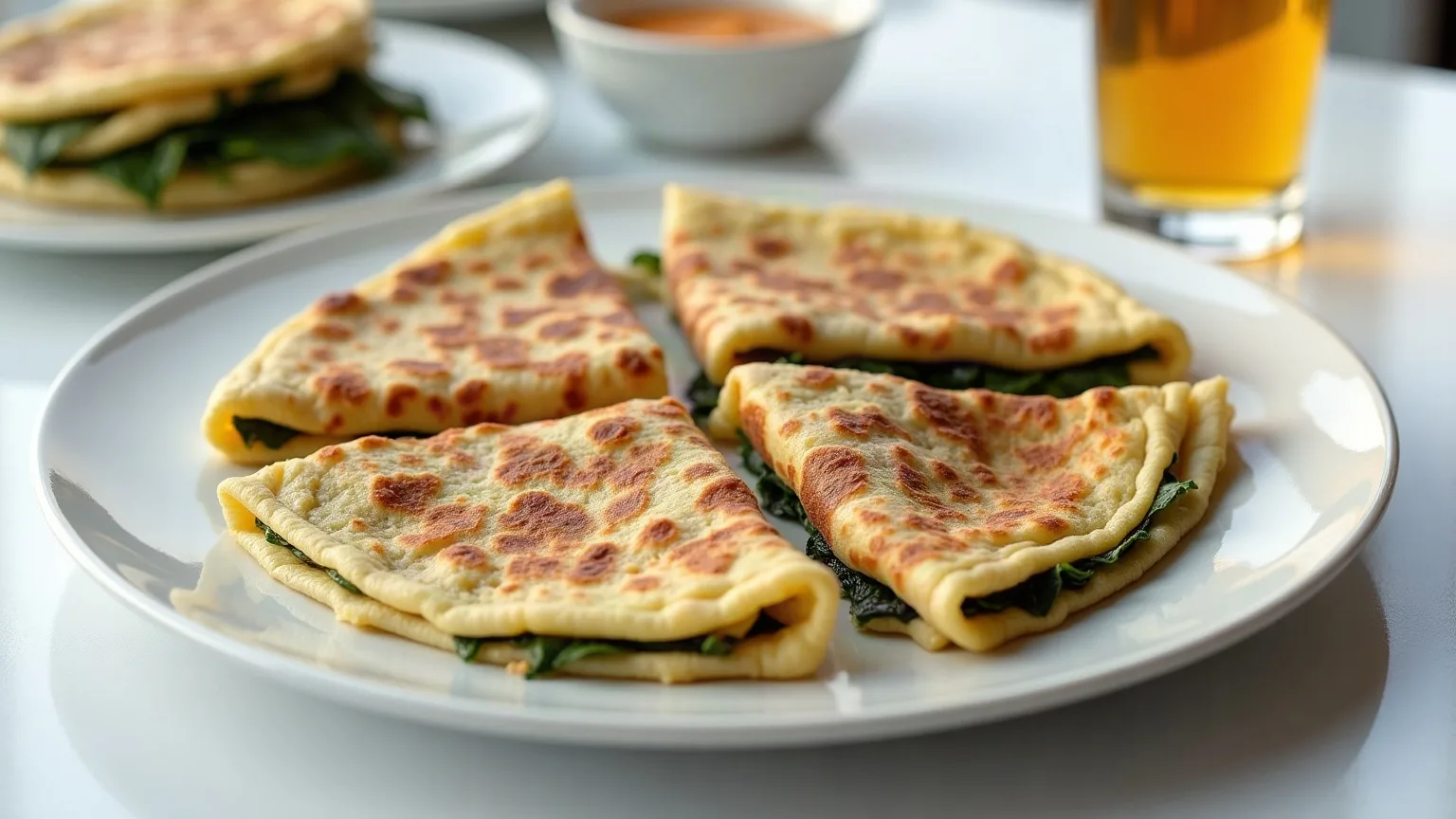
Gözleme with spinach and cheese
An unyeasted dough rested 30 minutes rolls to 1 mm. On a dry pan at 200–220 °C it browns in spots without soaking up fat…
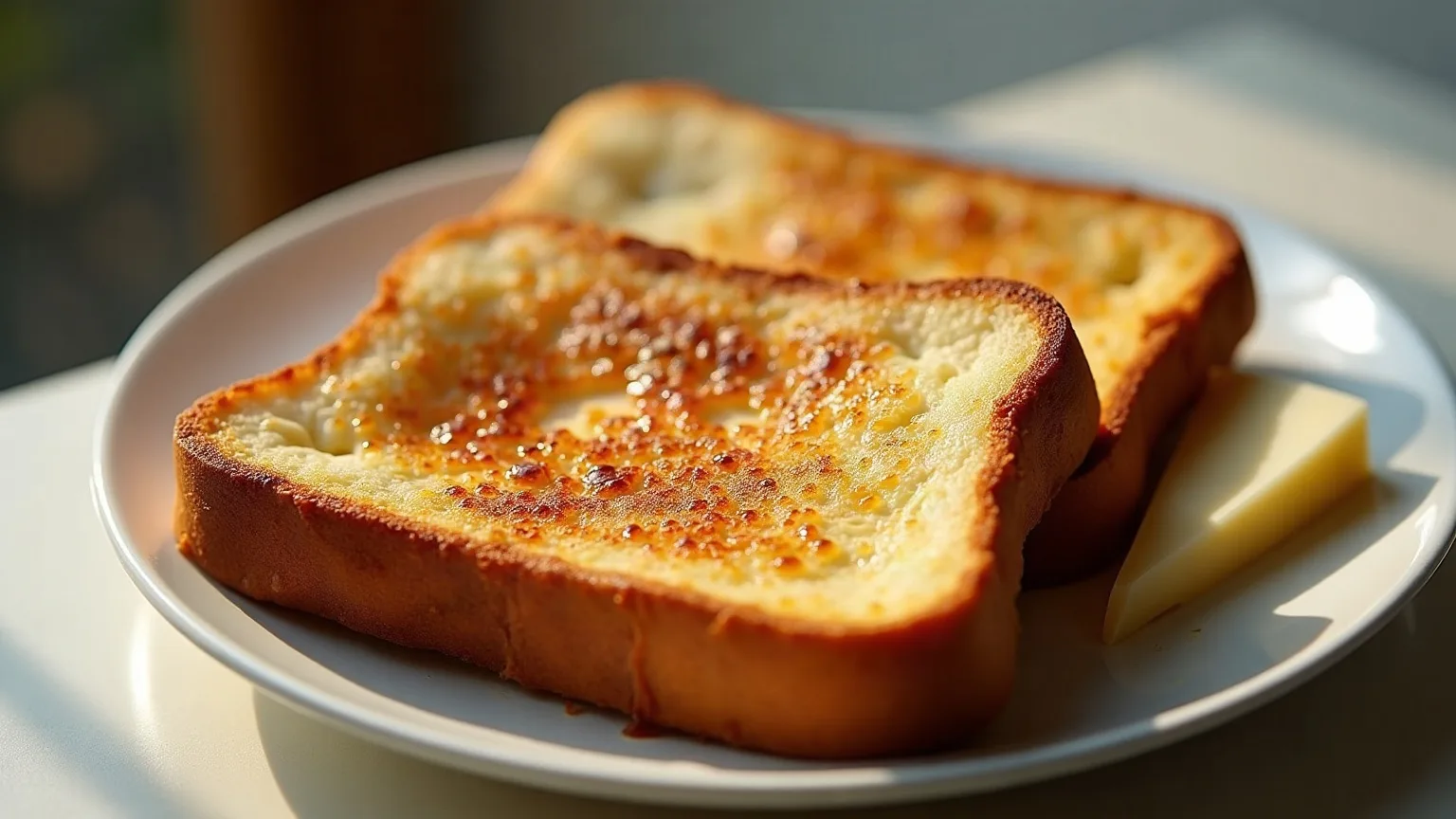
Eggy bread
The best use there is for stale bread. Fresh bread is no good here — it collapses before it has absorbed anything.…