
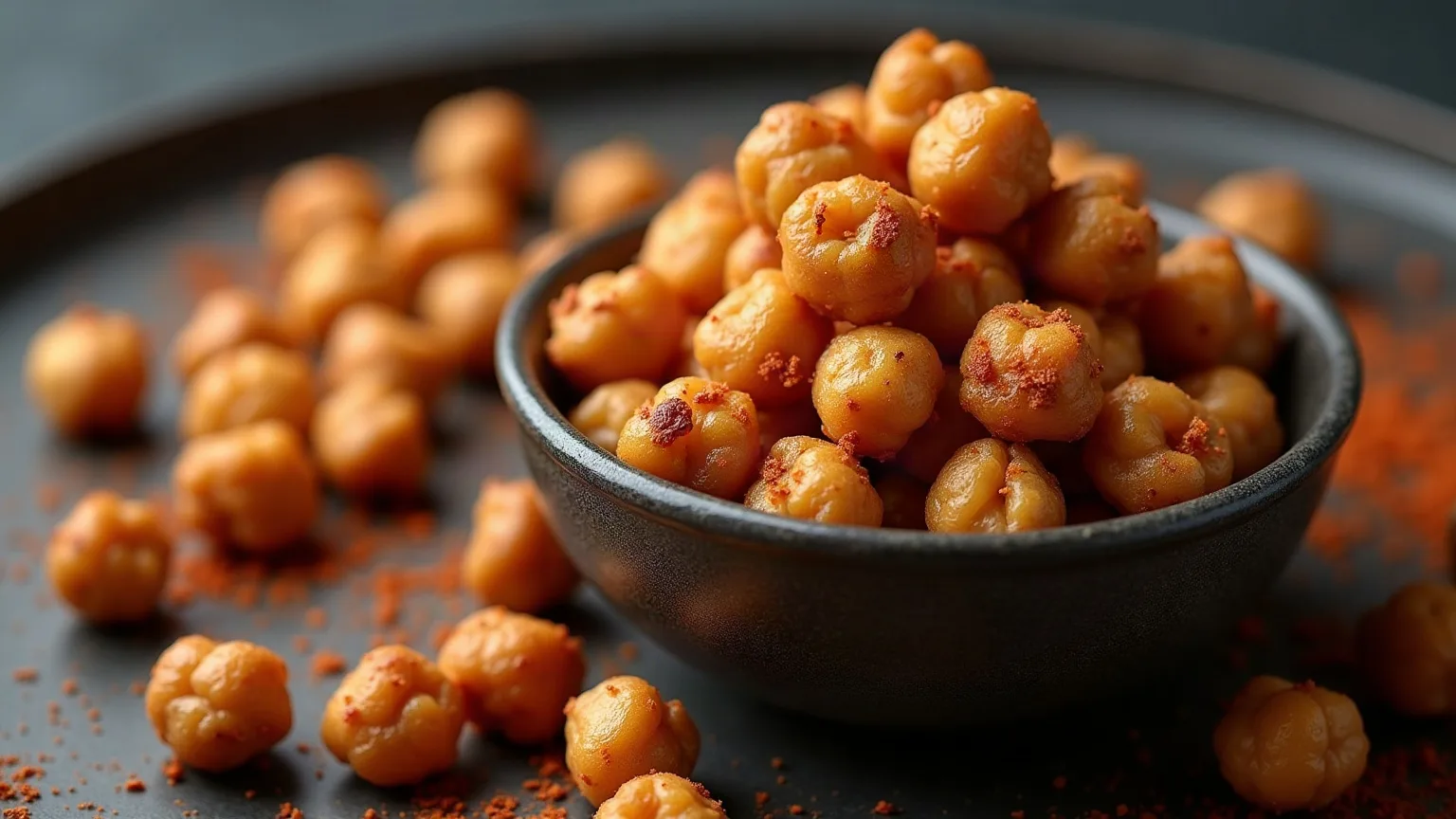
Roasted chickpeas
The crunch is drying, not browning: while there is free water on the surface the chickpea stays soft. The spices wait until the end, because at 200 °C they burn.
Pulses · Turkish · Budget · Vegan · Snacks for children · School lunchbox · Weekend batch
- Preparation
- 25 min
- Cooking
- 78 min
- Difficulty
- Easy
- Cost
- Very cheap
- Season
- All year
Roasted chickpeas already exist in Anatolia as leblebi, made in a factory in two stages with a resting period that runs into days. What a home oven does is not leblebi: it is a boiled chickpea losing its water until the outside turns glassy. The two should not be confused, because the texture and the keeping time are both different — leblebi lasts months, this softens in two days.
Method
- Soak the chickpeas overnight.
- Heat the oven to 200 °C without the fan.
You will need: An oven tray · A clean cloth
-
Boil the soaked chickpeas forty minutes without salt, then drain them.
Look for One should crush between two fingers with no resistance.
Why The chickpea has to be fully soft first: the oven does not cook the inside, it only dries it. A half-cooked chickpea comes out hard outside and floury inside. -
Spread them on a cloth for twenty minutes, then rub the skins off.
Look for They should look matt and not stick to each other in the hand.
Why Until the surface water has gone the tray cannot get past 100 °C, because all the energy goes into evaporation: that is why chickpeas put in wet are still soft forty minutes later. The skin is a membrane that holds water in as well, and taking it off speeds the drying noticeably.If it went wrong
If you are in a hurry, give the tray ten minutes at 120 °C first and then take the oven to 200 °C. Letting the oven do the drying works; skipping it does not.
-
Toss with the oil and salt only — no spices — spread in a single layer and roast thirty-five to forty minutes at 200 °C, stirring twice.
Look for Shaken, the tray should sound like marbles and the colour should be golden brown.
Why The sugars and carotenoids in paprika darken and turn bitter around 160 °C, and cumin’s volatile oil is gone long before the time is up. Salt does not burn and settles onto the surface as it dries, which is why it goes in early. A single layer matters: chickpeas piled up cook in each other’s steam.Maillard is running Amino acids have met reducing sugars. The crust, the roasted flavour and that smell all come from here. no way back
Salt · 1.77% High. Osmosis is pulling water out, the texture is tightening and the flavour is closing.
-
The moment it comes out, while it is still hot, scatter the paprika and cumin over and stir.
Look for The spice should cling to the chickpeas rather than gathering as dust in the bowl.
Why The thin film of oil on the hot surface holds the spice, and 80–90 °C is enough to open the aroma compounds without burning them. Spice added after it cools ends up in the bottom of the bowl.Salt · 1.74% High. Osmosis is pulling water out, the texture is tightening and the flavour is closing.
This recipe was run through the engine step by step — what goes in when, and at what temperature and for how long. The reactions above come from that run.
peak 200 °C · 99 minutes · engine 1.0.0 · confidence low
After the heat goes off
At its crispest while still warm. As a snack in a bowl, or over a salad in place of croutons.
Two days in an open container. Sealed, the moisture still inside is taken back up and they go soft overnight.
Six minutes at 180 °C brings the crunch back.
It does not freeze: thawing, the ice crystals pierce the shell and give the moisture back, and the crunch goes completely.
Any that soften go into a salad or a soup, or are crushed and scattered over hummus.
A whole chickpea is a choking risk for a child under four, and this hard version more so. Not suitable for 12–36 months. With less salt it is a good lunchbox snack for a school-age child. Not suitable for a baby under one.
- Sweet paprika → Za’atar (sesame blend) Za’atar goes on at the same moment, and its thyme note sits well with the salt.
- Chickpea → White beans (dry) Beans crisp the same way, but their skin is thinner so they come out ten minutes earlier.
- The oven The method this recipe rests on
- Chickpea What it does in heat, water and acid
- Olive oil What it does in heat, water and acid
- Cumin What it does in heat, water and acid
- Hummus Similar method, or something that sits on the same table
- Chickpea stew Similar method, or something that sits on the same table
- Falafel Similar method, or something that sits on the same table
- Budget Other recipes that answer the same need
- Vegan Other recipes that answer the same need
- Snacks for children Other recipes that answer the same need
- School lunchbox Other recipes that answer the same need
- Weekend batch Other recipes that answer the same need
What it tastes like
The axes that define this recipe: aroma 58.
This profile is computed rather than measured: the role-weighted average of its ingredients’ taste vectors, shifted by what the cooking does. The thin line is the database average on that axis.
Closest in taste
Not hand-picked: ranked by distance across the eight taste axes.
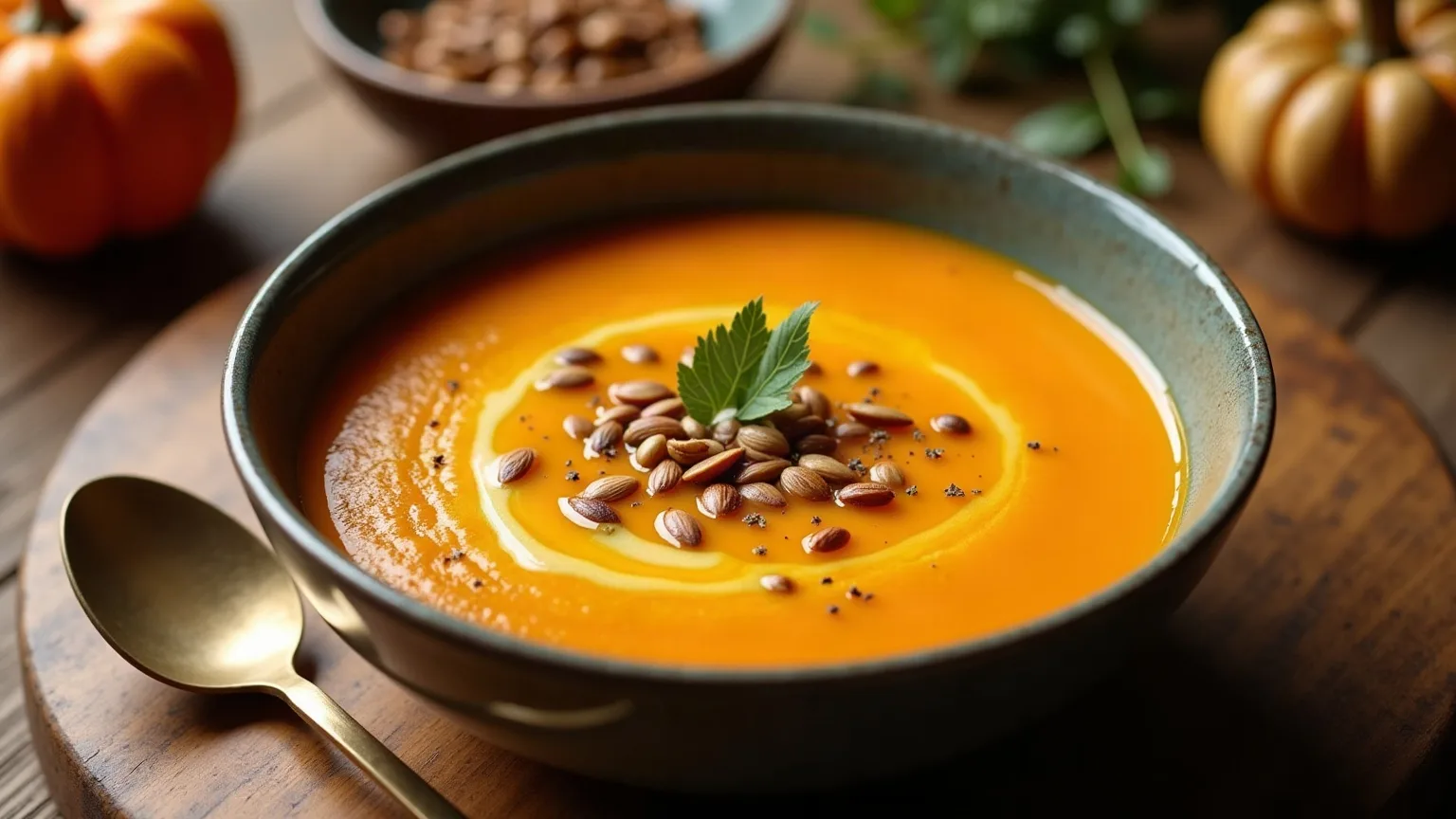
Pumpkin soup
Boiled pumpkin gives a watery, flat soup. Roasted pumpkin is the same vegetable and a completely different soup.…
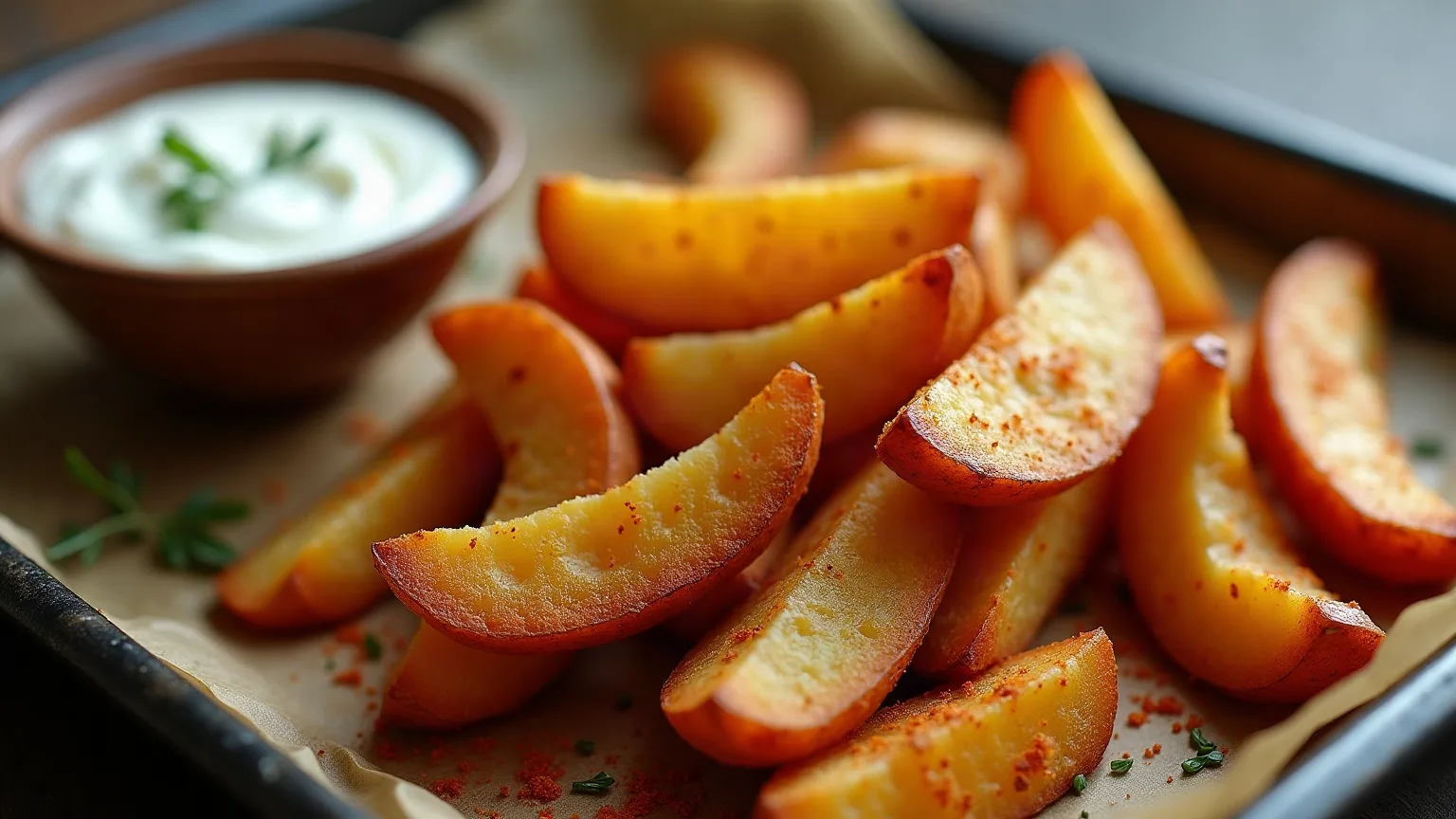
Oven potato wedges
The secret of a crisp wedge is not in the oven but before it: a boil and a shake. Without roughening the surface there i…
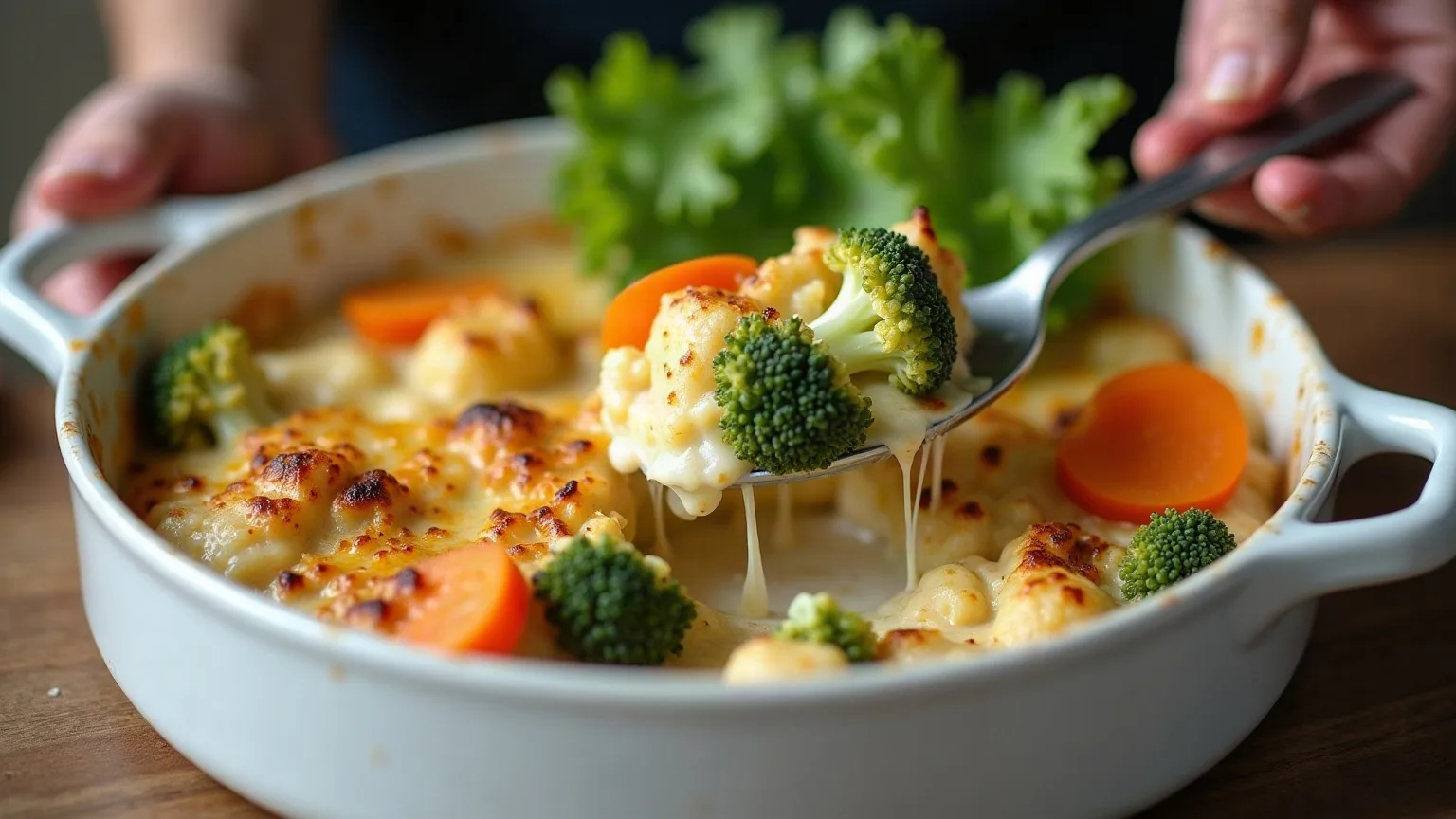
Vegetable gratin
A lump-free béchamel is not a knack but a question of temperature difference: hot milk into hot roux, or cold into cold.…
Home-made chicken nuggets
Half the meat in a shop nugget is skin, cartilage and water. At home you know what is in it, and the difference shows up…