
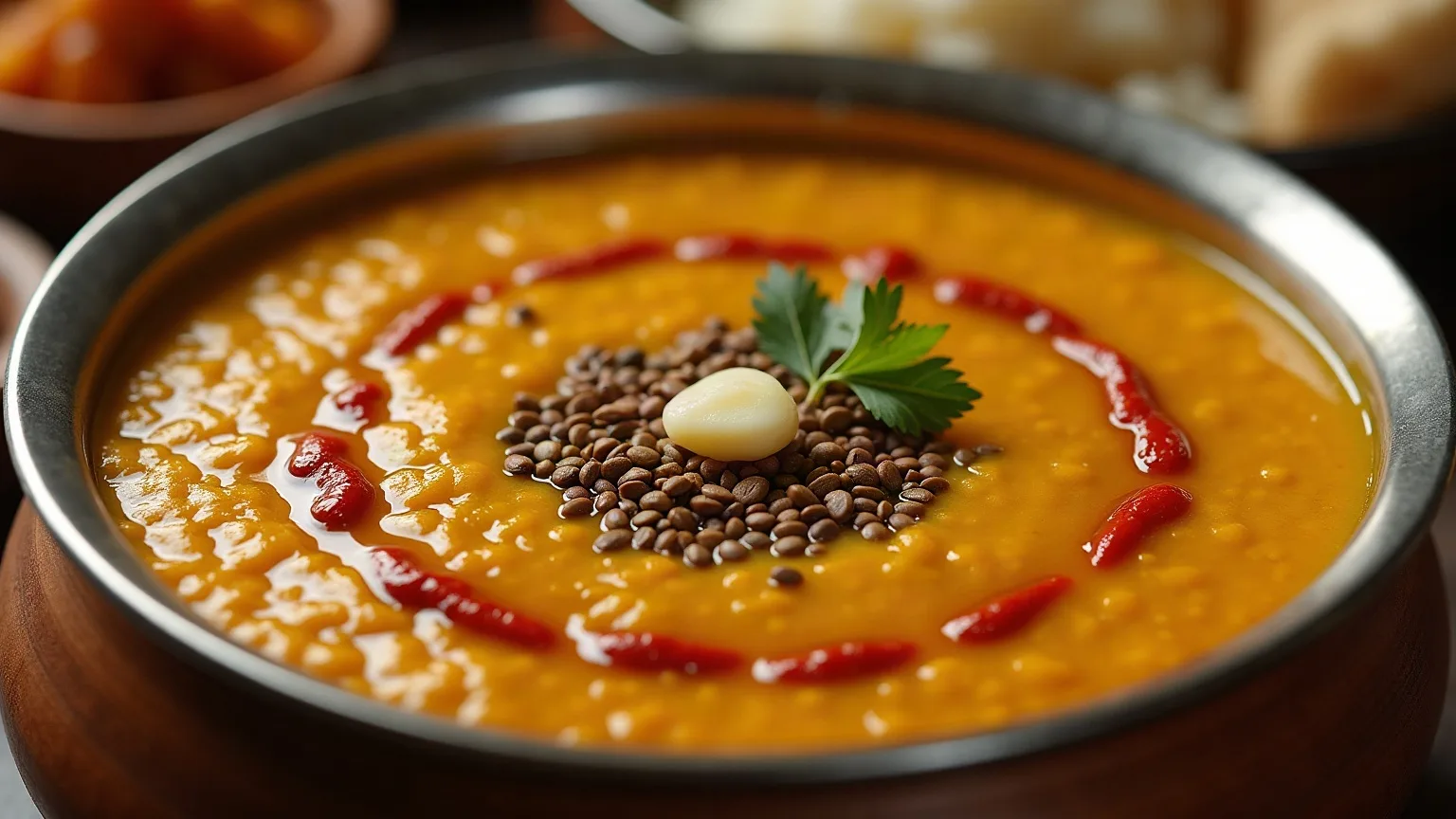
Red lentil dal
Twenty minutes of boiling lentils tastes of very little; almost all of the flavour is made in the last forty-five seconds, in hot fat.
Pulses · Indian · Budget · One pot · Under 30 minutes · Weekend batch · Freezes well
- Preparation
- 10 min
- Cooking
- 27 min
- Difficulty
- Needs attention
- Cost
- Very cheap
- Season
- All year
What Indian cooking calls a tarka or chaunk is a far sharper version of the Turkish habit of trickling hot fat over a finished dish, and the reason is chemistry. A lentil’s own taste comes from water-soluble compounds and there are not many of them, whereas turmeric’s curcumin, cumin’s cuminaldehyde and chilli’s capsaicin all dissolve in fat. Turmeric thrown into water gives colour and no flavour. The same turmeric, forty-five seconds in ghee at 160 °C, is another thing entirely — and that is exactly the temperature at which mustard seeds pop and release their own oil.
Method
- Rinse the lentils until the water runs clear.
- Chop the ginger and garlic finely: a tarka is measured in seconds and there is no time to chop during it.
You will need: A pan · A small pan, or a tarka ladle · A whisk
-
Put the lentils, water and turmeric in the pan and boil twenty minutes with the lid ajar, skimming the foam.
Look for The seeds should have collapsed completely and the surface bubble gently.
Why At this stage the turmeric gives colour and a faint earthiness; its real work happens later, in the fat. The lid has to stay ajar, because lentils foam over, and foam burning on the hob puts a bitter smell into the food.Starch gelatinised The granules soaked up water, swelled and burst into a network. It has thickened, and it will firm further as it cools. no way back
-
Whisk it smooth, season it and set the consistency.
Look for It should coat the back of a spoon and still flow; loosen it with hot water if it thickens.
Why Crushed with a spoon it stays lumpy; a whisk frees the starch and binds it. The salt goes in here, because a red lentil has no coat for salt to firm up — the rule that governs chickpeas and beans does not apply.Starch gelatinised The granules soaked up water, swelled and burst into a network. It has thickened, and it will firm further as it cools. no way back
Salt · 0.56% Low. Everything reads flat and nothing steps forward.
-
Bring the ghee to 160 °C in a small pan, drop in the mustard seeds, and when the popping stops add the cumin, garlic, ginger and chilli for forty-five seconds.
Look for The mustard seeds should pop audibly and the garlic should be gold, not brown.
Why The water inside a mustard seed turns to steam at 150–160 °C and bursts the seed; at that moment the fat gets inside it and the sharp taste comes out. Garlic and ginger go in afterwards because both darken within seconds and turn bitter when they do. Forty-five seconds is not a guess: at sixty the garlic is gone.If it went wrong
If the garlic has gone dark that tarka has to be thrown away: the bitterness travels through the whole pan and cannot be taken out. Wipe the pan and repeat with fresh fat twenty seconds shorter. A spoon of ghee is cheap beside a ruined pot of dal.
Starch gelatinised The granules soaked up water, swelled and burst into a network. It has thickened, and it will firm further as it cools. no way back
Frying dynamics Surface water is flashing to steam and pushing outward — that is the shield keeping the oil out. no way back
Salt · 0.53% Low. Everything reads flat and nothing steps forward.
The oil is under 170 °C. No shield forms, so the food soaks up fat and goes soggy.
-
Pour the tarka over the dal, add the tomato, give it two more minutes and squeeze the lemon in.
Look for An orange ring of fat should show on the surface: that ring is the sign the tarka worked.
Why Tomato and lemon go in last: acid put in early slows the lentils’ collapse and the whisking stage would then achieve nothing. The lemon’s other job is to cut the oily weight of the spice.Starch gelatinised The granules soaked up water, swelled and burst into a network. It has thickened, and it will firm further as it cools. no way back
Salt · 0.44% Low. Everything reads flat and nothing steps forward.
This recipe was run through the engine step by step — what goes in when, and at what temperature and for how long. The reactions above come from that run.
peak 165 °C · 27 minutes · engine 1.0.0 · confidence low
After the heat goes off
Hot, with rice or flatbread, and a spoon of yoghurt over it if you like.
Four days in the fridge, and better on the second day, as the spiced fat spreads through the whole pan.
Six minutes over a low flame with water added: it thickens noticeably as it cools.
Four months. If you mean to freeze it, making a fresh tarka after thawing lifts the taste noticeably.
Thinned with water it becomes a soup, or what is left is stirred through rice and fried.
Lentil purée suits a baby from six months, but not the spiced and salted version of this recipe: a bowl has to come out before the tarka and the salt. For 12–36 months leave the chilli out altogether; with ghee and cumin it is fine. Ginger can taste sharp to a small child.
A portion carries about 16 g of protein and a good deal of fibre. With rice it suits a meal two or three hours before training; immediately before, it sits heavy.
- Ghee (clarified butter) → Sunflower oil (linoleic) Sunflower oil makes it vegan; the nutty note of the ghee goes, but the tarka does the same work at the same temperature.
- Ground mustard seed → Nigella seeds Nigella opens at the same temperature but does not pop, so you go by its smell rather than the sound.
- Blooming in fat The method this recipe rests on
- Lentil What it does in heat, water and acid
- Tomato What it does in heat, water and acid
- Lemon What it does in heat, water and acid
- Red lentil soup Similar method, or something that sits on the same table
- Green lentil stew Similar method, or something that sits on the same table
- Chickpea stew Similar method, or something that sits on the same table
- Budget Other recipes that answer the same need
- One pot Other recipes that answer the same need
- Under 30 minutes Other recipes that answer the same need
- Weekend batch Other recipes that answer the same need
- Freezes well Other recipes that answer the same need
What it tastes like
The axes that define this recipe: aroma 52.
This profile is computed rather than measured: the role-weighted average of its ingredients’ taste vectors, shifted by what the cooking does. The thin line is the database average on that axis.
Closest in taste
Not hand-picked: ranked by distance across the eight taste axes.
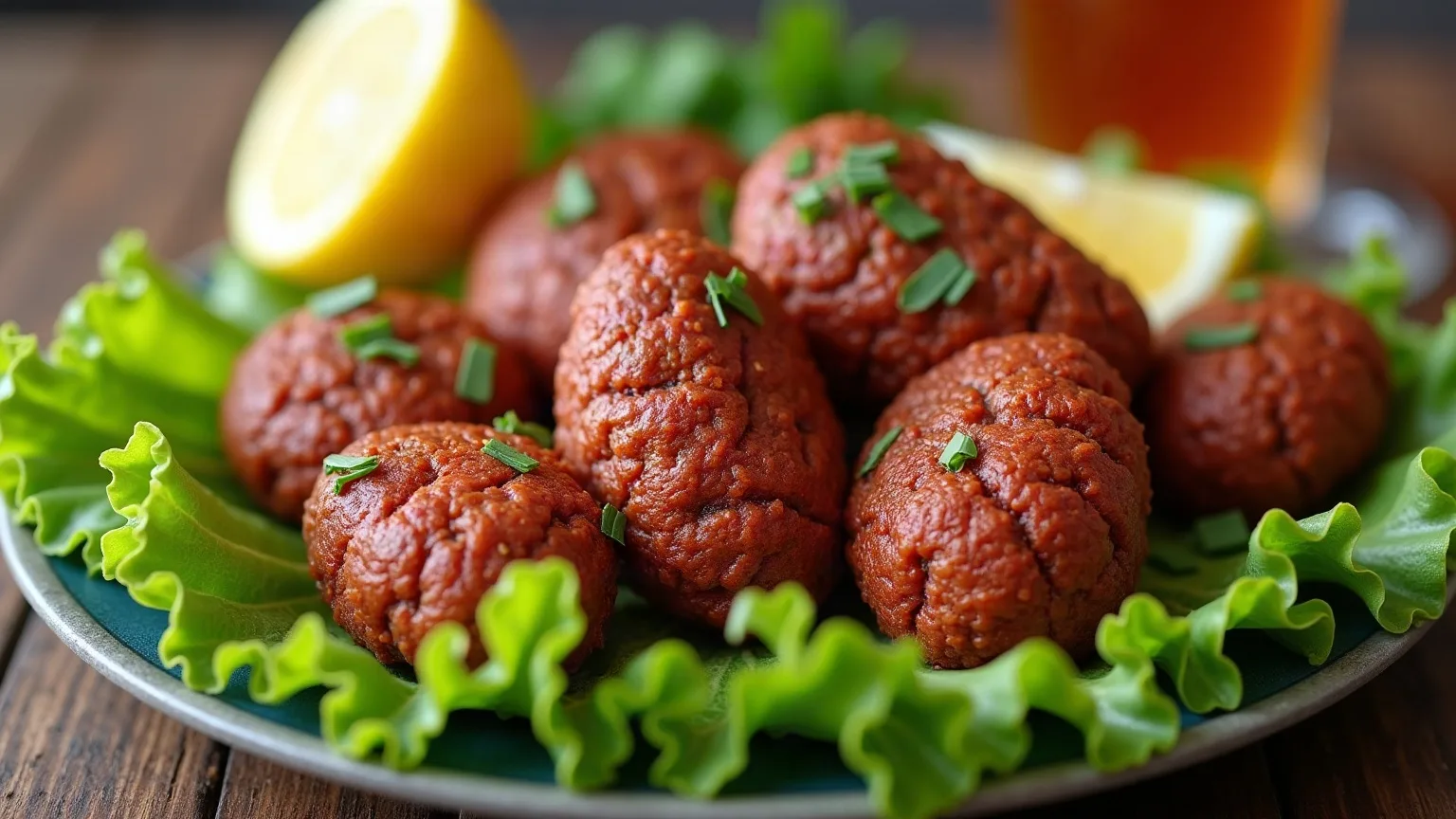
Çiğ köfte, without meat
The name says raw, but the bulgur is not: bulgur is wheat that has already been boiled, and here it is only soaked.…
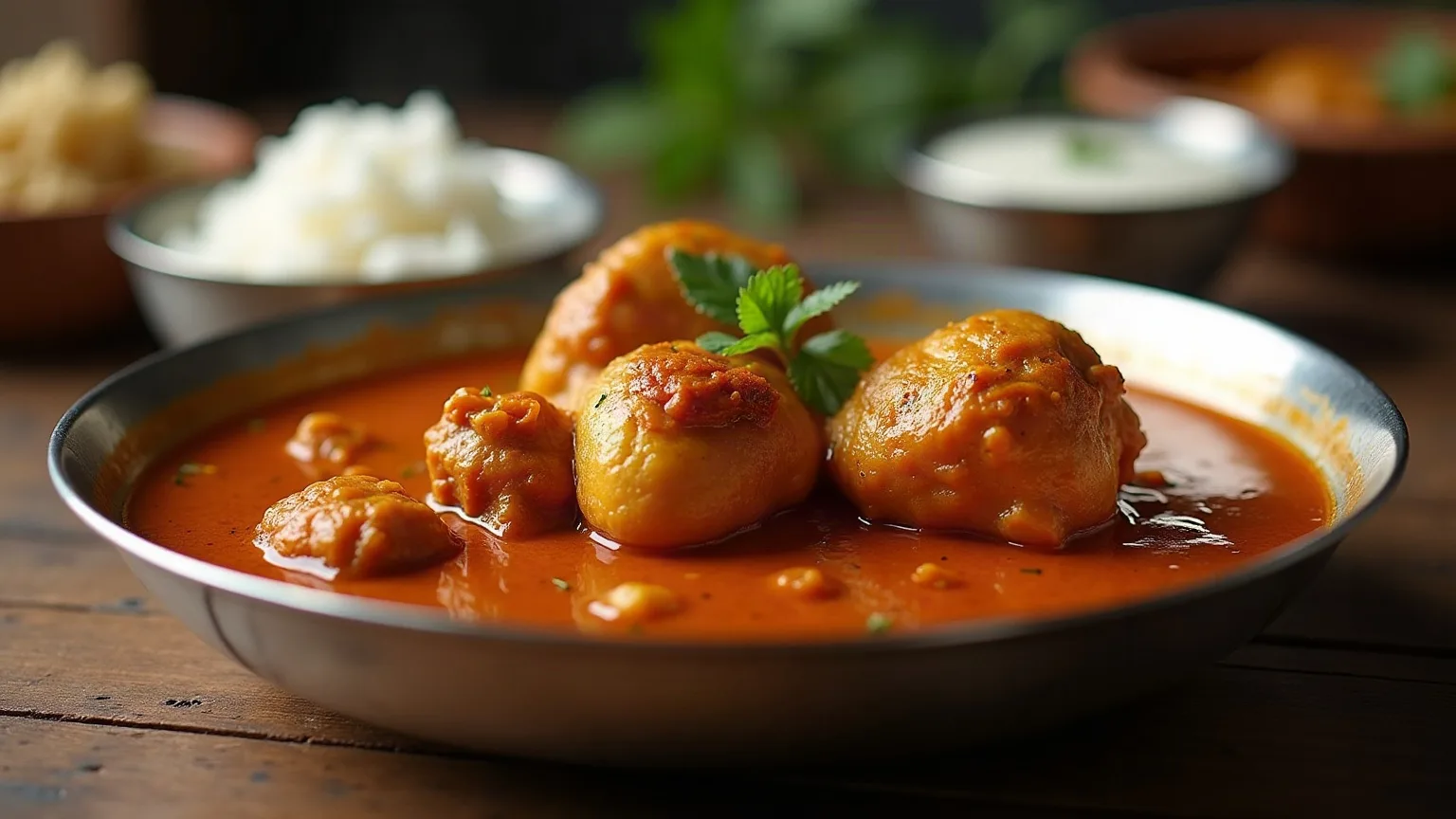
Chicken curry
Frying the spices in fat is not a step but half the recipe: their aromas dissolve in oil and not in water.…
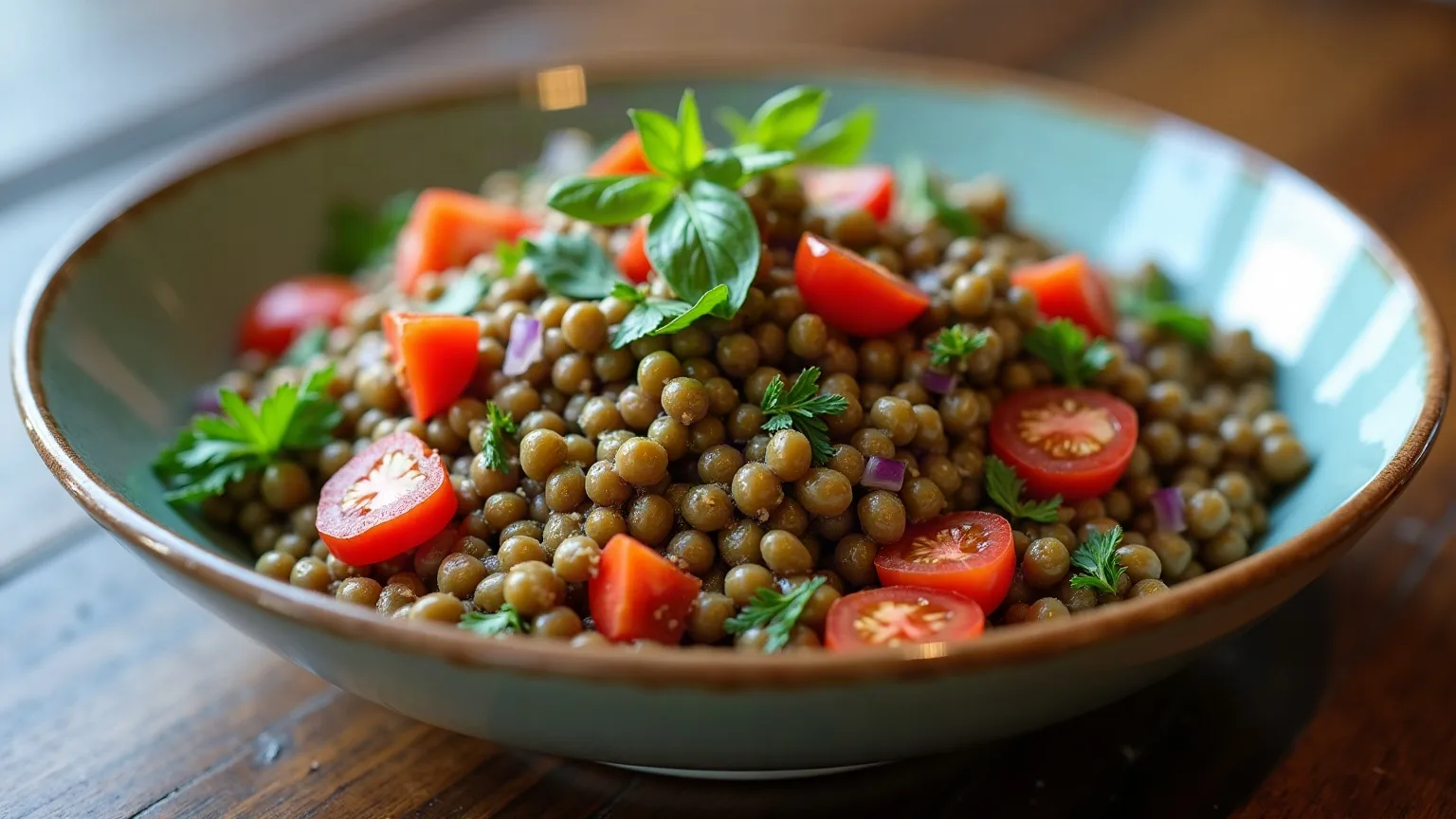
Green lentil salad
A lentil goes on cooking in its own heat for three or four minutes after the pan comes off. The eighteen minutes in this…
Tabbouleh
Tabbouleh is not a bulgur salad but a parsley salad: the bulgur is under a tenth of the whole. And what swells it is not…