
Oven chicken wings
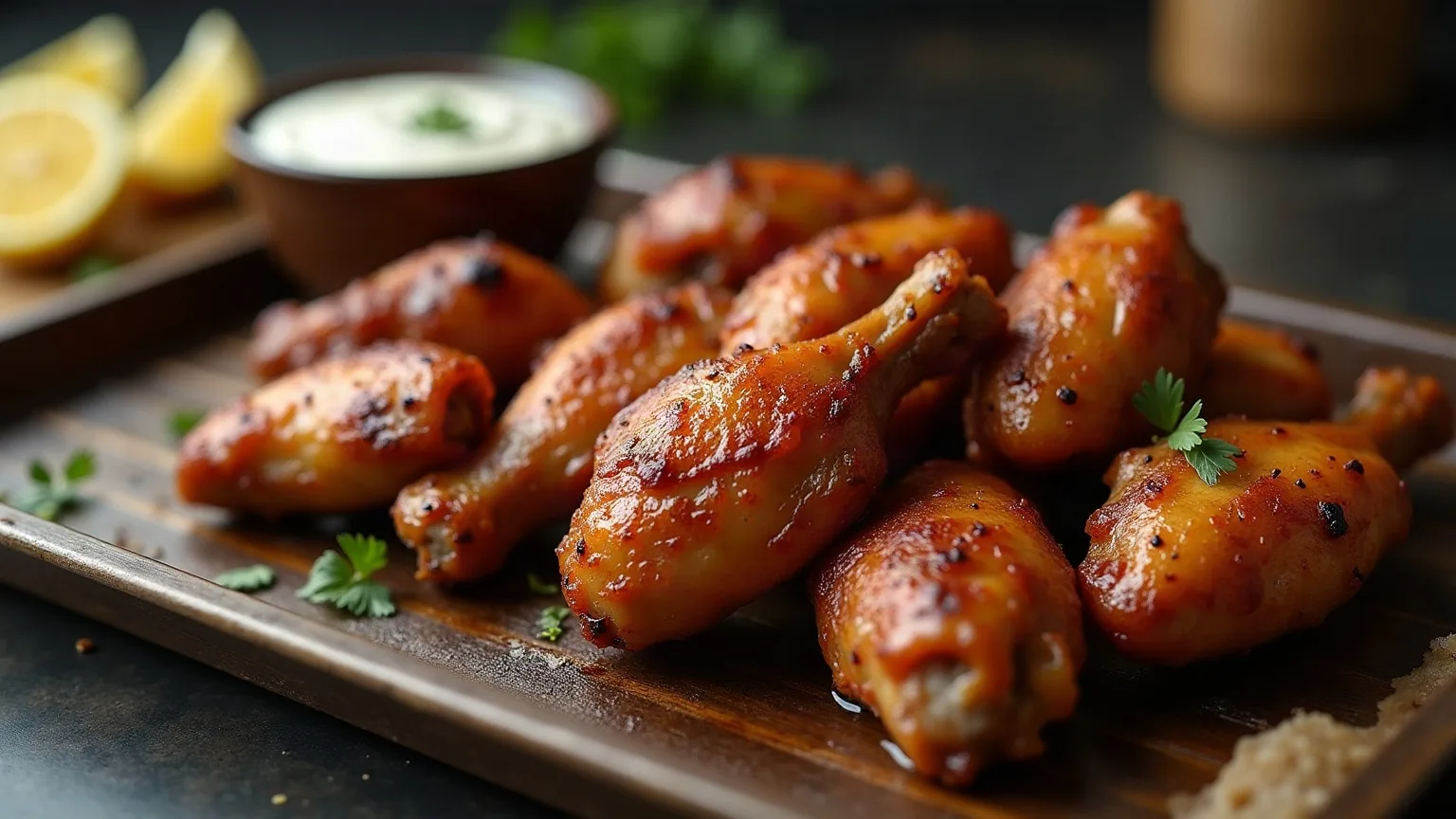
Crisp wings without a fryer are possible, on one condition: a night uncovered in the fridge to dry the skin.
Chicken dishes · International · Budget · For guests · Weekend batch
- Preparation
- 15 min
- Cooking
- 45 min
- Resting
- 720 min
- Difficulty
- Needs attention
- Cost
- Very cheap
- Season
- All year
Crisp skin is a question of water leaving. Skin is nearly 50% water, and in the oven the temperature stays at 100 °C until that water has gone — so it cannot begin to brown before it has dried. Skin dried beforehand skips that stage and goes straight to Maillard. A little baking powder raises the surface pH and speeds the same reaction, which is the restaurant trick that also works at home.
Method
- The night before, rub the wings with baking powder and salt and leave them uncovered on a rack in the fridge.
- Heat the oven to 200 °C.
You will need: A tray with a rack
-
Dry the wings, rub them with the baking powder and salt, and leave them on a rack in the fridge for twelve hours, uncovered.
Look for After twelve hours the skin should be dry, matte and slightly taut.
Why A fridge is a drier: the fan runs constantly and takes moisture out of the skin. Baking powder is alkaline and raises the surface pH, and the Maillard reaction runs markedly faster in alkaline conditions.If it went wrong
With no time, dry them hard with kitchen paper and add ten minutes in the oven: not as good as the drying, but it works.
Starch still asleep The granules are just floating there doing nothing. No body arrives before 62 °C.
Salt · 0.98% Right in the window. Flavours sharpen, bitterness retreats, water is held.
-
Space the wings on the rack and roast thirty minutes at 200 °C.
Look for After thirty minutes the skin should be golden and tight.
Why The rack lets air pass underneath; laid on the tray, the underside stews in its own juice and never crisps.Starch gelatinised The granules soaked up water, swelled and burst into a network. It has thickened, and it will firm further as it cools. no way back
Maillard is running Amino acids have met reducing sugars. The crust, the roasted flavour and that smell all come from here. no way back
Salt · 0.98% Right in the window. Flavours sharpen, bitterness retreats, water is held.
-
Mix the honey, soy, crushed garlic, red pepper and black pepper; toss the wings in it and roast fifteen minutes more.
Look for The glaze should be glossy and sticky rather than black and dry.
Why The sauce goes on last because its sugar blackens above 160 °C. Coated from the start, thirty minutes turns it bitter; fifteen caramelises the sugar without burning it.If it went wrong
If the glaze starts to blacken, take them out at once: burnt sugar is bitter and that bitterness goes into the wing.
Starch gelatinised The granules soaked up water, swelled and burst into a network. It has thickened, and it will firm further as it cools. no way back
Maillard is running Amino acids have met reducing sugars. The crust, the roasted flavour and that smell all come from here. no way back
Salt · 0.91% Right in the window. Flavours sharpen, bitterness retreats, water is held.
This recipe was run through the engine step by step — what goes in when, and at what temperature and for how long. The reactions above come from that run.
peak 200 °C · 765 minutes · engine 1.0.0 · confidence low
What can go wrong here
The meat came out dry and tough⌄
What happened
The meat passed 70 °C. Past that point the muscle fibres contract and wring out their water, while collagen never gets the time to turn into gelatine. It loses moisture and never tenderises.
By the numbers
Beef medium at 57 °C, chicken at 74 °C. Rest it for 10 minutes off the heat; unrested meat leaves its juice on the plate.
Without a thermometer
The palm test: touch thumb to index finger and press the pad below your thumb — that firmness is rare. Middle finger is medium, ring finger is well done. Watch the juice too: pinkish and clear means you are there, running white means you went too far.
After the heat goes off
Hot, with the hands, and garlic yoghurt and lemon beside them.
Two days in the fridge. The crispness goes as they cool and partly returns with heat.
Eight minutes at 220 °C on a rack. A microwave softens the skin completely.
Two months cooked; most of the crispness comes back from the oven.
The meat off the bone goes into a salad or a cold sandwich, and the bones make stock.
The soy and honey make these salty and sweet. For 12–36 months cook a separate batch with only baking powder, a little salt and red pepper. Honey is not for a baby under one, and a wing on the bone does not suit a toddler: take the meat off for them.
- Soy sauce → Pomegranate molasses Pomegranate molasses is the gluten-free answer and more acidic: halve the honey or the glaze turns too sweet.
- The oven The method this recipe rests on
- Chicken What it does in heat, water and acid
- Soy sauce What it does in heat, water and acid
- Honey What it does in heat, water and acid
- Whole roast chicken Similar method, or something that sits on the same table
- Chicken shish Similar method, or something that sits on the same table
- Chicken schnitzel Similar method, or something that sits on the same table
- Budget Other recipes that answer the same need
- For guests Other recipes that answer the same need
- Weekend batch Other recipes that answer the same need
What it tastes like
The axes that define this recipe: aroma 64, sweet 35.
This profile is computed rather than measured: the role-weighted average of its ingredients’ taste vectors, shifted by what the cooking does. The thin line is the database average on that axis.
Closest in taste
Not hand-picked: ranked by distance across the eight taste axes.
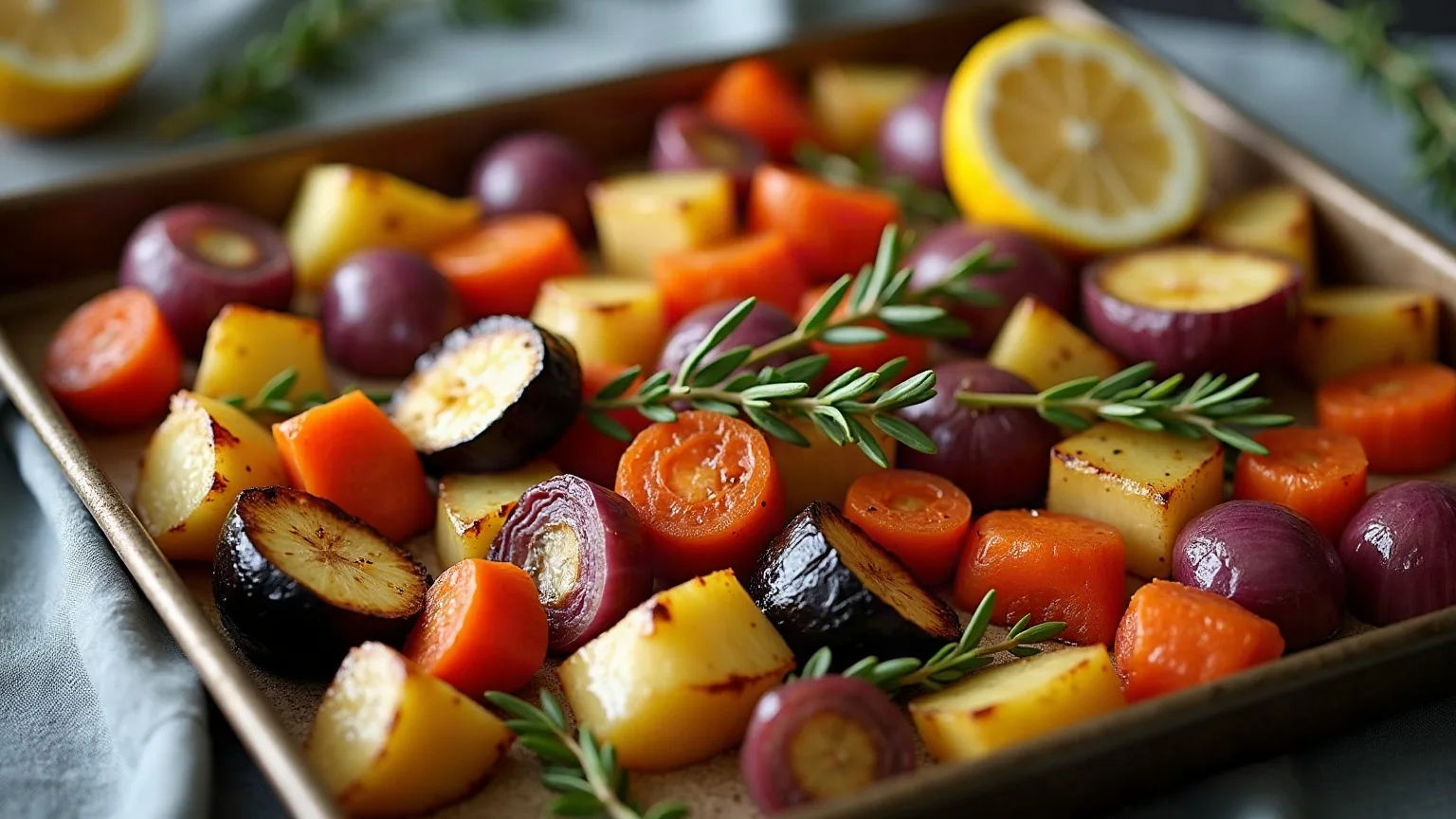
Tray-roasted vegetables
A vegetable that does not fit on the tray does not roast, it steams. Using two trays instead of one is the only trick in…
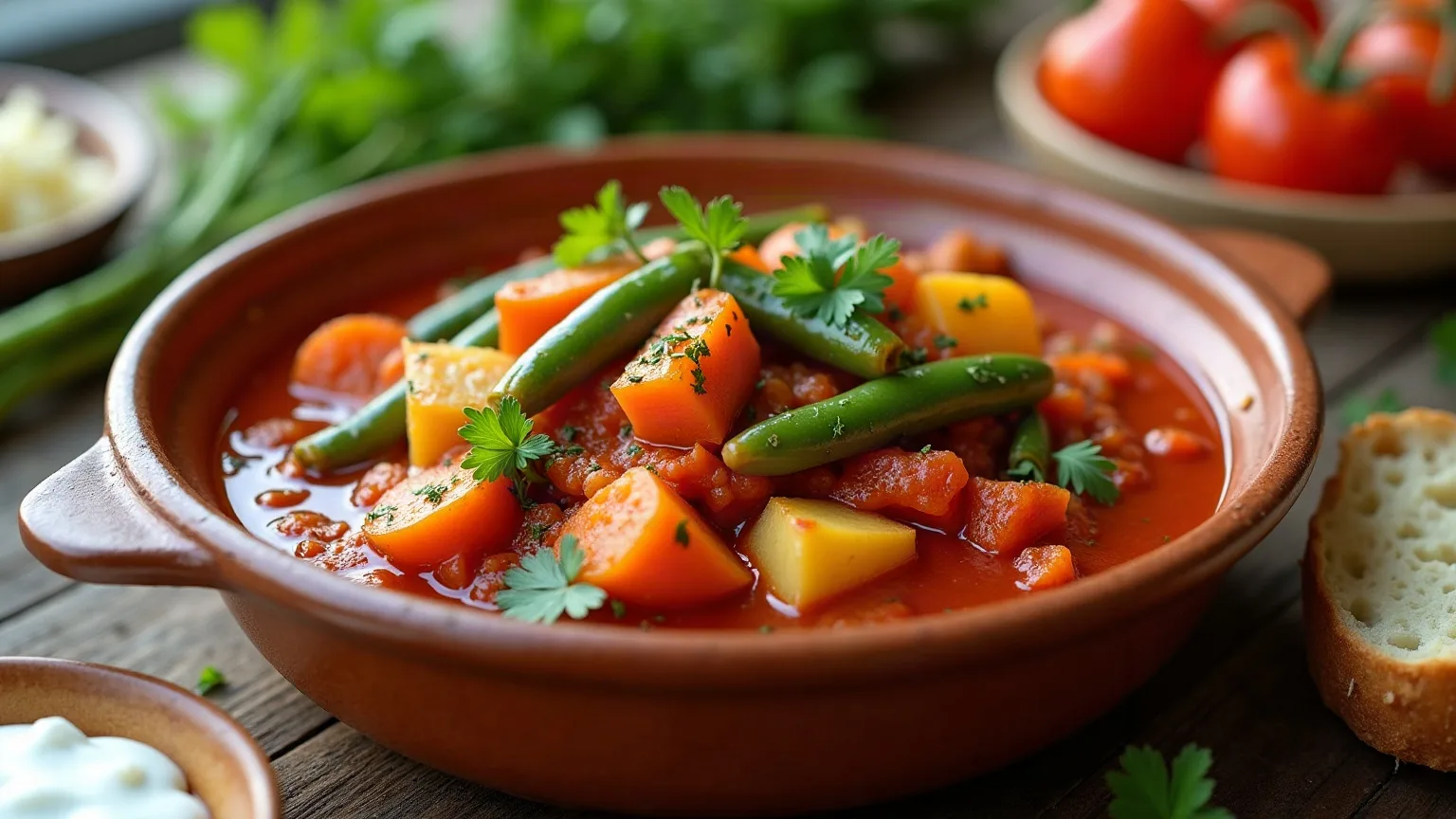
Türlü
The name means "all sorts" and the recipe means it: whatever is in the house goes in. The one rule is the order they coo…
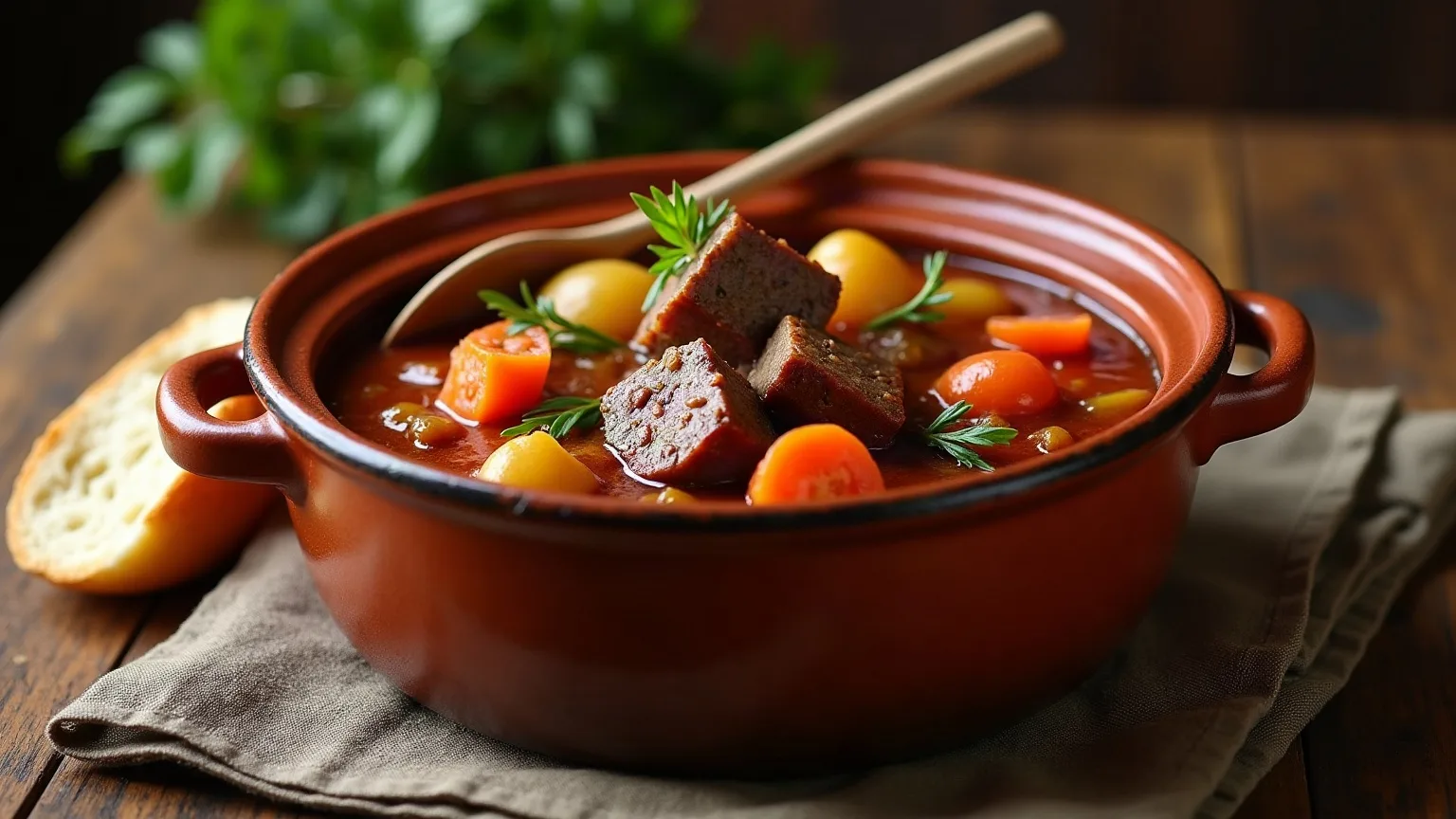
Lamb casserole
The meat has two hours and the vegetables have forty minutes. Put them in together and the vegetables vanish while the m…
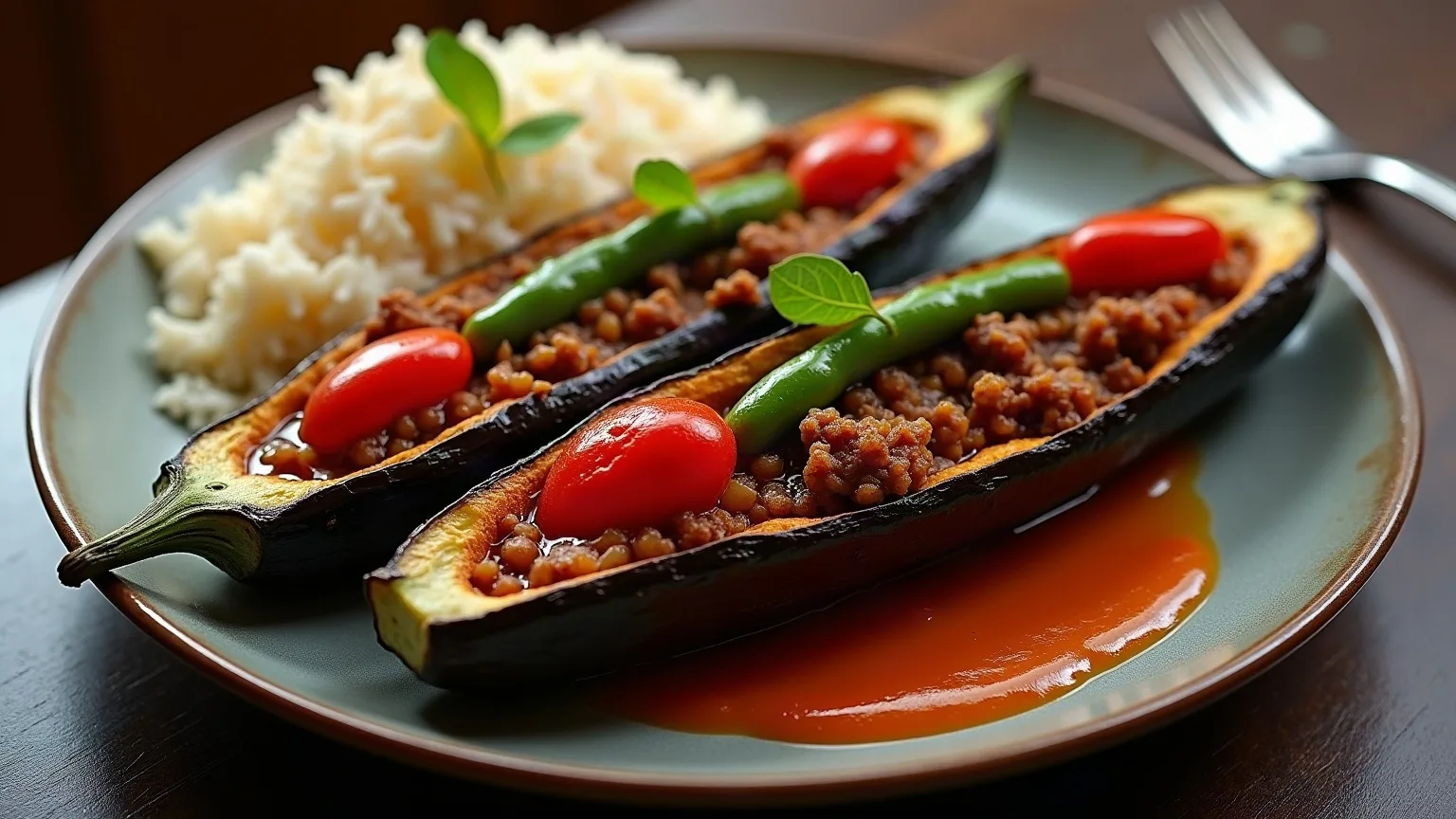
Karnıyarık
The one thing that stops an aubergine drinking oil is a soak in salted water: cells full of water leave no room for fat.…