
Pumpkin soup
Boiled pumpkin gives a watery, flat soup. Roasted pumpkin is the same vegetable and a completely different soup.
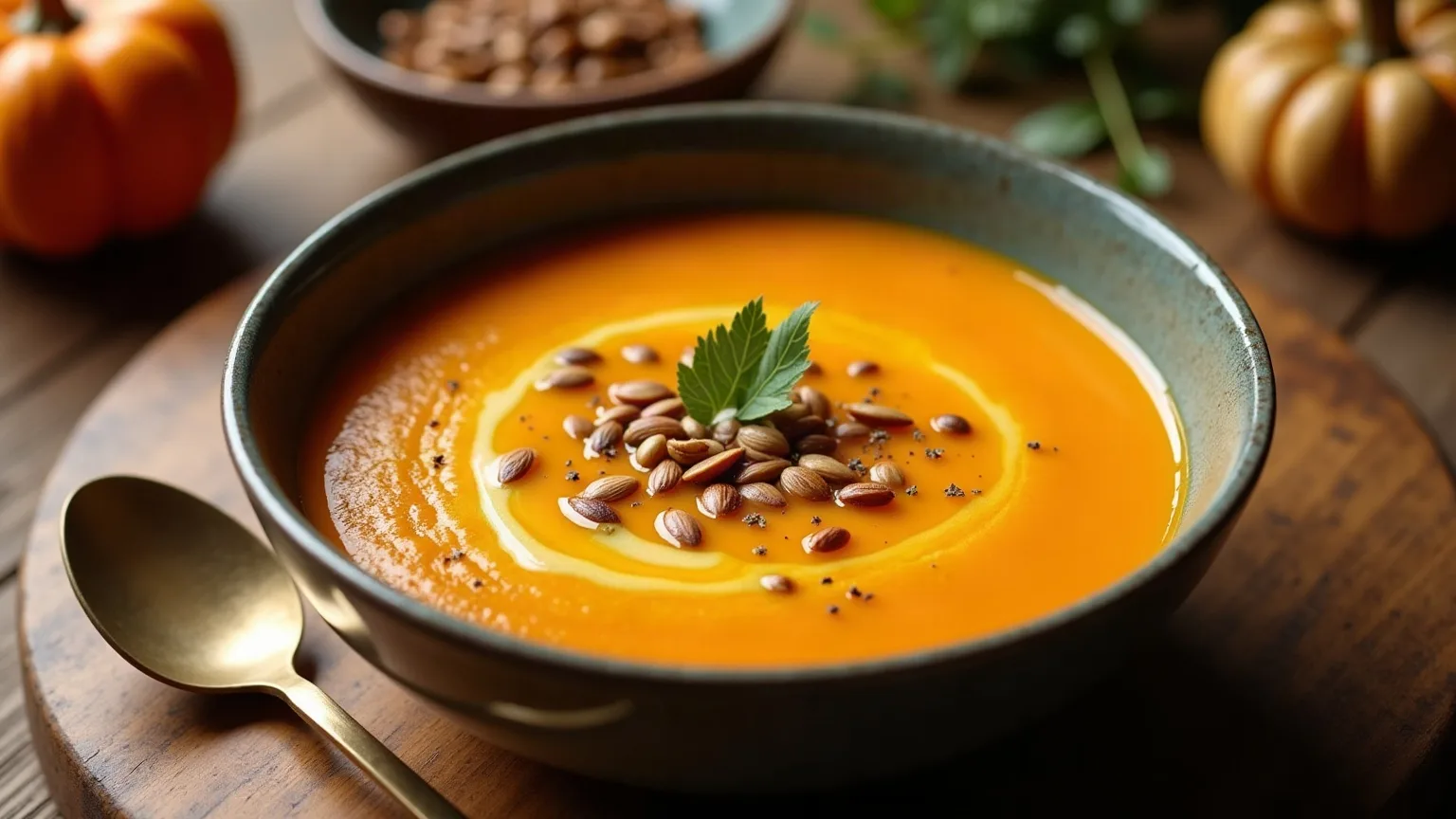
Soups · International · Seasonal · For guests · Freezes well · Vegan
- Preparation
- 15 min
- Cooking
- 45 min
- Difficulty
- Needs attention
- Cost
- Very cheap
- Season
- Autumn, Winter
Pumpkin is better known in Turkey as a dessert, and the soup rests on the same property: a high sugar content. Boiled in water that sugar dilutes; in dry heat it caramelises. The difference between the two soups is not a spice or an ingredient, only the presence of water.
Method
- Heat the oven to 200 °C.
- Cut the pumpkin into 3 cm pieces and leave the skin on: it comes away by itself in the oven.
You will need: A roasting tray · A pan · A stick blender
-
Toss the pumpkin, onion and unpeeled garlic in the oil, spread them in a SINGLE layer and roast at 200 °C for thirty-five minutes.
Look for You want dark brown, in places almost black, patches at the edges: those patches are the flavour.
Why Pumpkin’s sugar caramelises above 160 °C and that is the entire flavour of this soup. Piled up, the pieces steam each other, the temperature stays at 100 °C and nothing caramelises.If it went wrong
If it softened without colouring, take the oven to 230 °C and give it eight minutes more. If the tray is crowded, move half of it to a second tray.
Starch gelatinised The granules soaked up water, swelled and burst into a network. It has thickened, and it will firm further as it cools. no way back
-
Squeeze the garlic out of its skins, scoop the pumpkin off its skin and put everything in the pan.
Look for The cloves should come out of the skin like a paste.
Why Roasted in its skin, garlic does not burn but steams: the sharpness goes and it turns to a sweet paste. Peeled, it would have charred in the same time. -
Add the water, the grated ginger and the salt, boil eight minutes and blend.
Look for It should be deep orange and velvety; if it is too thick, add hot water.
Why The ginger is balance rather than flavour: pumpkin’s sweetness is cloying on its own and ginger’s bite cuts it. Eight minutes is long enough for it to enter the water and short enough that it does not leave.Starch gelatinised The granules soaked up water, swelled and burst into a network. It has thickened, and it will firm further as it cools. no way back
Salt · 0.41% Low. Everything reads flat and nothing steps forward.
-
Toast the pumpkin seeds in a dry pan for three minutes and scatter them over.
Look for Take them off as they start to pop and smell.
Why The one thing a smooth soup lacks is texture; toasted seeds bring both a crunch and a second taste of the same plant.Starch gelatinised The granules soaked up water, swelled and burst into a network. It has thickened, and it will firm further as it cools. no way back
Frying dynamics Surface water is flashing to steam and pushing outward — that is the shield keeping the oil out. no way back
Salt · 0.40% Low. Everything reads flat and nothing steps forward.
The oil is under 170 °C. No shield forms, so the food soaks up fat and goes soggy.
This recipe was run through the engine step by step — what goes in when, and at what temperature and for how long. The reactions above come from that run.
peak 200 °C · 48 minutes · engine 1.0.0 · confidence low
After the heat goes off
Hot, with olive oil, the toasted seeds and pepper ground over. It looks well in small bowls on a table with guests.
Four days in the fridge — no dairy, so it keeps. Store the seeds separately or they soften.
Five minutes on a low flame with a little water. This soup takes reheating well.
Four months, and one of the best soups for it: nothing dairy to separate and nothing grainy to fall apart.
Reduced it becomes a pasta sauce or a ravioli filling; with an egg and some flour, dropped by the spoon into a pan, it becomes a fritter.
Ideal for a baby from six months: naturally sweet, smooth, and it can be made unsalted. Leave the ginger out for a baby. For 12–36 months keep the ginger very light and grind the seeds — a whole seed is a choking risk for a toddler.
- Pumpkin → Carrot The same technique works with carrots; slightly lower in sugar, so the soup comes out less sweet and more earthy.
- Fresh ginger → Cumin Cumin cuts the sweetness too, from another direction: earthy depth instead of bite.
- The oven The method this recipe rests on
- Pumpkin What it does in heat, water and acid
- Bulb onion What it does in heat, water and acid
- Olive oil What it does in heat, water and acid
- Vegetable soup Similar method, or something that sits on the same table
- Broccoli soup Similar method, or something that sits on the same table
- Celeriac soup Similar method, or something that sits on the same table
- Seasonal Other recipes that answer the same need
- For guests Other recipes that answer the same need
- Freezes well Other recipes that answer the same need
- Vegan Other recipes that answer the same need
What it tastes like
The axes that define this recipe: aroma 67.
This profile is computed rather than measured: the role-weighted average of its ingredients’ taste vectors, shifted by what the cooking does. The thin line is the database average on that axis.
Closest in taste
Not hand-picked: ranked by distance across the eight taste axes.
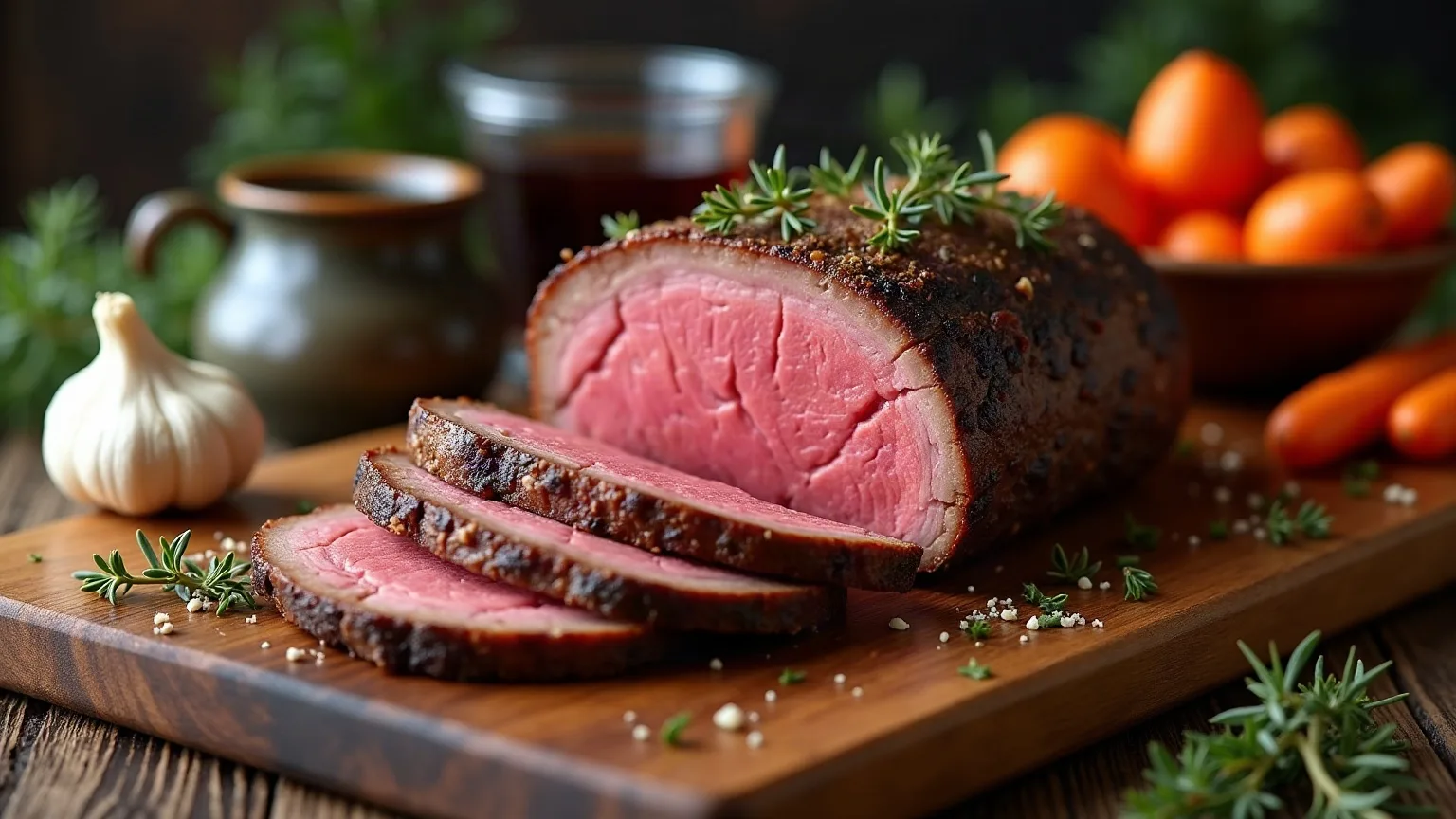
Roast beef
Not a dish to make without a thermometer. The answer to "how many minutes" depends on the temperature at the centre, not…
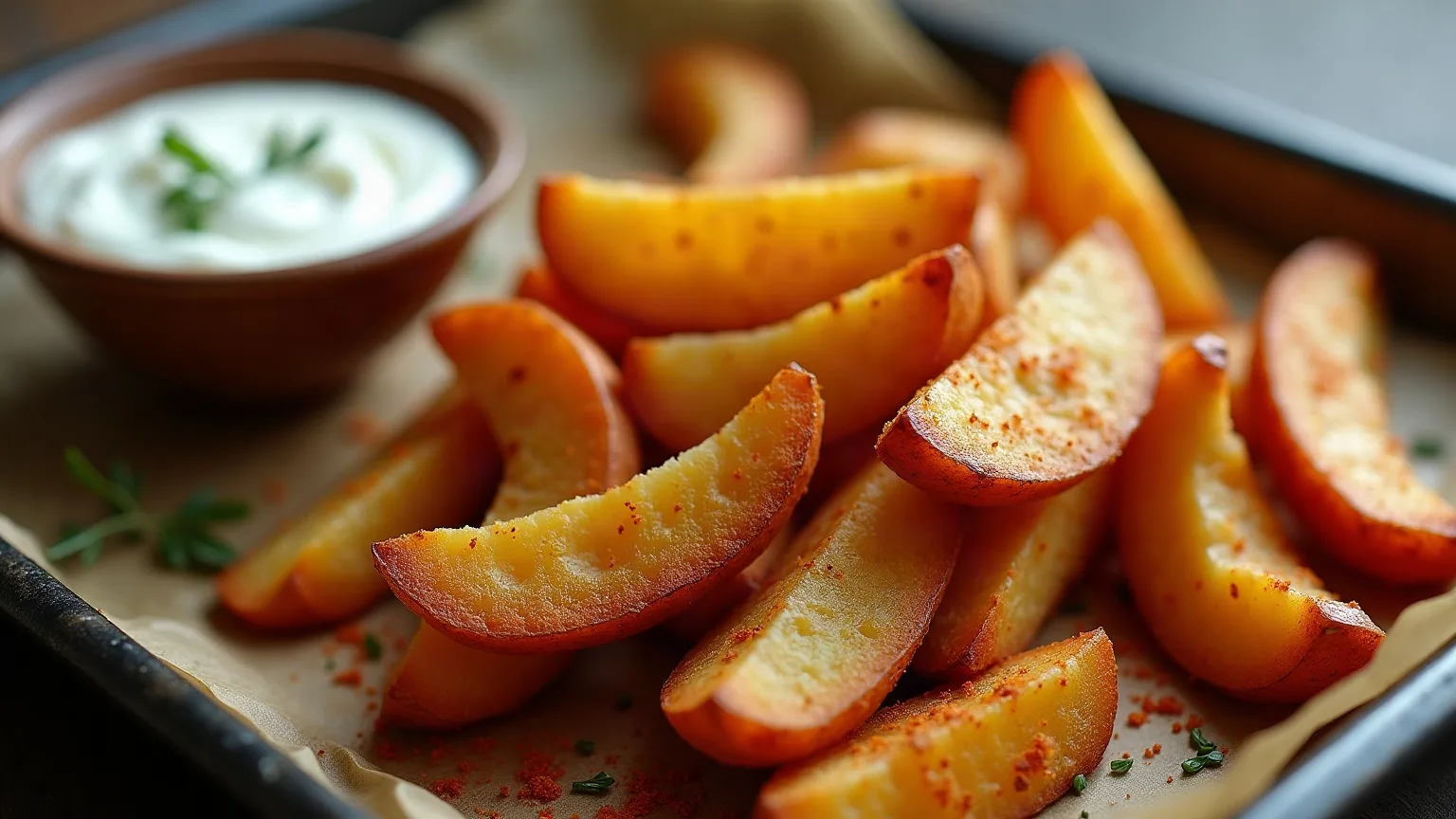
Oven potato wedges
The secret of a crisp wedge is not in the oven but before it: a boil and a shake. Without roughening the surface there i…
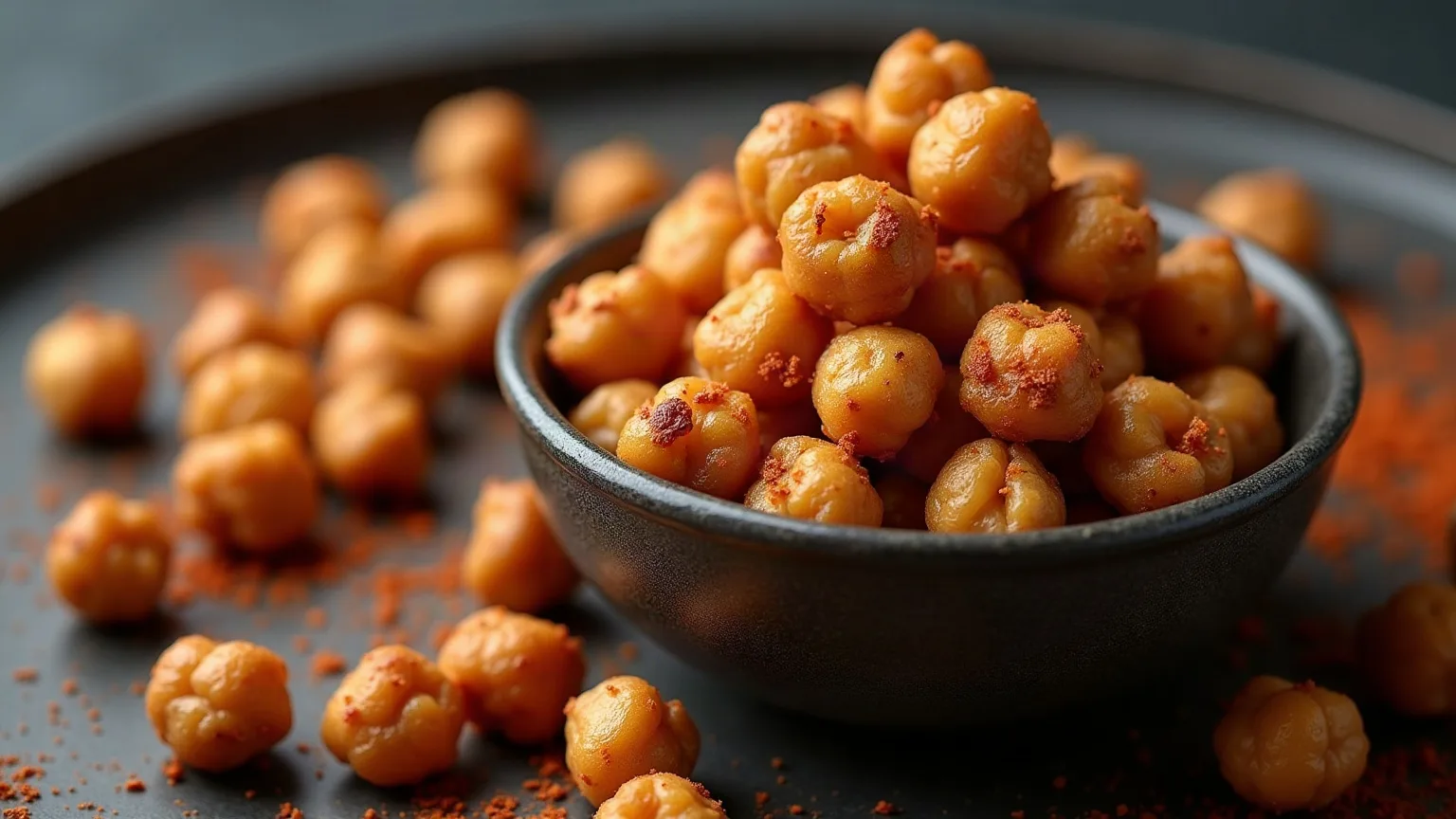
Roasted chickpeas
The crunch is drying, not browning: while there is free water on the surface the chickpea stays soft. The spices wait un…
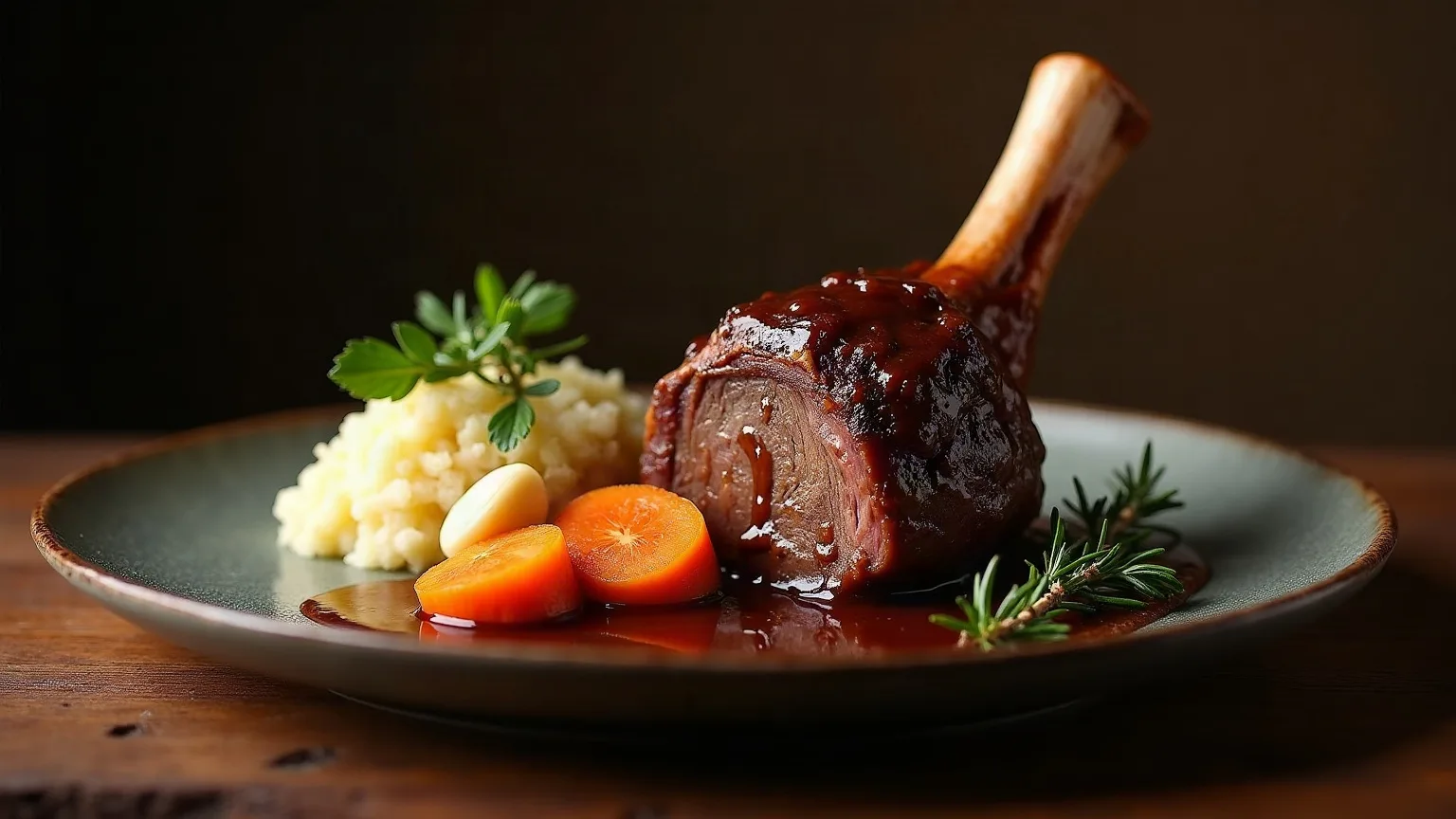
Slow-roast lamb shank
Three hours at 150 °C. There is no way to shorten it: collagen becomes gelatin with time rather than with temperature.…