
Oven lamb tandır
Four hours at 140 °C, then fifteen minutes at 240. Without the second number the meat is tender and pale.
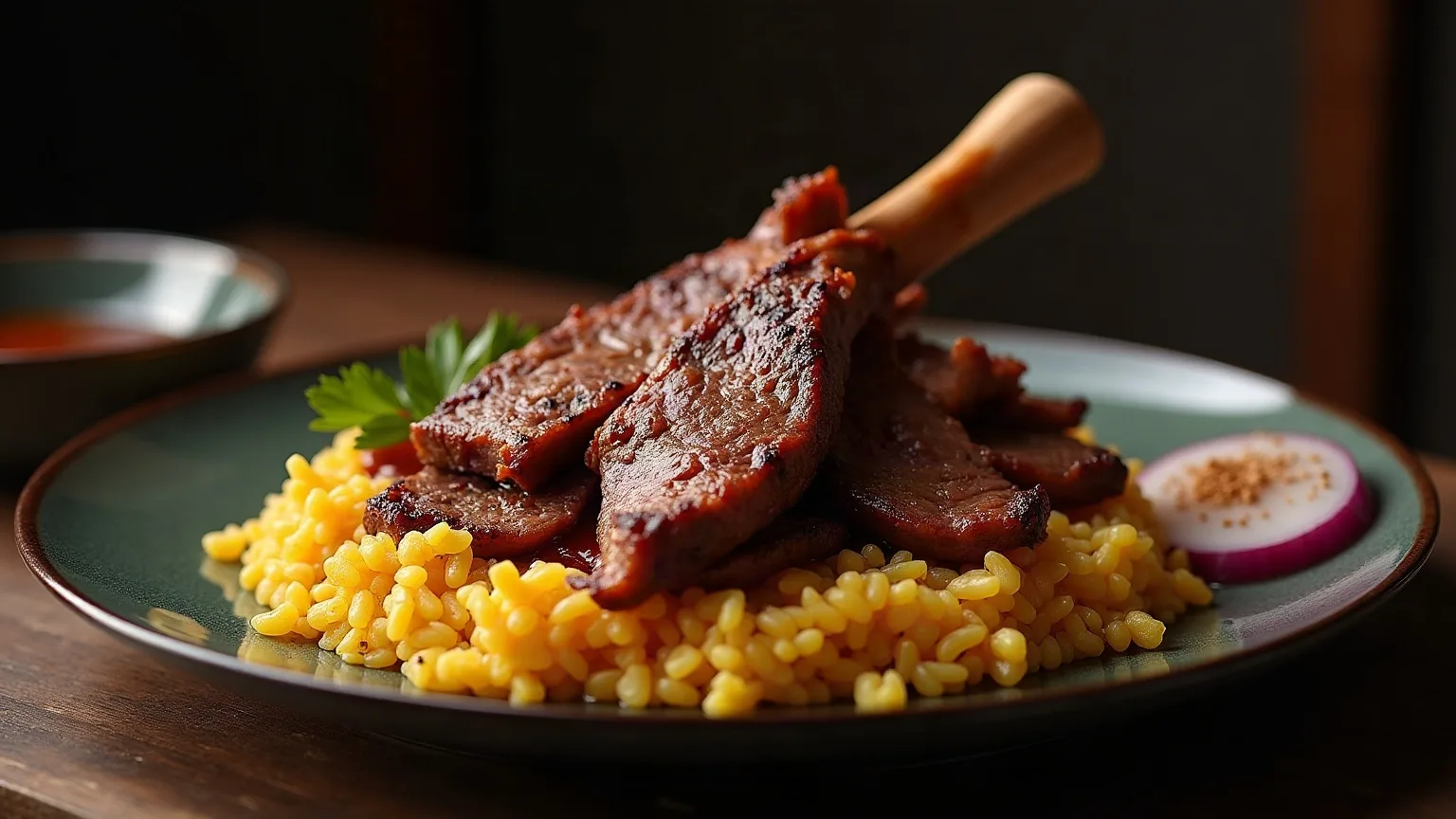
Meat dishes · Central Anatolia · For guests · Weekend batch
- Preparation
- 15 min
- Cooking
- 255 min
- Resting
- 20 min
- Difficulty
- Practised hand
- Cost
- Dear
- Season
- All year
A real tandır is an oven sunk into the ground: the lamb hangs in it, the mouth is sealed, and it cooks for hours in its own fat. A domestic oven reaches the same result through the same principle — low, steady heat, a closed space and a long time. In Konya and Ankara tandır is not a meal but a day: it goes in at dawn and is eaten at noon.
Method
- Salt the meat the night before and leave it uncovered in the fridge: the surface dries and browns better at the end.
- Heat the oven to 140 °C.
You will need: A deep dish with a lid, or a double layer of foil · An oven rack
-
Put the onion, garlic, bay and water in the base of the dish; set the meat on a rack above it and rub it with the thyme and pepper.
Look for There should be at least 2 cm of clearance under the meat.
Why The meat sits above the water rather than in it: the water below makes steam and keeps the space humid, while the meat cooks in its own fat. Submerged, it boils and stops being tandır.Starch still asleep The granules are just floating there doing nothing. No body arrives before 62 °C.
Salt · 1.44% Right in the window. Flavours sharpen, bitterness retreats, water is held.
-
Seal the dish tightly and cook FOUR HOURS at 140 °C.
Look for After four hours a fork should meet no resistance and the fibres separate on their own.
Why At 140 °C the inside of the dish sits around 95–98 °C. At that temperature collagen converts almost entirely over four hours and the meat falls off the bone by itself. A hotter oven does not shorten it, it only dries the outer layer.If it went wrong
If it still resists, give it another forty-five minutes. With this cut there is almost no such thing as overcooked — only undercooked.
Starch gelatinised The granules soaked up water, swelled and burst into a network. It has thickened, and it will firm further as it cools. no way back
Maillard is running Amino acids have met reducing sugars. The crust, the roasted flavour and that smell all come from here. no way back
Salt · 0.97% Right in the window. Flavours sharpen, bitterness retreats, water is held.
-
Take the lid off, brush the meat with melted butter and take the oven to 240 °C for fifteen minutes.
Look for The surface should be deep brown and crisp in places, with the fatty edges blistering.
Why No Maillard happened in four hours, because inside a sealed dish nothing passed 100 °C. These fifteen minutes are the entire crust: at 240 °C the surface goes above 150 and the colour, the smell and the crispness all form there.If it went wrong
If the surface starts to blacken, take it out at once: fifteen minutes is a ceiling rather than a target, and the difference between ovens shows up most in this step.
Starch gelatinised The granules soaked up water, swelled and burst into a network. It has thickened, and it will firm further as it cools. no way back
Maillard is running Amino acids have met reducing sugars. The crust, the roasted flavour and that smell all come from here. no way back
Salt · 0.95% Right in the window. Flavours sharpen, bitterness retreats, water is held.
-
Rest it twenty minutes, then pull it apart with a fork. Strain the liquid from the dish and use it as sauce.
Look for Pushed with a fork the meat should come apart in strands rather than in chunks.
Why As it rests the gelatinous juice redistributes between the fibres. The liquid in the dish is four hours of dripping and holds the most concentrated flavour on the table.Starch gelatinised The granules soaked up water, swelled and burst into a network. It has thickened, and it will firm further as it cools. no way back
Salt · 0.95% Right in the window. Flavours sharpen, bitterness retreats, water is held.
This recipe was run through the engine step by step — what goes in when, and at what temperature and for how long. The reactions above come from that run.
peak 240 °C · 283 minutes · engine 1.0.0 · confidence low
What can go wrong here
The meat came out dry and tough⌄
What happened
The meat passed 70 °C. Past that point the muscle fibres contract and wring out their water, while collagen never gets the time to turn into gelatine. It loses moisture and never tenderises.
By the numbers
Beef medium at 57 °C, chicken at 74 °C. Rest it for 10 minutes off the heat; unrested meat leaves its juice on the plate.
Without a thermometer
The palm test: touch thumb to index finger and press the pad below your thumb — that firmness is rare. Middle finger is medium, ring finger is well done. Watch the juice too: pinkish and clear means you are there, running white means you went too far.
After the heat goes off
Over rice with its sauce, and sliced onion with sumac beside it: acid is what cuts the fat.
Four days in the fridge, in its sauce. Stored without it the meat dries by the third day.
Twenty minutes at 160 °C in its sauce under foil.
Four months in its sauce. Shredded and frozen in portions is the most useful form.
The shredded meat goes onto a pide, into a börek, into a wrap and into pasta: a kilo makes three different dinners.
Four-hour lamb is ideal for children. For 12–36 months crush the shredded meat with a fork and mind the salt: the meat is salted the night before, so a child’s portion wants to be a separate unsalted piece. The same for a baby under one.
- Lamb → Red meat Beef chuck works; the time goes to five hours and the taste is leaner and more neutral.
- The oven The method this recipe rests on
- Lamb What it does in heat, water and acid
- Bulb onion What it does in heat, water and acid
- Garlic What it does in heat, water and acid
- Slow-roast lamb shank Similar method, or something that sits on the same table
- Lamb casserole Similar method, or something that sits on the same table
- Taş kebabı Similar method, or something that sits on the same table
- For guests Other recipes that answer the same need
- Weekend batch Other recipes that answer the same need
What it tastes like
The axes that define this recipe: aroma 78, umami 41.
This profile is computed rather than measured: the role-weighted average of its ingredients’ taste vectors, shifted by what the cooking does. The thin line is the database average on that axis.
Closest in taste
Not hand-picked: ranked by distance across the eight taste axes.
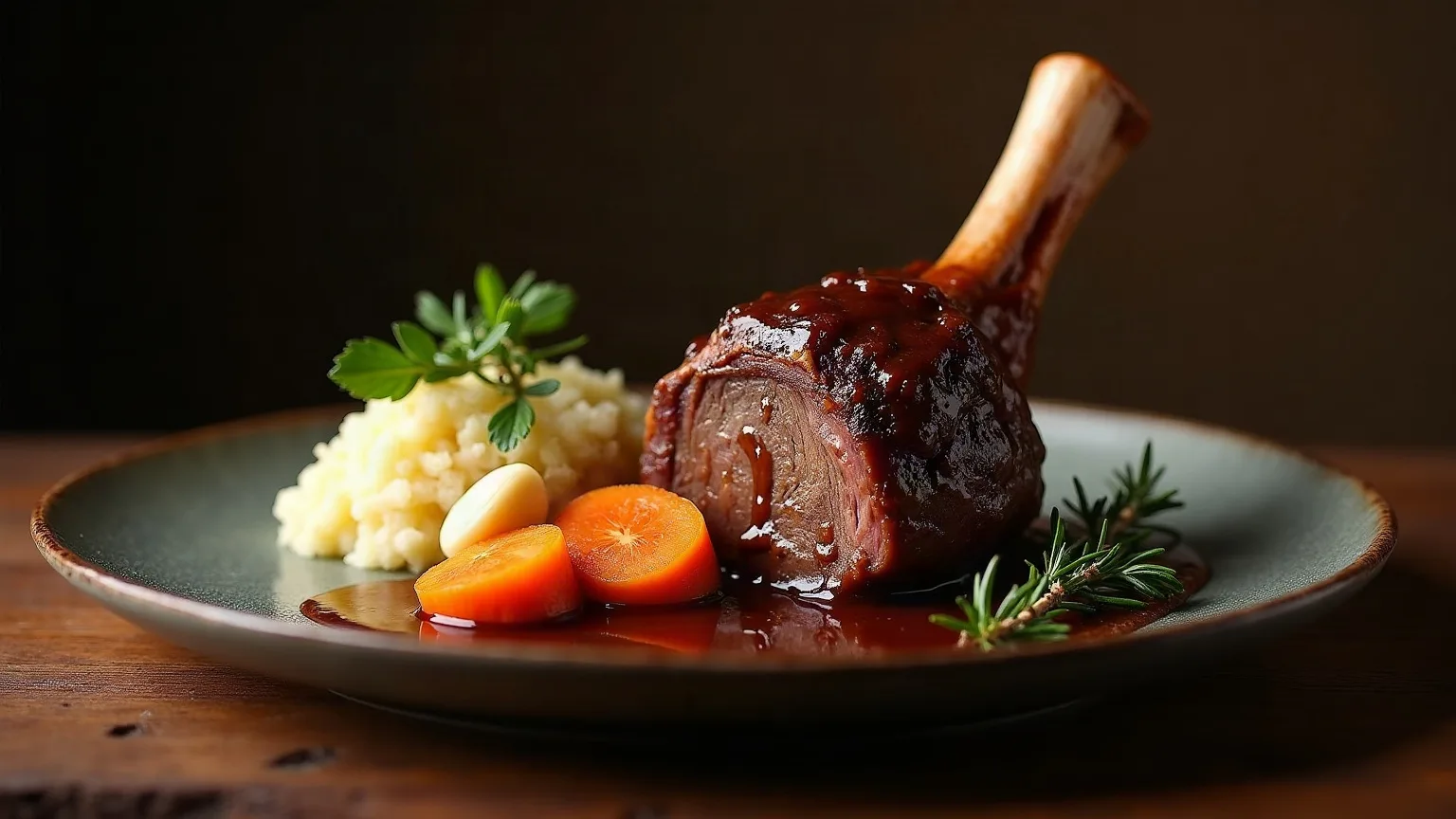
Slow-roast lamb shank
Three hours at 150 °C. There is no way to shorten it: collagen becomes gelatin with time rather than with temperature.…
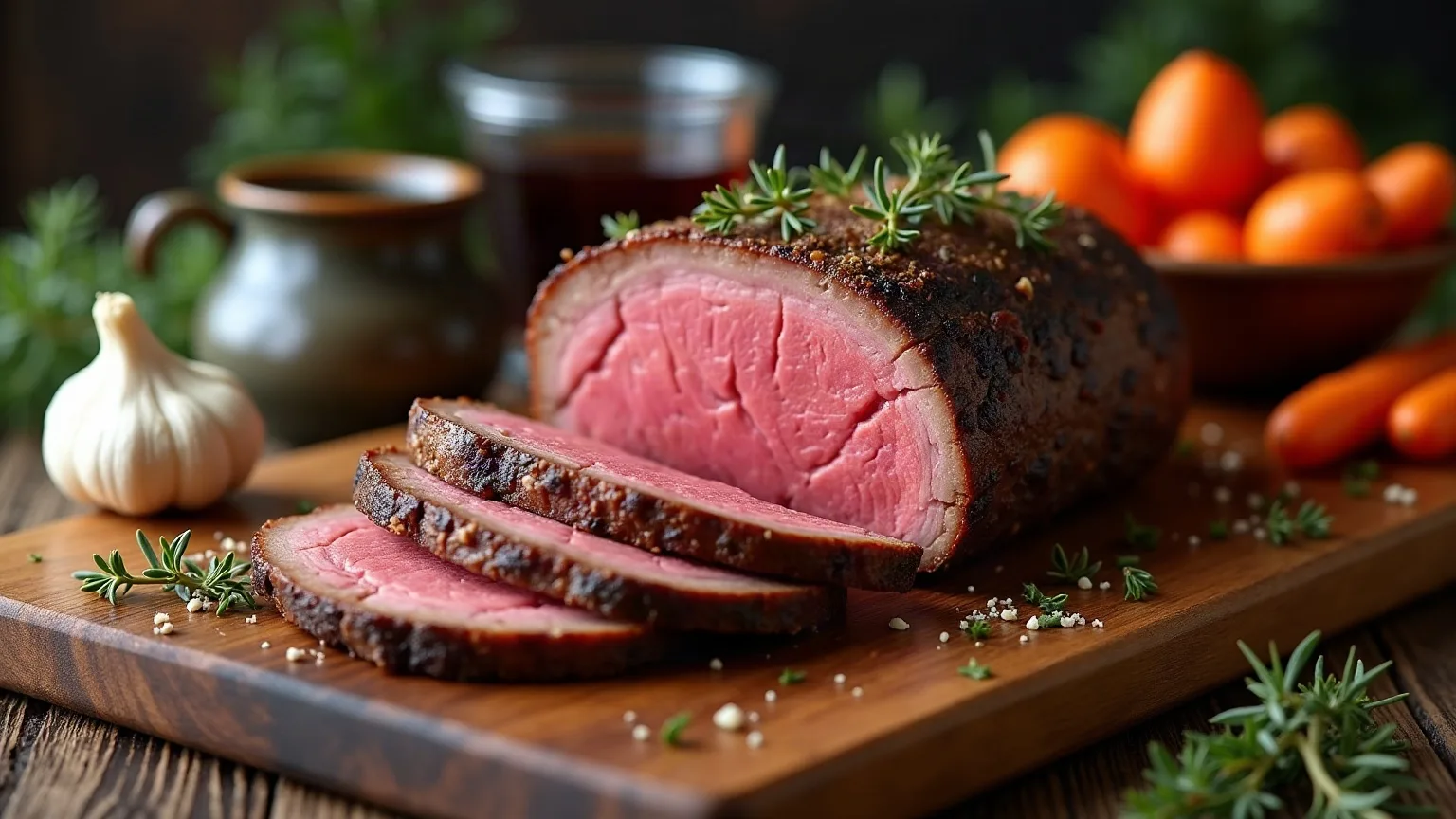
Roast beef
Not a dish to make without a thermometer. The answer to "how many minutes" depends on the temperature at the centre, not…
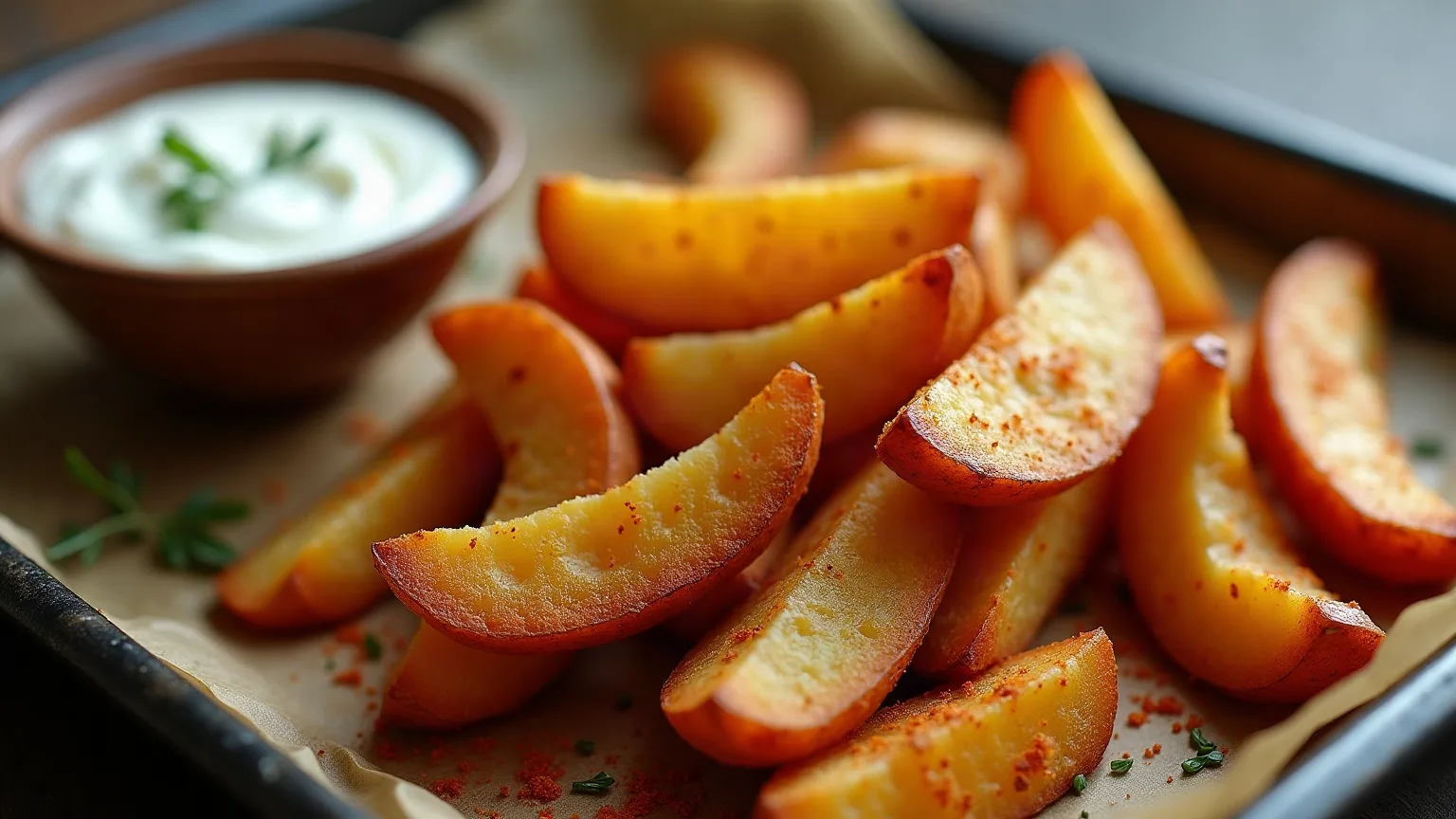
Oven potato wedges
The secret of a crisp wedge is not in the oven but before it: a boil and a shake. Without roughening the surface there i…
Pumpkin soup
Boiled pumpkin gives a watery, flat soup. Roasted pumpkin is the same vegetable and a completely different soup.…