
İç pilav
Liver cooked inside the rice goes tough. Seared separately and folded in at the end, it stays tender.
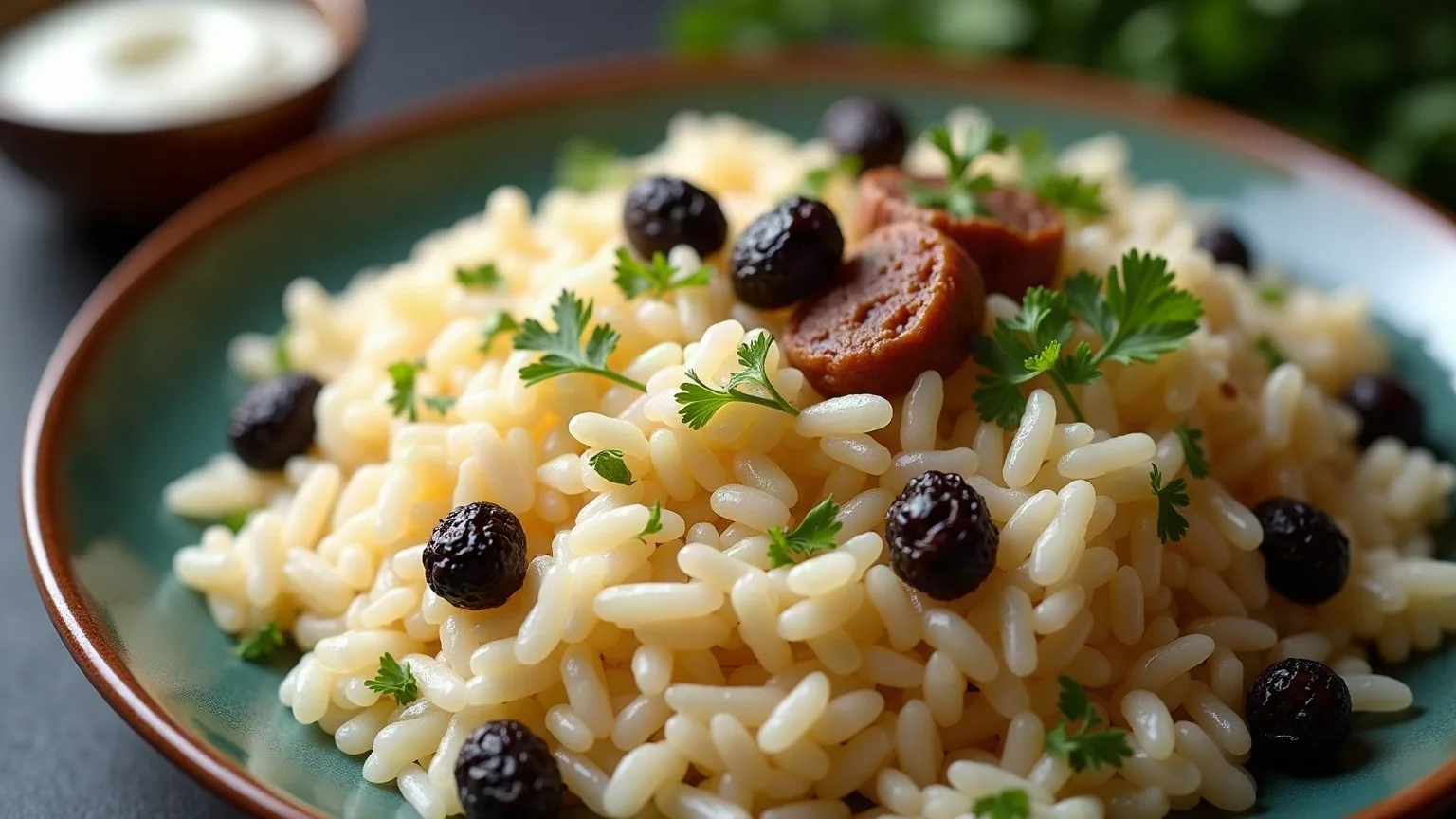
Rice, bulgur and grains · Turkish · For guests · Weekend batch
- Preparation
- 20 min
- Cooking
- 25 min
- Resting
- 10 min
- Difficulty
- Practised hand
- Cost
- Cheap
- Season
- Autumn, Winter
İç pilav is the best known pilaf of Ottoman cooking, and its name comes from its job: *iç* means the mixture used to stuff something. It was made to fill a turkey, a lamb or a mussel; standing on its own as a dish came later. The pairing of currants and pine nuts is a Mediterranean habit inherited from Byzantium — a sweet, oily accent balancing a meaty, spiced base. Allspice and cinnamon meeting in one recipe is not chance either: both are aromatics that cover the iron smell of liver.
Method
- Rinse and drain the rice.
- Soak the currants ten minutes in warm water: dry ones drink the pilaf’s liquid.
- Dice the liver small and dry it on paper. Wet liver does not sear, it stews.
You will need: A heavy-based pan with a lid · A wide pan
-
Toast the pine nuts in some of the butter until golden and lift them out.
Look for They should be pale gold; brown means bitter.
Why Added later they stay raw and floury; left to toast inside the pilaf they burn. Toasting them separately and setting them aside solves both.Maillard is running Amino acids have met reducing sugars. The crust, the roasted flavour and that smell all come from here. no way back
-
In the same pan, sear the liver over a high flame for two minutes and take it straight out.
Look for Brown outside, still pink inside.
Why Liver proteins tighten fast around 60 °C and squeeze their water out, and once tightened, longer cooking does not soften them — it makes them grainy. Which is why the liver is not cooked in the pilaf but folded in at the end.If it went wrong
Overcooked liver does not come back: chop that batch finely and stir it through, so it stays as a flavour rather than as pieces.
Starch gelatinised The granules soaked up water, swelled and burst into a network. It has thickened, and it will firm further as it cools. no way back
Maillard is running Amino acids have met reducing sugars. The crust, the roasted flavour and that smell all come from here. no way back
Frying dynamics Surface water is flashing to steam and pushing outward — that is the shield keeping the oil out. no way back
-
Soften the onion in the rest of the butter, add the rice and toast it for three minutes.
Look for The grains should turn half translucent.
Why The same film of fat: with every grain coated, water enters slowly and the pilaf comes out separate.Starch gelatinised The granules soaked up water, swelled and burst into a network. It has thickened, and it will firm further as it cools. no way back
Maillard is running Amino acids have met reducing sugars. The crust, the roasted flavour and that smell all come from here. no way back
Too much starch. It will set into a rubbery gel once cool — add more liquid.
-
Add the hot water, salt, allspice, cinnamon and pepper; stir once, cover and cook thirteen minutes over a low flame.
Look for The sound from the pan should turn from wet to a crackle.
Why The spices go into the water here: fried in fat, cinnamon loses its volatile oil and leaves only a woody bitterness behind.Starch gelatinised The granules soaked up water, swelled and burst into a network. It has thickened, and it will firm further as it cools. no way back
Salt · 0.59% Low. Everything reads flat and nothing steps forward.
Too much starch. It will set into a rubbery gel once cool — add more liquid.
-
Off the heat, lay the liver, pine nuts, drained currants and parsley on top, rest it ten minutes under a cloth and lid, then fold it through with a fork.
Look for The pieces of liver should stay distinct in the rice rather than break up.
Why During the rest the pan’s own heat finishes the liver, at around 70 °C, below the temperature that toughens it. The currants swell in the same time on the pilaf’s steam.Starch gelatinised The granules soaked up water, swelled and burst into a network. It has thickened, and it will firm further as it cools. no way back
Salt · 0.56% Low. Everything reads flat and nothing steps forward.
Too much starch. It will set into a rubbery gel once cool — add more liquid.
This recipe was run through the engine step by step — what goes in when, and at what temperature and for how long. The reactions above come from that run.
peak 200 °C · 36 minutes · engine 1.0.0 · confidence low
After the heat goes off
Hot, with yoghurt and pickles. It stands on its own as a main course.
Two days in the fridge. Pilaf with liver in it keeps less well: cool it fast in a shallow container.
Sprinkle water over it and steam it covered for six minutes. Liver toughens on a second reheat — do it once.
It does not freeze: the liver gives up its water on thawing and both it and the rice go grainy.
It is a ready-made stuffing for peppers or tomatoes, and comes back the next day as a baked dolma.
Liver is dense in iron and vitamin A. From eight months small amounts are considered suitable for a baby, though because vitamin A accumulates it is usually advised no more than once a week. For 12–36 months chop the liver finely. Whole currants and pine nuts are a choking risk for a small child — crush them or lift that portion out.
- Lamb liver → Chicken Diced chicken breast in place of the liver, seared separately and folded in the same way.
- Zante currants (dried) → Raisins (seedless) Raisins are larger and sweeter: drop the amount to 40 g.
- Boiling & poaching The method this recipe rests on
- Rice What it does in heat, water and acid
- Lamb liver What it does in heat, water and acid
- Bulb onion What it does in heat, water and acid
- Buttered pilaf Similar method, or something that sits on the same table
- Chicken pilaf Similar method, or something that sits on the same table
- For guests Other recipes that answer the same need
- Weekend batch Other recipes that answer the same need
What it tastes like
No axis sits clearly above the average: a balanced recipe.
This profile is computed rather than measured: the role-weighted average of its ingredients’ taste vectors, shifted by what the cooking does. The thin line is the database average on that axis.
Closest in taste
Not hand-picked: ranked by distance across the eight taste axes.
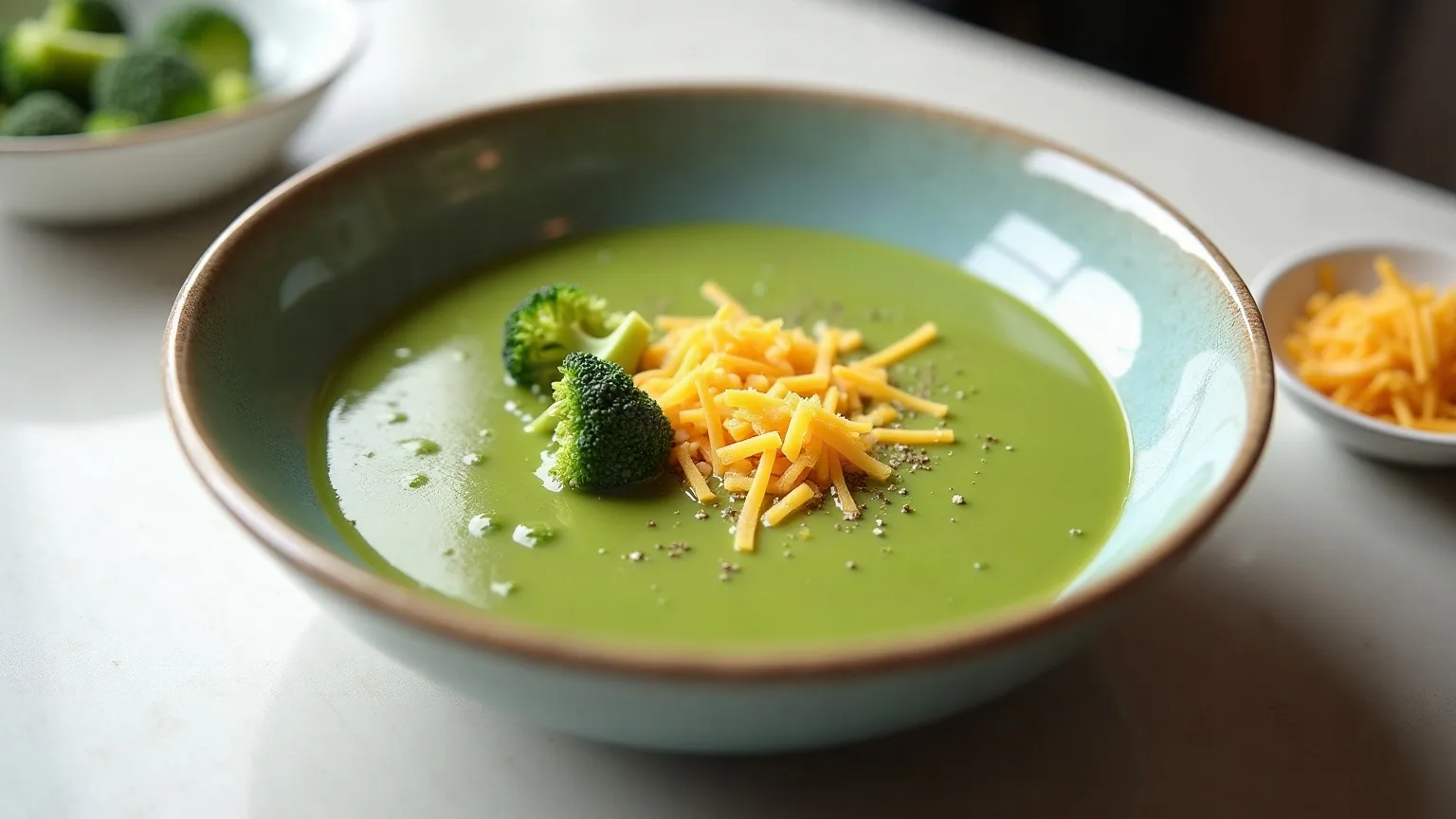
Broccoli soup
One rule for keeping it green: no lid, and not a minute over eight.…
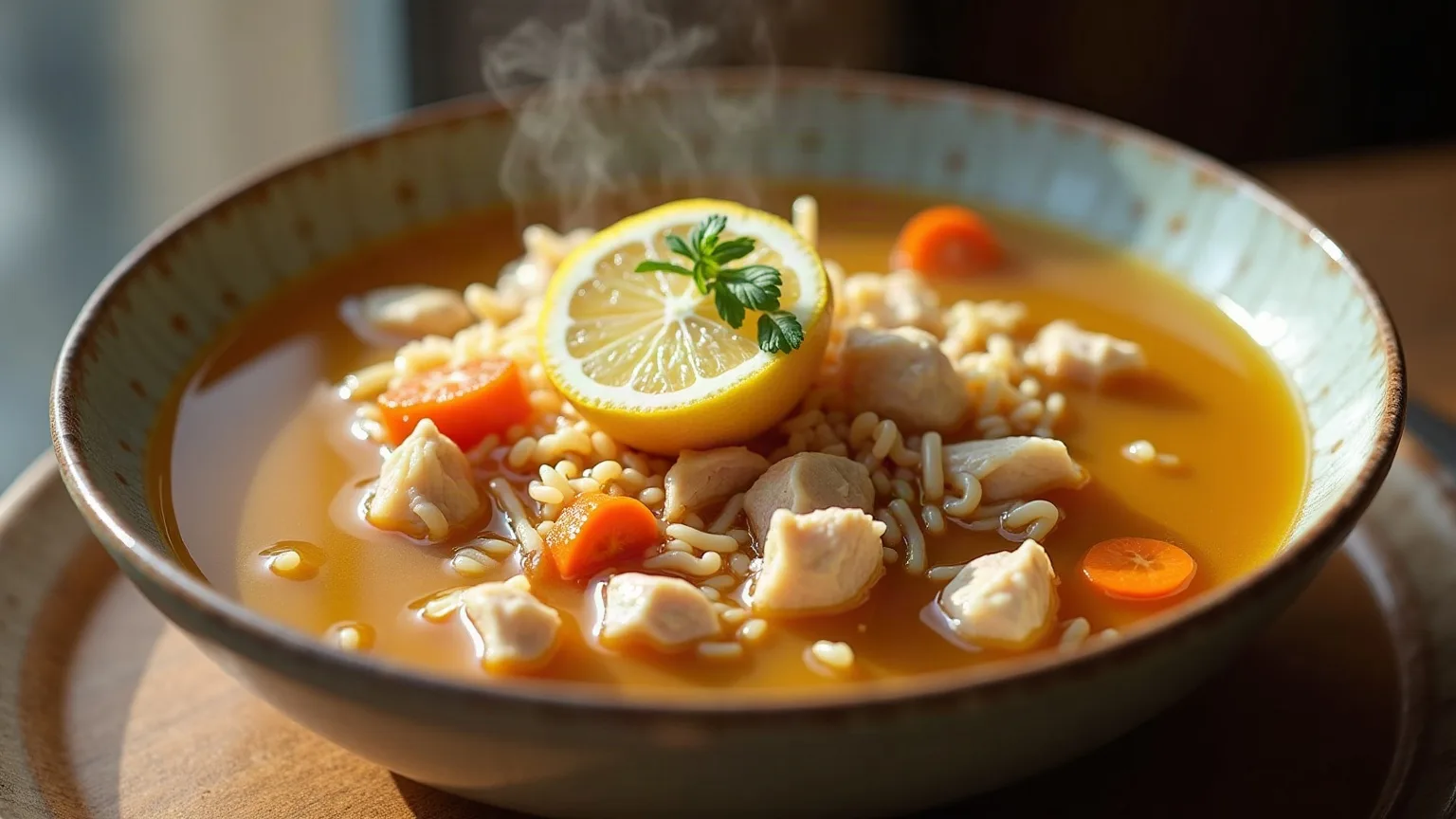
Chicken broth soup
What makes a broth clear is not the ingredients but the temperature: a pan that passes 95 °C guarantees a cloudy one.…
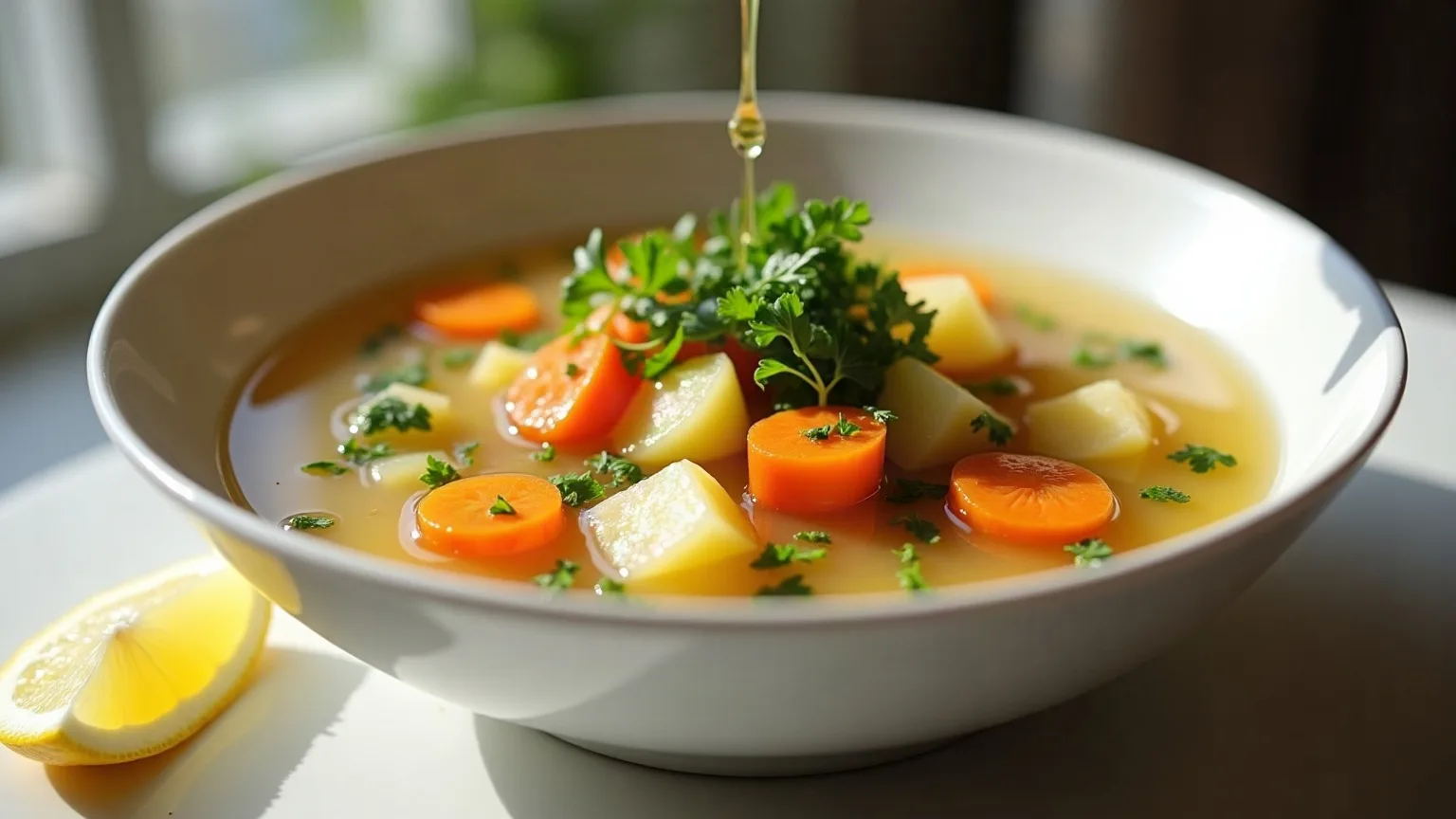
Vegetable soup
Throwing everything in at once is easy and wrong. These vegetables differ twofold in cooking time, and knowing the order…
Celeriac soup
Celeriac starts browning the moment it is cut. Dropping it into acidulated water is a chemical intervention rather than …