
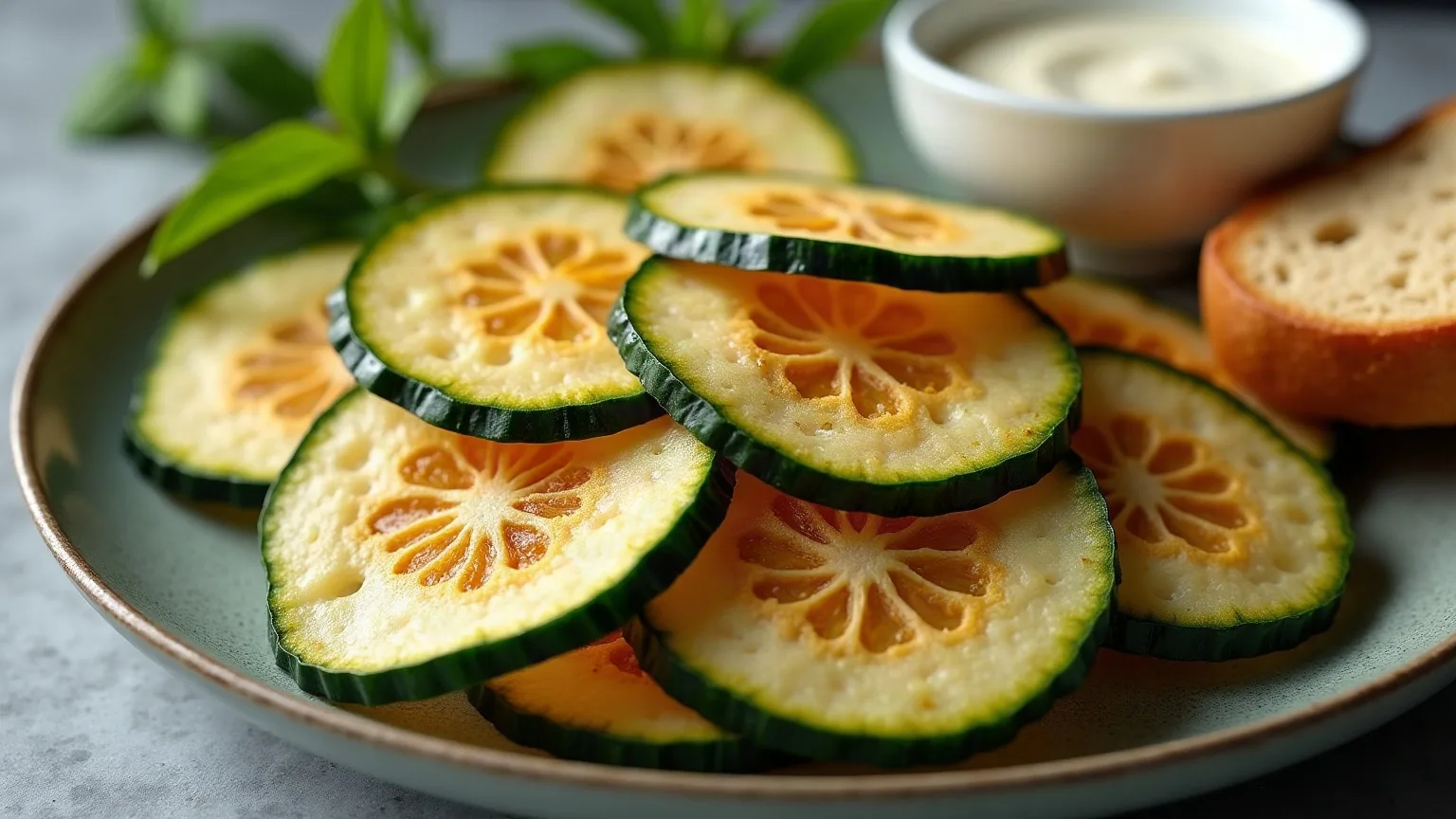
Fried courgette
Salt the slices and wait twenty minutes: the water that comes out is the only reason a fried slice spits and goes soft.
Vegetable dishes · Turkish · Under 30 minutes · Budget · Seasonal · Vegan
- Preparation
- 25 min
- Cooking
- 15 min
- Difficulty
- Easy
- Cost
- Very cheap
- Season
- Summer
A courgette is 95% water and most of it sits in the cells near the surface. A wet slice entering hot oil turns that water to steam first, and while it does the surface locks at 100 °C and no browning starts. Salted and left to stand, the slice gives that water up beforehand and goes straight past 160 °C into Maillard.
Method
- Slice the courgettes lengthways, 5 mm thick.
- Rub them with salt, drain them twenty minutes in a sieve and dry them on paper.
You will need: A wide pan · A sieve · Kitchen paper
-
Rub the slices with salt, drain them twenty minutes and dry them THOROUGHLY.
Look for Visible water under the sieve, and the slices turning bendable.
Why Salt draws the cell water out by osmosis. A medium courgette gives up 60–80 ml, and with that water out of the pan the frying neither spits nor lets the slice drink oil.If it went wrong
If you skipped the wait, dry the slices twice and take the oil ten degrees hotter: not a full substitute, but it cuts the spitting.
Salt · 0.83% Right in the window. Flavours sharpen, bitterness retreats, water is held.
-
Bring the oil to 175 °C and fry the slices in a single layer, two or three minutes a side.
Look for Golden brown and curling slightly at the edges.
Why At 175 °C the surface dries fast and forms a skin; lower, and the slice absorbs oil and sits heavy on the plate.Frying dynamics Surface water is flashing to steam and pushing outward — that is the shield keeping the oil out. no way back
Salt · 0.70% Right in the window. Flavours sharpen, bitterness retreats, water is held.
-
Drain them on paper. Stir the crushed garlic into the yoghurt with the mint and serve it beside.
Look for Thick enough not to run.
Why The yoghurt is a balance rather than a sauce: milk fat and lactic acid together cut the fat of the frying. It goes beside rather than over, because poured on it softens the crust.Starch still asleep The granules are just floating there doing nothing. No body arrives before 62 °C.
Salt · 0.53% Low. Everything reads flat and nothing steps forward.
This recipe was run through the engine step by step — what goes in when, and at what temperature and for how long. The reactions above come from that run.
peak 175 °C · 40 minutes · engine 1.0.0 · confidence low
What can go wrong here
The aubergine drank all the oil⌄
What happened
Aubergine flesh is a sponge with air trapped between the cells. Hot oil fills those pockets within seconds — it is not absorbed so much as inhaled.
By the numbers
Salt it for 20 minutes and squeeze out the water. Or skip oil altogether: at 200 °C in the oven the cells collapse before they can take any on.
Without a thermometer
After salting, press it between two plates with a weight on top to draw the water faster. In a hurry, soak it in milk for 10 minutes: the milk fills the pores so there is no room for oil. Pat it properly dry before frying — wet aubergine spits and drinks even more.
After the heat goes off
Warm, with the garlic yoghurt beside it and bread — the plate is rich and the bread balances it.
Two days in the fridge with the yoghurt separate; fried slices soften as they cool.
Six minutes at 200 °C on a rack; a pan makes them greasy.
Not for the freezer: courgette goes completely spongy on thawing.
Chopped into a mücver batter, an omelette or pasta.
Suitable from twelve months: soft and easy to hold. For 12–36 months keep the salt low — most of the salting water is poured away anyway — and cut the garlic. For a baby under one, bake the same slices twenty minutes at 200 °C instead of frying.
- Courgette → Aubergine Aubergine works but wants soaking in salted WATER: merely rubbed with salt it still drinks oil.
- Deep frying The method this recipe rests on
- Courgette What it does in heat, water and acid
- Strained yoghurt What it does in heat, water and acid
- Sunflower oil (linoleic) What it does in heat, water and acid
- Courgette fritters Similar method, or something that sits on the same table
- Fried aubergine Similar method, or something that sits on the same table
- Tray-roasted vegetables Similar method, or something that sits on the same table
- Under 30 minutes Other recipes that answer the same need
- Budget Other recipes that answer the same need
- Seasonal Other recipes that answer the same need
- Vegan Other recipes that answer the same need
What it tastes like
The axes that define this recipe: richness 51, aroma 59.
This profile is computed rather than measured: the role-weighted average of its ingredients’ taste vectors, shifted by what the cooking does. The thin line is the database average on that axis.
Closest in taste
Not hand-picked: ranked by distance across the eight taste axes.
Fried squid
Squid has two cooking times and nothing between them: under two minutes or over thirty.…
Menemen
Pepper, tomato and egg. Know the order and the heat and it takes fifteen minutes; miss them and you get a watery omelett…
Spinach and eggs
Crack the eggs before the spinach has given up its water and a green puddle collects on the plate.…
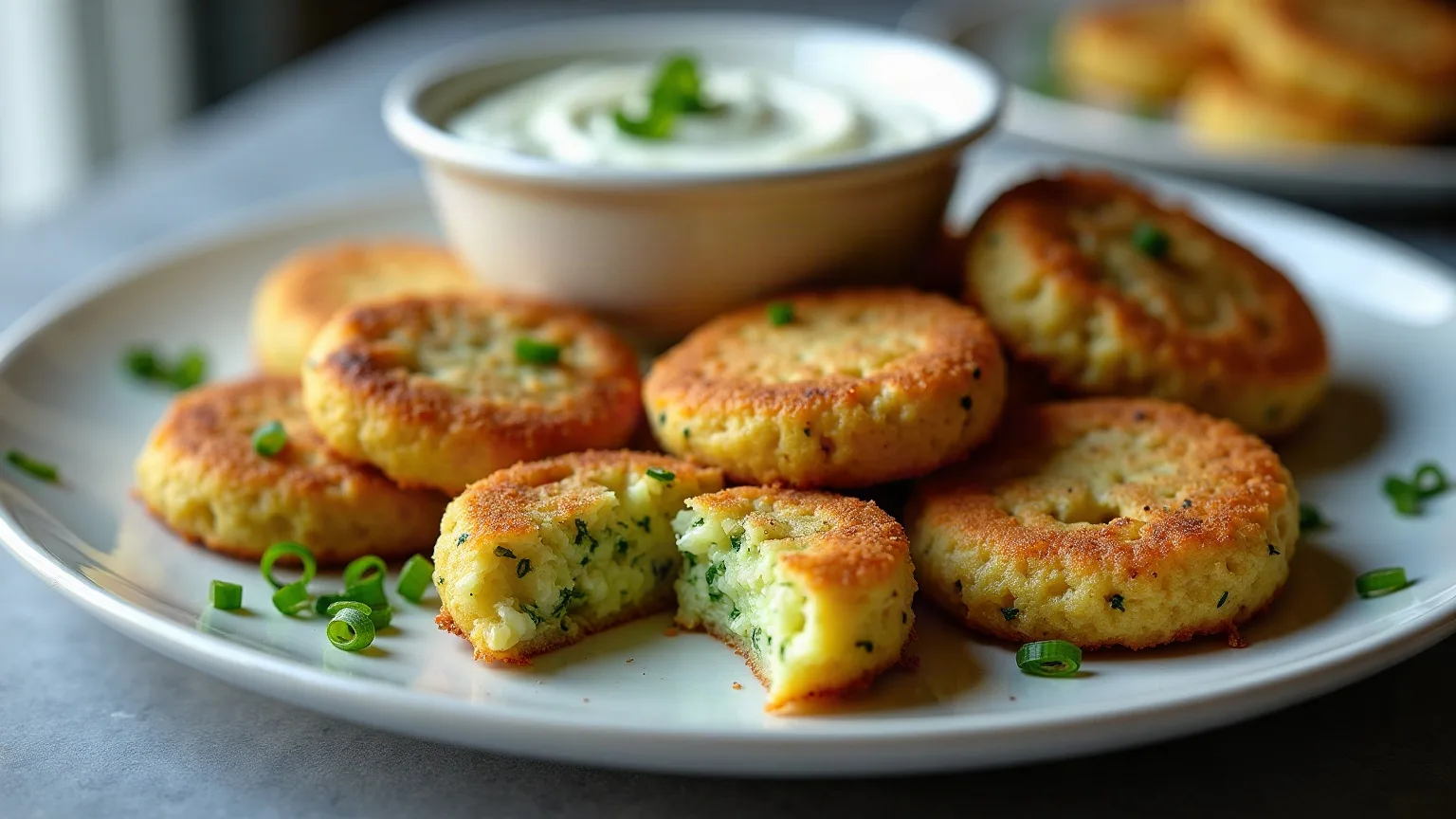
Courgette fritters
A mücver made without squeezing the courgette falls apart. One courgette gives up half a glass of water, and with that w…