
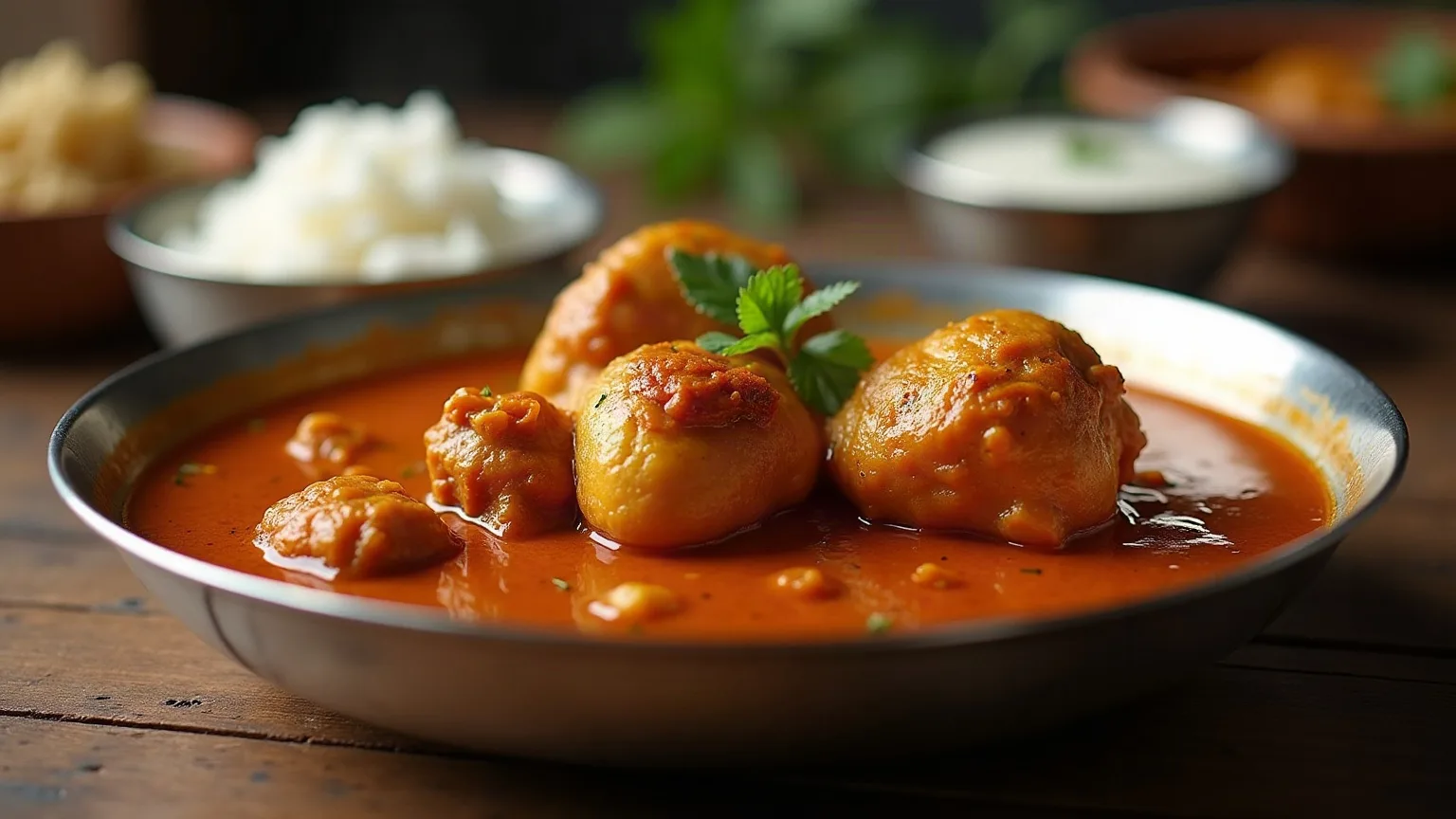
Chicken curry
Frying the spices in fat is not a step but half the recipe: their aromas dissolve in oil and not in water.
Chicken dishes · Indian · One pot · Freezes well · For guests
- Preparation
- 20 min
- Cooking
- 40 min
- Difficulty
- Practised hand
- Cost
- Middling
- Season
- All year
The basic technique of the Indian kitchen is the tadka or bagar: spices fried briefly in hot fat so their aroma molecules pass into the oil. The reason is chemical — most of the aromatic compounds in cumin, coriander, turmeric and black pepper are fat-soluble and not water-soluble. Spices dropped into water give their colour and withhold most of their smell. The Turkish rule about frying tomato paste in oil is the same physics.
Method
- Combine all the spices in a small bowl: there is no time to measure at the pan.
- Cut the chicken into 3 cm cubes.
You will need: A heavy-based pan
-
Fry the onion in the oil for twelve minutes, to a golden brown.
Look for Deep gold, and down to about a third of its volume.
Why The body of a curry comes from the onion: cooked long it gives the sauce both its caramelised sugar and its dissolved texture. Under-cooked, the curry stays thin and sharp.Starch gelatinised The granules soaked up water, swelled and burst into a network. It has thickened, and it will firm further as it cools. no way back
-
Stir the garlic and ginger for a minute, then add ALL the spices and fry them for FORTY-FIVE SECONDS.
Look for The smell should hit you and the spices foam in the oil. The moment the colour starts to darken, in goes the tomato.
Why The aroma molecules dissolve into the fat in about forty-five seconds; by ninety the same molecules break down and turn bitter. It is the shortest and the most critical step in the recipe.If it went wrong
Once the spices have darkened the bitterness stays: empty the pan, wash it and start again. This step has no rescue, only prevention.
Starch gelatinised The granules soaked up water, swelled and burst into a network. It has thickened, and it will firm further as it cools. no way back
Maillard is running Amino acids have met reducing sugars. The crust, the roasted flavour and that smell all come from here. no way back
Frying dynamics Surface water is flashing to steam and pushing outward — that is the shield keeping the oil out. no way back
The oil is under 170 °C. No shield forms, so the food soaks up fat and goes soggy.
-
Add the tomato and cook eight minutes, until the oil separates at the edges.
Look for An orange-red ring of oil should appear around the edge of the pan.
Why The oil separating is the sign the Indian kitchen looks for: the tomato’s water has gone, the spices are fully in the fat, and the base is ready. Until then the sauce is raw.Starch gelatinised The granules soaked up water, swelled and burst into a network. It has thickened, and it will firm further as it cools. no way back
-
Add the chicken for five minutes, then the hot water and salt; cover and cook eighteen minutes on a low flame.
Look for The chicken should pull apart easily and the sauce coat the back of a spoon.
Why Thigh has to pass 80 °C and does so in eighteen minutes. The lid keeps the liquid in and stops the sauce reducing too far.Starch gelatinised The granules soaked up water, swelled and burst into a network. It has thickened, and it will firm further as it cools. no way back
Salt · 0.54% Low. Everything reads flat and nothing steps forward.
-
Off the heat, loosen the yoghurt with a spoonful of the hot sauce, stir it in and DO NOT boil it.
Look for The sauce should lighten to cream; visible specks mean it has split.
Why Yoghurt splits above 85 °C, and in an acidic sauce that threshold is lower still. Off the heat the pan is already below 80.If it went wrong
If it splits, blitz it fifteen seconds: the look comes back and the taste is unchanged.
Starch gelatinised The granules soaked up water, swelled and burst into a network. It has thickened, and it will firm further as it cools. no way back
Salt · 0.48% Low. Everything reads flat and nothing steps forward.
This recipe was run through the engine step by step — what goes in when, and at what temperature and for how long. The reactions above come from that run.
peak 165 °C · 46 minutes · engine 1.0.0 · confidence low
What can go wrong here
The yoghurt sauce curdled⌄
What happened
The yoghurt passed 85 °C. The casein micelles lost their charge, the protein clumped and released the water it was holding. Once split, it does not come back.
By the numbers
Stabilise 500 g of yoghurt with a tablespoon of starch and one yolk, stir in one direction, never boil.
Without a thermometer
Catch the threshold by eye: the moment a few large bubbles appear on the surface you are around 85 °C, take it off. The sauce is ready when it coats the back of a spoon — draw a line with your finger and the line should hold.
After the heat goes off
Hot, with rice and plain yoghurt beside it: milk fat and protein are the only things that cut the heat.
Three days in the fridge and markedly better on the second, as the spices settle into the sauce.
Eight minutes on a low flame without boiling, or the yoghurt can split again.
Three months, but freeze it without the yoghurt and stir that in at the end of reheating.
The leftovers go into bread, over rice or into a börek.
The hot spices mean a child wants a separate portion. For 12–36 months leave out the red and black pepper; turmeric and cumin can stay, since neither is hot. Lift their share before the salt. Spiced food suits a baby under one provided there is no salt and no heat.
- Yoghurt → Desiccated coconut (unsweetened) Coconut milk is the classic alternative and cannot split; the sauce comes out sweeter and richer.
- Chicken thigh (skin on) → Chickpea Cooked chickpeas make it vegetarian, and the last eighteen minutes drop to eight.
- Blooming in fat The method this recipe rests on
- Chicken thigh (skin on) What it does in heat, water and acid
- Tomato What it does in heat, water and acid
- Bulb onion What it does in heat, water and acid
- Chicken casserole Similar method, or something that sits on the same table
- Chickpea stew Similar method, or something that sits on the same table
- Chicken sauté Similar method, or something that sits on the same table
- One pot Other recipes that answer the same need
- Freezes well Other recipes that answer the same need
- For guests Other recipes that answer the same need
What it tastes like
No axis sits clearly above the average: a balanced recipe.
This profile is computed rather than measured: the role-weighted average of its ingredients’ taste vectors, shifted by what the cooking does. The thin line is the database average on that axis.
Closest in taste
Not hand-picked: ranked by distance across the eight taste axes.
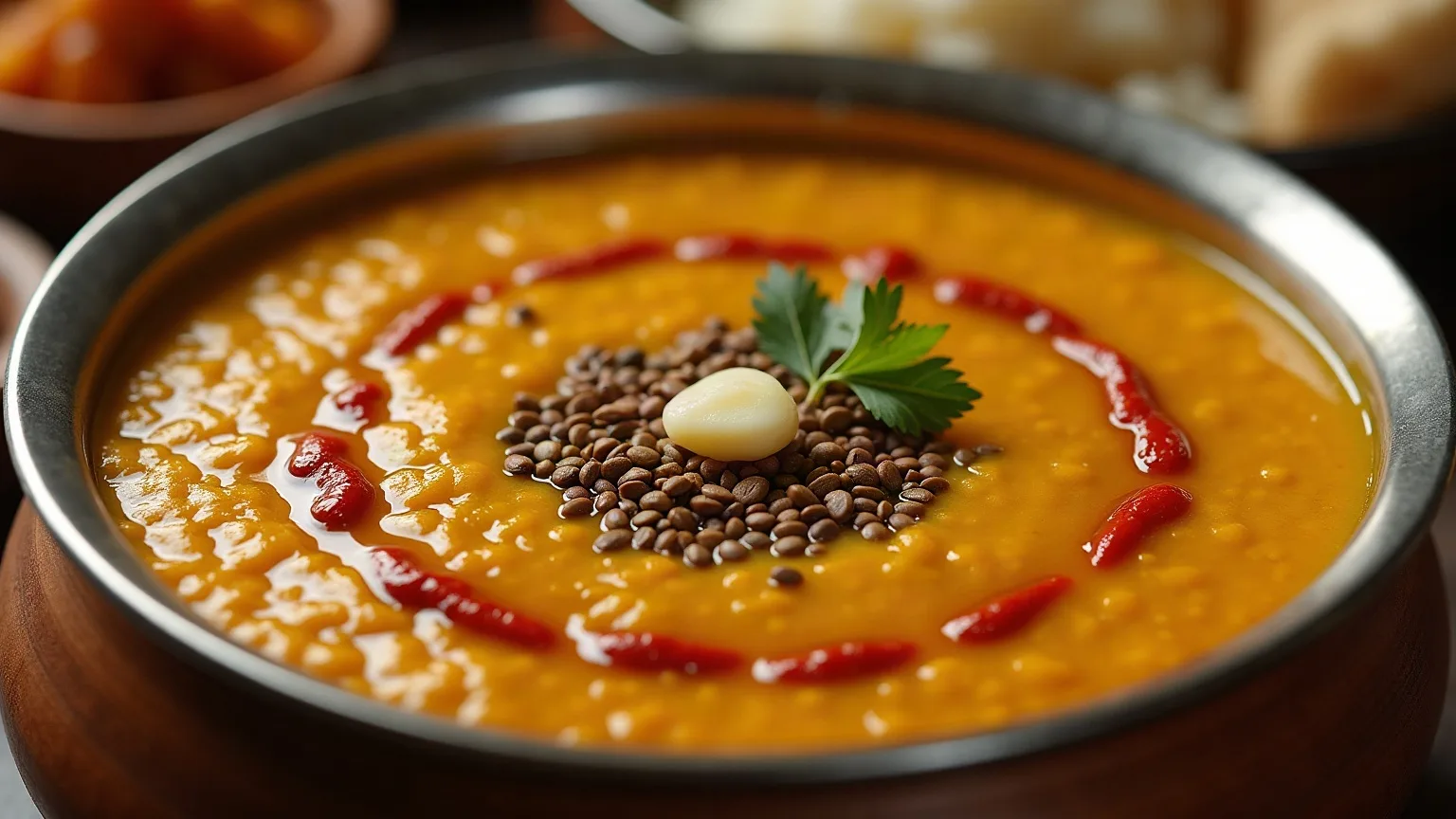
Red lentil dal
Twenty minutes of boiling lentils tastes of very little; almost all of the flavour is made in the last forty-five second…
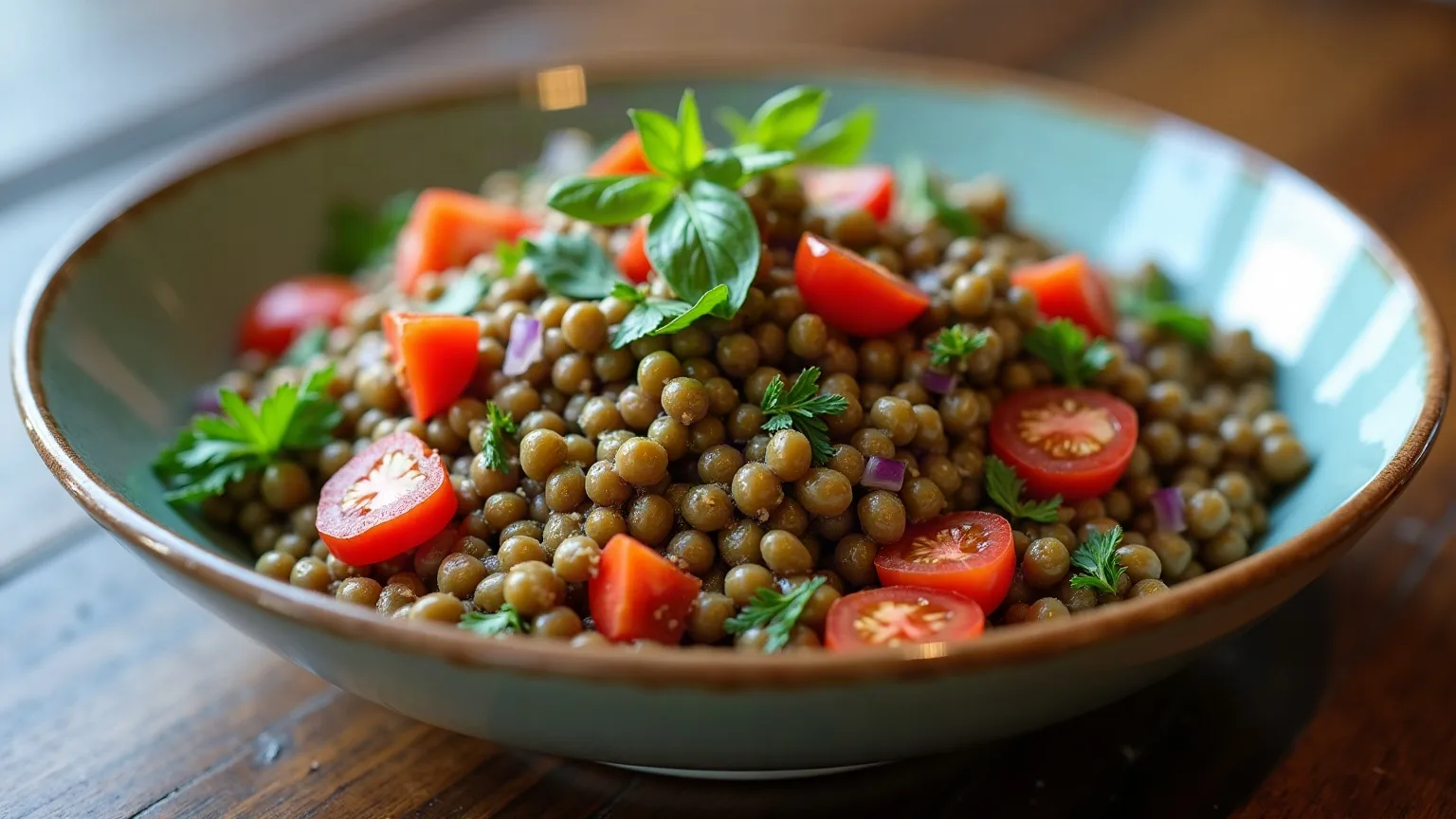
Green lentil salad
A lentil goes on cooking in its own heat for three or four minutes after the pan comes off. The eighteen minutes in this…
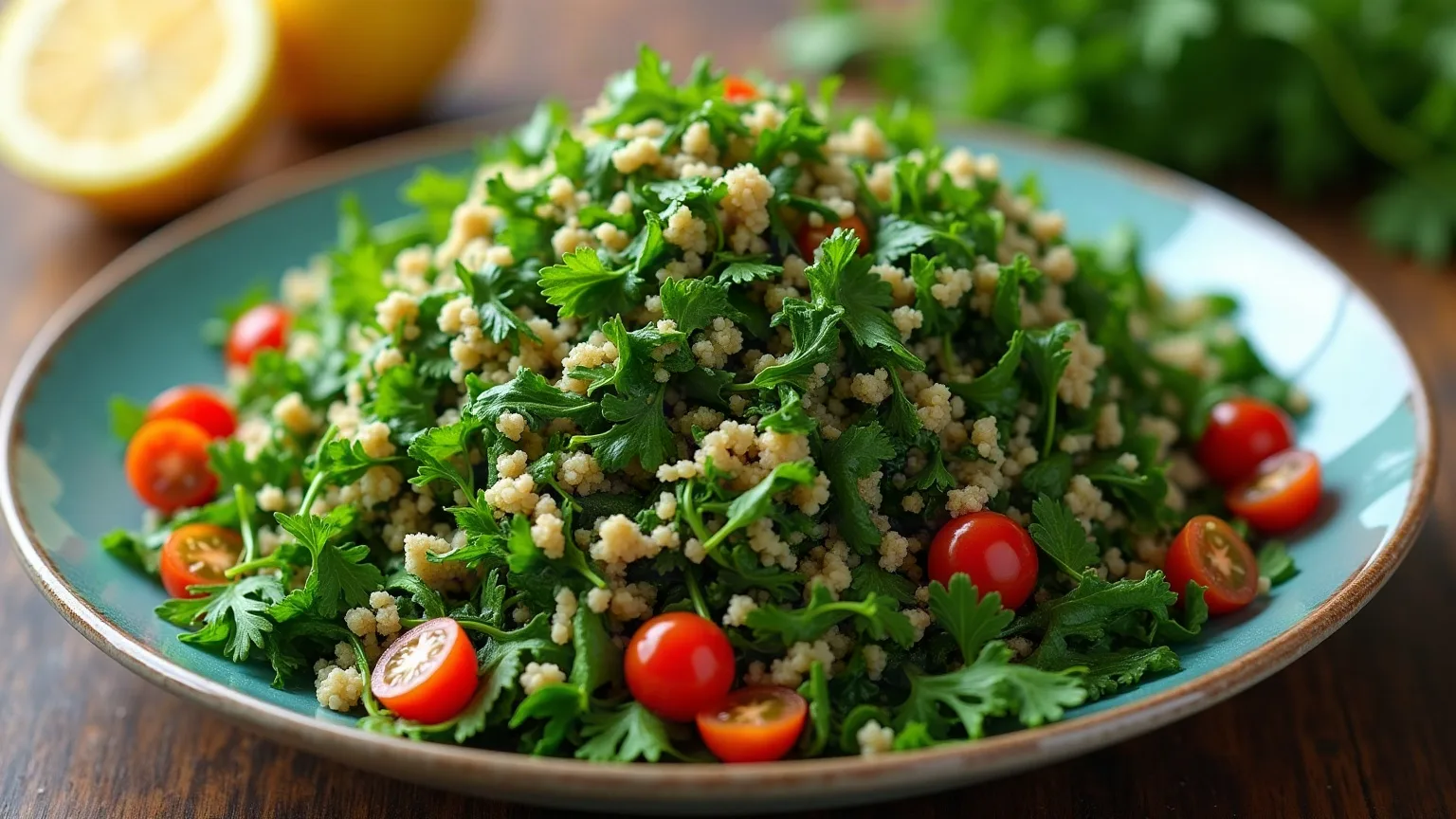
Tabbouleh
Tabbouleh is not a bulgur salad but a parsley salad: the bulgur is under a tenth of the whole. And what swells it is not…
Çiğ köfte, without meat
The name says raw, but the bulgur is not: bulgur is wheat that has already been boiled, and here it is only soaked.…