
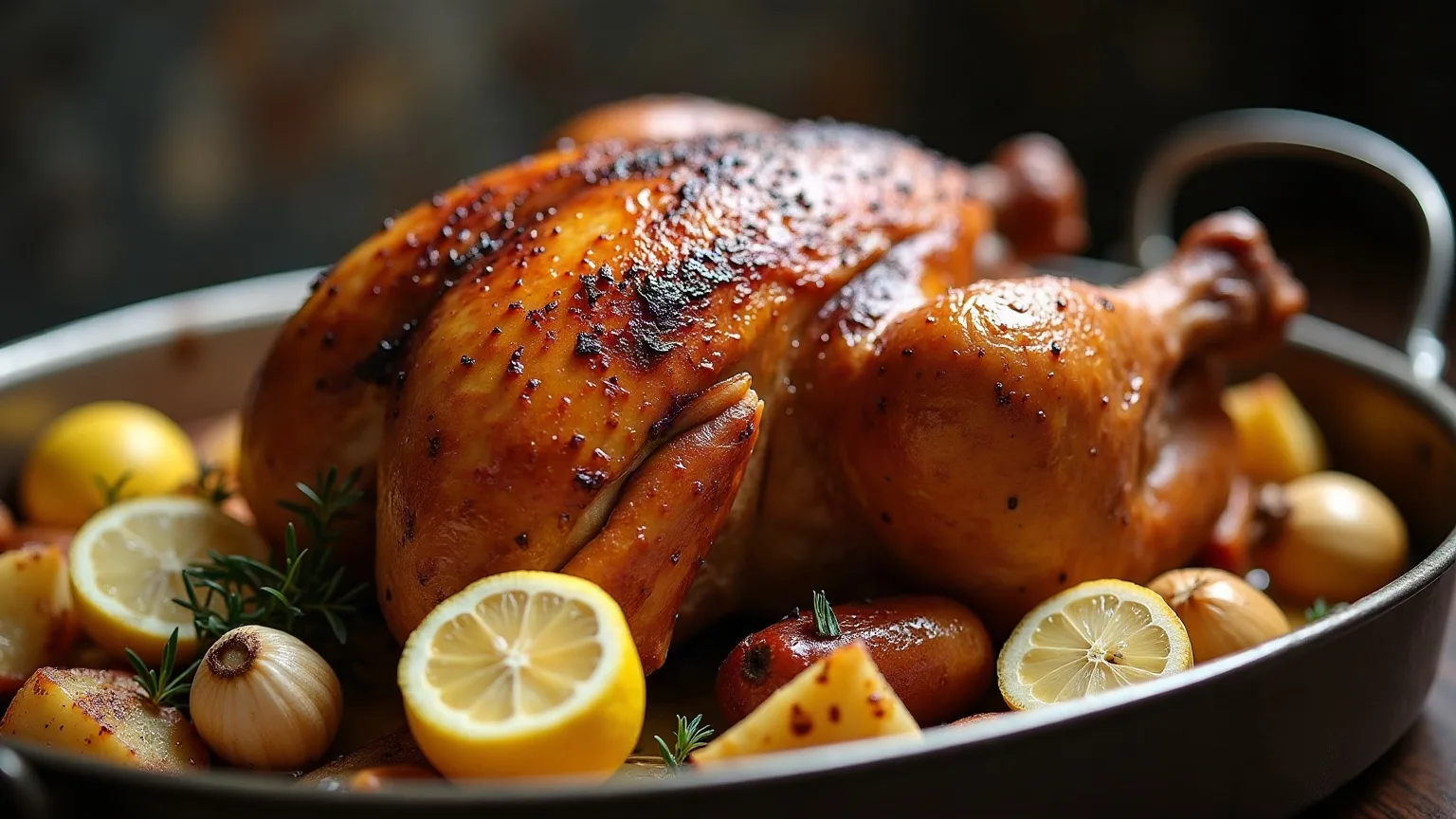
Whole roast chicken
The breast is ready at 65 °C and the leg at 75. Roasting a whole bird is entirely the business of hitting both at once.
Chicken dishes · International · For guests · Weekend batch · Budget
- Preparation
- 20 min
- Cooking
- 75 min
- Resting
- 20 min
- Difficulty
- Practised hand
- Cost
- Cheap
- Season
- All year
Roasting a whole bird is a balancing problem: the breast is at the front and thin, the legs are at the back and thick, and in the oven the breast finishes first and then dries while the legs catch up. There are three answers — start it breast down, give the legs extra heat, or dry-brine so the breast holds more water. This recipe takes the third, because it asks least of the cook.
Method
- Salt the bird the night before and leave it UNCOVERED in the fridge.
- Take it out of the fridge an hour before it goes into the oven.
- Heat the oven to 200 °C.
You will need: A tray with a rack · A meat thermometer
-
Salt the bird all over and leave it uncovered in the fridge for twelve hours.
Look for After twelve hours the skin should be dry and papery.
Why A dry brine does two things. The salt partly dissolves the muscle proteins and raises the meat’s water-holding capacity, so the same cooking loses less water. And leaving it uncovered dries the skin, and dry skin crisps in the oven while damp skin steams and turns to rubber.If it went wrong
With no time, salt it forty-five minutes ahead and dry the skin hard with kitchen paper: you get half of what the brine would have given.
Salt · 1.48% Right in the window. Flavours sharpen, bitterness retreats, water is held.
-
Mix the soft butter with the thyme and pepper and push it UNDER the skin over the breast with your fingers. Put the lemon and garlic in the cavity.
Look for The butter should reach across the whole breast without tearing the skin.
Why The fat goes UNDER the skin: on top it runs off into the tray, underneath it shields the breast directly and bastes it as it melts. This is the single most effective thing you can do to delay a dry breast.Starch still asleep The granules are just floating there doing nothing. No body arrives before 62 °C.
Salt · 1.37% Right in the window. Flavours sharpen, bitterness retreats, water is held.
-
Spread the potatoes and onions in the tray, set the bird on them or on a rack, and roast forty-five minutes at 200 °C.
Look for After forty-five minutes the skin should be golden.
Why The vegetables are both a garnish and a layer: they catch the dripping fat and keep the tray from burning.Starch gelatinised The granules soaked up water, swelled and burst into a network. It has thickened, and it will firm further as it cools. no way back
Maillard is running Amino acids have met reducing sugars. The crust, the roasted flavour and that smell all come from here. no way back
Salt · 0.91% Right in the window. Flavours sharpen, bitterness retreats, water is held.
-
Drop the oven to 180 °C and cook another twenty-five to thirty minutes, until the thickest part of the thigh reads 75 °C and the breast 68.
Look for Moving the leg, the joint should feel loose, and the juice from the thickest part of the thigh should run clear.
Why Below 75 °C the leg’s collagen has not dissolved and the meat stays rubbery, while the breast at 68 is already past its ideal — and still juicy, thanks to the brine and the butter under the skin. Without a thermometer, hitting this balance is luck.If it went wrong
If the breast is past 68 while the leg is at 70, cover the breast with foil and carry on: the foil lets the leg finish without the breast climbing further.
Starch gelatinised The granules soaked up water, swelled and burst into a network. It has thickened, and it will firm further as it cools. no way back
Maillard is running Amino acids have met reducing sugars. The crust, the roasted flavour and that smell all come from here. no way back
Salt · 0.91% Right in the window. Flavours sharpen, bitterness retreats, water is held.
-
Take the bird out and rest it twenty minutes before carving.
Look for Very little juice should collect on the board.
Why During the rest the internal temperature climbs another three to five degrees — carryover — and the water pushed outwards redistributes. Carved at once, the bird leaves its juice on the board.Starch gelatinised The granules soaked up water, swelled and burst into a network. It has thickened, and it will firm further as it cools. no way back
Salt · 0.91% Right in the window. Flavours sharpen, bitterness retreats, water is held.
This recipe was run through the engine step by step — what goes in when, and at what temperature and for how long. The reactions above come from that run.
peak 200 °C · 821 minutes · engine 1.0.0 · confidence low
What can go wrong here
The meat came out dry and tough⌄
What happened
The meat passed 70 °C. Past that point the muscle fibres contract and wring out their water, while collagen never gets the time to turn into gelatine. It loses moisture and never tenderises.
By the numbers
Beef medium at 57 °C, chicken at 74 °C. Rest it for 10 minutes off the heat; unrested meat leaves its juice on the plate.
Without a thermometer
The palm test: touch thumb to index finger and press the pad below your thumb — that firmness is rare. Middle finger is medium, ring finger is well done. Watch the juice too: pinkish and clear means you are there, running white means you went too far.
After the heat goes off
Carved, with the potatoes and onions from the tray and the dripping poured over.
The meat off the bone keeps three days. Do not throw the carcass away: it is the next soup’s stock.
Twelve minutes at 160 °C under foil with a little water.
Two months off the bone. A whole cooked bird dries out as it thaws.
The pulled meat goes into salads, sandwiches, rice and soup, and the bones make a clear broth in ninety minutes. One bird is three meals.
Thigh suits children better than breast: softer and it does not dry. For 12–36 months take the skin off, where the salt concentrates, shred the meat and check for bone fragments. A baby under one cannot be given an unsalted piece of this bird, because the whole thing is brined: cook them a separate thigh.
- Potato → Carrot Carrots sit well in the tray too; being higher in sugar they want adding ten minutes later or the edges blacken.
- The oven The method this recipe rests on
- Chicken What it does in heat, water and acid
- Potato What it does in heat, water and acid
- Bulb onion What it does in heat, water and acid
- Chicken casserole Similar method, or something that sits on the same table
- Oven chicken wings Similar method, or something that sits on the same table
- Roast beef Similar method, or something that sits on the same table
- For guests Other recipes that answer the same need
- Weekend batch Other recipes that answer the same need
- Budget Other recipes that answer the same need
What it tastes like
The axes that define this recipe: aroma 67, umami 37.
This profile is computed rather than measured: the role-weighted average of its ingredients’ taste vectors, shifted by what the cooking does. The thin line is the database average on that axis.
Closest in taste
Not hand-picked: ranked by distance across the eight taste axes.
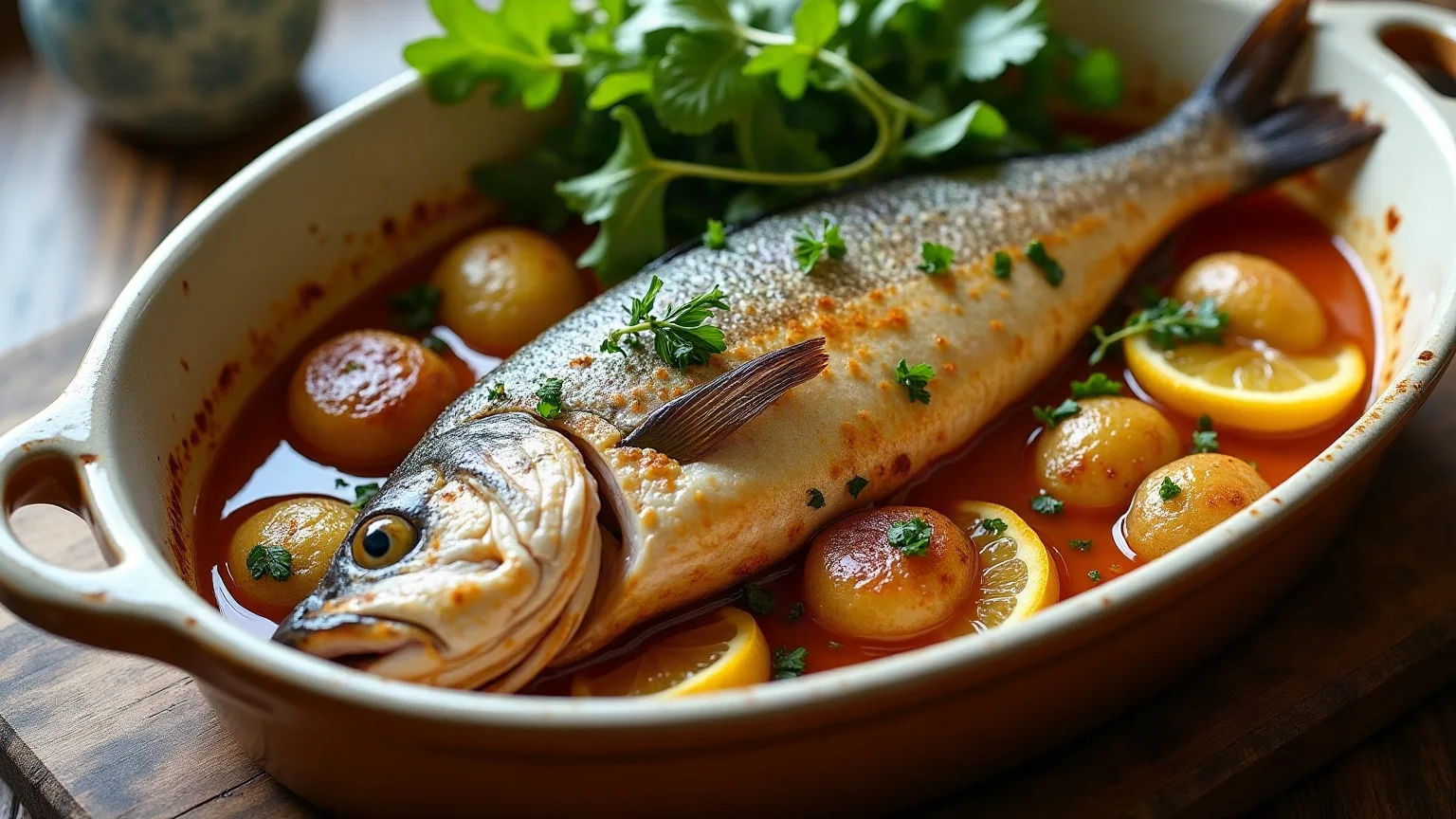
Baked sea bass
A whole fish is more forgiving than a fillet: the bones and skin slow the heat and the flesh cooks without drying.…
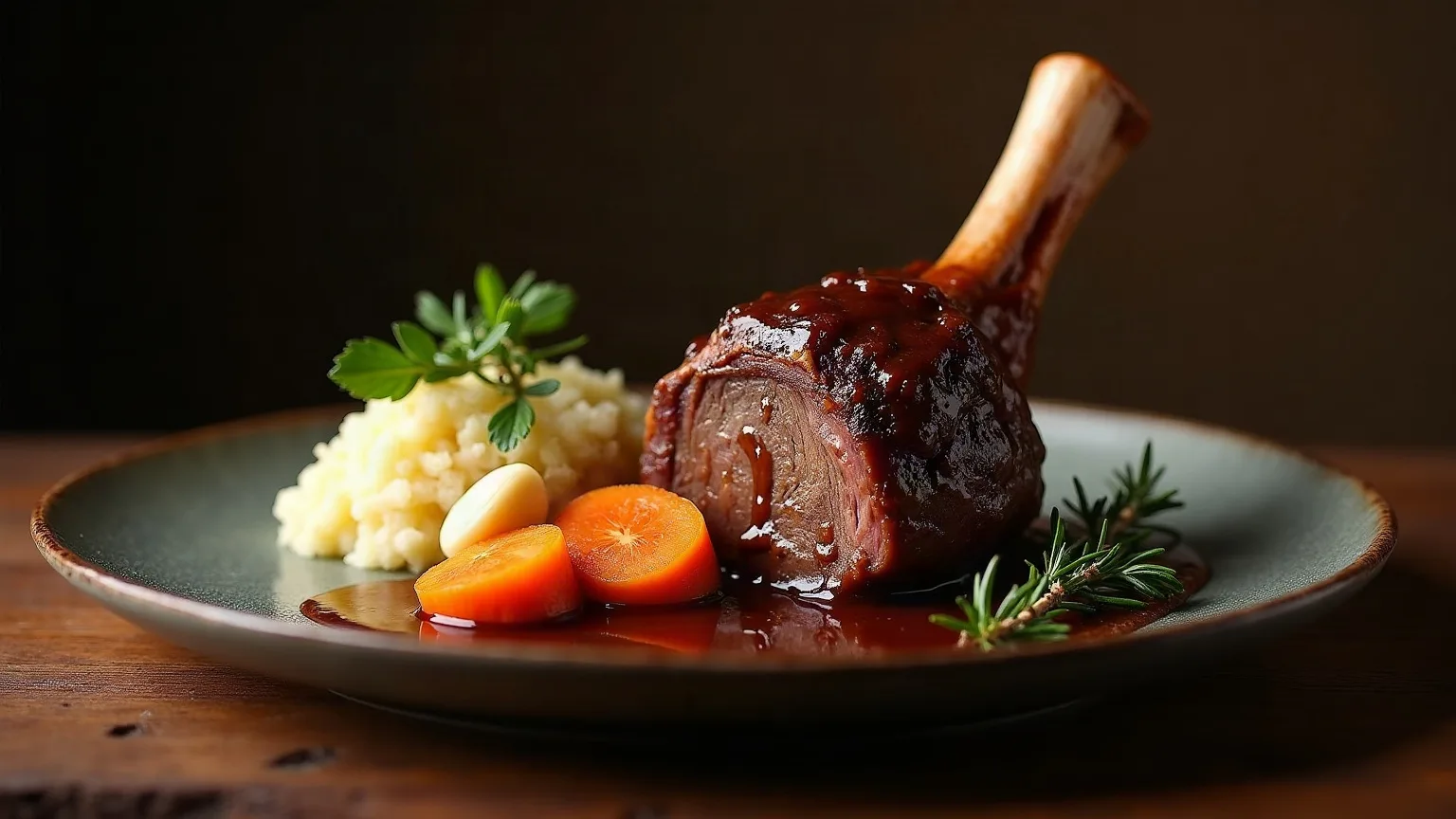
Slow-roast lamb shank
Three hours at 150 °C. There is no way to shorten it: collagen becomes gelatin with time rather than with temperature.…
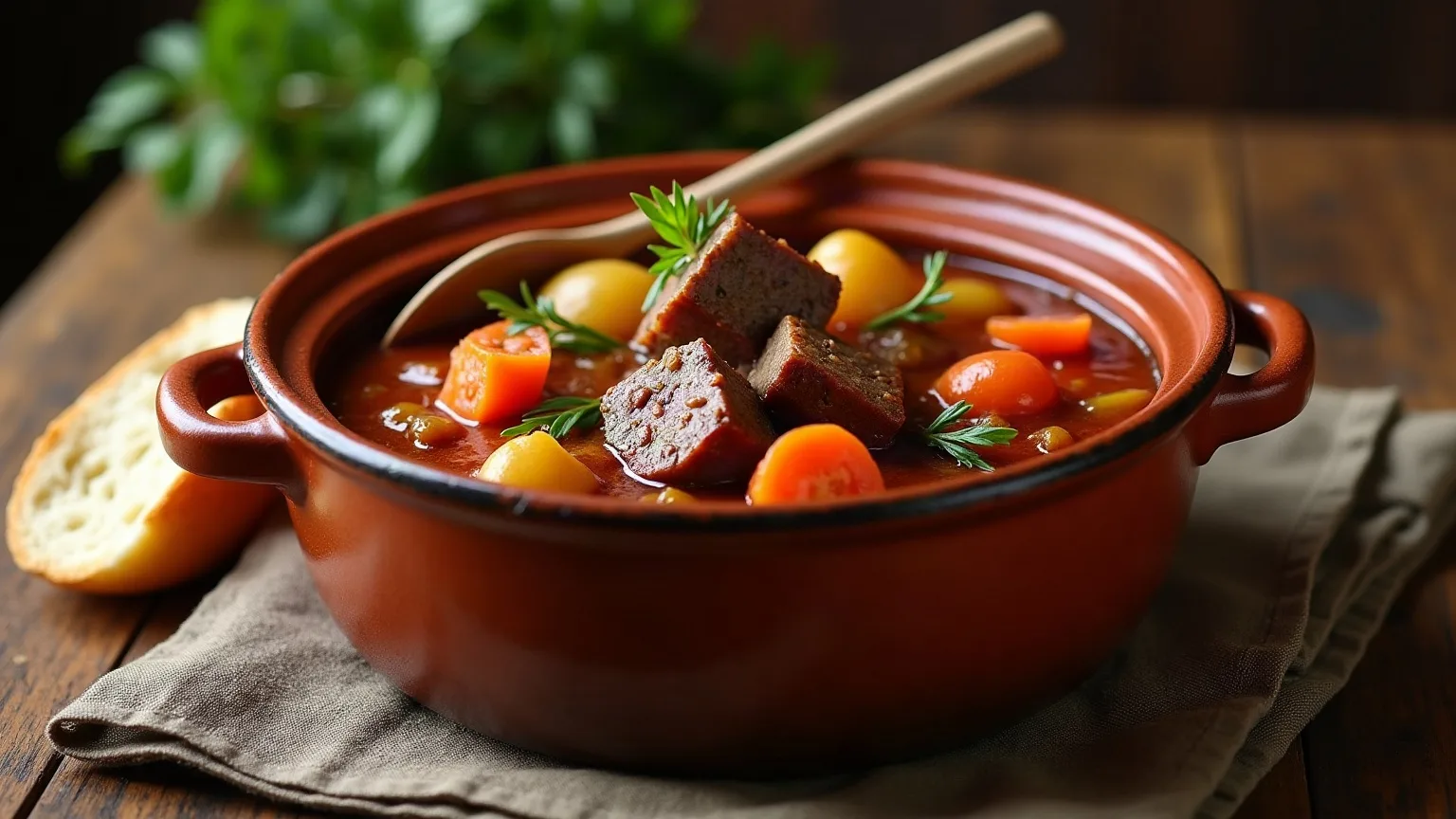
Lamb casserole
The meat has two hours and the vegetables have forty minutes. Put them in together and the vegetables vanish while the m…
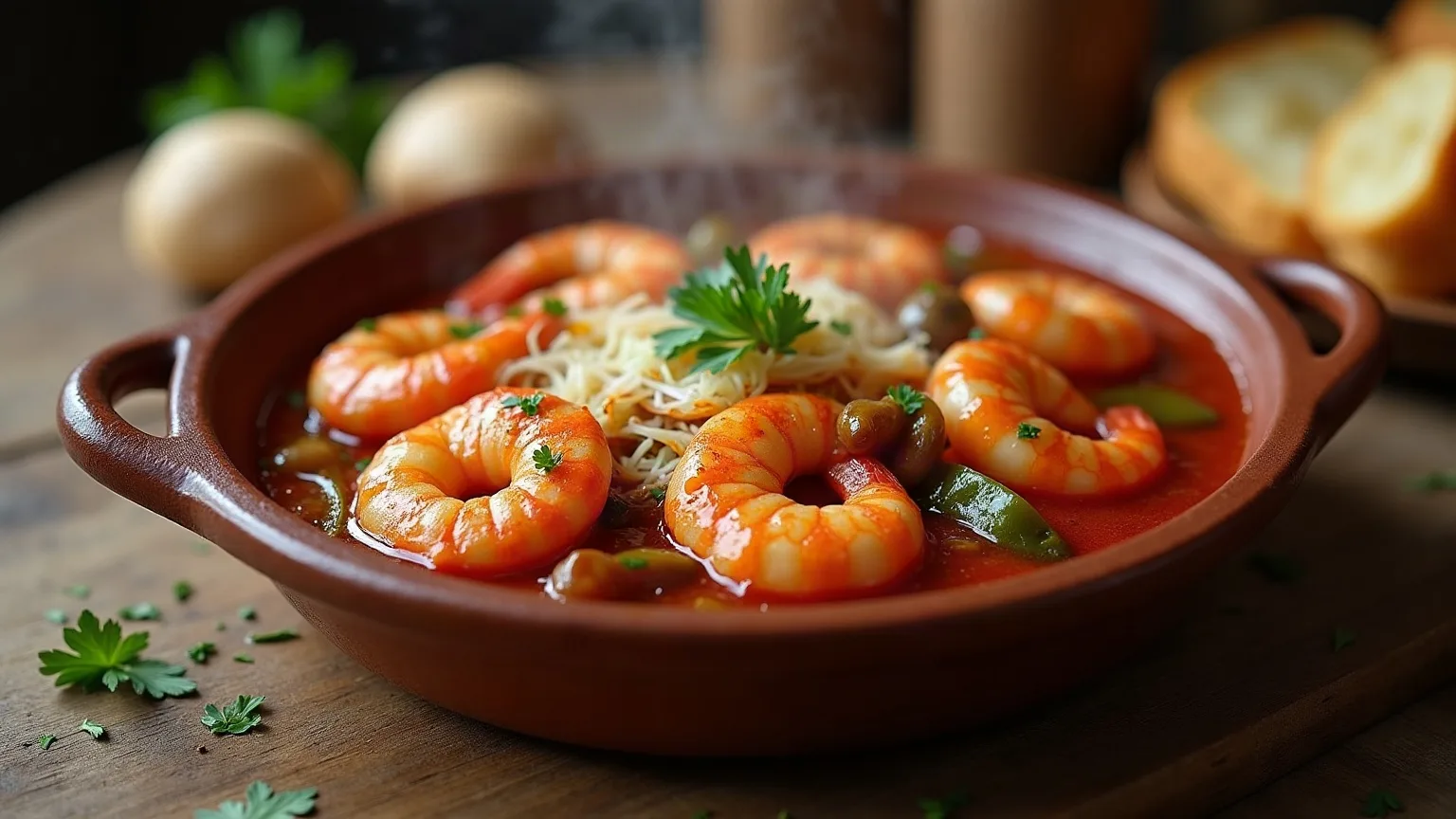
Prawn casserole
The prawns go in for the last four minutes. Cooked with the sauce from the start they turn to rubber, and there is no wa…