
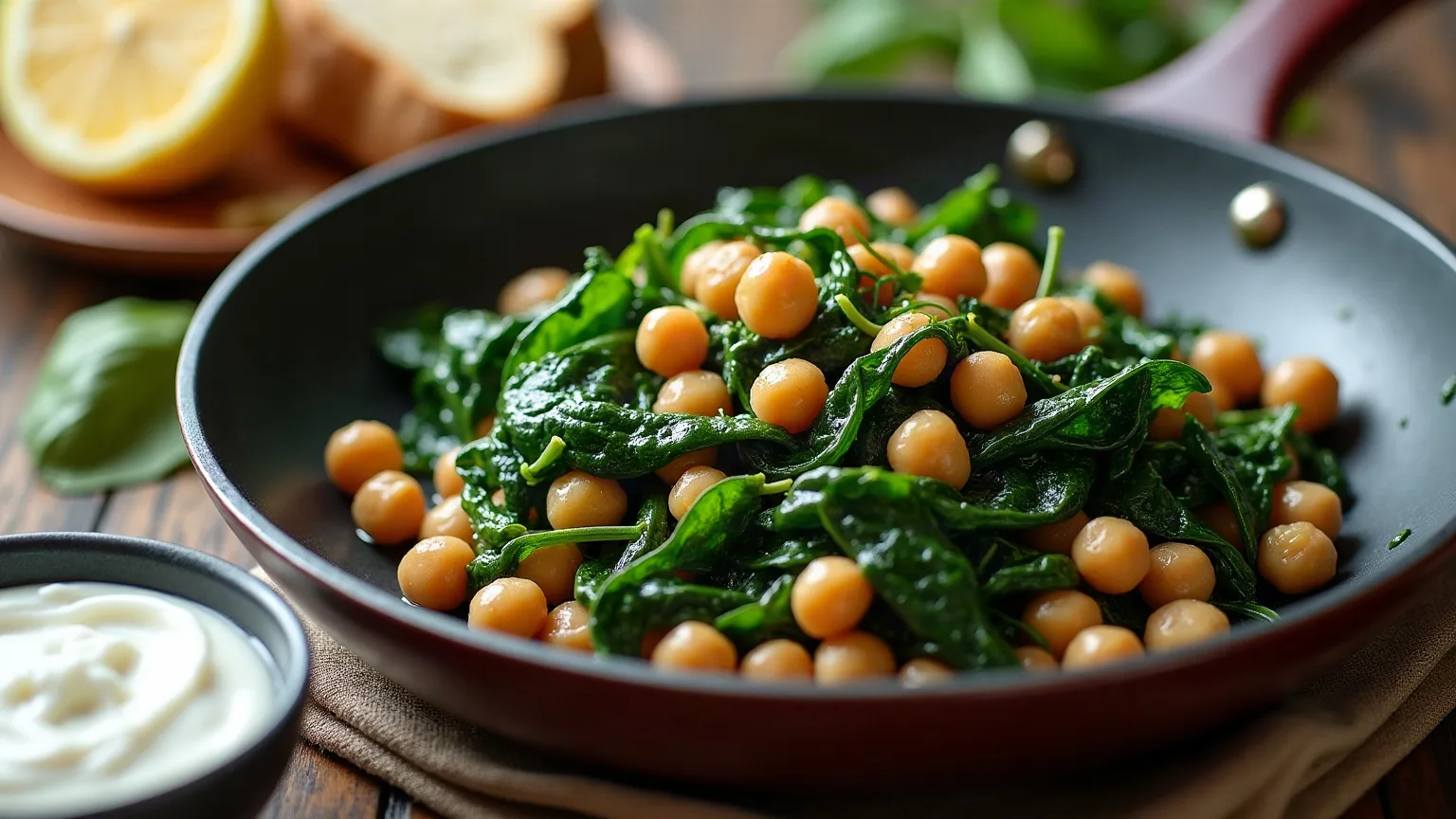
Spinach with chickpeas
Under a lid, spinach turns olive-drab in its own acid. With the lid off, the colour and the taste both stay where they were.
Pulses · Turkish Mediterranean · Budget · One pot · Vegan · Seasonal · Under 30 minutes
- Preparation
- 15 min
- Cooking
- 50 min
- Difficulty
- Easy
- Cost
- Very cheap
- Season
- Winter, Spring
Spinach is green because of chlorophyll, and at the centre of a chlorophyll molecule sits a magnesium atom. When heat opens the cell walls and frees the organic acids inside, that acid pulls the magnesium out and puts a hydrogen in its place; the pheophytin that results is olive-brown. A lid keeps the acid in the pan and speeds the whole thing up. That is why, from the Mediterranean to Iran, spinach dishes are cooked briefly and usually uncovered, with the chickpeas — already cooked — going in at the end.
Method
- Soak the chickpeas overnight.
- Wash the spinach three times in plenty of water; the grit shows in the last change.
You will need: A wide pan · A colander
-
Boil the soaked chickpeas forty minutes without salt and keep 200 ml of the water.
Look for A chickpea should crush between two fingers.
Why The cooking water carries starch and binds the sauce at the end; poured away, the dish stays watery. The salt waits again, because put in before the skins have softened it lengthens the cooking.Starch gelatinised The granules soaked up water, swelled and burst into a network. It has thickened, and it will firm further as it cools. no way back
-
Soften the onion and garlic in the oil and fry the paste in for a minute.
Look for The onion should turn translucent without browning at the edges.
Why The paste is here for colour and a sense of savouriness, and is held to a single teaspoon: more than that covers the taste of the spinach completely.Starch gelatinised The granules soaked up water, swelled and burst into a network. It has thickened, and it will firm further as it cools. no way back
-
Add the spinach a handful at a time, LID OFF, turning it over a high flame for four or five minutes.
Look for The leaves should stay bright green; turning olive means the flame is too low or the lid went on.
Why Eight hundred grams of spinach comes down to a hundred and fifty, and under a lid the water it gives up stays in the pan with its acid and strips the magnesium out of the chlorophyll. Uncovered, that water and that acid leave as steam and the colour holds. A high flame does the same work from the other side: the shorter the time, the less of the reaction there is.If it went wrong
Once the colour has turned it does not come back. Finish the dish as it is and put the lemon on at the table: in the pan the acid darkens it further, on the plate it only opens the taste.
Starch gelatinised The granules soaked up water, swelled and burst into a network. It has thickened, and it will firm further as it cools. no way back
Frying dynamics Surface water is flashing to steam and pushing outward — that is the shield keeping the oil out. no way back
-
Add the chickpeas and the reserved water, season with salt and pepper, give it three minutes and squeeze the lemon in off the heat.
Look for A finger’s depth of sauce should be left in the bottom of the pan, not a pool.
Why The lemon goes in off the heat: it protects the colour, and vitamin C is a compound that heat breaks down. The iron in spinach is plant iron and vitamin C raises how much of it is taken up, though that is a separate matter — here the lemon’s real job is to balance the oxalic taste of the leaves.Starch gelatinised The granules soaked up water, swelled and burst into a network. It has thickened, and it will firm further as it cools. no way back
Salt · 0.26% Low. Everything reads flat and nothing steps forward.
This recipe was run through the engine step by step — what goes in when, and at what temperature and for how long. The reactions above come from that run.
peak 170 °C · 56 minutes · engine 1.0.0 · confidence low
After the heat goes off
Warm or at room temperature, with yoghurt and bread beside it.
Three days in the fridge. The colour darkens on the second day; the taste does not change.
Four minutes on a low flame; longer and the spinach breaks down completely.
Two months. Thawed, the spinach gives up a lot of water; if you mean to freeze it, freezing the chickpeas separately works better.
Stirred into eggs it makes an omelette, it fills a börek, and blended it becomes a soup.
Spinach carries nitrate, which is why it is given in small amounts and not often to a baby under one; from six months small quantities are considered suitable. For 12–36 months crush the chickpeas, since whole ones are a choking risk, and lift their share before the salt. For a school-age child it is fine as it is.
- Spinach → Swiss chard Chard works; its stalks go in three minutes earlier, being thicker than the leaf.
- Chickpea → White beans (dry) It is also made with white beans; the boiling goes to fifty minutes.
- Boiling & poaching The method this recipe rests on
- Spinach What it does in heat, water and acid
- Chickpea What it does in heat, water and acid
- Bulb onion What it does in heat, water and acid
- Spinach with rice Similar method, or something that sits on the same table
- Chickpea stew Similar method, or something that sits on the same table
- Spinach and eggs Similar method, or something that sits on the same table
- Budget Other recipes that answer the same need
- One pot Other recipes that answer the same need
- Vegan Other recipes that answer the same need
- Seasonal Other recipes that answer the same need
- Under 30 minutes Other recipes that answer the same need
What it tastes like
No axis sits clearly above the average: a balanced recipe.
This profile is computed rather than measured: the role-weighted average of its ingredients’ taste vectors, shifted by what the cooking does. The thin line is the database average on that axis.
Closest in taste
Not hand-picked: ranked by distance across the eight taste axes.
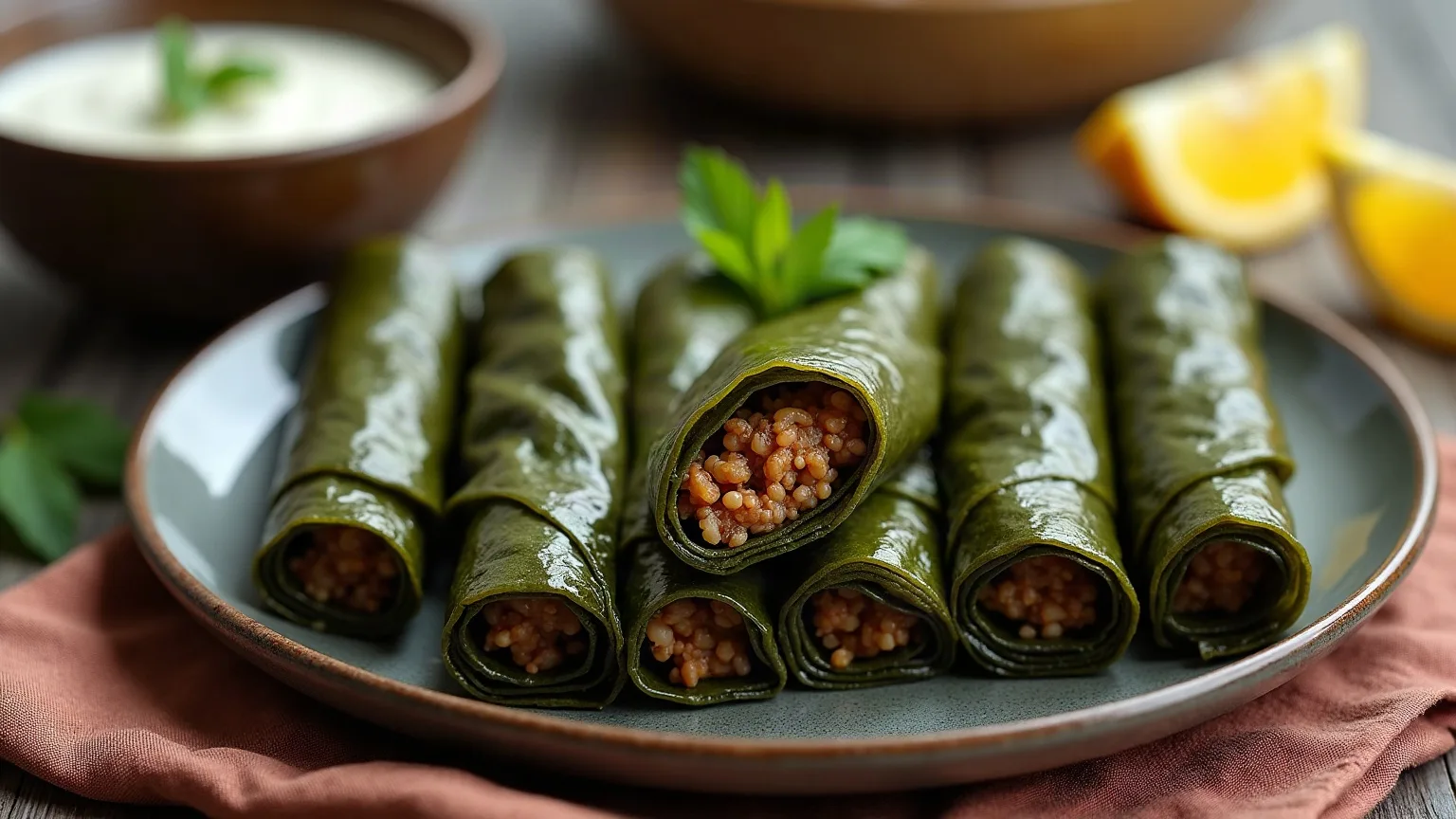
Vine leaves stuffed with meat
Sarma holds together because the pan is packed, not because the roll is tight. Leave gaps and every one of them opens.…
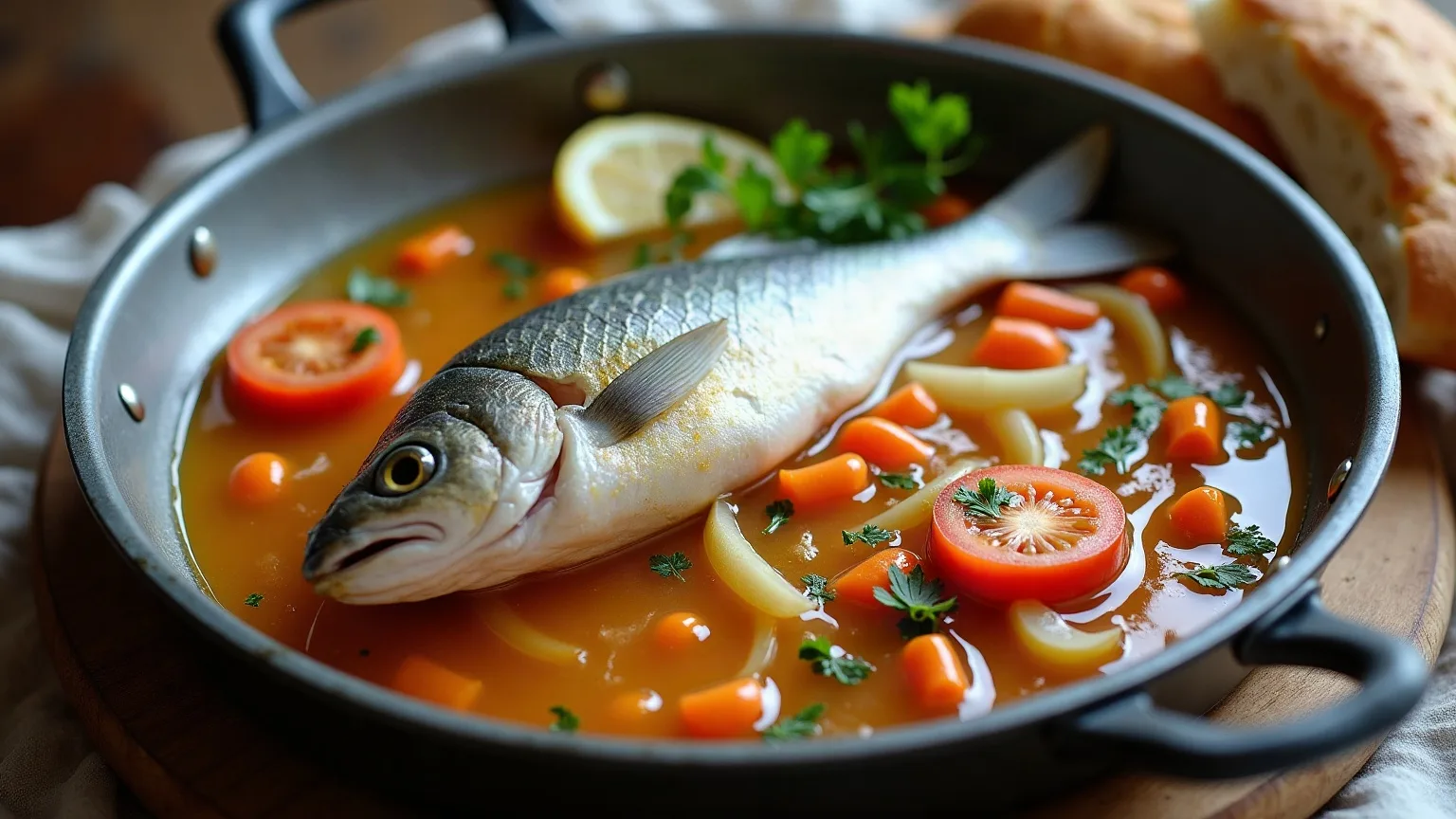
Steamed fish
In a buğulama the fish never touches water: it cooks in the steam the vegetables give off and never sees 100 °C.…
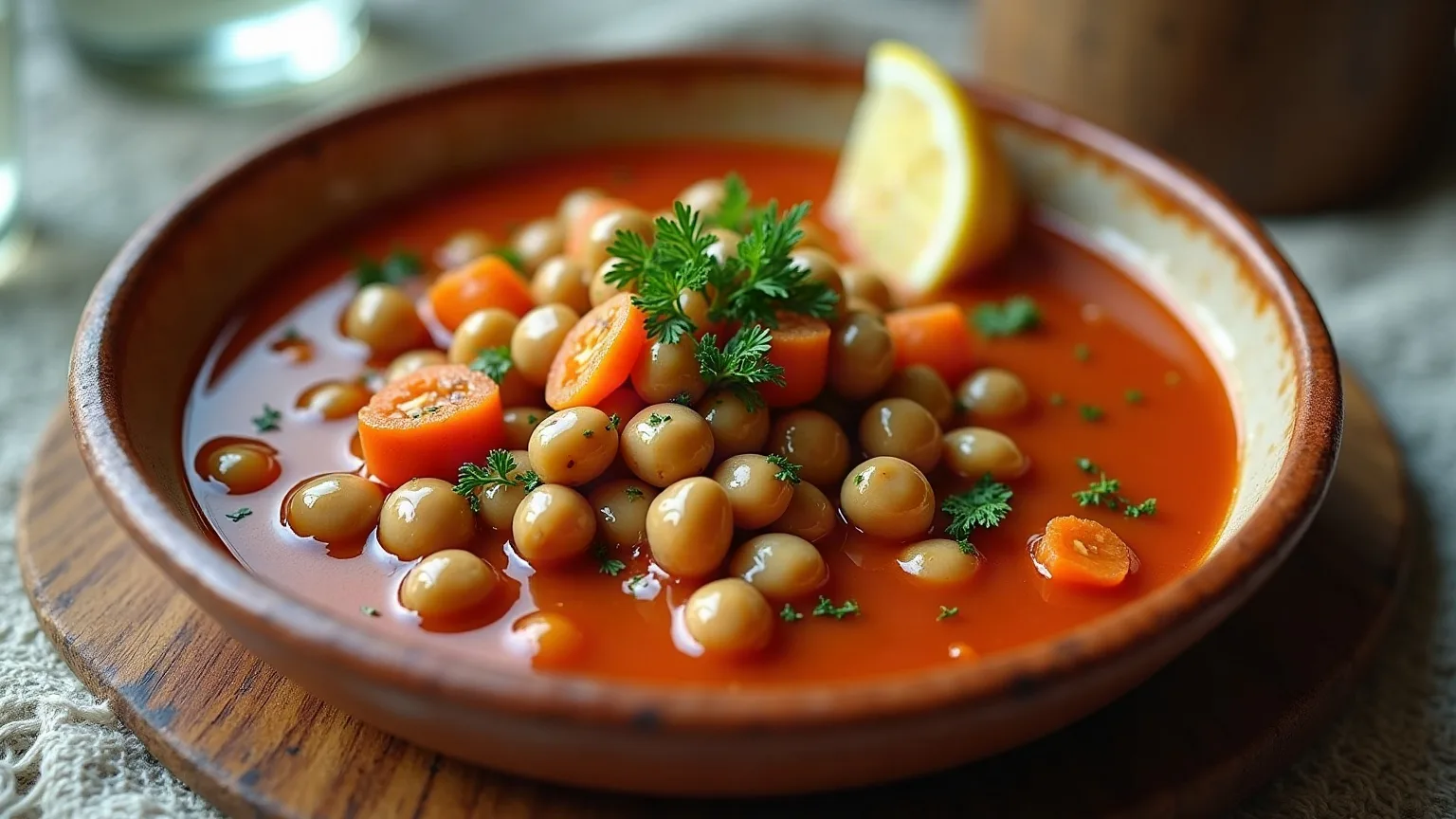
Black-eyed pea stew
The one common dried pulse that needs no soaking: its coat is thin and permeable, so it goes from dry seed to tender in …
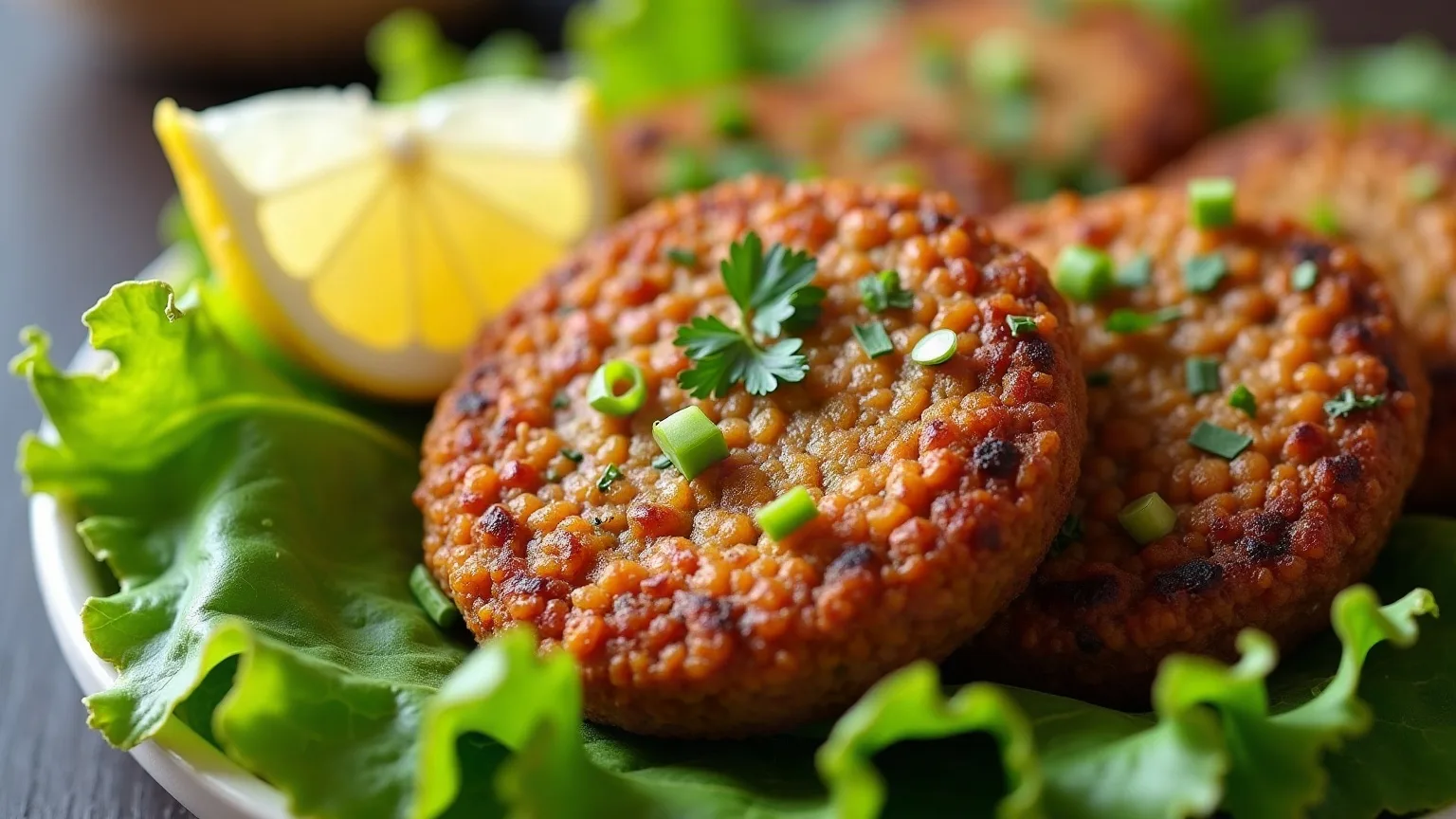
Red lentil patties
The bulgur goes onto the lentils while they are HOT, under a lid. Added to cold lentils it never swells and the patty fa…