
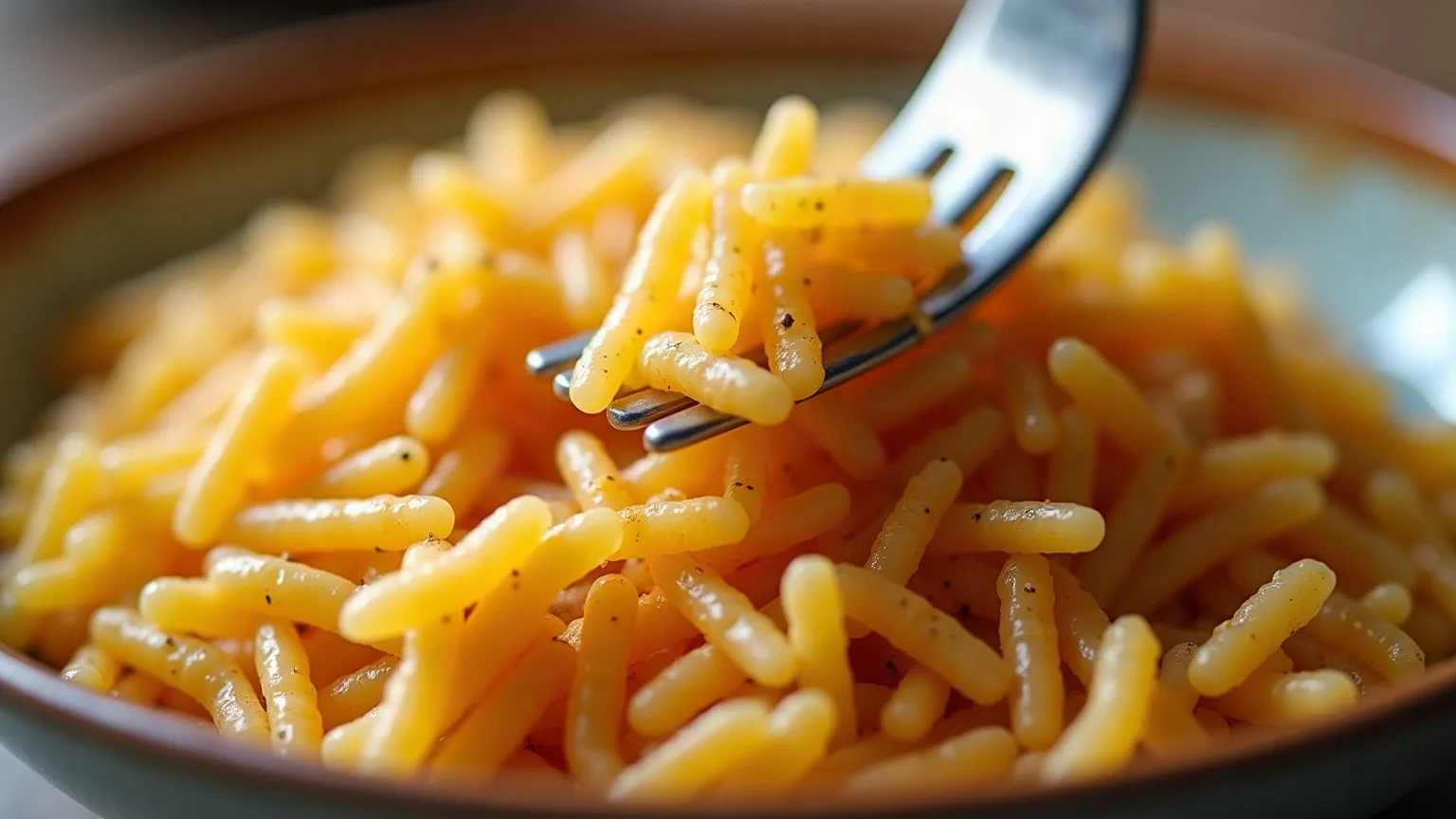
Orzo pilaf
Orzo is pasta rather than rice: its starch behaves differently, and cooked without toasting it glues itself together in the pan.
Rice, bulgur and grains · Turkish · Under 30 minutes · Budget · Snacks for children · One pot
- Preparation
- 5 min
- Cooking
- 18 min
- Resting
- 5 min
- Difficulty
- Easy
- Cost
- Very cheap
- Season
- All year
Orzo takes its Turkish name from its shape — a short pasta that looks like a barley grain — and the same shape is used as *orzo* in Italy and *kritharaki* in Greece. It arrived in Turkey in the twentieth century and settled fast for practical reasons: unlike rice it needs no rinsing, unlike bulgur it needs no resting, and it is out of the pan in twenty minutes. Greek *giouvetsi* and Italian orzo soups lean on the same property.
Method
- Boil the water or the stock.
- Do not rinse the orzo: rinsed pasta loses the surface starch that holds sauce.
You will need: A pan with a lid
-
Soften the onion in the butter for five minutes and stir the paste in for a minute.
Look for The onion should go translucent without browning at the edges.
Why The paste is here for colour and a sense of savouriness; a teaspoon is enough, and more covers the orzo’s own wheat taste.Starch gelatinised The granules soaked up water, swelled and burst into a network. It has thickened, and it will firm further as it cools. no way back
Maillard is running Amino acids have met reducing sugars. The crust, the roasted flavour and that smell all come from here. no way back
-
Add the orzo and toast it for three or four minutes until it turns golden.
Look for The grains should be pale gold and a nutty smell should come up.
Why This does not do the same job as the fat film in a rice pilaf: what matters here is the Maillard reaction. Pasta starch gels faster than rice starch, and untoasted orzo sets into a block in the pan. Toasting partly dries the surface, delays that gelling, and leaves a nutty base behind.If it went wrong
If you skipped the toasting, add 100 ml more liquid and stir twice while it cooks. It will not be separate, but it will not be a block either.
Starch gelatinised The granules soaked up water, swelled and burst into a network. It has thickened, and it will firm further as it cools. no way back
A gluten web is forming Gliadin and glutenin hydrated into an elastic net. This is what will hold the gas. no way back
Maillard is running Amino acids have met reducing sugars. The crust, the roasted flavour and that smell all come from here. no way back
Frying dynamics Surface water is flashing to steam and pushing outward — that is the shield keeping the oil out. no way back
Too much starch. It will set into a rubbery gel once cool — add more liquid.
-
Add the hot stock and the salt, bring it to the boil, then cover and cook ten to twelve minutes over a low flame.
Look for By the tenth minute a thin sauce that coats the back of a spoon should be left in the pan.
Why The ratio is 1:2.3, markedly higher than for rice, because pasta starch does not only take water up — it gives some back, and that liquid turns into a light sauce. Orzo cooked with too little water comes out dry and floury.Starch gelatinised The granules soaked up water, swelled and burst into a network. It has thickened, and it will firm further as it cools. no way back
A gluten web is forming Gliadin and glutenin hydrated into an elastic net. This is what will hold the gas. no way back
Salt · 0.42% Low. Everything reads flat and nothing steps forward.
Too much starch. It will set into a rubbery gel once cool — add more liquid.
-
Off the heat, add the pepper and leave it covered for five minutes.
Look for No free liquid should be left, but it should not look dry either.
Why Five minutes lets the last of the sauce be taken up. It is shorter than the ten-minute rest of a rice pilaf because orzo is not as coarse and moisture reaches its centre sooner.Starch gelatinised The granules soaked up water, swelled and burst into a network. It has thickened, and it will firm further as it cools. no way back
A gluten web is forming Gliadin and glutenin hydrated into an elastic net. This is what will hold the gas. no way back
Salt · 0.42% Low. Everything reads flat and nothing steps forward.
Too much starch. It will set into a rubbery gel once cool — add more liquid.
This recipe was run through the engine step by step — what goes in when, and at what temperature and for how long. The reactions above come from that run.
peak 170 °C · 27 minutes · engine 1.0.0 · confidence low
After the heat goes off
Hot beside meat or chicken. Grated cheese over it works well for children.
Two days in the fridge. It stiffens noticeably in the cold: pasta starch retrogrades faster than rice starch.
With a ladle of water or stock over a low flame for five minutes. Reheated dry it goes lumpy.
It does not freeze: on thawing the pasta starch weeps and the pilaf goes pasty.
A ladle of stock turns it into soup, or stirred with egg it cooks in a pan like an omelette.
Its small grain and soft texture make it one of the easiest grains for children to accept. Suitable for a baby from eight months; use a separate small pan for a salt-free portion. Being wheat, it contains gluten. If you use stock, check the salt separately — shop bouillon is high in it.
- Meat stock → Water Plain water works; then take the salt to 7 g and add a pinch of dried thyme.
- Orzo pasta → Vermicelli It is also made with fine vermicelli; being thinner, the toasting drops to two minutes and the cooking to eight.
- Boiling & poaching The method this recipe rests on
- Meat stock What it does in heat, water and acid
- Orzo pasta What it does in heat, water and acid
- Bulb onion What it does in heat, water and acid
- Buttered pilaf Similar method, or something that sits on the same table
- Vermicelli soup Similar method, or something that sits on the same table
- Bulgur pilaf Similar method, or something that sits on the same table
- Under 30 minutes Other recipes that answer the same need
- Budget Other recipes that answer the same need
- Snacks for children Other recipes that answer the same need
- One pot Other recipes that answer the same need
What it tastes like
No axis sits clearly above the average: a balanced recipe.
This profile is computed rather than measured: the role-weighted average of its ingredients’ taste vectors, shifted by what the cooking does. The thin line is the database average on that axis.
Closest in taste
Not hand-picked: ranked by distance across the eight taste axes.
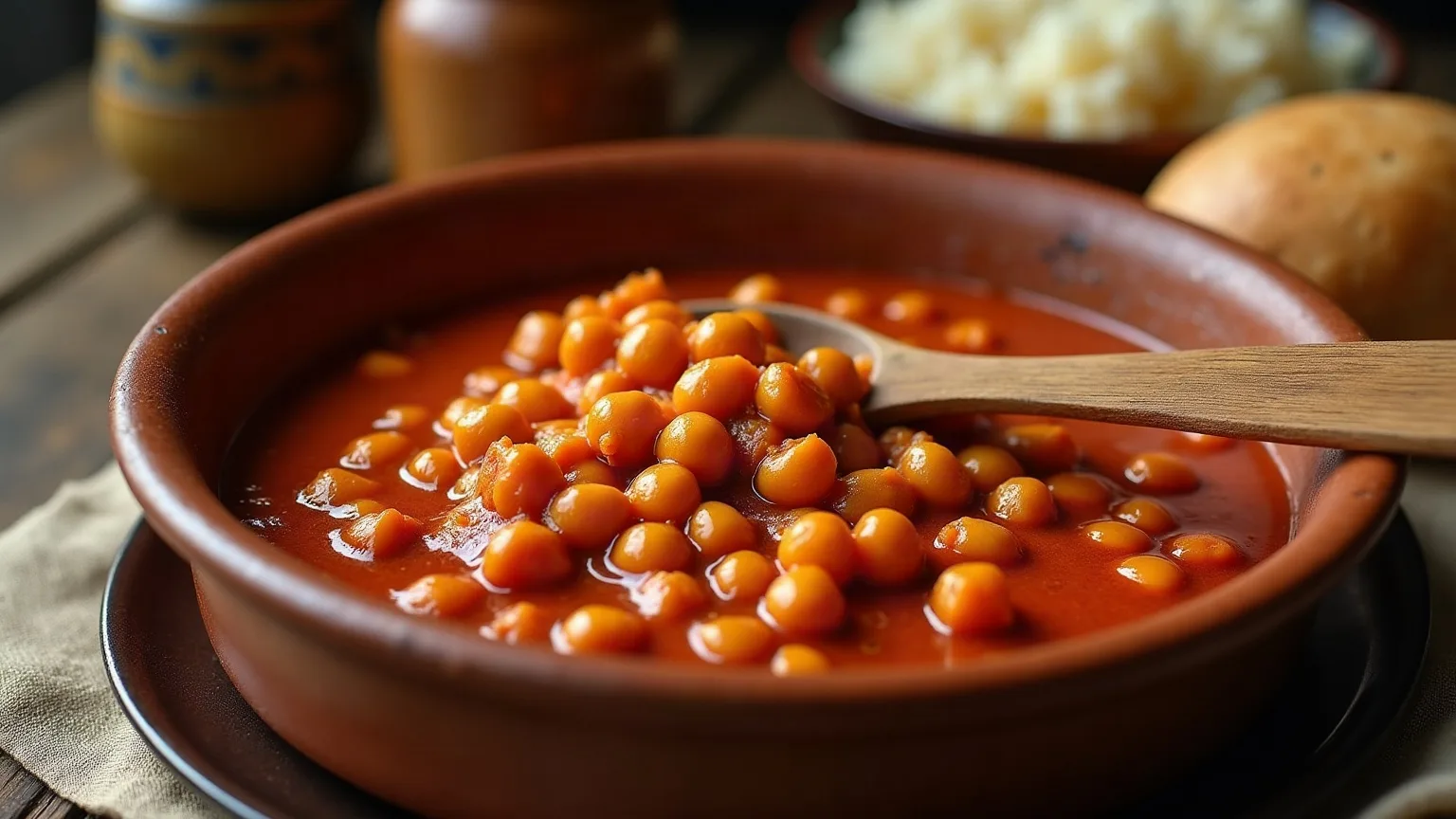
Chickpea stew
Dried chickpeas, tomato paste and olive oil — and a pinch of bicarbonate that halves the cooking time.…
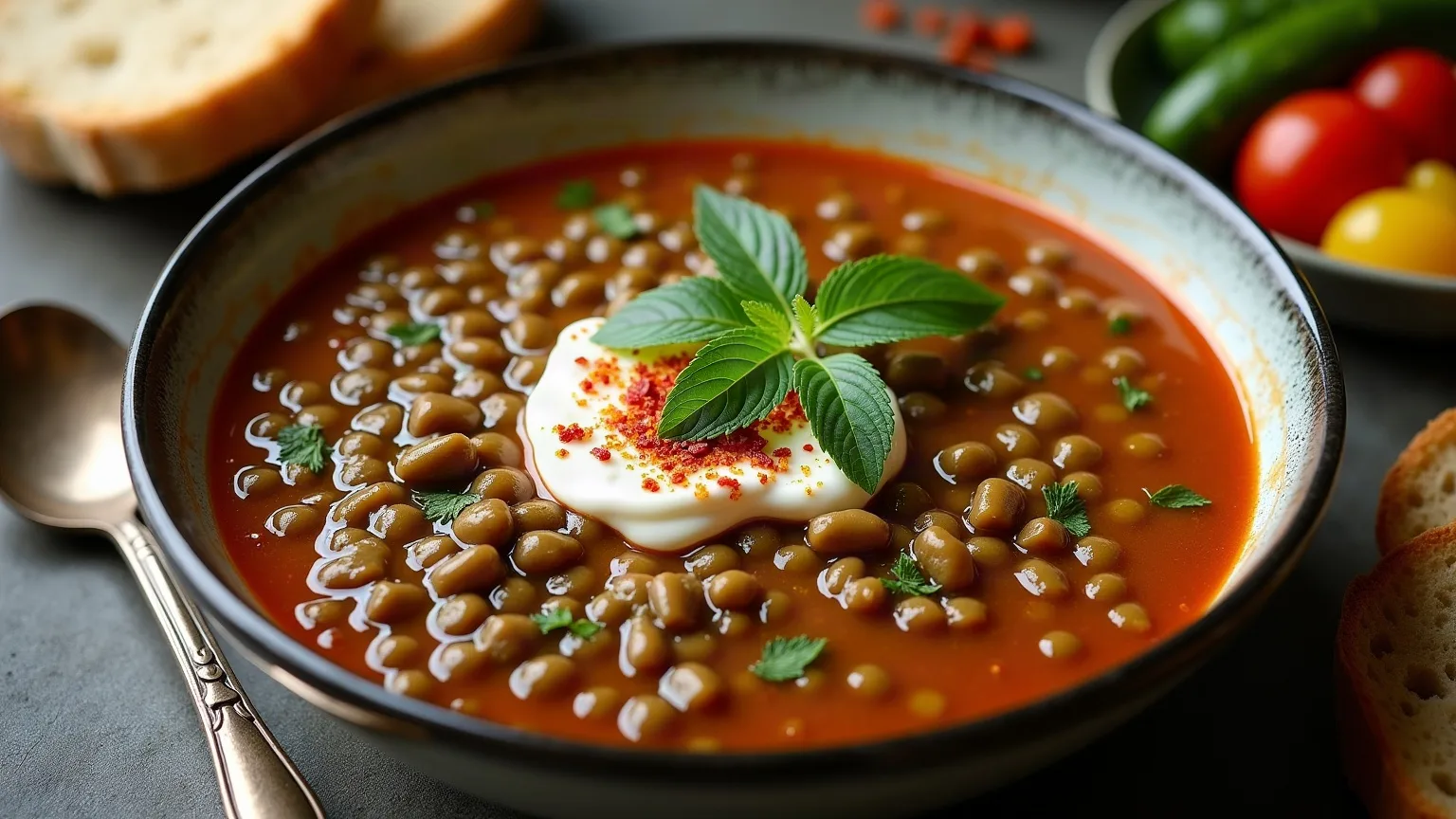
Green lentil stew
A green lentil keeps its skin and holds its shape; a red one is already skinned and split, so it collapses. The same pla…
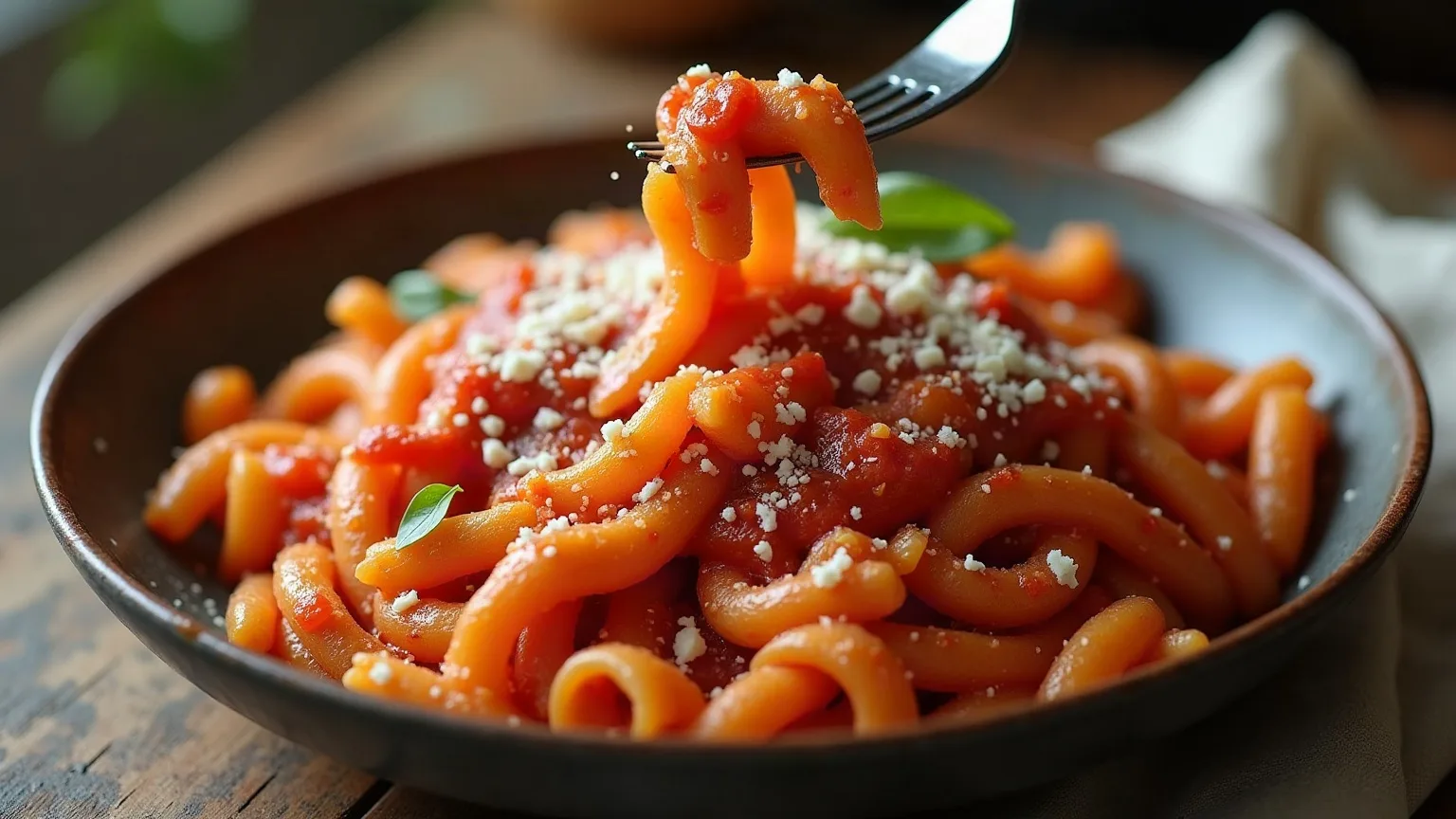
Pasta with tomato paste
There is no sauce until the paste has been fried: raw paste stays sour and metallic.…
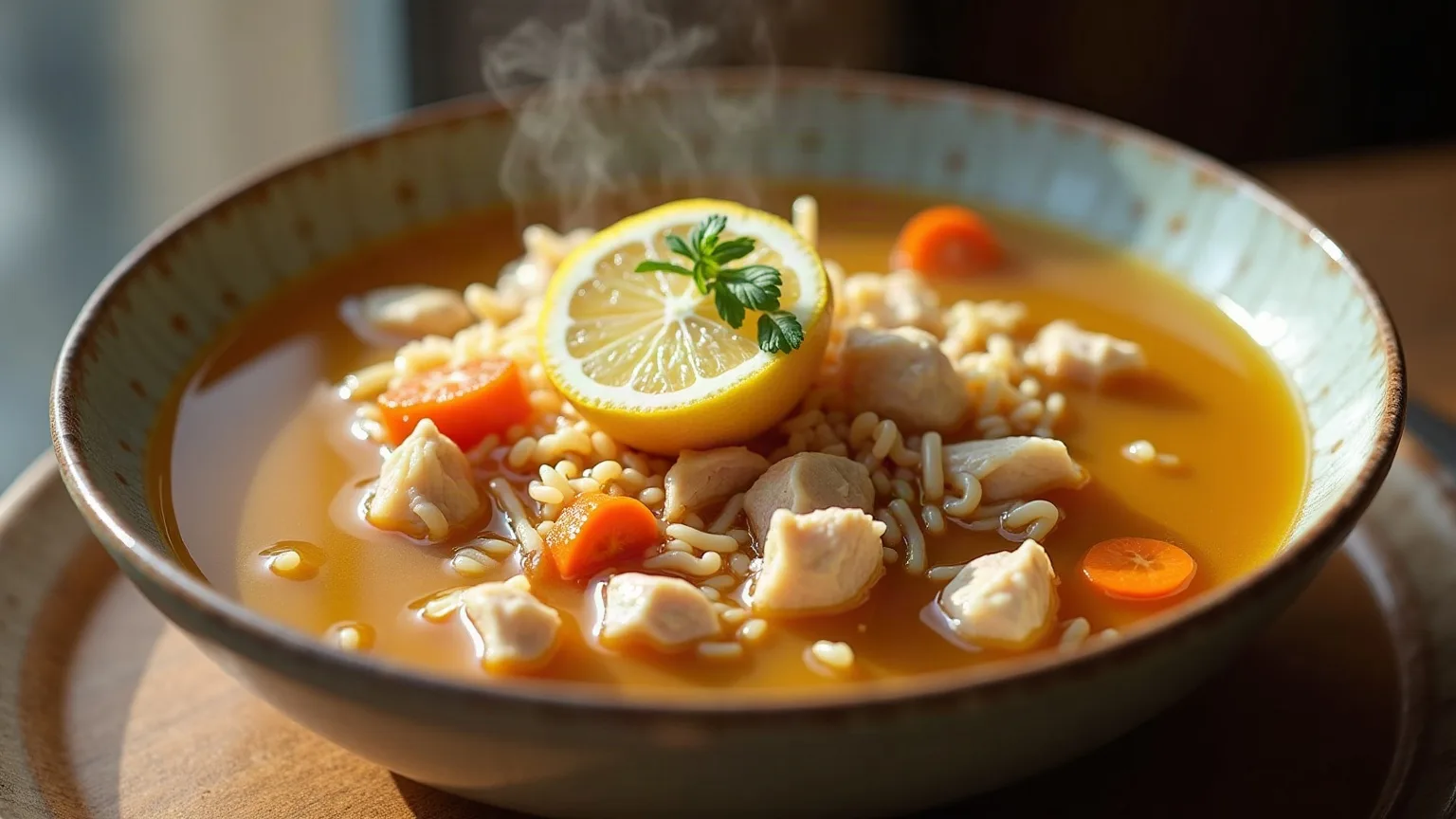
Chicken broth soup
What makes a broth clear is not the ingredients but the temperature: a pan that passes 95 °C guarantees a cloudy one.…