
Gözleme with spinach and cheese
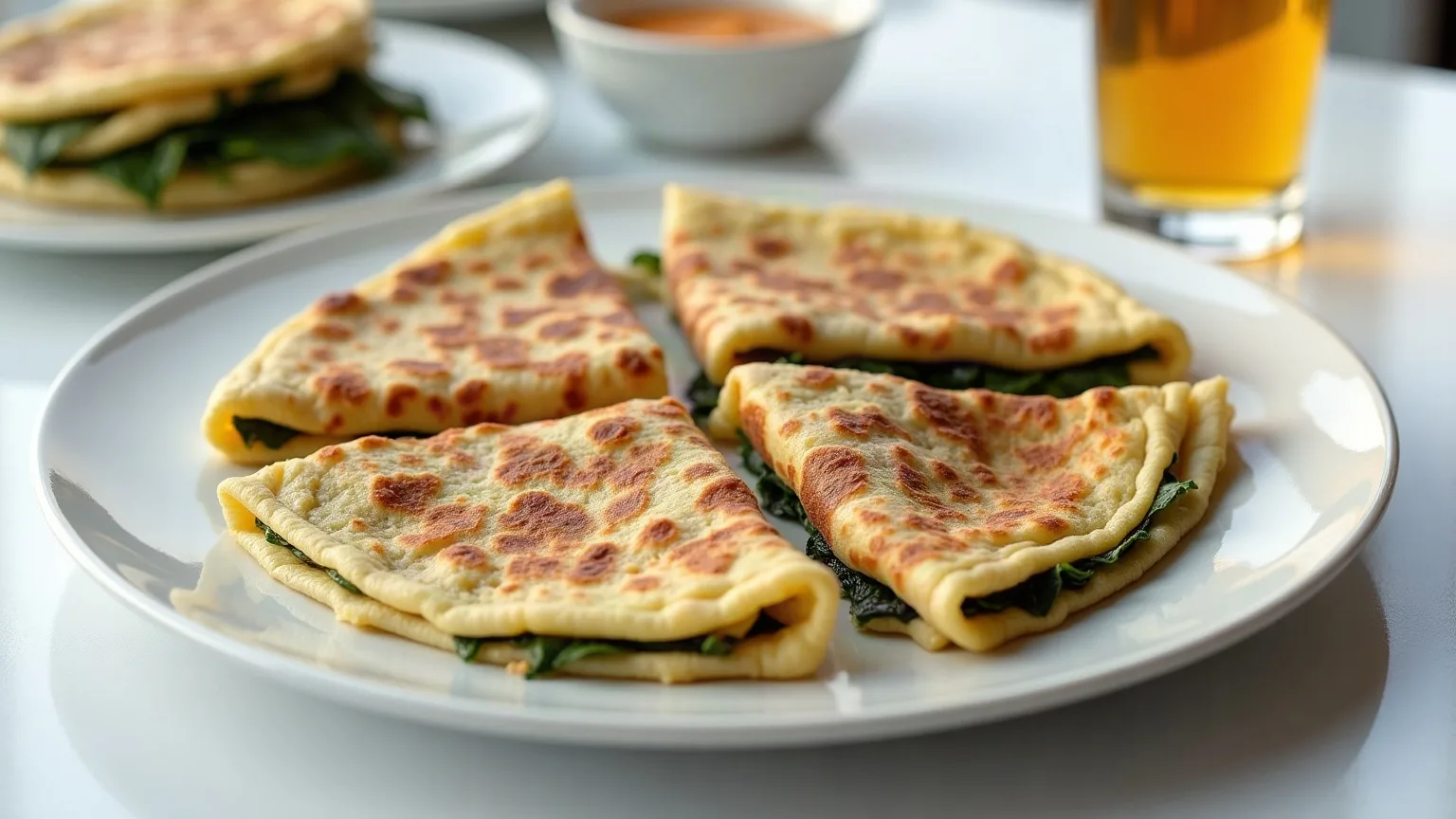
An unyeasted dough rested 30 minutes rolls to 1 mm. On a dry pan at 200–220 °C it browns in spots without soaking up fat.
Doughs and pastries · Turkish · Under 30 minutes · Budget · Snacks for children
- Preparation
- 25 min
- Cooking
- 20 min
- Resting
- 30 min
- Difficulty
- Needs attention
- Cost
- Very cheap
- Season
- Spring, Autumn, Winter
Gözleme is village flatbread rolled out beside the griddle and filled with whatever the house has that day. The name comes from the little brown "eyes" of blistered dough that form as it cooks. Swapping the traditional sac for a home pan changes only the heat spread: thin dough blisters only on a dry, very hot surface. The butter goes on top as it cooks, not into the dough.
Method
- Wash and finely chop the spinach, then squeeze out its water by hand.
- Crumble the cheese.
You will need: A sac griddle or a wide cast-iron pan · A thin rolling pin
-
Knead the flour, water and salt for 8 minutes, divide into 4 and rest covered for 30 minutes.
Look for The balls should be smooth and slow to spring back under a finger.
Why About 57% water keeps the dough soft but not sticky. With no yeast, all its stretch comes from rested gluten.Starch still asleep The granules are just floating there doing nothing. No body arrives before 62 °C.
A gluten web is forming Gliadin and glutenin hydrated into an elastic net. This is what will hold the gas. no way back
Salt · 0.94% Right in the window. Flavours sharpen, bitterness retreats, water is held.
-
Mix the spinach, grated onion and cheese. Roll each ball to 1 mm, cover half with filling, fold and press the edges.
Look for Held to the light, the filling should show as a shadow; the edges should close without air pockets.
Why Spinach not squeezed turns to steam in the pan, wets the dough from inside and bursts the seam.Starch still asleep The granules are just floating there doing nothing. No body arrives before 62 °C.
A gluten web is forming Gliadin and glutenin hydrated into an elastic net. This is what will hold the gas. no way back
Salt · 0.82% Right in the window. Flavours sharpen, bitterness retreats, water is held.
-
Heat the dry pan to 200–220 °C and cook each gözleme 2 to 3 minutes a side, brushing it with butter after turning.
Look for Brown speckles and blisters should form while the dough stays pliable.
Why High heat flashes the water in the dough into pockets that blister and brown at the tips. In a cool pan the dough dries without browning and turns tough.If it went wrong
If it stiffens before it spots, the pan is too cool: lift it off and heat the pan two more minutes. Soften a stiff gözleme by buttering it and wrapping it in a cloth for three minutes.
Starch gelatinised The granules soaked up water, swelled and burst into a network. It has thickened, and it will firm further as it cools. no way back
A gluten web is forming Gliadin and glutenin hydrated into an elastic net. This is what will hold the gas. no way back
Maillard is running Amino acids have met reducing sugars. The crust, the roasted flavour and that smell all come from here. no way back
Frying dynamics Surface water is flashing to steam and pushing outward — that is the shield keeping the oil out. no way back
Salt · 0.79% Right in the window. Flavours sharpen, bitterness retreats, water is held.
Too much starch. It will set into a rubbery gel once cool — add more liquid.
This recipe was run through the engine step by step — what goes in when, and at what temperature and for how long. The reactions above come from that run.
peak 210 °C · 73 minutes · engine 1.0.0 · confidence low
After the heat goes off
Cut in four, with ayran. Best while hot.
One day in the fridge, wrapped.
One minute a side in a dry pan.
Cooked gözleme freezes for a month with paper between them.
Cold slices with yoghurt make the next day’s light lunch.
Small triangles make finger food from 12 months. The cheese is salty; soak it or use less.
- Spinach → Potato For potato gözleme, mash two boiled potatoes with chilli flakes.
- Deep frying The method this recipe rests on
- Spinach What it does in heat, water and acid
- Bulb onion What it does in heat, water and acid
- White cheese What it does in heat, water and acid
- Katmer with pistachio and kaymak Similar method, or something that sits on the same table
- Bazlama in a pan Similar method, or something that sits on the same table
- Spinach börek Similar method, or something that sits on the same table
- Under 30 minutes Other recipes that answer the same need
- Budget Other recipes that answer the same need
- Snacks for children Other recipes that answer the same need
What it tastes like
The axes that define this recipe: richness 47, umami 37, aroma 53.
This profile is computed rather than measured: the role-weighted average of its ingredients’ taste vectors, shifted by what the cooking does. The thin line is the database average on that axis.
Closest in taste
Not hand-picked: ranked by distance across the eight taste axes.
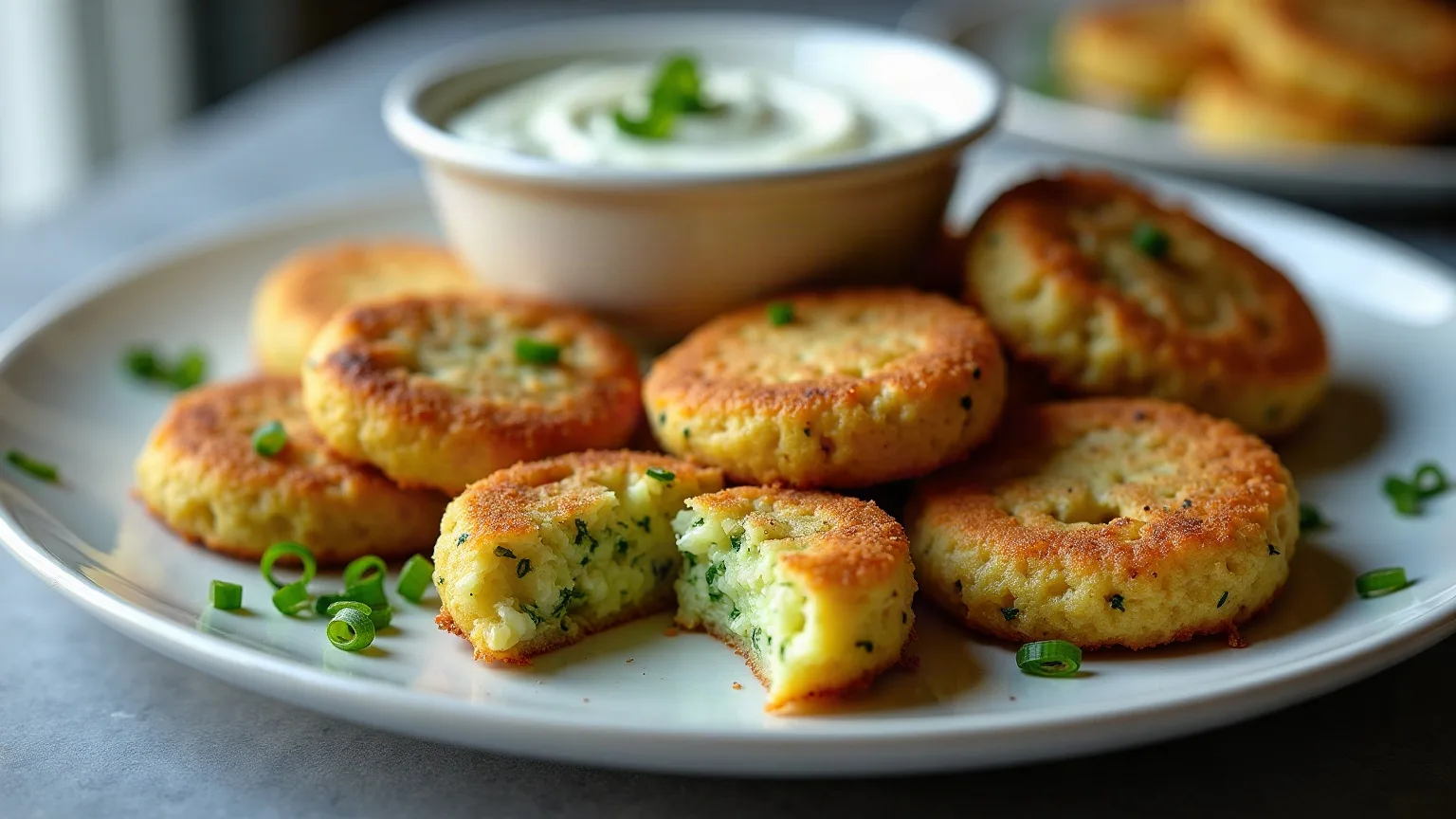
Courgette fritters
A mücver made without squeezing the courgette falls apart. One courgette gives up half a glass of water, and with that w…
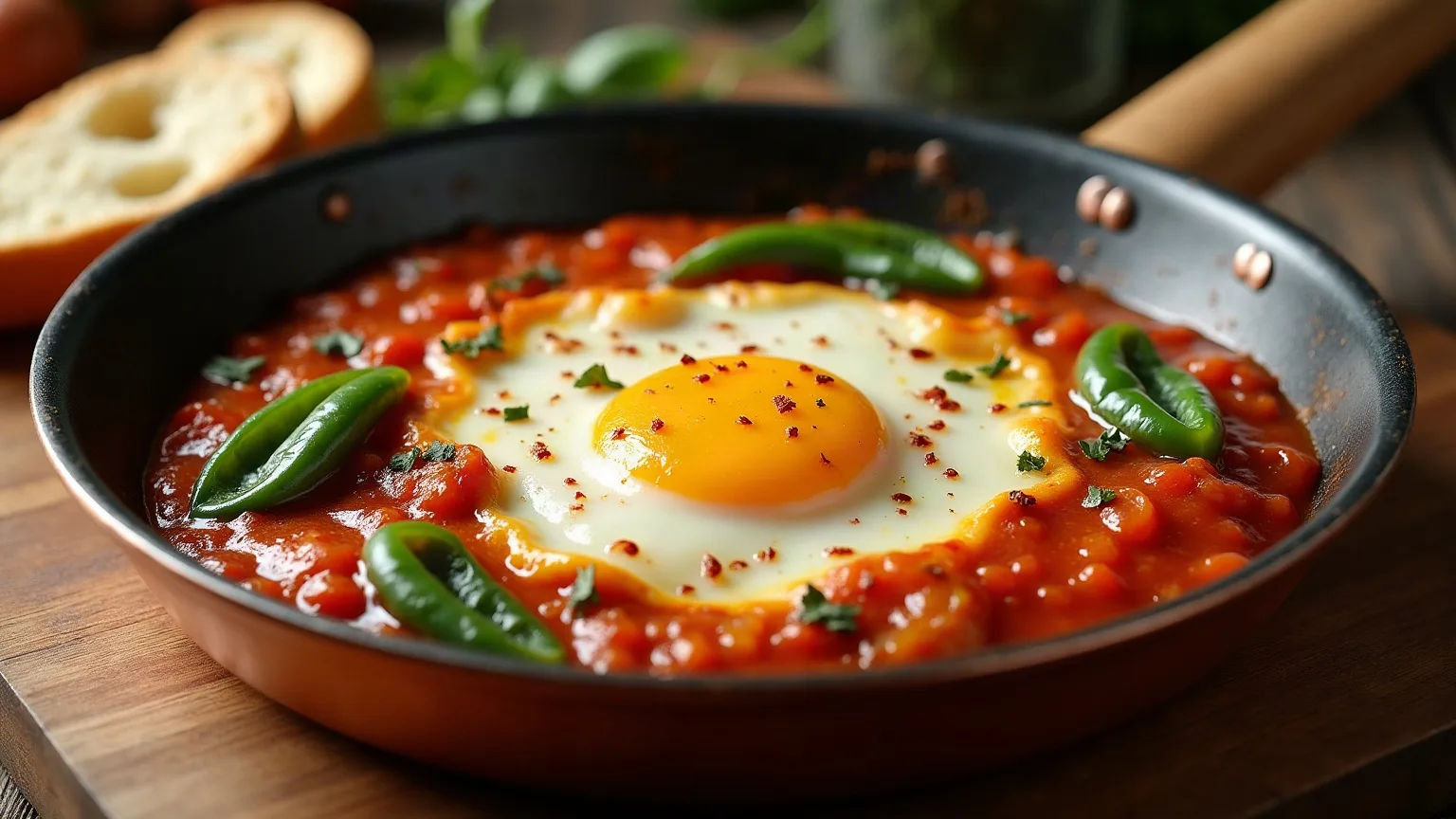
Menemen
Pepper, tomato and egg. Know the order and the heat and it takes fifteen minutes; miss them and you get a watery omelett…
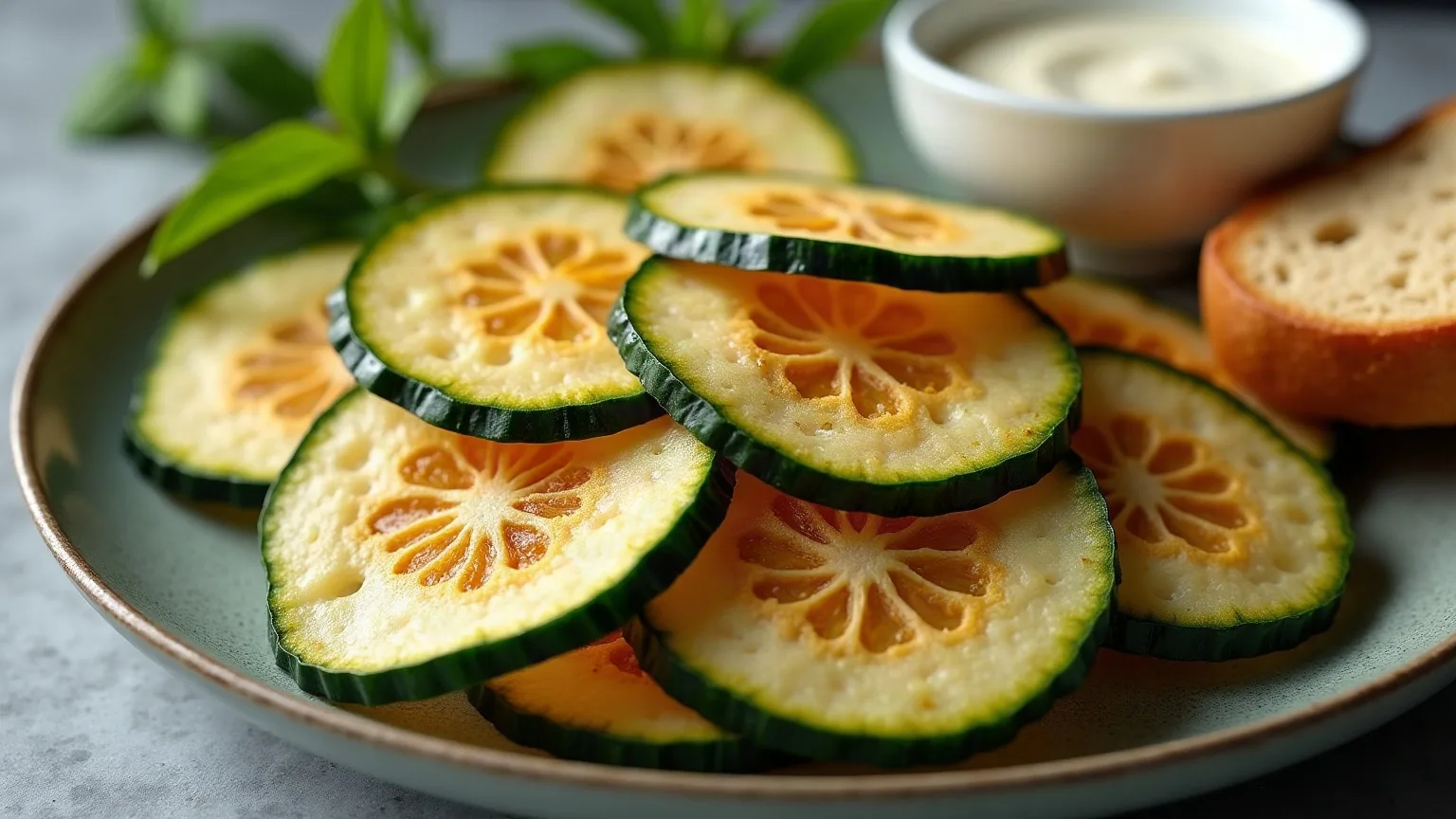
Fried courgette
Salt the slices and wait twenty minutes: the water that comes out is the only reason a fried slice spits and goes soft.…
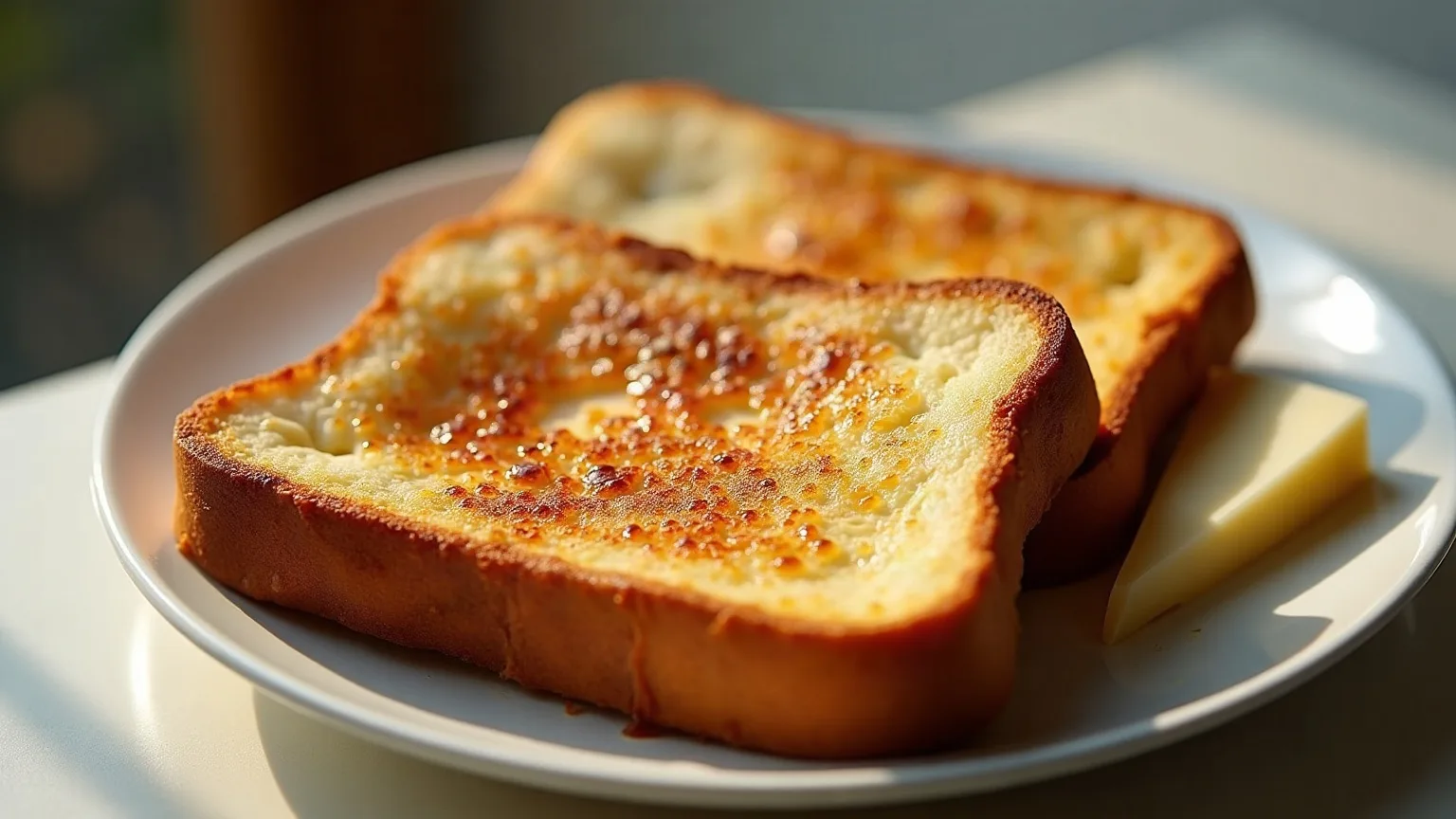
Eggy bread
The best use there is for stale bread. Fresh bread is no good here — it collapses before it has absorbed anything.…