
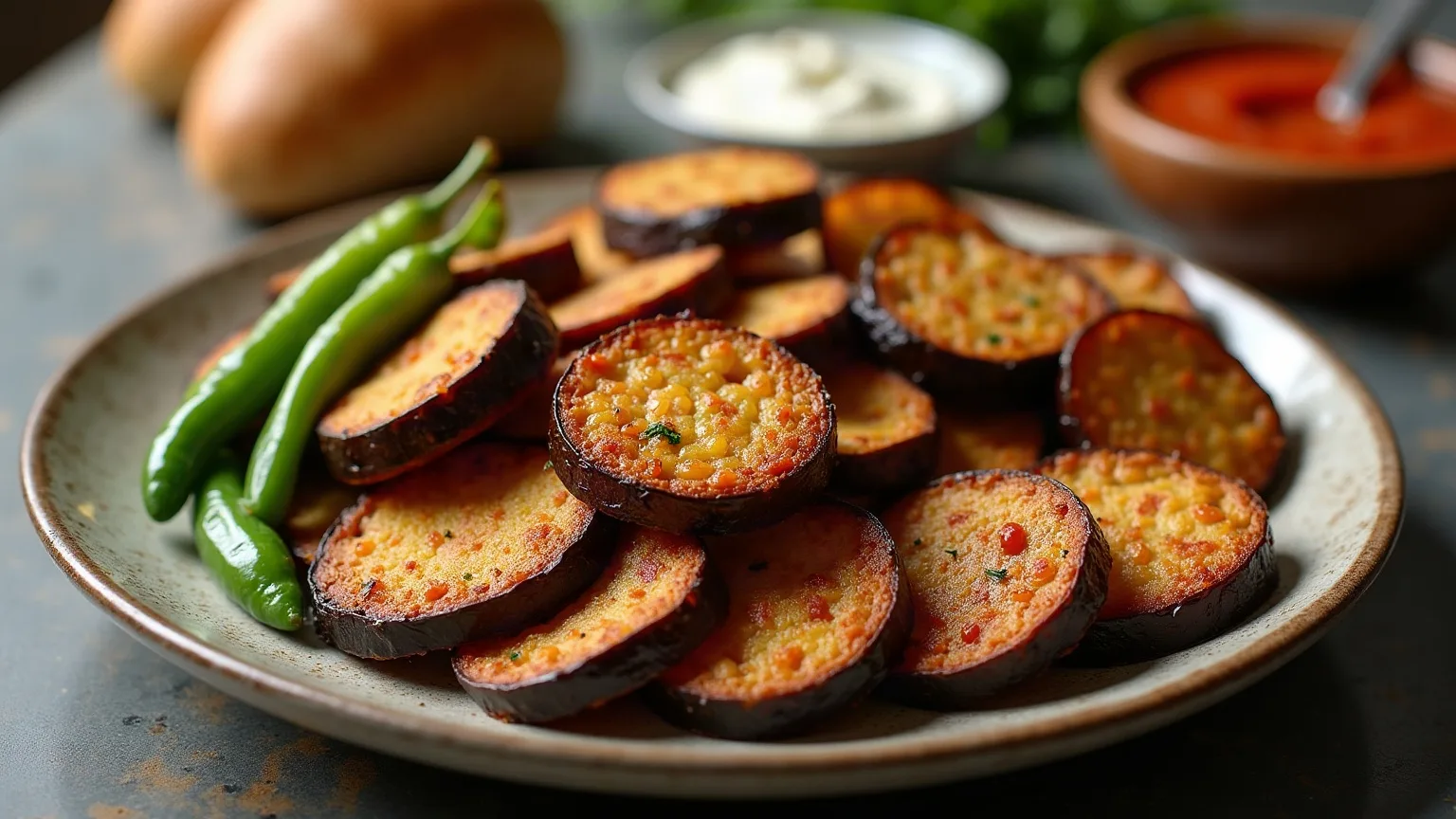
Fried aubergine
An aubergine can take up a third of its own weight in oil. Salted water halves that.
Vegetable dishes · Turkish · Seasonal · For guests · Vegan
- Preparation
- 30 min
- Cooking
- 20 min
- Difficulty
- Needs attention
- Cost
- Cheap
- Season
- Summer, Autumn
An aubergine’s sponge structure is air pockets, and in hot oil they fill within seconds. Soaked in salted water they fill with water instead, the oil finds nowhere to go, and as that water turns to steam it pushes outwards. It is a measurable intervention: the same aubergine, the same oil, half the fat.
Method
- Peel the aubergines in stripes, slice them 1 cm thick and soak them twenty minutes in a litre of water with 20 g of salt, weighed down with a plate.
- Dry them THOROUGHLY.
You will need: A deep pan · A plate to weigh it down · Kitchen paper
-
Soak the slices twenty minutes in salted water and dry them well.
Look for The soaking water should brown slightly: that colour is the bitterness leaving.
Why The water fills the cell spaces so there is nowhere for oil to go, and the salt draws the aubergine’s bitter compounds out by osmosis. Both happen in the same twenty minutes.If it went wrong
Skipped, the slices drink oil. Ten minutes on a tray at 180 °C afterwards takes some of it back.
-
Bring the oil to 180 °C, fry the slices three minutes a side and drain them on paper.
Look for Golden brown, and leaving no large oil stain on the paper.
Why At 180 °C the surface water flashes to steam and that steam pushes outwards, keeping the oil out: it is the basic shield of frying. At 160 the shield never forms.Maillard is running Amino acids have met reducing sugars. The crust, the roasted flavour and that smell all come from here. no way back
Frying dynamics Surface water is flashing to steam and pushing outward — that is the shield keeping the oil out. no way back
-
Leave two spoons of the oil, soften the garlic and peppers for two minutes, add the grated tomato and salt and cook eight minutes until it thickens.
Look for A channel drawn with a spoon should stay open.
Why The tomato sauce has to be thick: a thin one wets the crust and softens it, and twenty minutes of frying is wasted.Starch gelatinised The granules soaked up water, swelled and burst into a network. It has thickened, and it will firm further as it cools. no way back
Salt · 0.51% Low. Everything reads flat and nothing steps forward.
-
Lay the slices out, spoon the sauce over and serve the garlic yoghurt beside.
Look for Part of every slice should still show.
Why The sauce is spooned rather than poured: a little on each slice, and the crust keeps its crispness where it is left bare.Salt · 0.44% Low. Everything reads flat and nothing steps forward.
This recipe was run through the engine step by step — what goes in when, and at what temperature and for how long. The reactions above come from that run.
peak 180 °C · 51 minutes · engine 1.0.0 · confidence low
What can go wrong here
The aubergine drank all the oil⌄
What happened
Aubergine flesh is a sponge with air trapped between the cells. Hot oil fills those pockets within seconds — it is not absorbed so much as inhaled.
By the numbers
Salt it for 20 minutes and squeeze out the water. Or skip oil altogether: at 200 °C in the oven the cells collapse before they can take any on.
Without a thermometer
After salting, press it between two plates with a weight on top to draw the water faster. In a hurry, soak it in milk for 10 minutes: the milk fills the pores so there is no room for oil. Pat it properly dry before frying — wet aubergine spits and drinks even more.
After the heat goes off
Warm or at room temperature, with yoghurt and bread.
Two days in the fridge with the yoghurt separate.
Eight minutes at 200 °C.
Not for the freezer: aubergine goes spongy on thawing.
Chopped into pasta, or mashed into an aubergine purée.
Suitable from twelve months. For 12–36 months take the peppers out, cut the slices small and lift their share before the salt. Baked twenty-five minutes at 200 °C instead of fried, it also suits a baby under one.
- Sunflower oil (linoleic) → Olive oil Olive oil has a lower smoke point: keep it under 170 °C.
- Deep frying The method this recipe rests on
- Aubergine What it does in heat, water and acid
- Tomato What it does in heat, water and acid
- Strained yoghurt What it does in heat, water and acid
- Fried courgette Similar method, or something that sits on the same table
- İmam bayıldı Similar method, or something that sits on the same table
- Karnıyarık Similar method, or something that sits on the same table
- Seasonal Other recipes that answer the same need
- For guests Other recipes that answer the same need
- Vegan Other recipes that answer the same need
What it tastes like
The axes that define this recipe: umami 42, richness 42, aroma 56.
This profile is computed rather than measured: the role-weighted average of its ingredients’ taste vectors, shifted by what the cooking does. The thin line is the database average on that axis.
Closest in taste
Not hand-picked: ranked by distance across the eight taste axes.
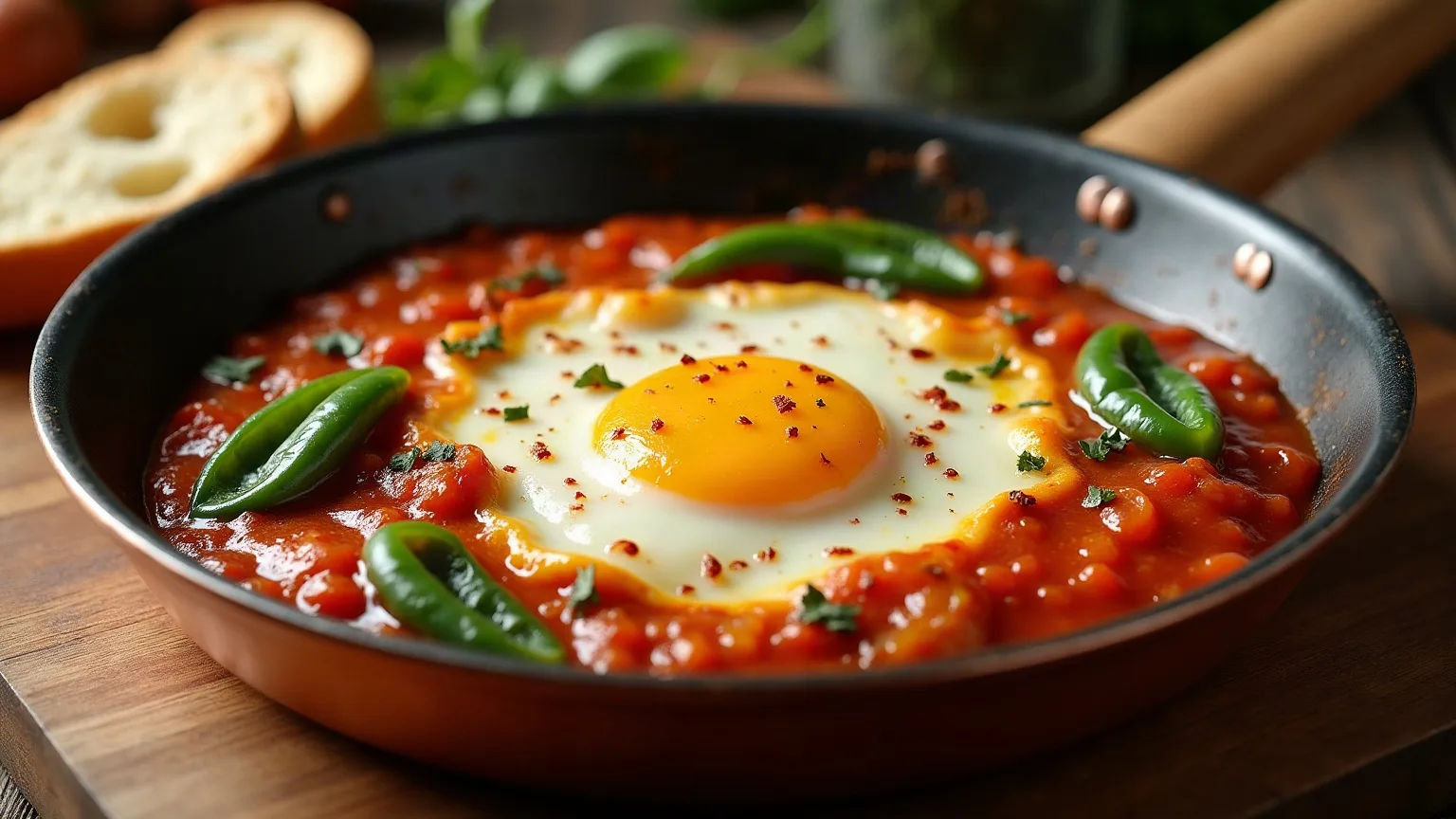
Menemen
Pepper, tomato and egg. Know the order and the heat and it takes fifteen minutes; miss them and you get a watery omelett…
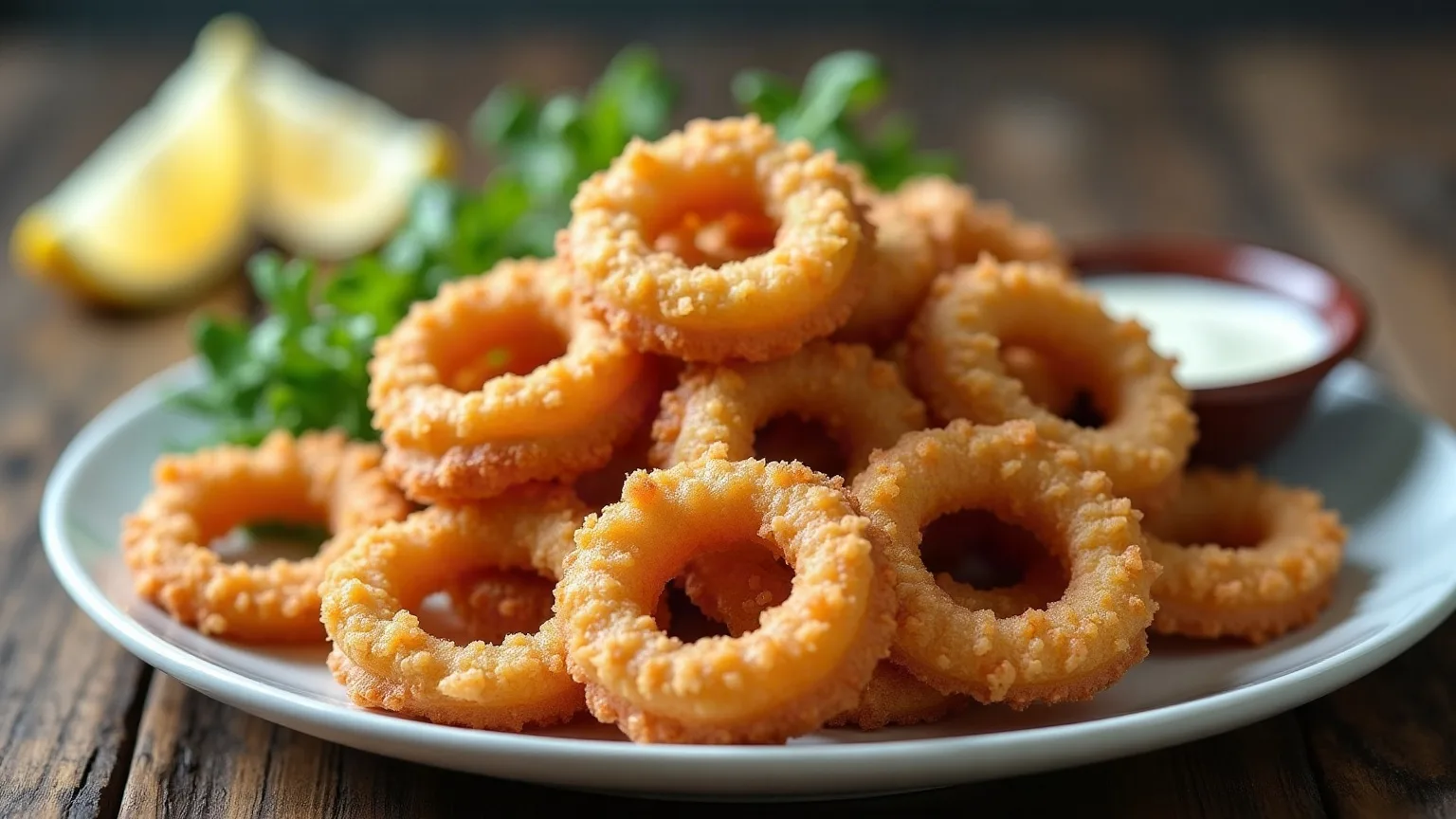
Fried squid
Squid has two cooking times and nothing between them: under two minutes or over thirty.…
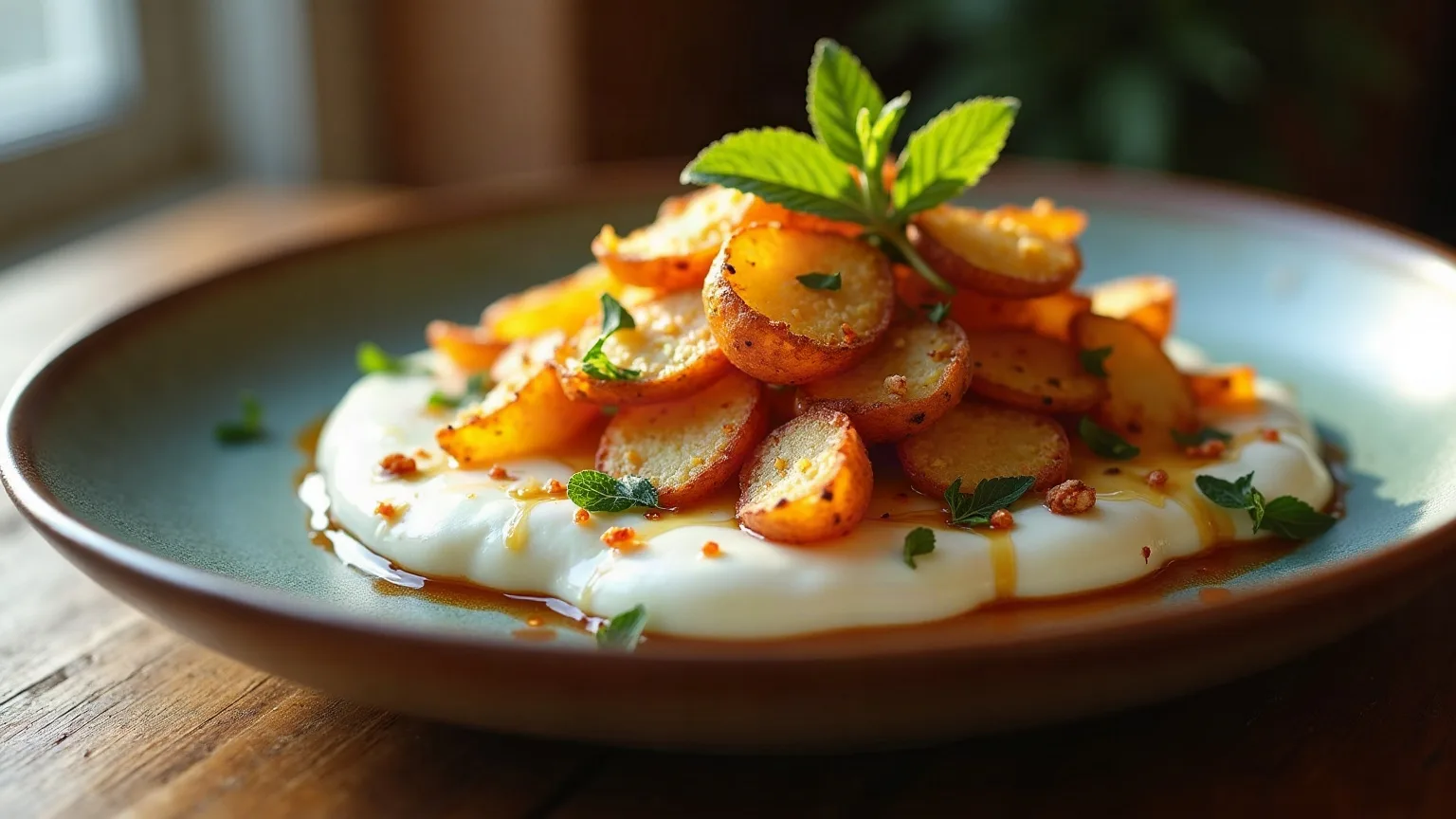
Crushed potatoes with yoghurt
Boil, crush, roast. A rough surface means more crust.…
Musakka
Turkish musakka has no béchamel: aubergine, mince and tomato in one pan. Confusing it with the Greek version is a common…